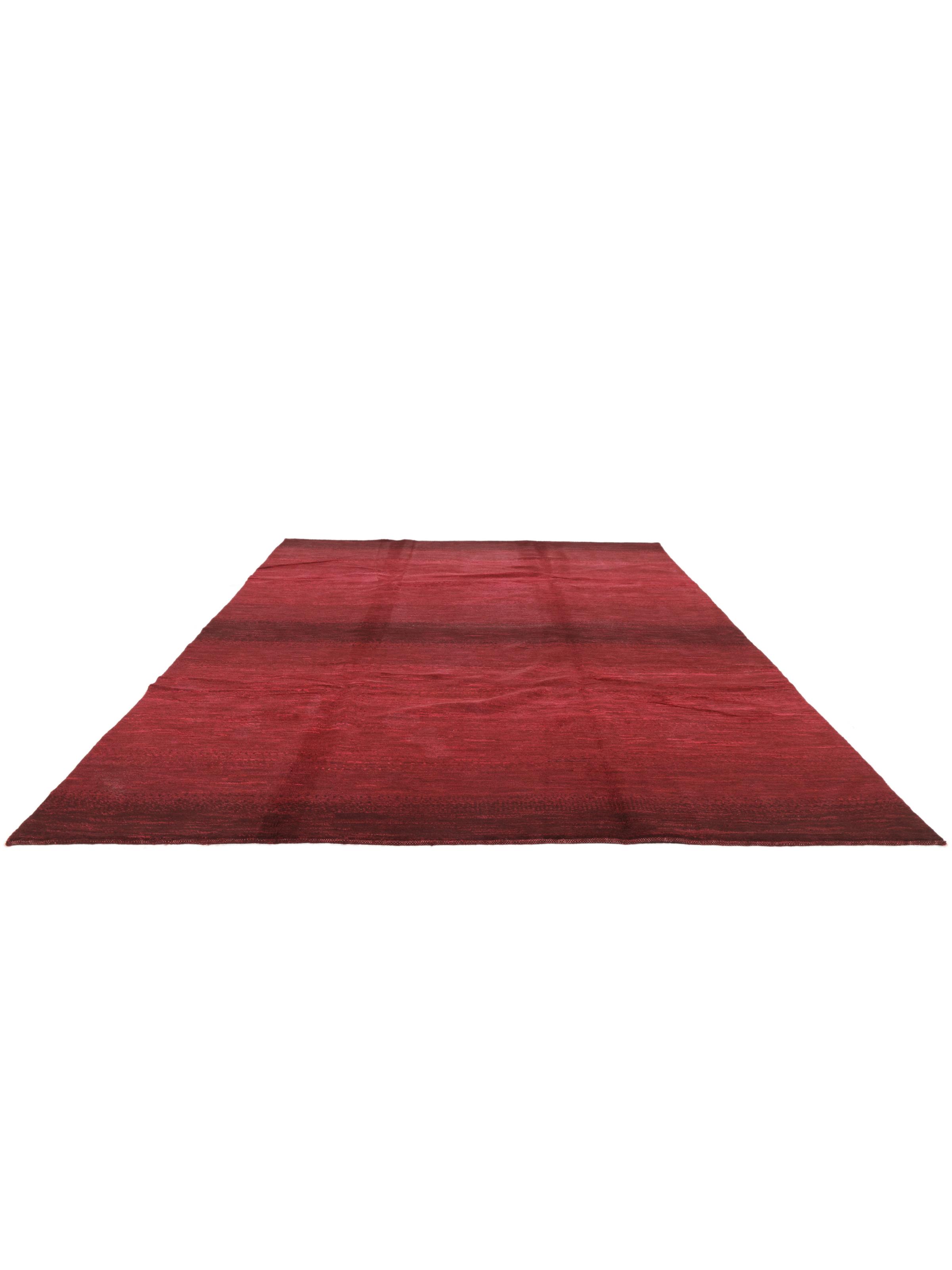
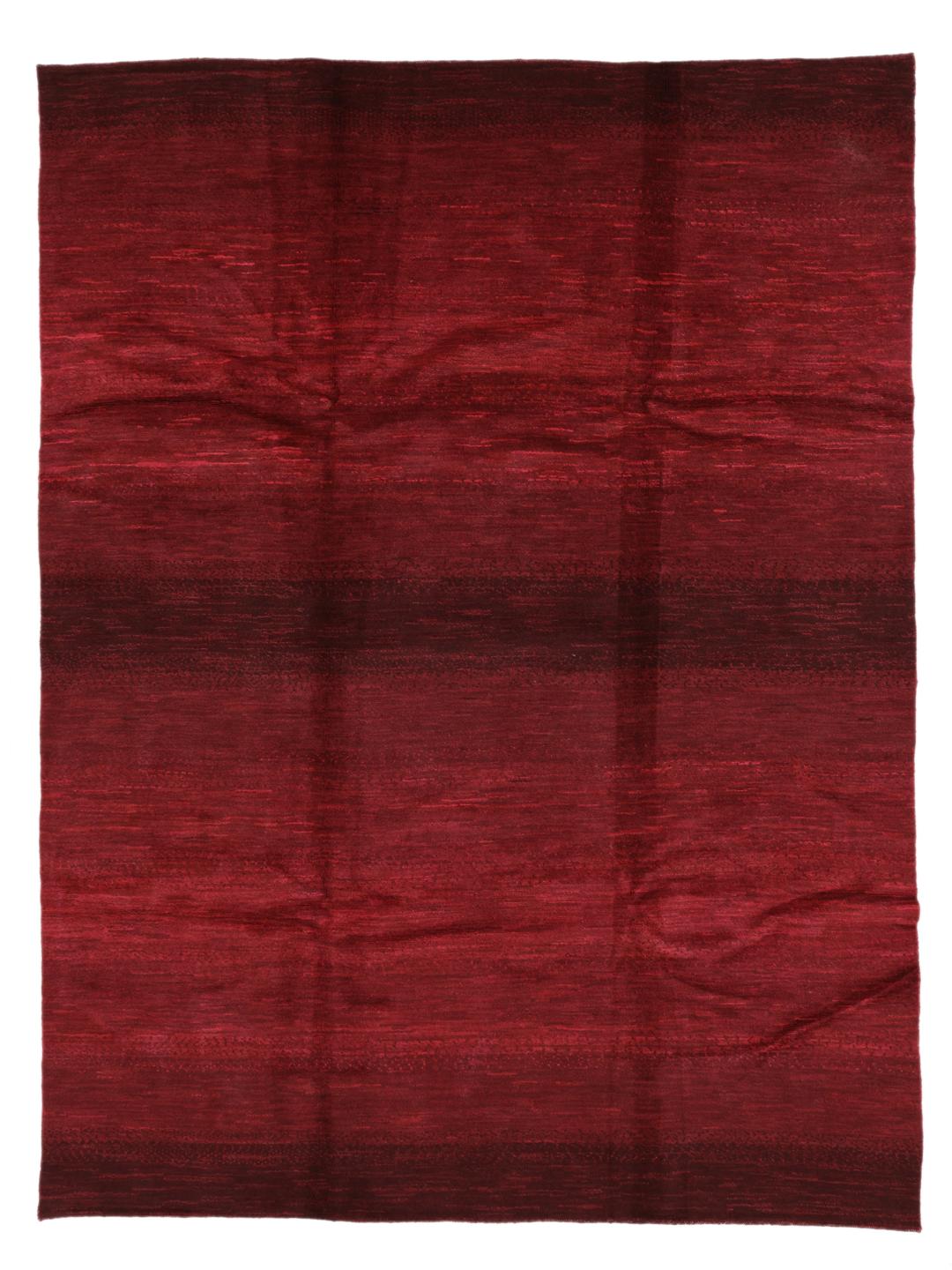
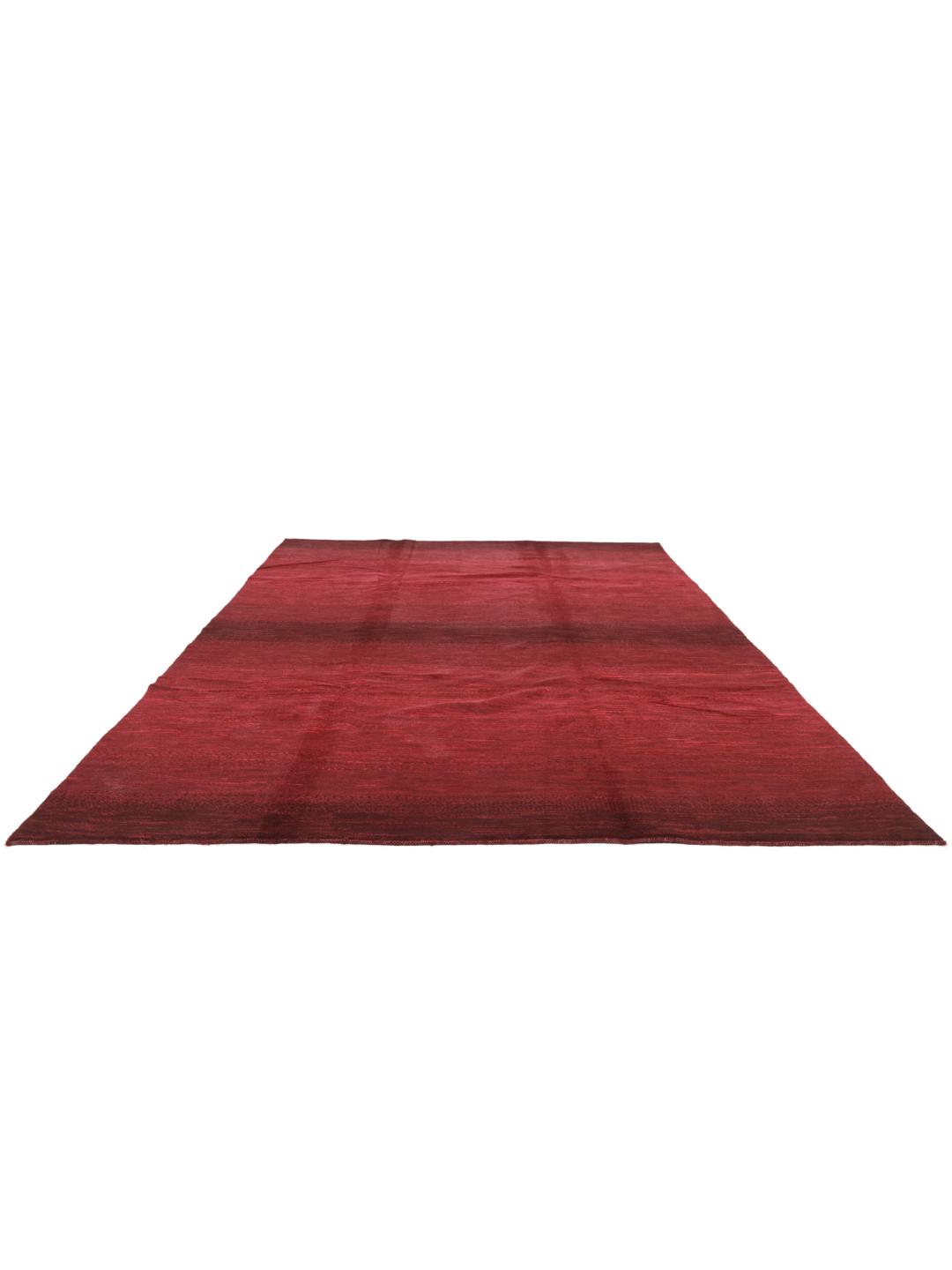
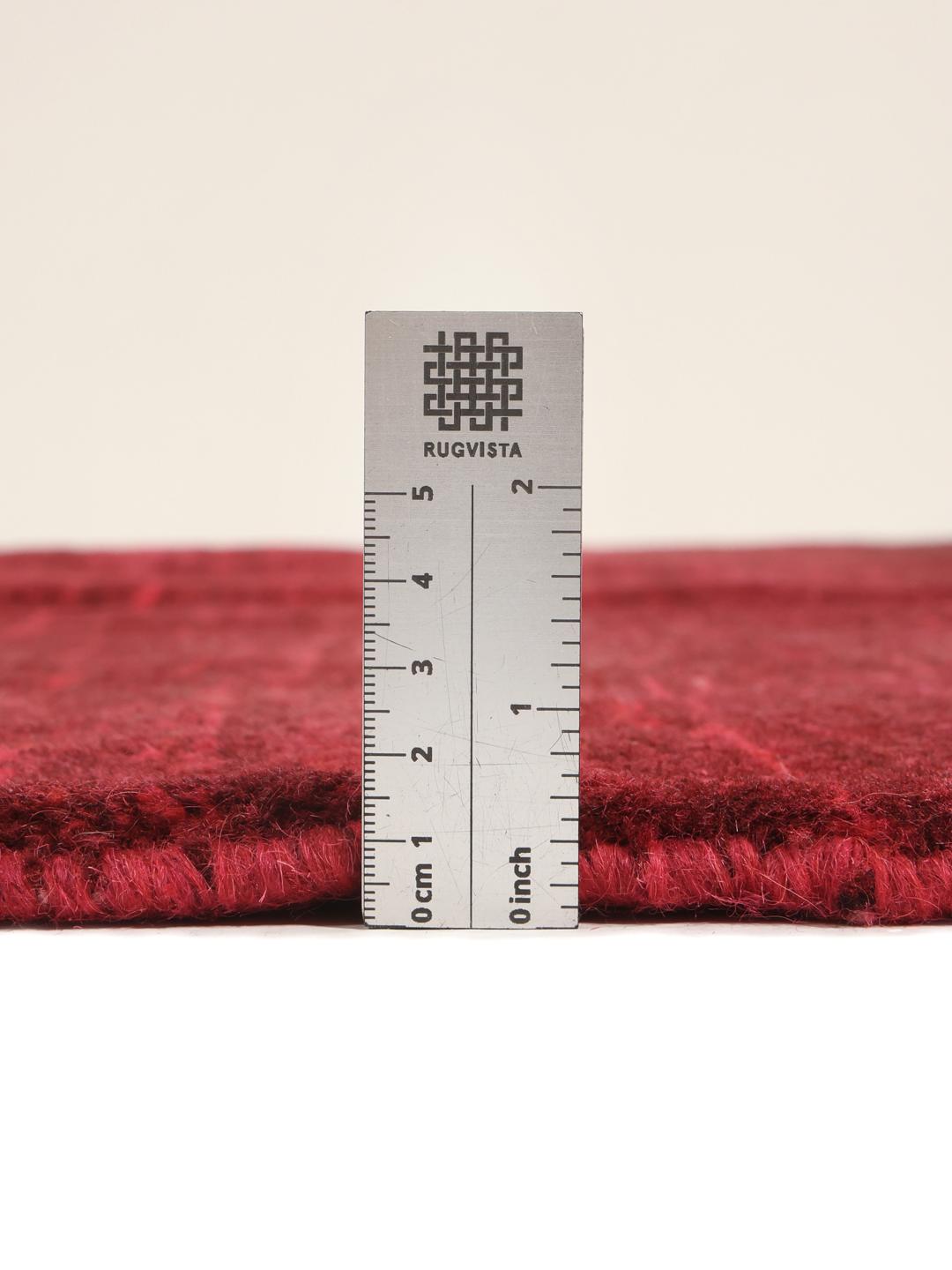
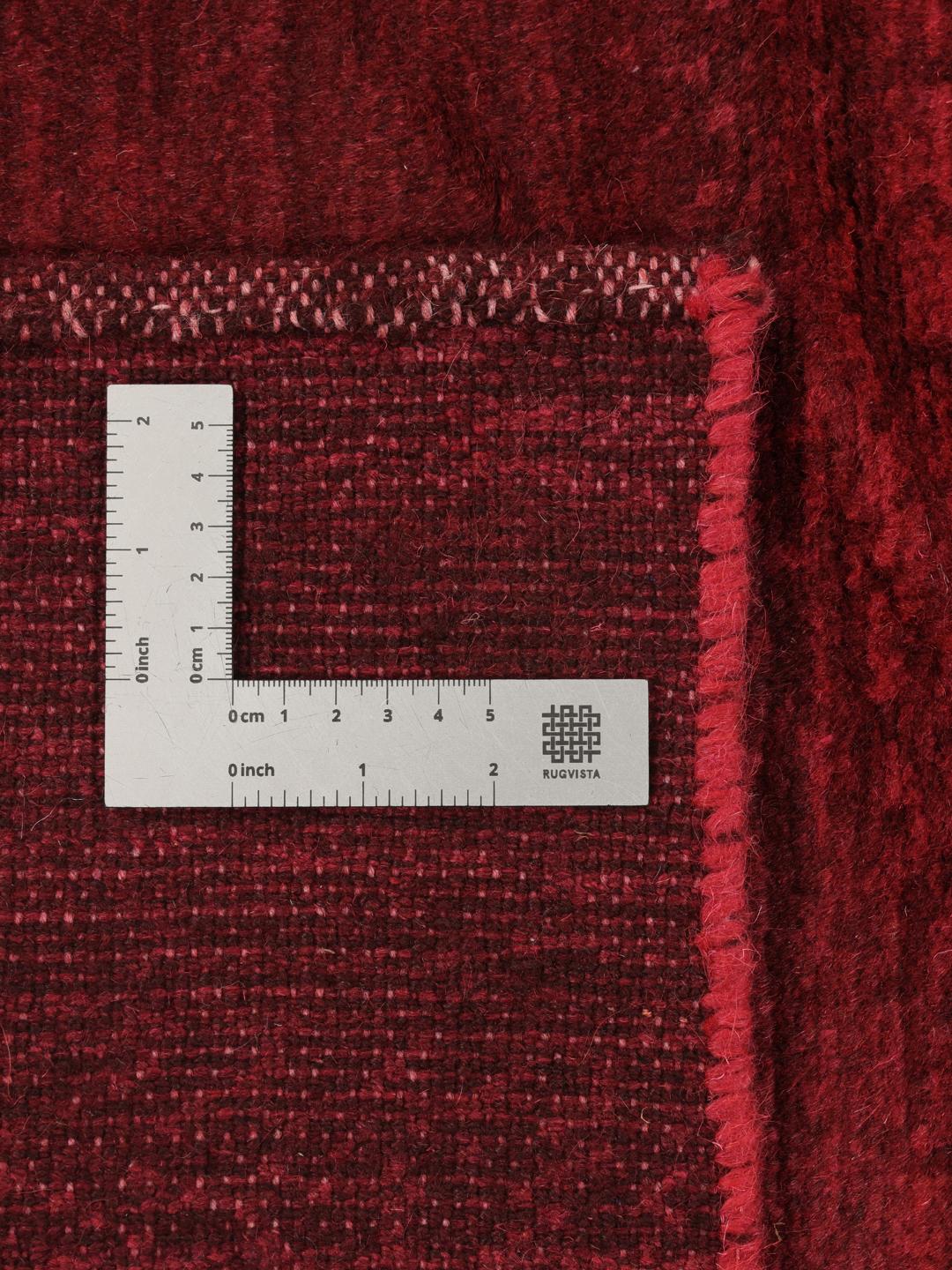
The Gabbeh tradition originates from the nomadic tribes of the Middle East, who created these rugs primarily for their own domestic use. Historically, these pieces were woven on horizontal ground looms, allowing the weavers to express their creativity through simple, bold designs rather than the formal, pre-planned patterns seen in city-made rugs. This tradition of spontaneity and personal expression remains at the heart of the Gabbeh identity.
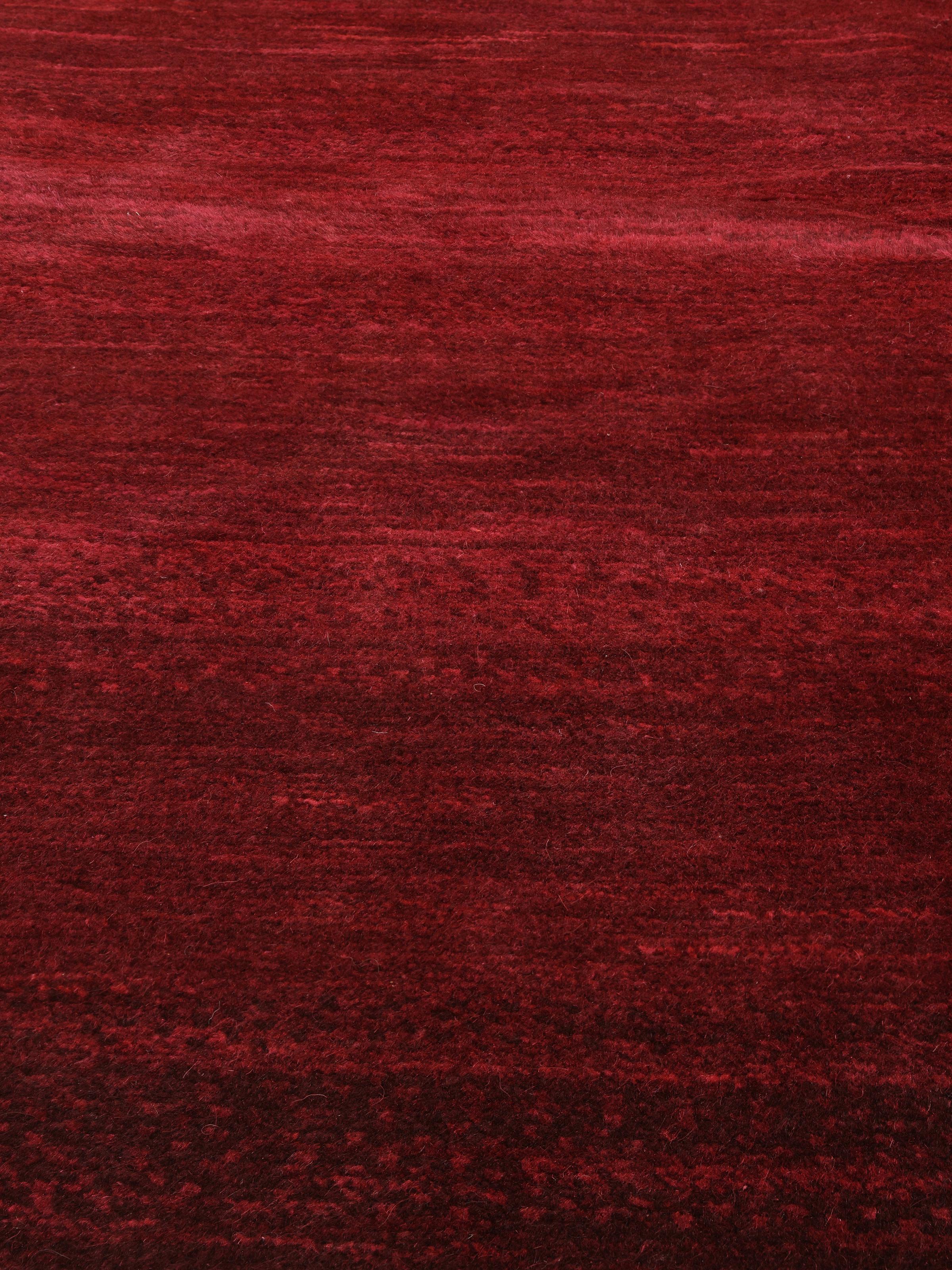
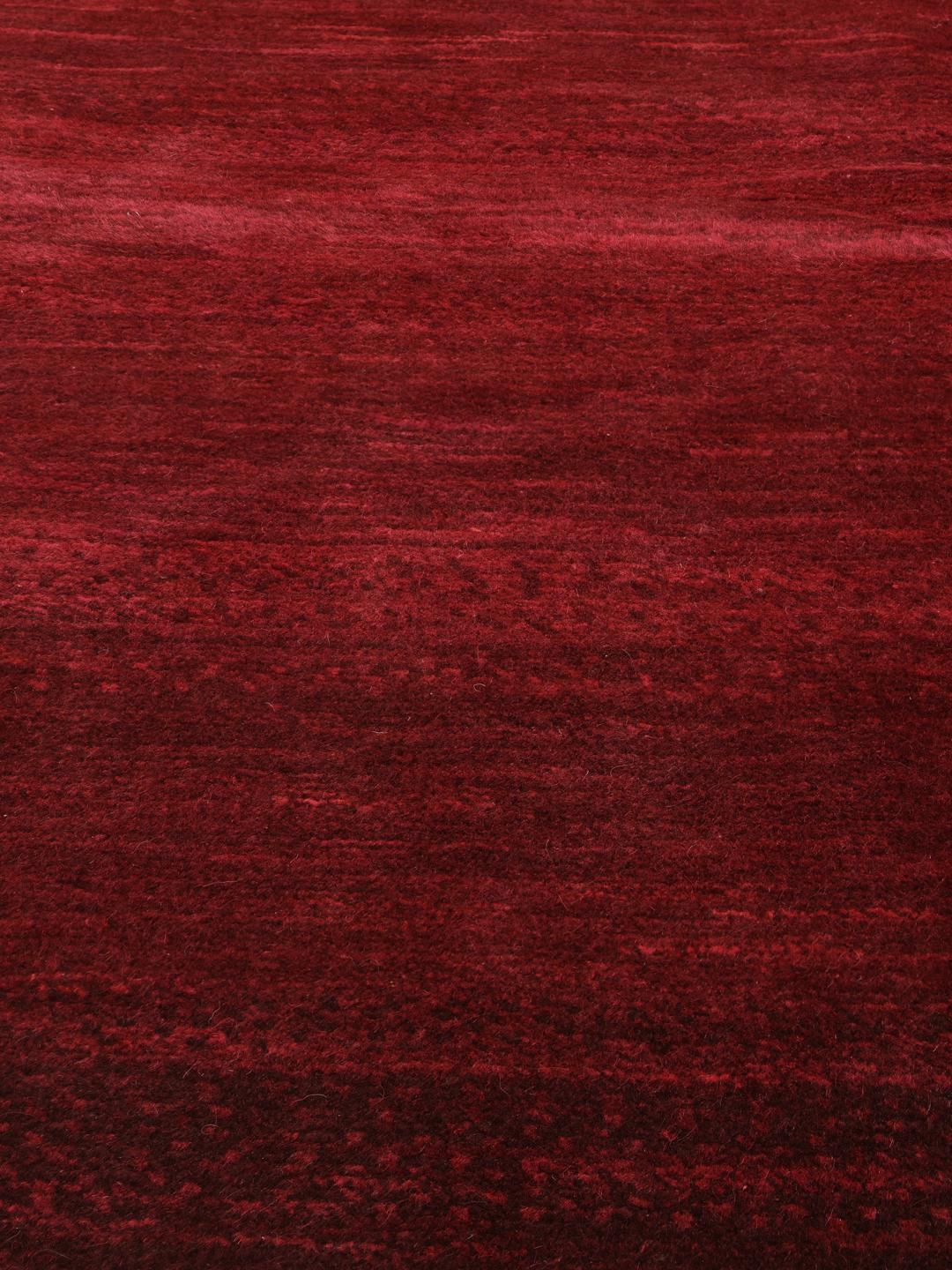
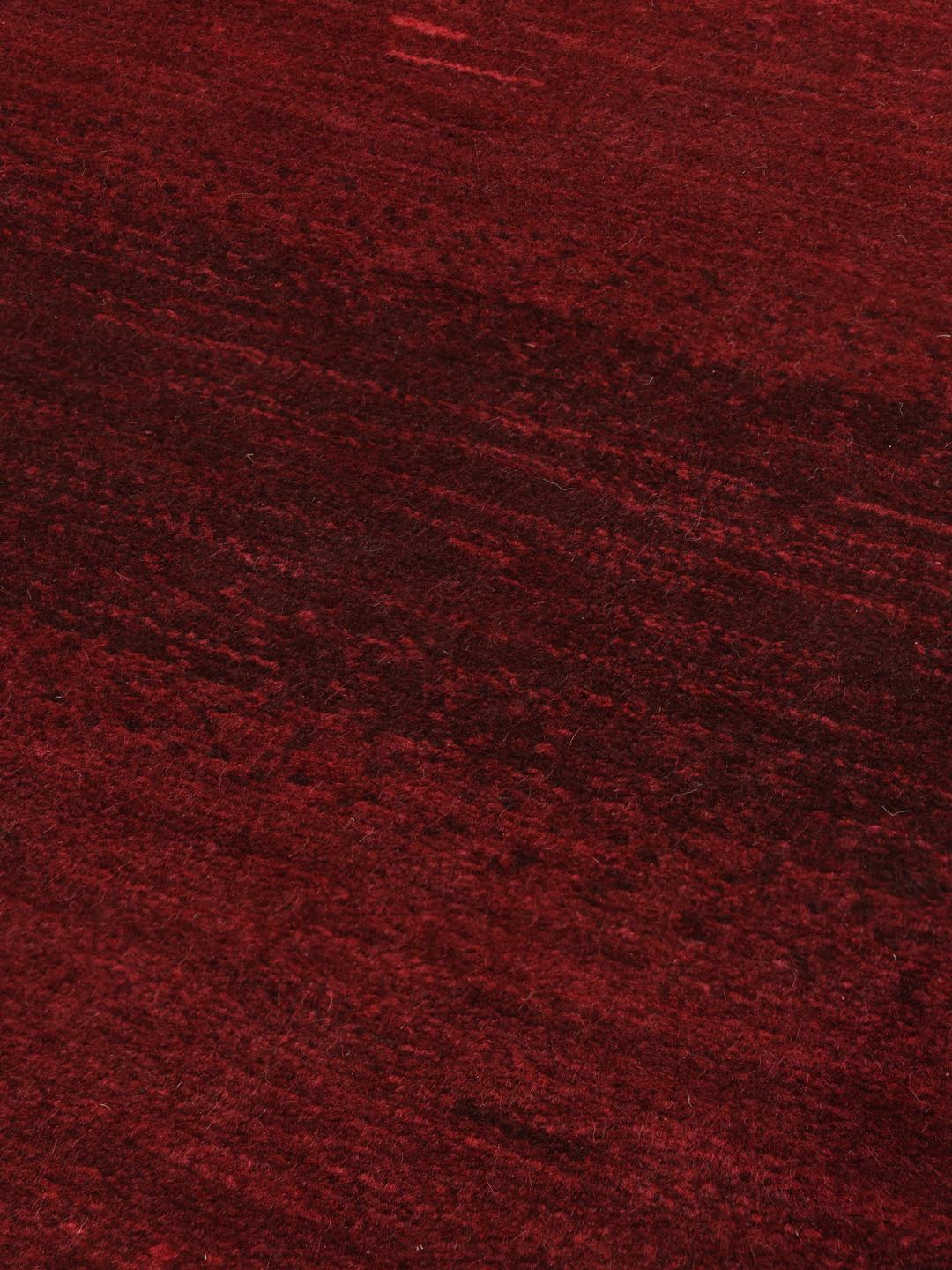
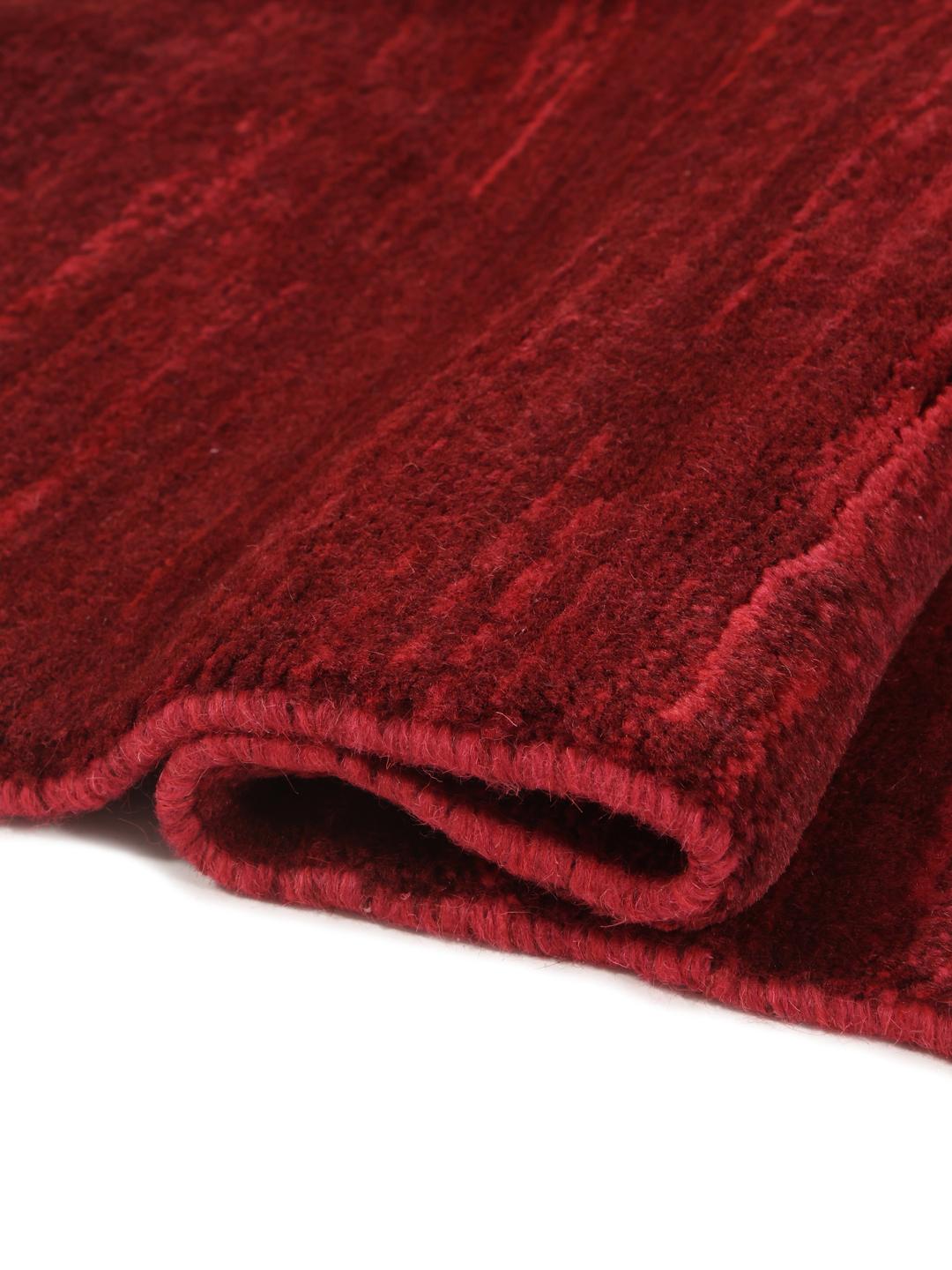
The term 'Gabbeh' itself translates to 'raw' or 'natural', reflecting the unrefined and authentic spirit of these textiles. Unlike fine-knotted rugs that prioritise intricate, floral motifs, the Gabbeh focuses on the raw beauty of hand-spun wool and natural, earthy dyes. The 'Fine' classification indicates a higher level of density and refinement in the knotting process, bridging the gap between rustic tribal art and sophisticated home furnishing.
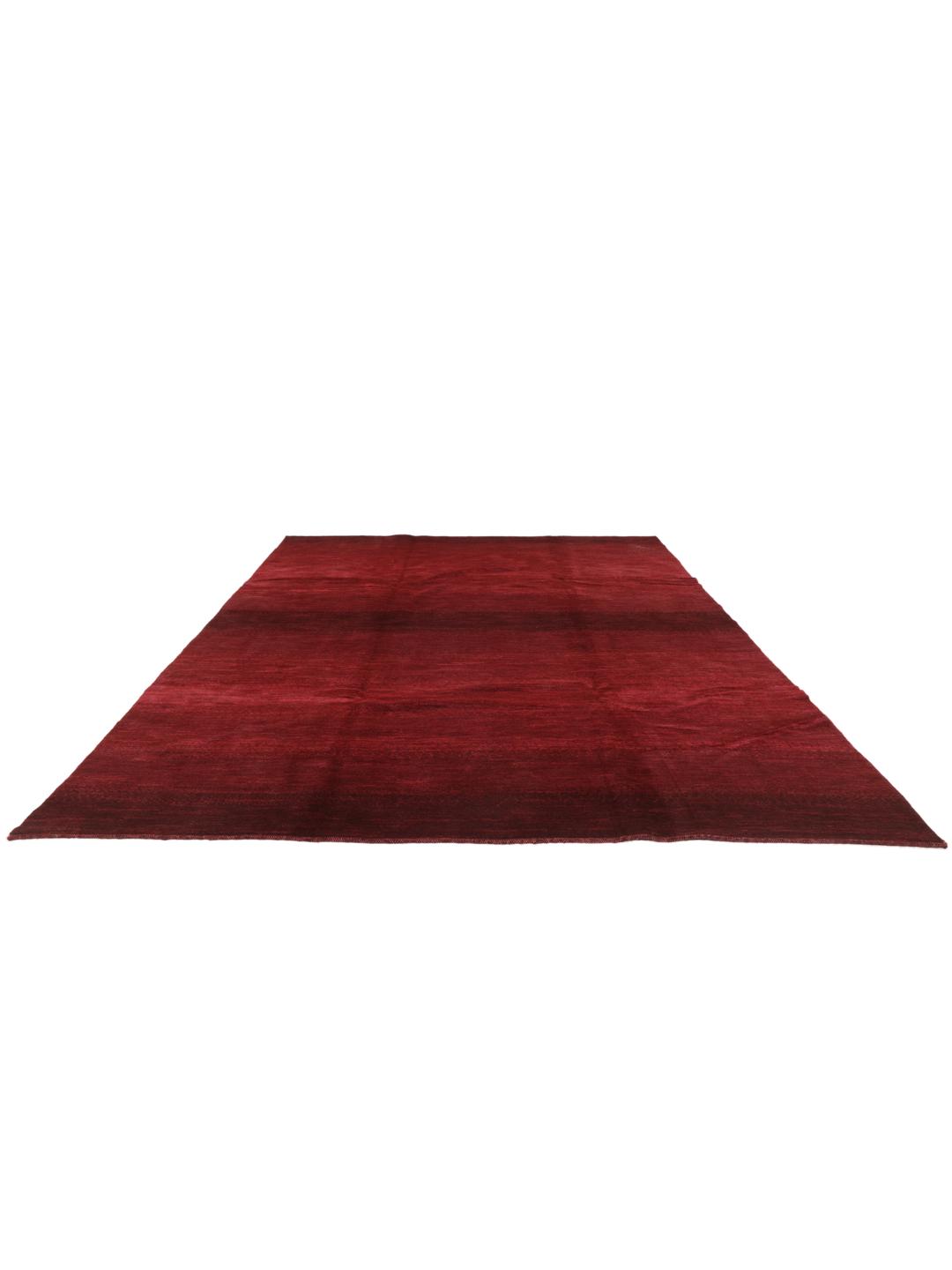
Visually, these rugs are defined by their minimalist yet expressive nature. They often feature large, open fields of colour with subtle tonal shifts, which occur because the wool is dyed in small, hand-mixed batches. This gives the rug a vibrant, living quality where the colour seems to breathe and change depending on the lighting in the room, making it a perfect anchor for contemporary or traditional spaces alike.
Collecting a piece from this tradition is a way to preserve a rich cultural legacy. These rugs are highly valued for their honesty, reflecting the skill of the weaver and the cultural heritage of the region. Owning one is not merely about having a floor covering, but about bringing a piece of living history into your home that celebrates the human touch and the beauty of natural materials.