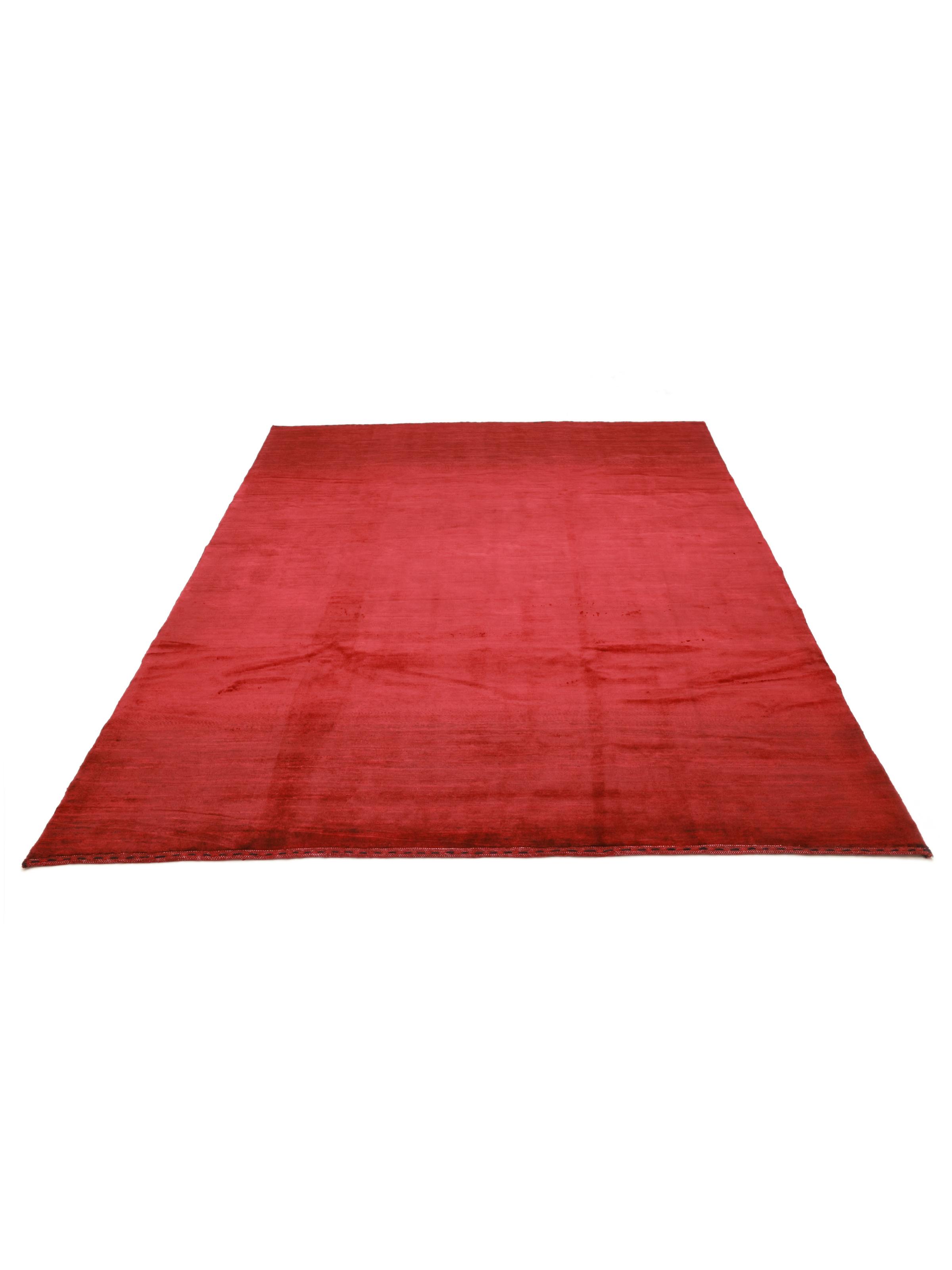
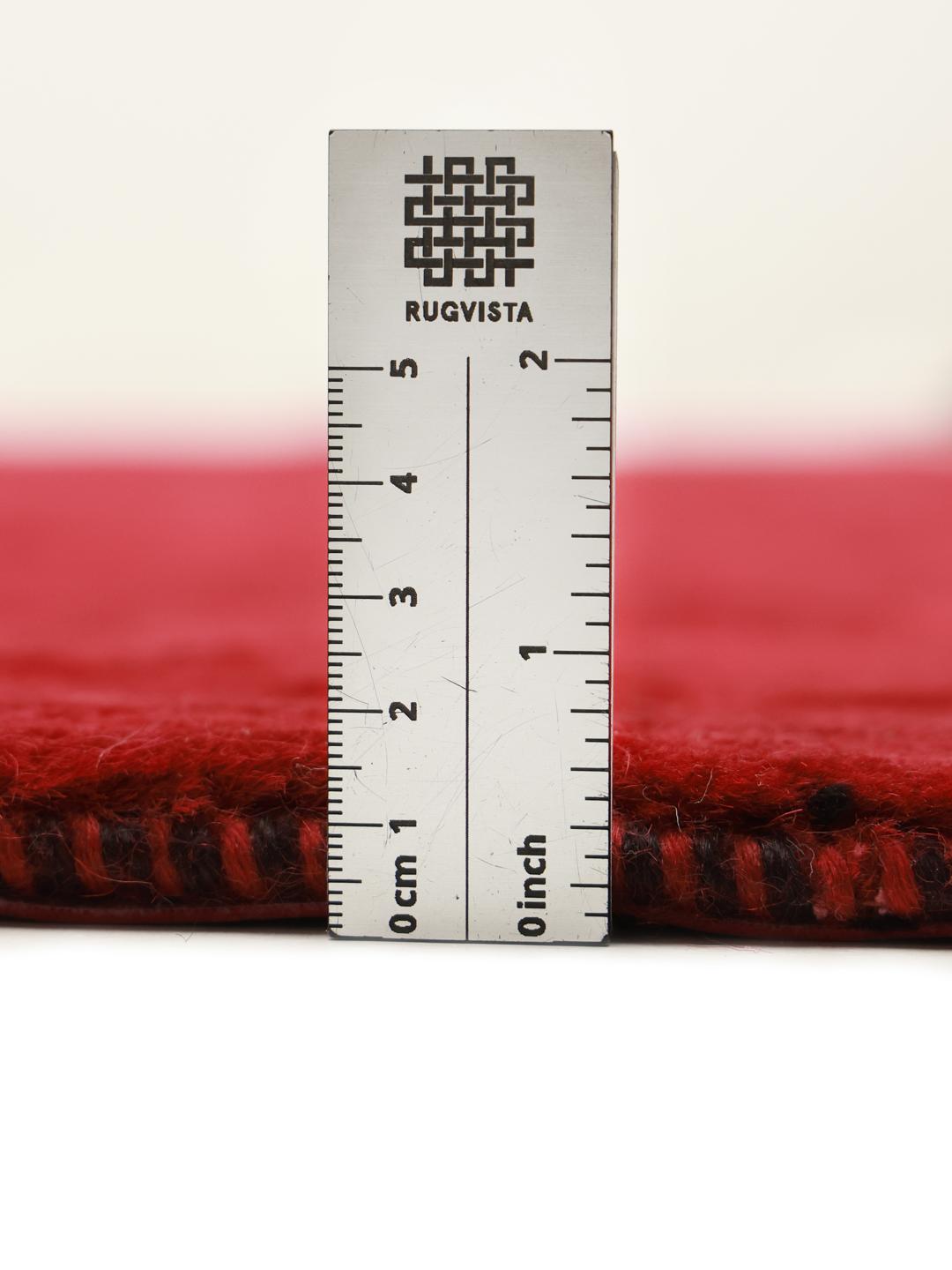
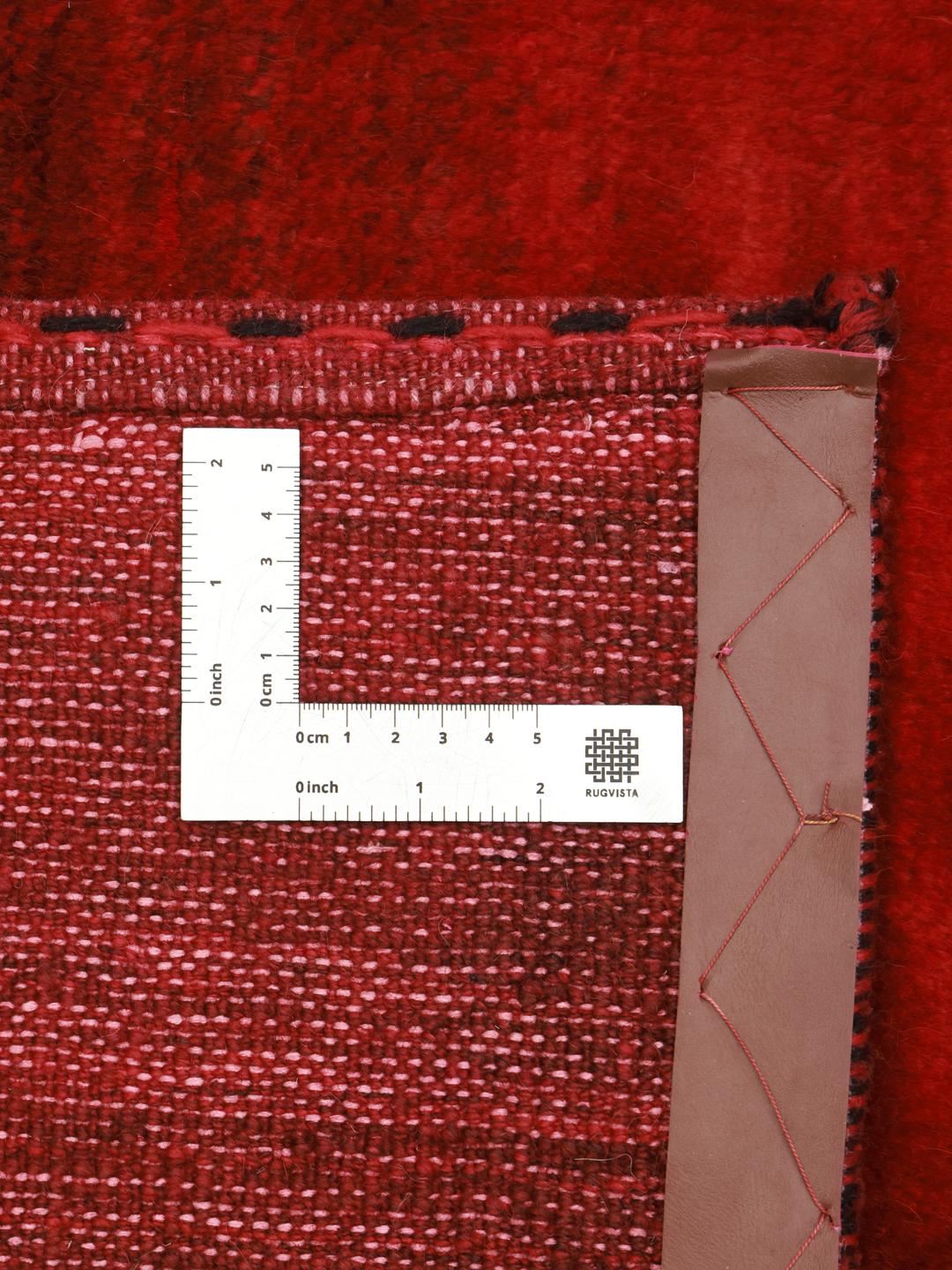
Gabbeh rugs are a cherished tradition within Middle Eastern weaving, historically created by nomadic tribes for their own practical use. Unlike more formal, intricate styles, the Gabbeh was originally designed to provide a thick, warm, and comfortable floor covering for tent living. These rugs were typically woven on horizontal, portable looms, allowing the weavers to carry their work with them as they migrated through the landscape, which is why they often feature such expressive, spontaneous designs.
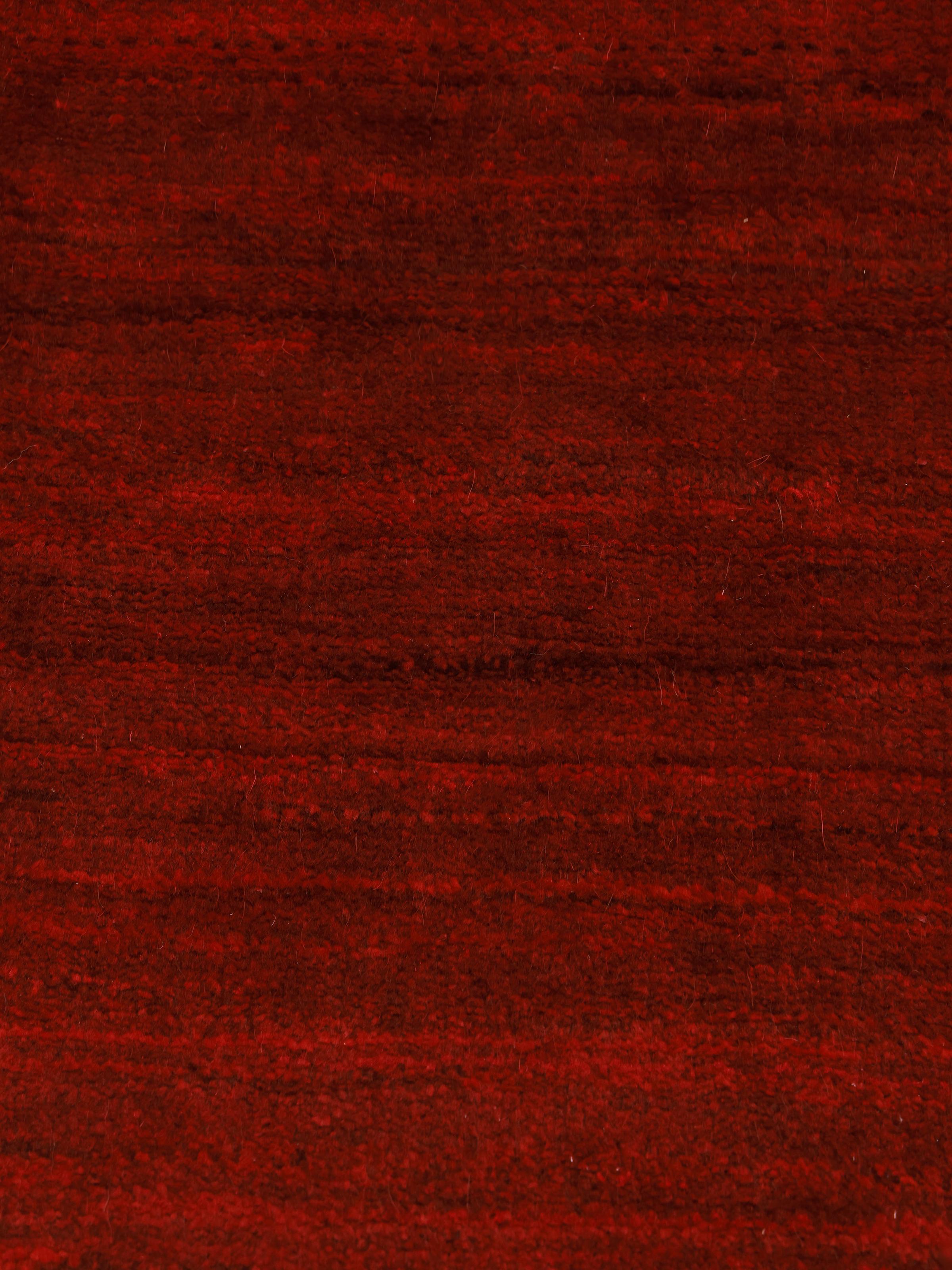
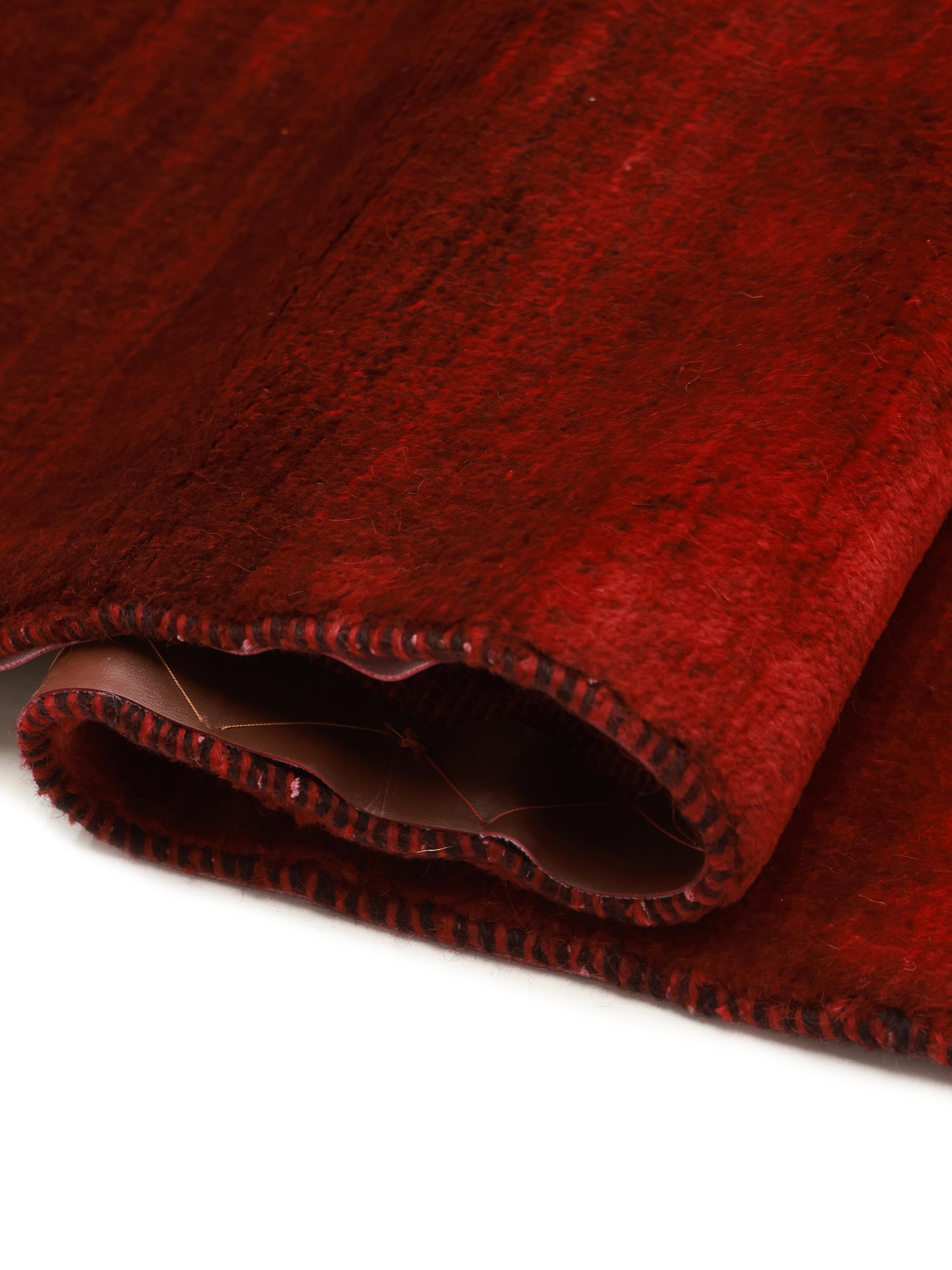
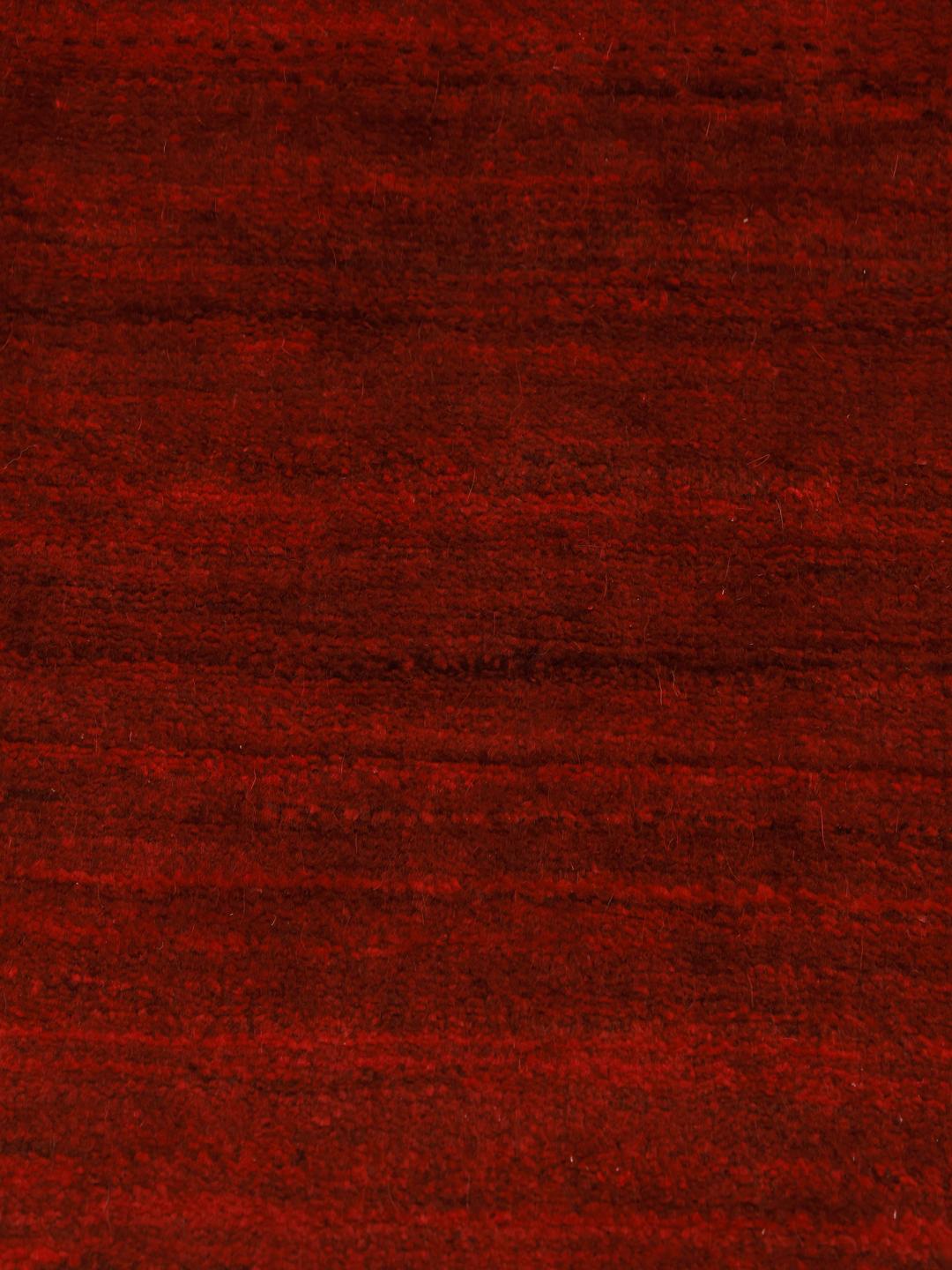
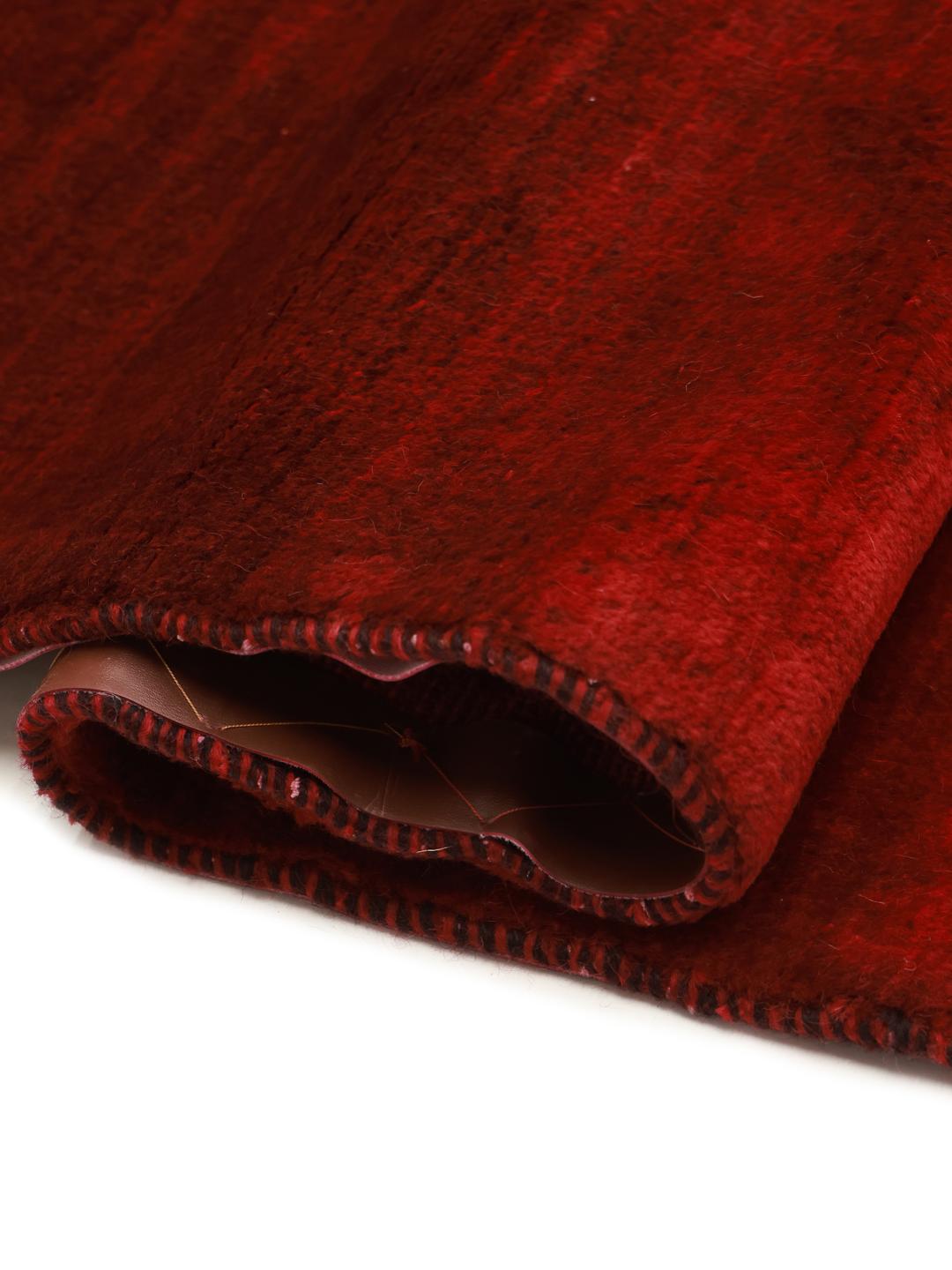
The term 'Gabbeh' itself translates loosely to 'raw' or 'natural', which perfectly describes the aesthetic of these rugs. They are known for their thick, chunky pile and their reliance on high-quality, hand-spun wool, which is often dyed using natural pigments. This reliance on raw, honest materials is what gives these rugs their characteristic softness and their ability to age beautifully, developing a unique character that deepens with time.
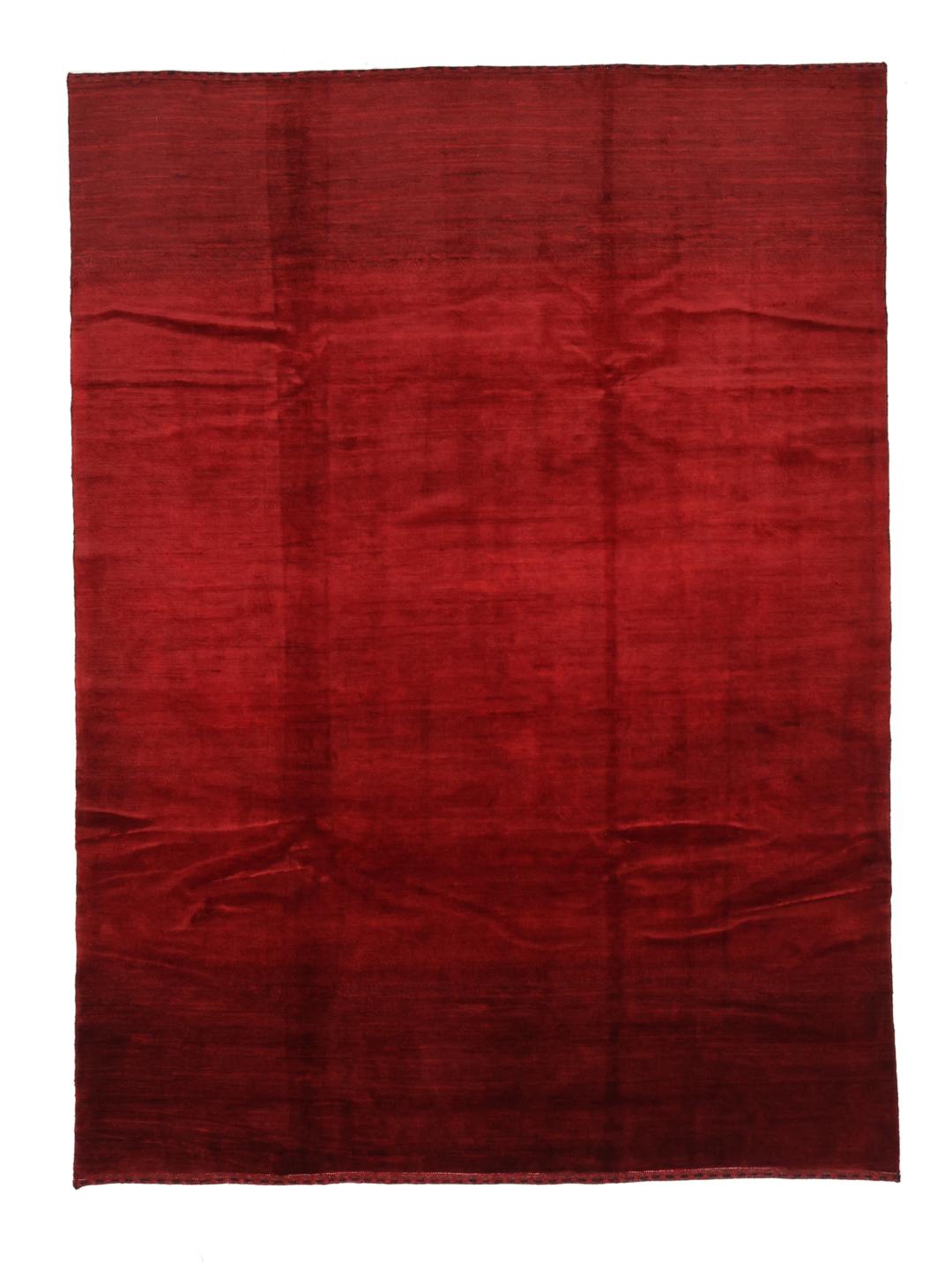
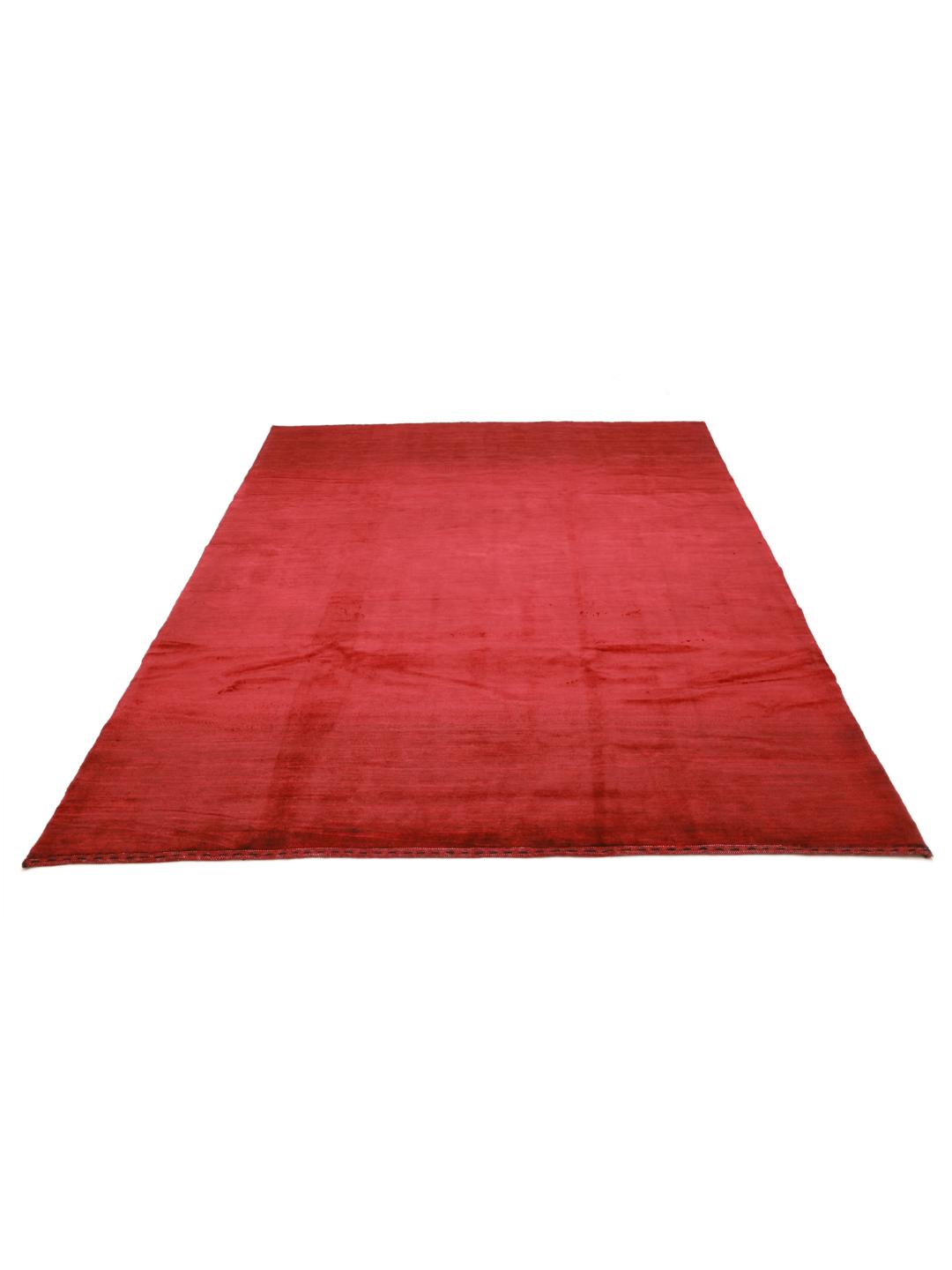
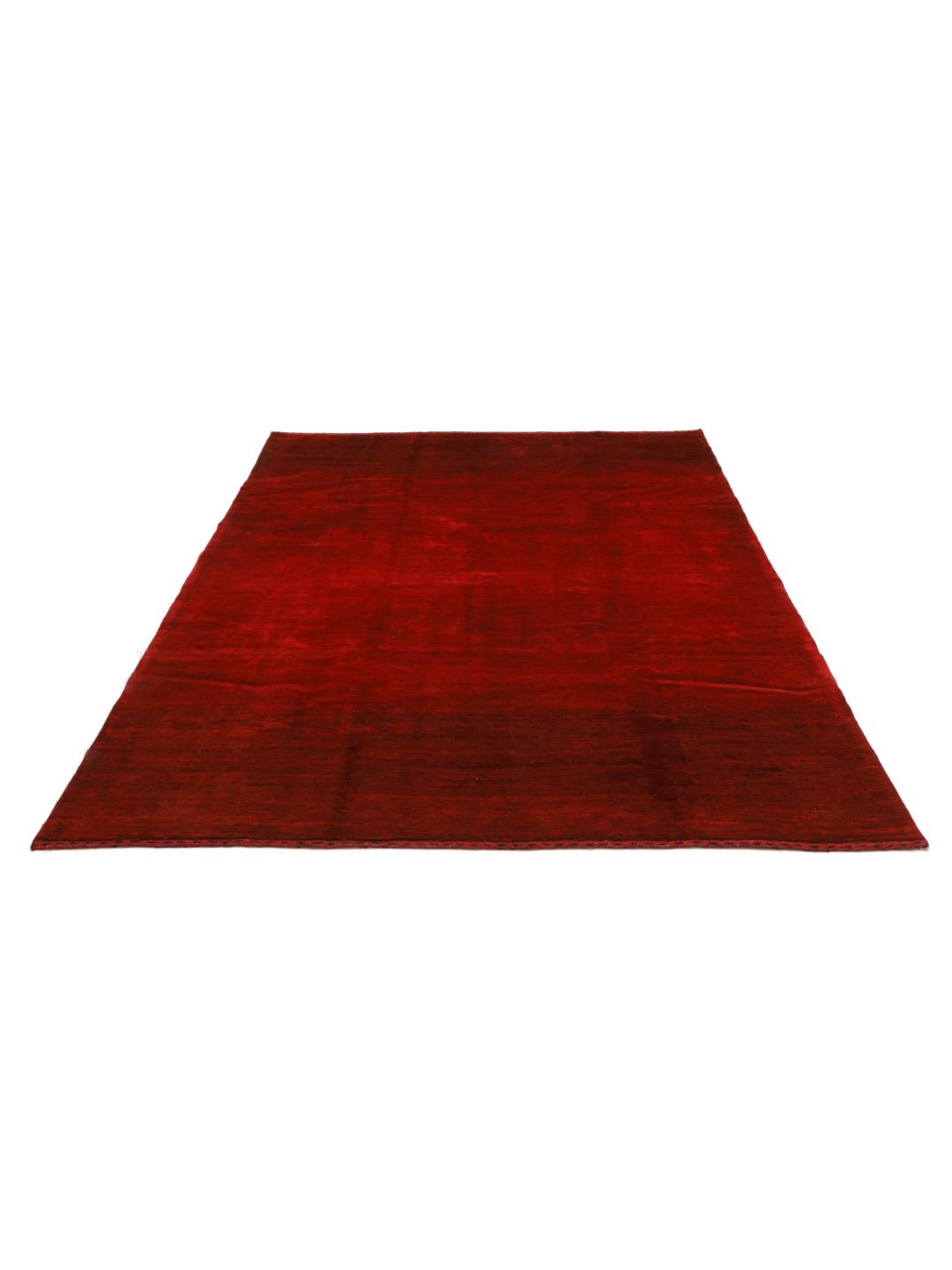
Visually, traditional Gabbeh rugs are celebrated for their bold use of colour and simplified motifs. While some feature tribal patterns, many of the finest examples focus on large, open fields of colour, utilising subtle gradients and variations in the wool to create movement. This style allows the natural beauty of the material to take centre stage, making them highly versatile in modern interiors while still retaining their deep, historical roots in nomadic culture.
Today, owning a Gabbeh rug is seen as a commitment to preserving a dying art form. These pieces are highly valued by collectors not just for their aesthetic impact, but for the human story they represent. By choosing a rug from this tradition, you are connecting your home to a long lineage of craft, celebrating the skill of the individual weaver, and ensuring that these age-old techniques continue to be appreciated in the contemporary world.