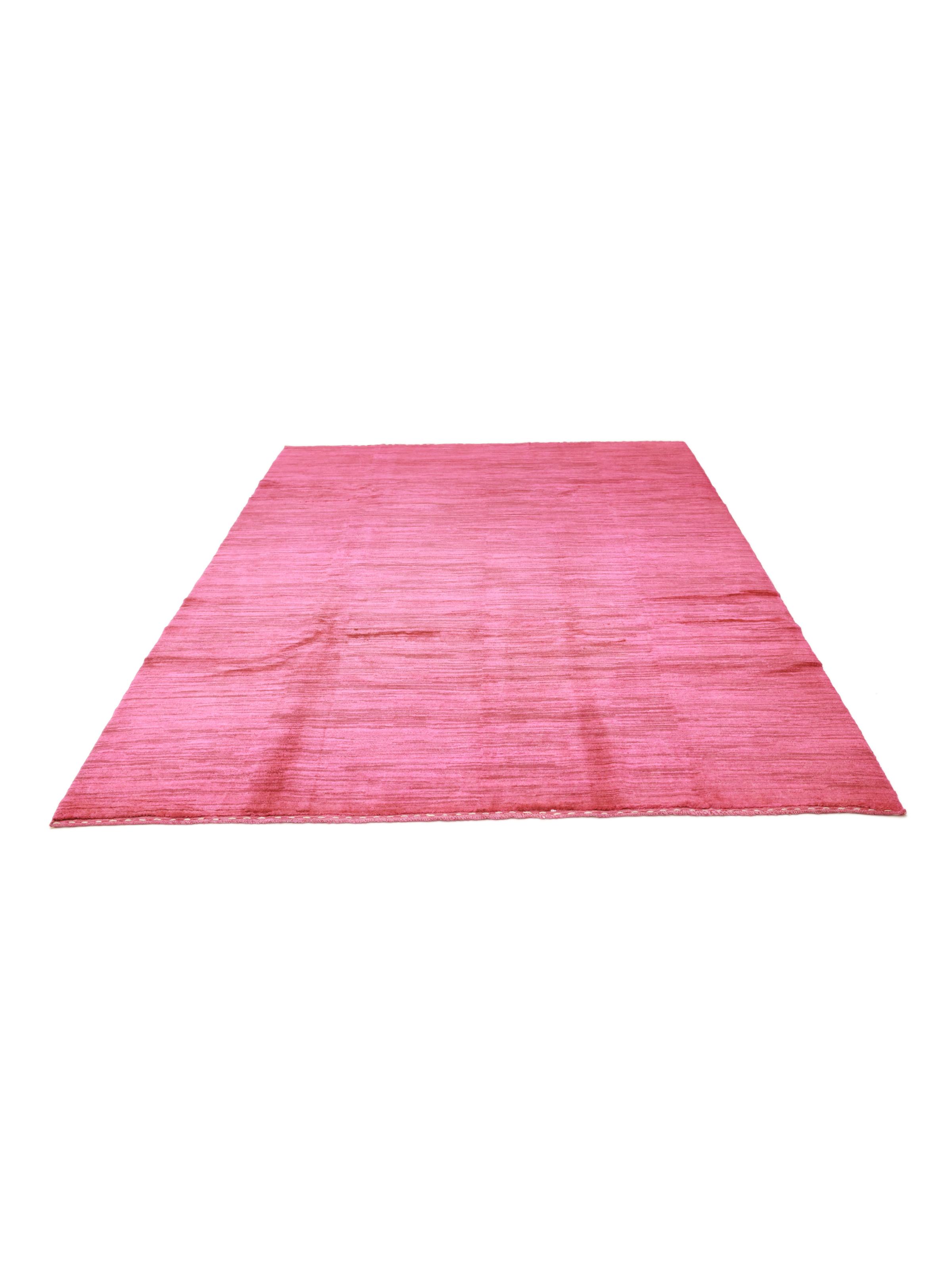
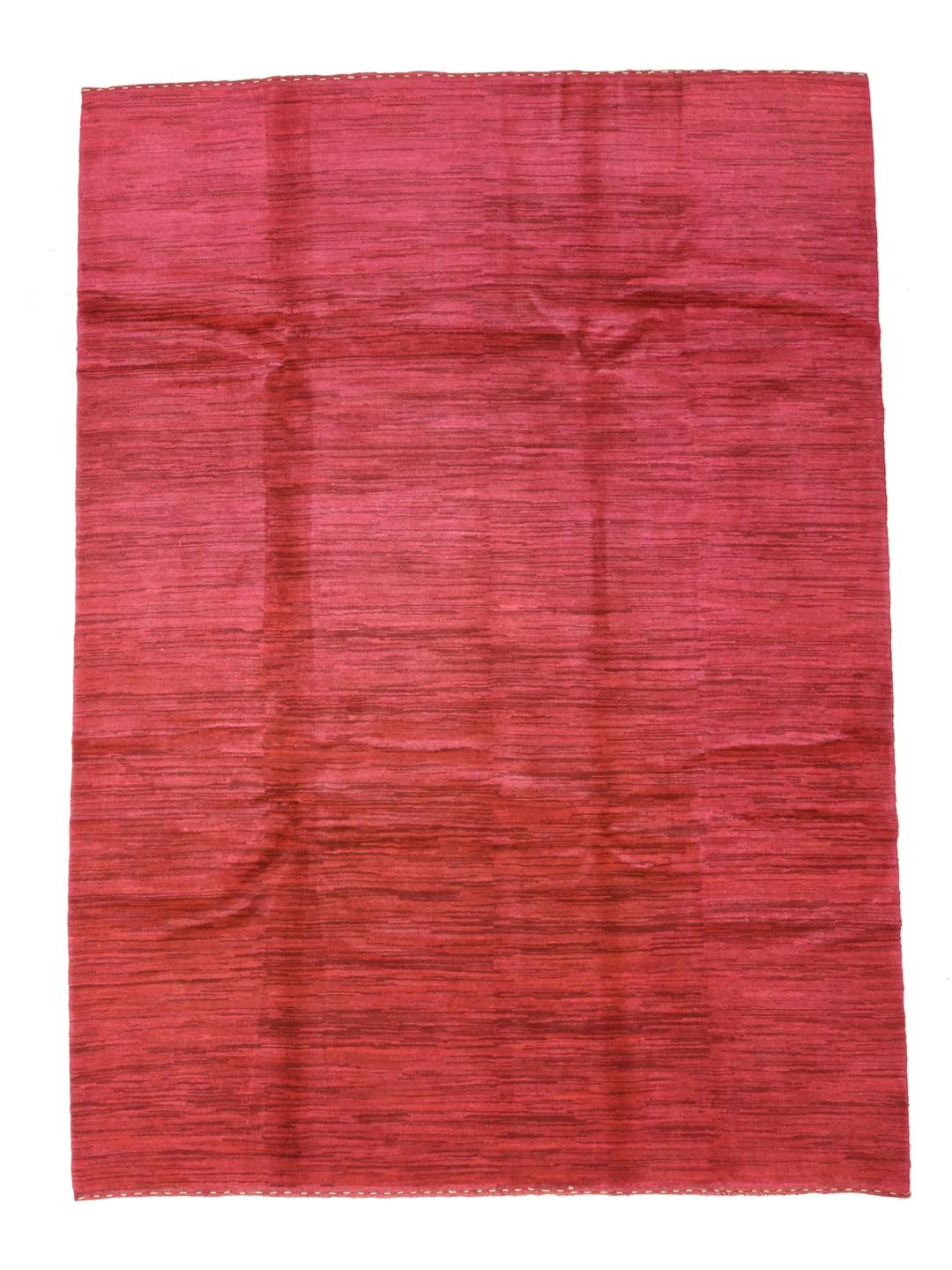
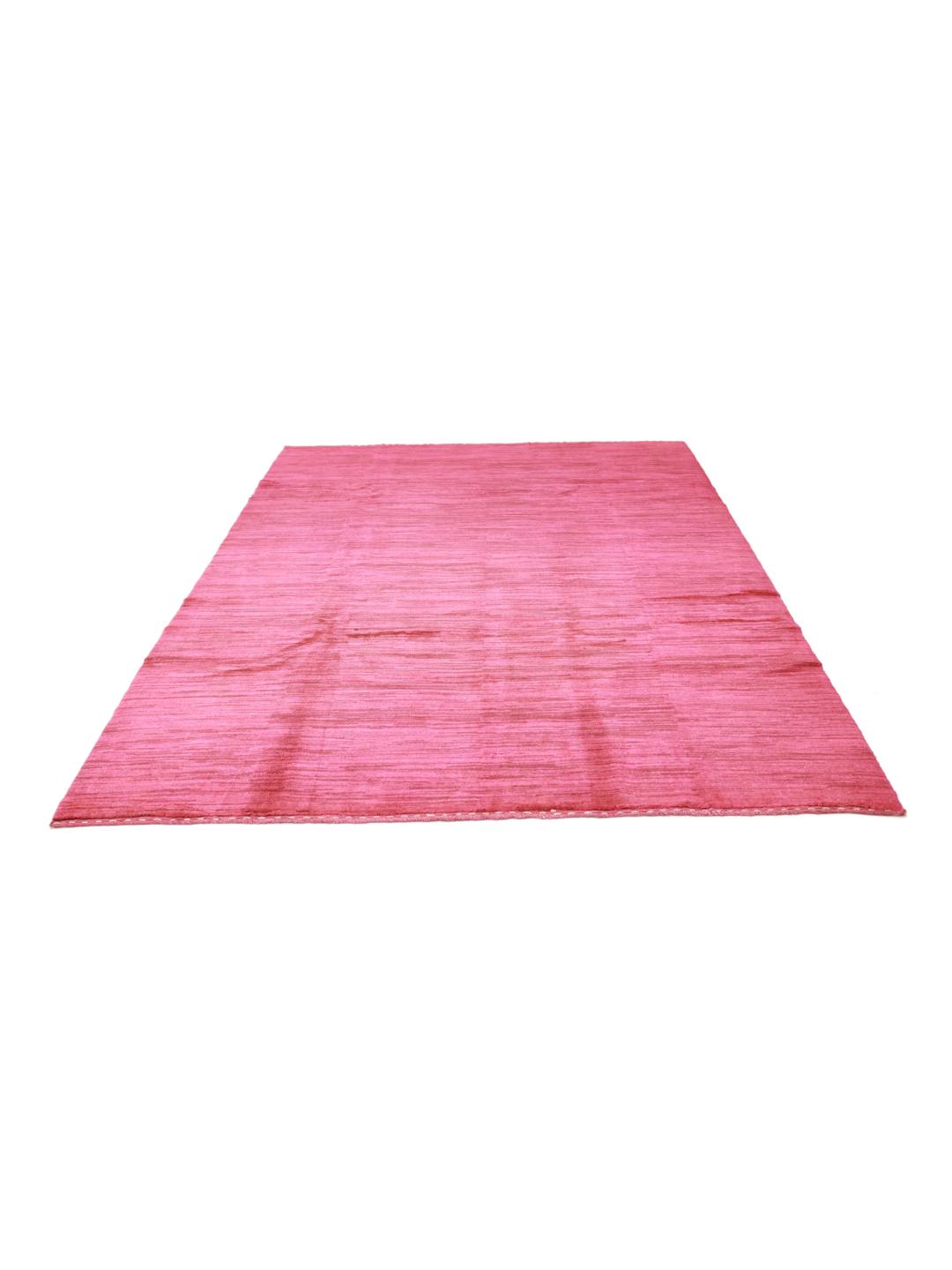
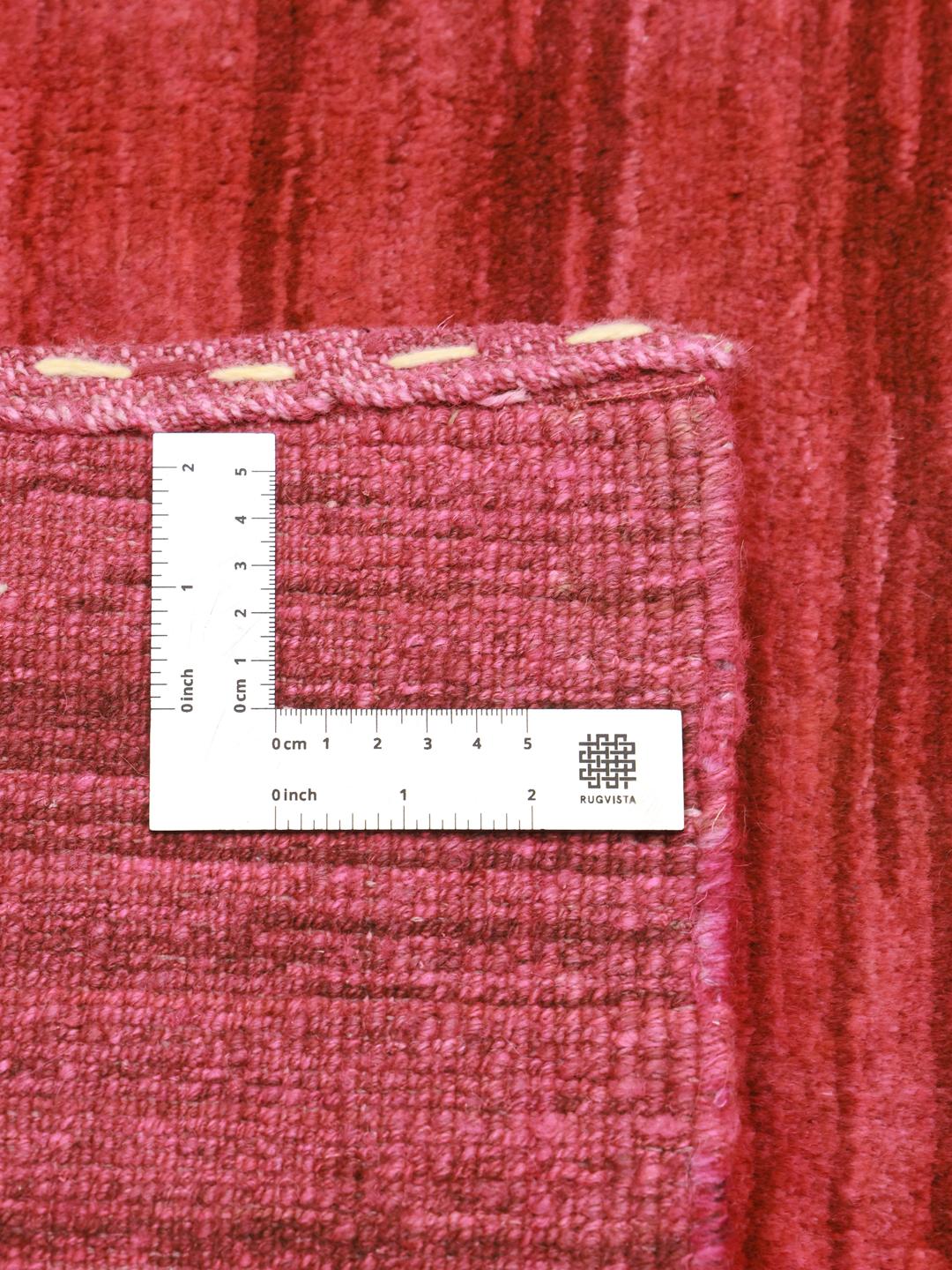
Gabbeh rugs originate from the tribal traditions of the Middle East, where nomadic weavers have produced these distinctive textiles for centuries. Historically, these rugs were created by families for their own domestic use, serving as warm bedding and floor coverings during long migrations. Unlike more formal urban rugs, the Gabbeh was always a personal, functional item, often reflecting the surroundings and the imagination of the weaver.
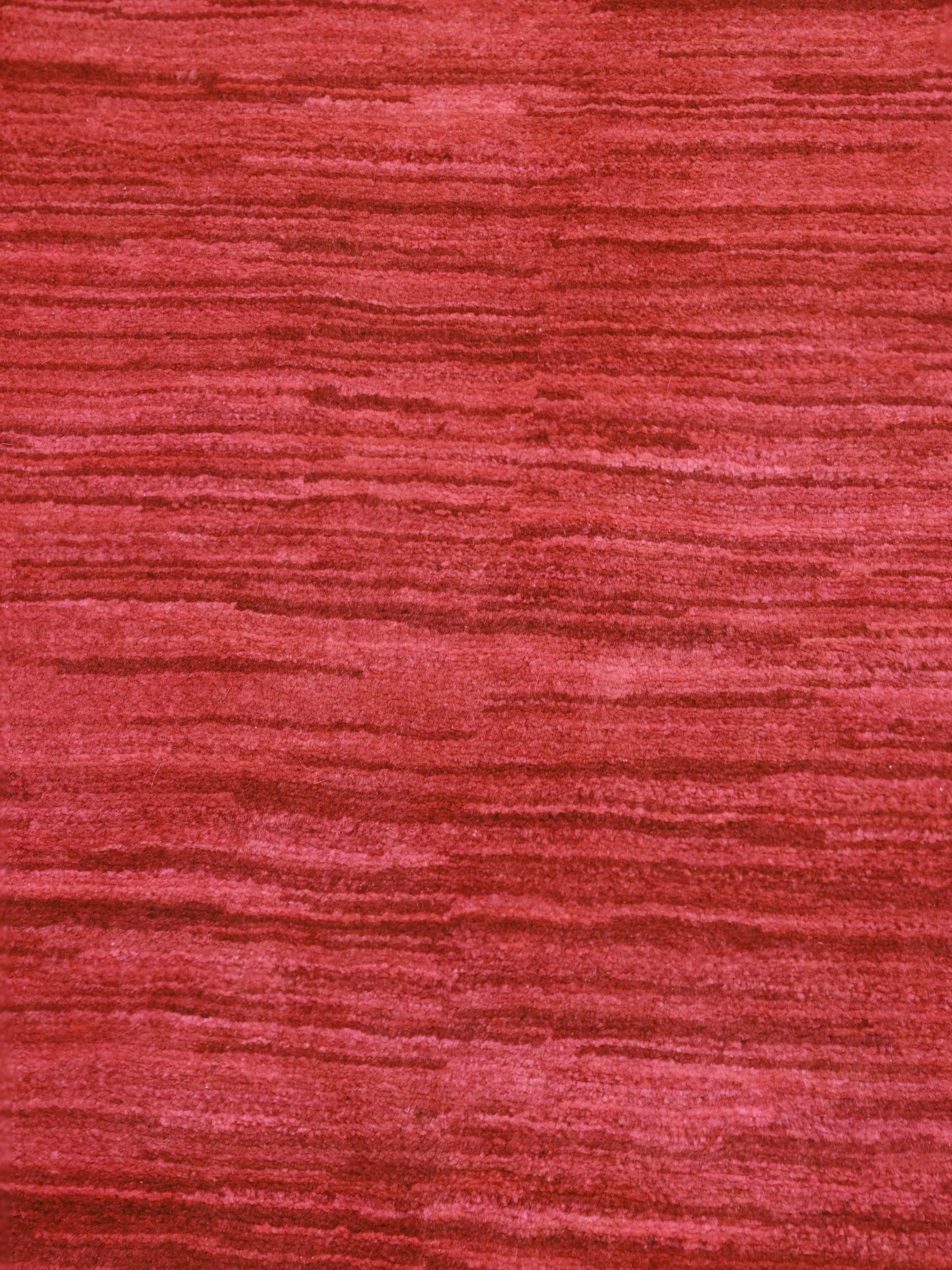
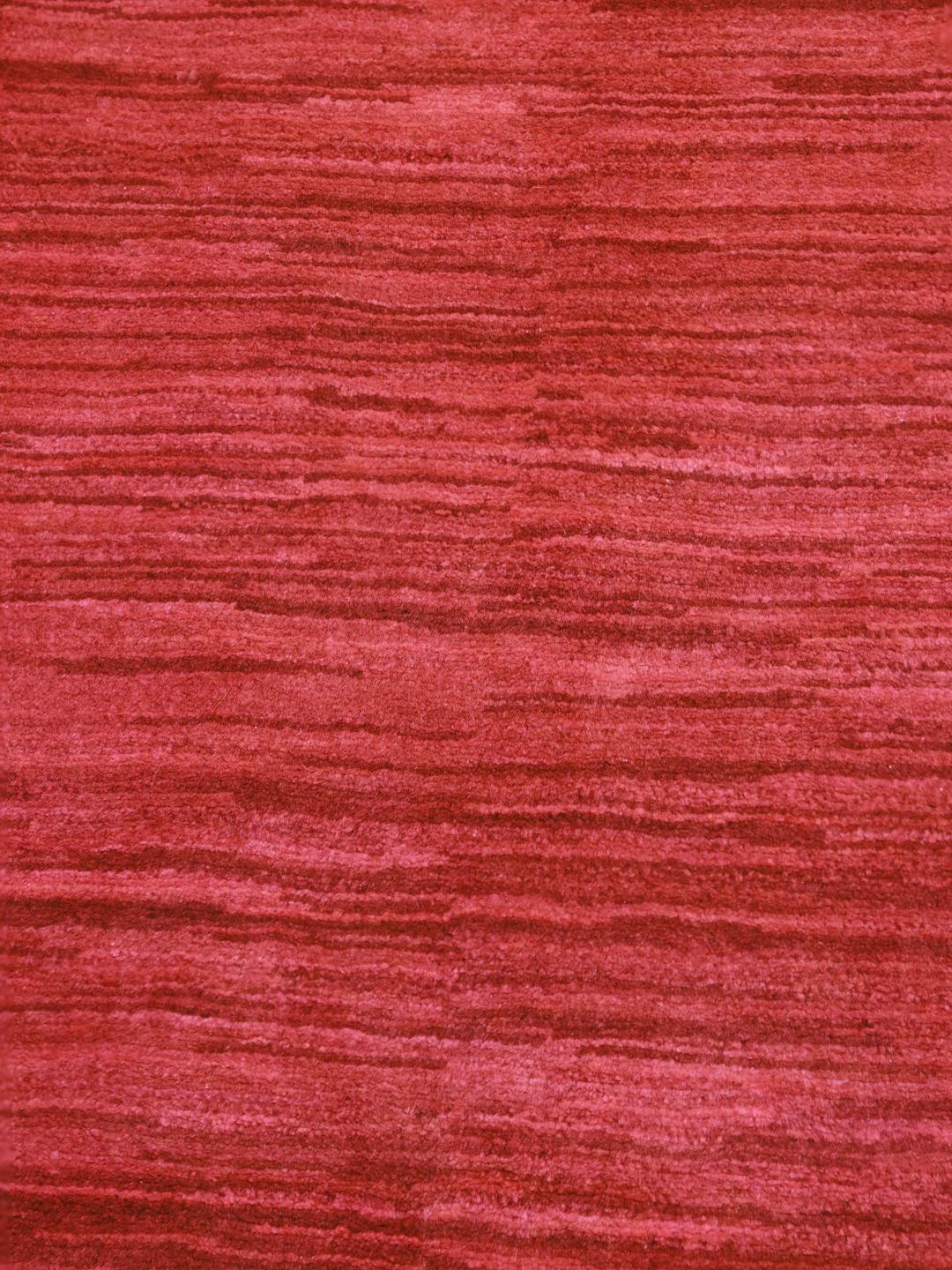
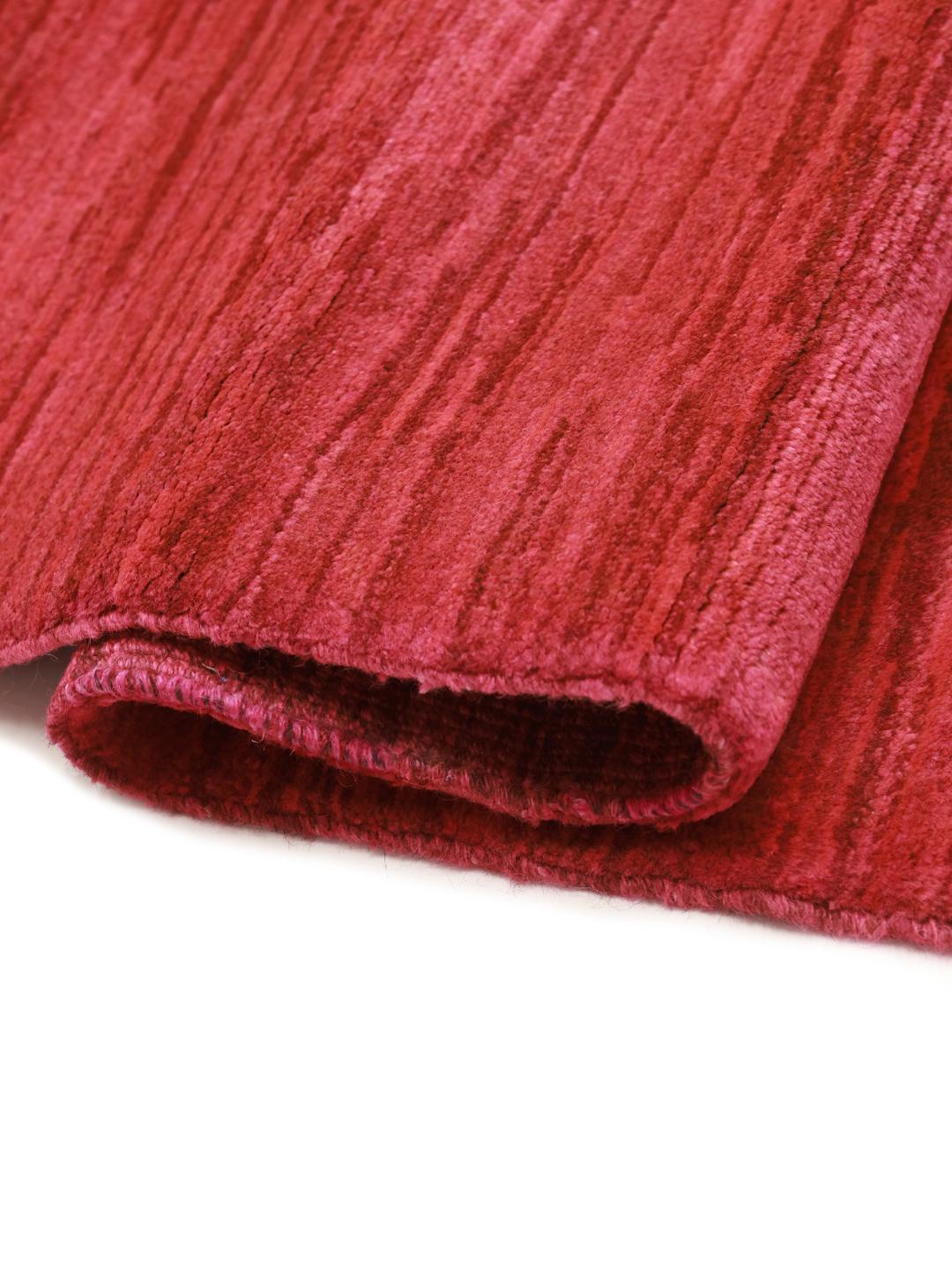
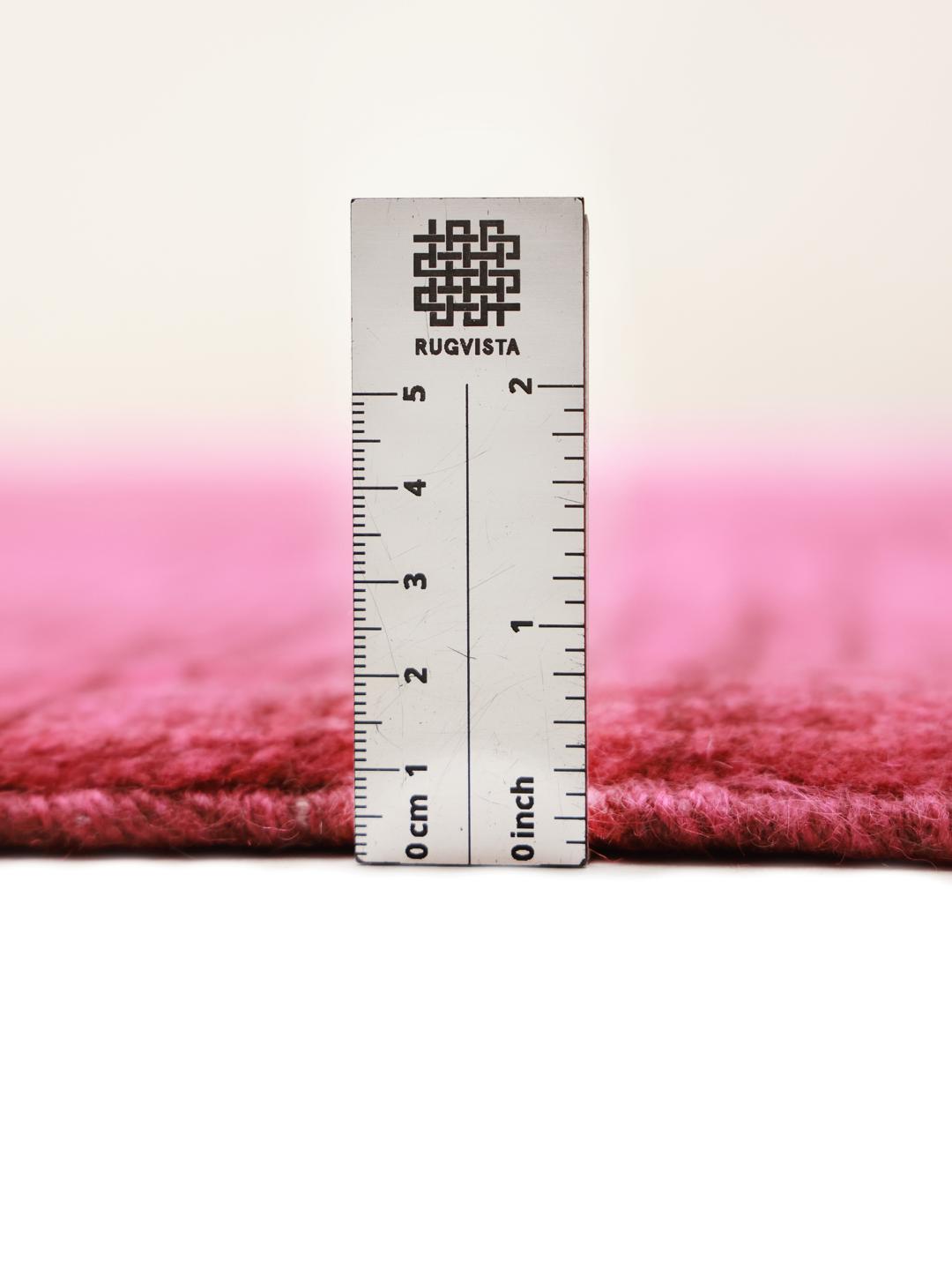
The term Gabbeh itself means raw, natural, or unclipped, which hints at the rug's aesthetic roots. Traditionally, these pieces were made with a thicker, longer pile than other regional styles, providing essential insulation against the cold ground of the desert or mountain plateau. The use of hand-spun wool ensures that each strand has a slight variation in thickness, which contributes to the organic, textured appearance of the surface.
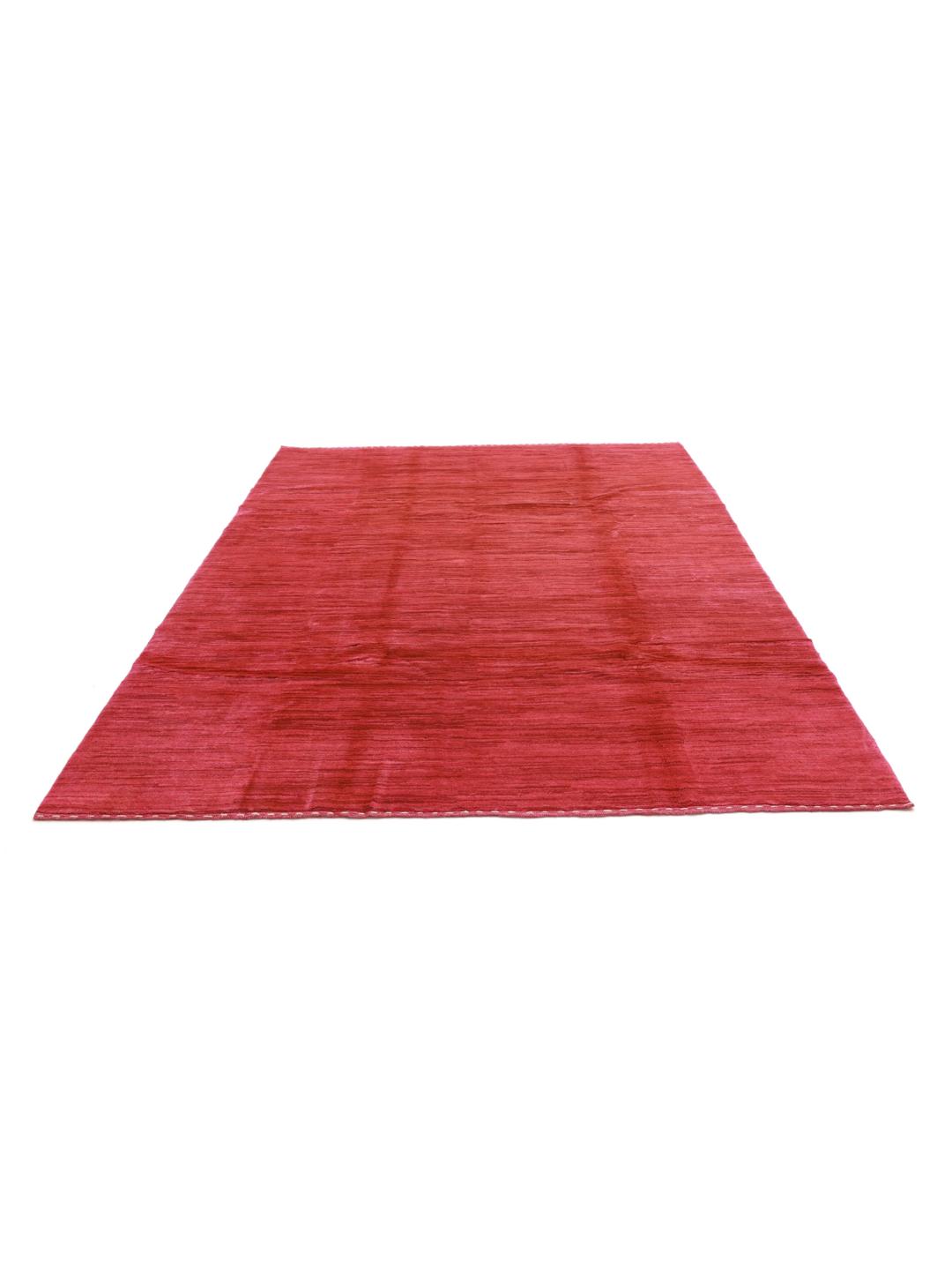
Design-wise, these rugs are known for their minimalist yet powerful visual language. While other regional traditions often rely on complex floral or geometric medallions, the Gabbeh frequently embraces large, open fields of colour punctuated by simple, stylized motifs or subtle abrash—the intentional variation in colour caused by different batches of hand-dyed wool. This specific piece celebrates that tradition of colour-forward design, allowing the rich, saturated red to take centre stage.
Collecting a Gabbeh rug is an opportunity to connect with a long-standing tradition of nomadic artistry. These rugs are highly valued for their honesty and the visible evidence of the weaver's hand. By bringing this piece into your home, you are acquiring a connection to the cultural history of the Middle East and supporting a craft that prioritises individual expression and enduring, natural materials.