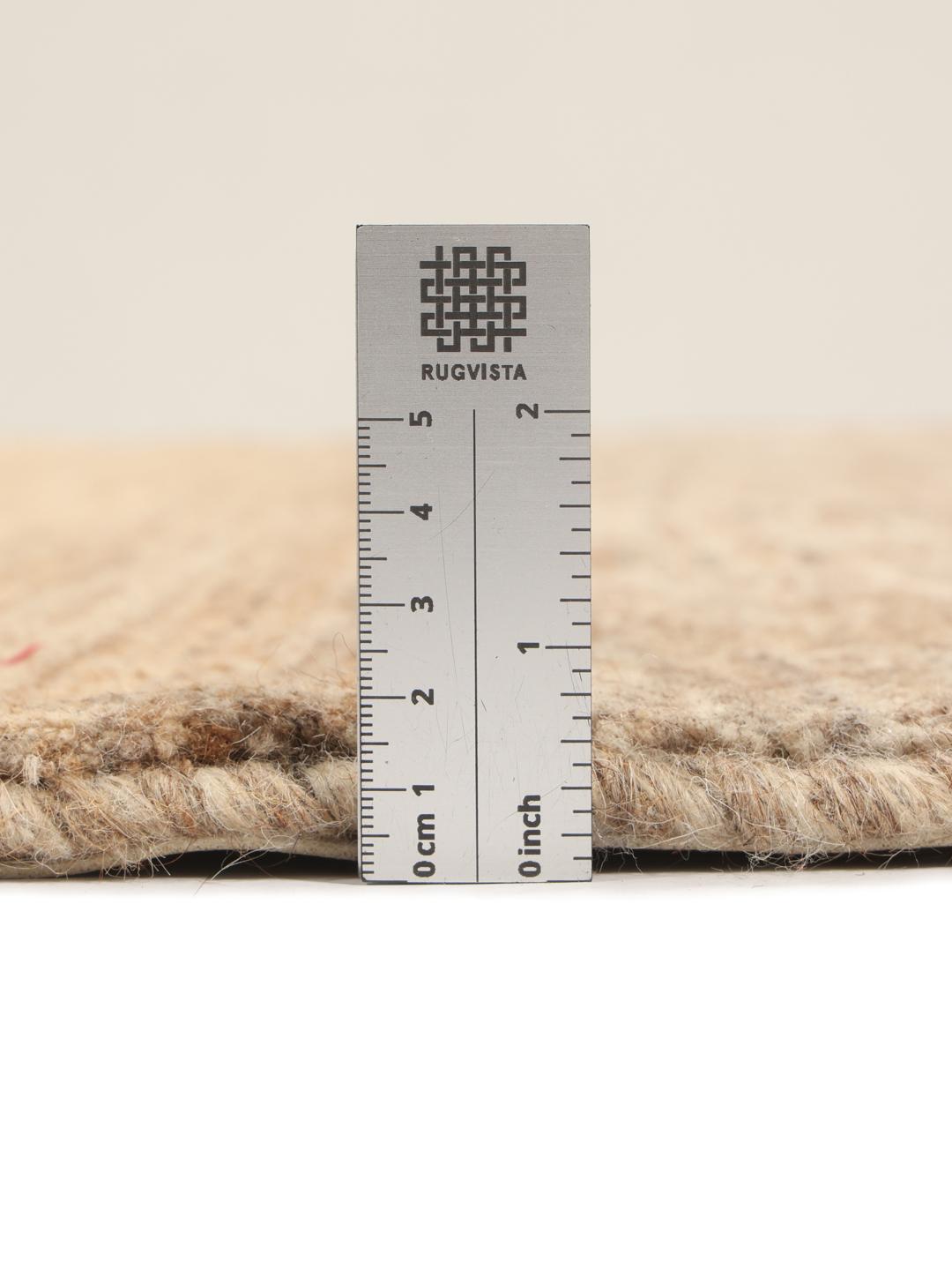
The Gabbeh tradition originates from the tribal regions of the Middle East, where nomadic weavers created these rugs primarily for their own domestic use. Historically, these were thick, coarse, and highly functional floor coverings designed to protect against the cold, hard ground. Over time, the style evolved into the sophisticated artistic tradition we recognise today, characterised by its thick pile and expressive, minimalist aesthetic.
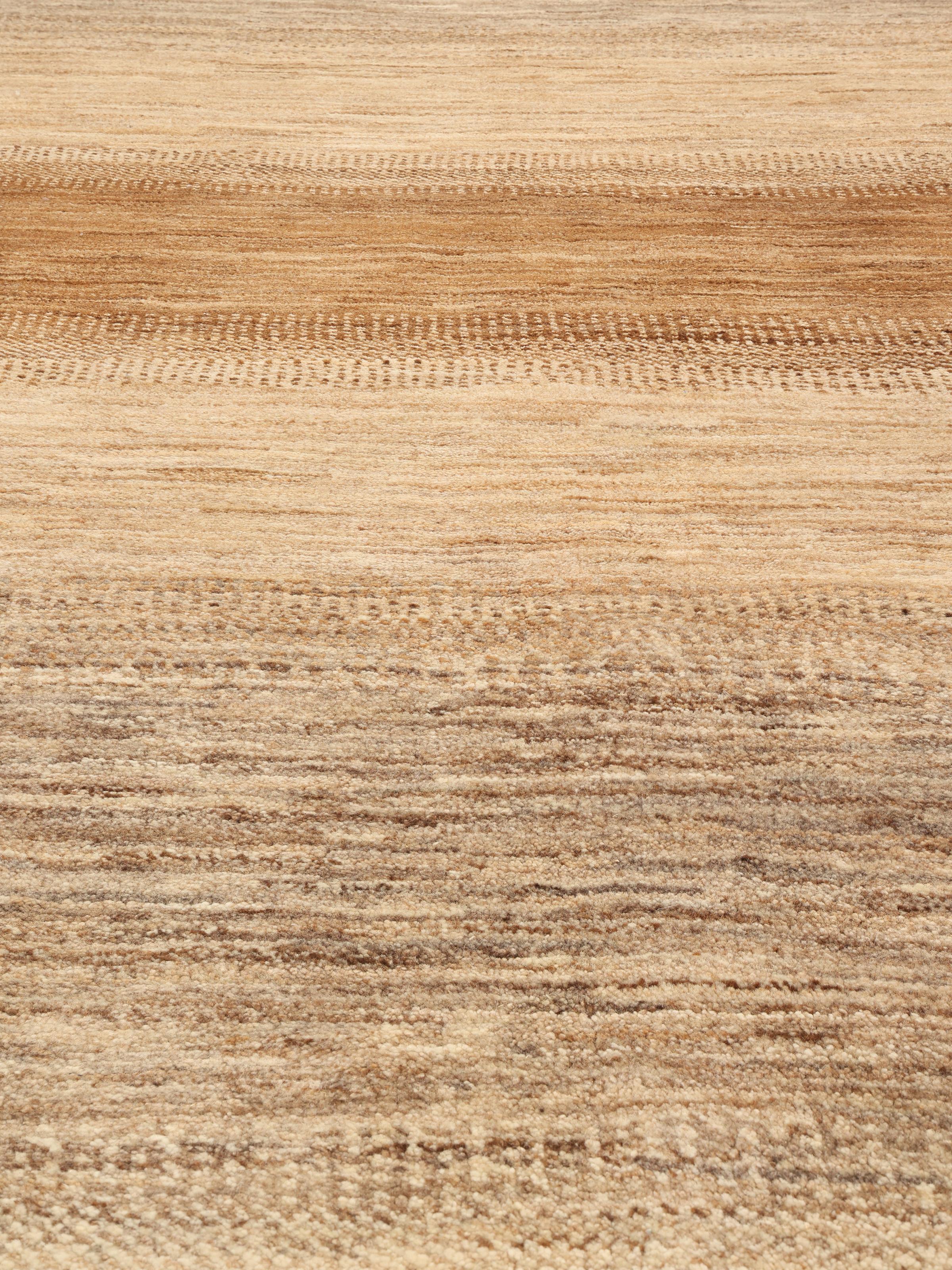
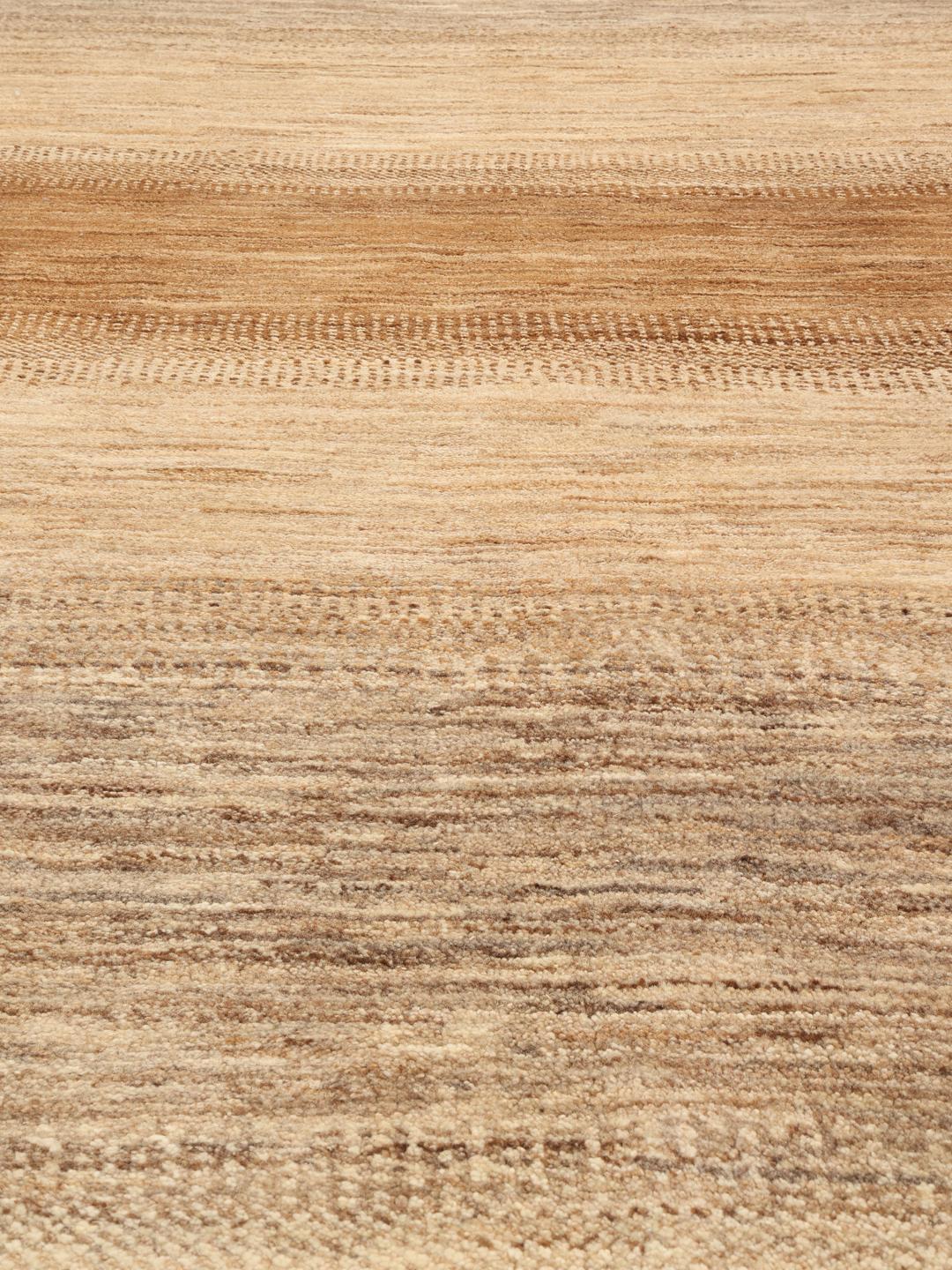
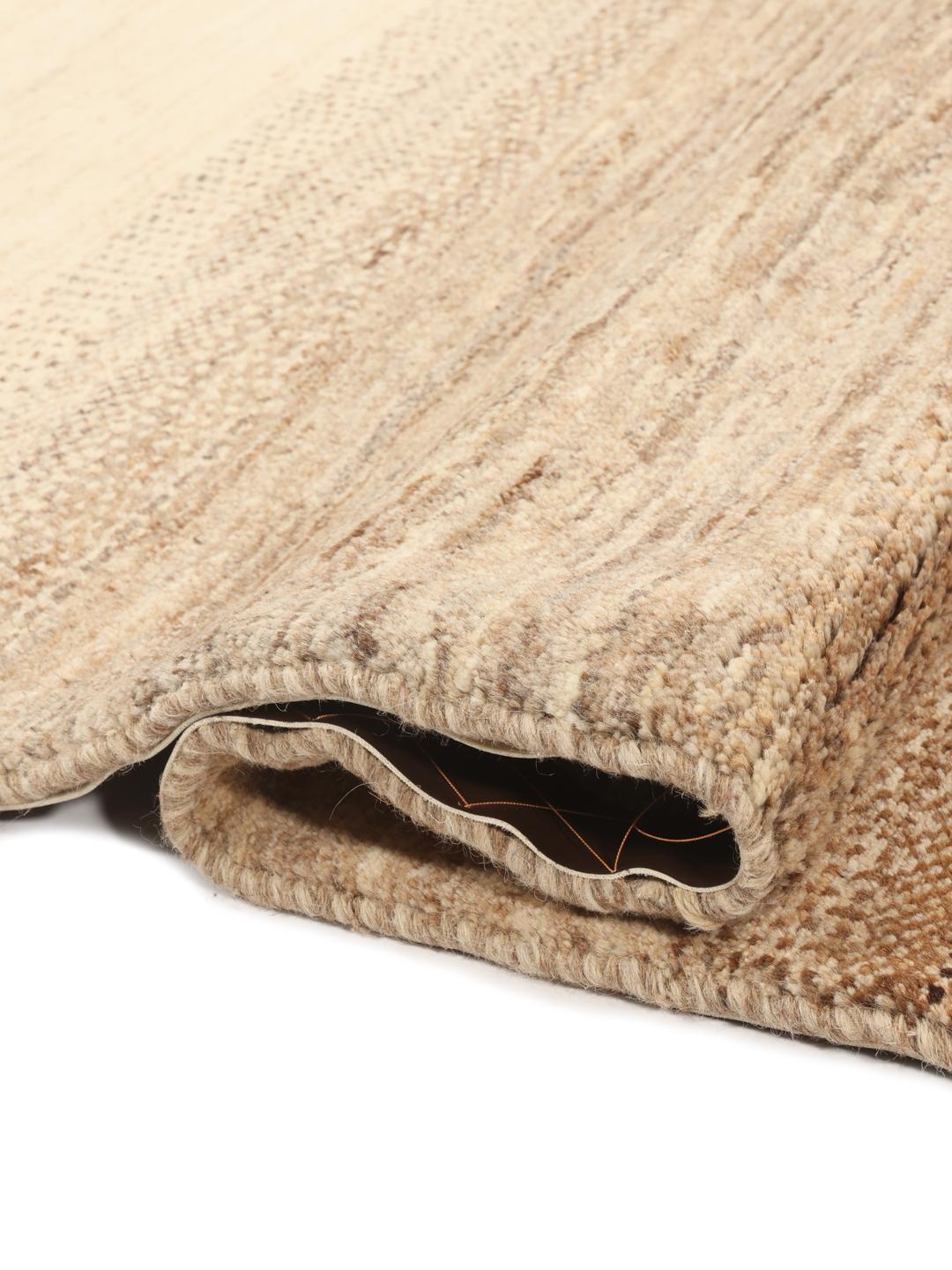
The term 'Gabbeh' itself refers to the natural, unrefined, and thick nature of these rugs. In the context of the 'Fine' designation, it implies a more deliberate approach to the weave and material preparation. The use of hand-spun, high-quality wool is central to this, as it allows for a more consistent and lustrous pile. This technical refinement elevates the rug from a simple nomadic mat to a piece of refined interior art, while still respecting the traditional, heavier construction.
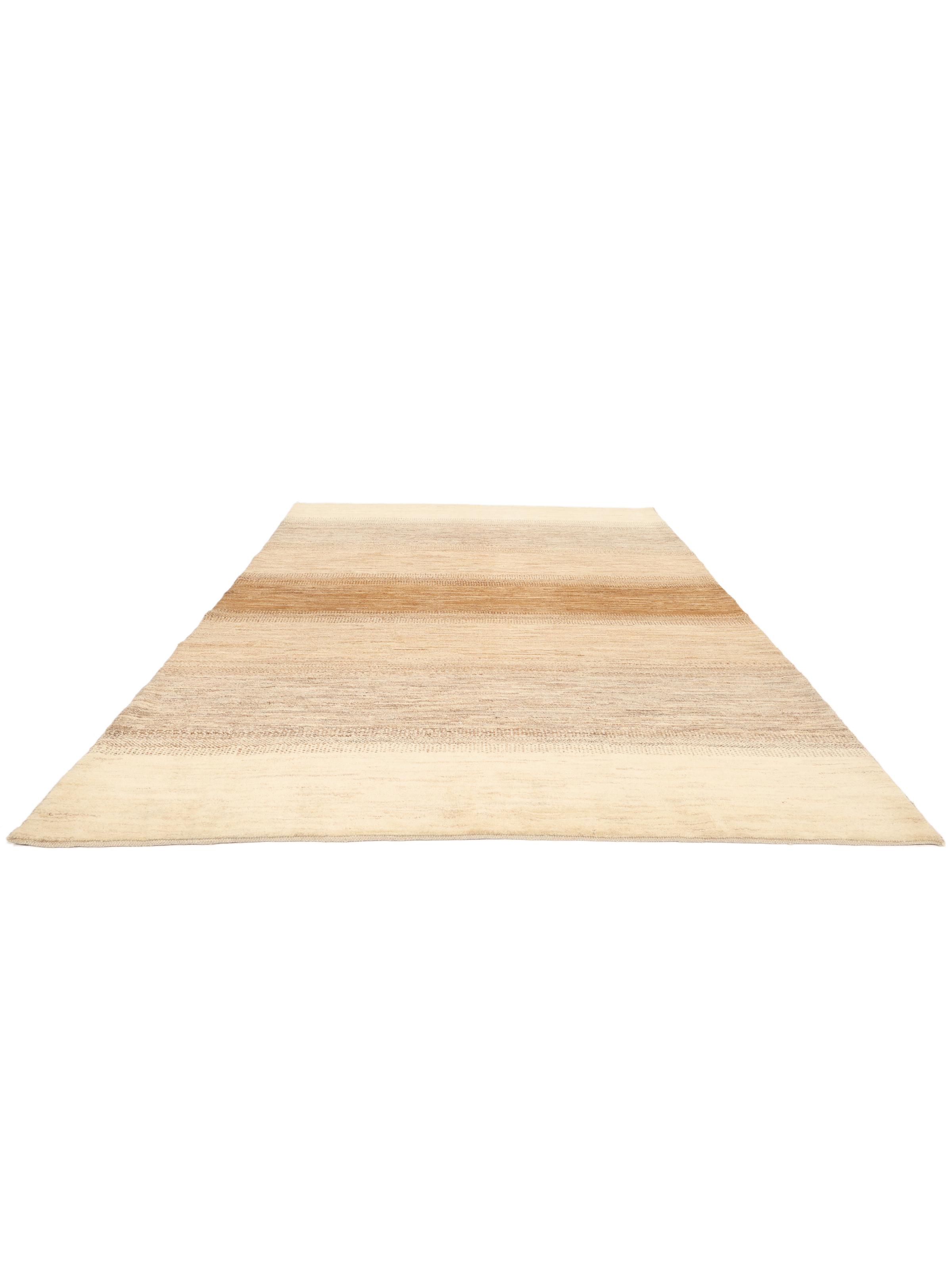
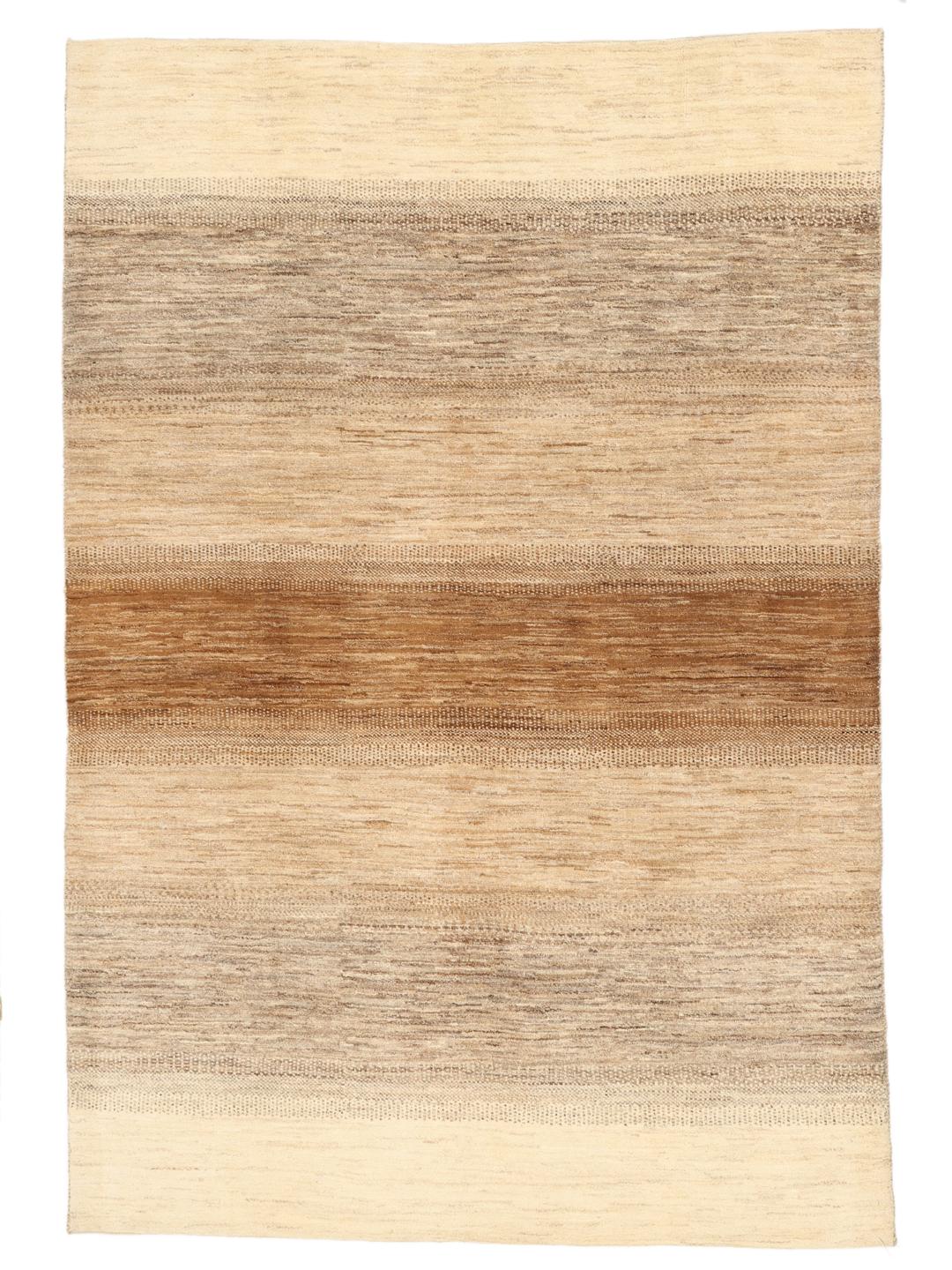
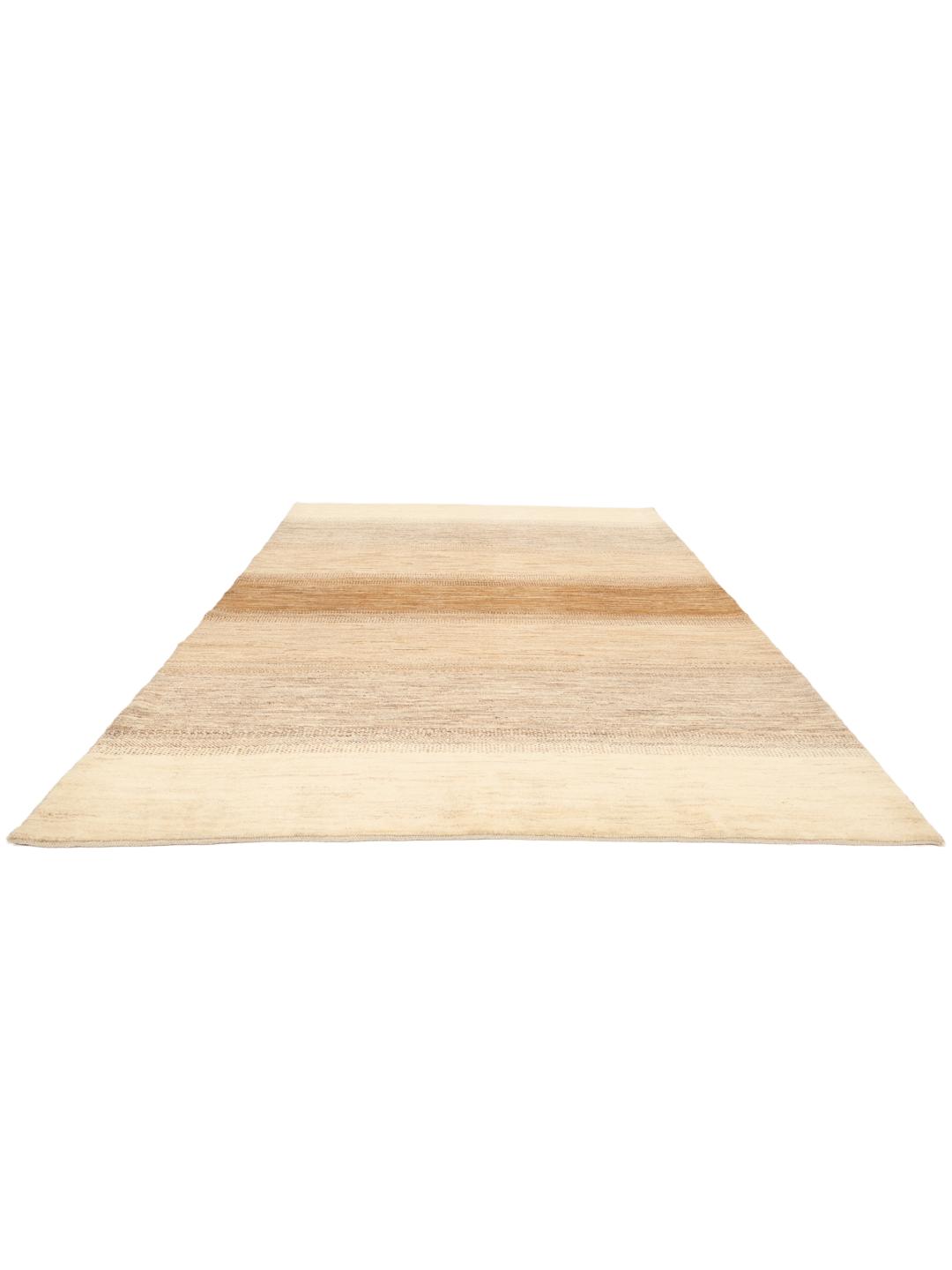
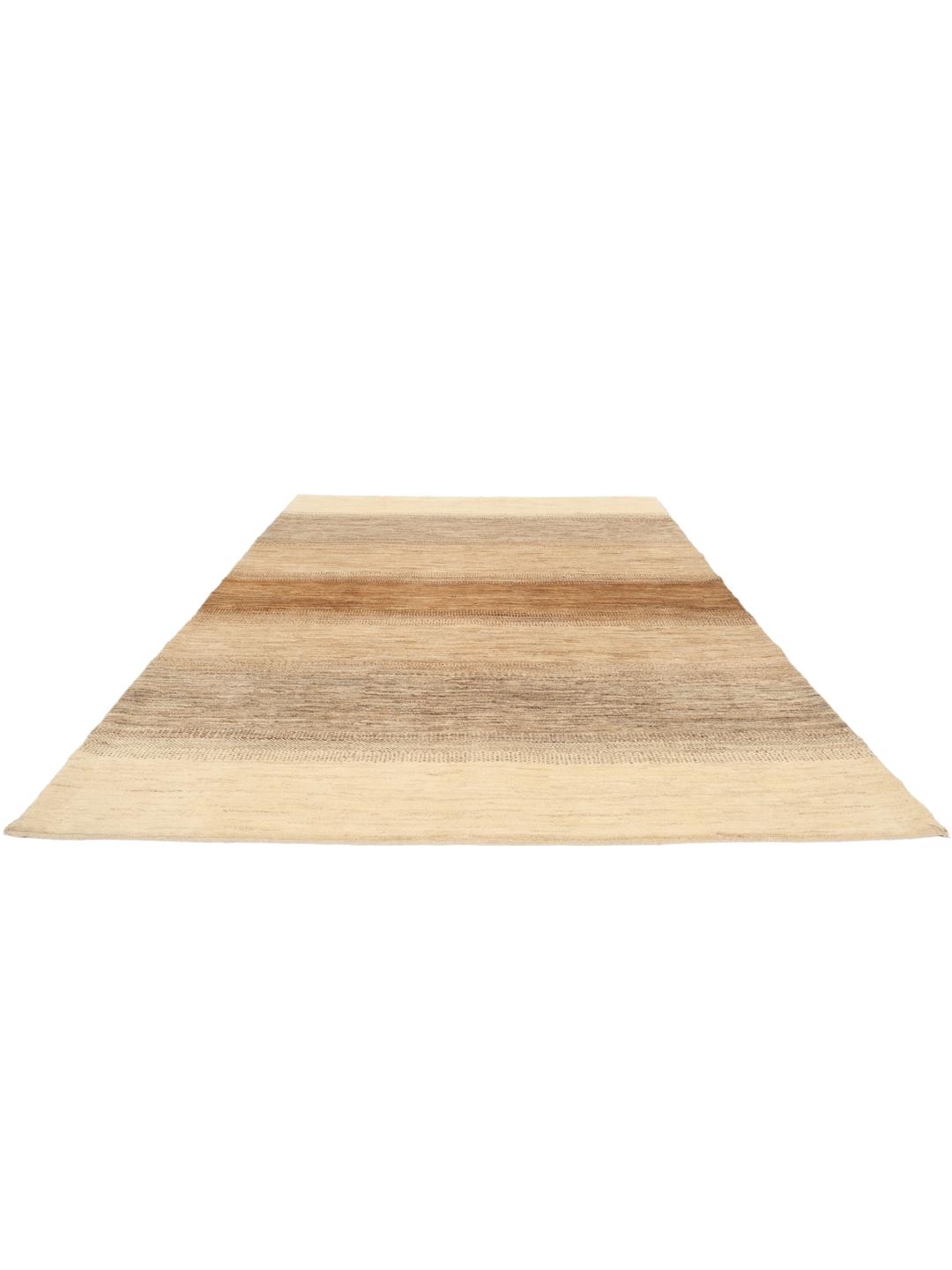
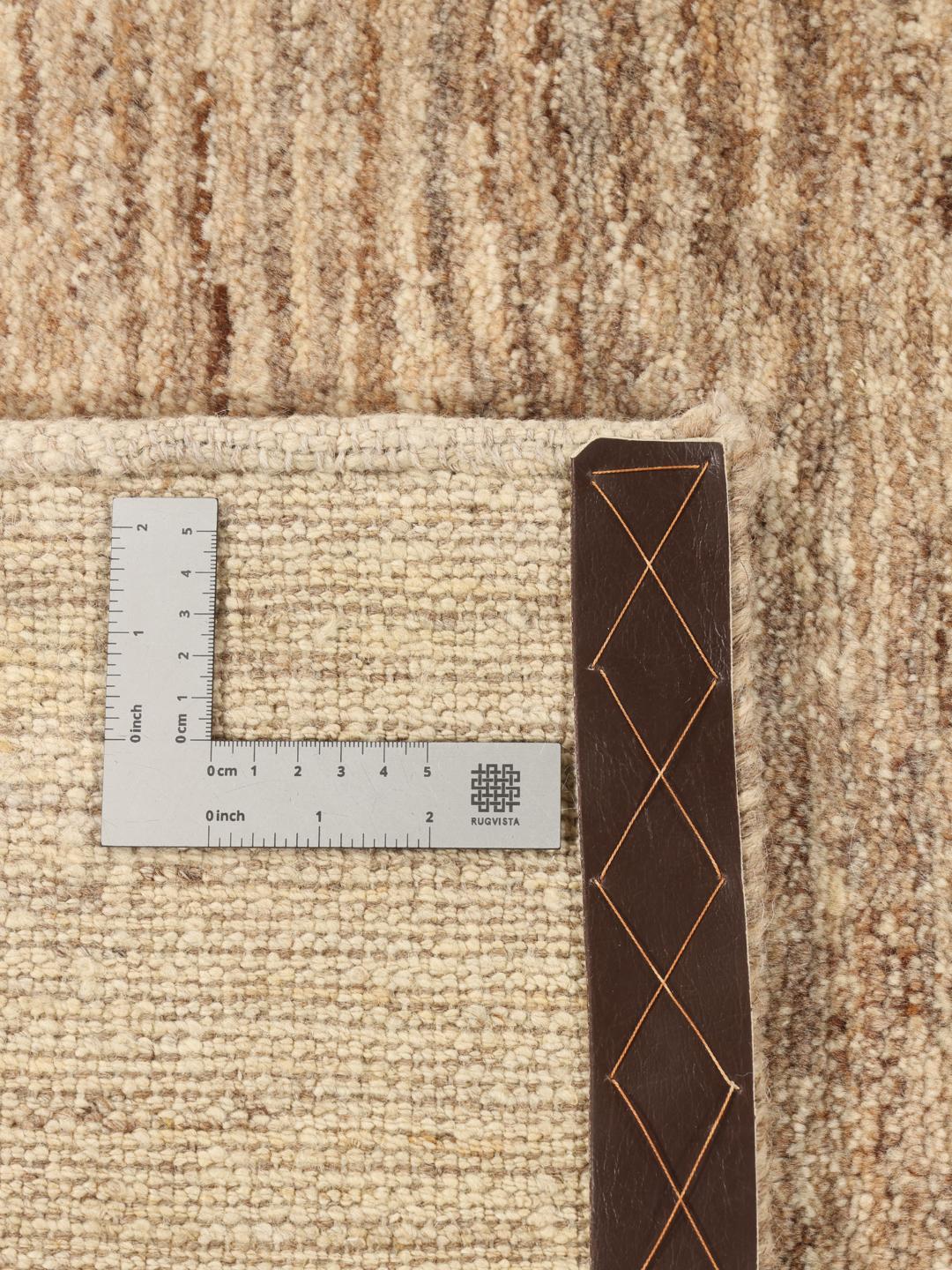
Visually, these rugs are known for their open fields and simple, geometric expressions. While many traditional rugs are defined by complex, repeating medallions, the Gabbeh style often celebrates the beauty of the wool itself, frequently using wide, horizontal bands or subtle, organic colour shifts. This rug, with its earthy, striped composition, is a classic example of how minimal design can convey a sense of calm and visual balance.
Collecting a piece from this tradition is about valuing the human story behind the object. Because these rugs were historically woven by hand without formal patterns or sketches, they reflect the individual mood and environment of the weaver. To own one is to possess a piece of cultural heritage that honours the skill and patience of the artisan, standing as a testament to a craft that has survived and thrived for generations.