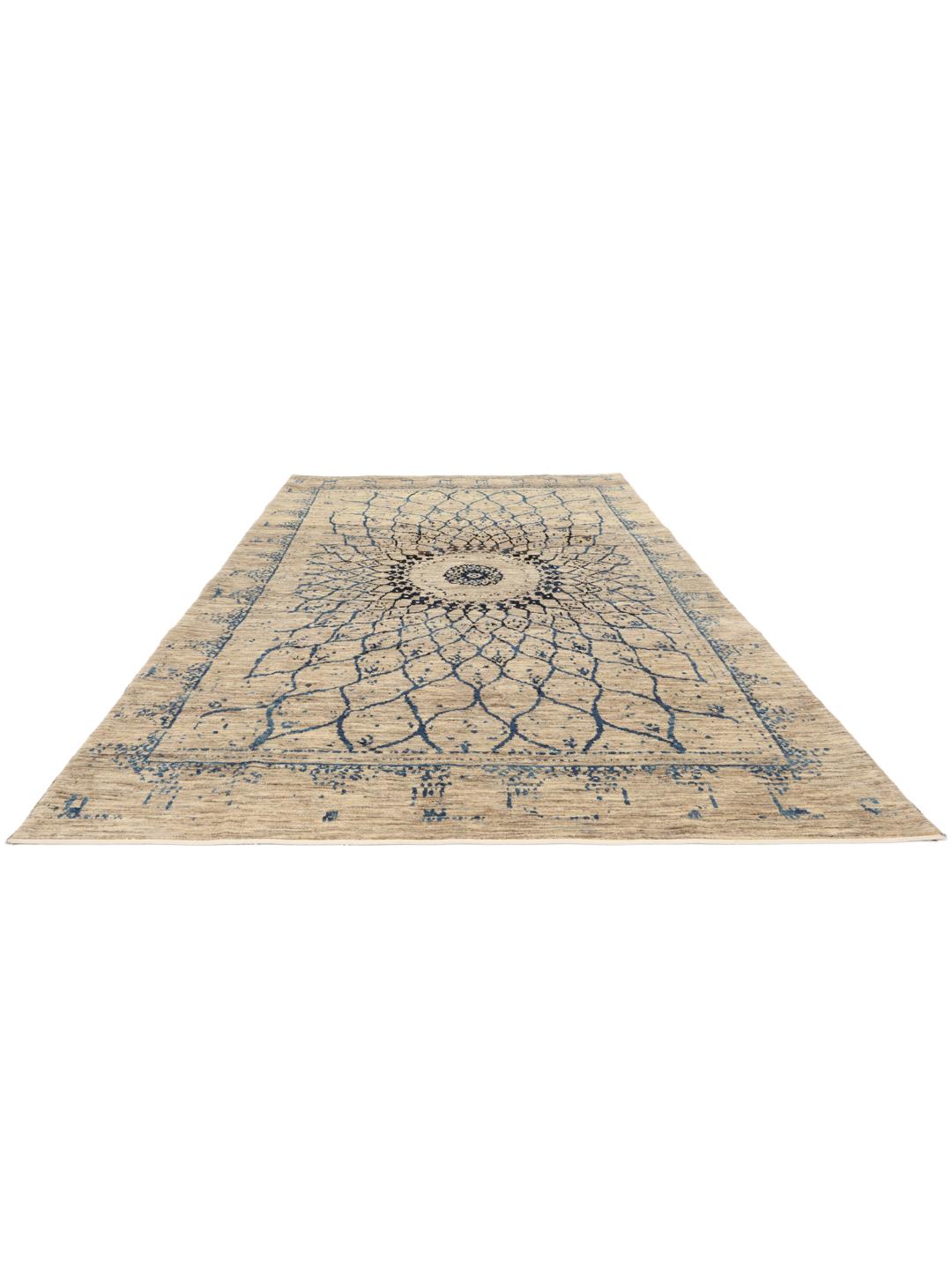
The tradition of Gabbeh weaving finds its roots in the nomadic cultures of the Middle East. Historically, these rugs were created by tribal weavers for practical, everyday use, serving as warm bedding and floor coverings within tents. Unlike more formal urban carpets, the Gabbeh was a personal expression of the weaver’s life, often incorporating abstract representations of the natural world, local flora, and tribal symbolism.
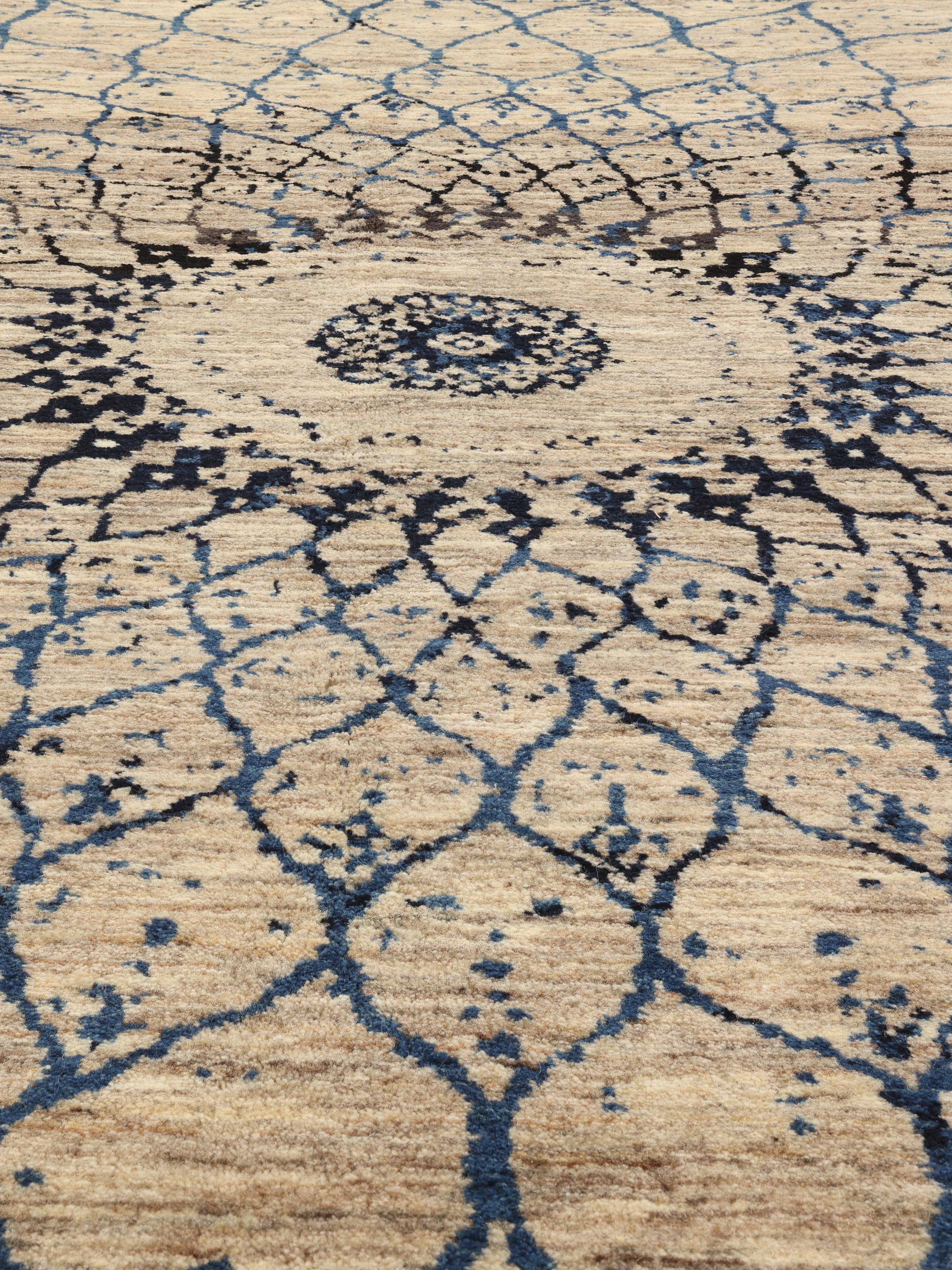
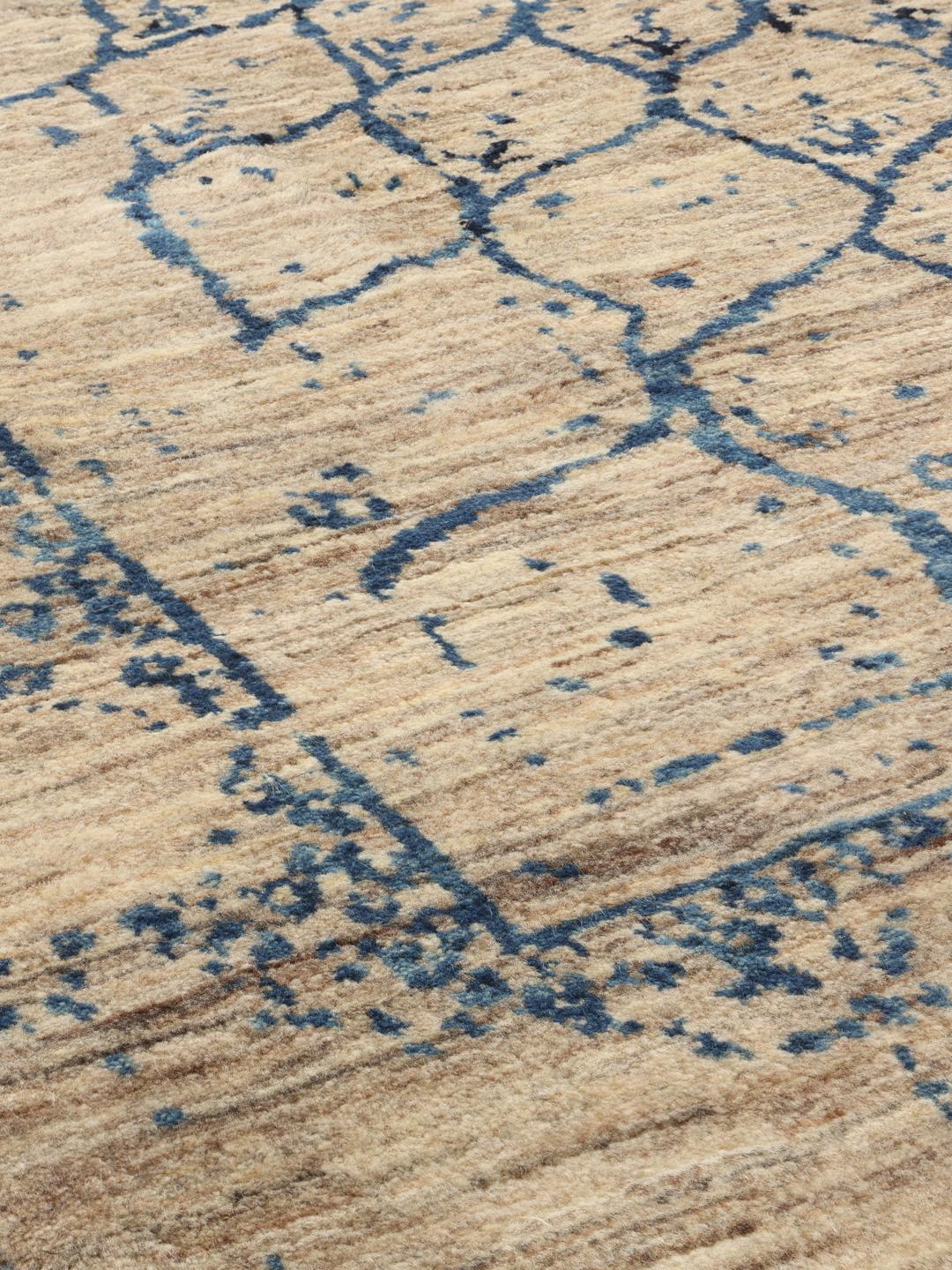
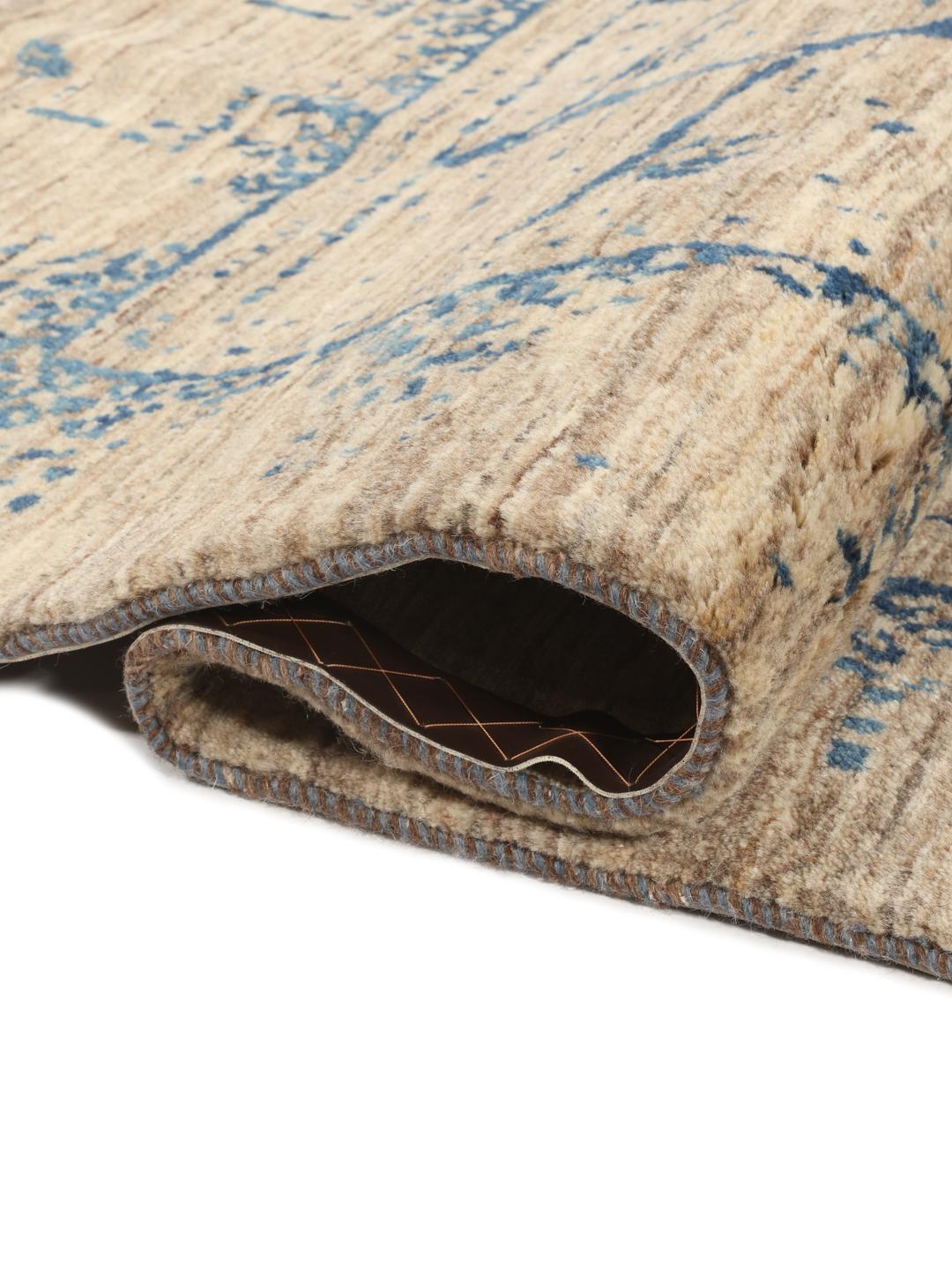
The term 'Fine' in this context refers to the elevated standard of the weave. While traditional nomadic Gabbehs were often coarser and simpler, the 'Fine' designation indicates a more sophisticated approach to knotting, allowing for greater detail in the design and a more refined, luxurious texture. This evolution bridges the gap between raw, primitive folk art and the high-level craftsmanship required for a polished, modern home.
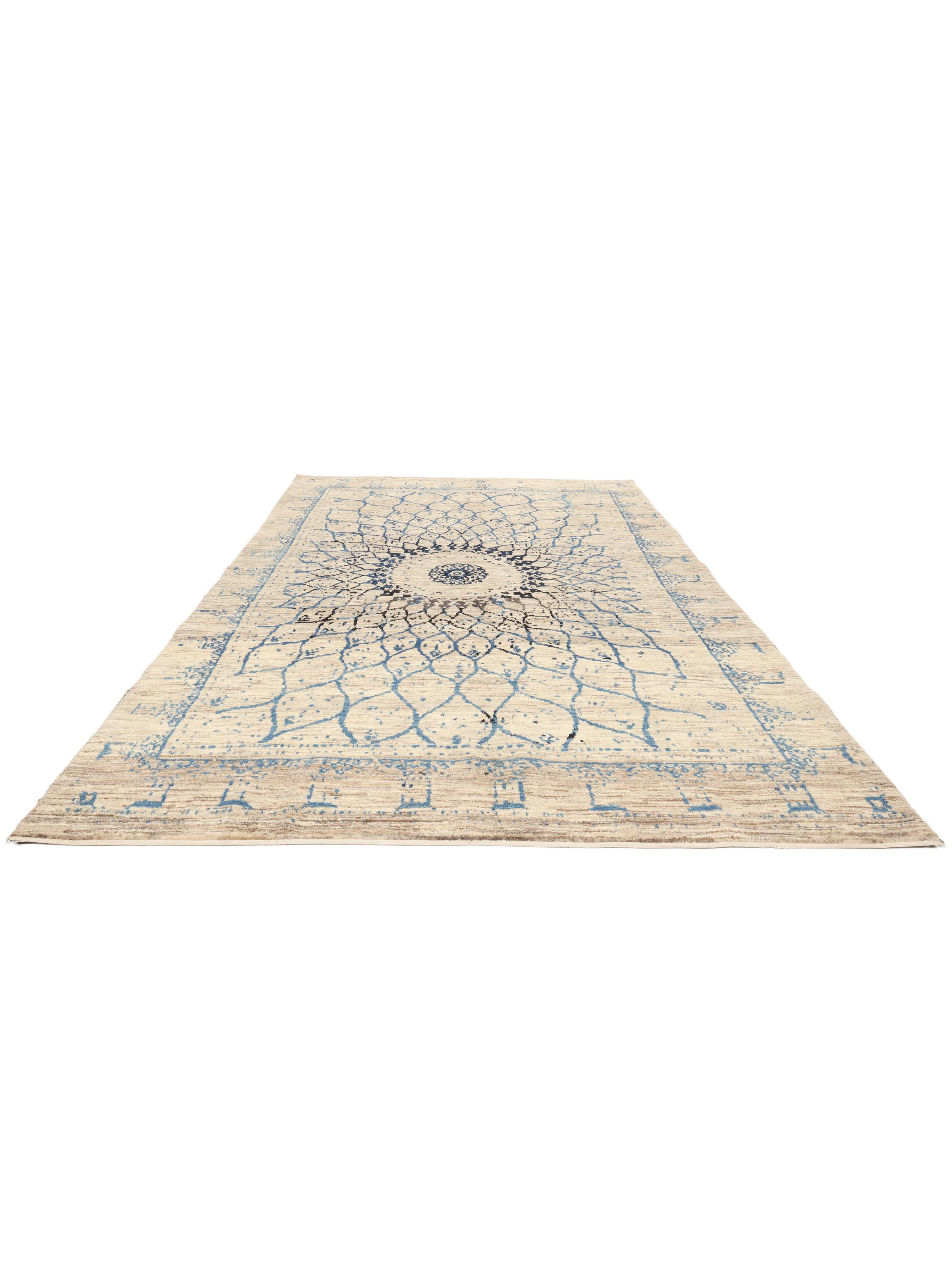
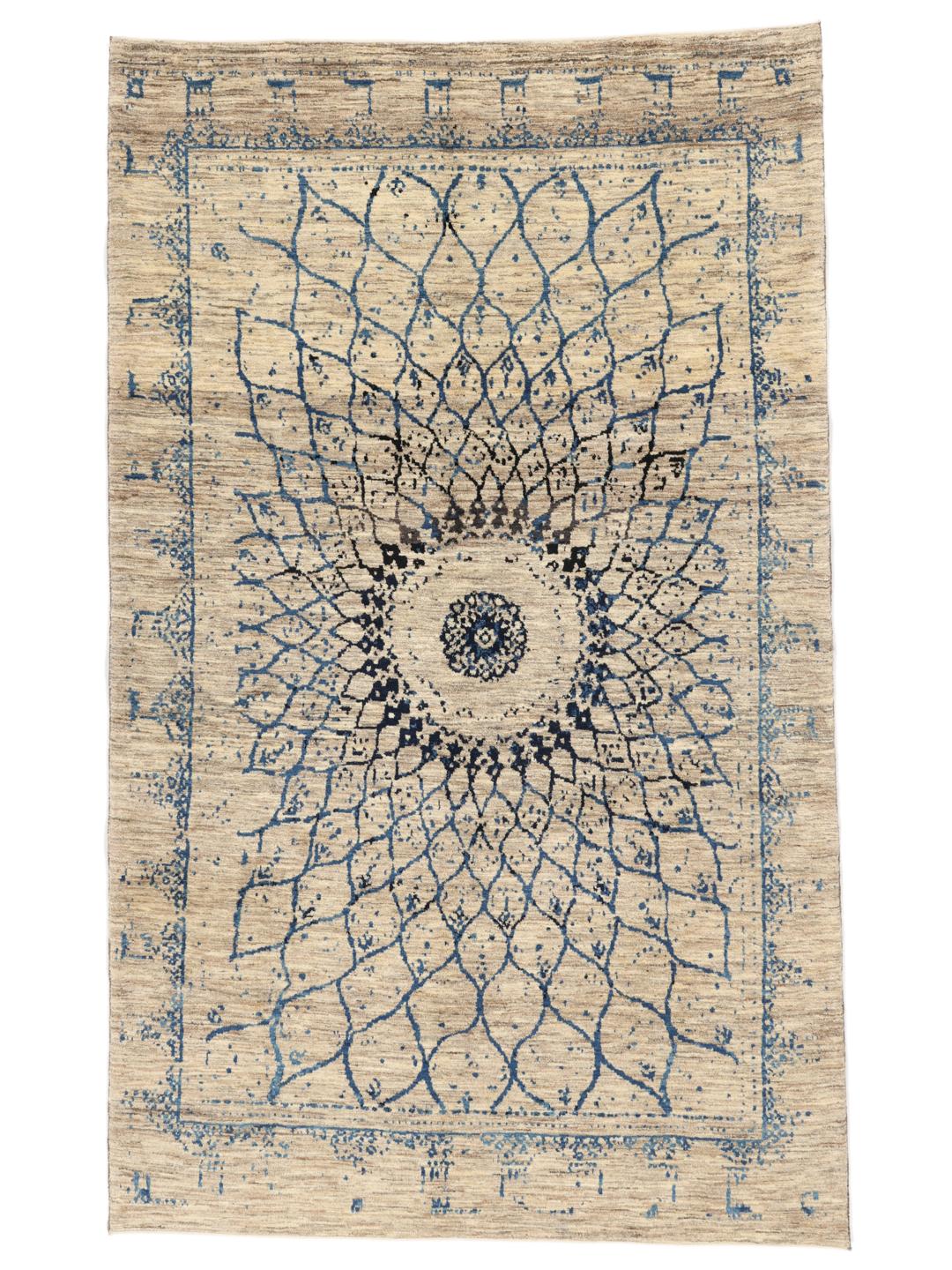
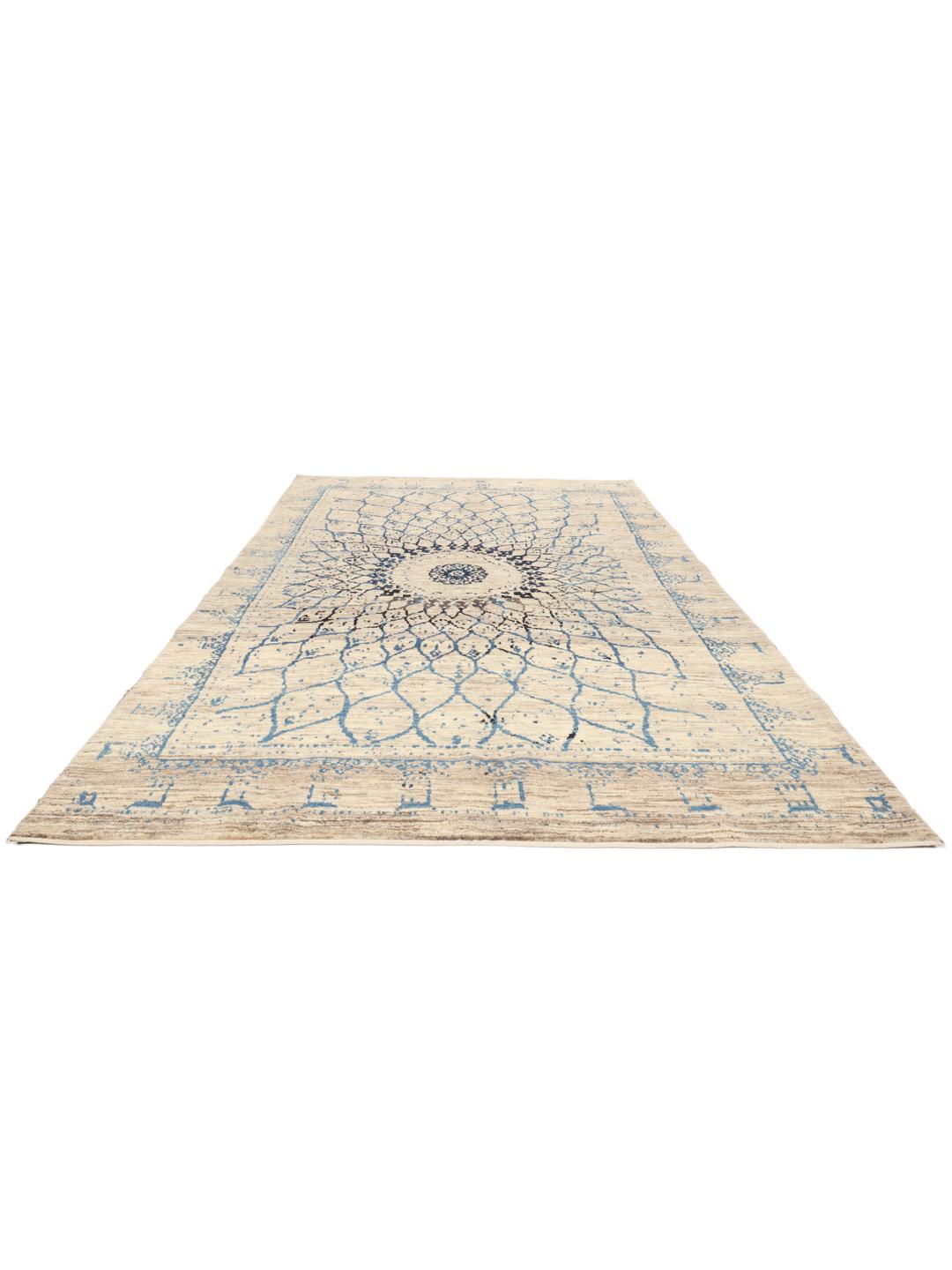
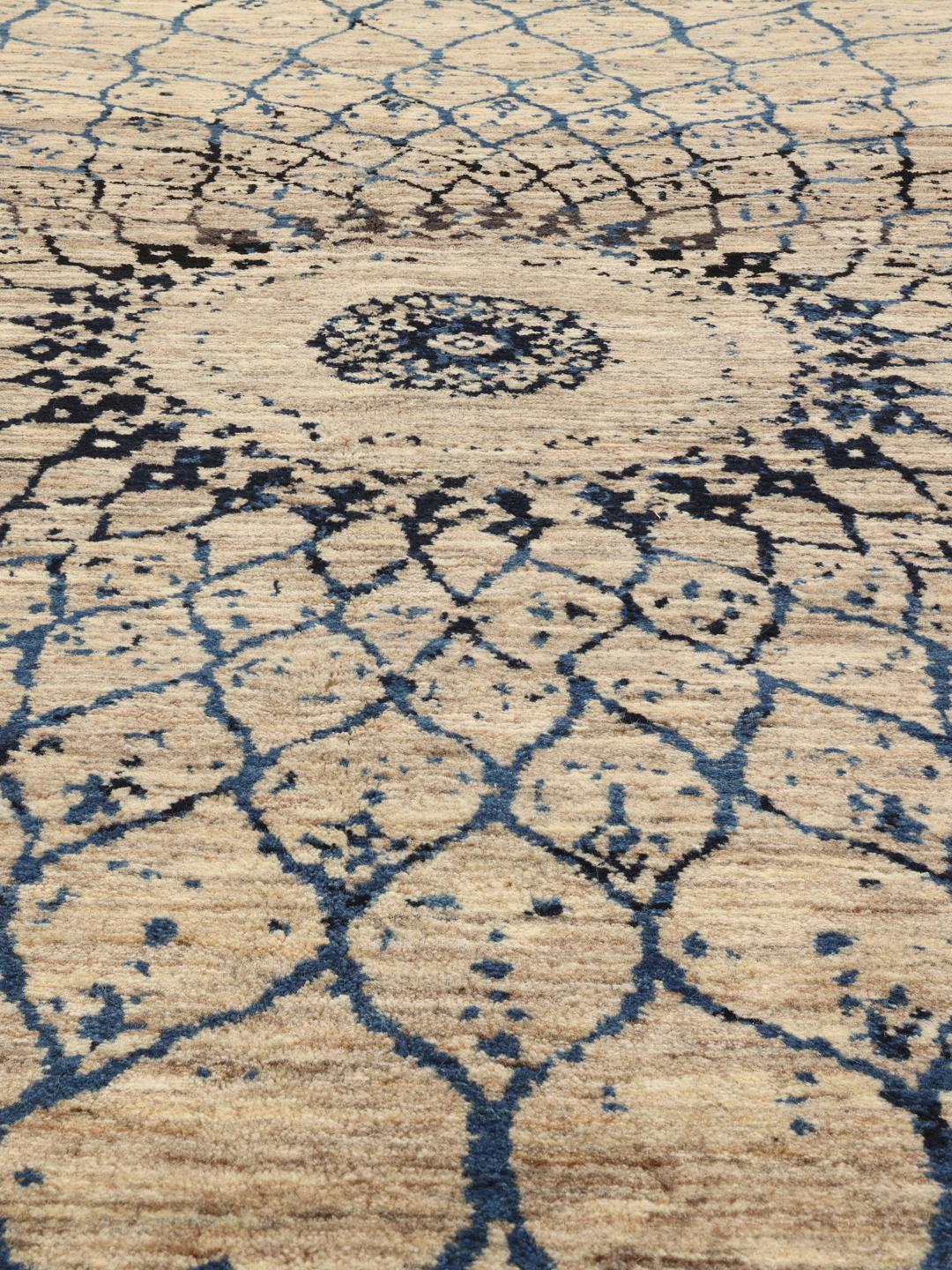
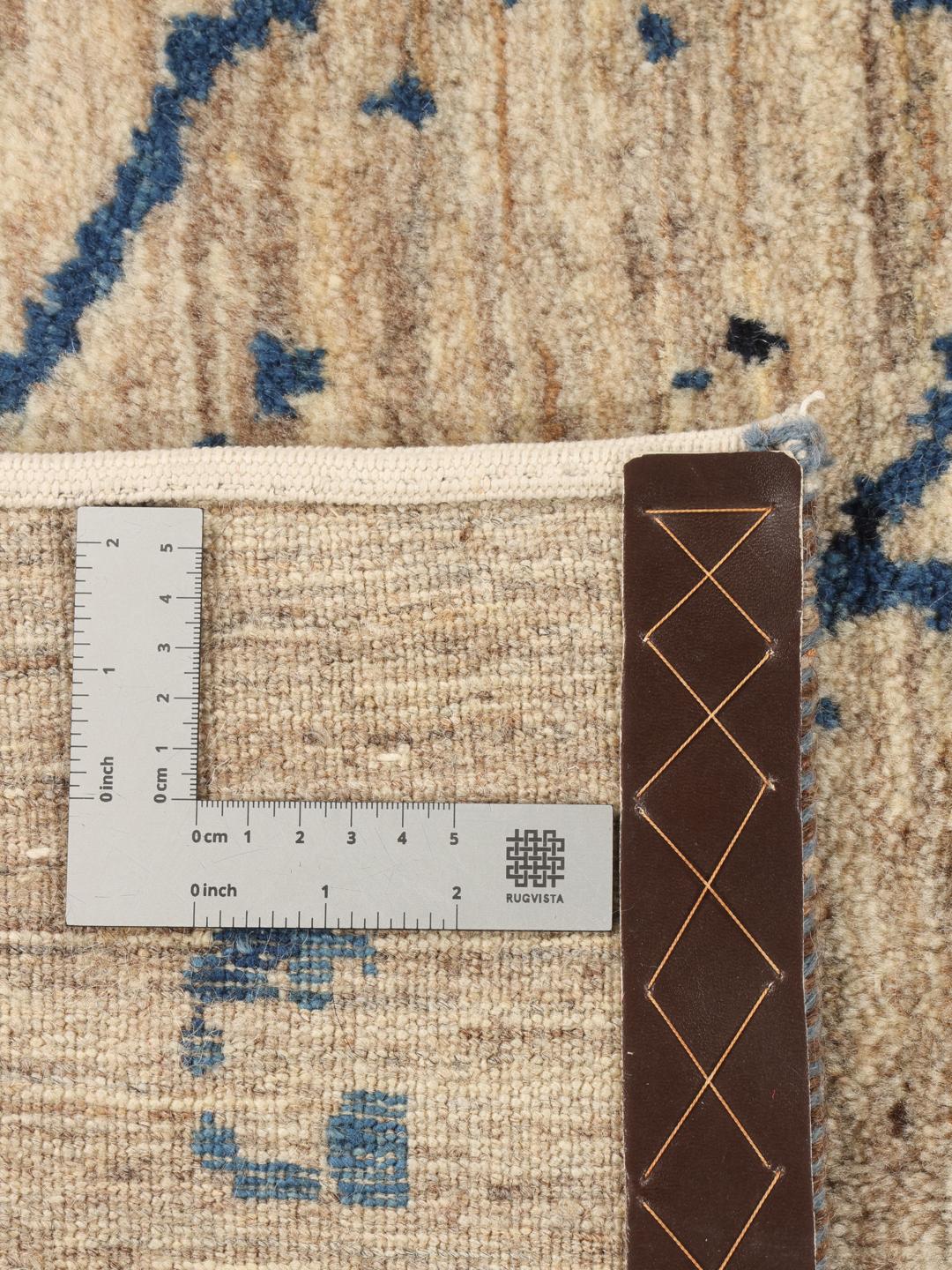
Visually, this rug follows the classic Gabbeh tradition of bold, simplified motifs. While the central medallion is a hallmark of many regional styles, its execution here is distinctly organic, mirroring the way these weavers interpreted nature through a geometric lens. The border, featuring recurring motifs, acts as a frame for the central field, providing a sense of balance and formal structure that is common in these tribal designs.
Today, these rugs are highly valued by collectors and interior designers alike for their ability to bring a sense of history and human touch into a space. Owning a piece from this tradition is about more than just aesthetics; it is about preserving a legacy of skill that has been passed down through generations. Each rug stands as a testament to the weaver's ability to balance traditional techniques with individual creativity, resulting in a piece that holds genuine cultural weight.