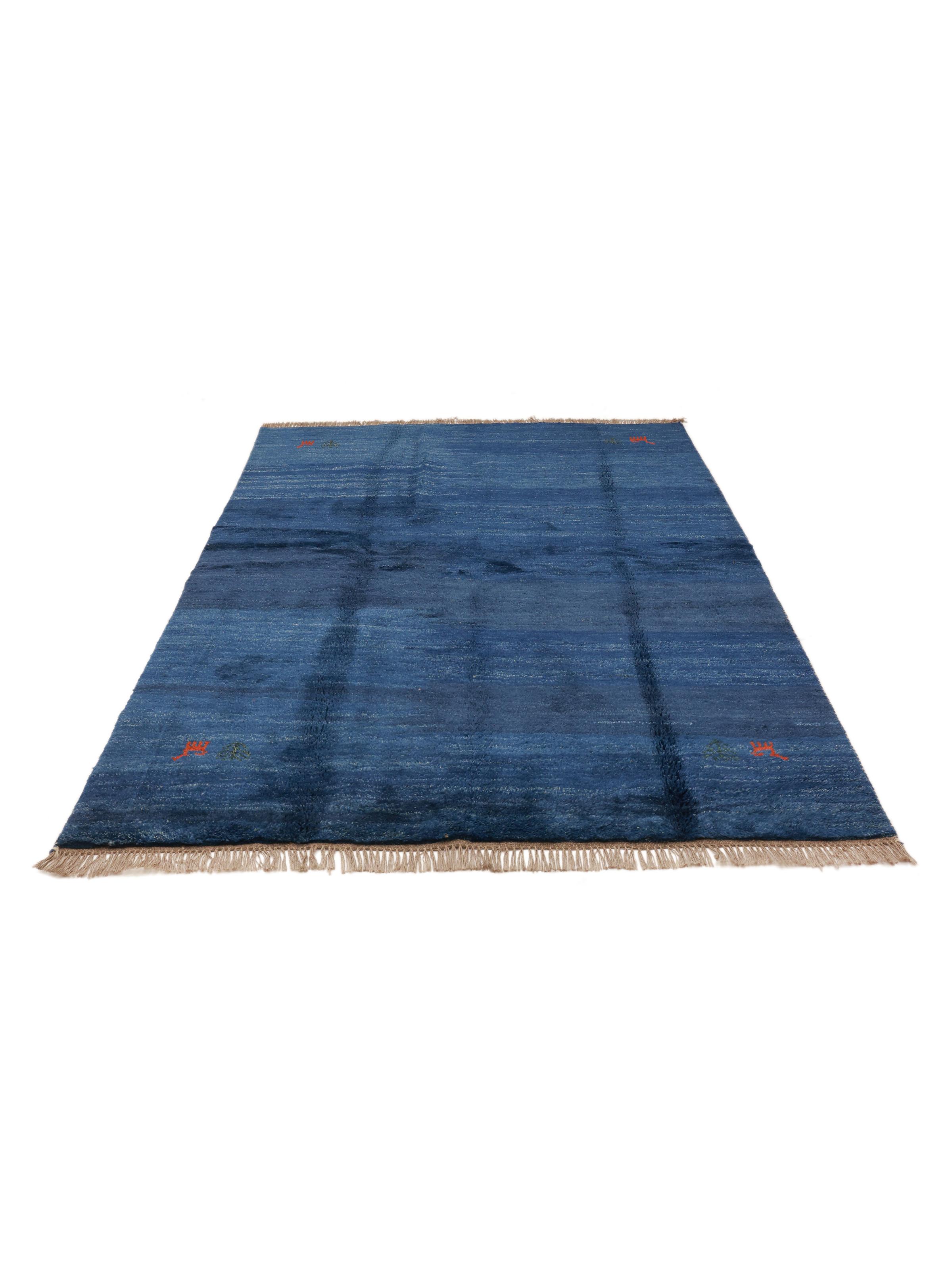
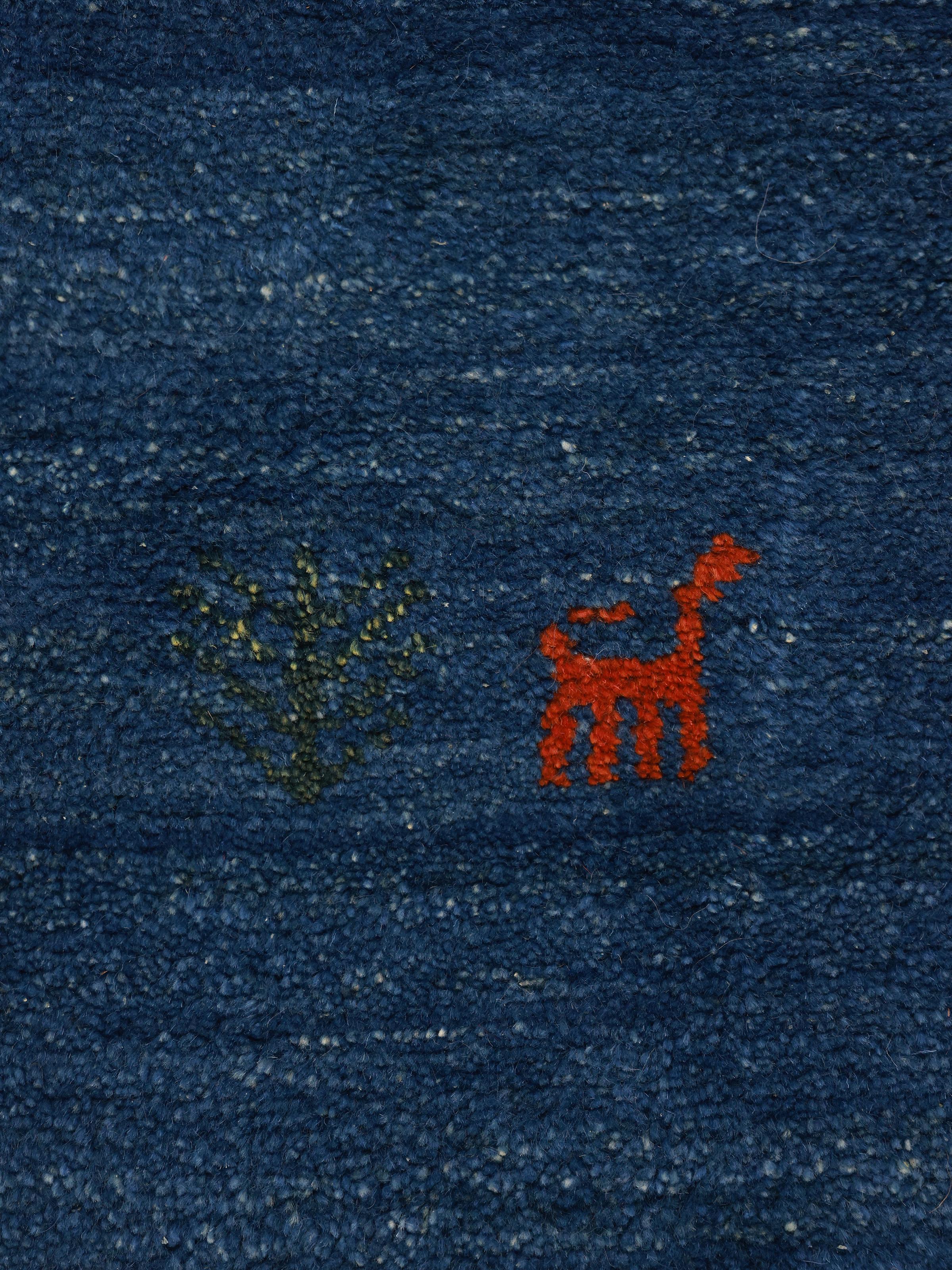
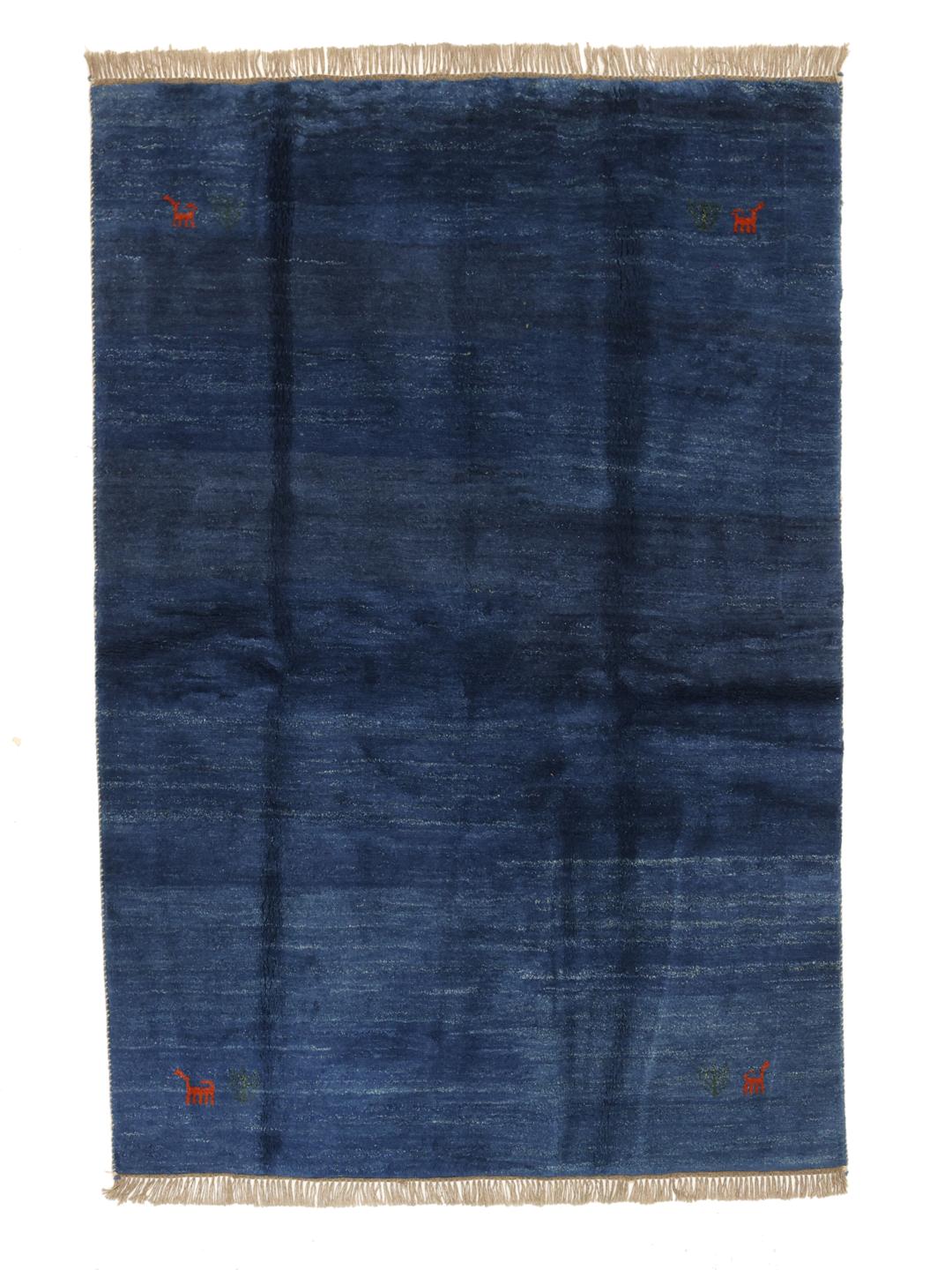
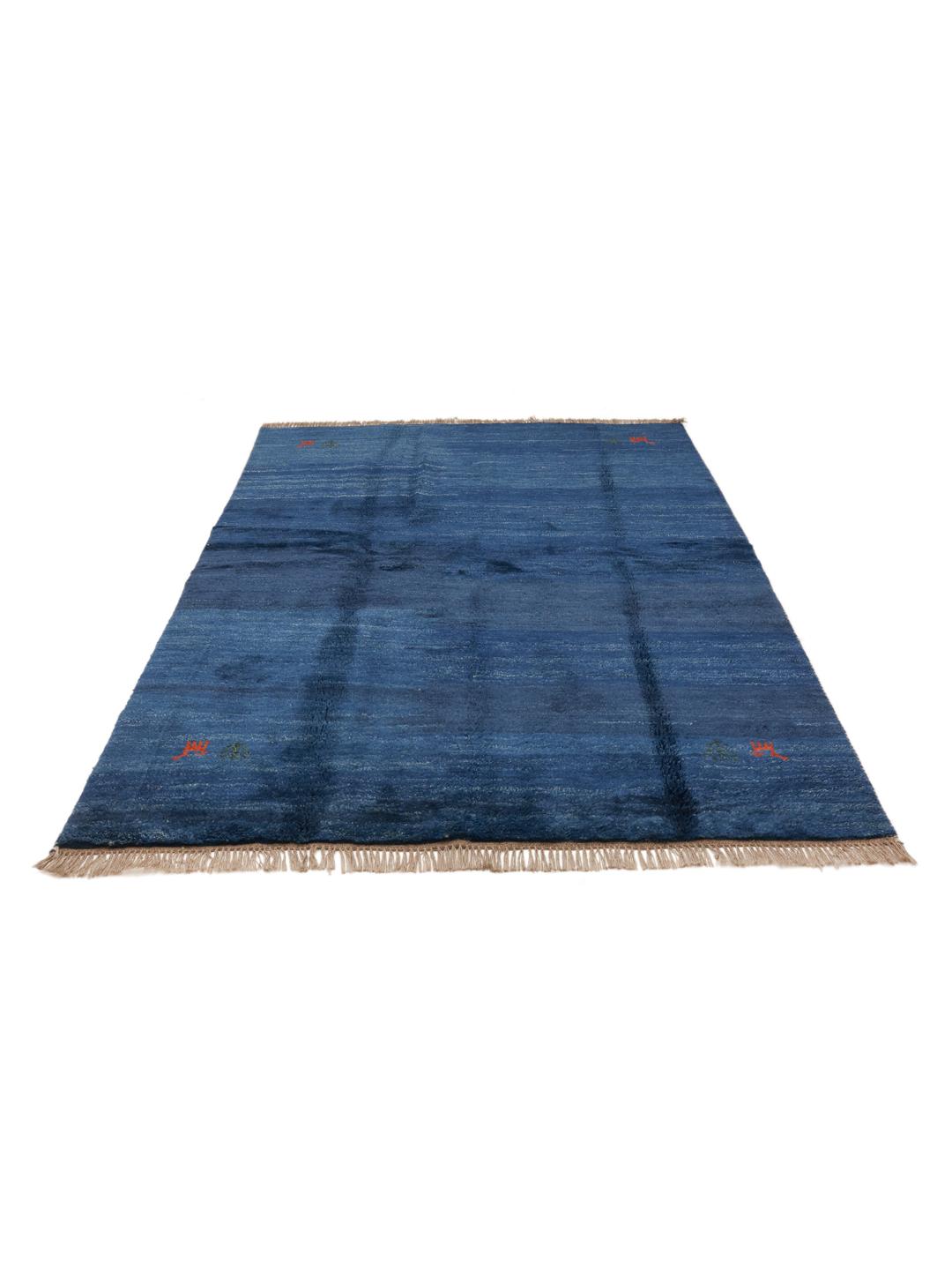
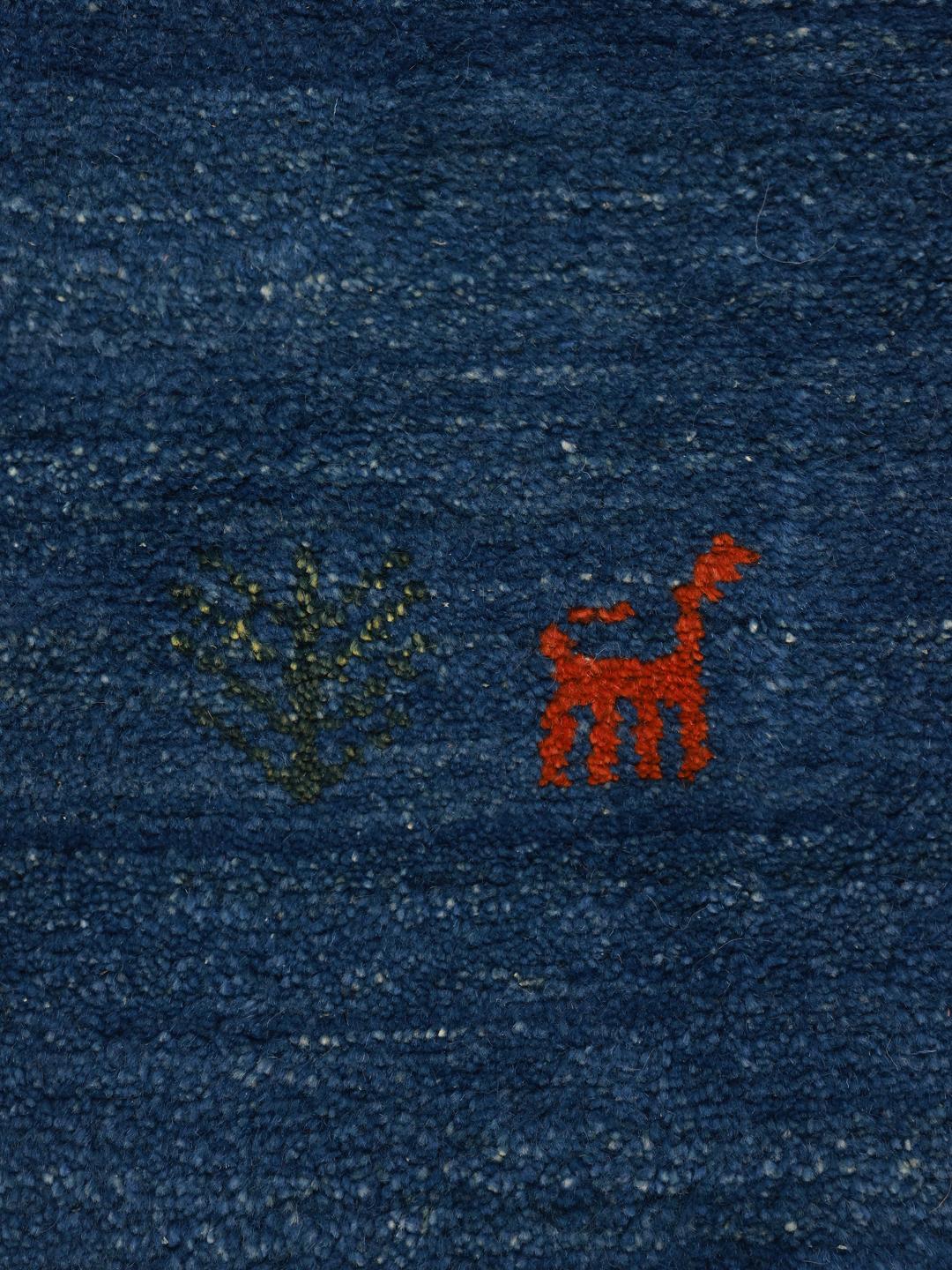
Gabbeh rugs originate from the nomadic tribes of the Middle East, primarily the Ghashgha'i people. Historically, these rugs were woven by women for domestic use, serving as thick, protective floor coverings in nomadic tents. Unlike more formal urban rugs, Gabbeh designs were deeply personal, often reflecting the weaver's view of their natural surroundings through simplified, abstract forms.
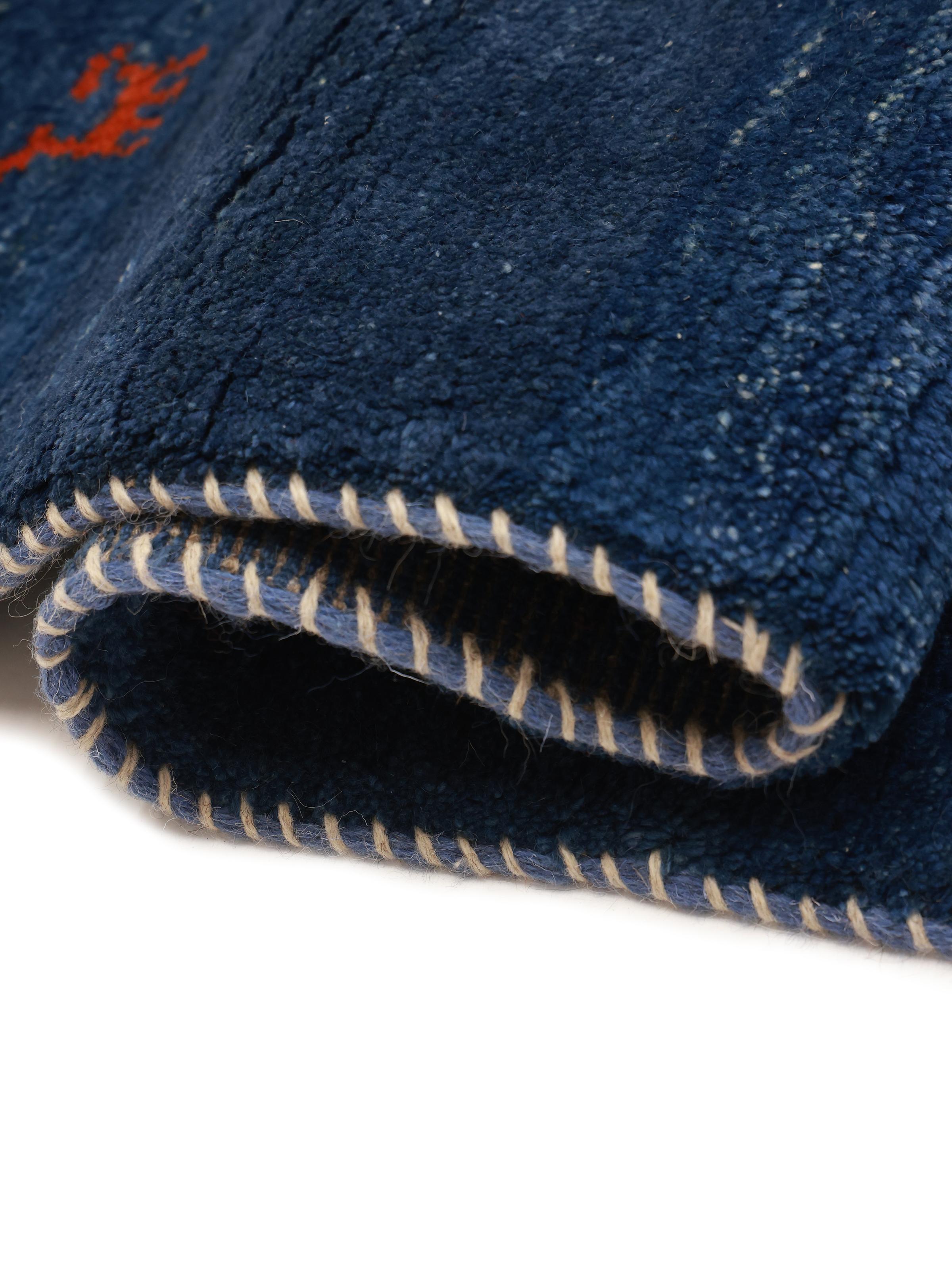
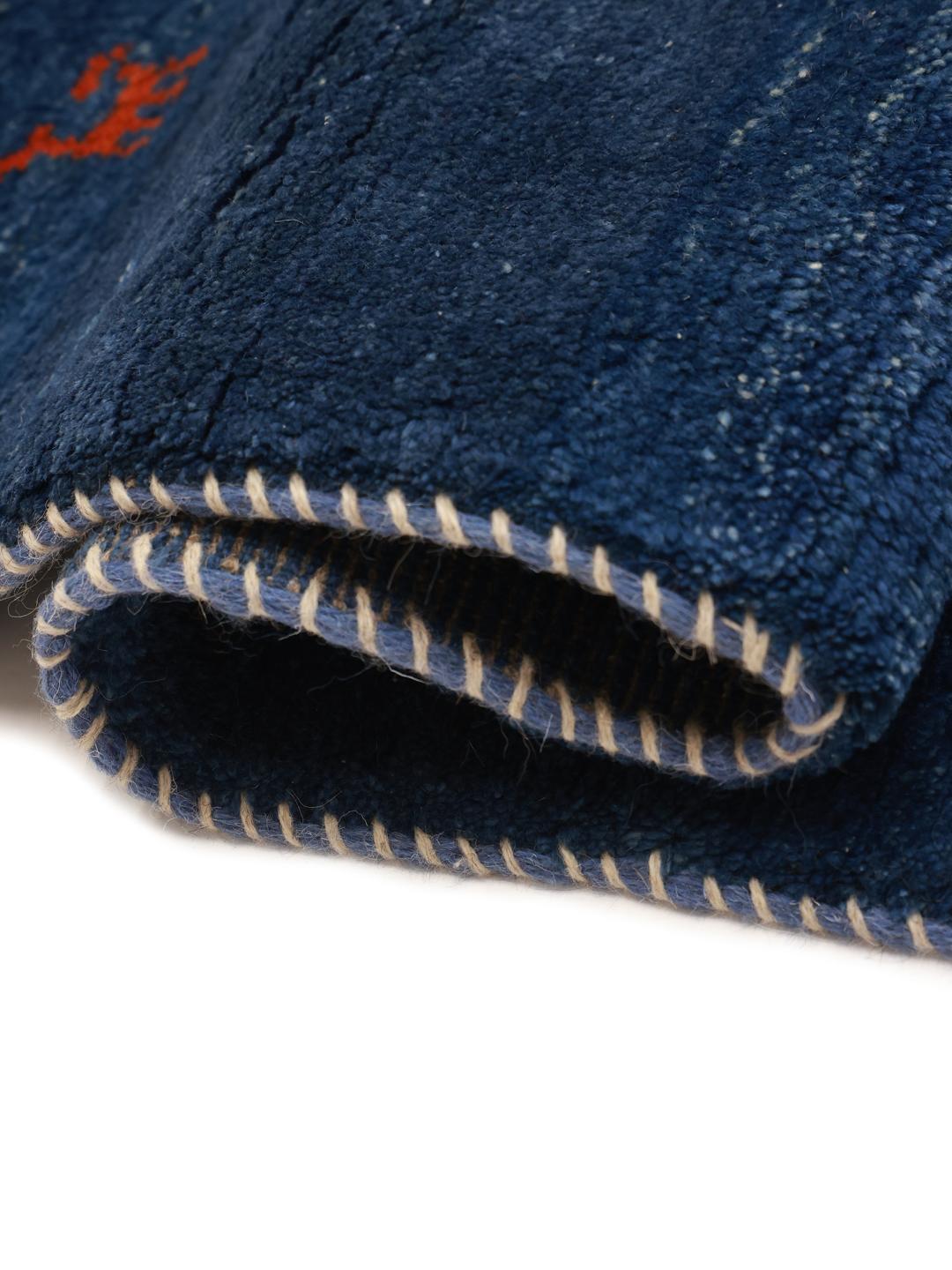
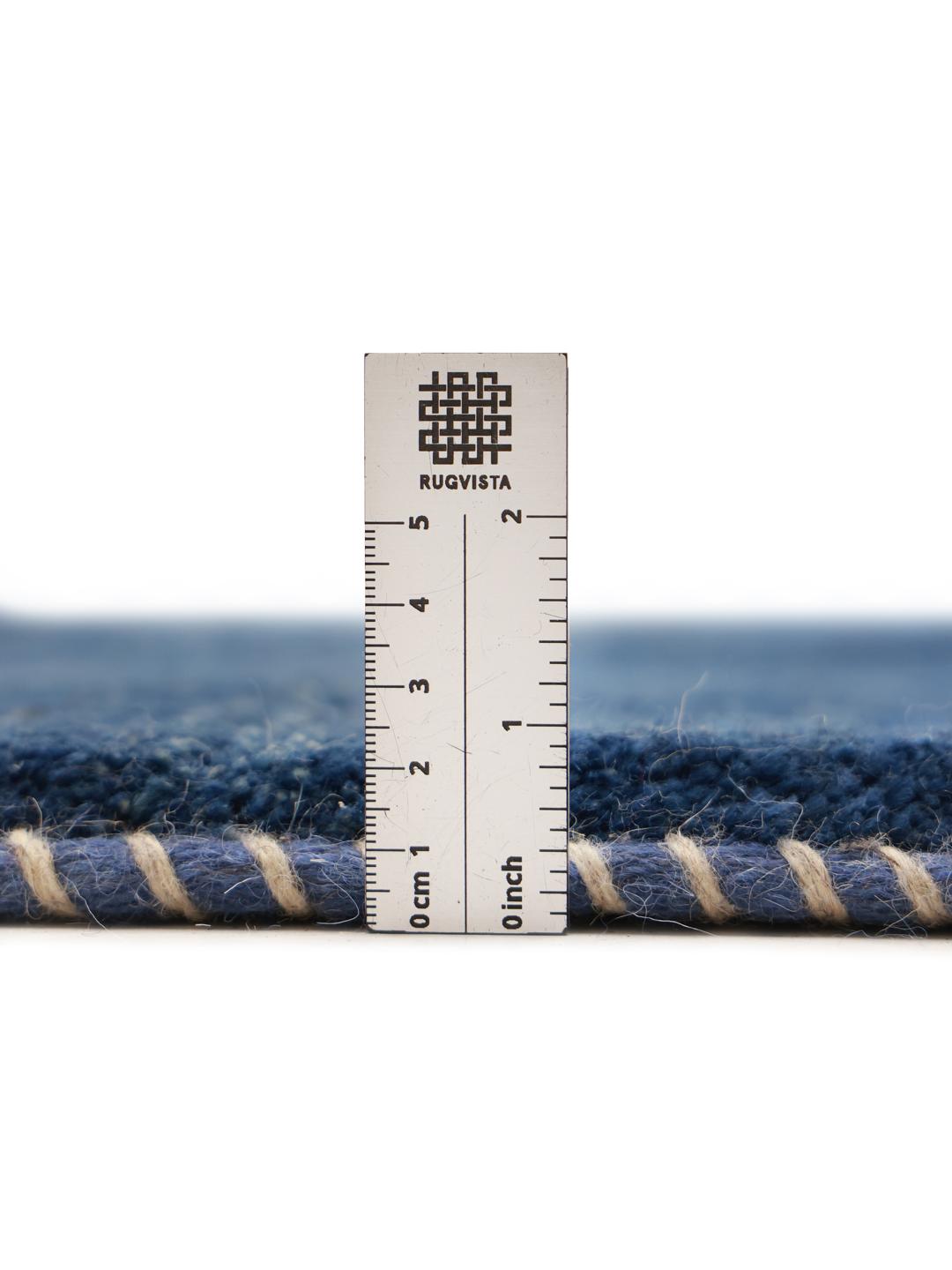
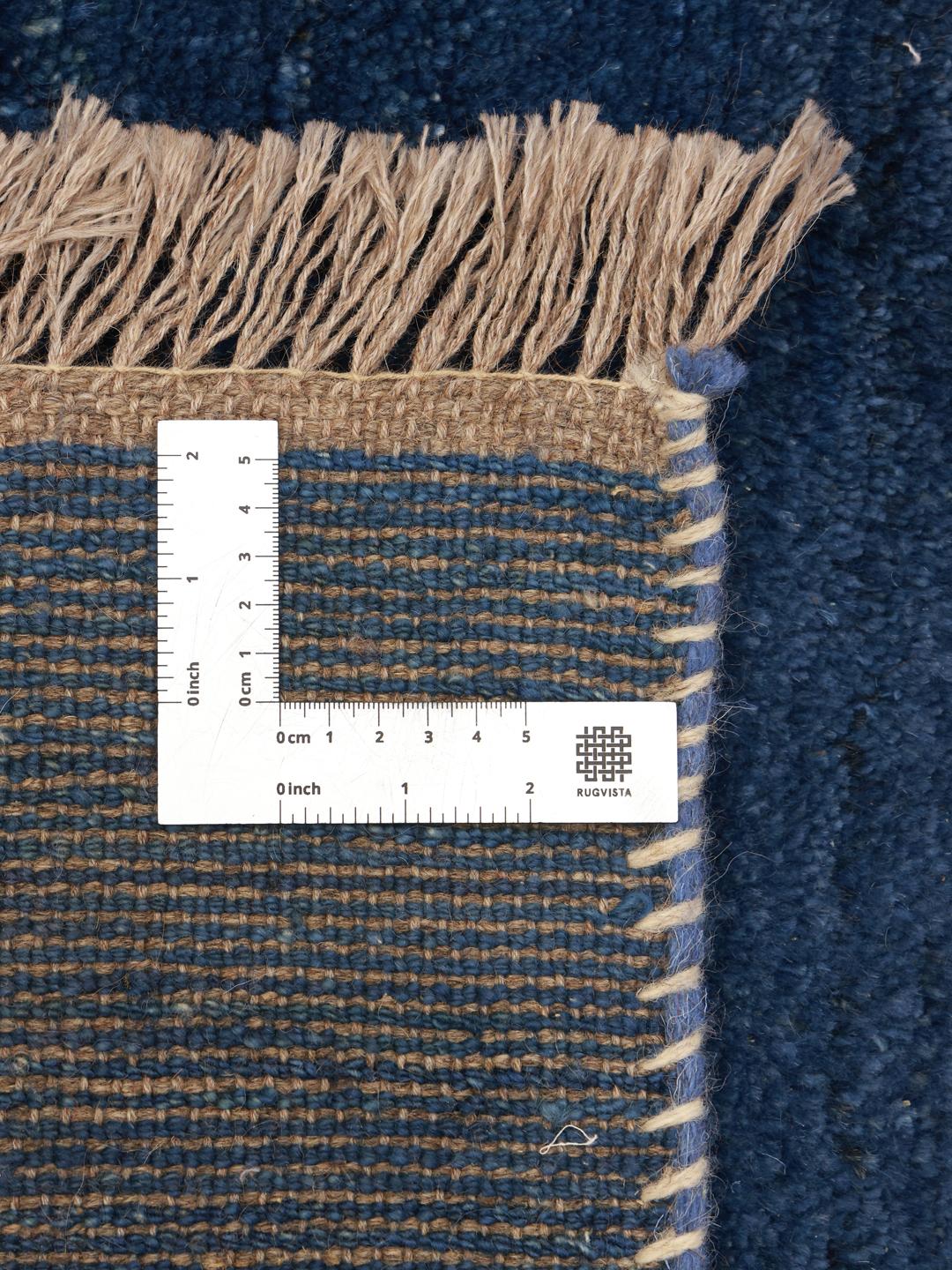
The term 'Gabbeh' itself translates to 'raw' or 'natural', reflecting the rug's history as an unrefined, utilitarian object. Over time, these rugs evolved from purely functional items into highly sought-after artistic expressions. The 'Fine' classification indicates a higher level of density and a more refined finish than the traditional, thicker nomadic versions, offering a smoother, more sophisticated texture while retaining the authentic, hand-spun character of the wool.
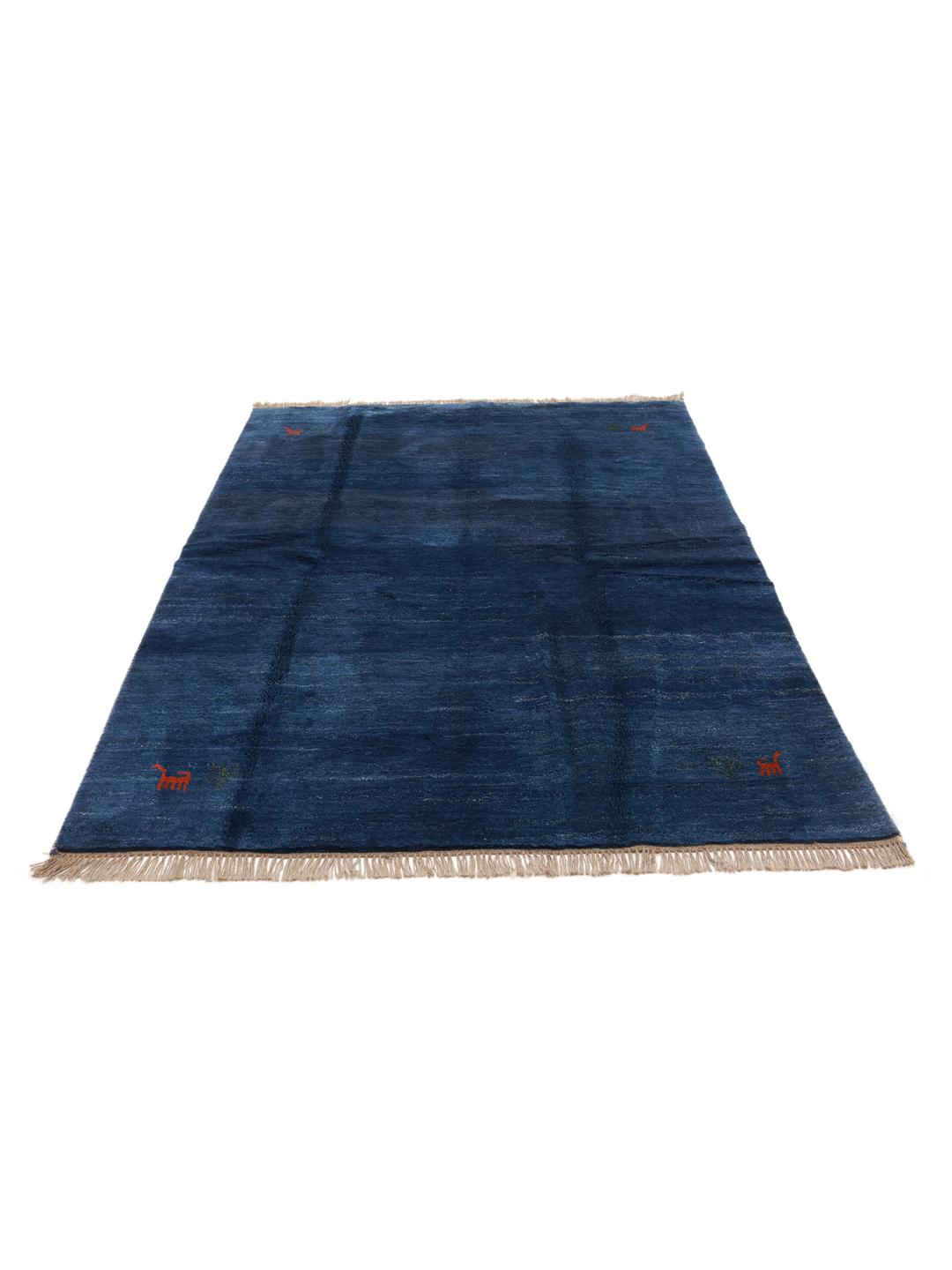
The visual language of a Gabbeh is typically characterised by a wide, open field and a limited use of geometric or stylized motifs. The focus is placed on the quality of the wool and the depth of the natural dyes. While vibrant colours are often used, this particular piece features a deep, meditative blue, which is a testament to the artisan's ability to create mood and atmosphere through colour alone.
Owning a Gabbeh is an opportunity to connect with a living tradition of nomadic artistry. These rugs are valued not only for their durability and comfort but also for their ability to bring a sense of history and human connection into a modern home. They represent a bridge between ancient craft and contemporary living, standing as a testament to the enduring skill of the weavers who produce them.