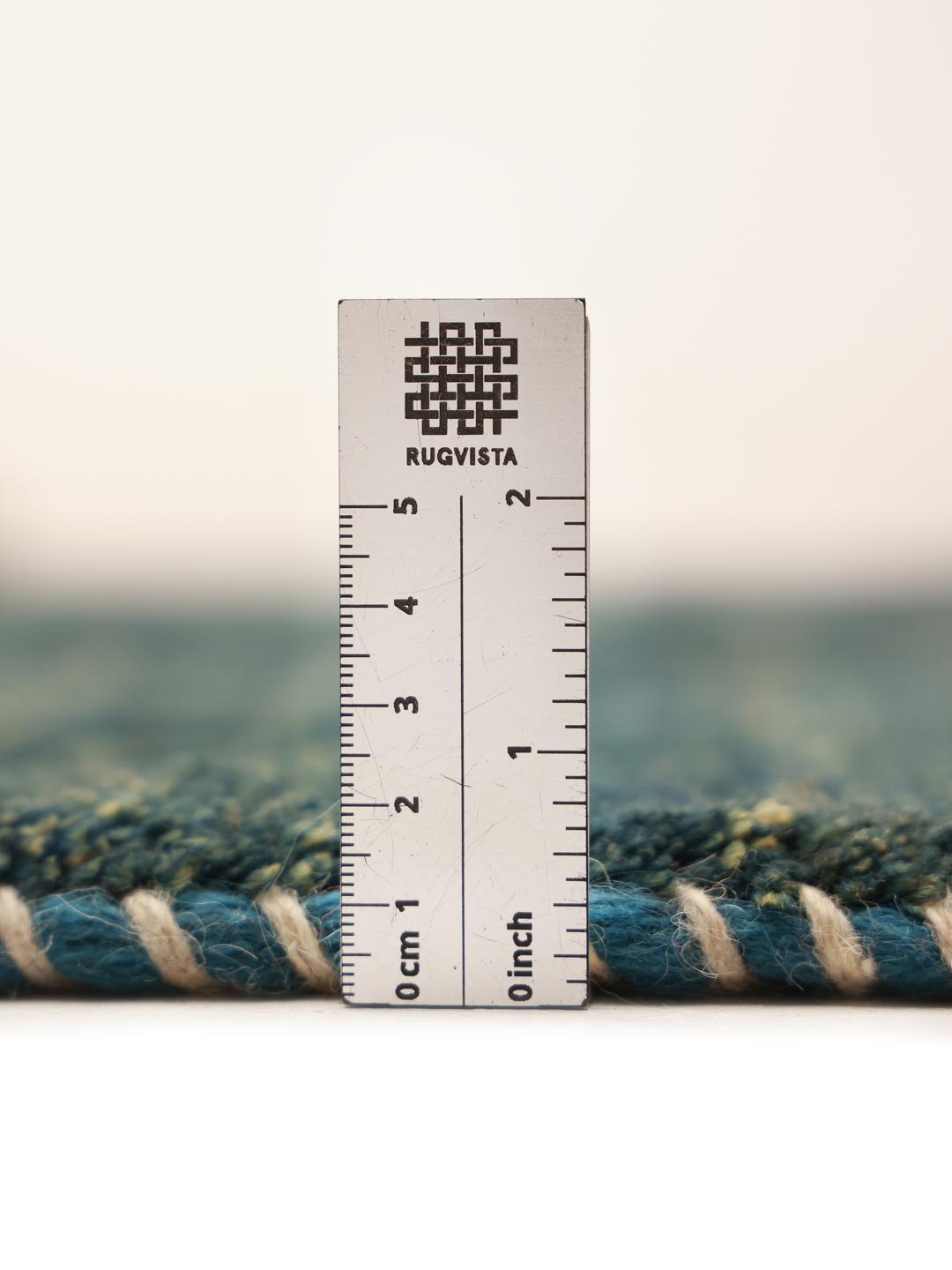
The Gabbeh tradition originates from the nomadic tribes of the Middle East, where weavers historically created these rugs for their own daily use rather than for trade. These pieces were designed to provide warmth and comfort in harsh environments, often featuring simple, bold designs that reflected the weaver's immediate surroundings and personal stories.
The term 'Gabbeh' itself translates to 'raw' or 'natural', which speaks to the unrefined, authentic nature of these rugs. Over generations, the style has evolved into a highly respected category of hand-knotted textiles, known for their thicker pile and vibrant, often abstract use of colour. The craft relies on the intuition of the weaver, who often designs the rug as they work, rather than following a pre-drawn pattern.
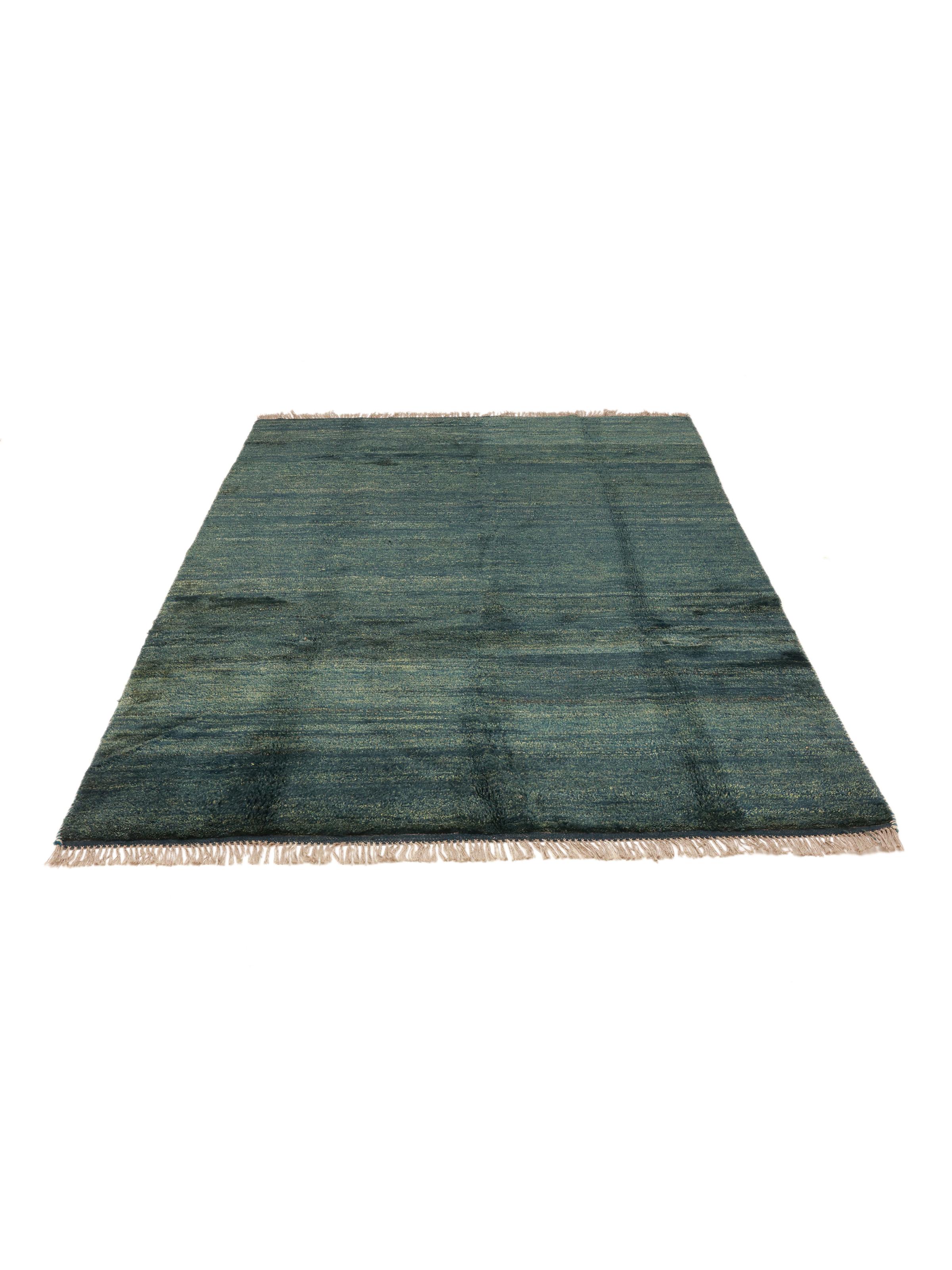
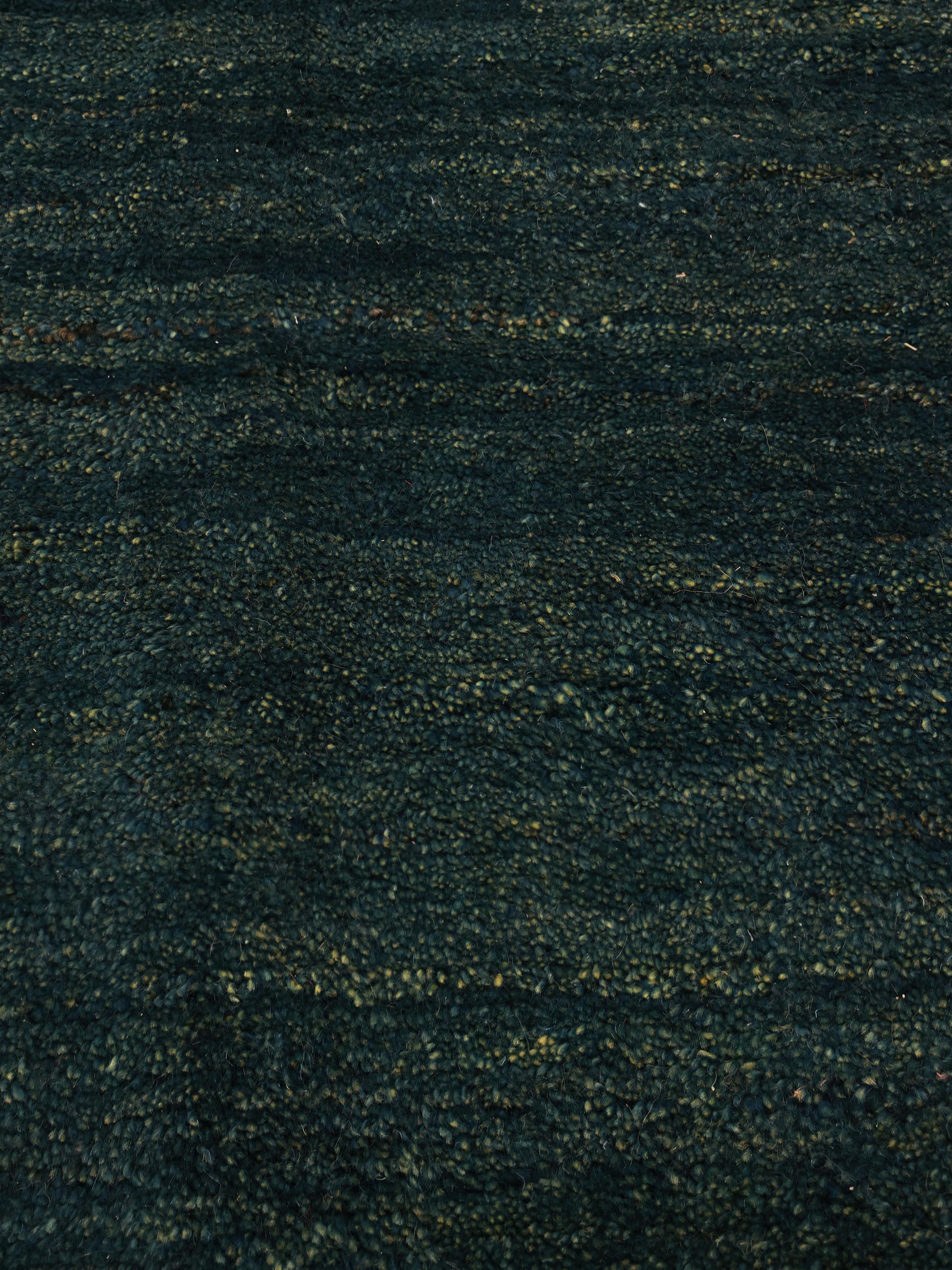
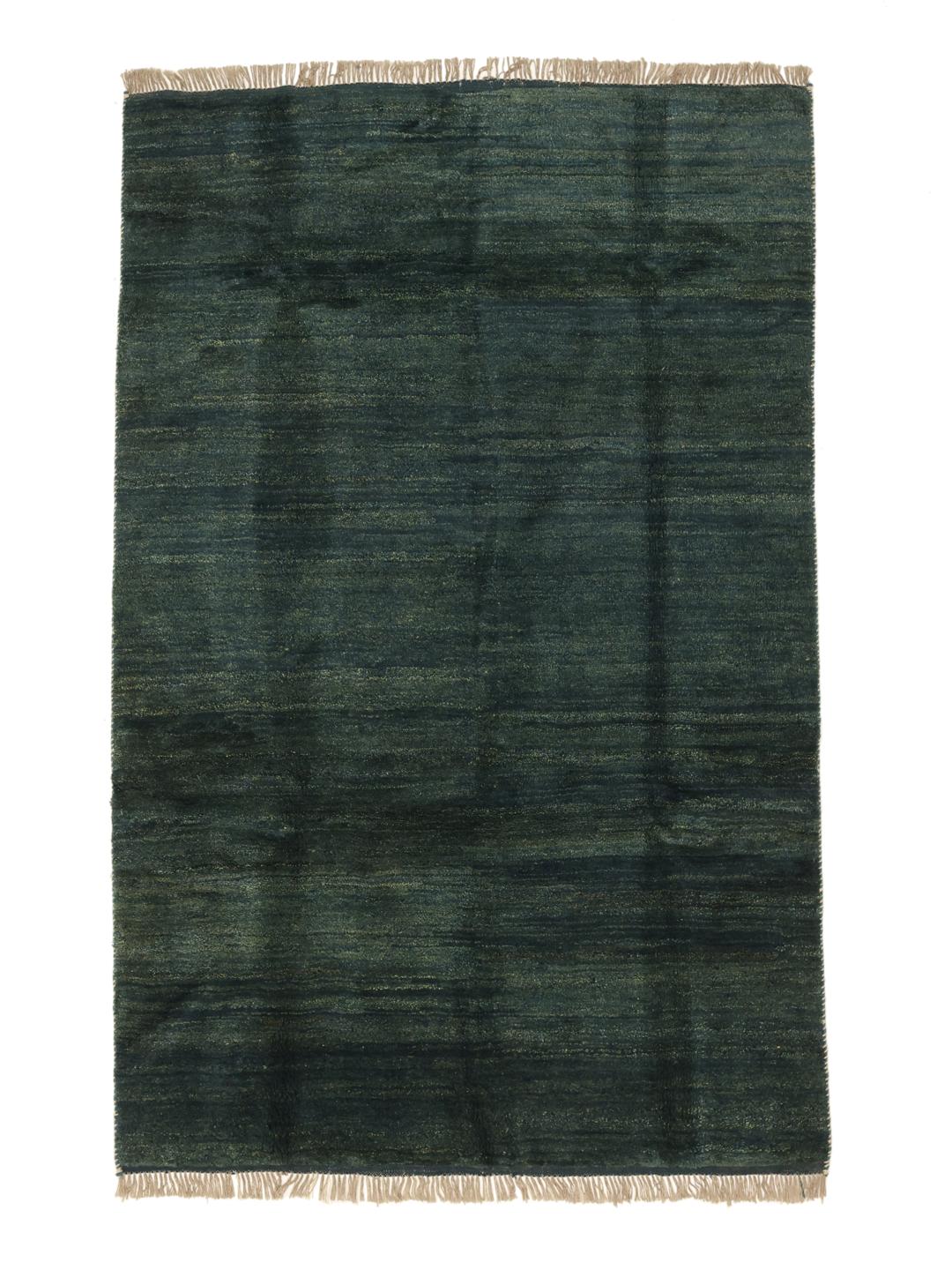
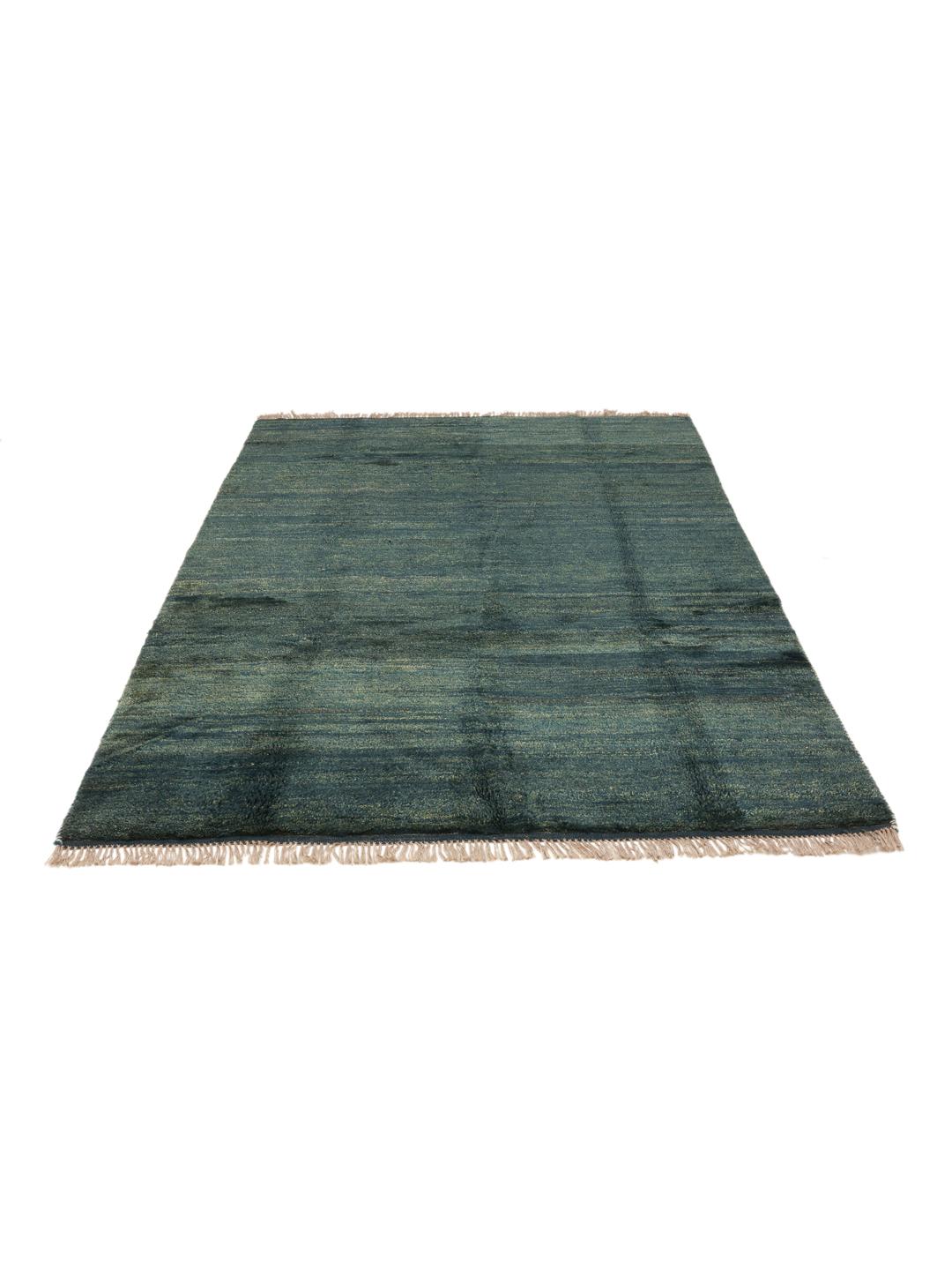
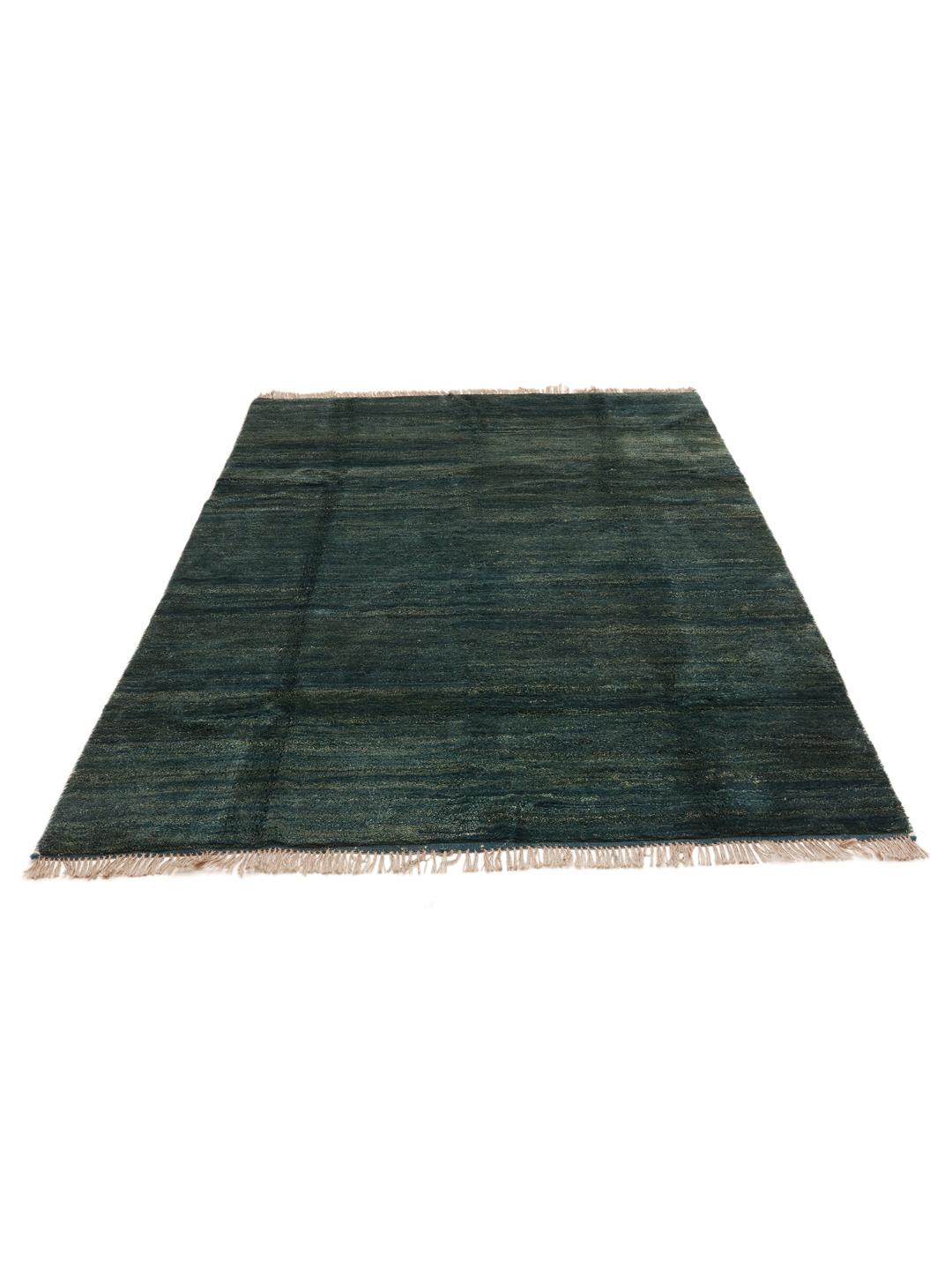
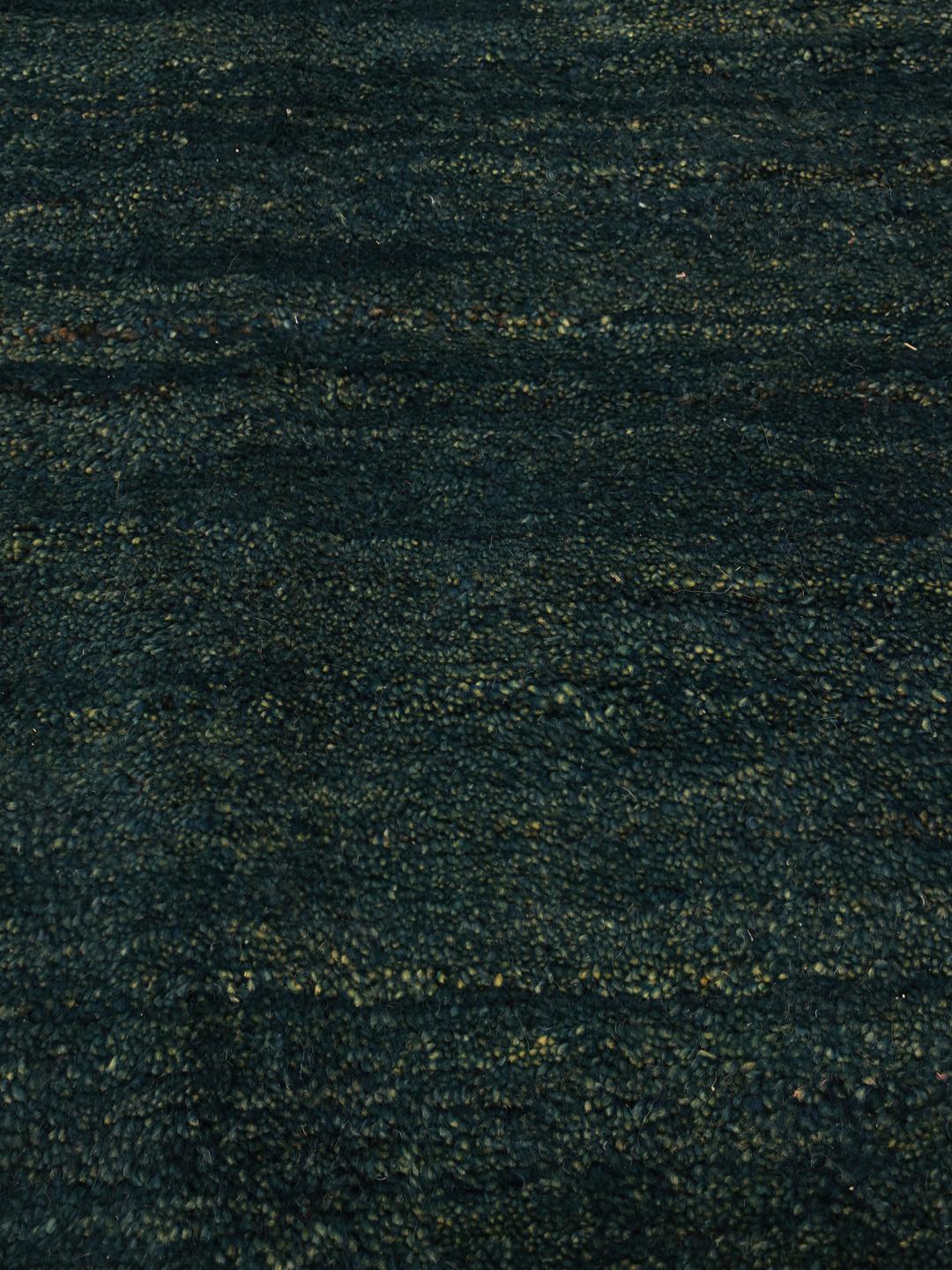
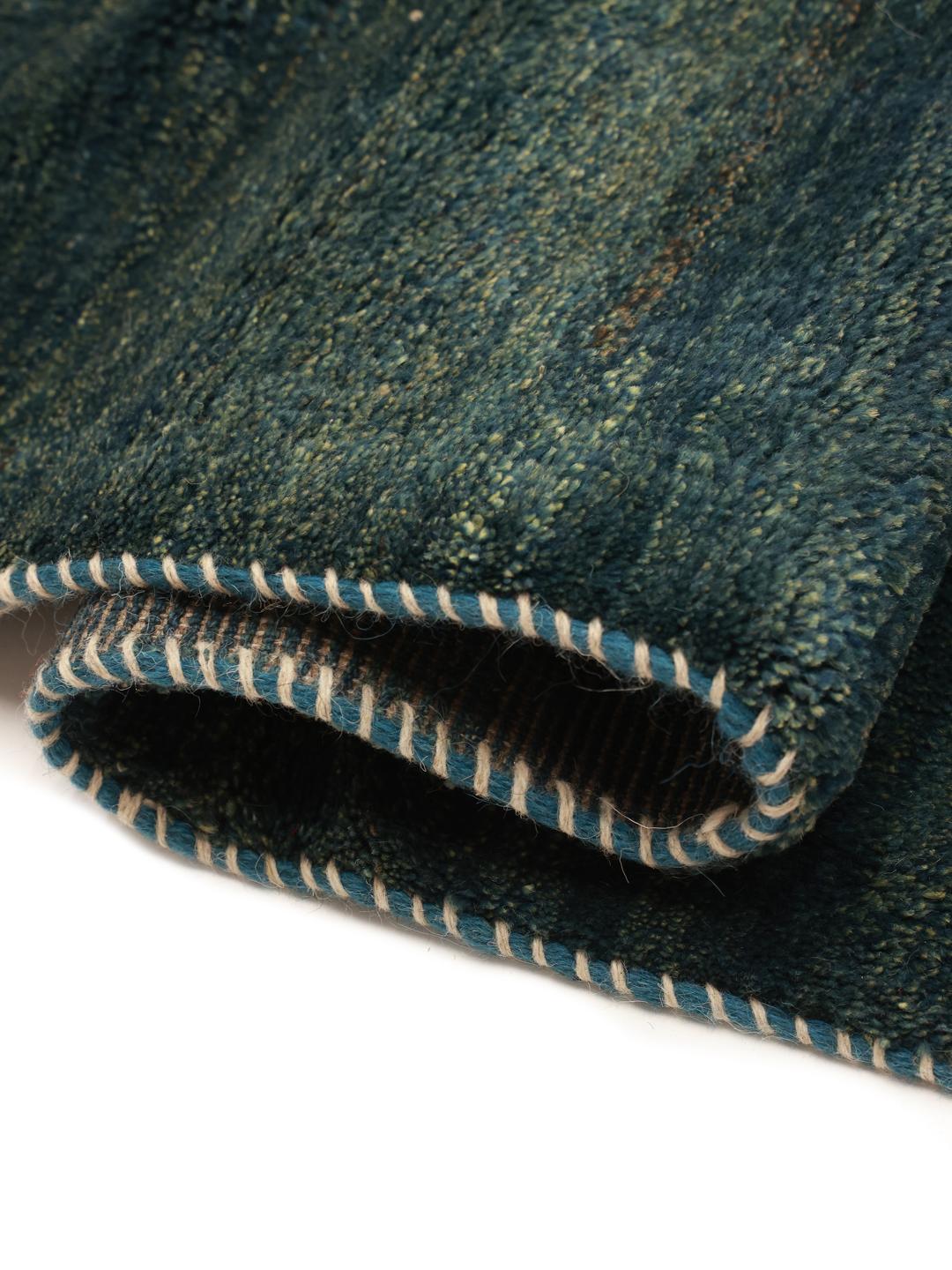
Visually, these rugs are often characterised by their minimalist aesthetic, focusing on the quality of the Wool and the depth of the dye. While traditional nomadic rugs often featured geometric motifs or simple animal figures, the modern Gabbeh Fine style often leans toward a more subtle, tonal approach, allowing the natural lustre of the Wool to take centre stage. This particular piece showcases a masterful use of colour that highlights the beauty of the material.
Owning a piece from this tradition means connecting with a long lineage of craft and nomadic ingenuity. These rugs are highly valued by collectors not only for their durability but for the human spirit imbued in every knot. They remain a symbol of authentic, slow-made beauty that brings both cultural weight and a sense of calm to modern living spaces.