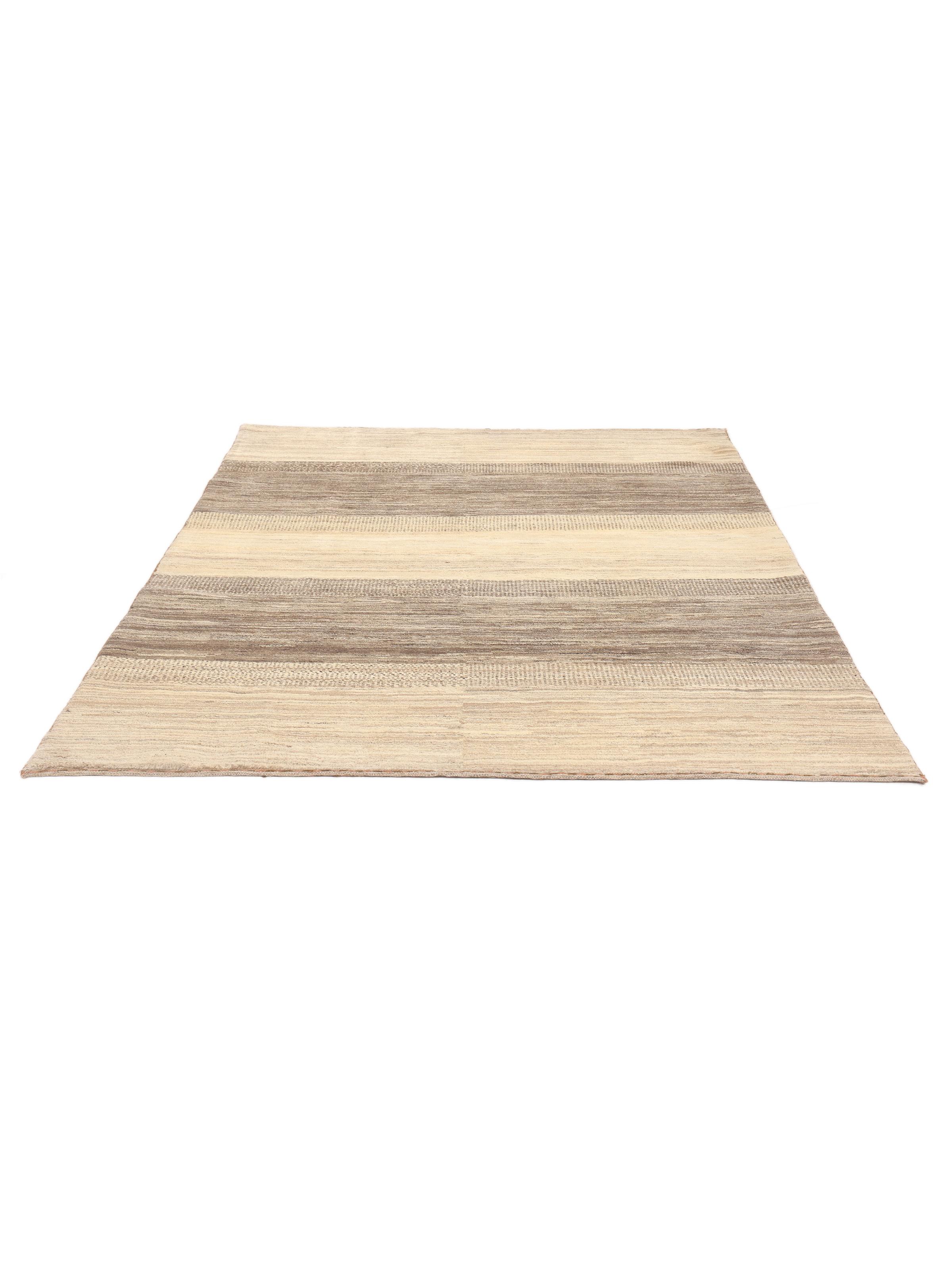
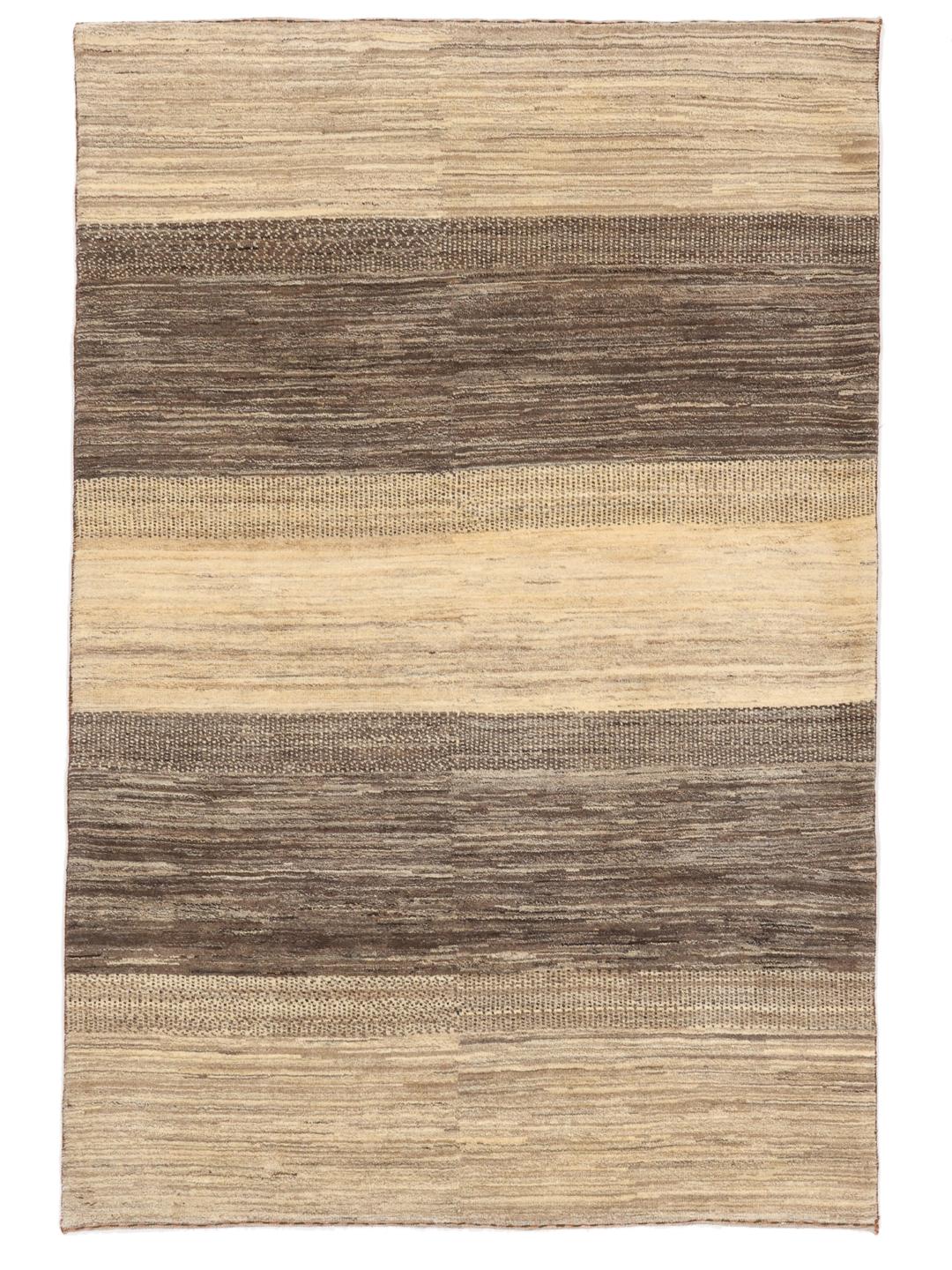
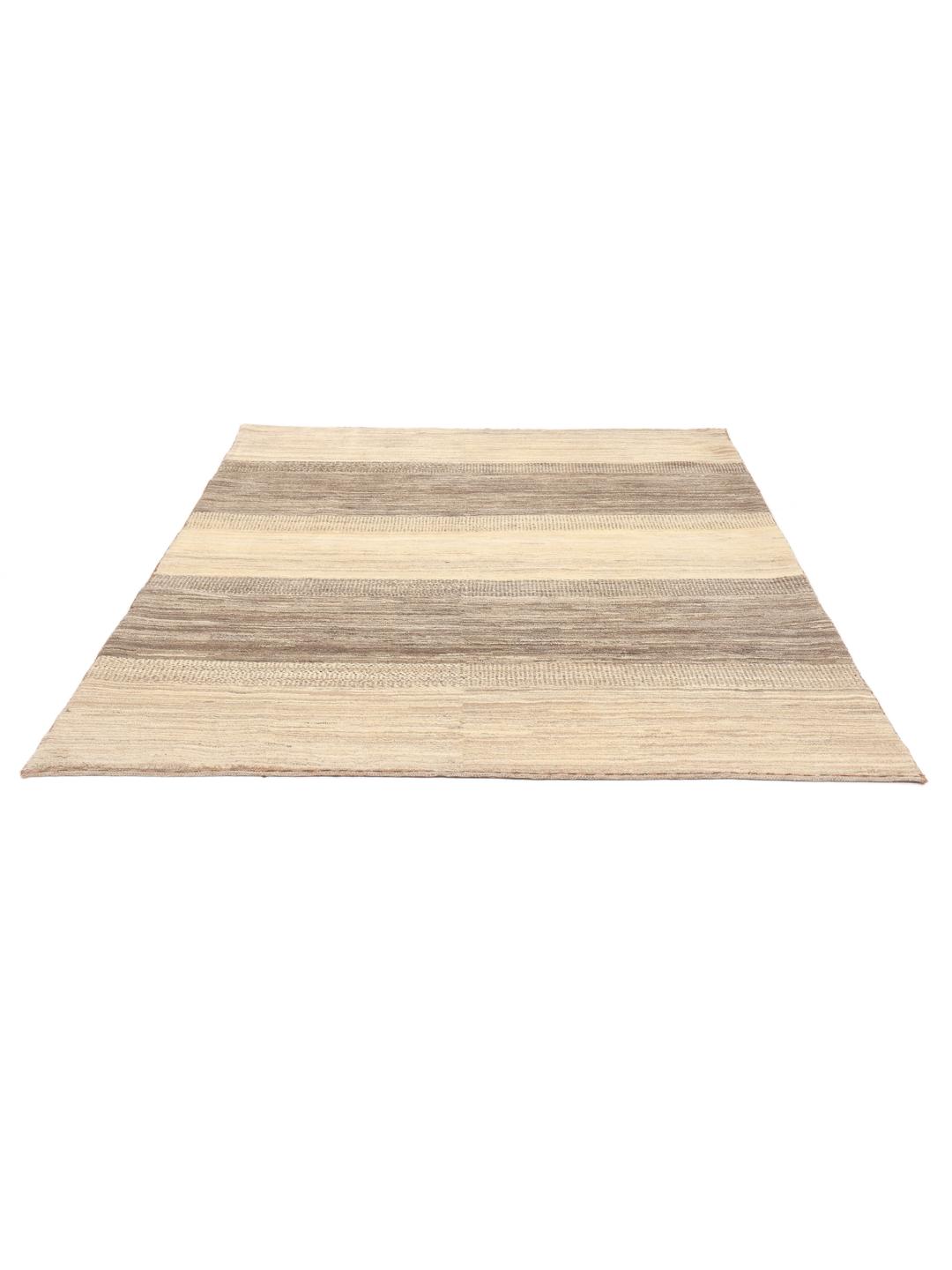
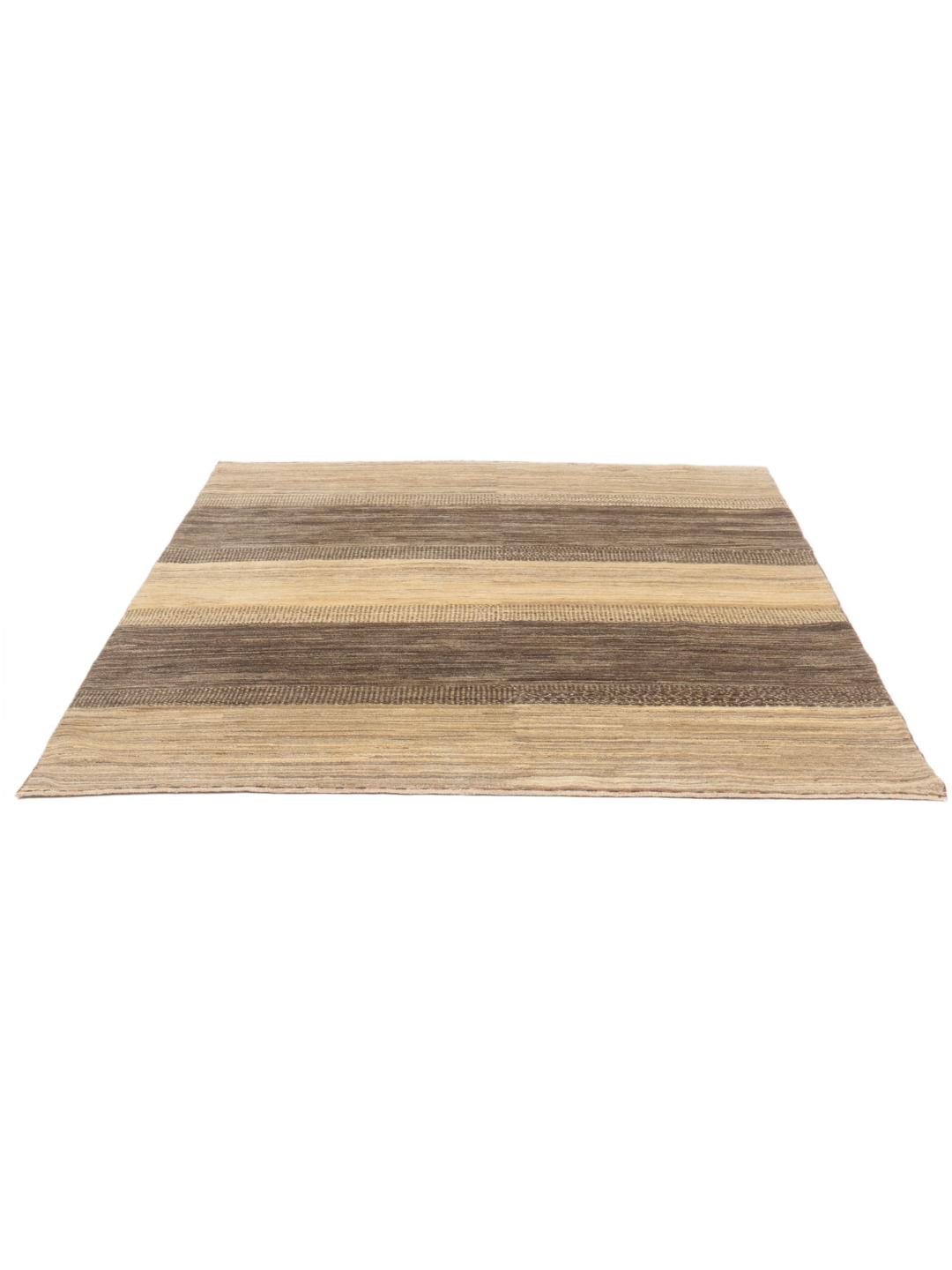
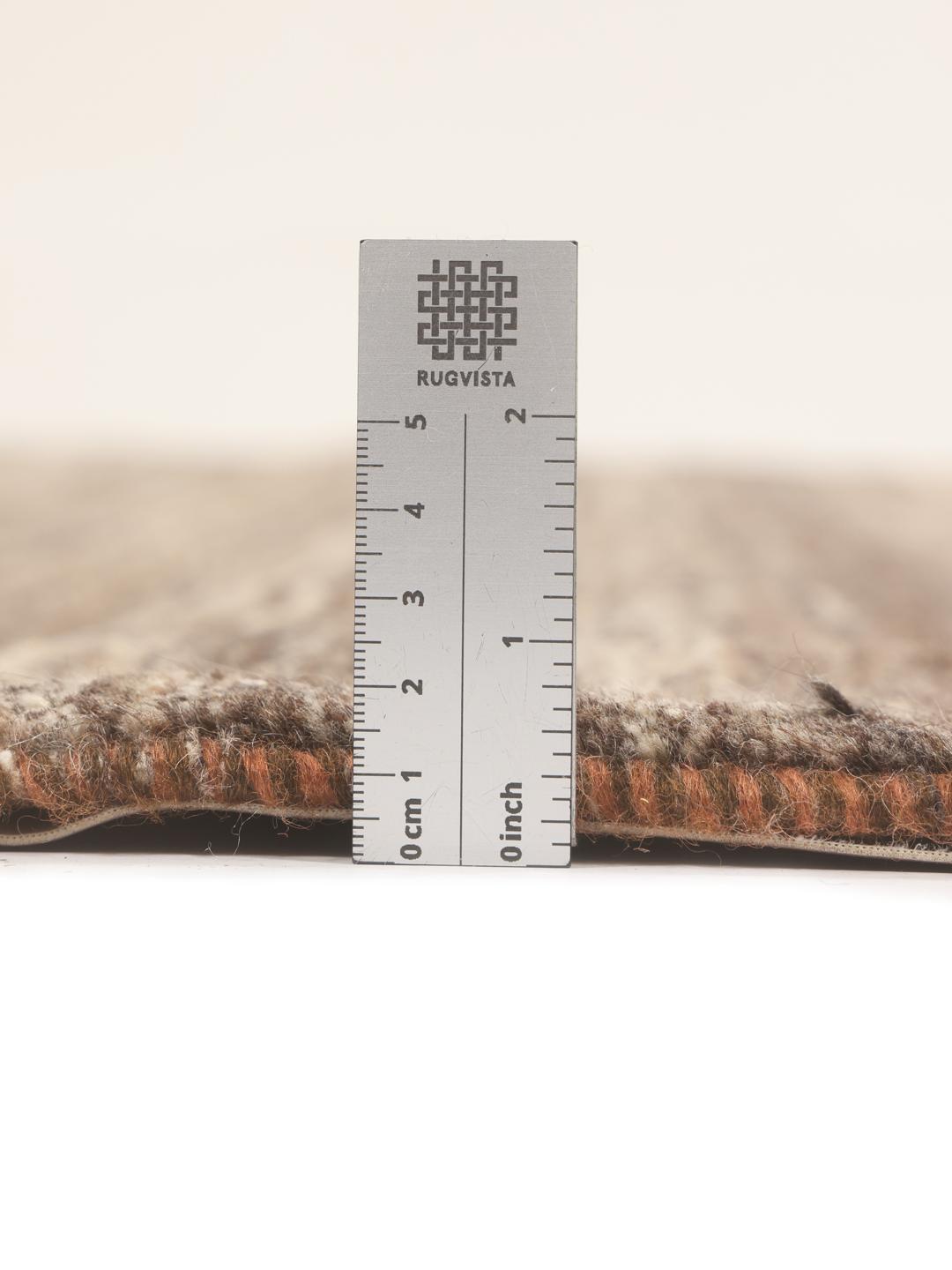
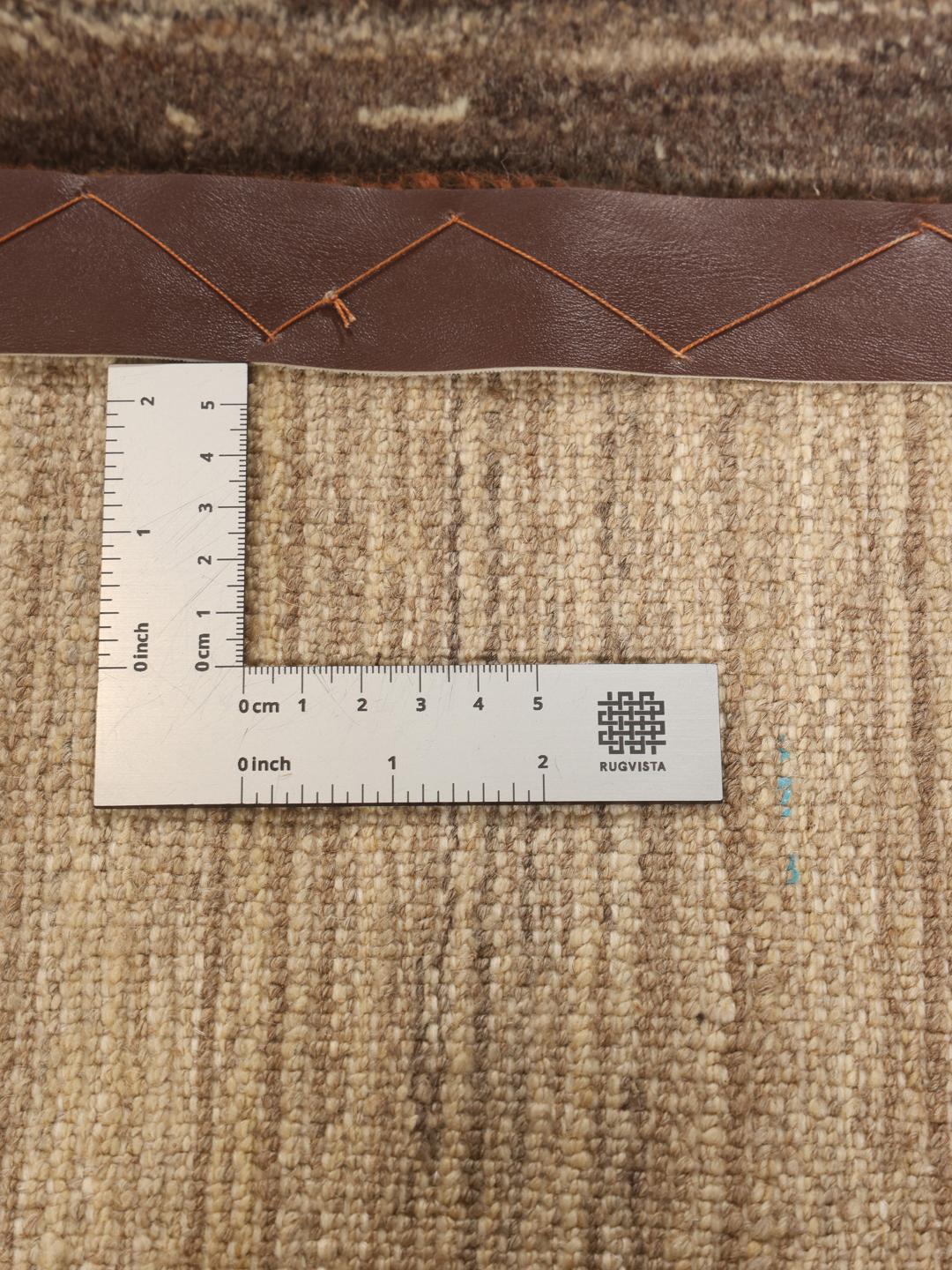
The Gabbeh tradition is deeply rooted in the nomadic and village life of the Middle East. Historically, these rugs were woven by tribal women primarily for their own use, serving as thick, protective floor coverings in harsh climates. Unlike more formal urban carpets, Gabbehs were never intended for the commercial market, which allowed the weavers complete freedom to express their creativity and personal stories through simple, bold designs.
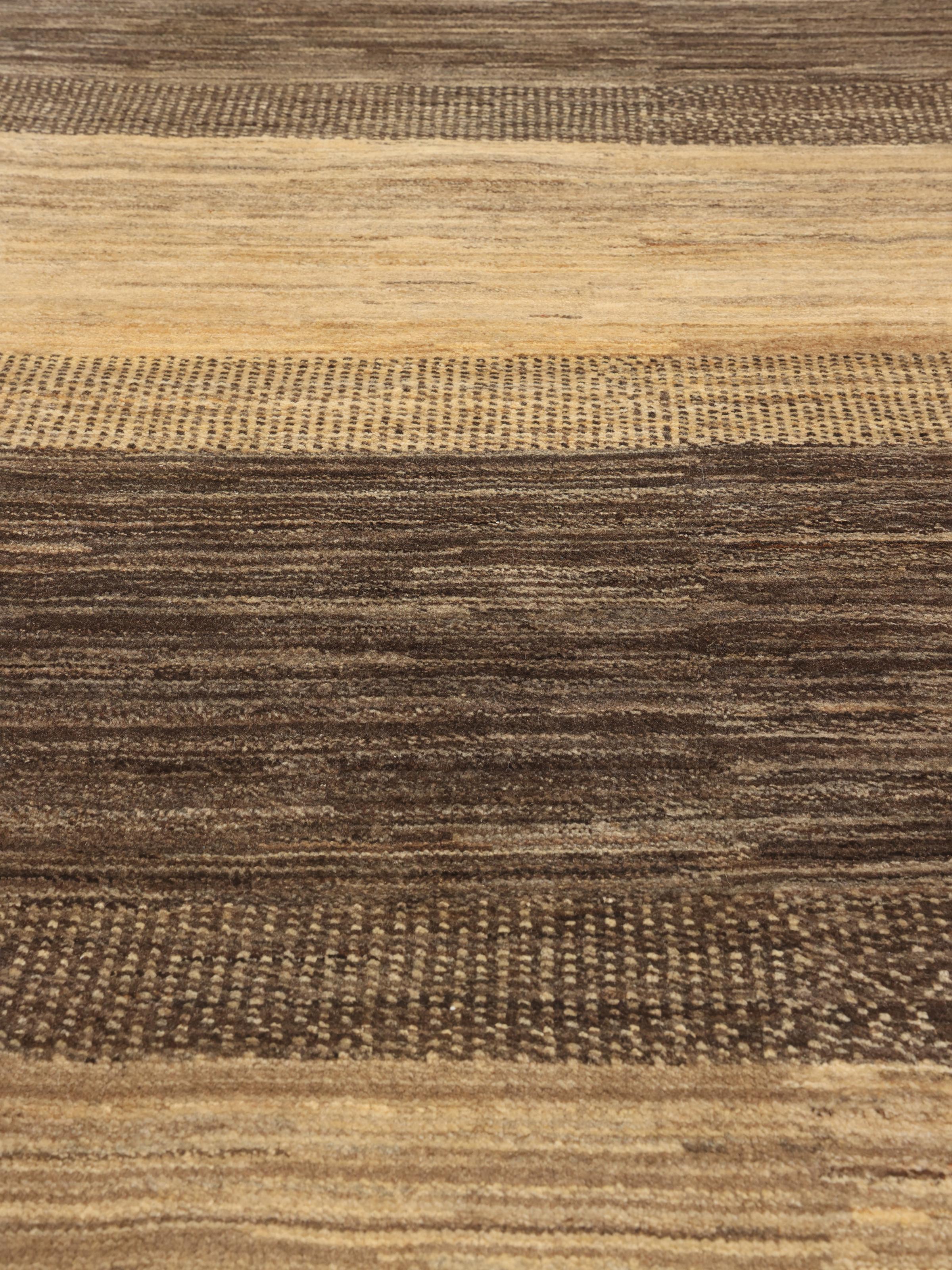
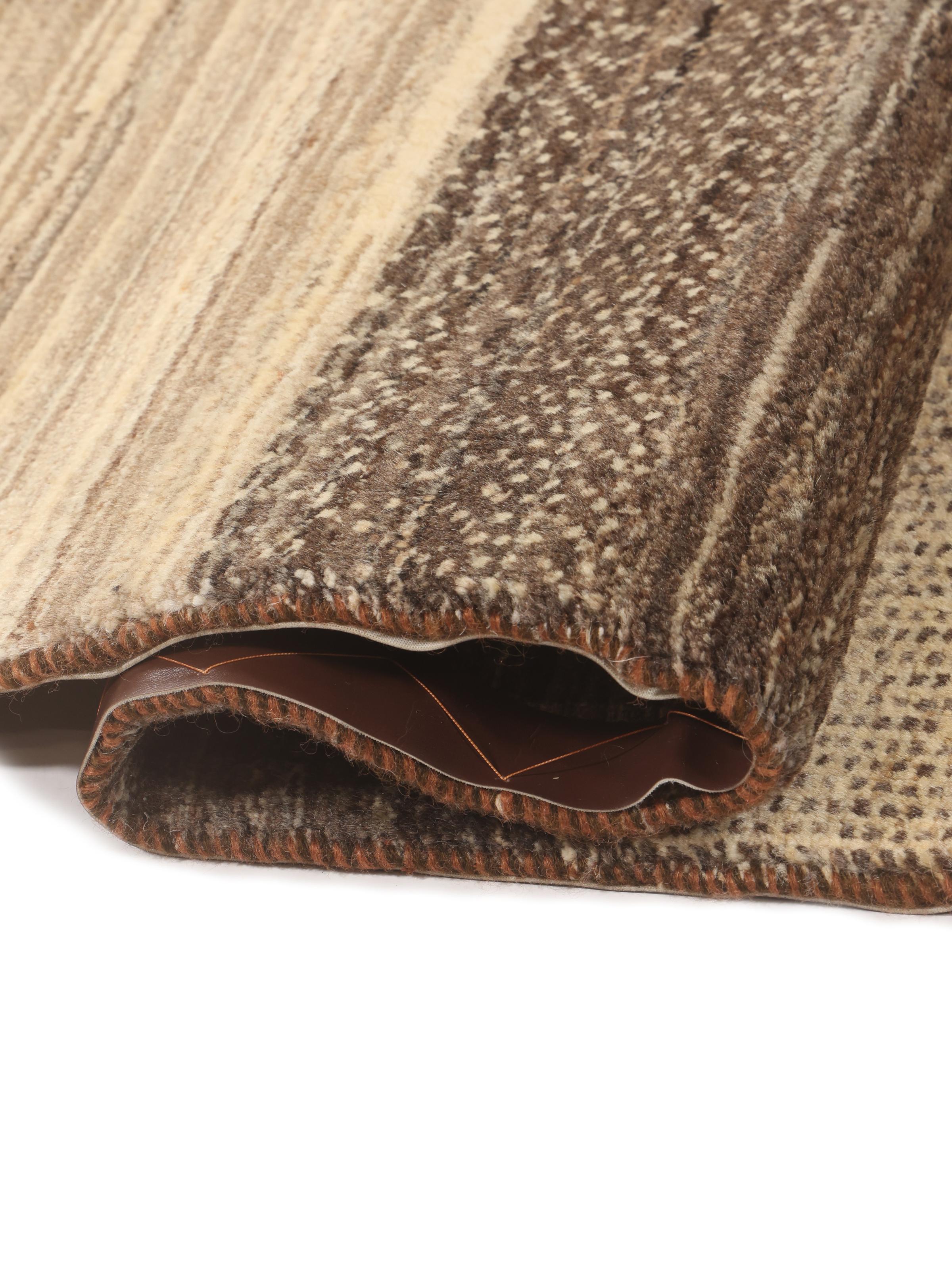
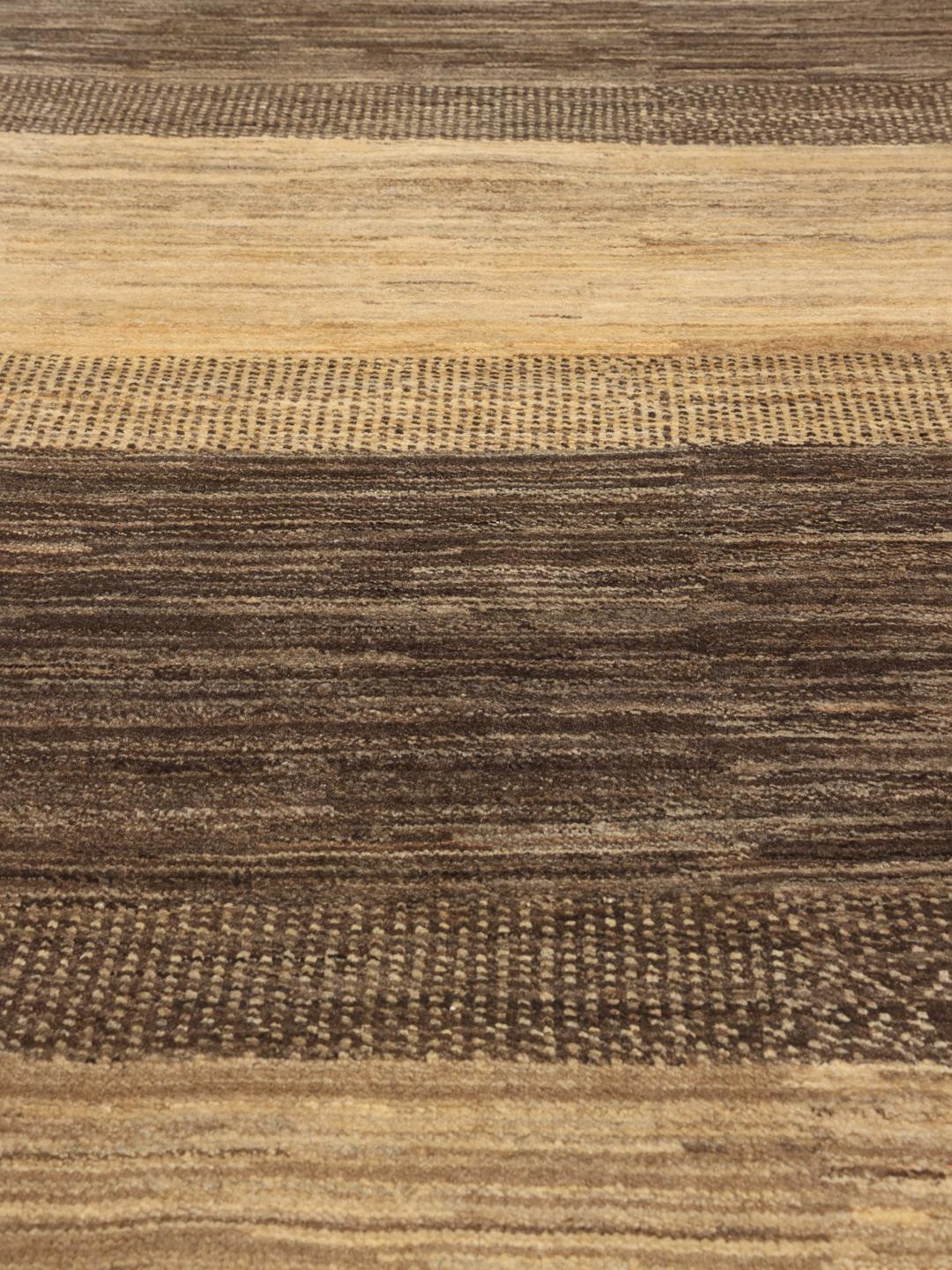
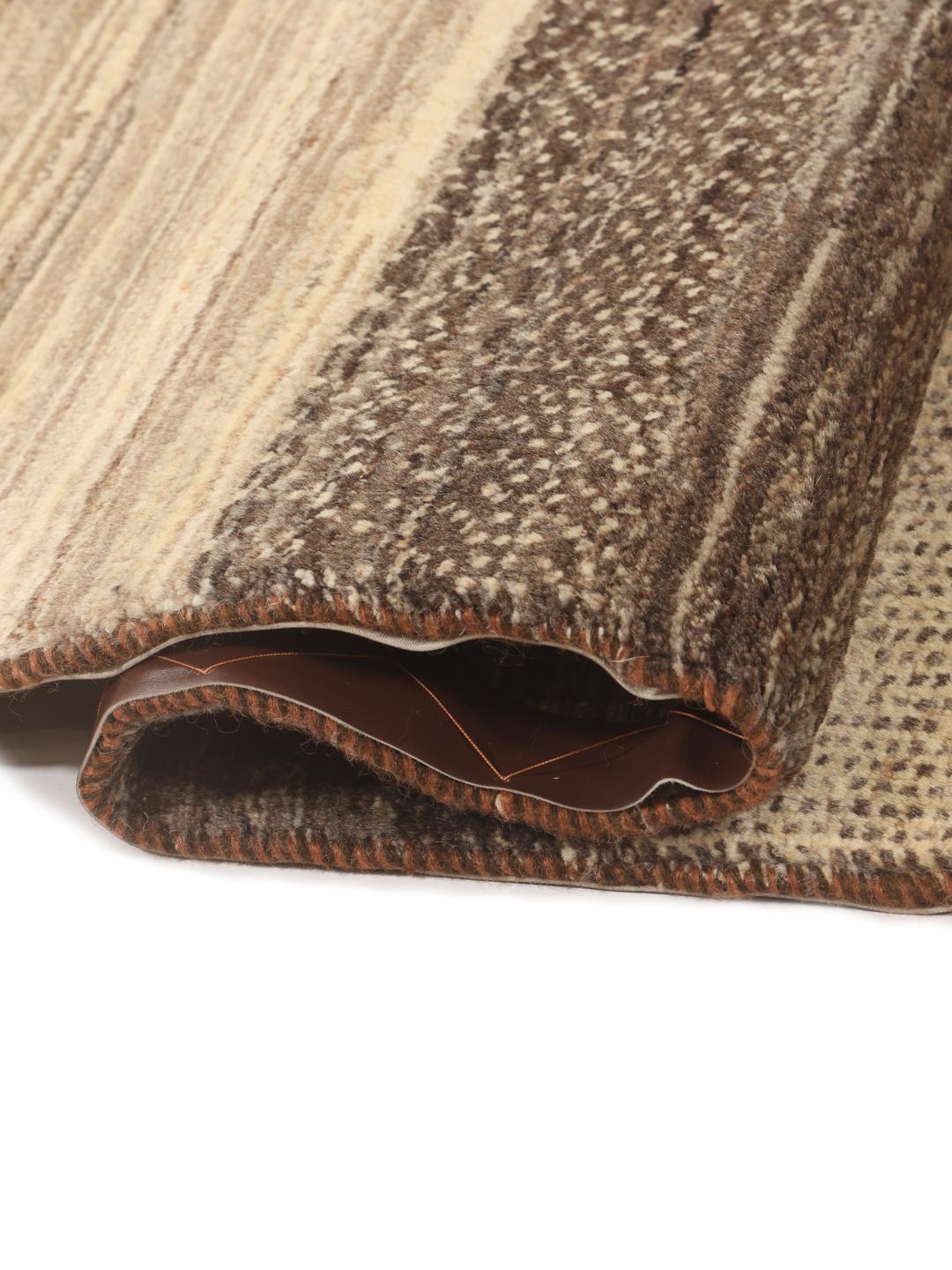
The term 'Fine' in the context of these rugs denotes a higher level of precision and quality in the knotting process. While traditional Gabbehs are known for their thick, chunky pile, the 'Fine' variety utilises a more refined knotting technique. This results in a smoother, more uniform surface whilst retaining the characteristic softness and depth that have made these rugs beloved by collectors and homeowners alike.
Visually, Gabbehs are defined by their use of open space and geometric simplicity. The designs often draw inspiration from the surrounding landscape, using a palette of natural, undyed wool colours or earthy tones derived from local plant dyes. This rug, with its layered, striped composition, reflects the abstract and organic motifs that are hallmarks of the style, offering a visual language that is both ancient and contemporary.
Owning a Gabbeh is an act of preserving a fading tradition. These rugs are highly valued for their authenticity and the human element present in every fibre. They are not merely functional objects but artefacts of a culture that prioritises the connection between the weaver and the loom. When you bring this piece into your home, you are continuing a story that has been told through generations of skilled craft.