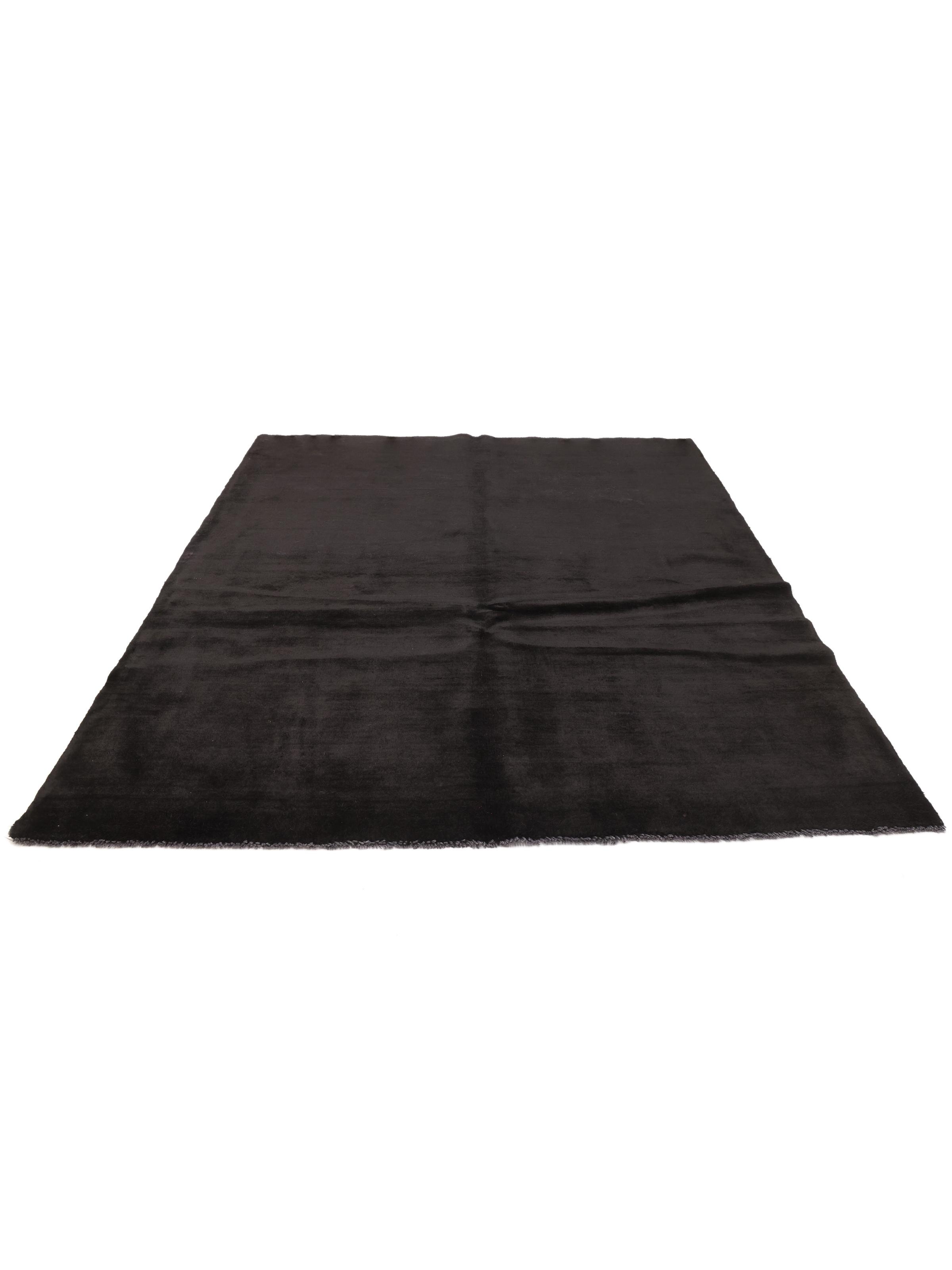
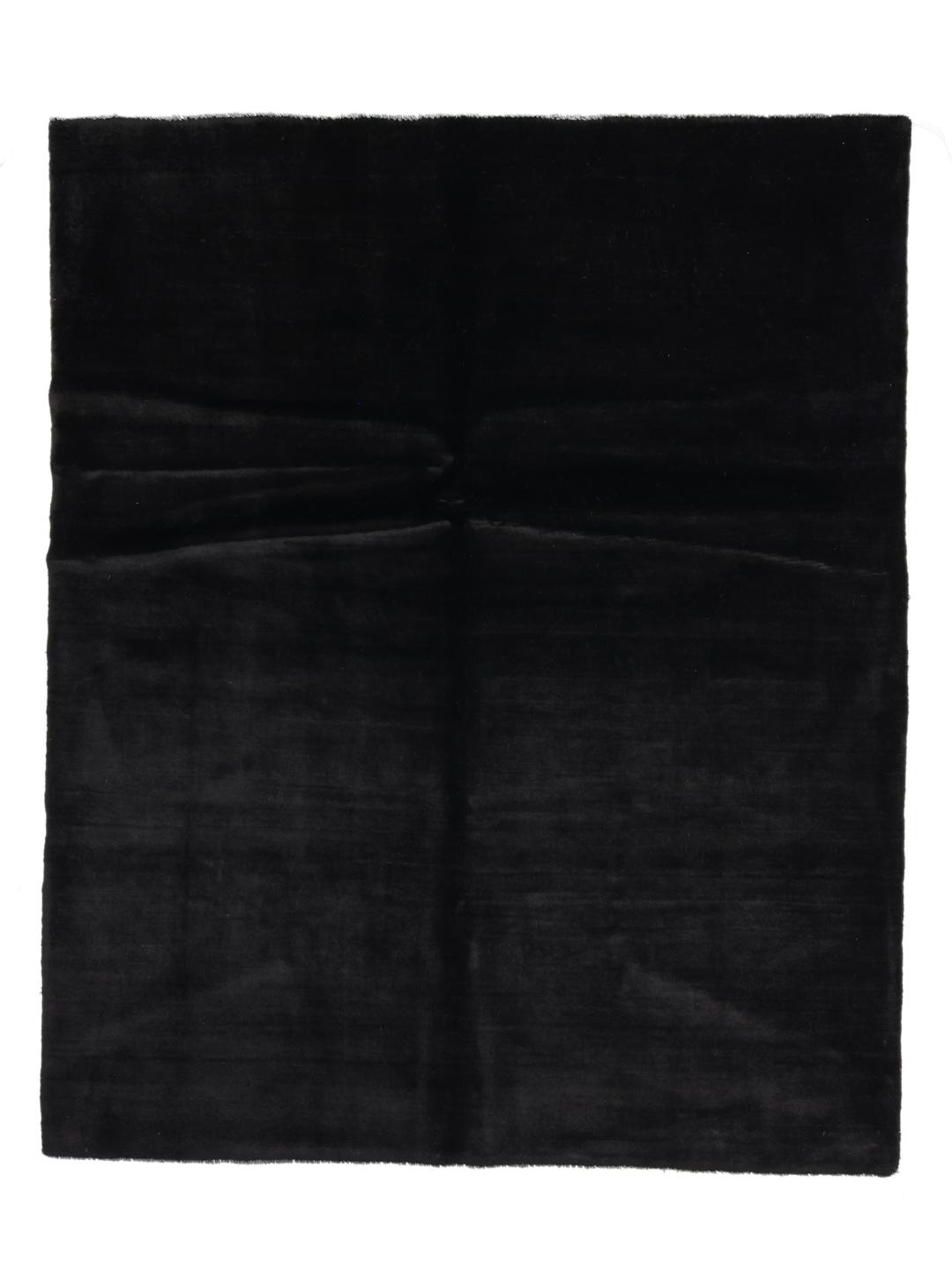
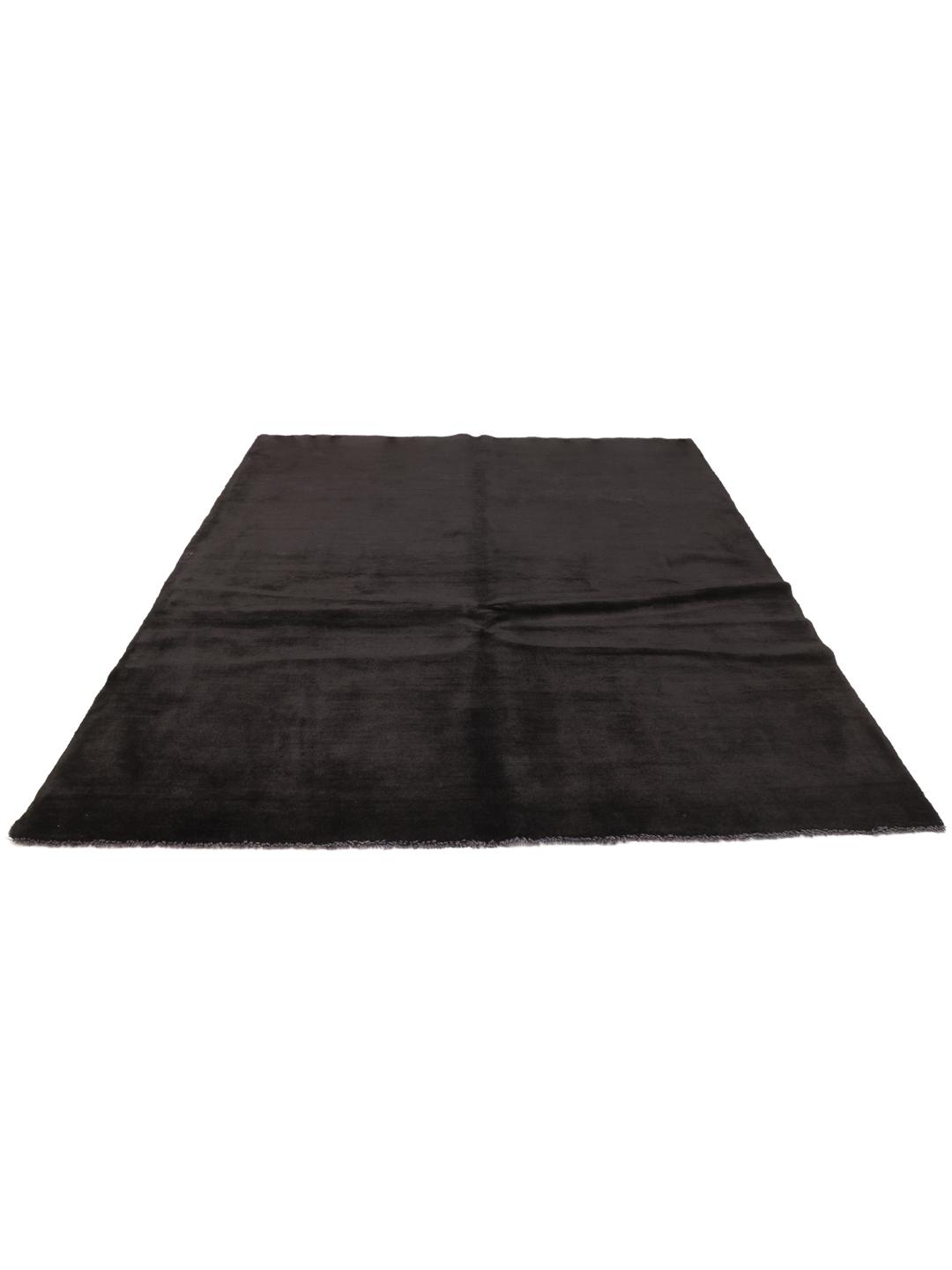
The Gabbeh tradition finds its roots in the nomadic cultures of the Middle East, where weavers historically created these rugs for their own daily use. Unlike more formal, city-woven styles, the Gabbeh was originally designed to provide warmth and comfort within a tent, prioritising thick, soft wool and a substantial pile. Over generations, these rugs evolved from humble necessities into celebrated examples of folk art, cherished for their unpretentious beauty.
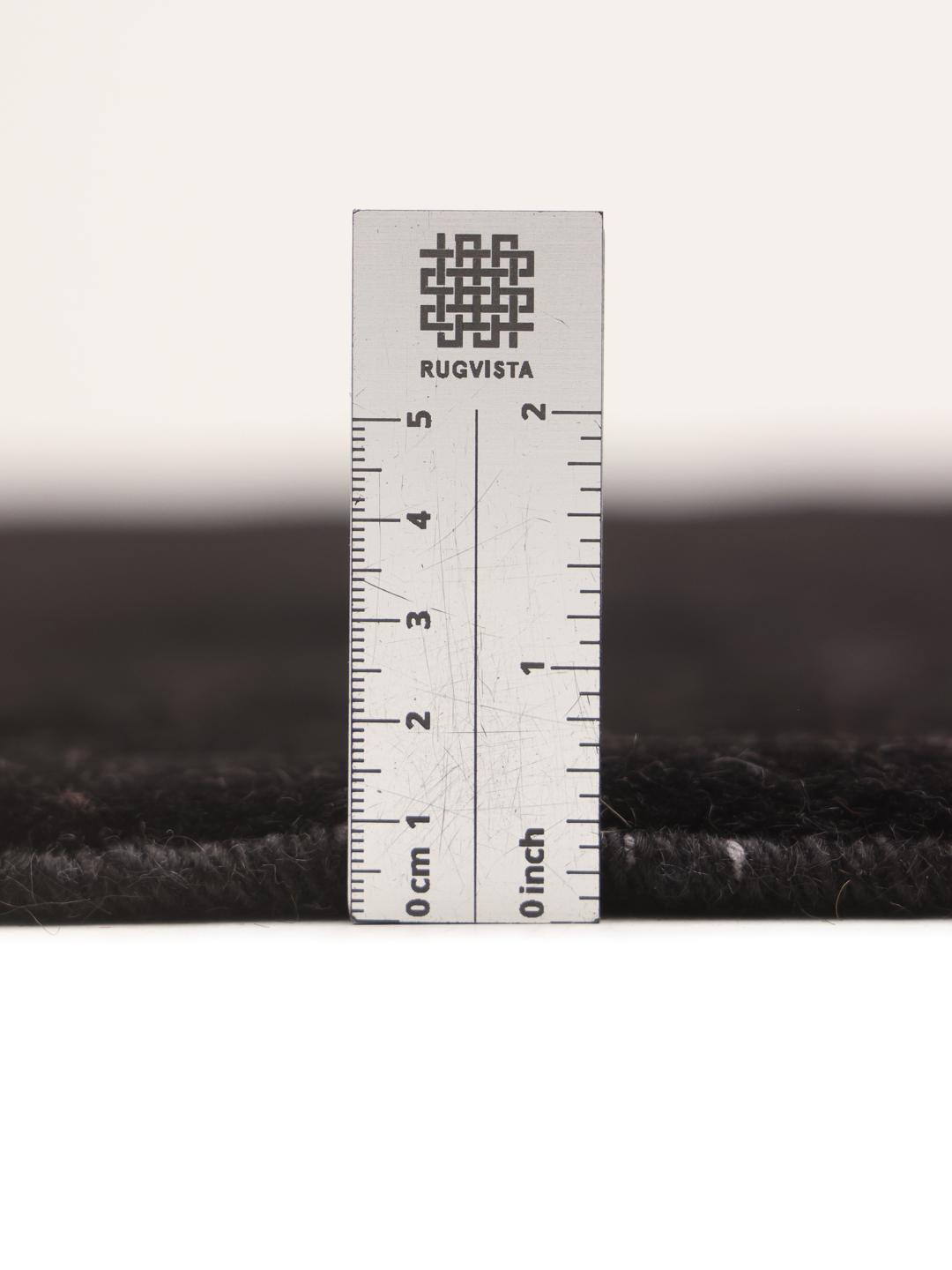
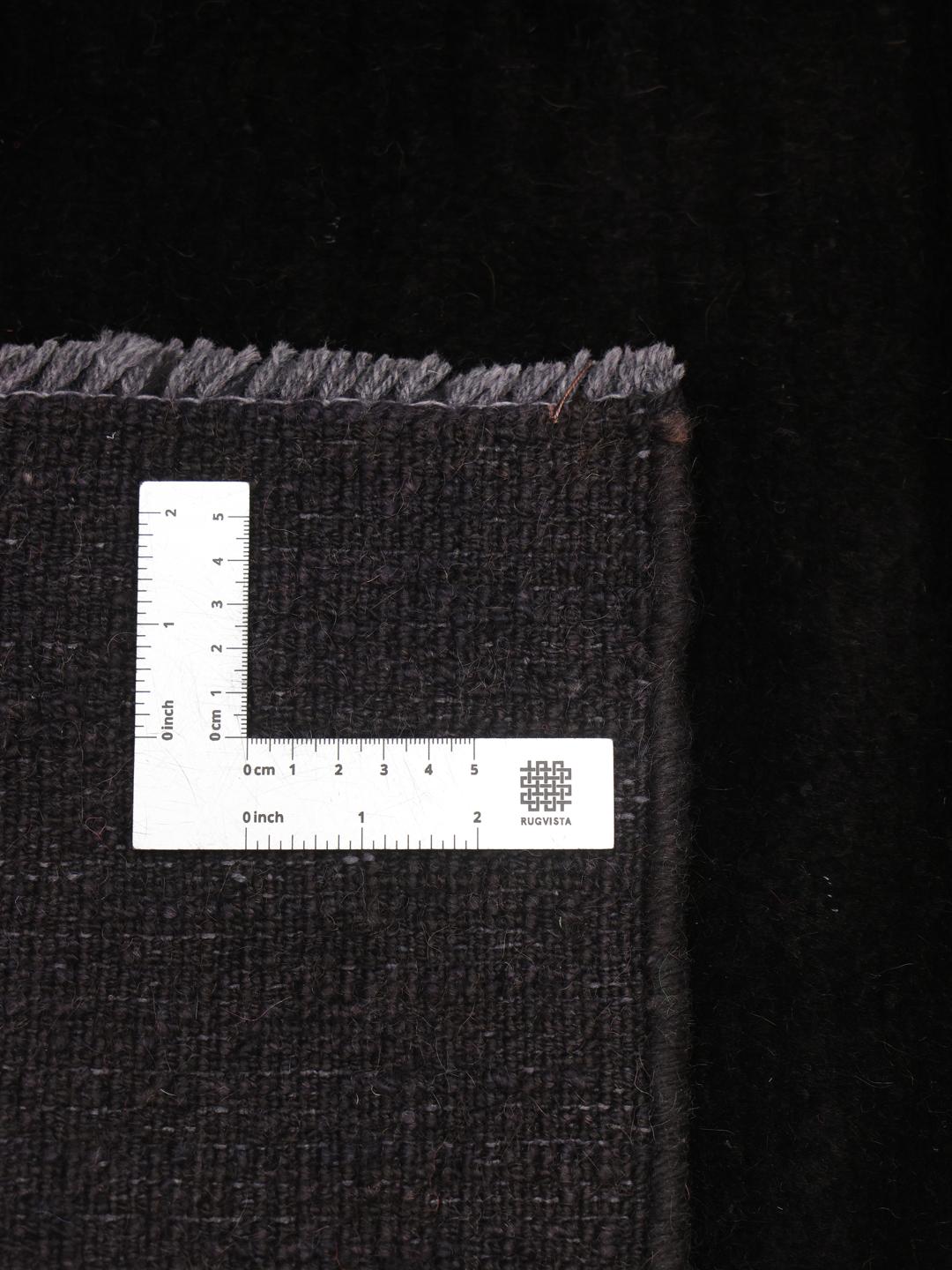
The term Shabargan refers to the regional tradition of these hand-knotted pieces, which are known for their focus on rich, saturated tones and high-quality materials. By using thick, hand-spun wool, the weavers ensure that each rug possesses a unique character and a natural lustre. This construction method creates a durable foundation that is designed to improve with age, developing a soft patina that reflects the history of its use.
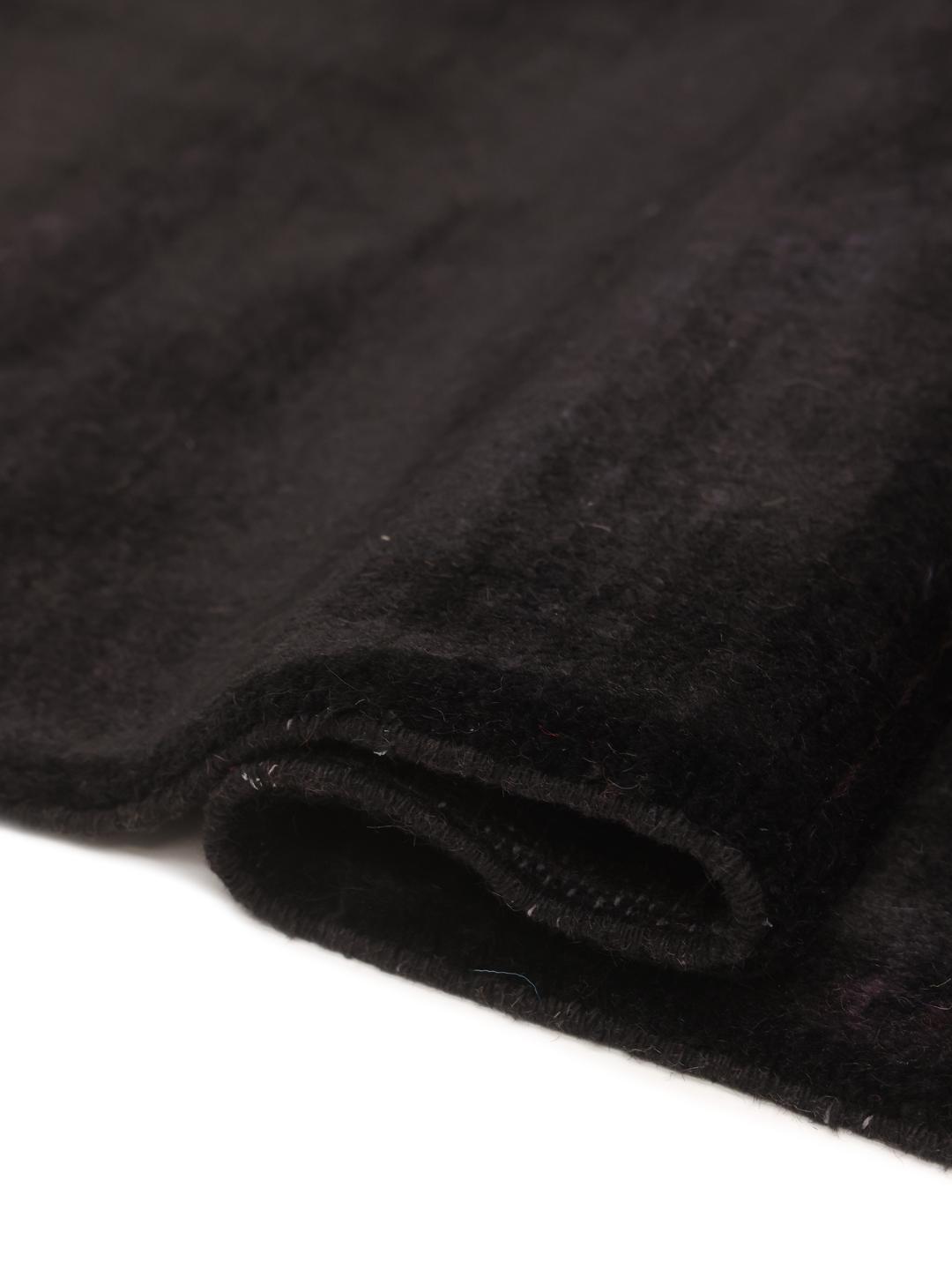
Visually, these rugs are often defined by their minimalist fields or simple geometric motifs, eschewing the complex floral patterns found in traditional urban workshops. In this instance, the choice of a bold, single-coloured field showcases the purity of the wool and the depth of the dye. This simplicity is a hallmark of the tradition, demonstrating that profound impact can be achieved through restraint and a deep understanding of the materials.
Today, these rugs are highly sought after by collectors who value the human element inherent in every knot. Owning a piece from this tradition is an opportunity to connect with a long-standing cultural practice that values individual expression and durable quality. It stands as a testament to the enduring appeal of hand-worked textiles, offering a sense of history and warmth that is difficult to replicate.