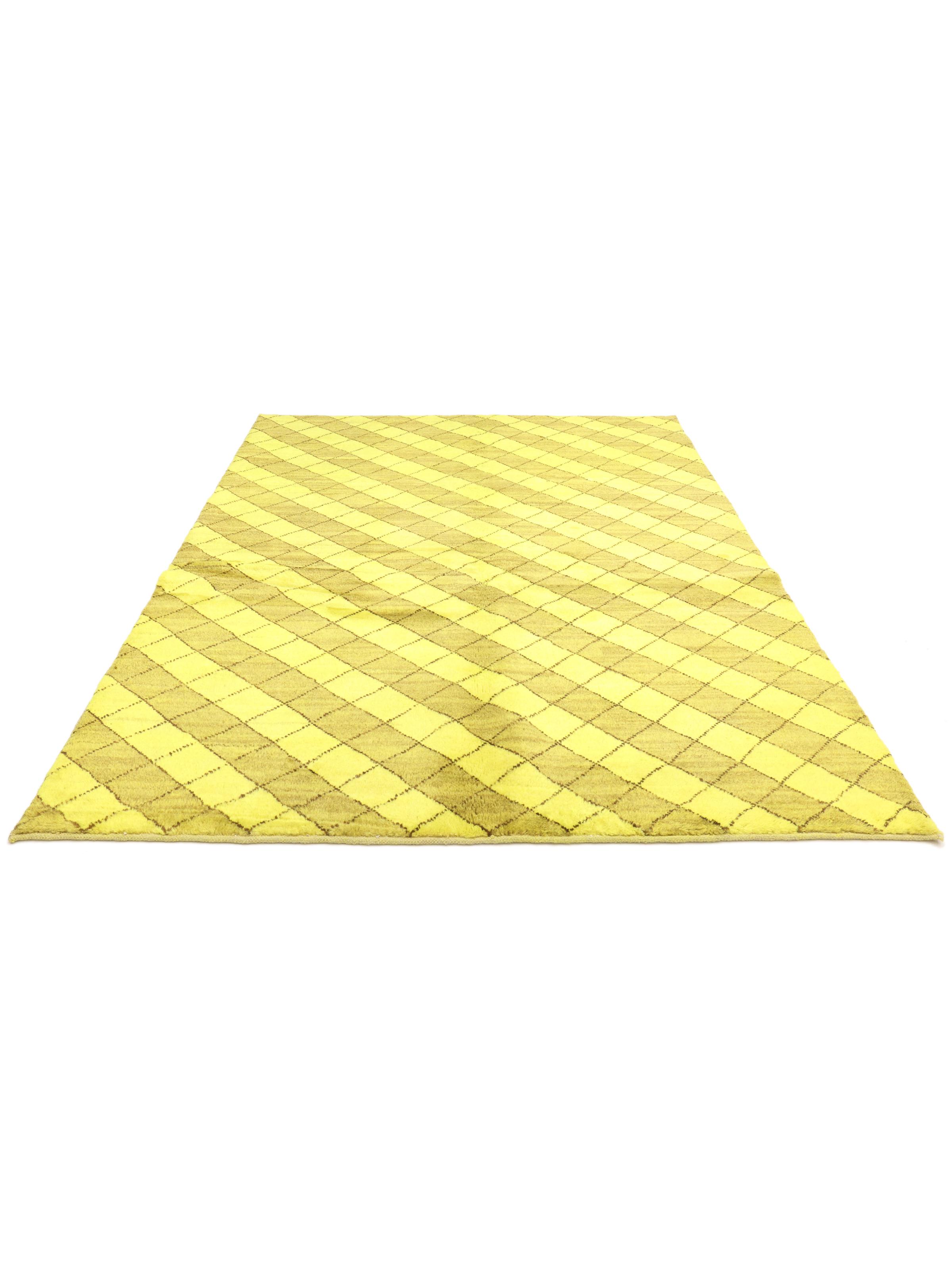
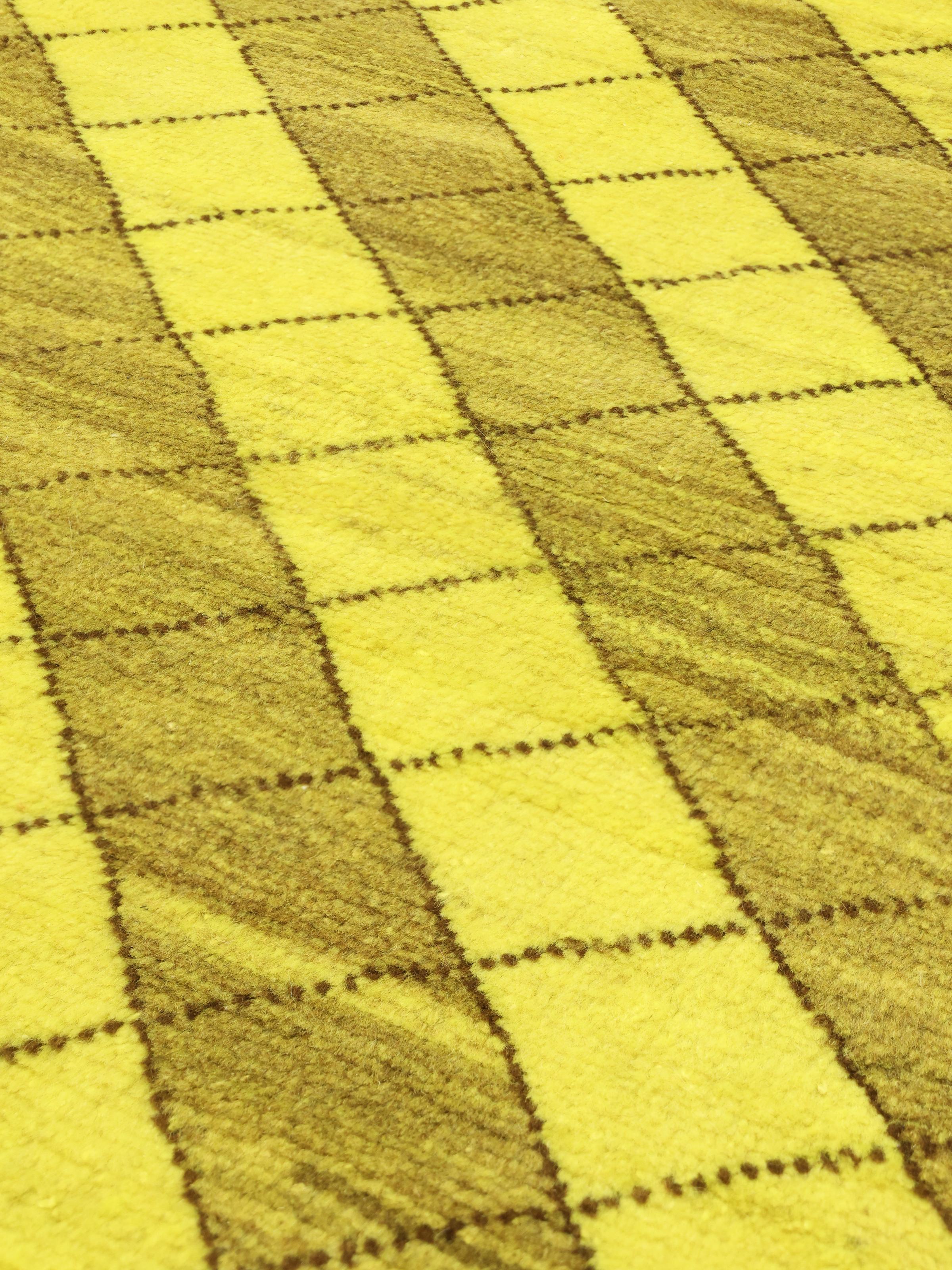
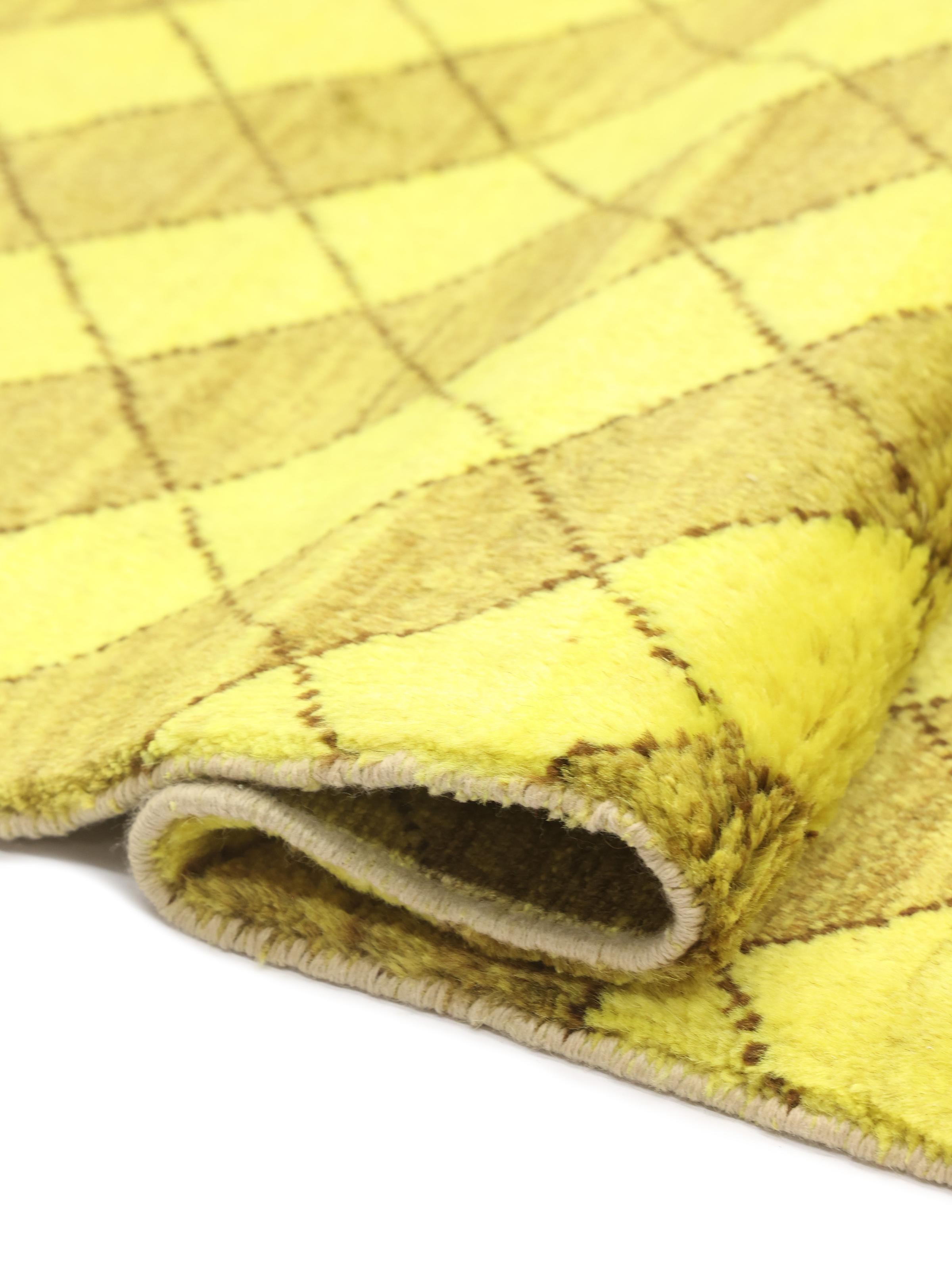
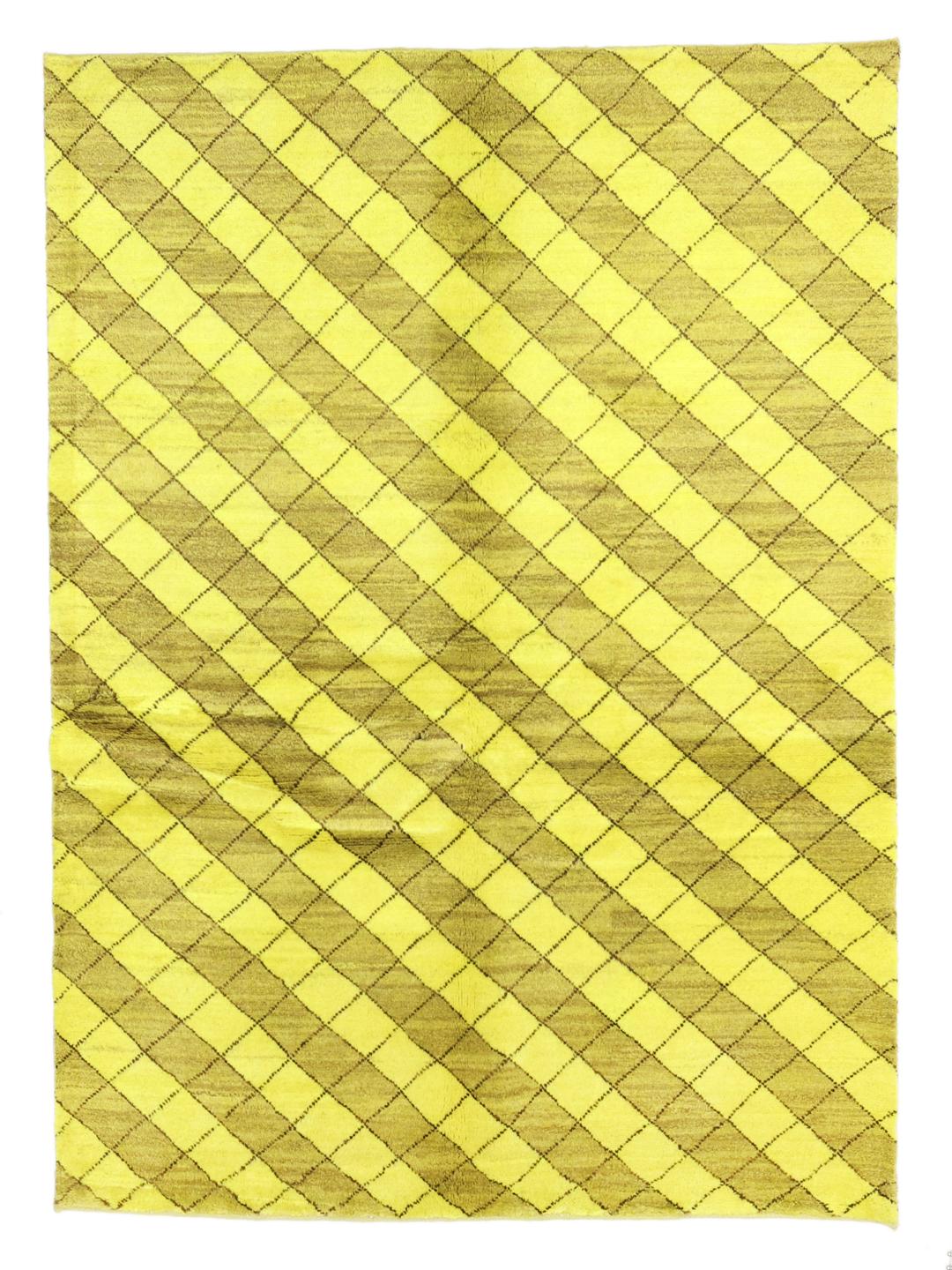
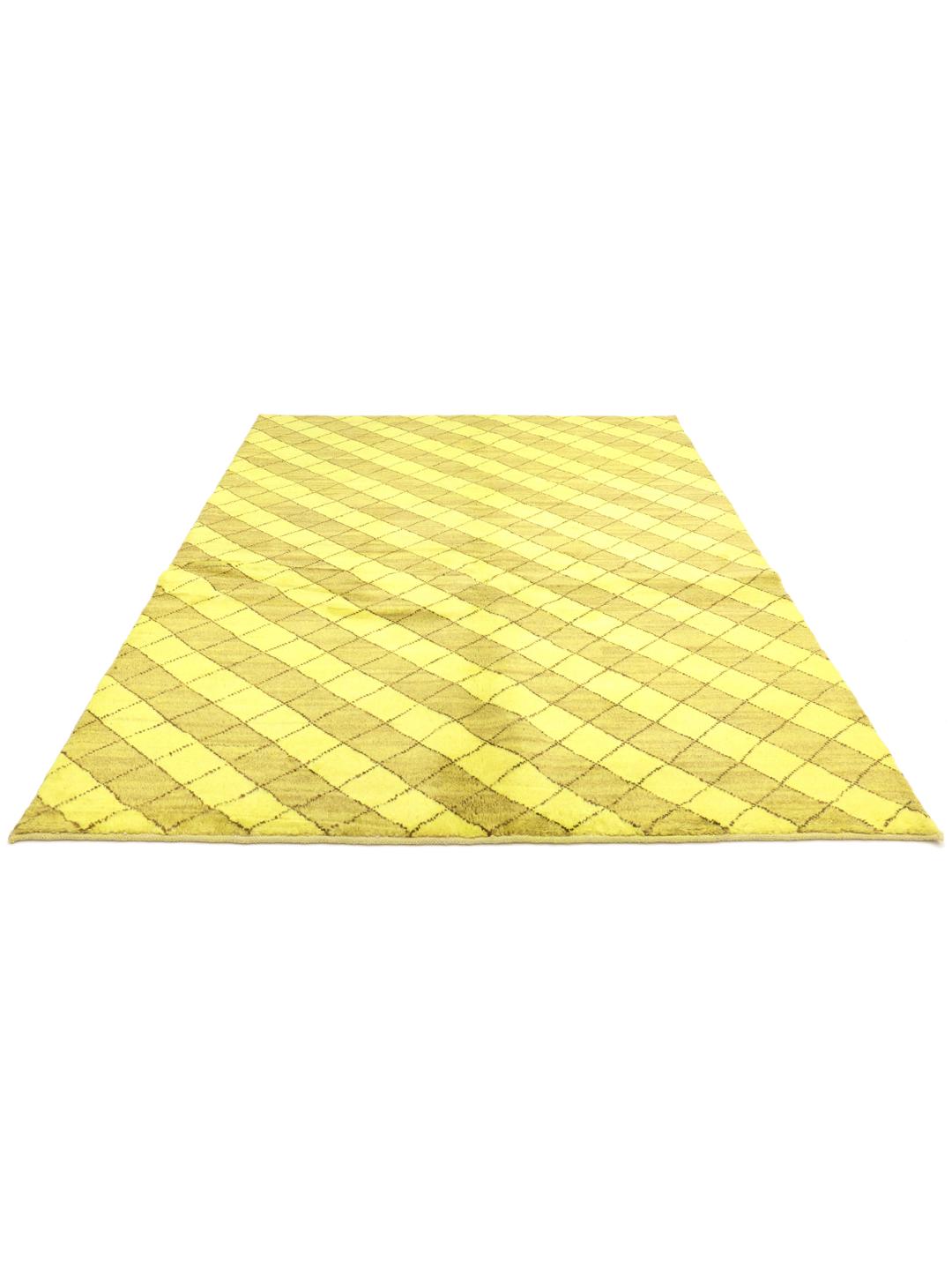
The Gabbeh tradition originates from the nomadic tribes of the Middle East, where weavers created these rugs primarily for their own domestic use. Historically, these were simple, thick, and highly functional floor coverings designed to provide insulation against the cold ground during migration. Over time, they evolved from purely utilitarian items into celebrated expressions of tribal artistry.
The term 'Gabbeh' itself translates to 'raw' or 'natural', reflecting the unpretentious and spontaneous nature of these rugs. Unlike more formal, city-made carpets that follow rigid, pre-planned designs, traditional Gabbeh rugs were often woven from memory, with weavers improvising patterns that reflected their surroundings, emotions, or tribal folklore. This freedom is what gives each piece its distinct personality.
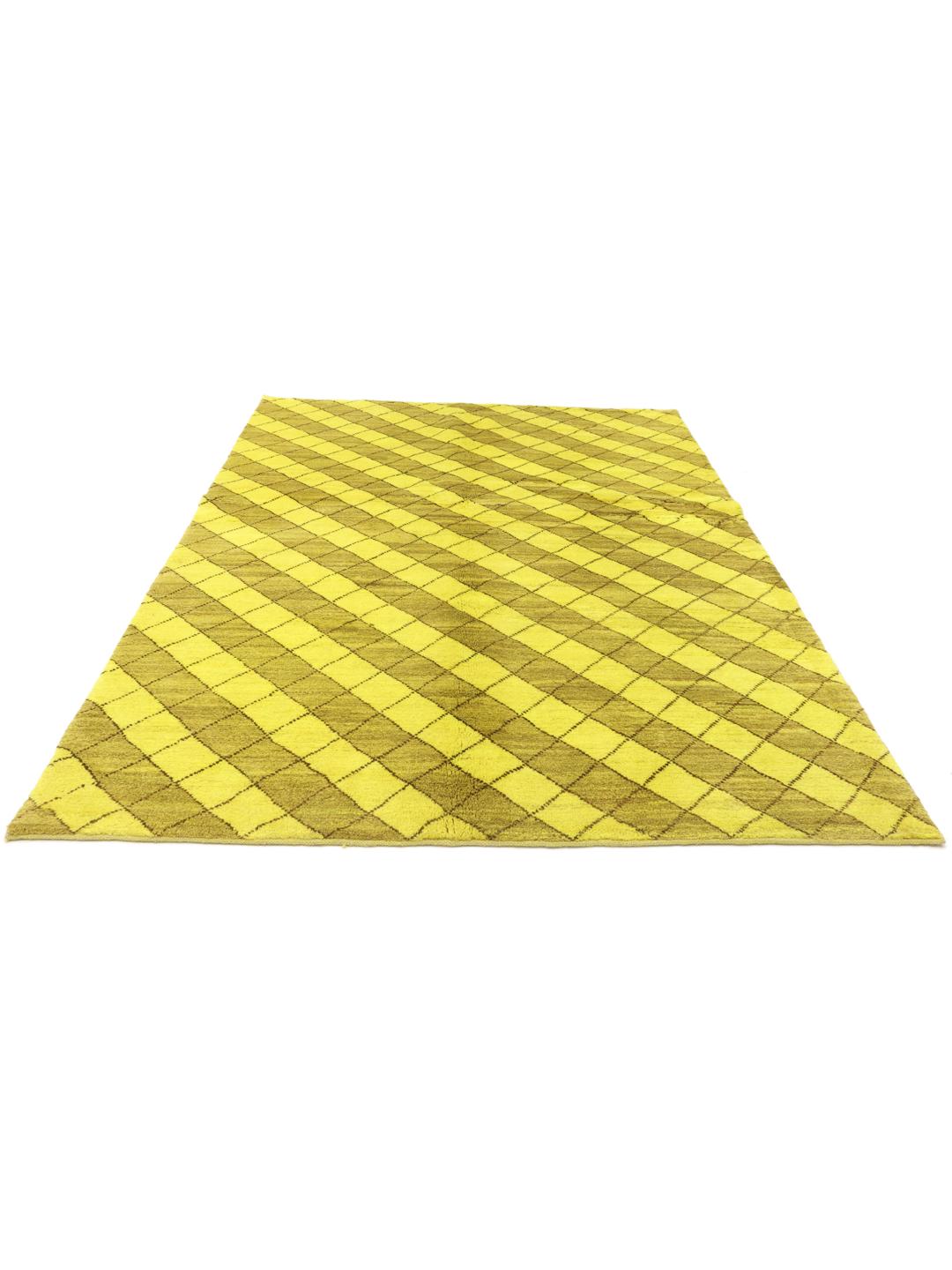
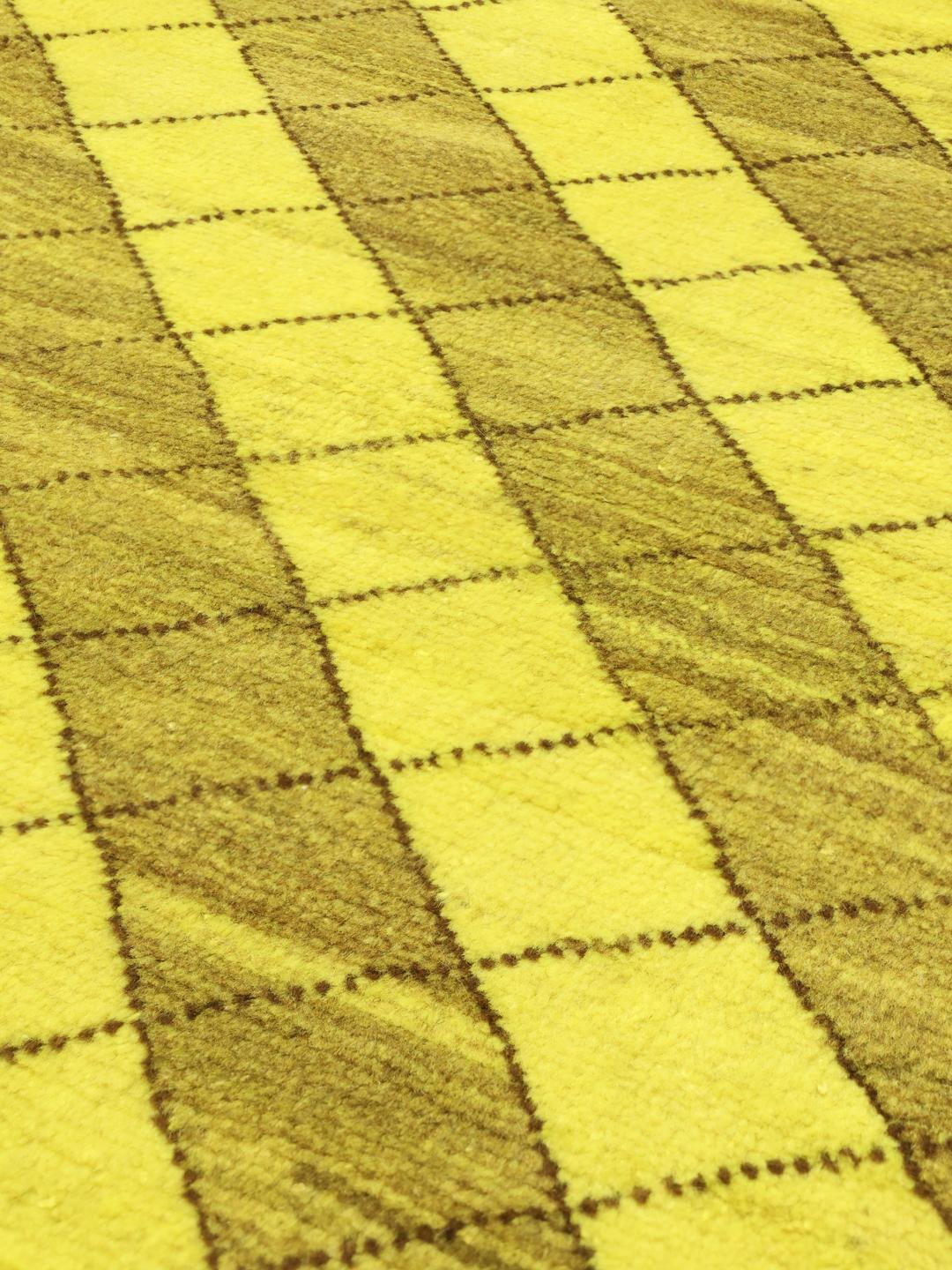
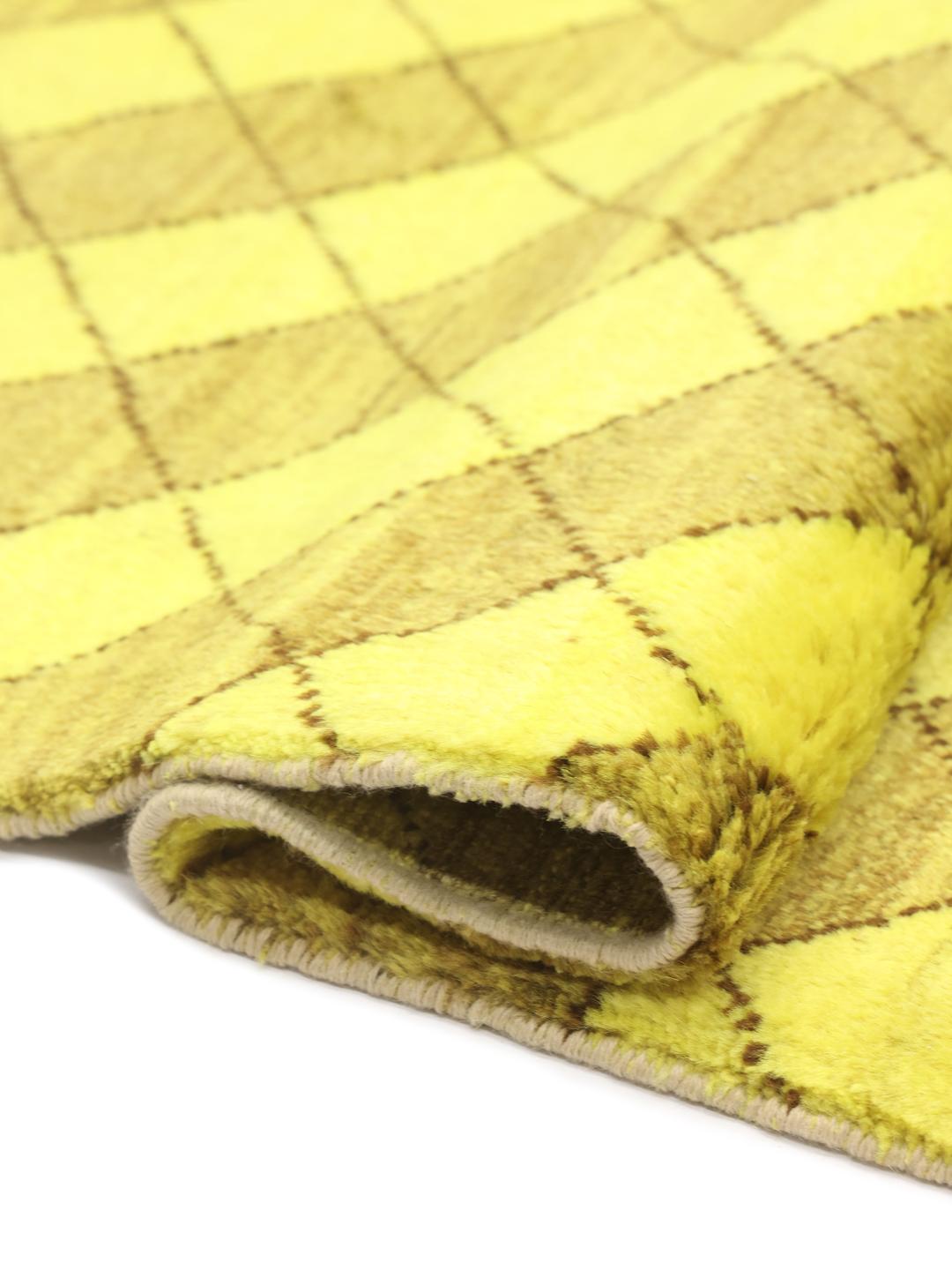
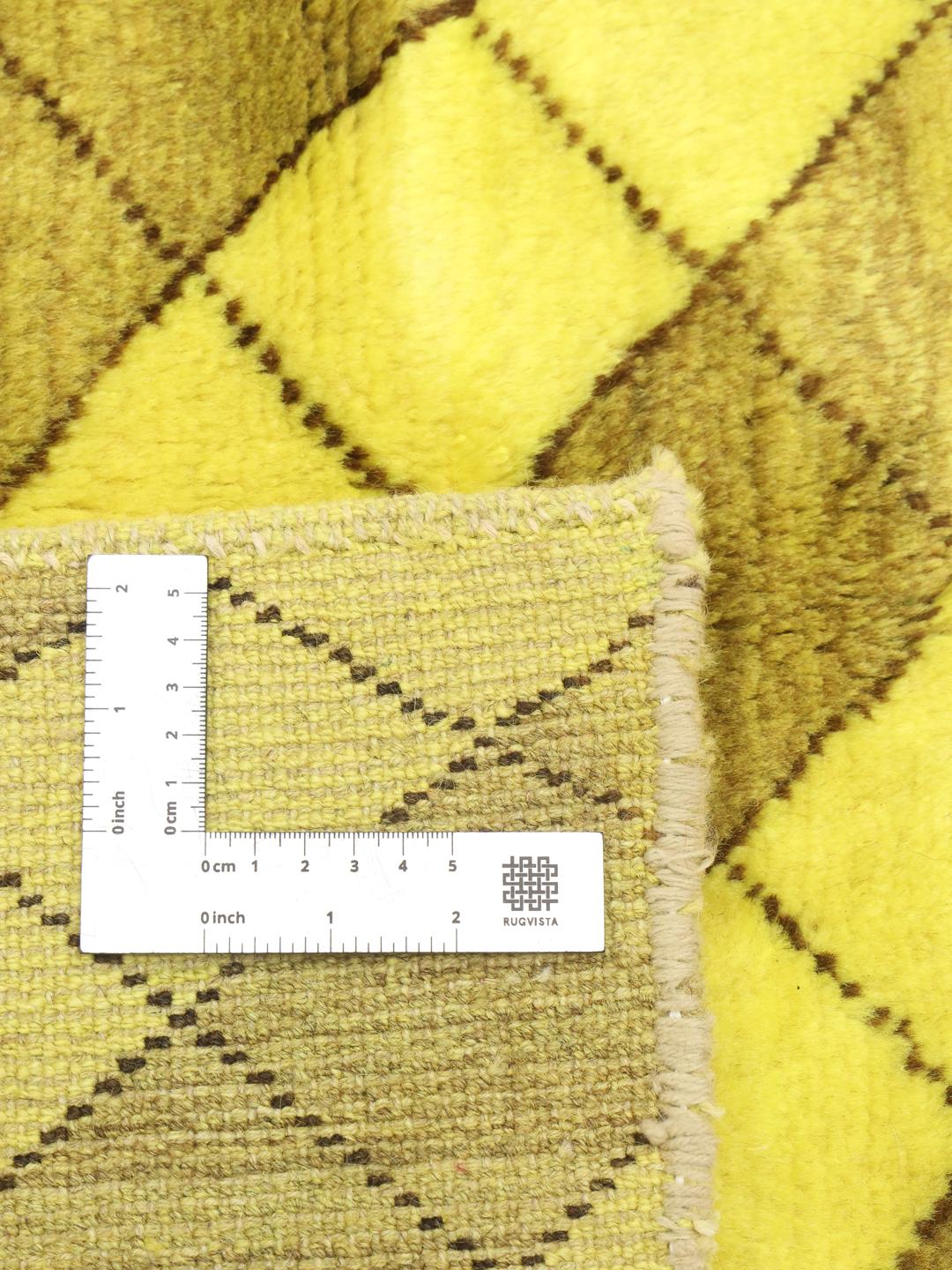
Visually, Gabbeh rugs are known for their bold, minimalist aesthetic. While traditional versions often featured large blocks of color and stylized, simplistic motifs like animals or plants, modern interpretations like this one often incorporate more structured geometric patterns. The use of vibrant, often naturally derived colours is a hallmark of the style, ensuring that even the simplest patterns make a strong visual impact.
Today, these rugs are highly prized by collectors for their authenticity and the human story behind every knot. Owning a Gabbeh Fine rug means connecting with a long-standing tradition of nomadic craft. It represents an appreciation for the skill of the weaver and a desire to bring a piece of genuine, heritage-inspired design into a contemporary home.