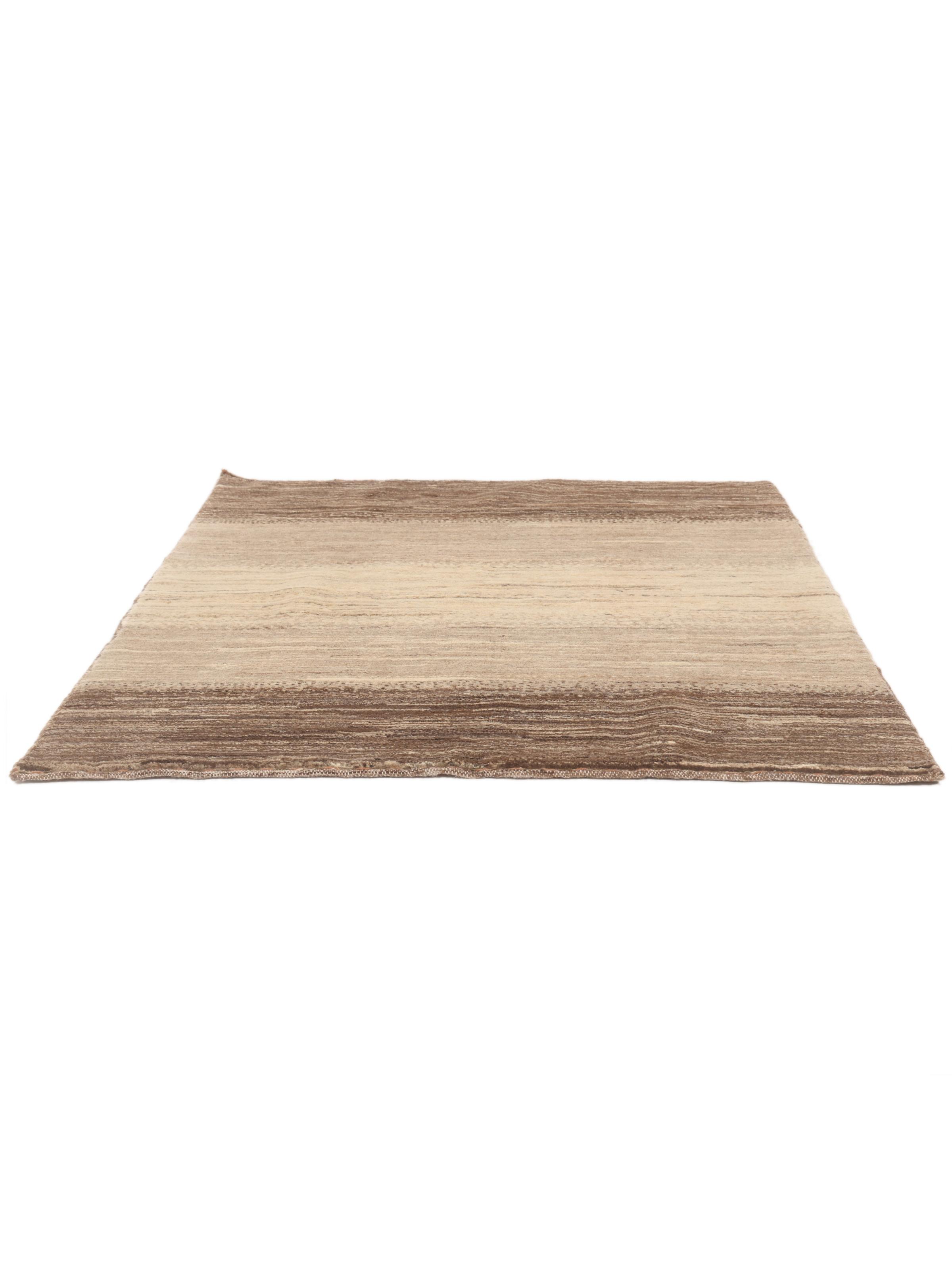
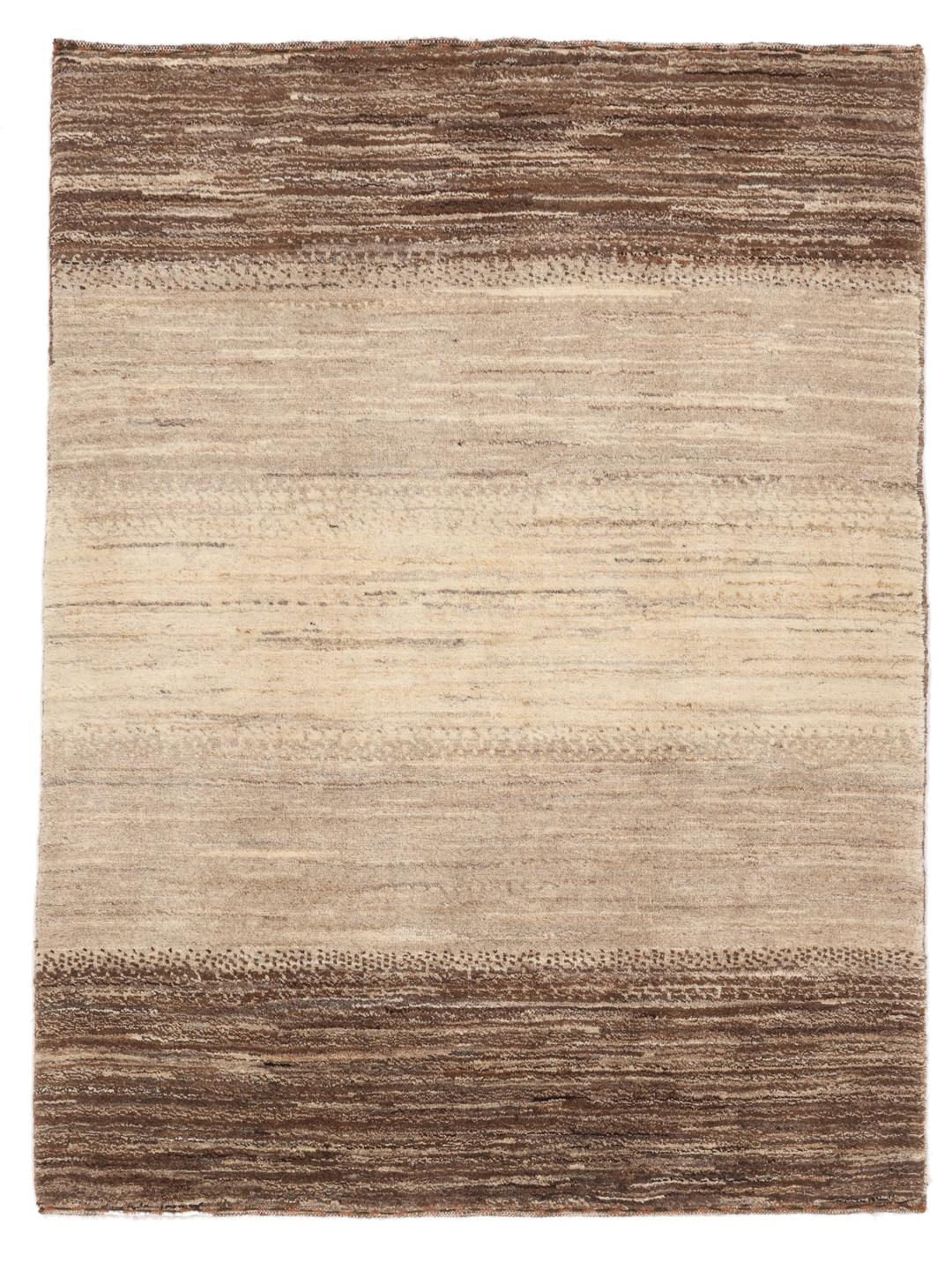
The Gabbeh tradition originates from the nomadic tribes of the Middle East, particularly the Qashqai people. For centuries, these rugs were woven primarily for personal use within the family, serving as warm bedding and floor coverings inside nomadic tents. Unlike more formal, city-made rugs, these pieces were expressions of the weaver's own world, often drawing inspiration from the surrounding landscapes and local wildlife.
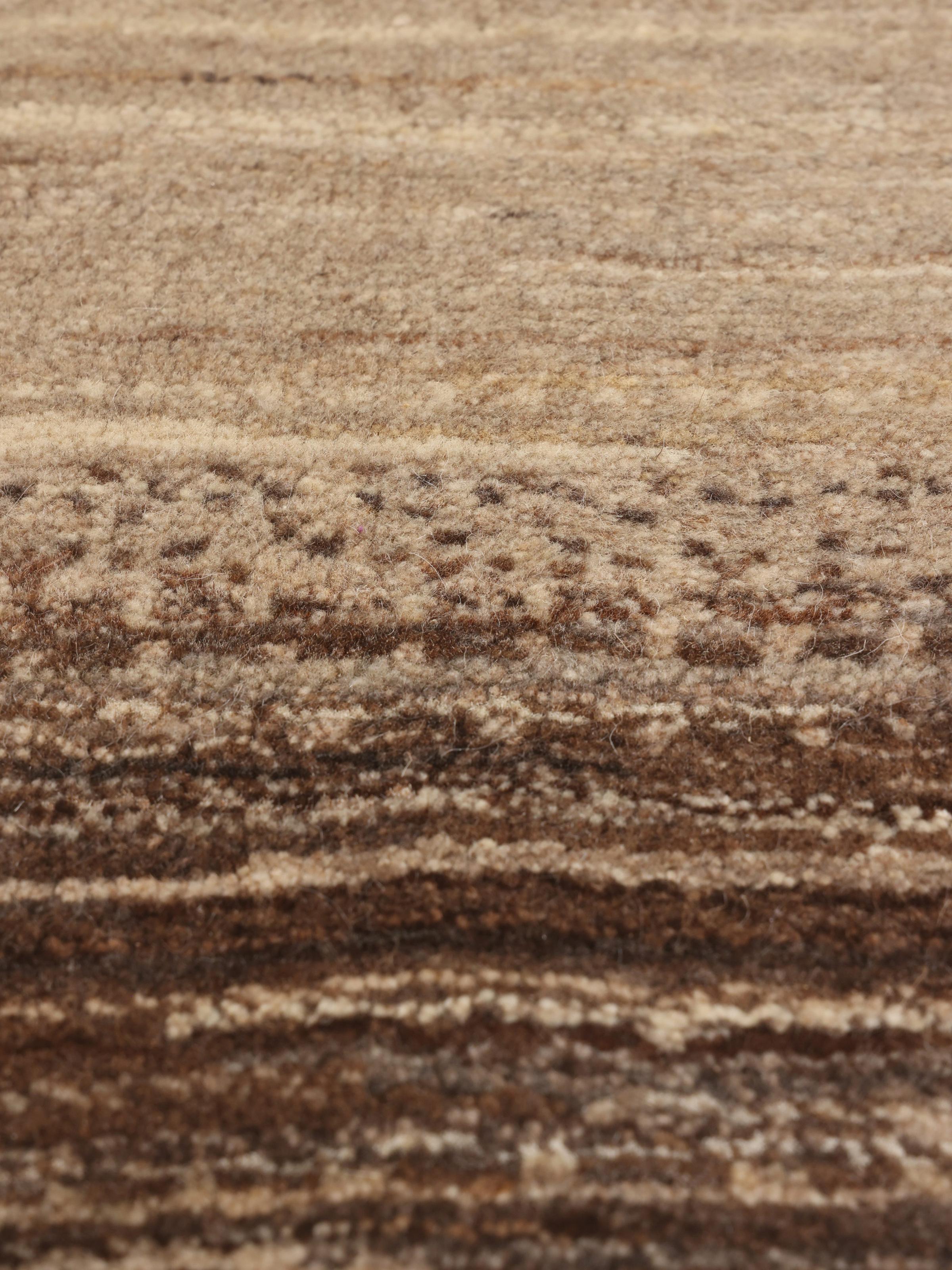
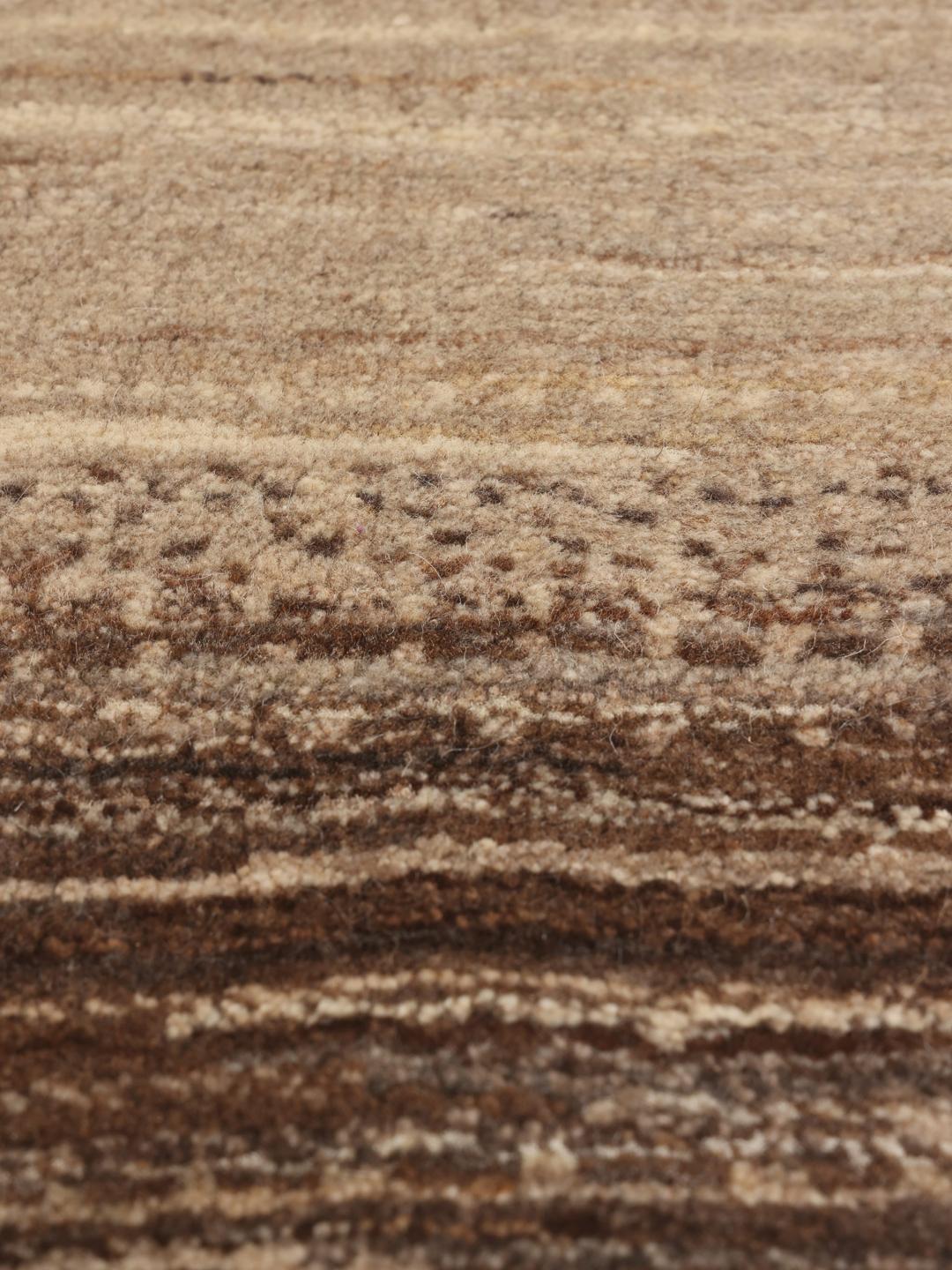
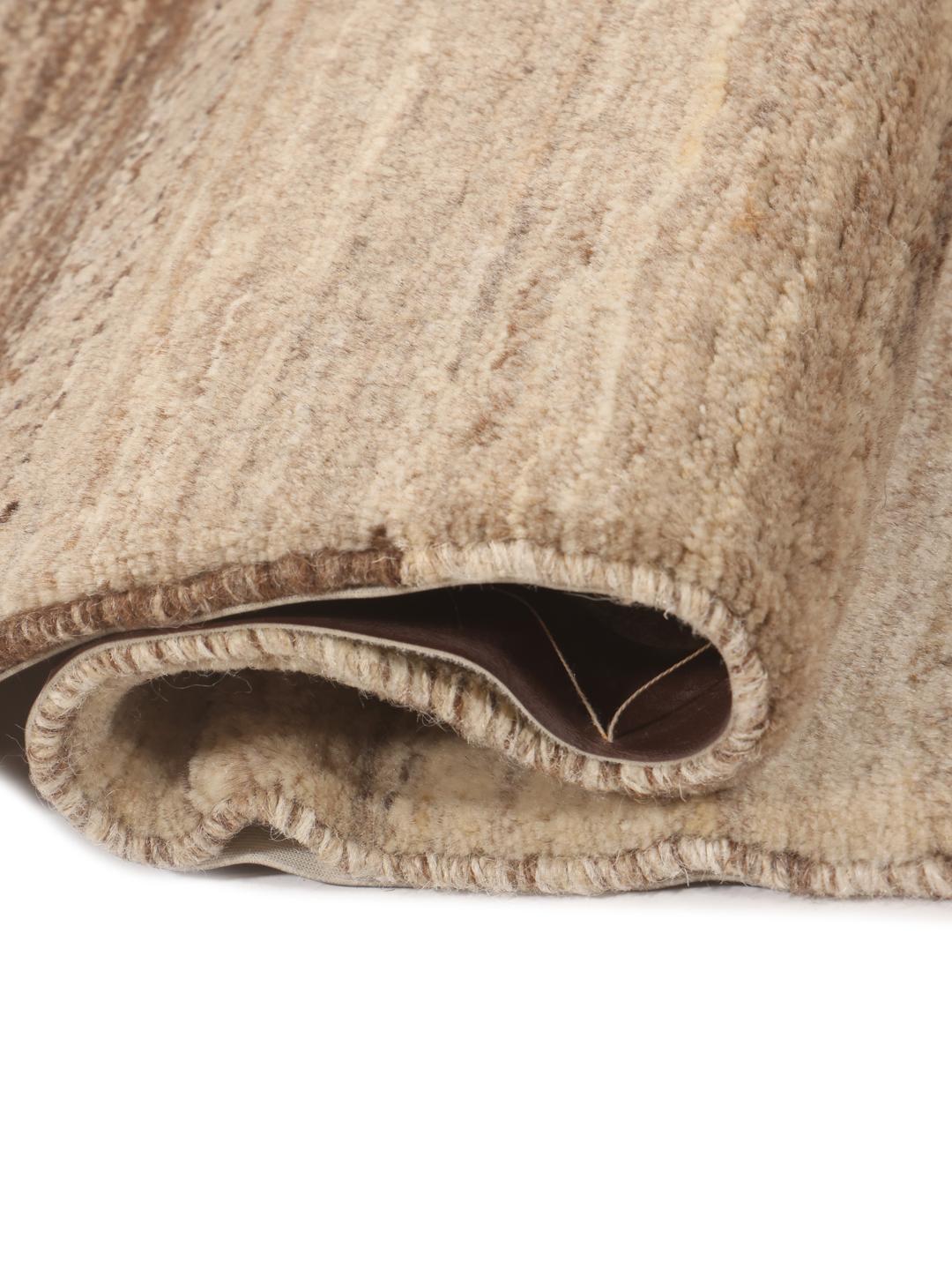
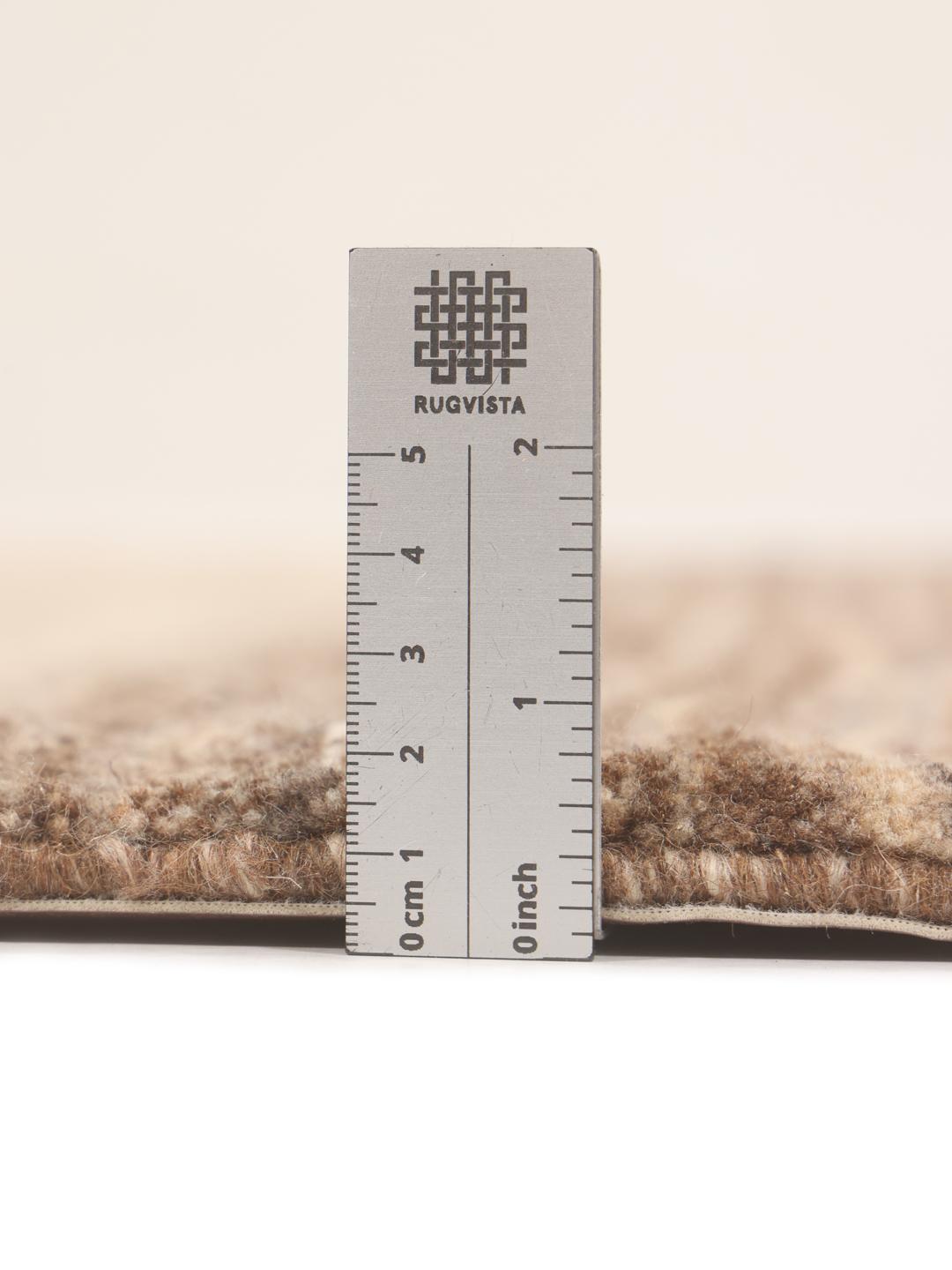
The term 'Gabbeh' itself translates to 'raw', 'natural', or 'unclipped', which perfectly captures the tradition's emphasis on simplicity and the inherent beauty of the materials. Traditionally, these rugs are made with a thicker, longer pile and fewer, larger knots compared to finer urban rugs. This construction choice was deliberate, designed to provide maximum insulation against cold ground while maintaining a soft, cushiony surface.
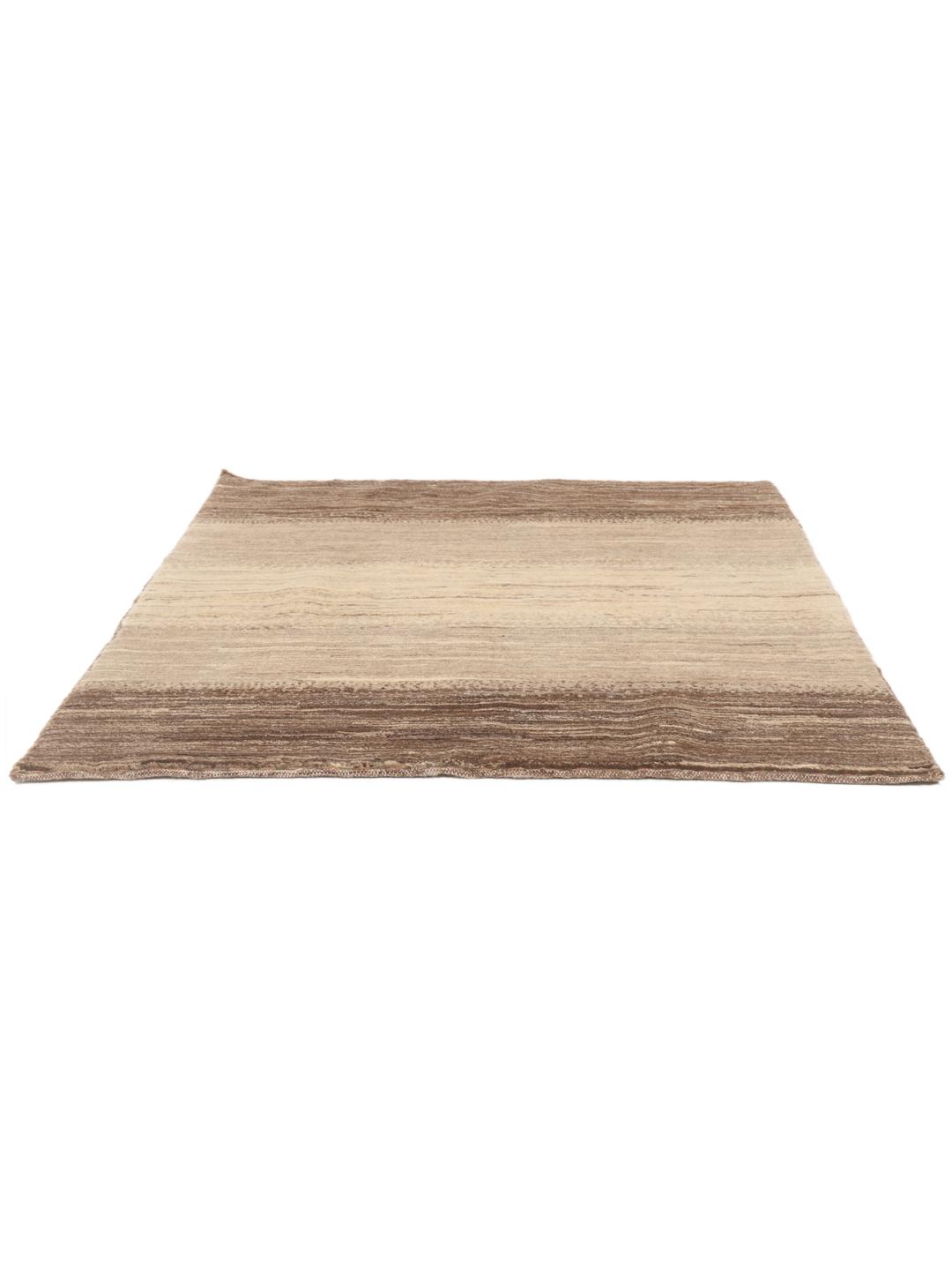
Visually, Gabbeh rugs are celebrated for their artistic, minimalist approach. While some feature stylized, abstract representations of animals or plants, many rely on bold, simple fields of colour or broad, geometric bands that celebrate the natural variations in the sheep's wool. This aesthetic has evolved over time, yet it remains deeply connected to the spontaneous, creative spirit of the nomadic weavers who developed the style.
Today, these rugs are highly prized by collectors for their cultural authenticity and artistic freedom. They represent a bridge between ancient nomadic heritage and modern interior design, offering a warmth and soul that mass-produced carpets simply cannot replicate. Owning a Gabbeh is not just about floor decor, but about preserving a legacy of skill and the connection to a way of life that has thrived for generations.