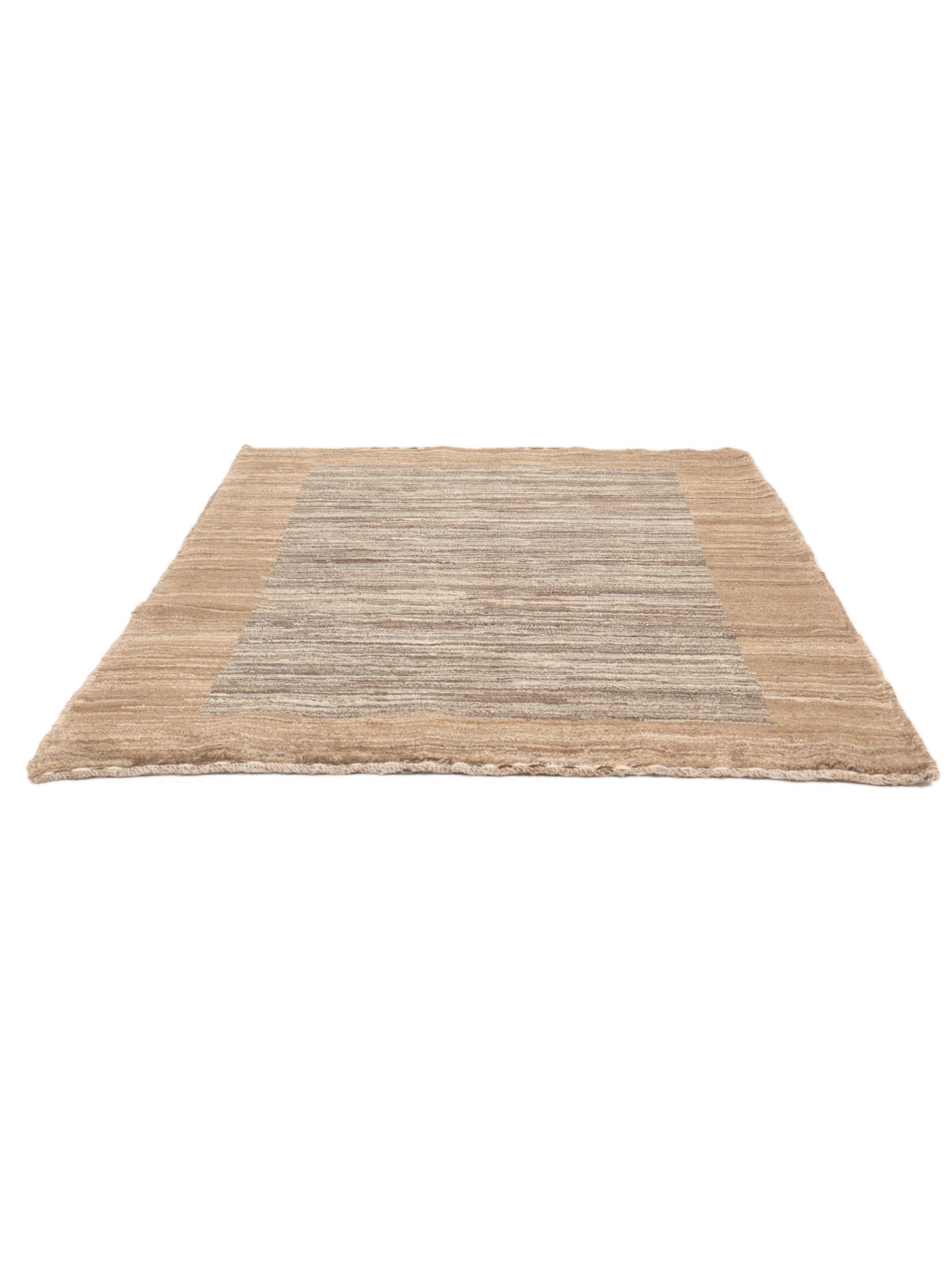
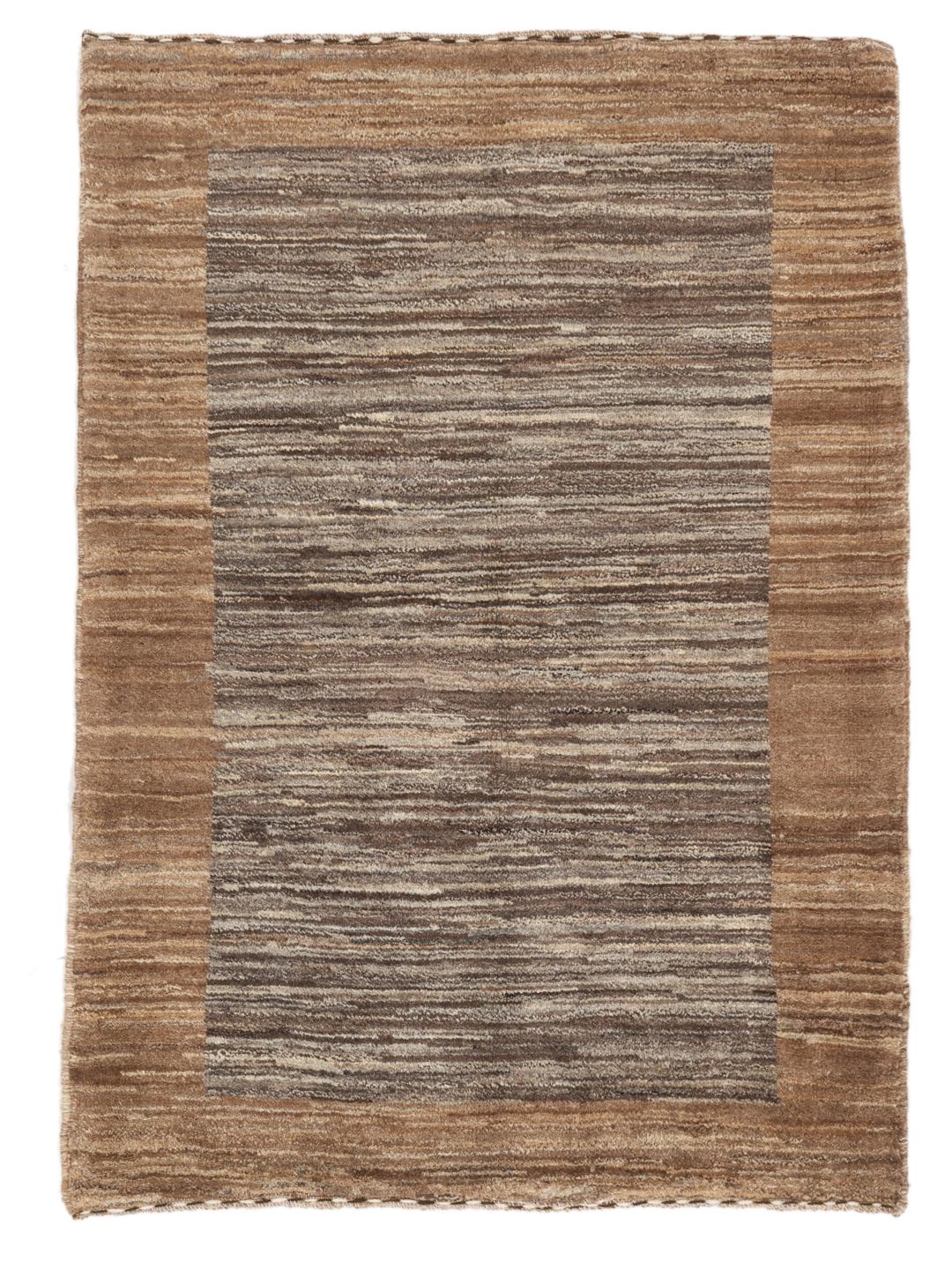
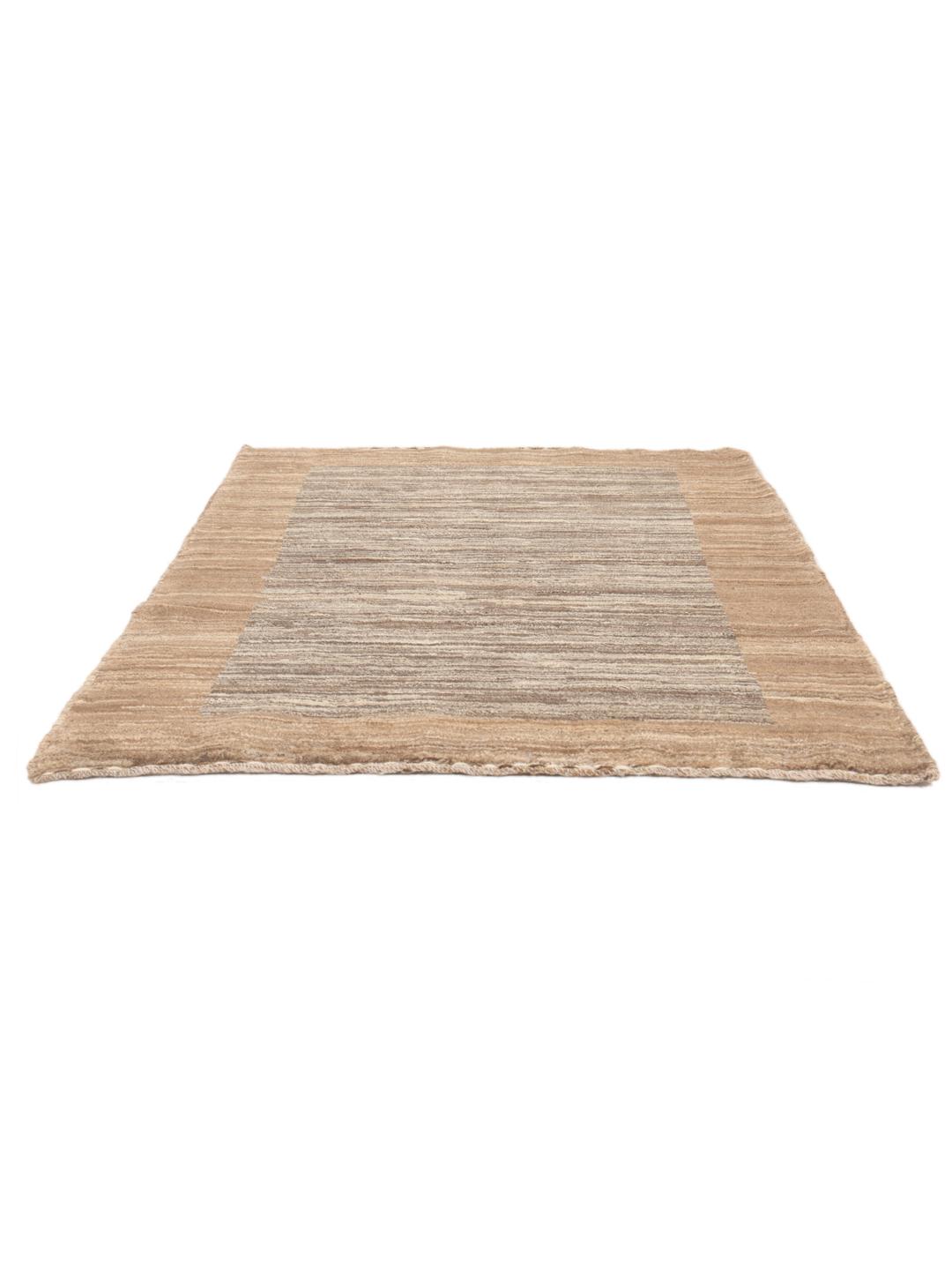
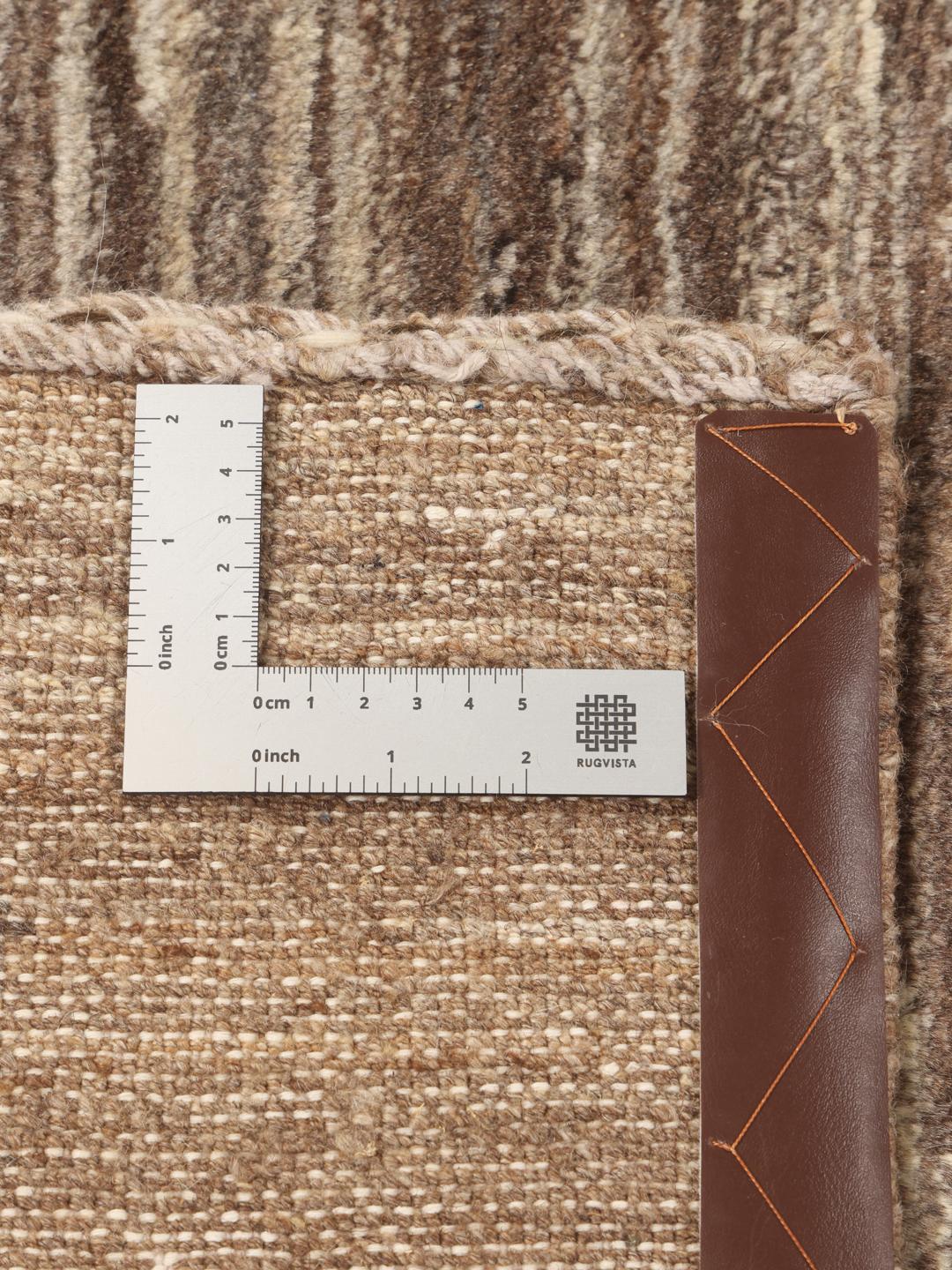
Gabbeh rugs are a celebrated tradition originating from the nomadic tribes of the Middle East. Historically, these rugs were woven by tribal women for their own domestic use, serving as thick, protective floor coverings in nomadic tents. Their design was never intended for formal display, but rather for personal comfort, which is why they are prized for their simplicity and soft, heavy pile.
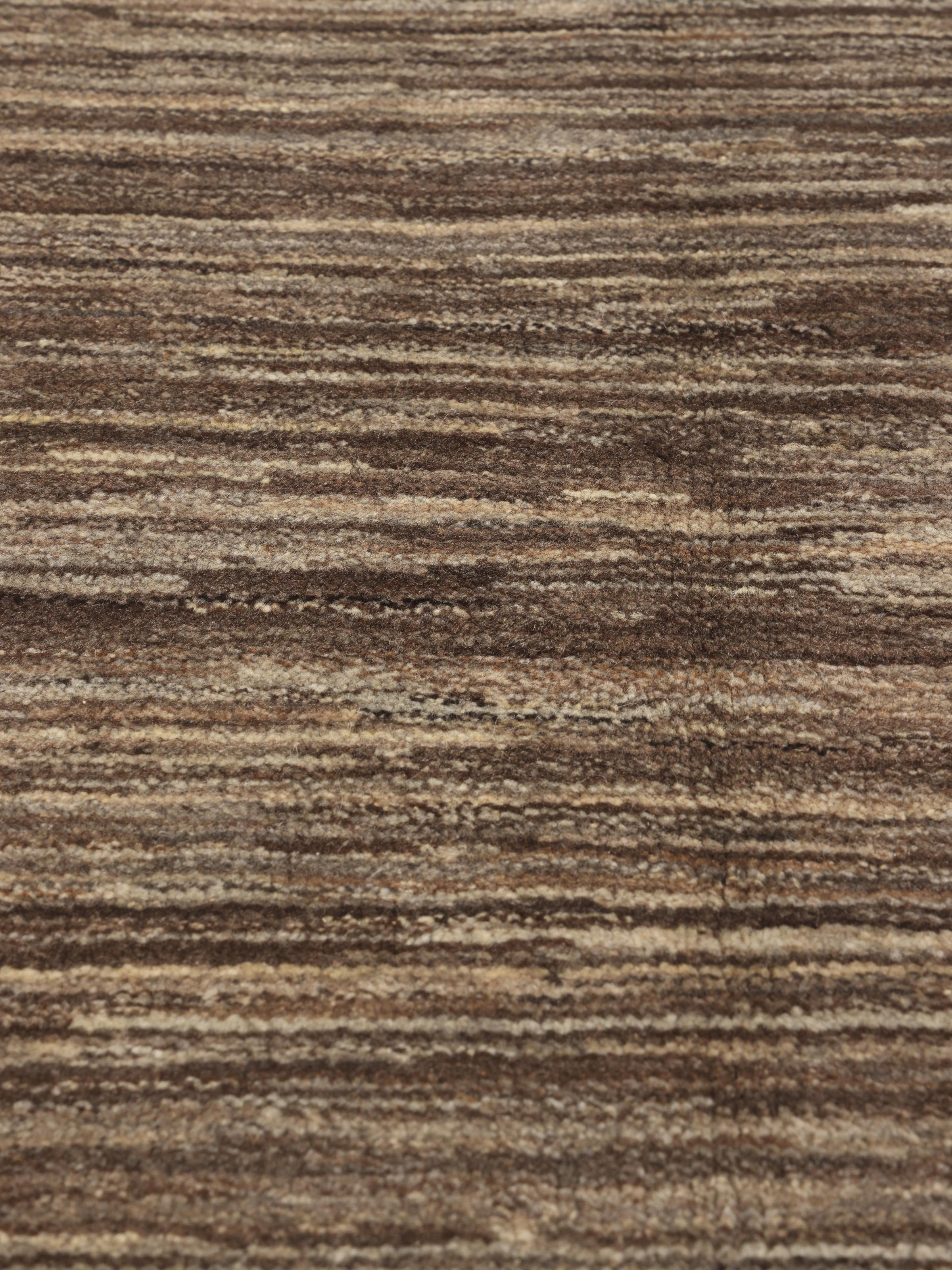
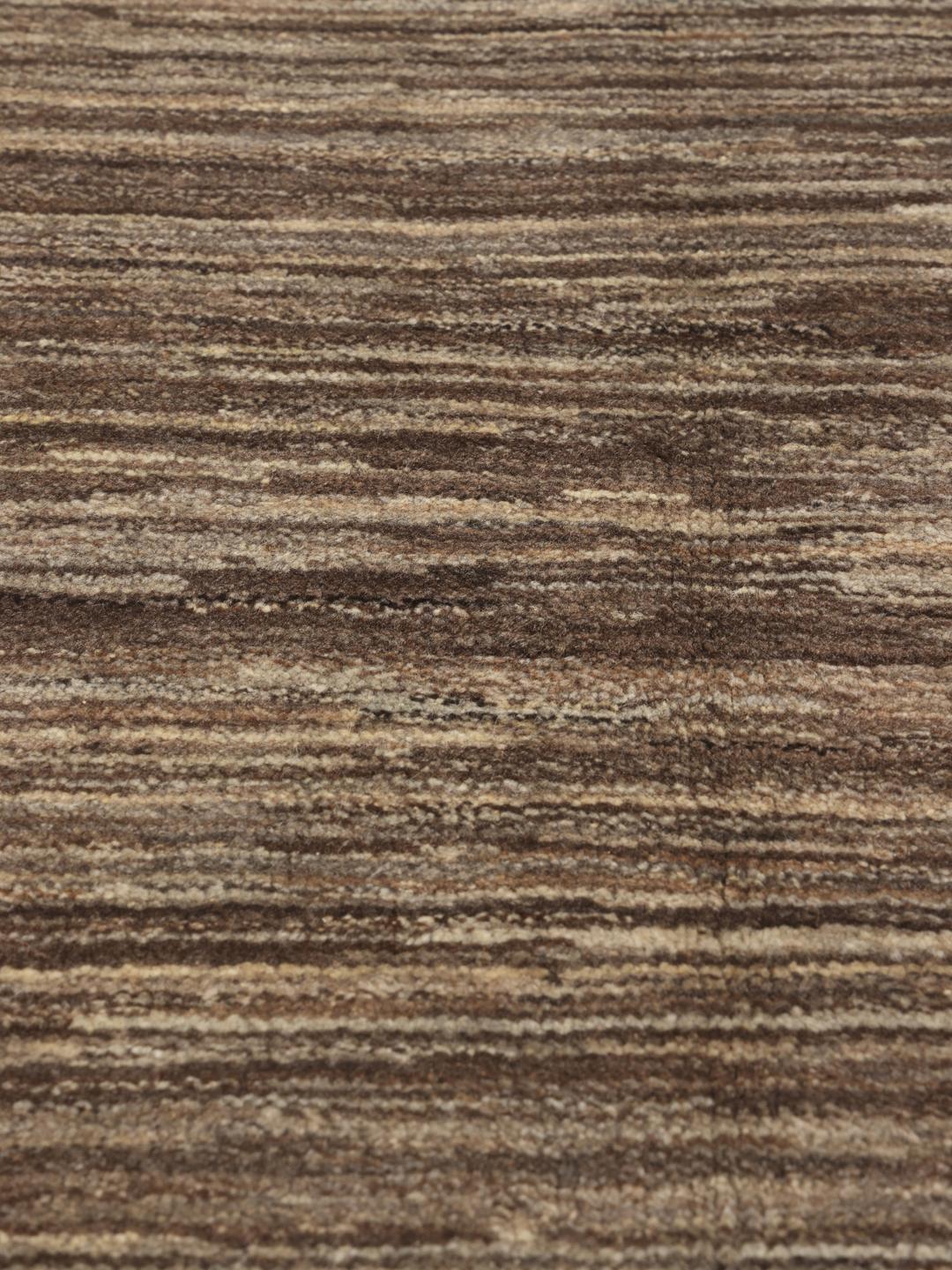
The term 'Gabbeh' itself translates to 'raw' or 'natural', reflecting the tradition of using unrefined, hand-spun Wool and natural dyes derived from local plants and minerals. This approach preserves the natural lanolin in the Wool, which gives the rugs their characteristic soft, slightly oily, and durable feel. It is a craft that prioritises the intrinsic qualities of the material over complex, rigid decorative patterns.
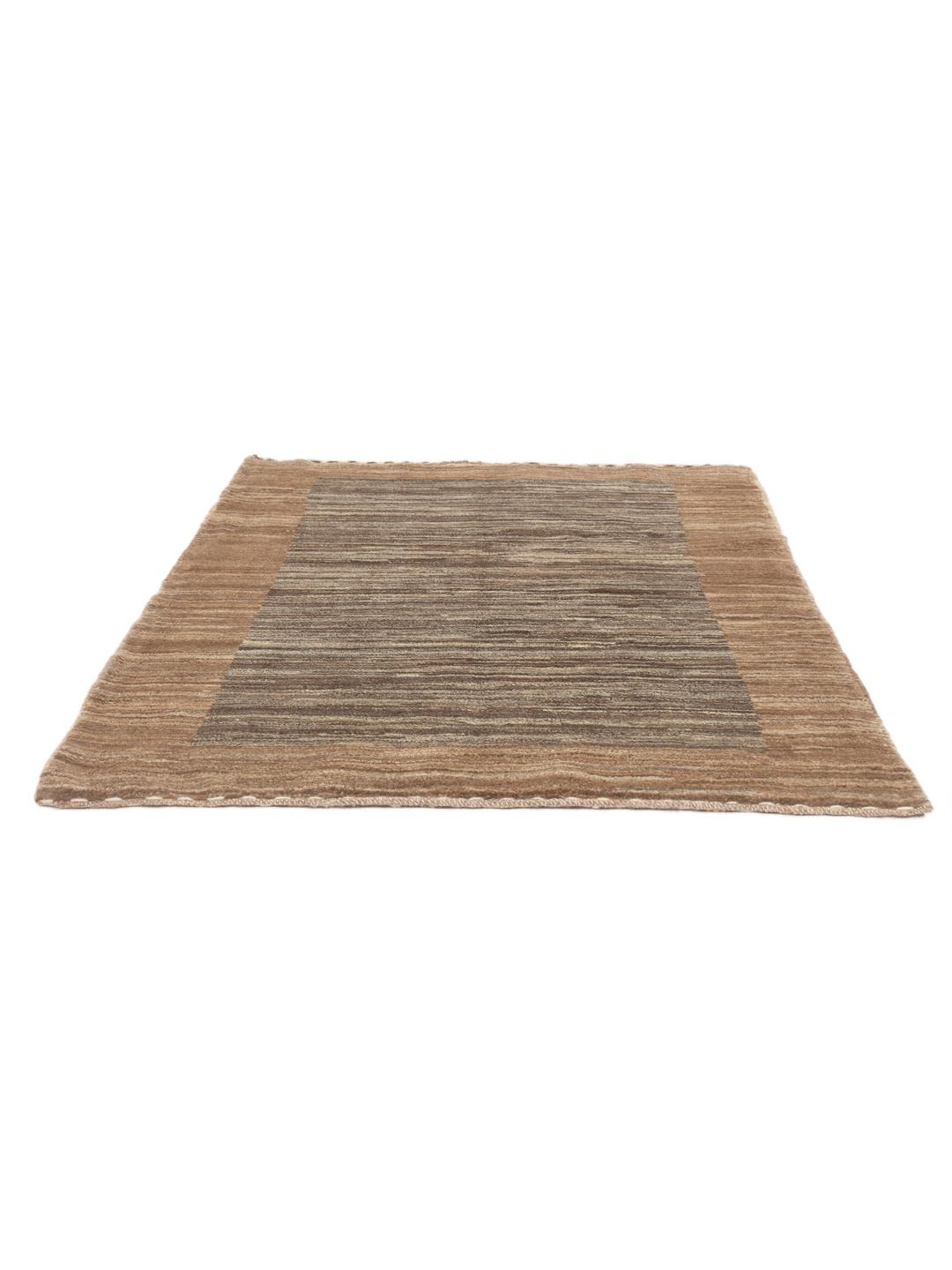
Visually, Gabbeh rugs are known for their minimalist, often abstract or geometric designs. Unlike more formal urban carpets, Gabbeh rugs embrace open space and irregular, spontaneous motifs. The colours are typically deep and earthy, reflecting the landscape of the regions where they are woven. This rug, from the Shabargan tradition, continues this heritage by focusing on a serene, tonal aesthetic that emphasises the beauty of the Wool itself.
Today, these rugs are highly valued by collectors and enthusiasts who appreciate the authenticity of nomadic art. Owning a Gabbeh is a connection to a long history of tribal resilience and creative freedom. These pieces are not merely floor coverings but are cultural artefacts that represent a way of life centred on the home, the land, and the artistry of the human hand.