The history of rug weaving in India is a rich tapestry that spans centuries, evolving from the influence of Middle Eastern court styles to the development of a distinct, vibrant Indian aesthetic. Today, India is celebrated globally for its ability to blend ancient, traditional techniques with contemporary design sensibilities, resulting in rugs that are both culturally significant and perfectly suited for modern living.
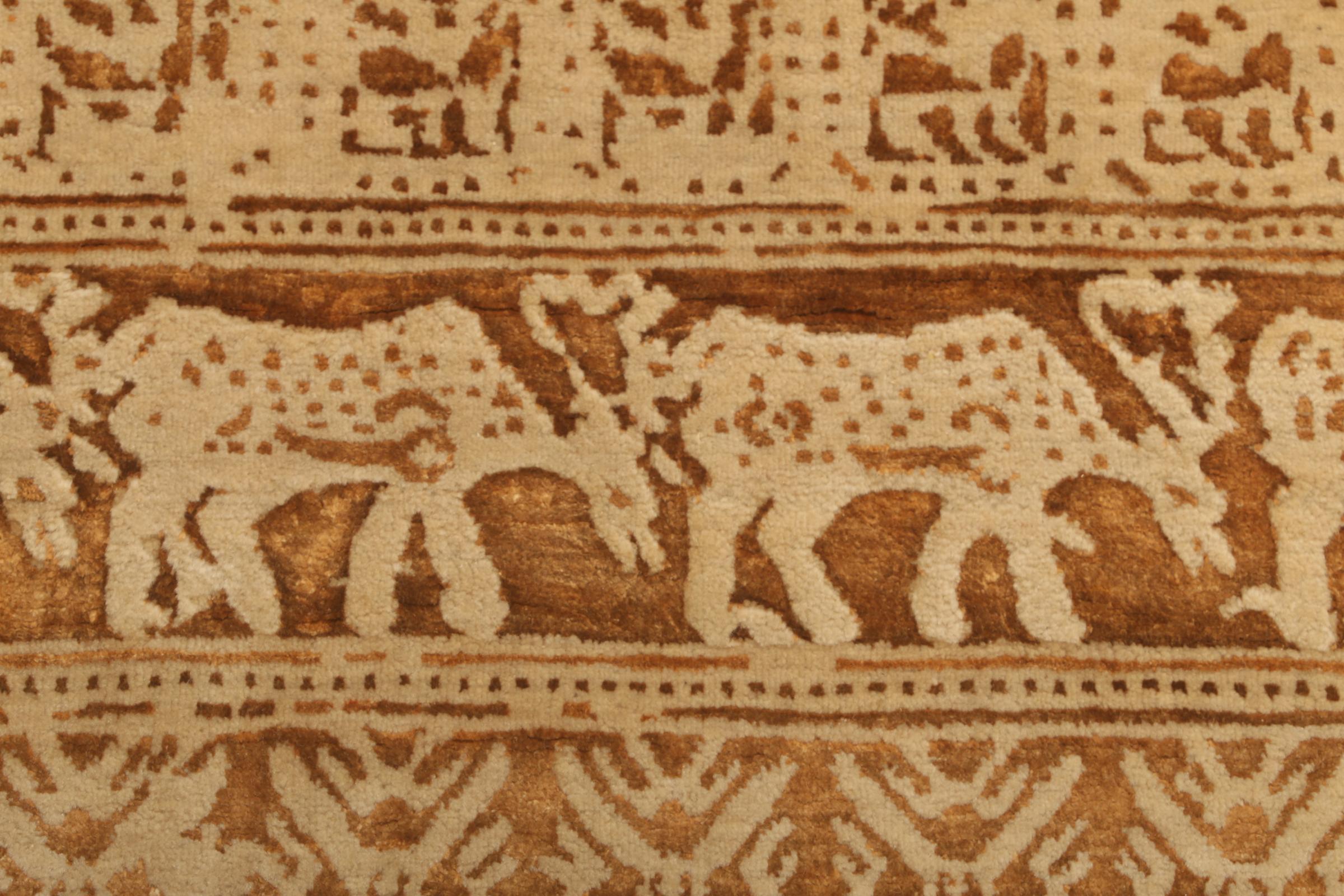
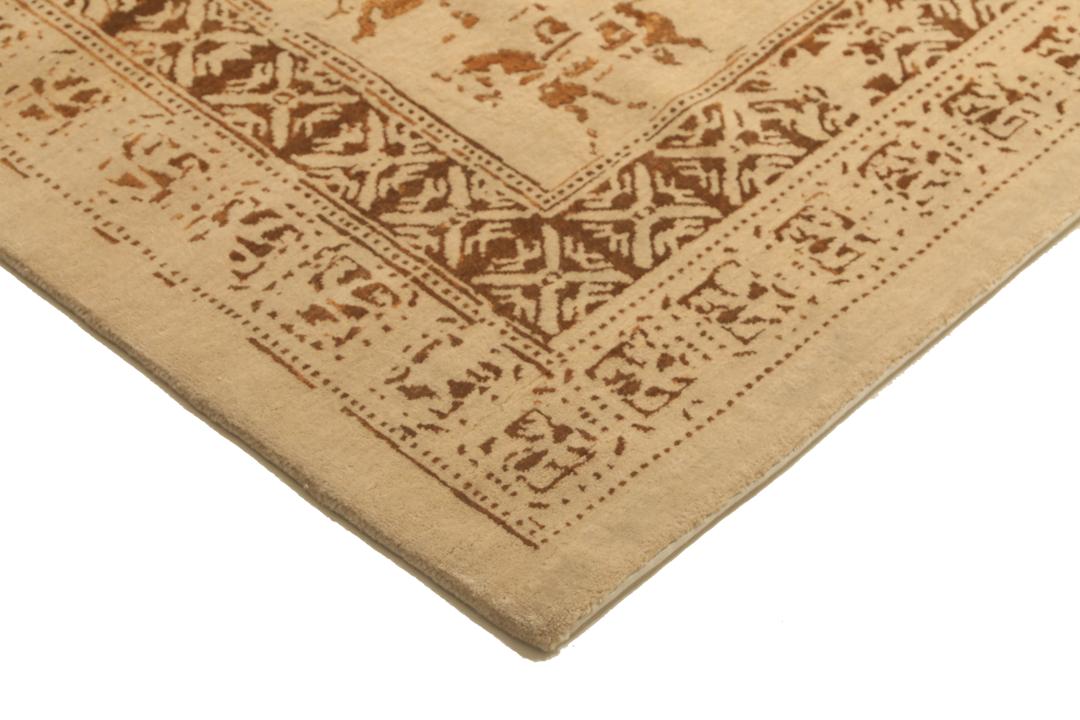
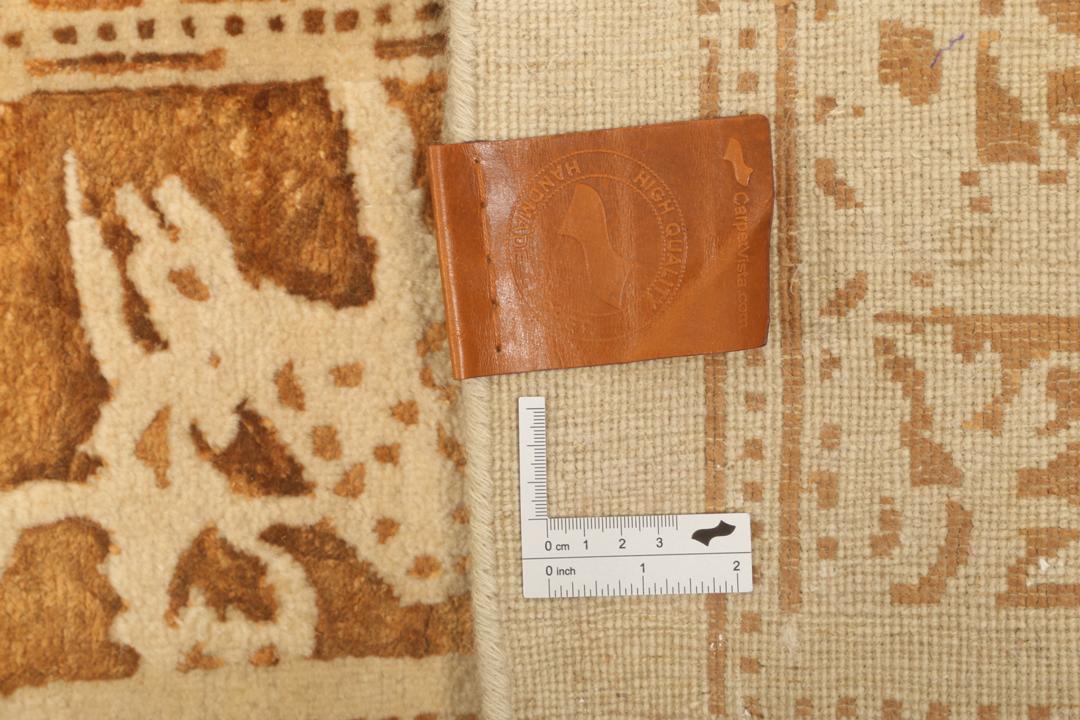
The term hand-knotted refers to the most traditional and labour-intensive way of creating a rug. Each knot is tied by hand around the warp threads, a method that allows for incredible precision in design and results in a pile that is exceptionally durable. This technique is the hallmark of a high-quality rug, distinguishing it from mass-produced alternatives and ensuring it remains a lasting investment.
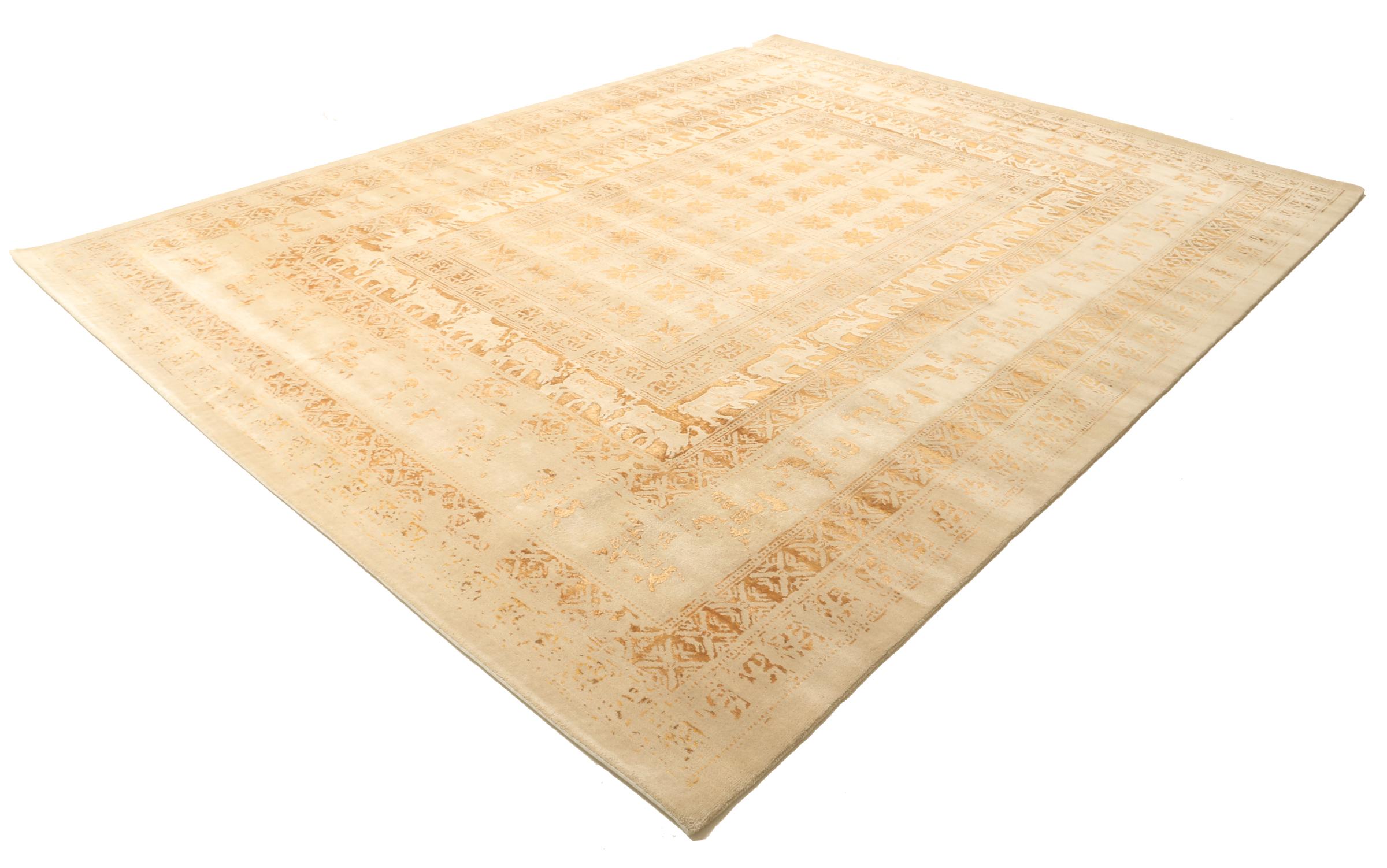
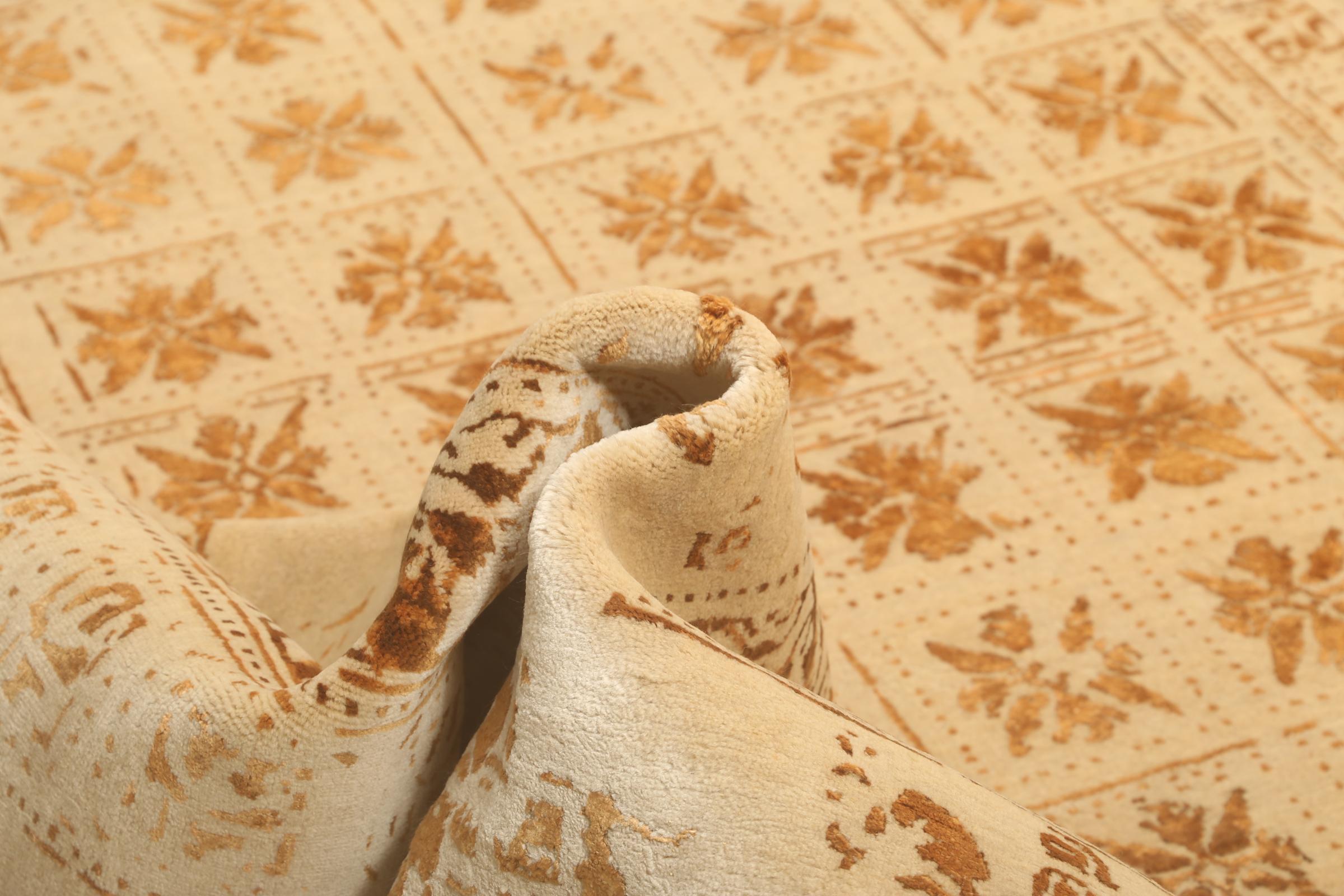
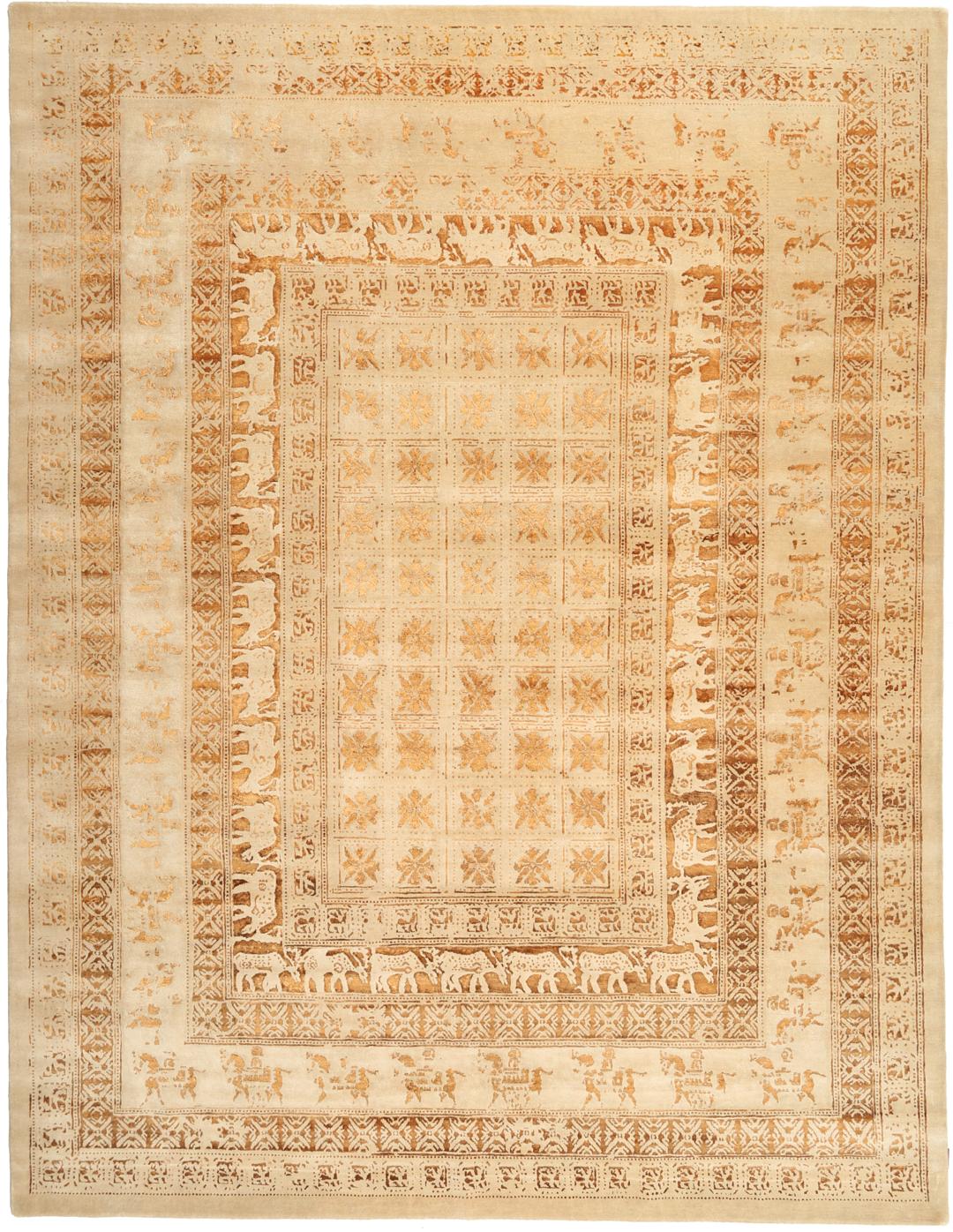
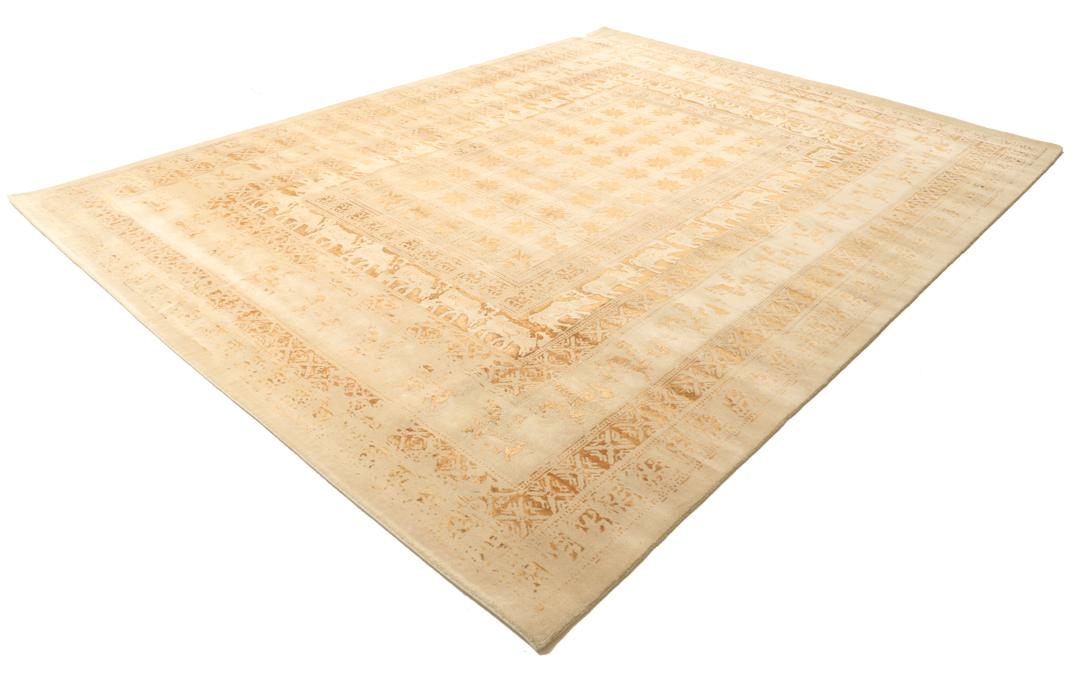
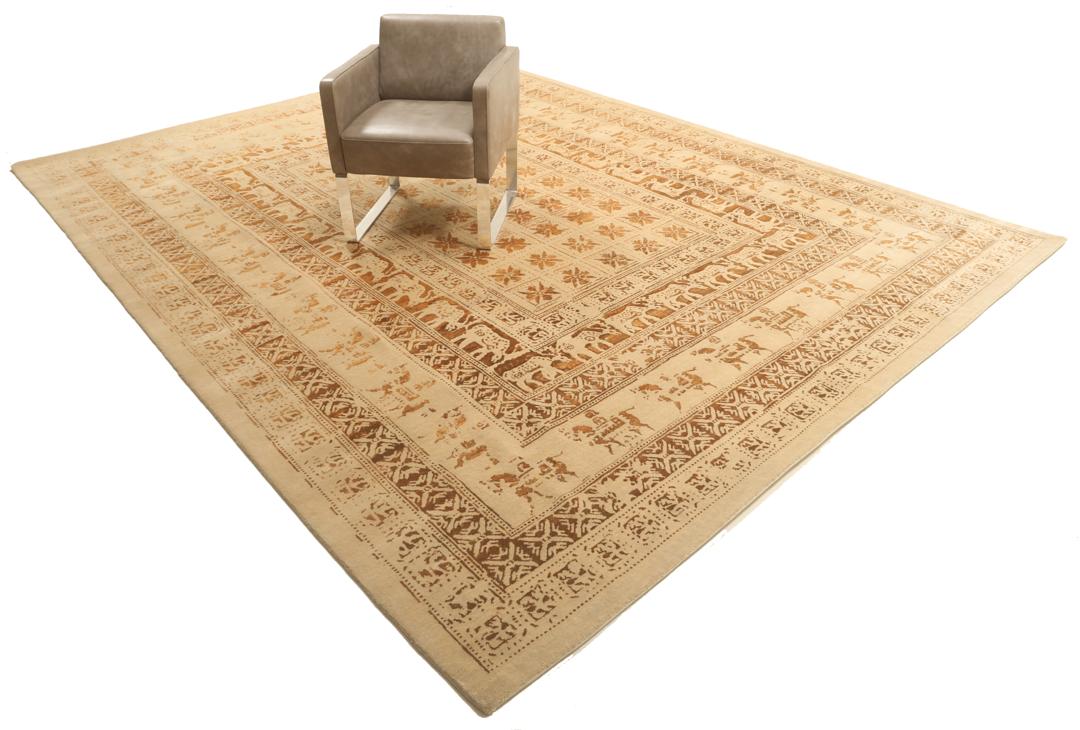
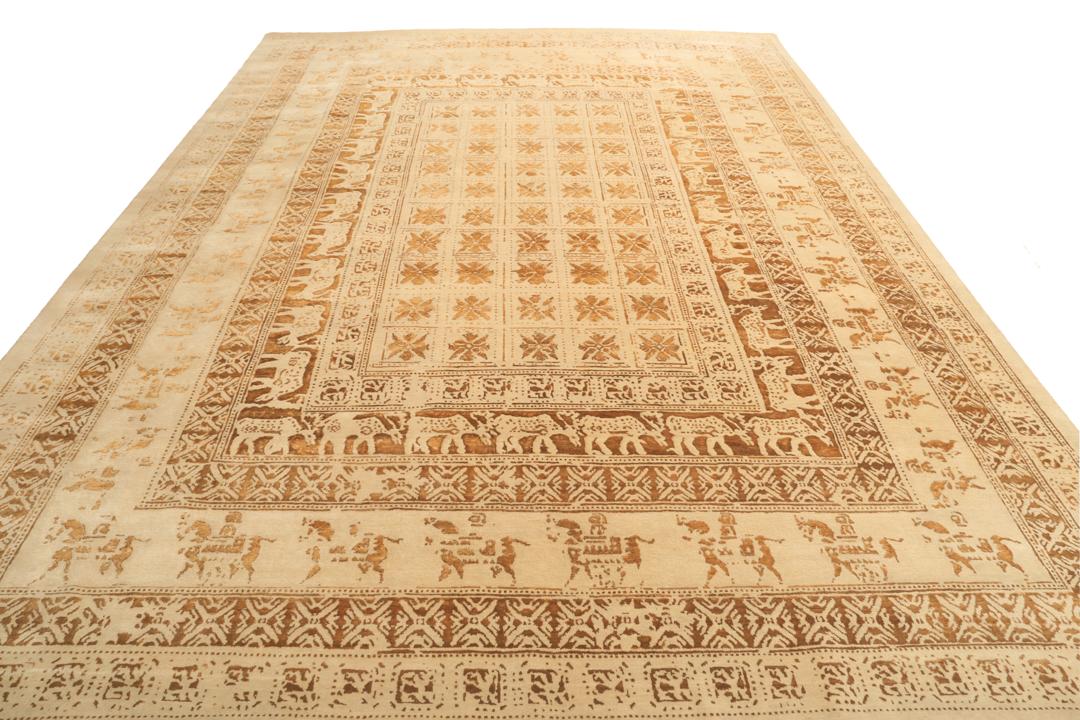
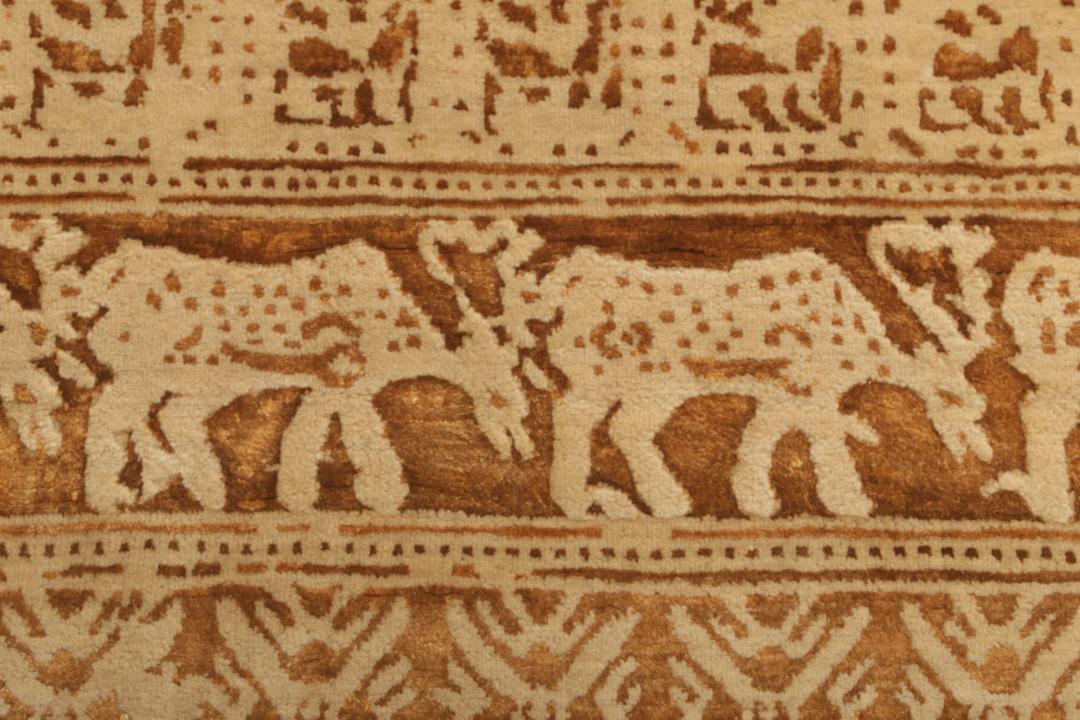
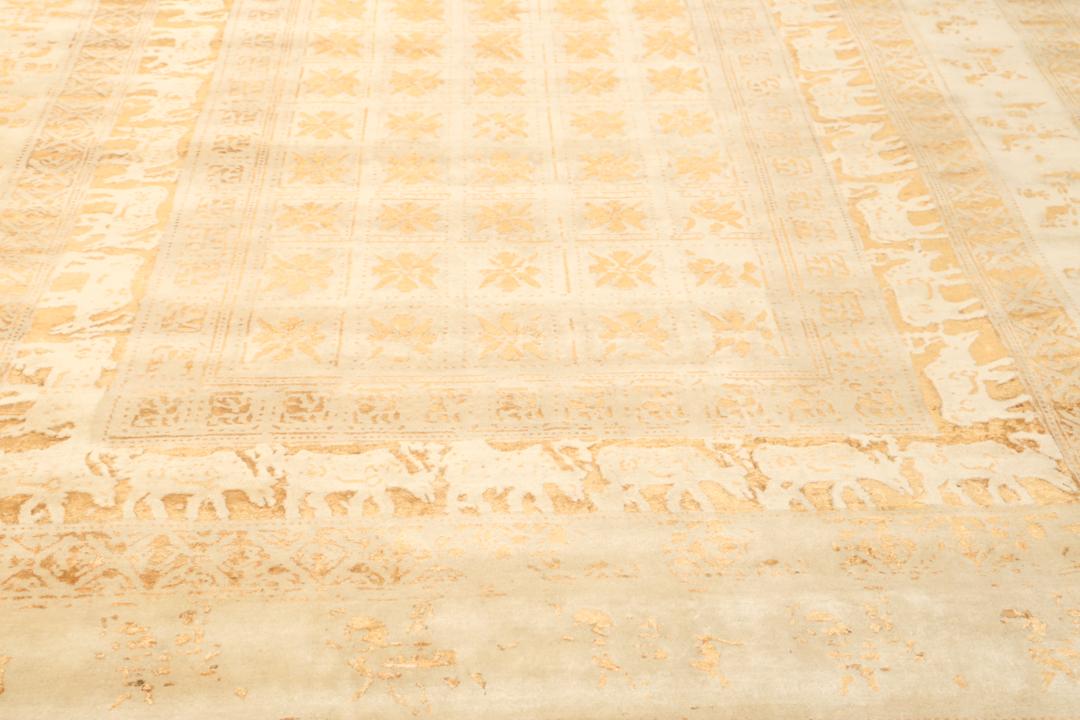
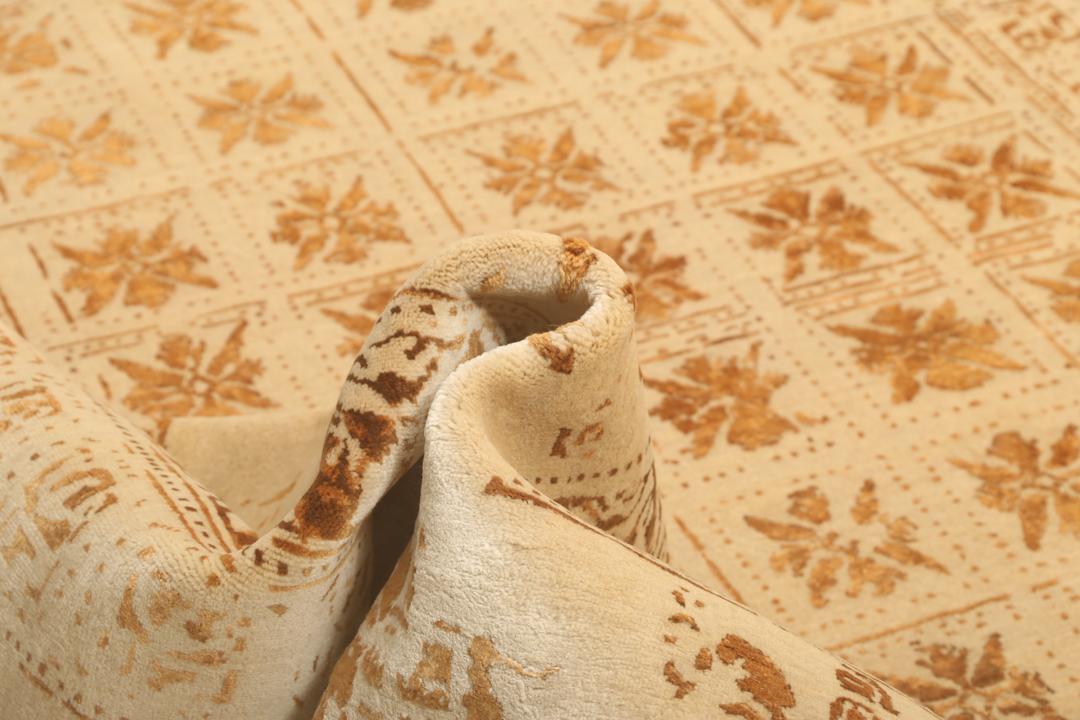
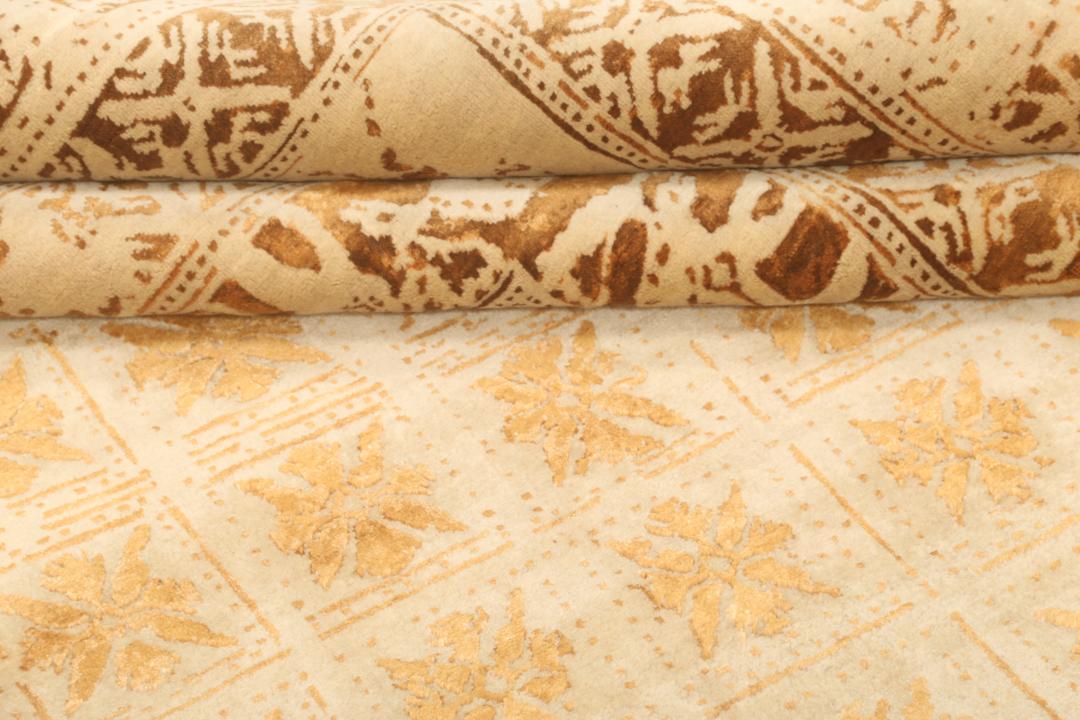
This rug features a beautiful array of animal and floral motifs, which have long been staples of Indian textile arts. These patterns often draw inspiration from the natural world and historical narratives, arranged here with a contemporary, geometric order that provides a balanced, harmonious look. The border and field interaction is typical of the refined, decorative style that Indian weavers have perfected over generations.
Collecting a hand-knotted rug from India is more than just a decorative choice, it is an appreciation of the human skill and heritage embedded in every thread. These rugs are valued for their durability and the way they age gracefully, gaining character over time. Owning such a piece connects your home to a long lineage of artisans, offering a sense of depth and cultural weight that machine-made items simply cannot provide.