The art of rug weaving in India has a profound history that dates back to the 16th century, when the craft was first introduced by the Mughal emperors. Originally influenced by Middle Eastern techniques, Indian artisans eventually developed their own distinct style, characterised by a fusion of traditional methods and innovative artistic expressions that have evolved over hundreds of years.
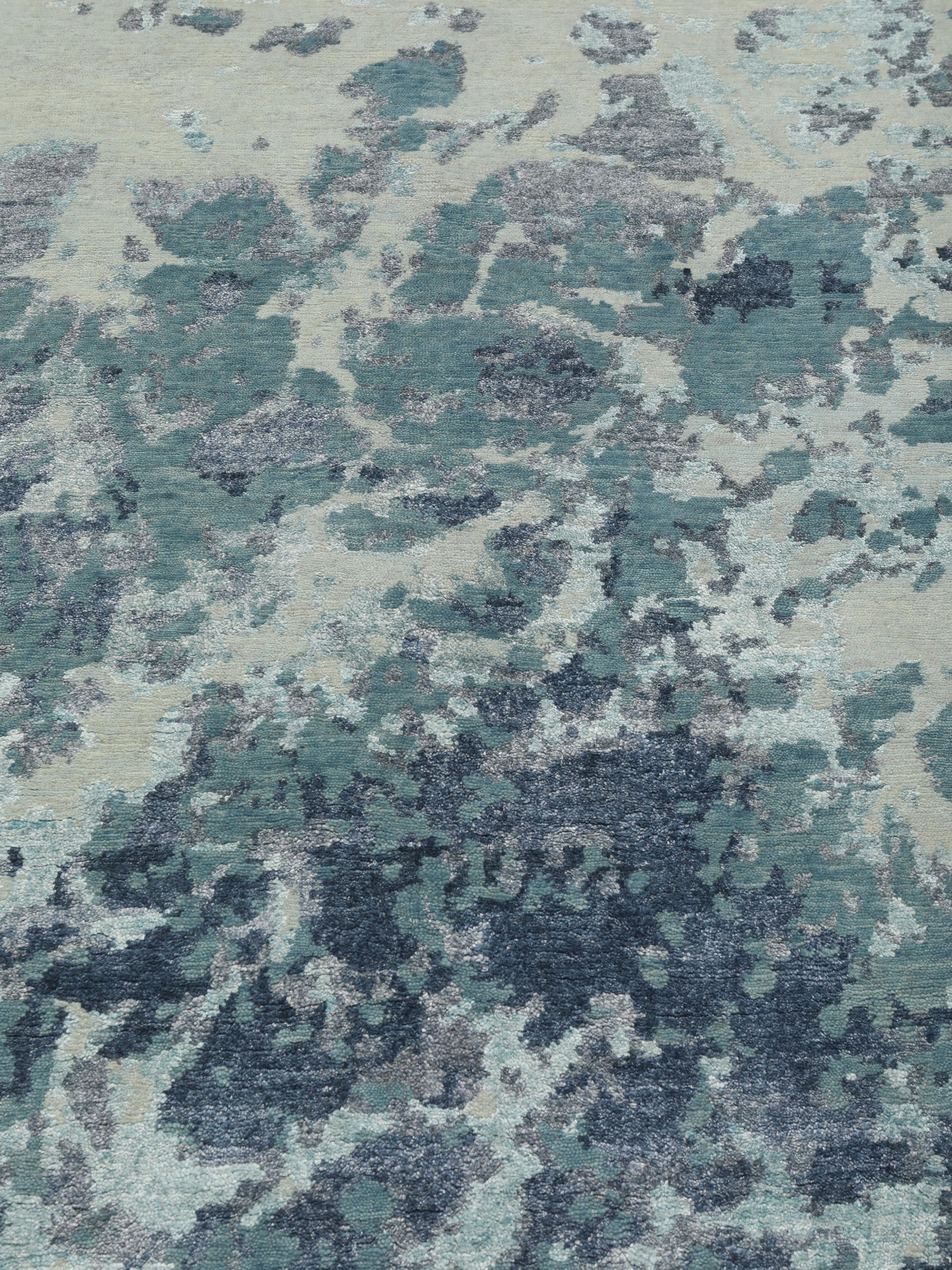
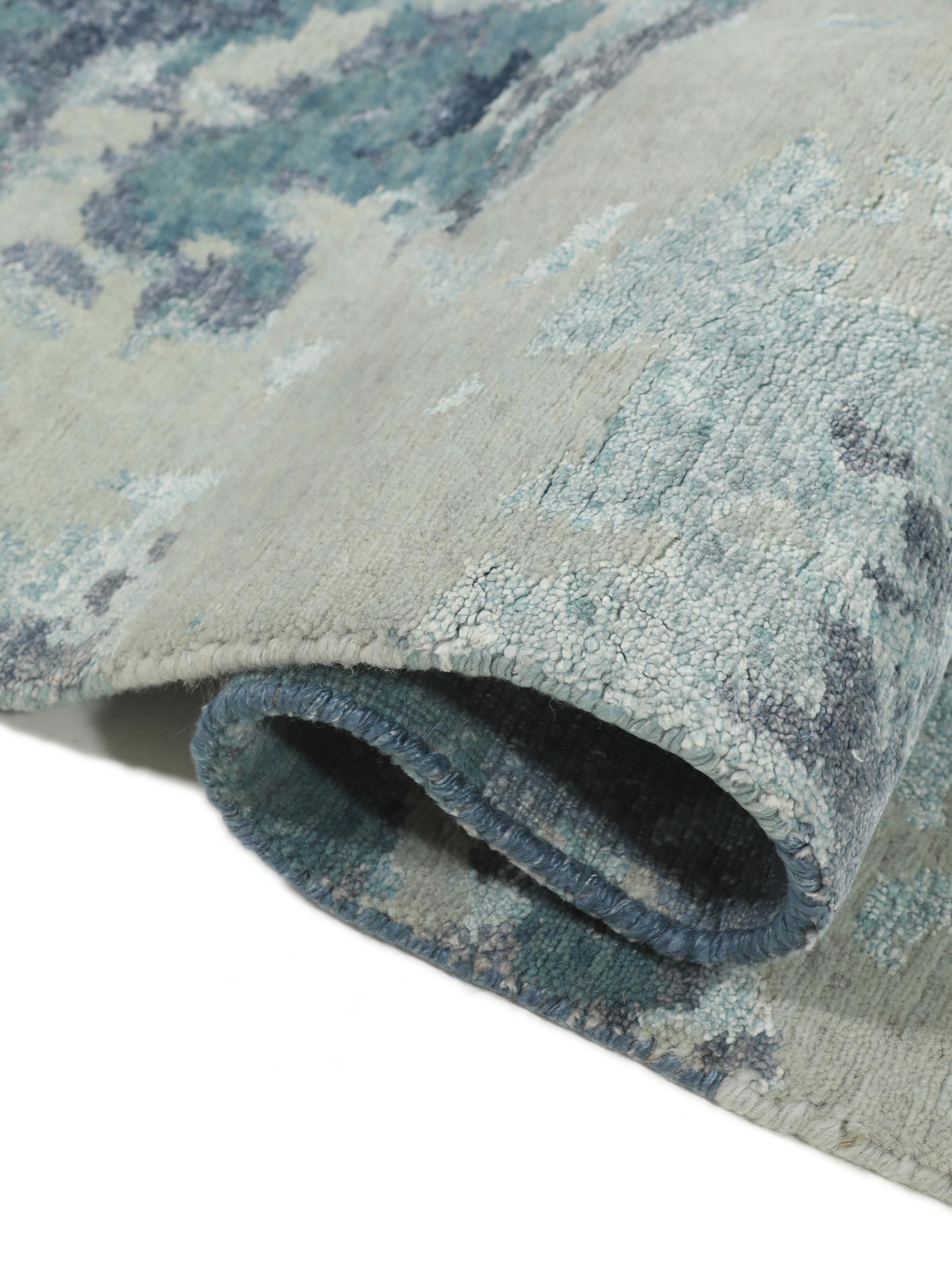
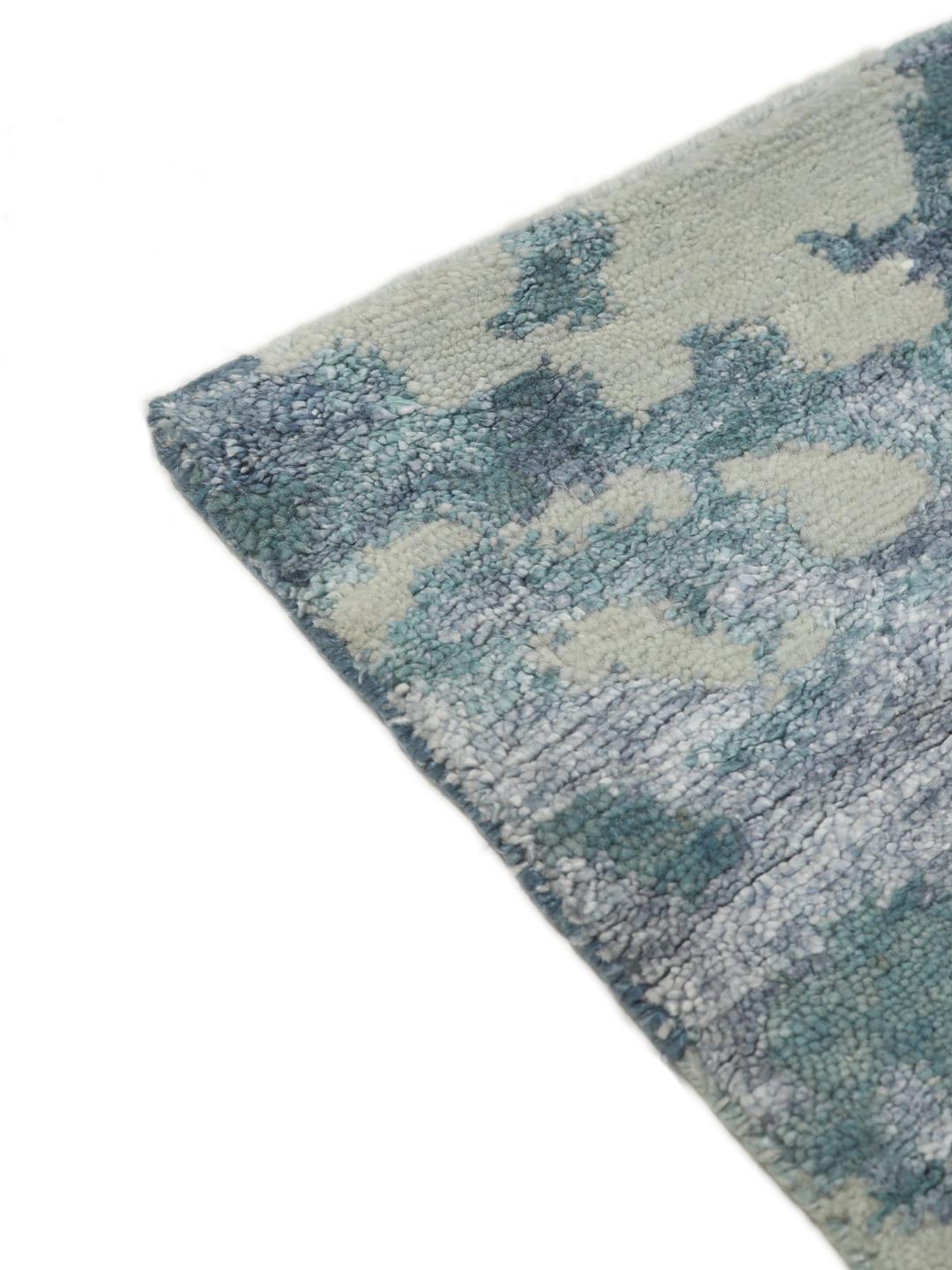
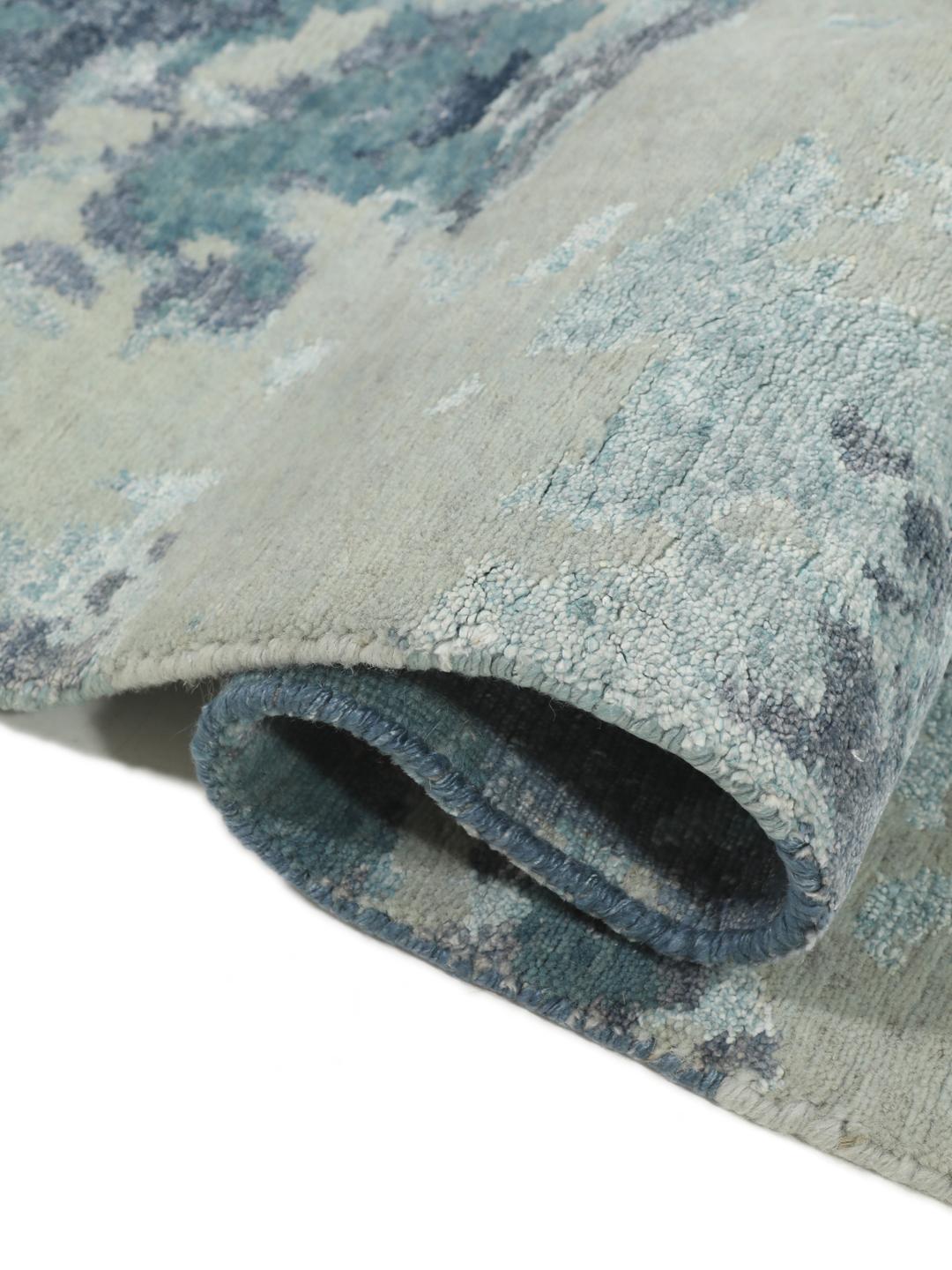
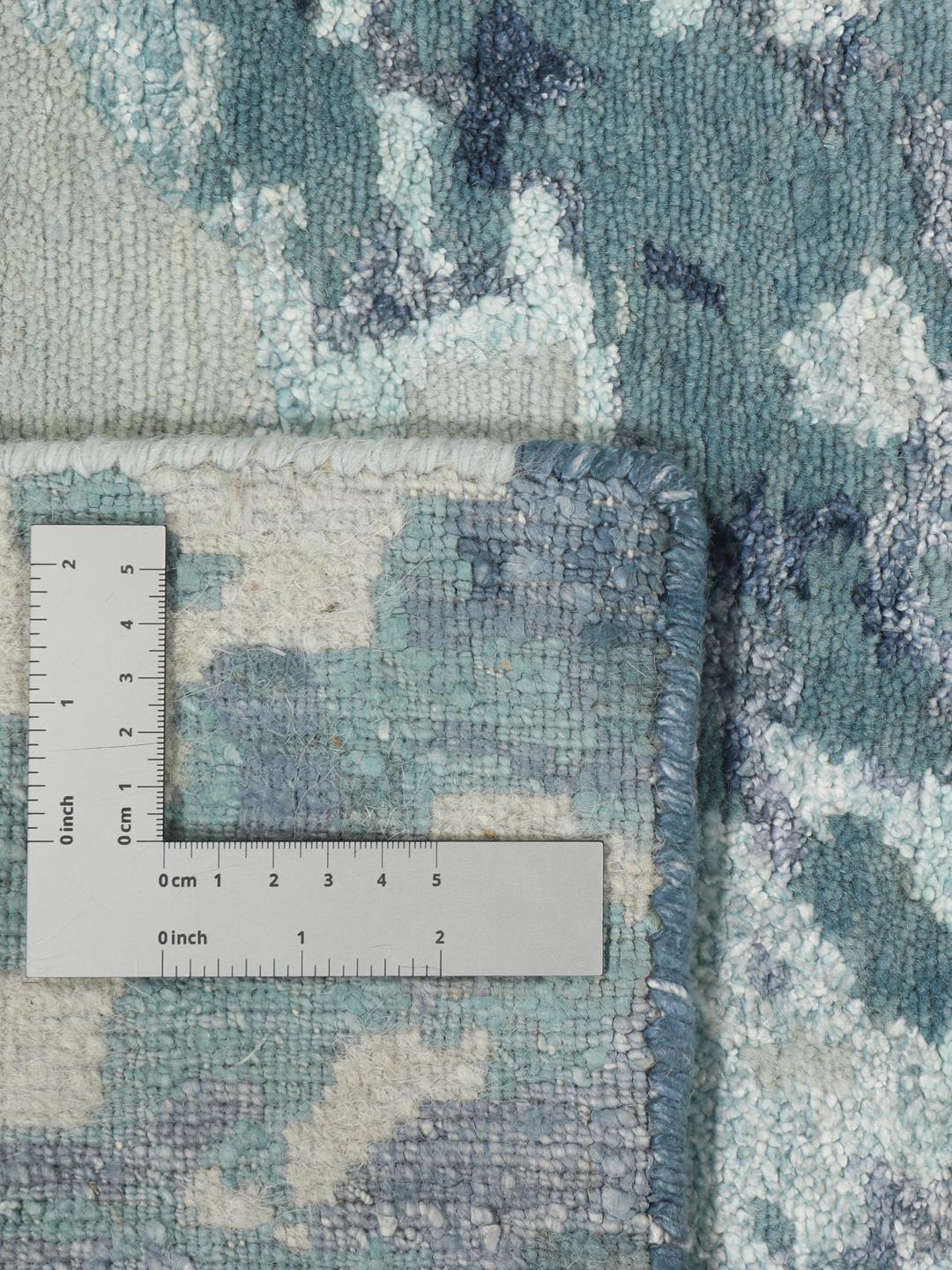
Hand-knotting is the most revered technique in this tradition, where the quality of the finished piece is determined by the precision of the knotting process. This method allows for a level of detail and durability that makes hand-knotted rugs a preferred choice for those who value longevity and authentic craft, as the structure is built to handle the foot traffic of a busy home.
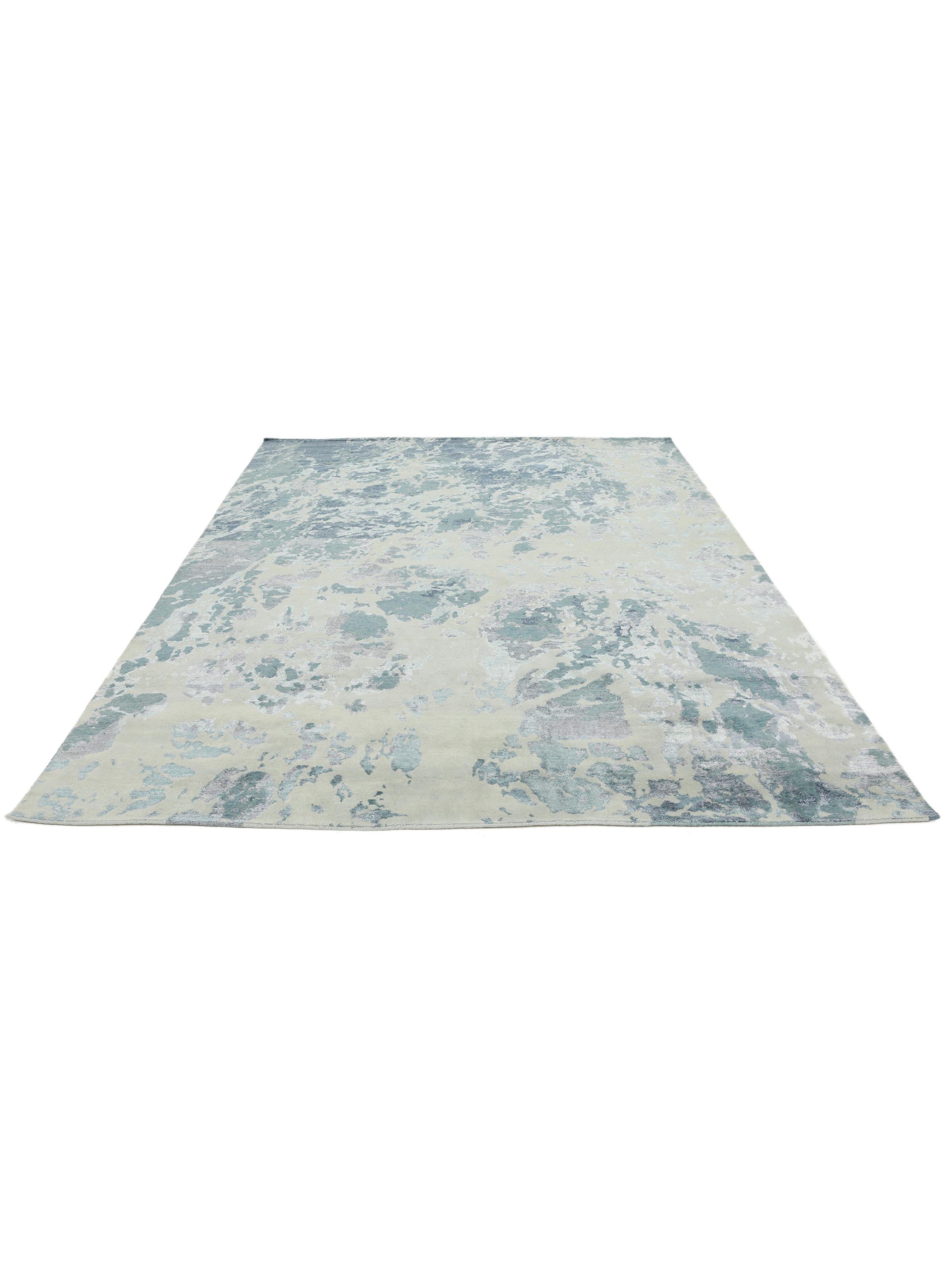
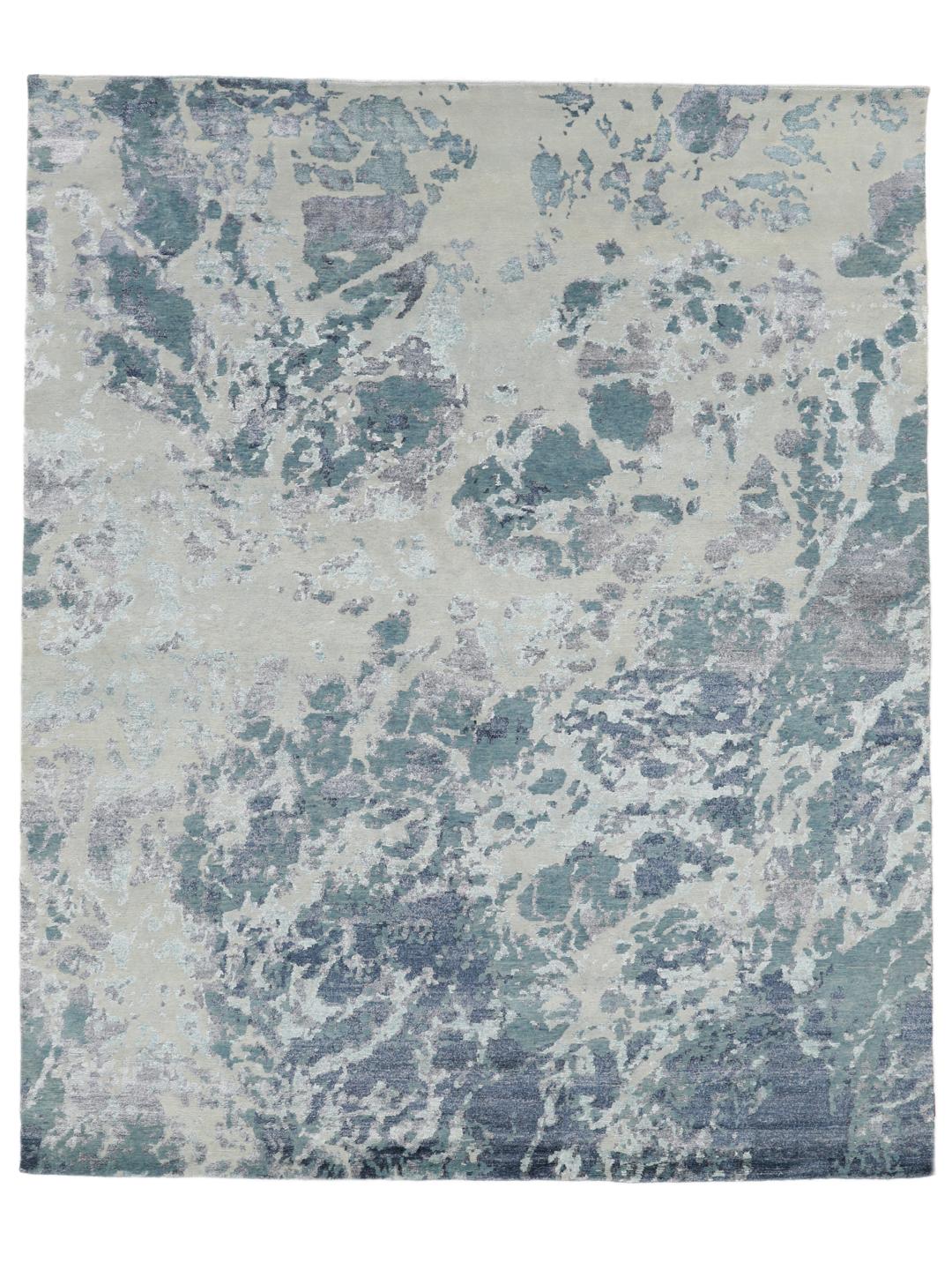
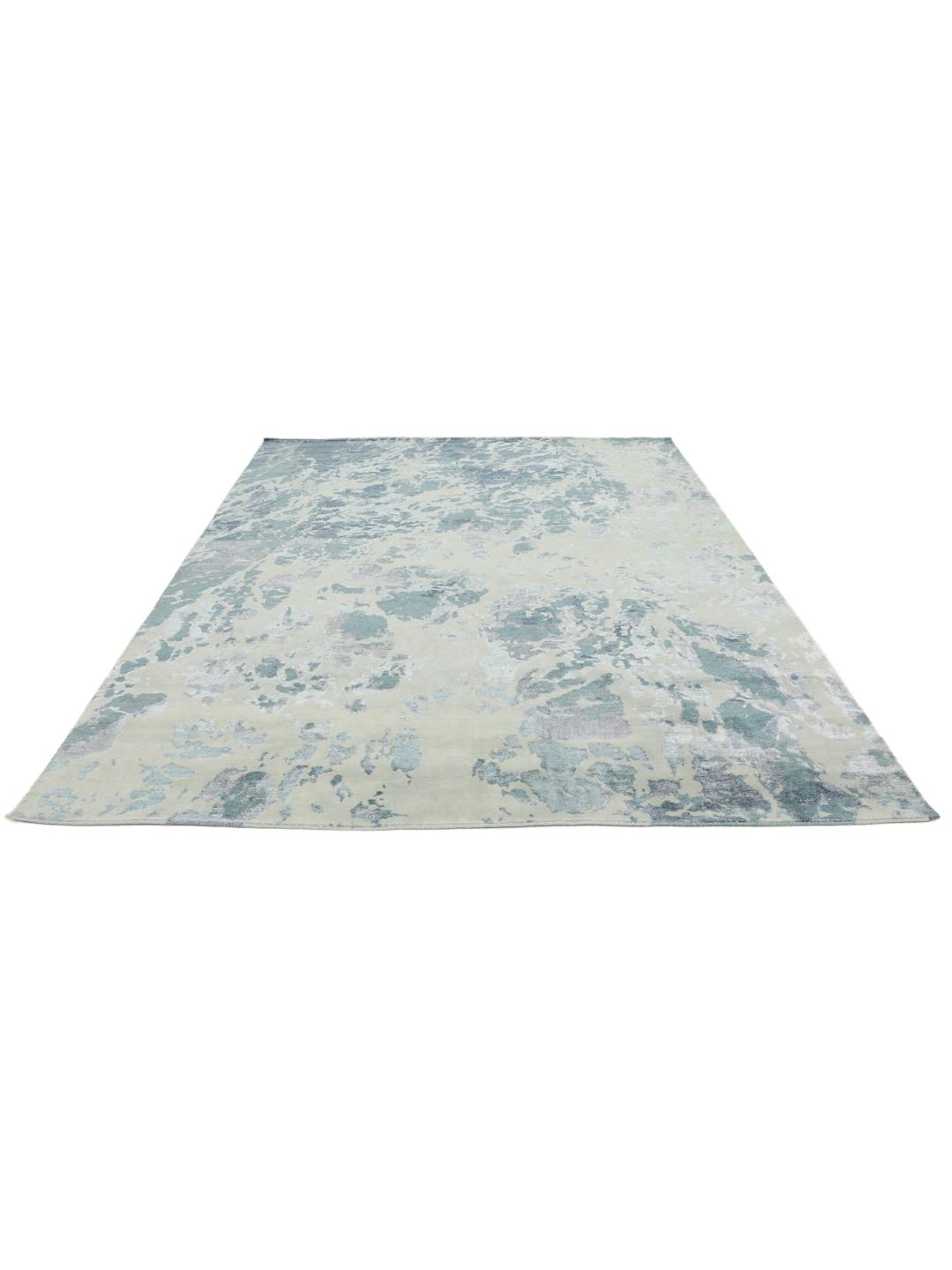
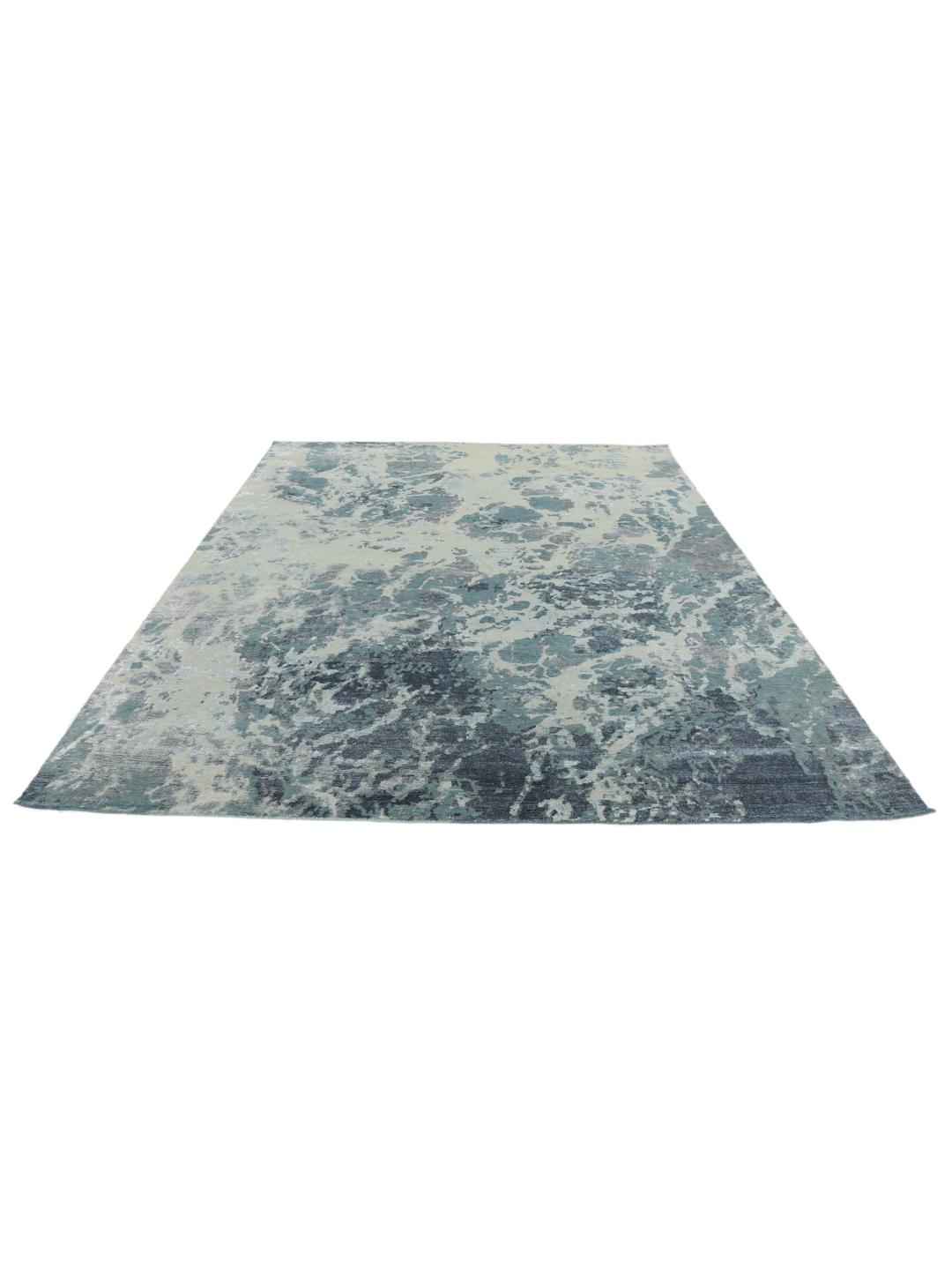
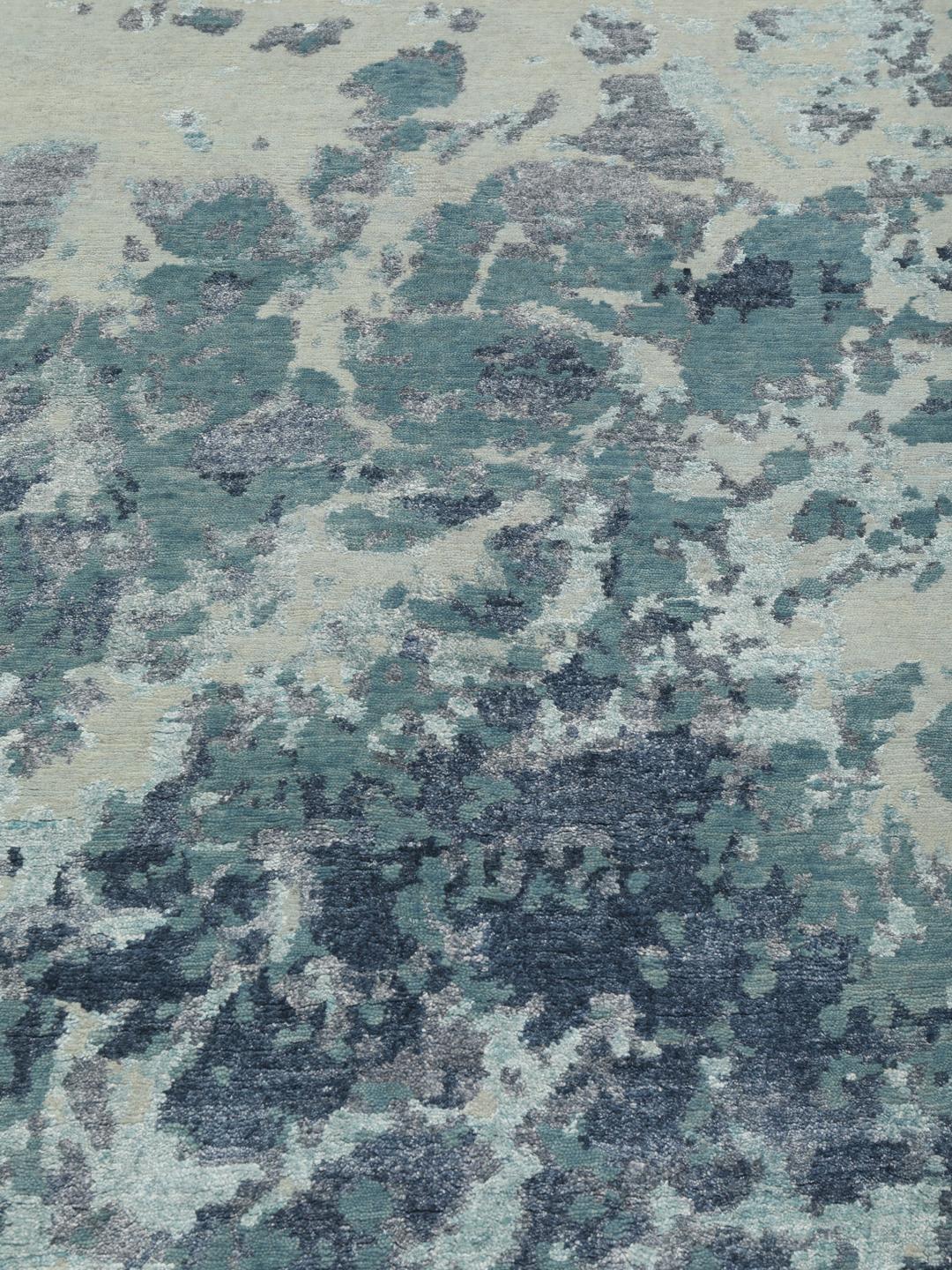
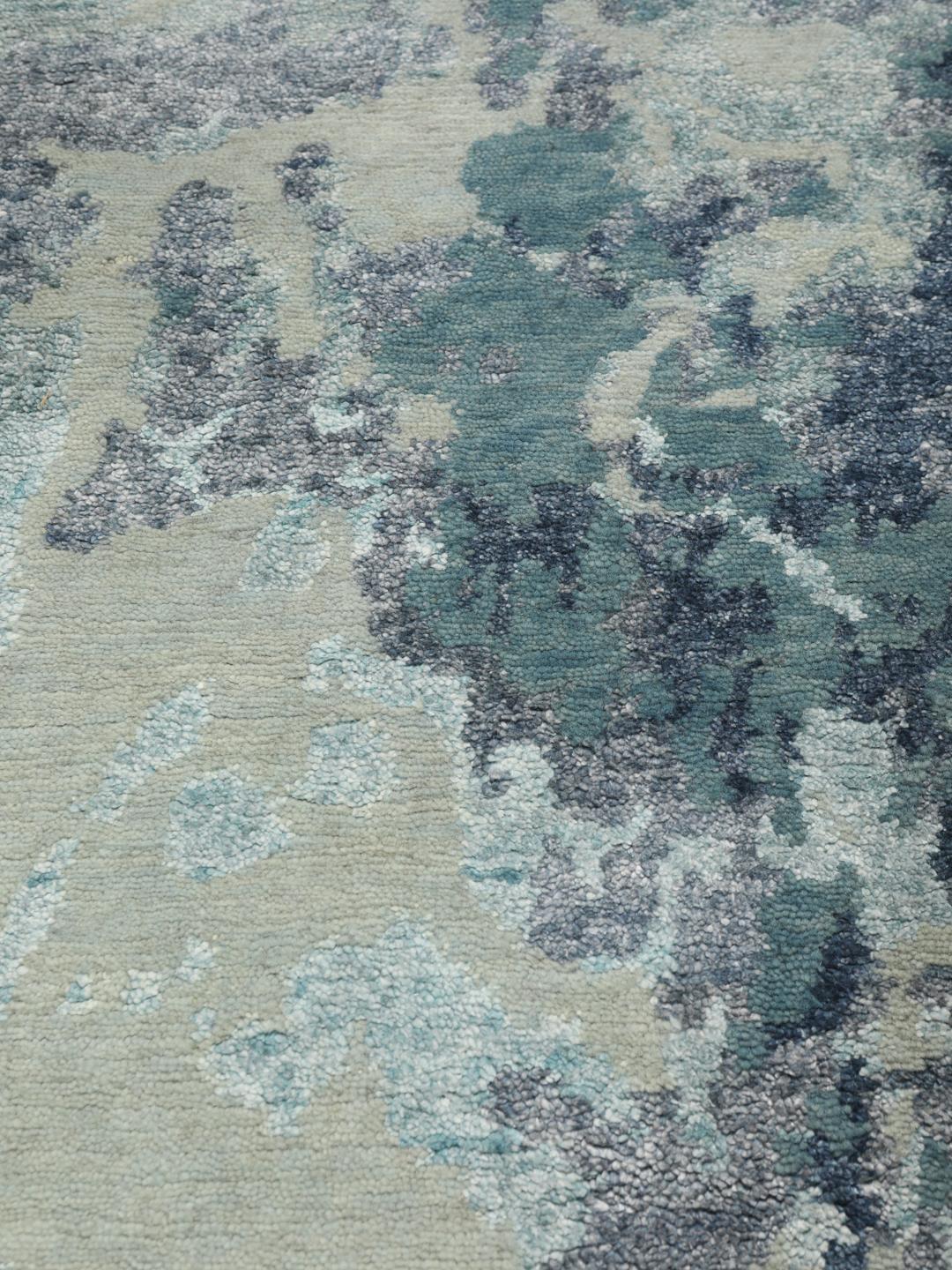
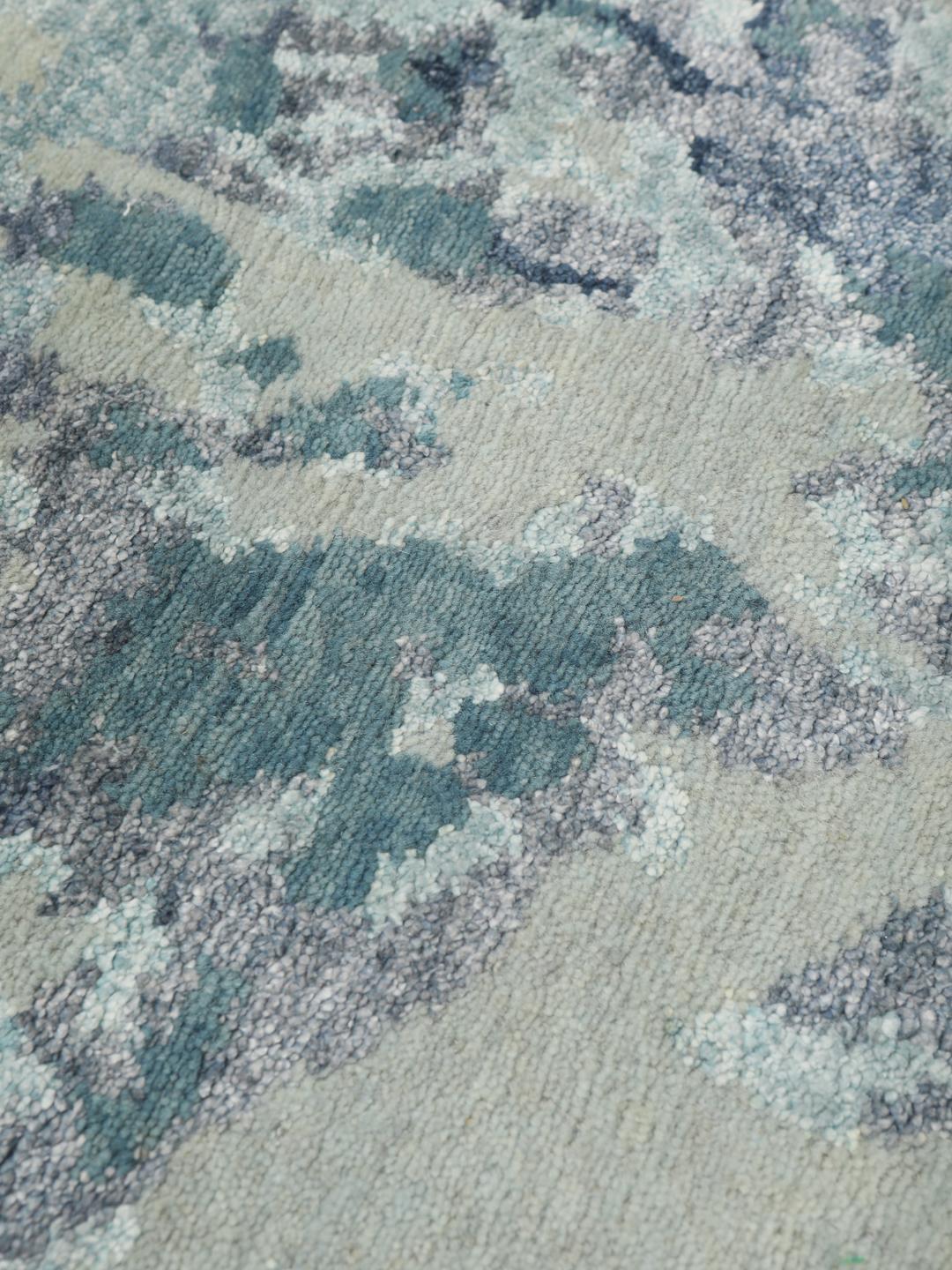
Modern Indian rugs often draw inspiration from the country's rich heritage of colour and texture while embracing contemporary design principles. This particular piece showcases an abstract aesthetic that prioritises fluid, organic forms, moving away from rigid, symmetrical patterns to create a look that feels fresh, artistic, and entirely relevant to today's interior design trends.
Collectors value rugs from this tradition not just for their aesthetic appeal, but for the human story embedded in every fibre. By choosing a hand-knotted piece, you are supporting a legacy of craftsmanship that has been passed down through generations, ensuring that these skills are preserved while gaining a high-quality, durable item that adds cultural depth to your living space.