The tradition of hand-knotted rug making in India is a vibrant blend of ancient techniques and evolving modern aesthetics. While the region is historically renowned for its adaptation of classic motifs, today it stands at the forefront of contemporary textile design, merging traditional craftsmanship with modern artistic expression. This migration of style has allowed Indian weavers to become global leaders in creating rugs that feel both rooted in history and perfectly suited for the modern home.
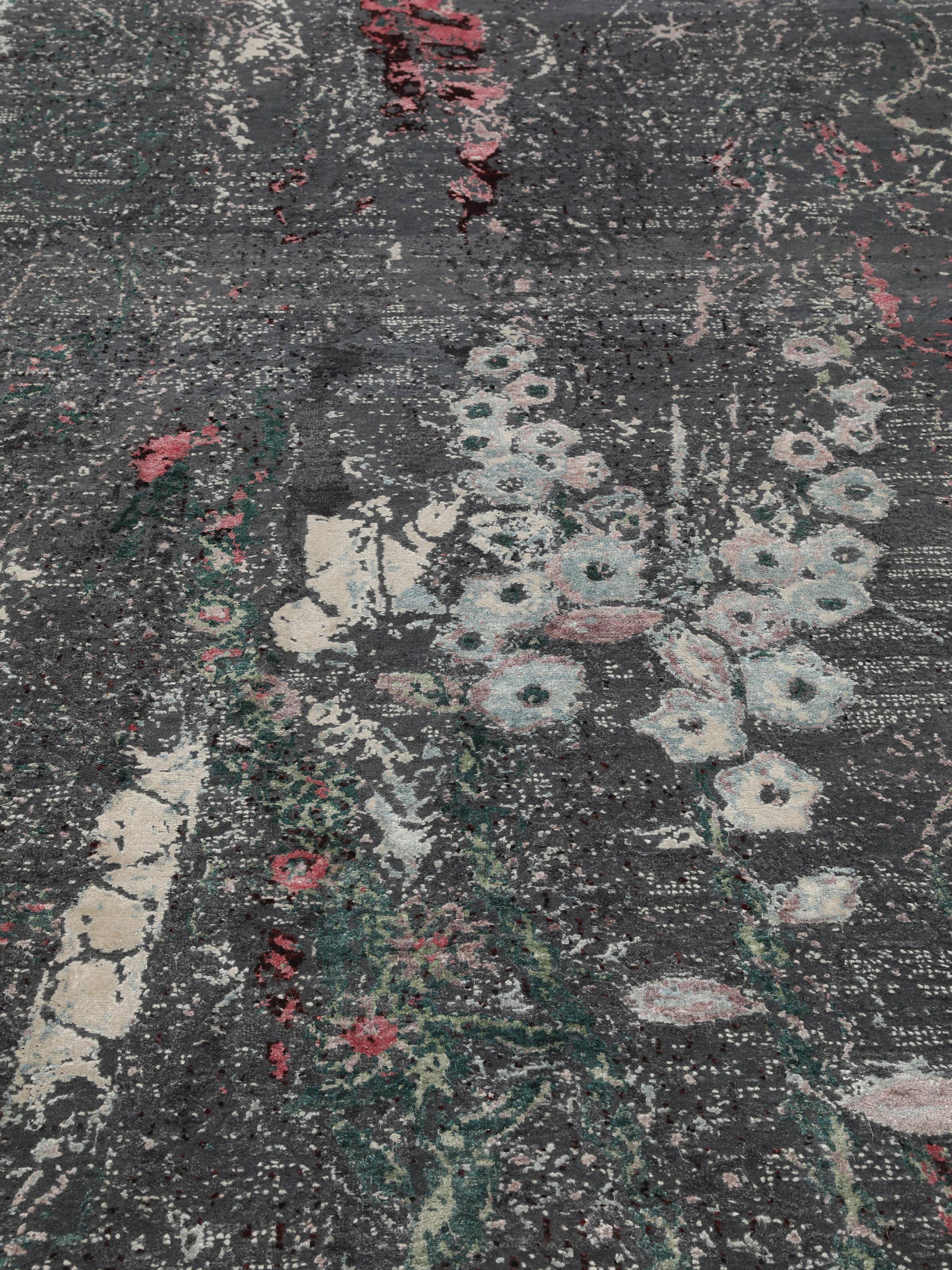
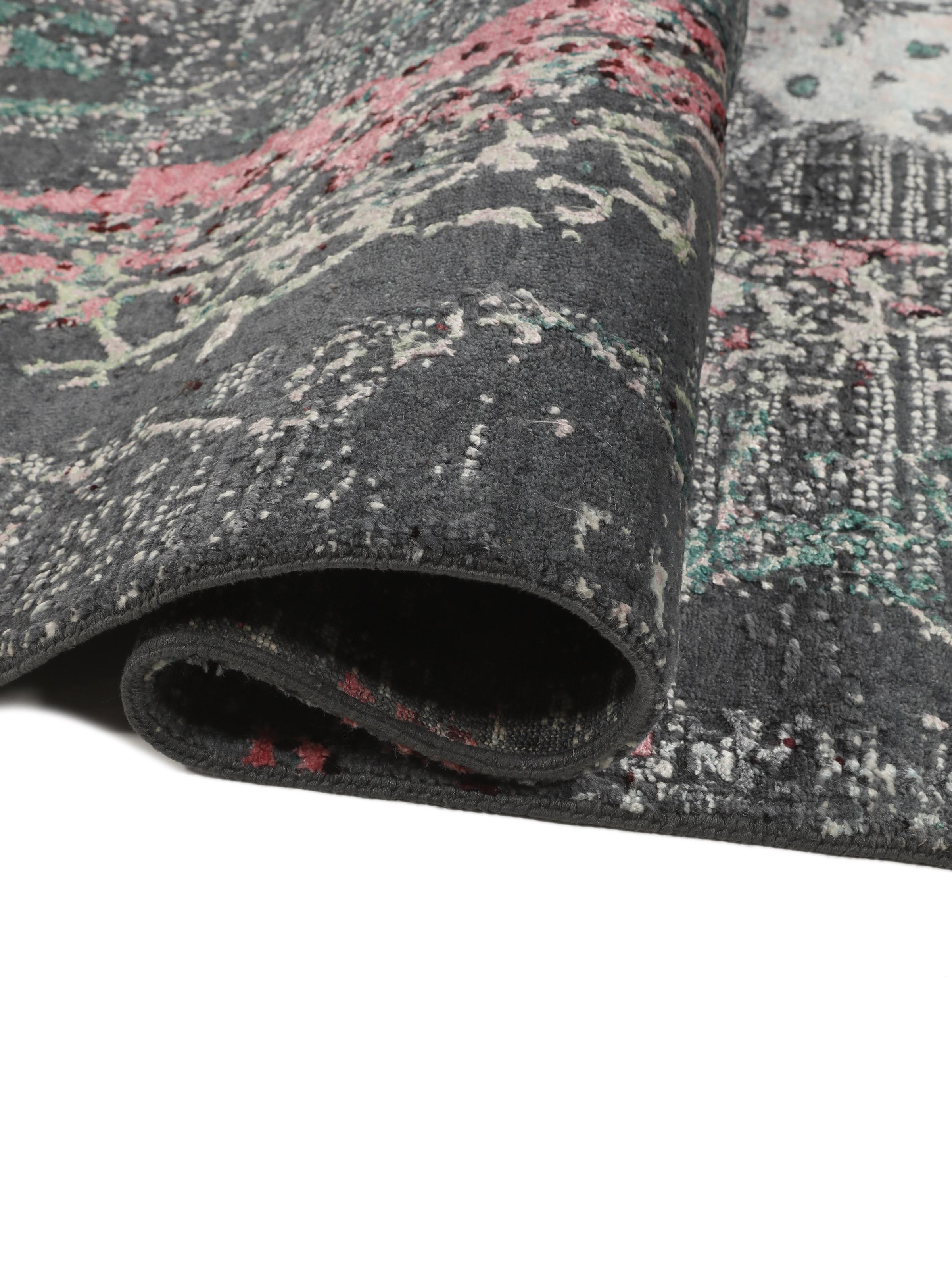
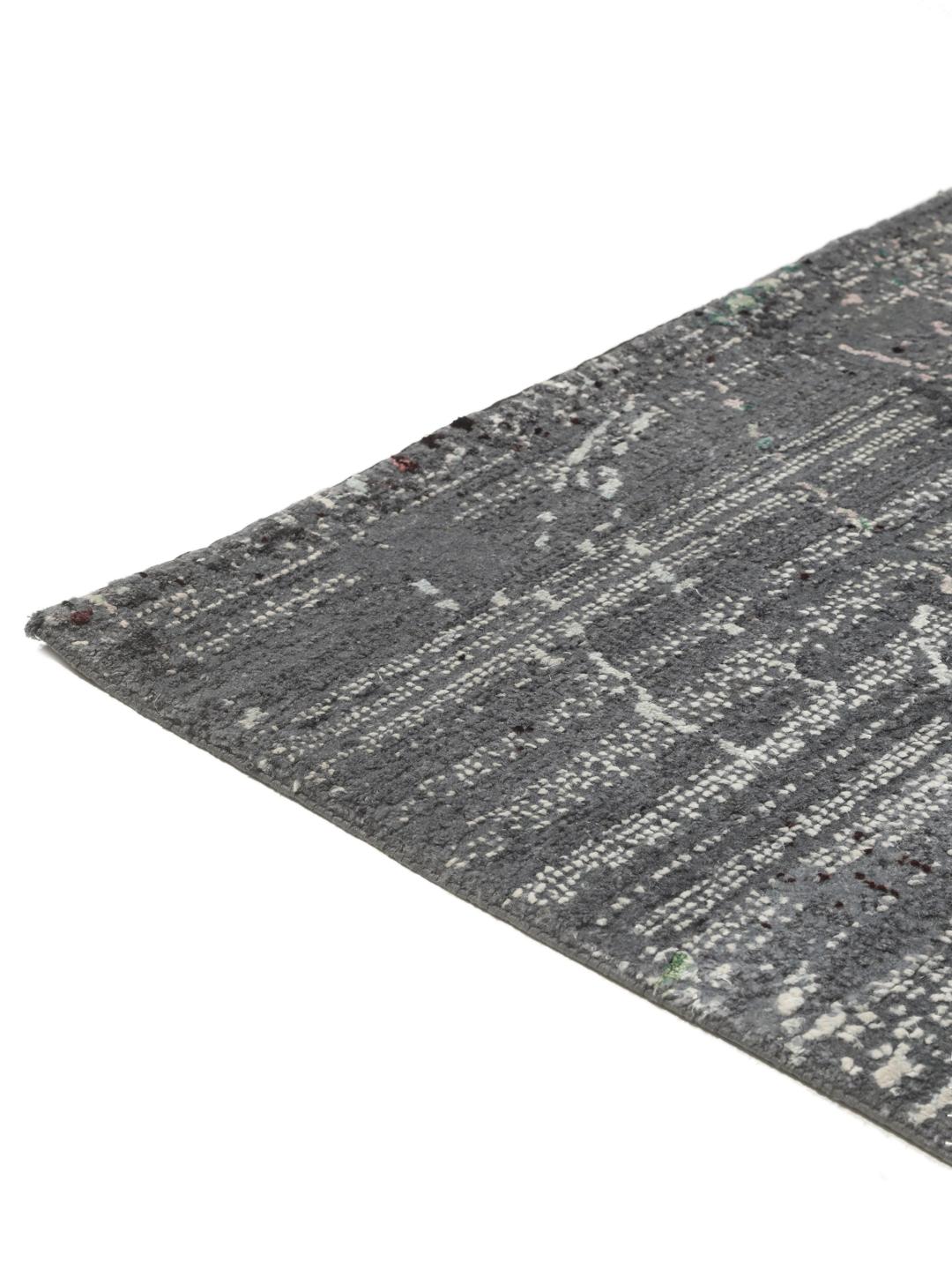
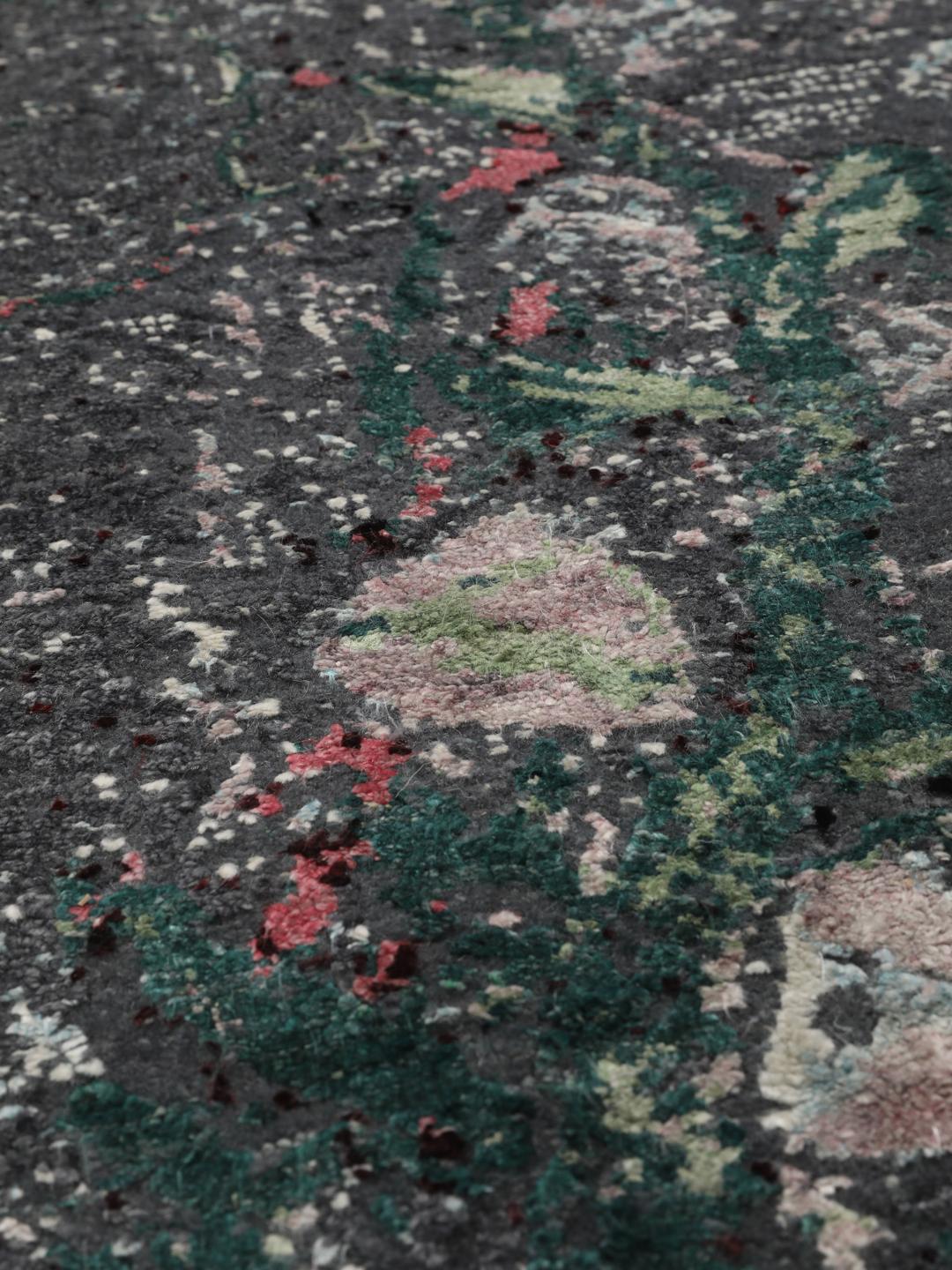
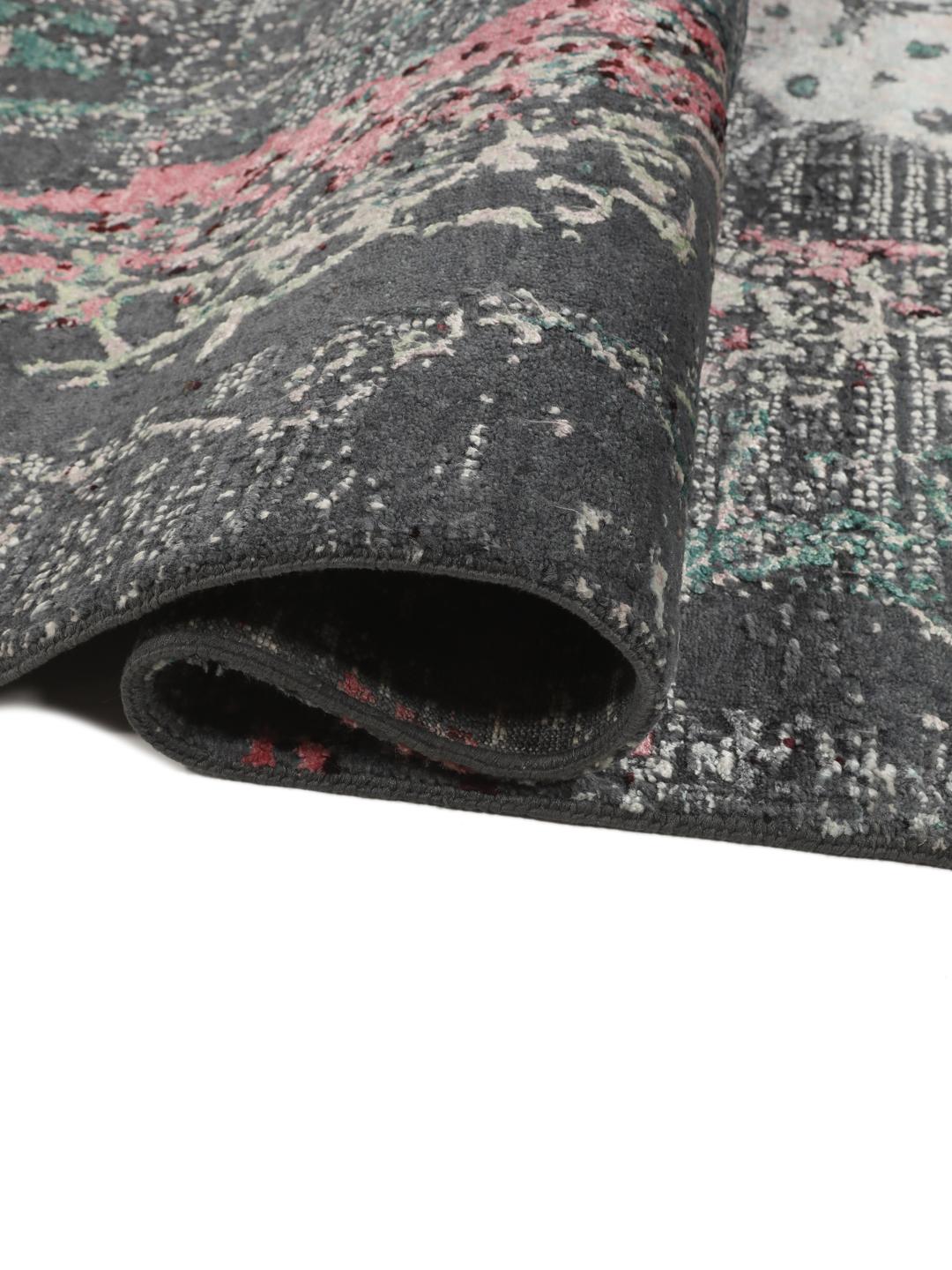
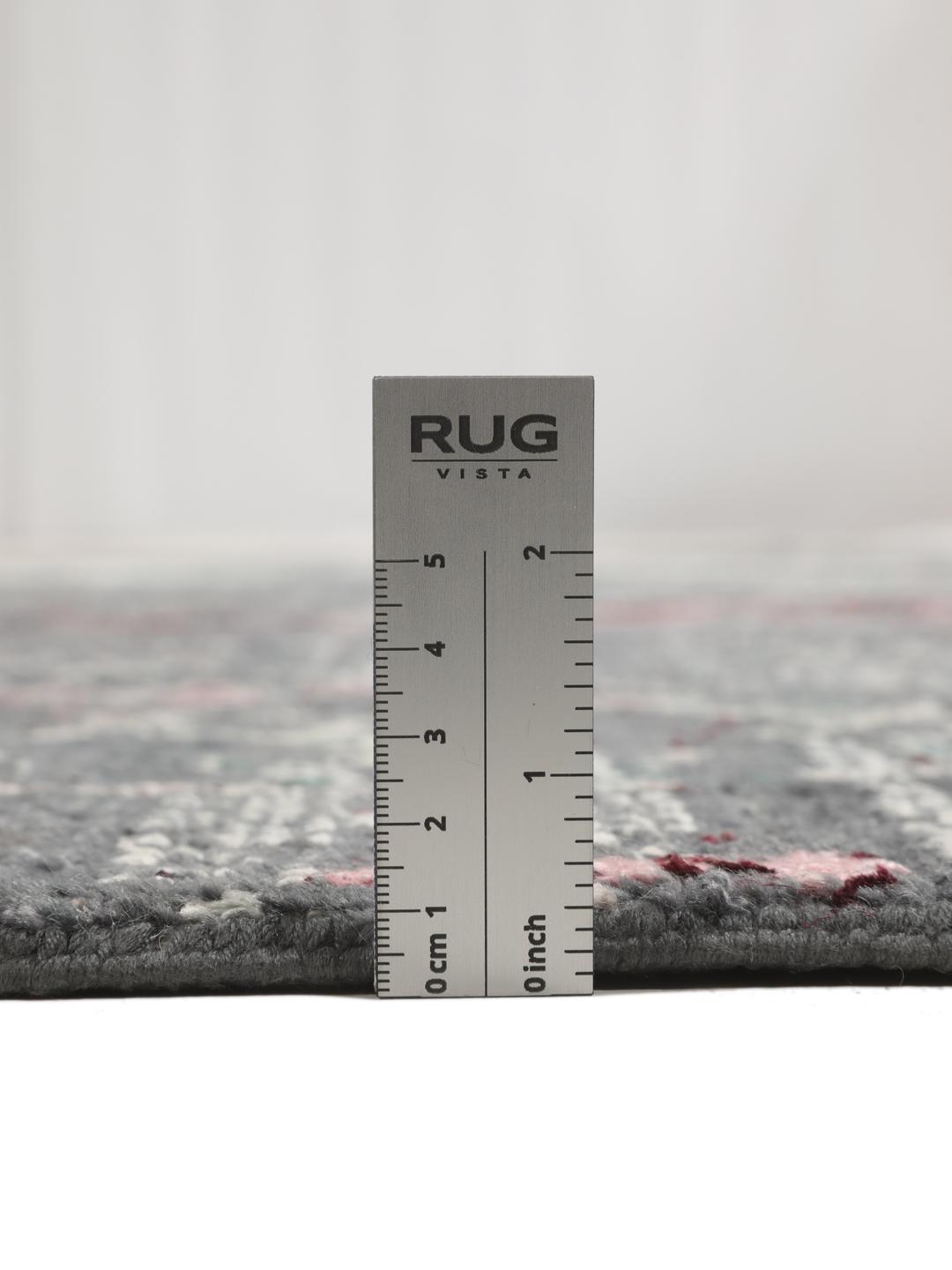
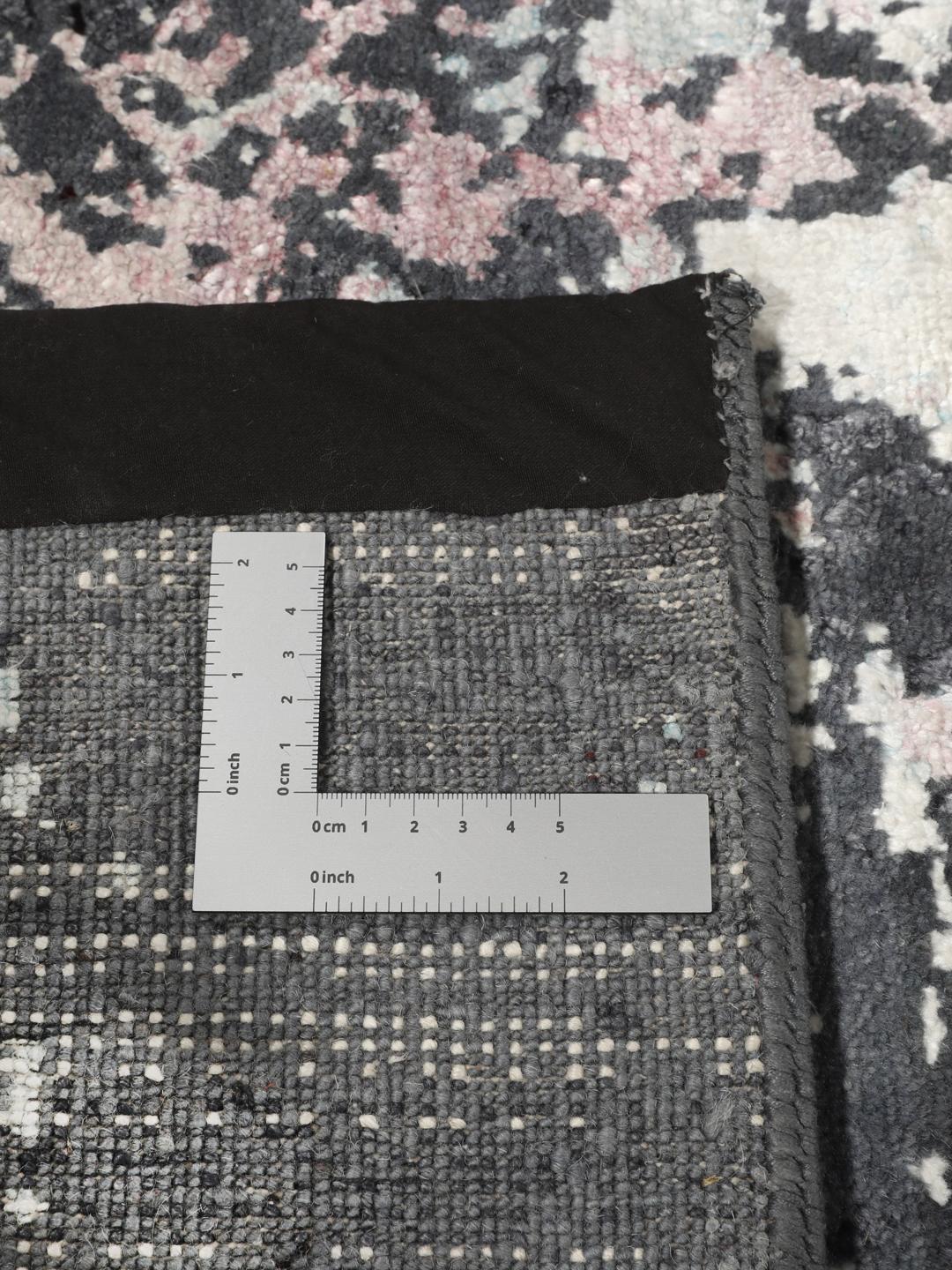
The term hand-knotted refers to the oldest and most respected method of rug construction, where every single knot is tied by hand. This process is essential for creating a pile that is dense, resilient, and capable of holding complex designs. For the owner, this means the rug possesses a level of structural integrity that allows it to age gracefully, maintaining its texture and visual impact far longer than tufted or machine-made alternatives.
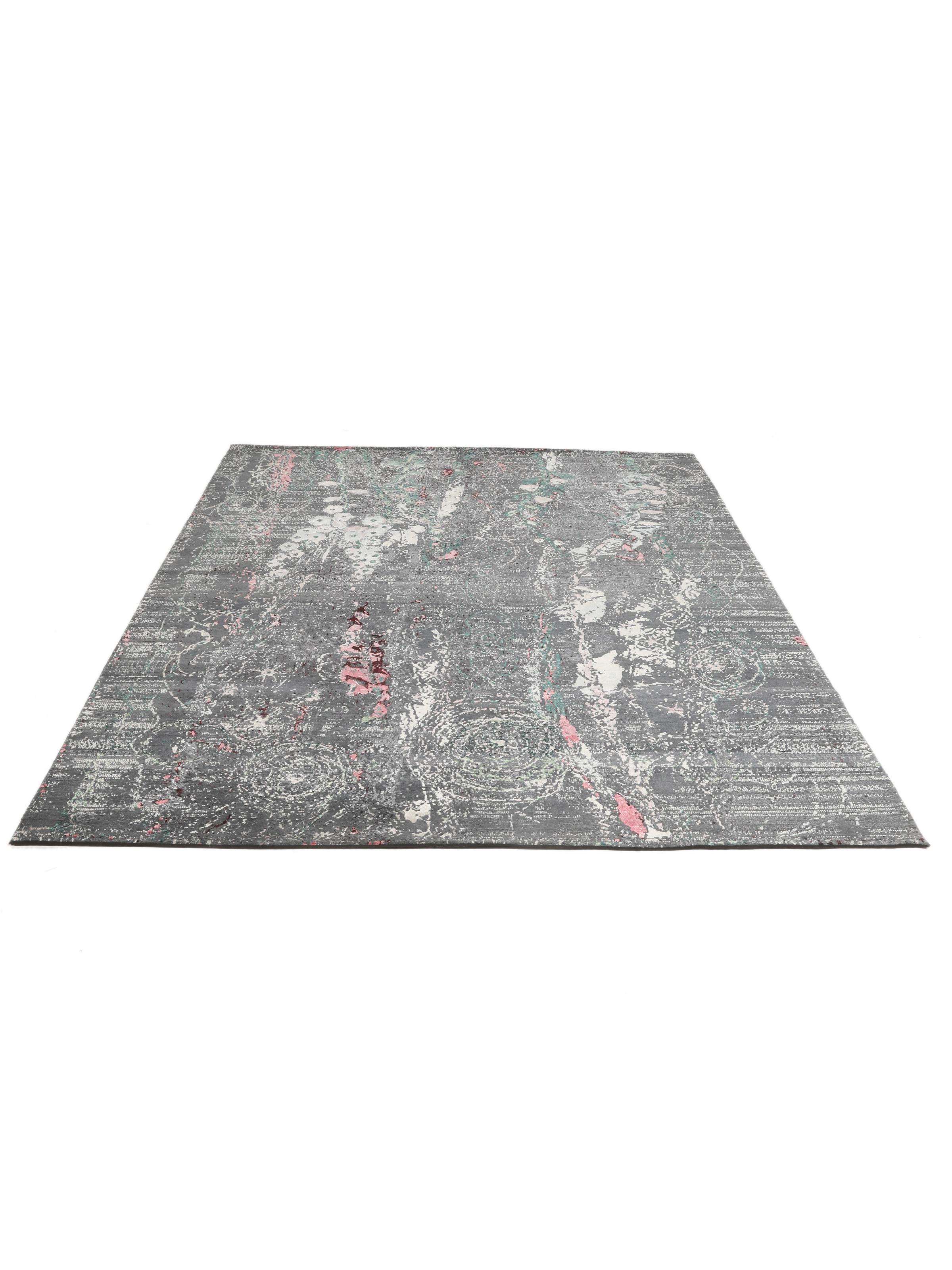
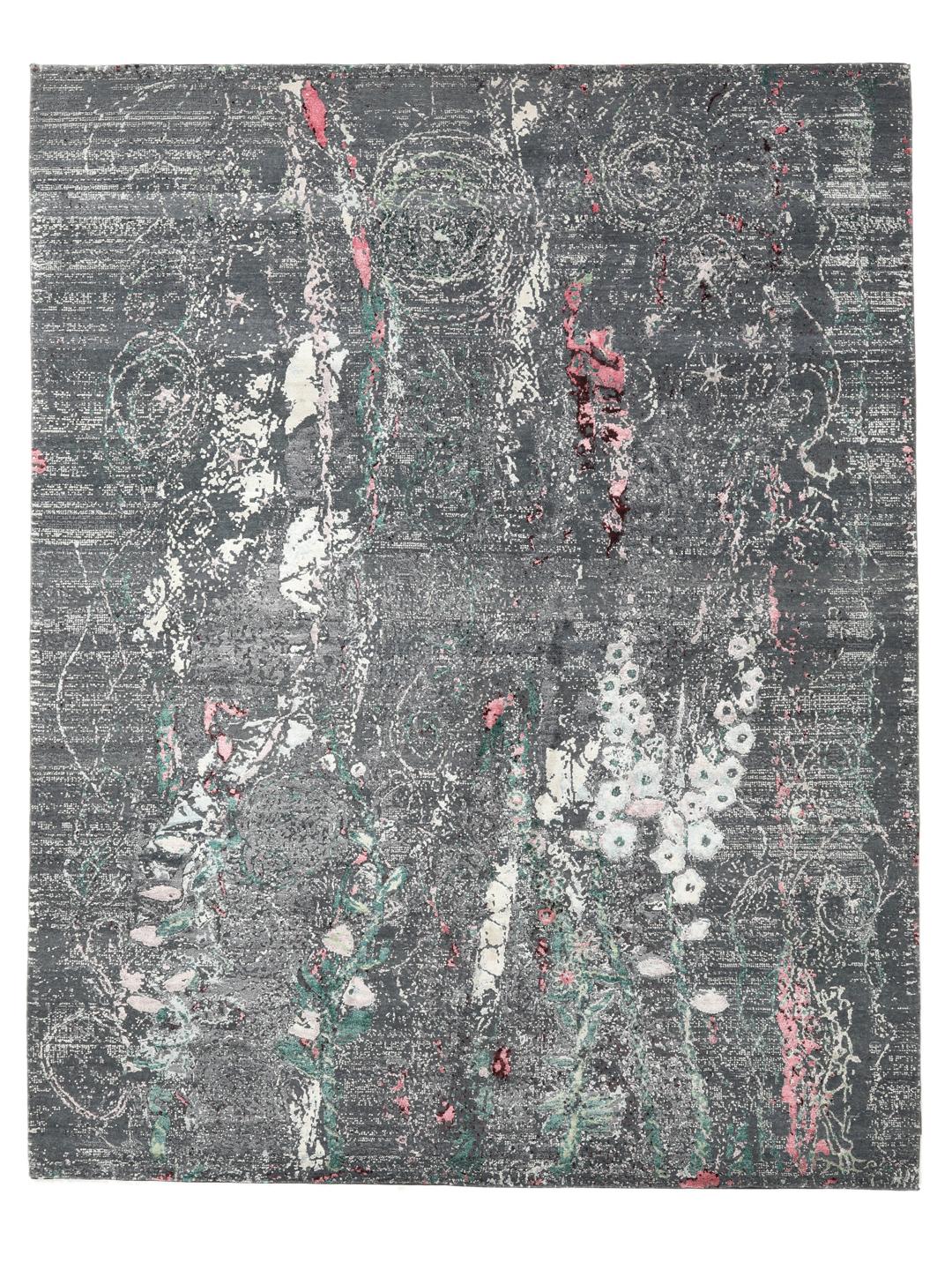
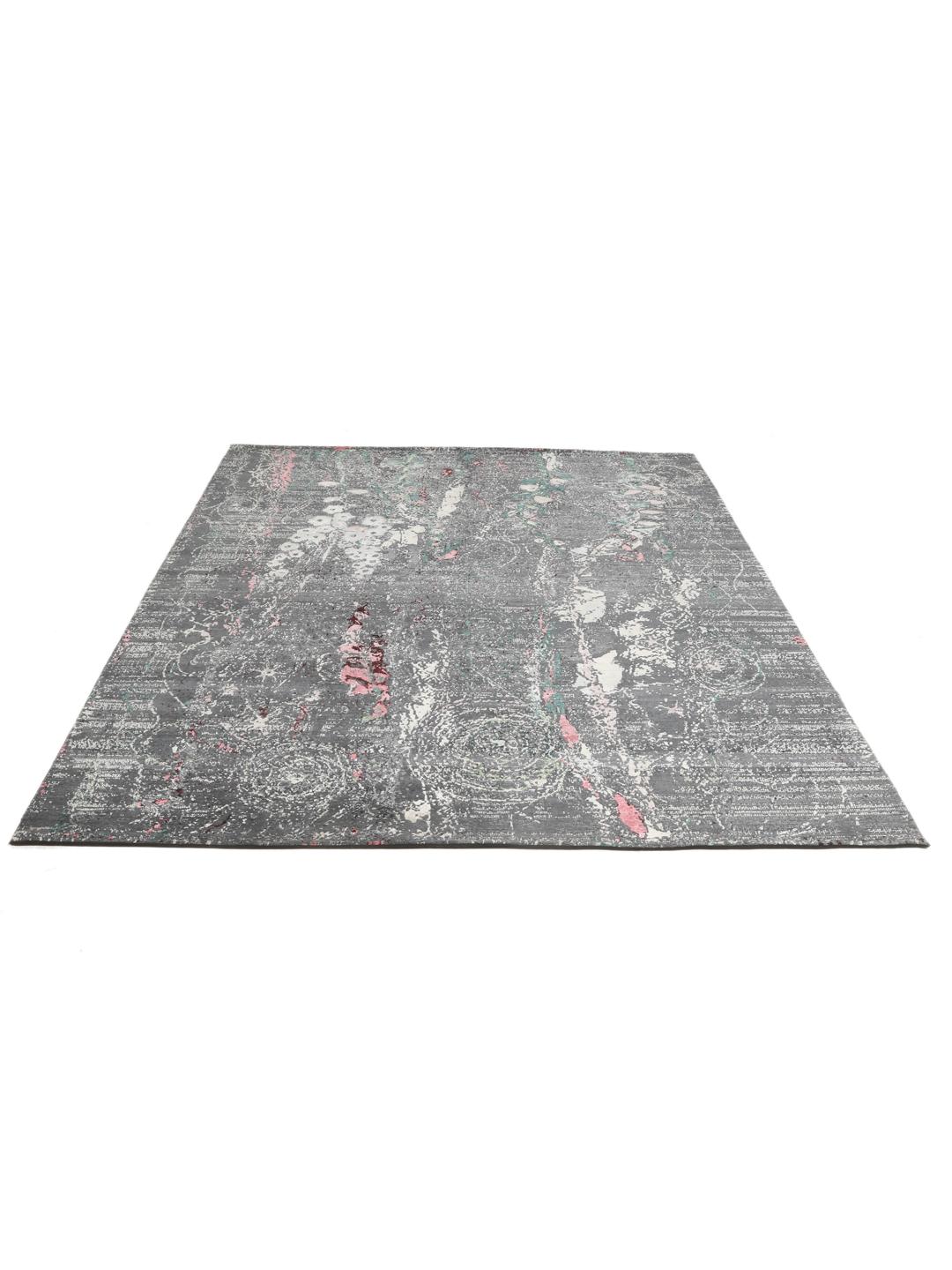
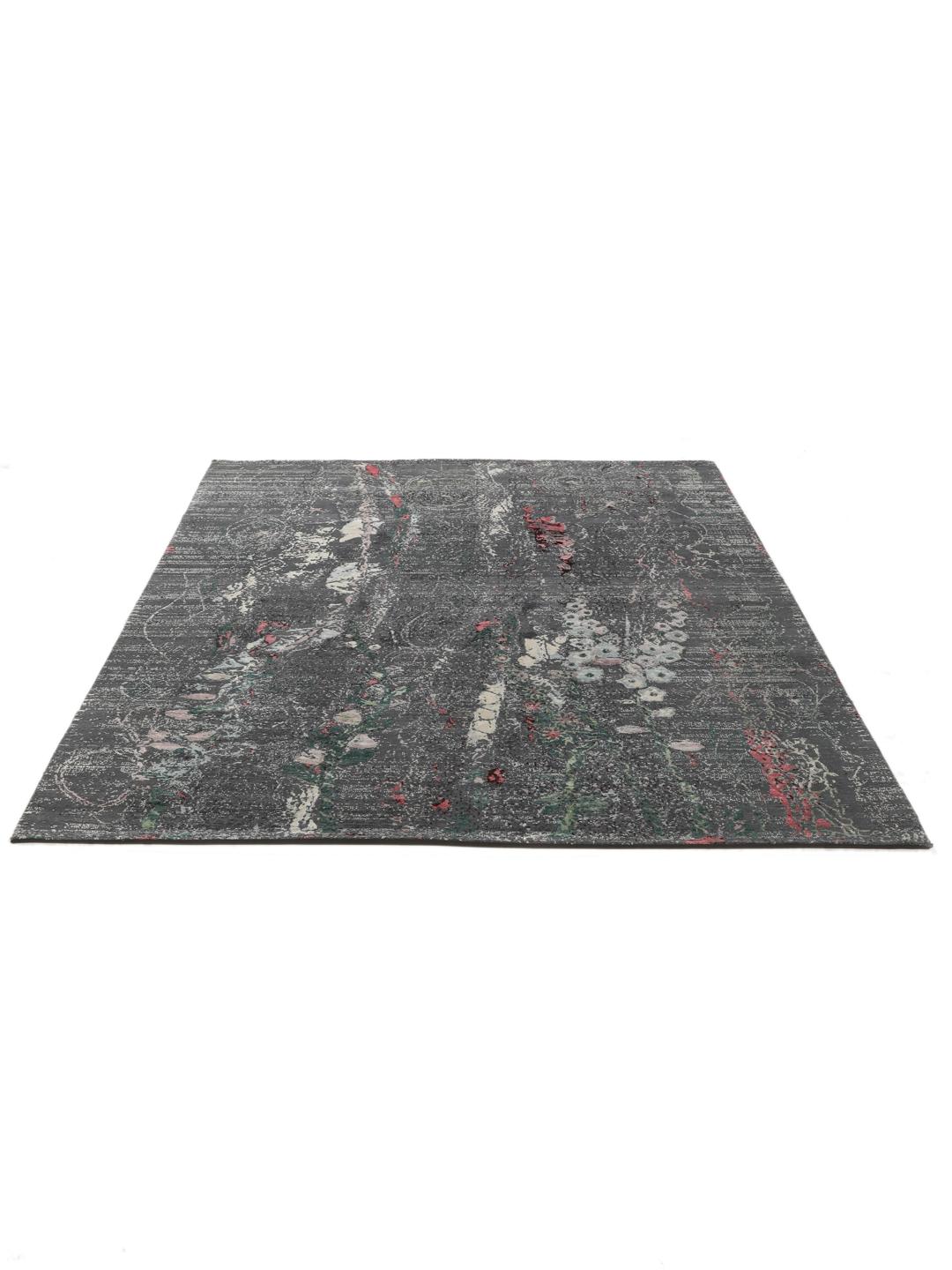
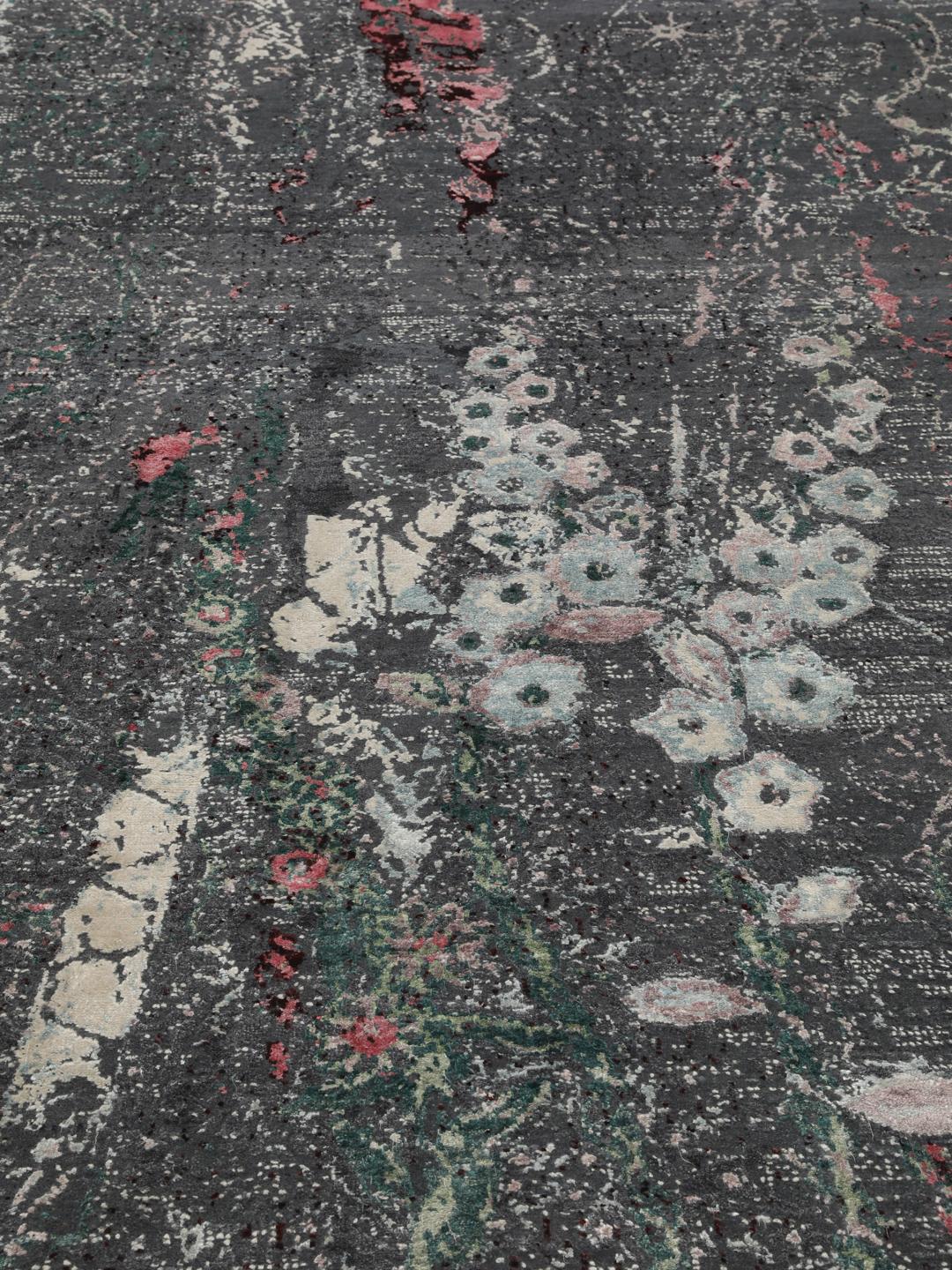
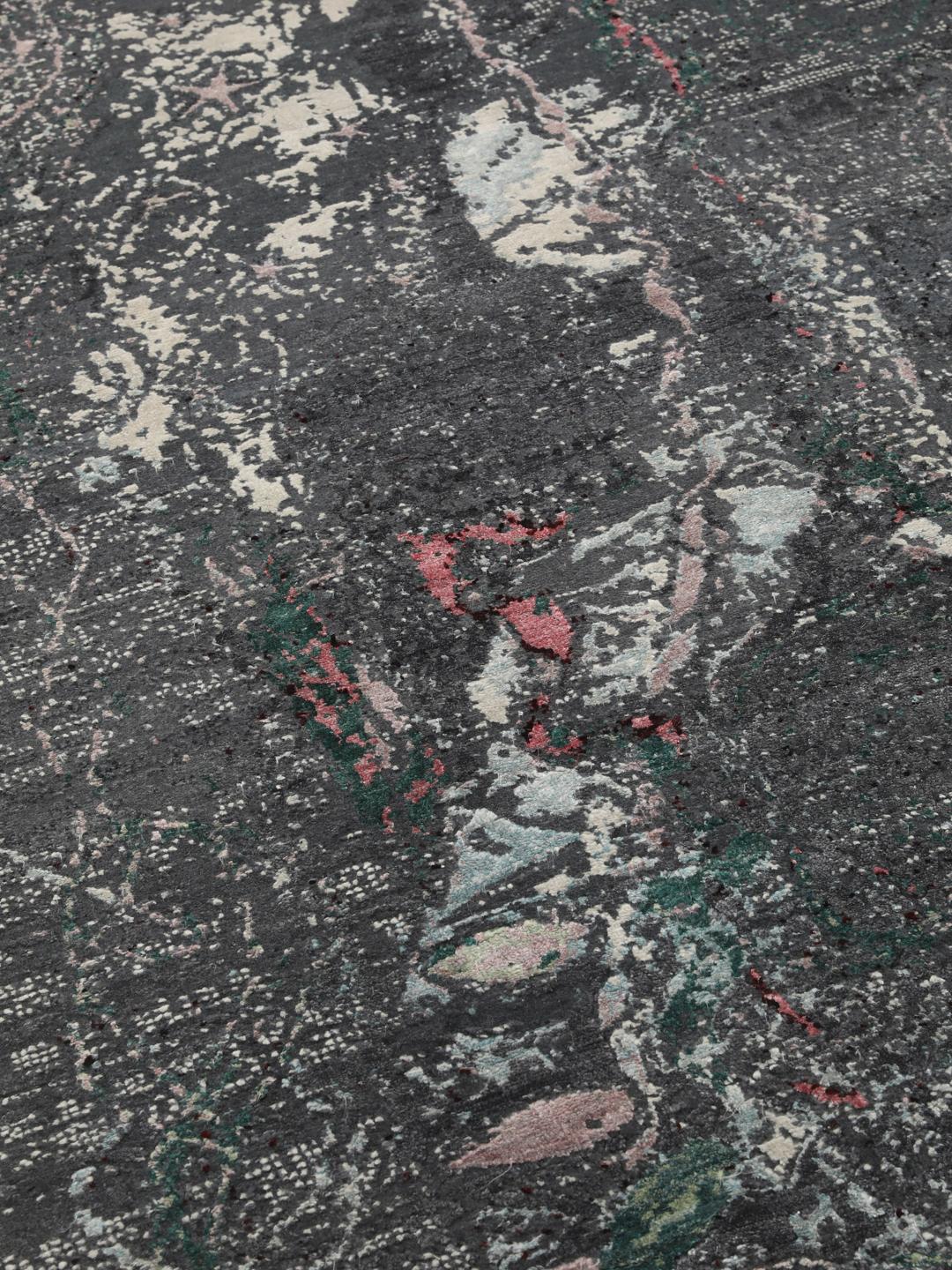
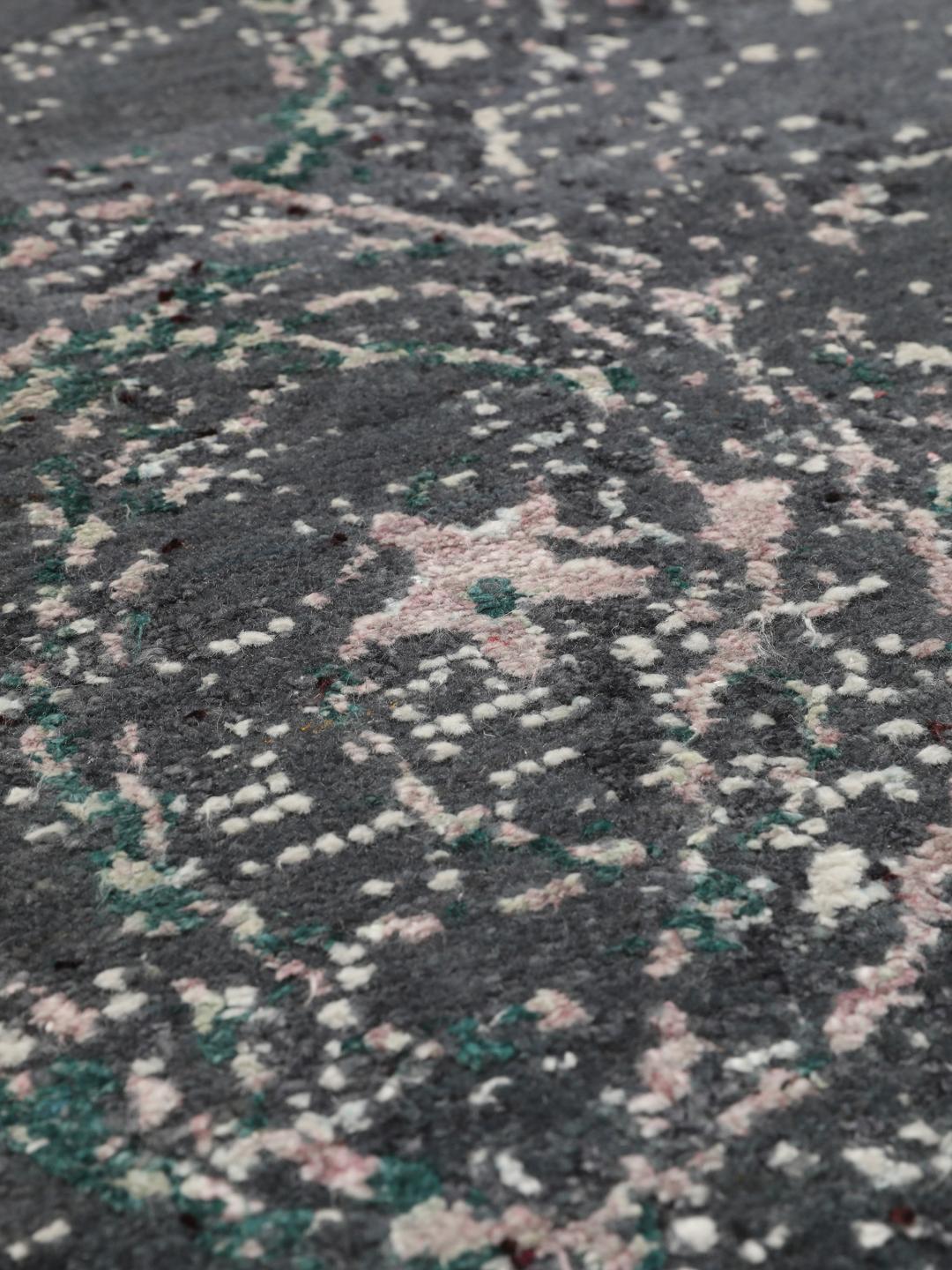
Visually, this piece draws from the artistic and abstract traditions that define modern rug design. Rather than relying on rigid, repetitive symmetry, it embraces a more organic, painterly approach. The use of varied shapes and flowing lines creates a dynamic surface that changes as light hits the different textures of the pile, offering a sophisticated look that complements diverse interior settings.
Collecting a hand-knotted rug of this calibre is an acknowledgement of the skill and patience required to produce it. It represents a bridge between the artisan's workspace and your living area, carrying with it a sense of heritage that mass manufacturing cannot replicate. By choosing such a piece, you are supporting a craft tradition that has been perfected over centuries, ensuring that this artistic legacy continues to thrive.