The tradition of hand-knotted rug making in India has a storied history that dates back centuries, heavily influenced by the arrival of Middle Eastern weavers during the Mughal Empire. Over time, these techniques blended with local artistic sensibilities, resulting in a unique Indian style that is celebrated for its intricate detail and sophisticated use of colour. Today, India remains one of the most important centres for fine rug production in the world.
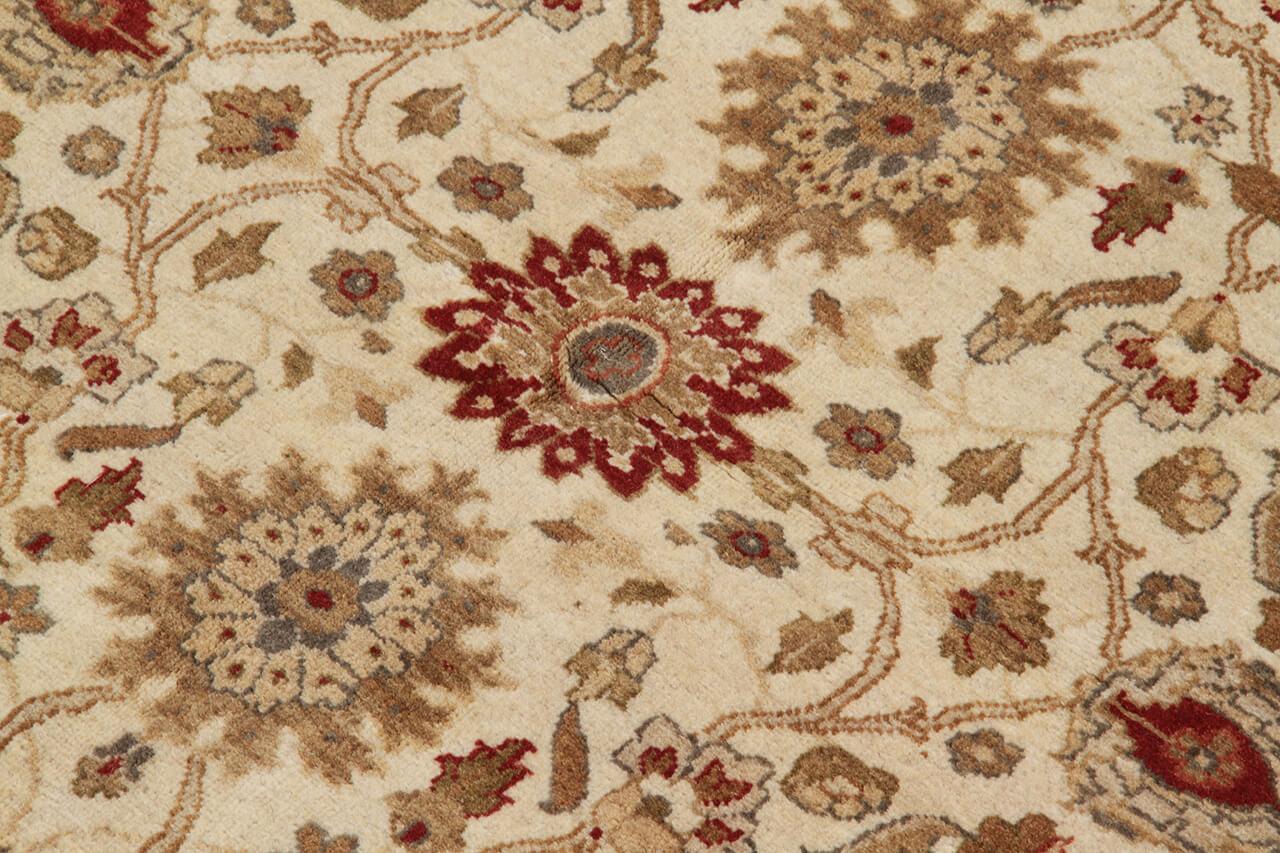
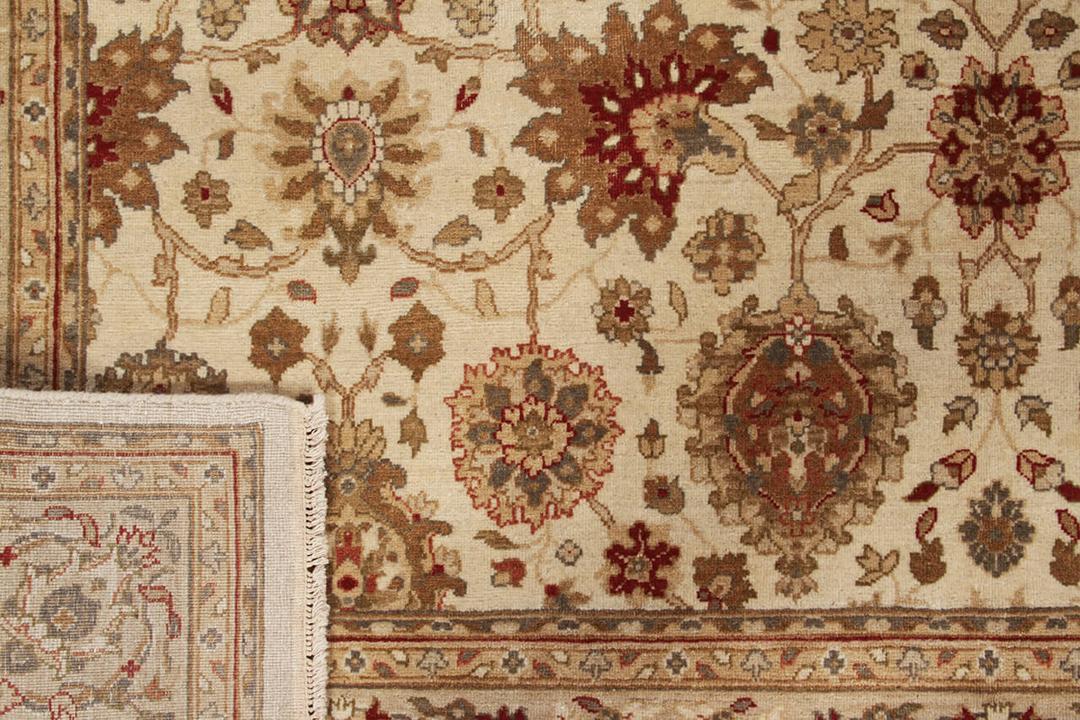
Technical terms such as hand-knotted refer to the specific method of wrapping yarn around the warp threads to create the pile. This is the gold standard of rug construction, as it creates a sturdy, long-lasting surface that is resistant to wear. The use of a dense pile construction ensures that the rug remains plush and vibrant, even after years of use in a busy home.
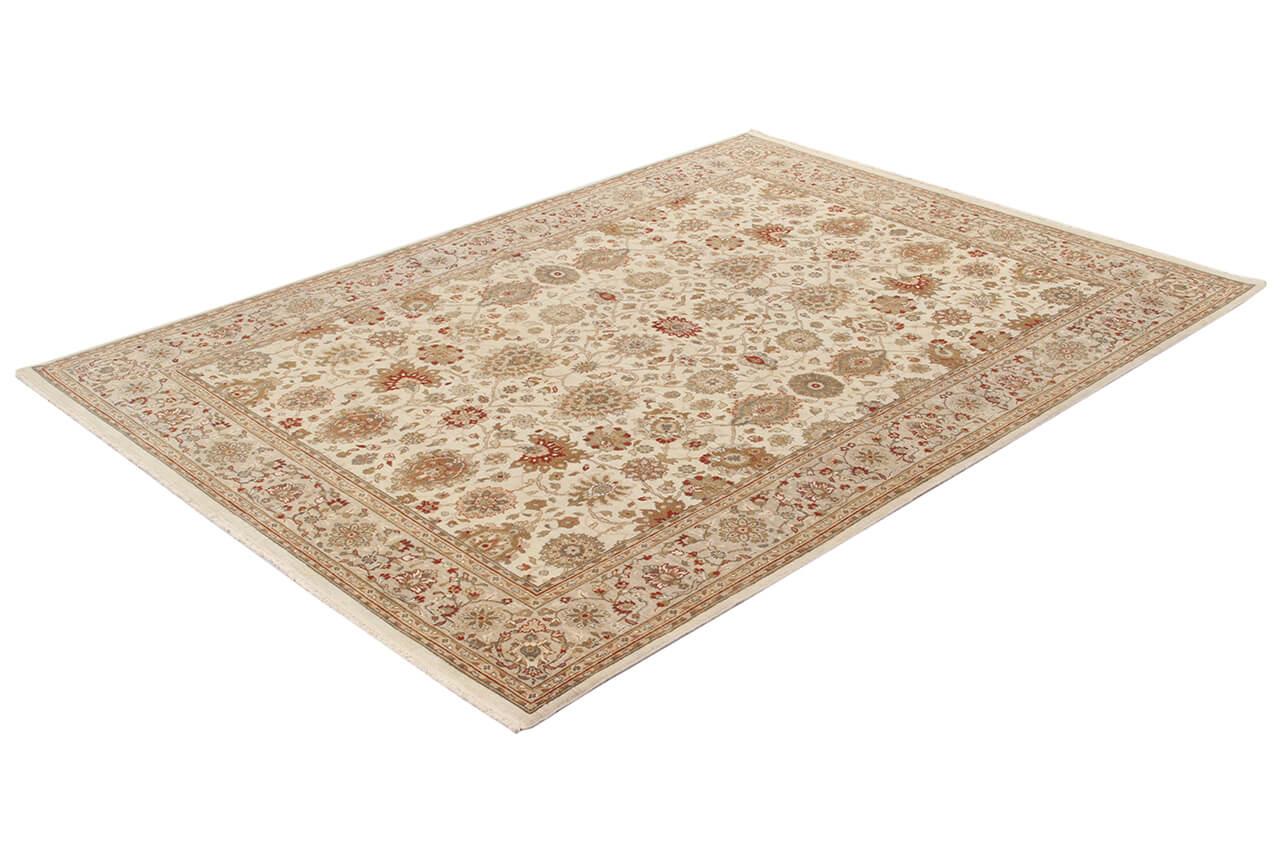
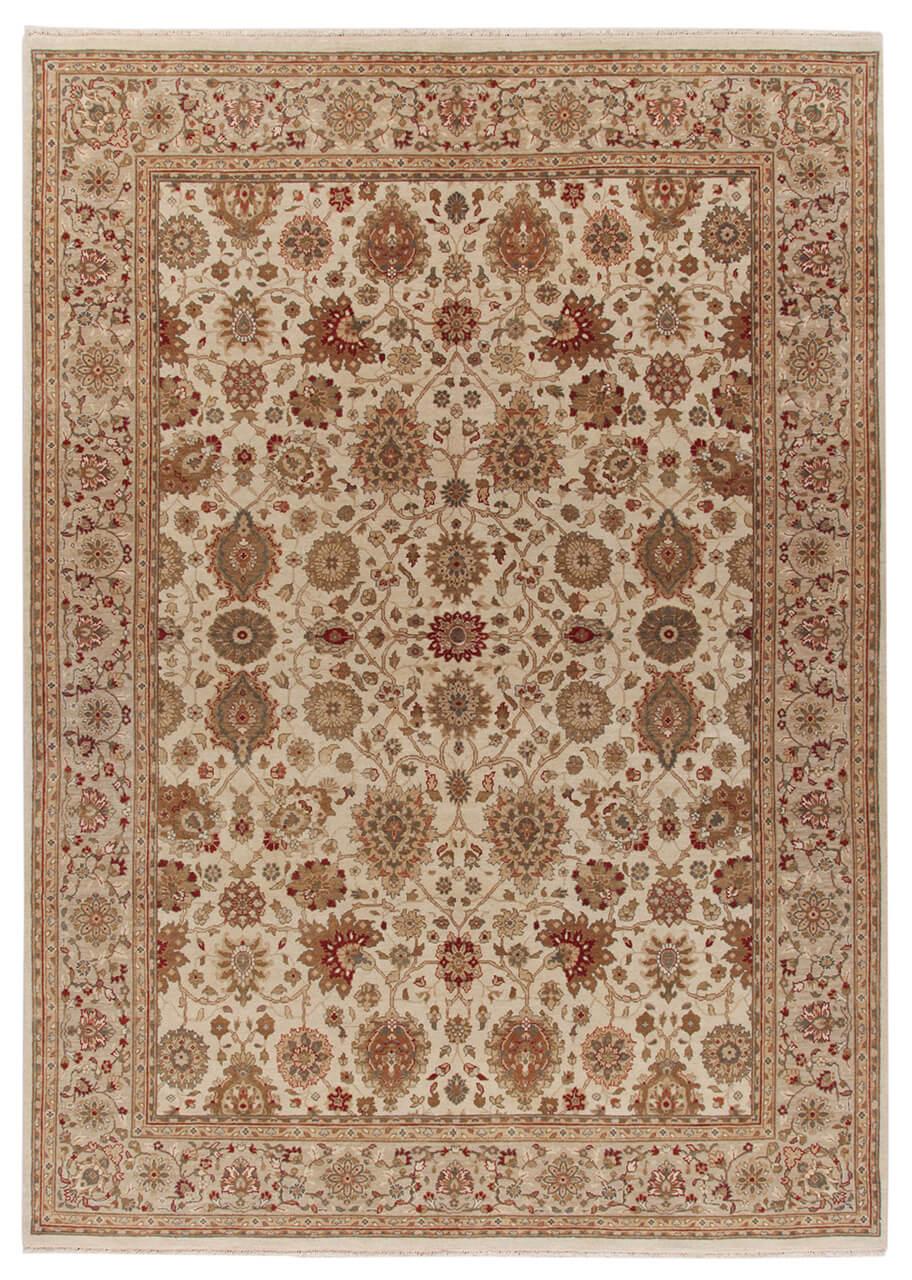
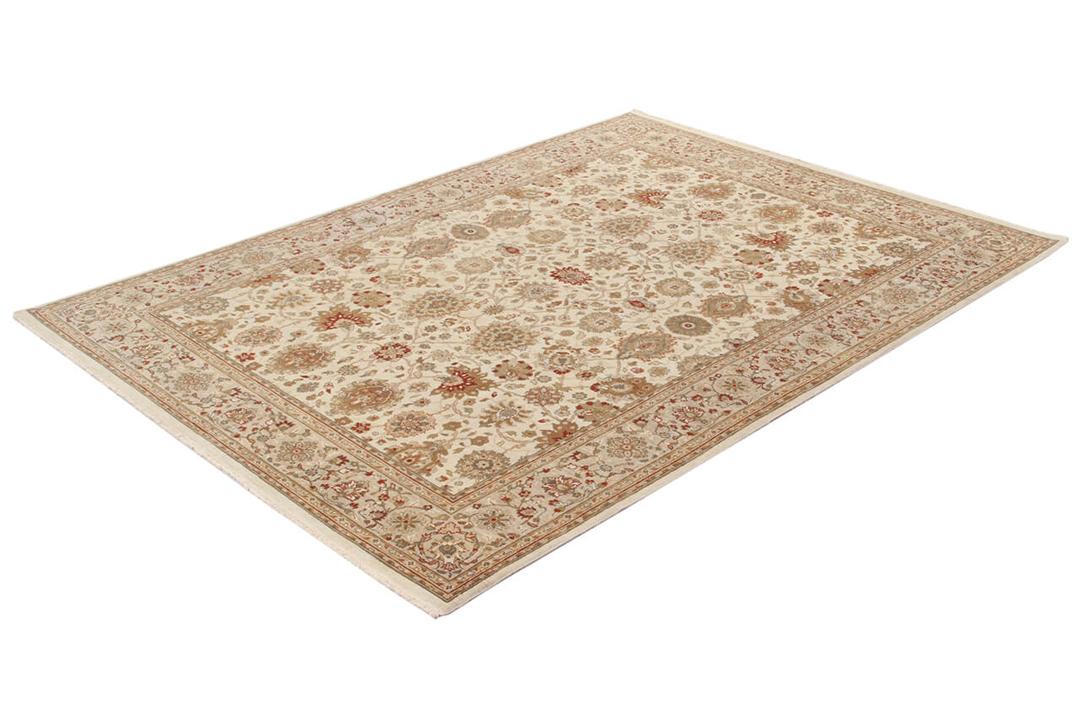
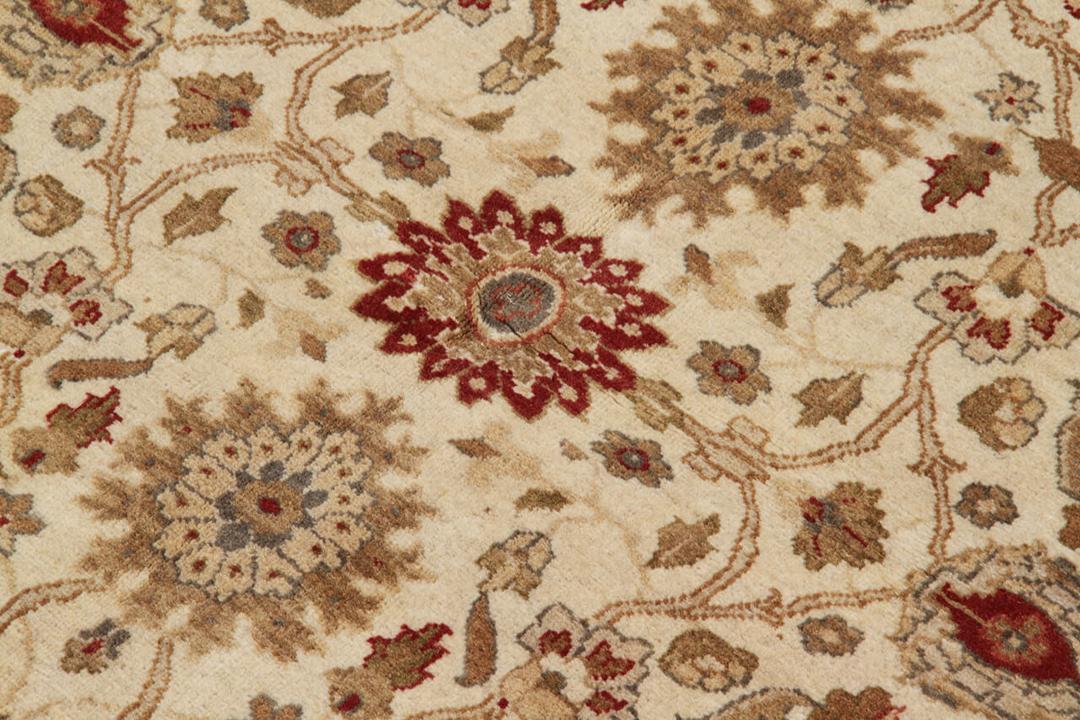
Floral motifs are a hallmark of this tradition, often drawing inspiration from nature and historical gardens. These designs are frequently enclosed by ornate, decorative borders that frame the field, providing a sense of order and balance. This particular rug captures that classic visual language, with its sophisticated arrangement of medallions and scrolling vines that reflect a long-standing appreciation for symmetry and beauty.
Rugs from this tradition are widely collected not only for their aesthetic appeal but also for the cultural heritage they represent. Owning a piece like this is a way to connect with a global history of textile art, where each knot tells a story of the weaver's skill and patience. These pieces are valued for their ability to bring a sense of history and human connection into the modern home, transcending fleeting trends.