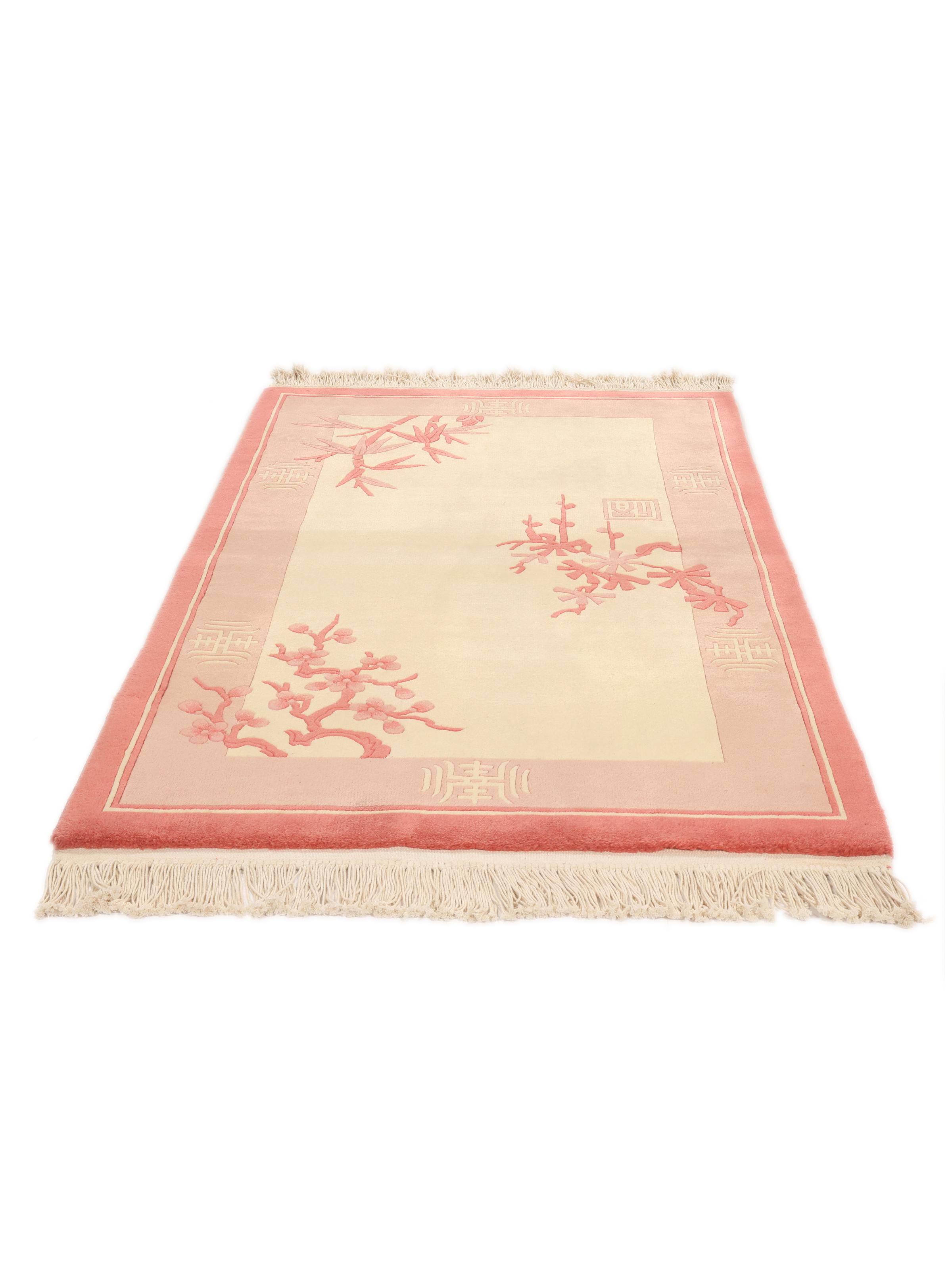
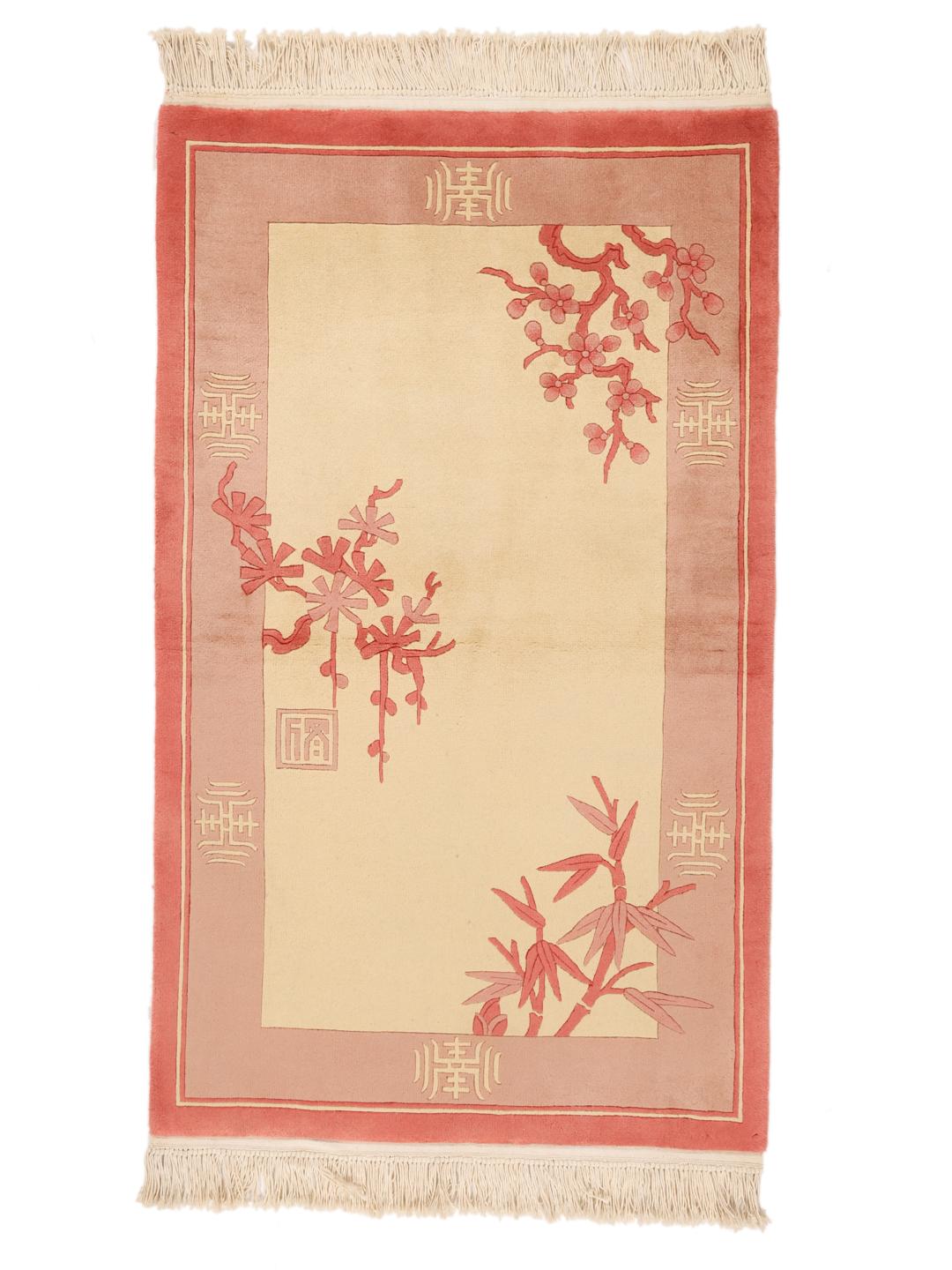
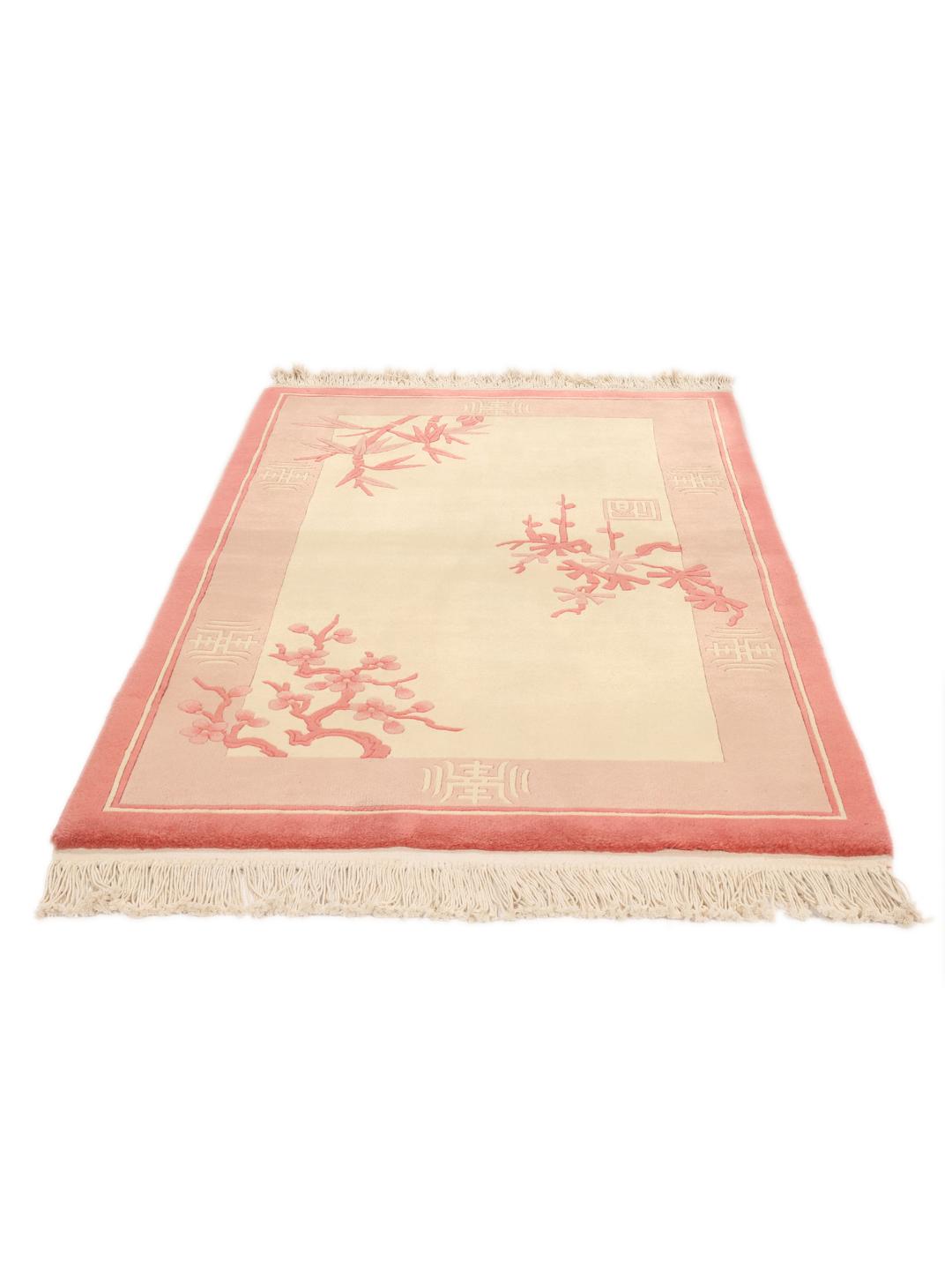
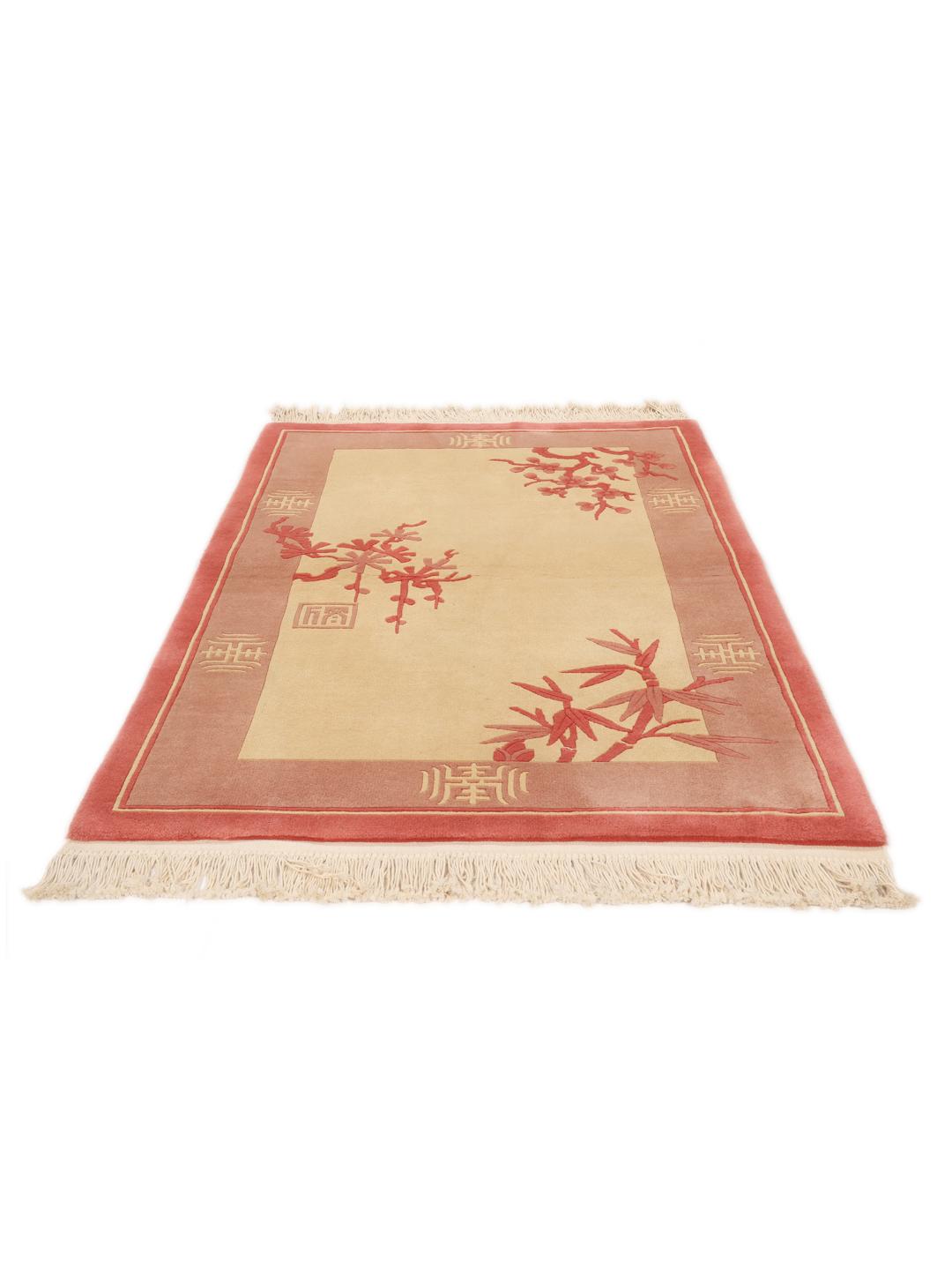
Chinese rug weaving is a tradition steeped in centuries of history, often reflecting the cultural values of harmony, longevity, and nature. Unlike many other regional styles that focus on dense, all-over patterns, traditional Chinese carpets are renowned for their use of negative space. This approach allows individual motifs, such as blossoms, clouds, or mythical creatures, to stand out with clarity and artistic purpose.
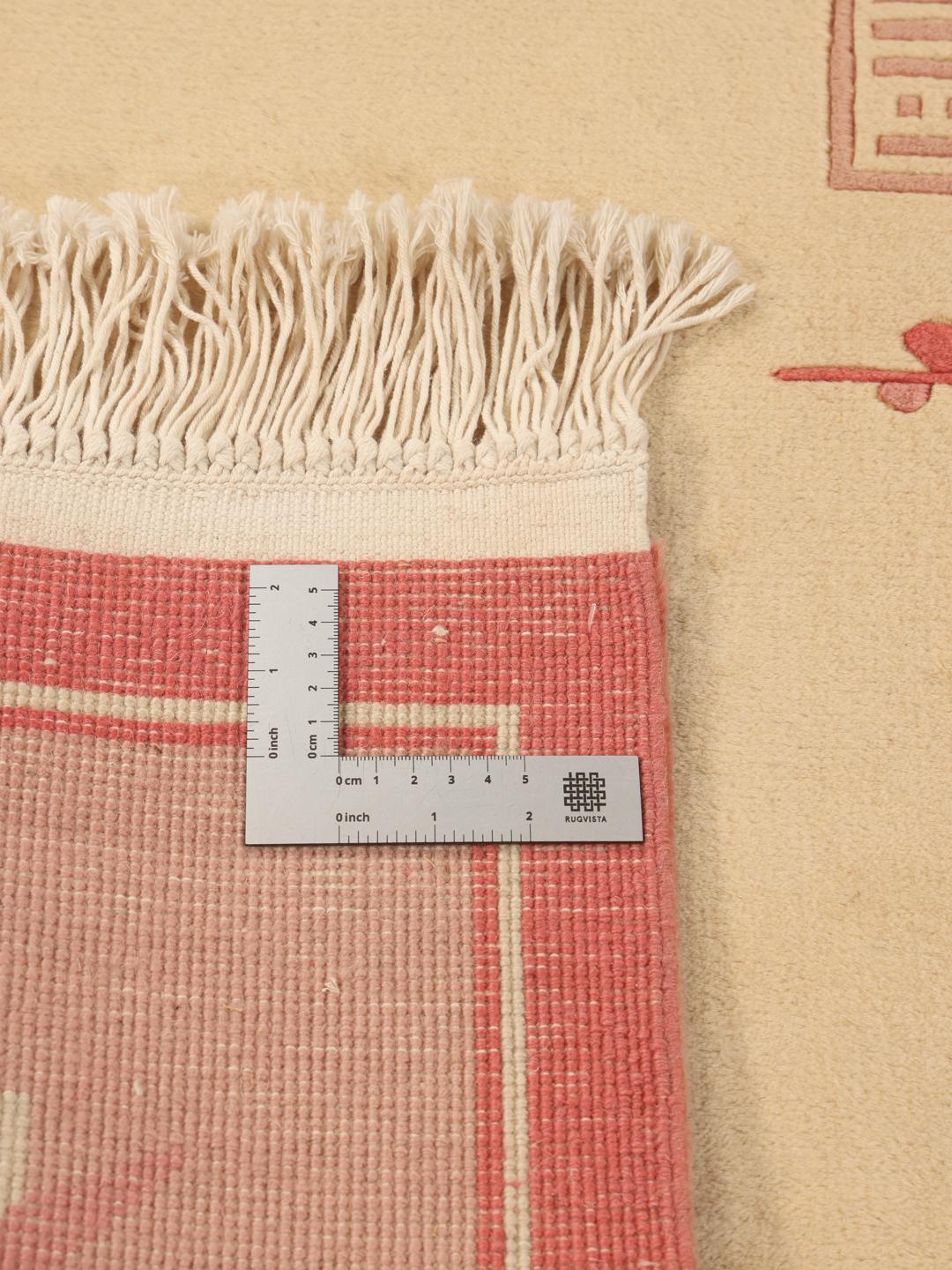
The term '90 Line' refers to the traditional method of measuring the fineness of Chinese rugs based on the number of knots per linear foot. This system has been used for generations to ensure consistent quality and to denote the level of detail the weaver can achieve. A 90-line rug strikes a classic balance, offering enough density to render elegant curves and fine lines while maintaining a soft, comfortable pile.
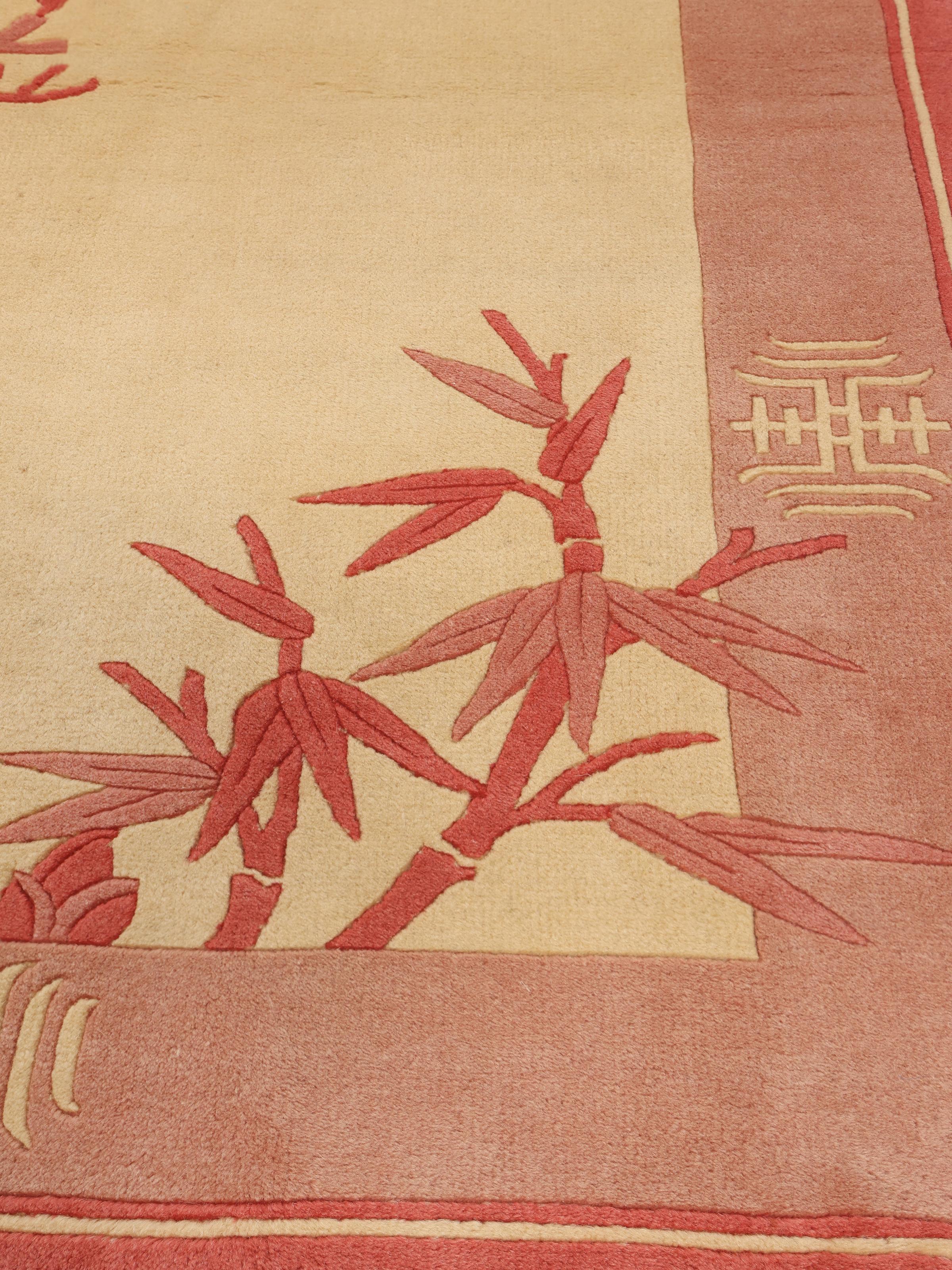
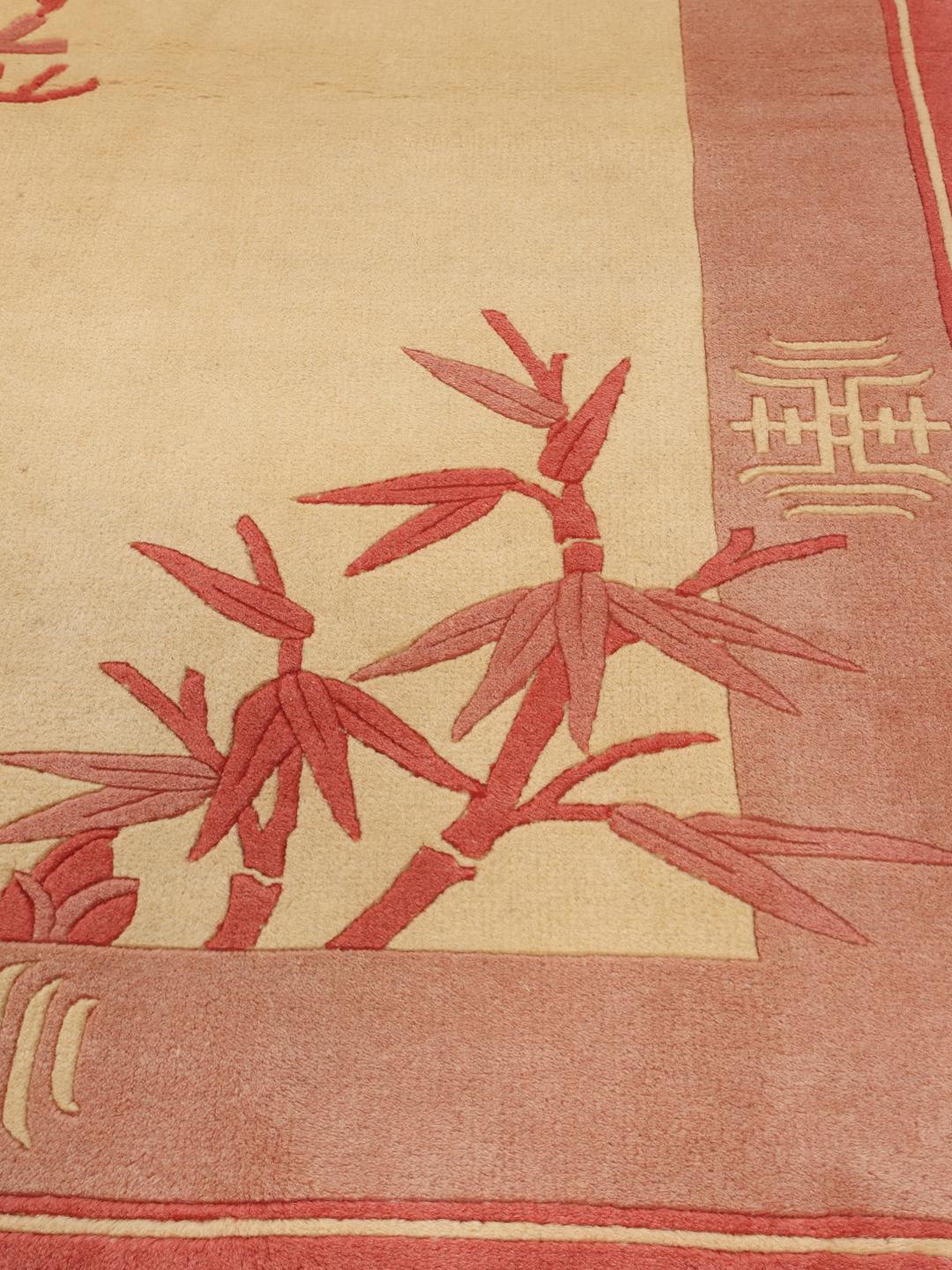
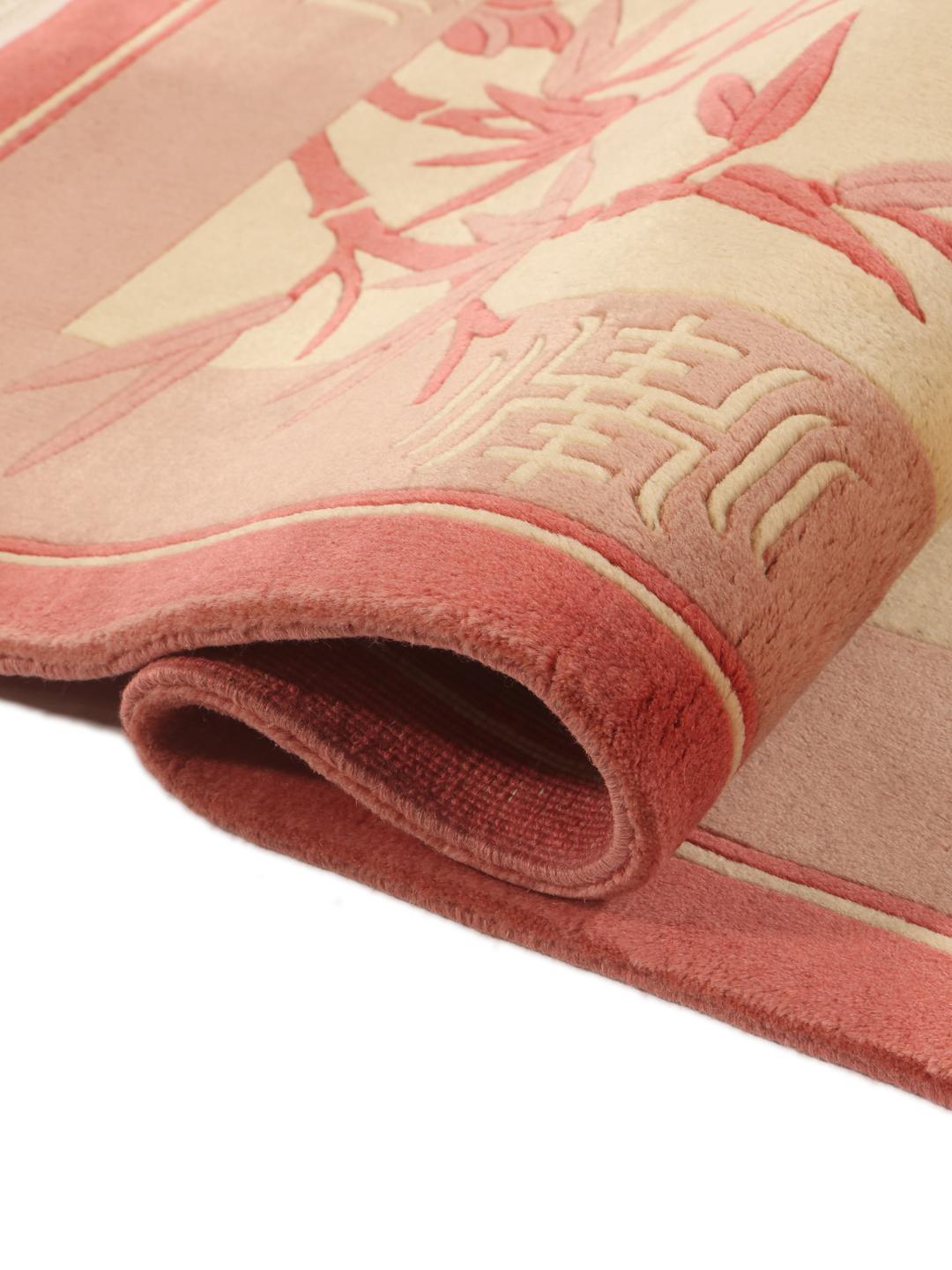
Signature design elements in these rugs often include stylized floral motifs, such as the plum blossom seen here, which symbolises resilience and beauty in the face of winter. These patterns are typically framed by a simple, elegant border, keeping the composition uncluttered. The use of traditional symbols and natural themes serves as a visual language that has been refined over hundreds of years of craftsmanship.
Collectors value these rugs for their unique combination of functional utility and poetic design. Owning a piece from this tradition is an invitation to appreciate the skill involved in translating delicate brush-stroke patterns into a durable, hand-knotted textile. It represents a commitment to preserving an ancient craft that prioritises balance, serenity, and the beauty of the natural world.