Chinese rug weaving has a long and storied tradition that dates back centuries, evolving from functional floor coverings into highly prized artistic expressions. Historically, these rugs were often commissioned for palaces and temples, incorporating motifs that held deep cultural significance, such as flowers, dragons, and clouds. Today, the tradition continues to thrive, blending these ancient aesthetic values with modern design sensibilities to create rugs that are both beautiful and durable.
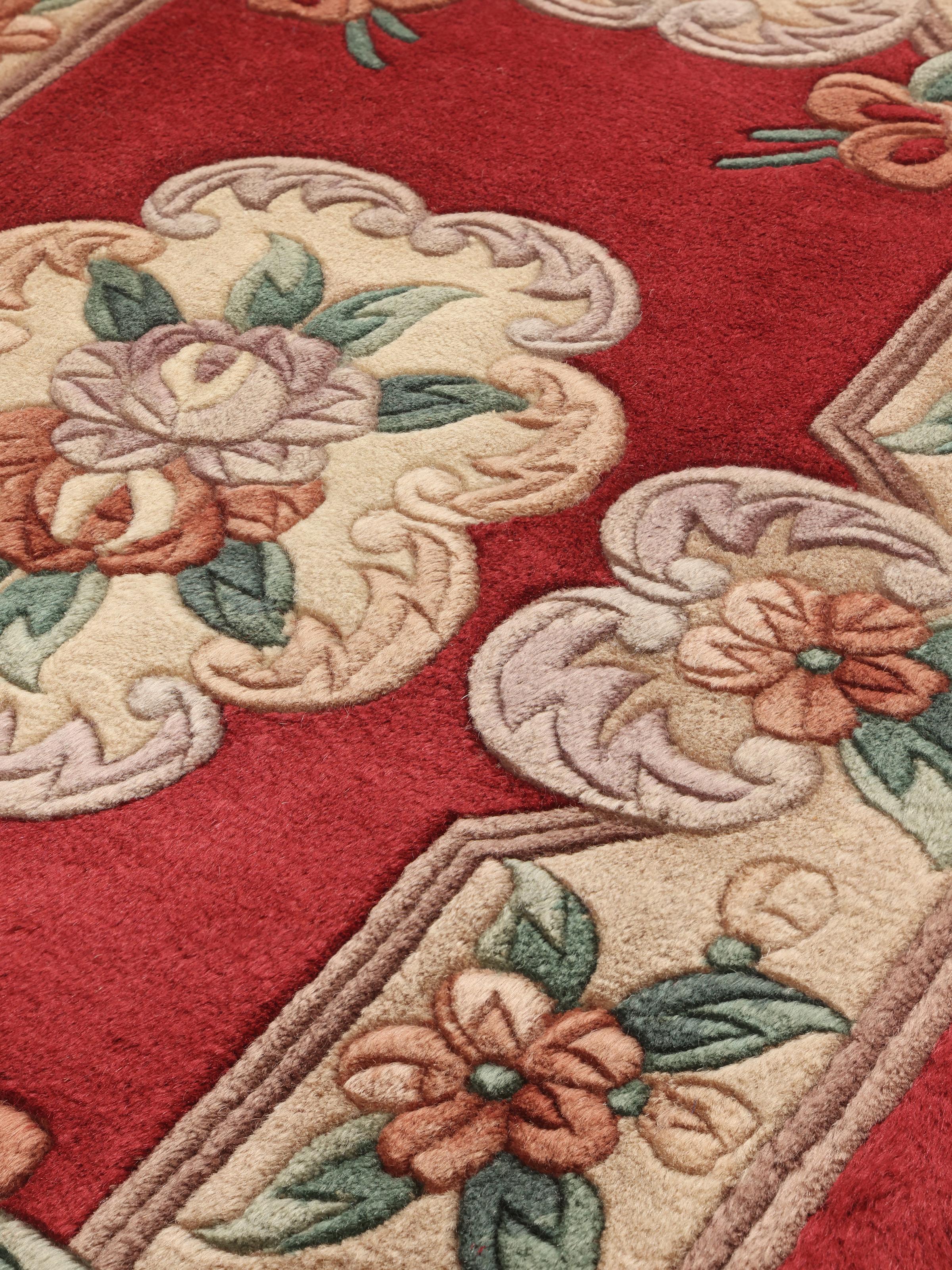
The terminology surrounding these pieces, such as the '90 line' designation, refers to the historical method of measuring the density of the weave. This technical standard indicates the number of knots along a specific length, serving as a reliable metric for the quality and complexity of the rug. A higher line count generally denotes a finer, more intricate pattern, which requires greater precision and a higher level of artisan expertise to execute successfully.
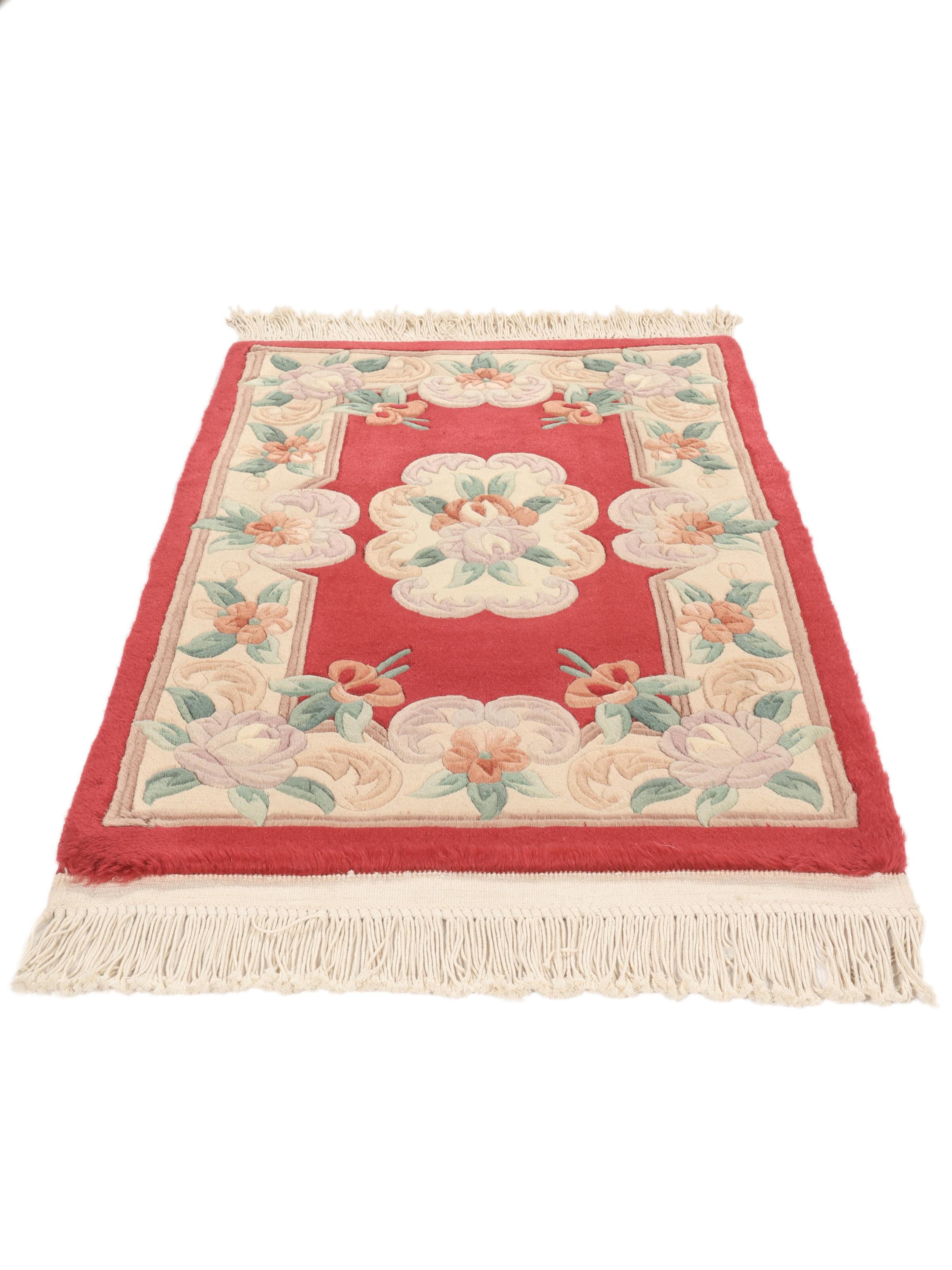
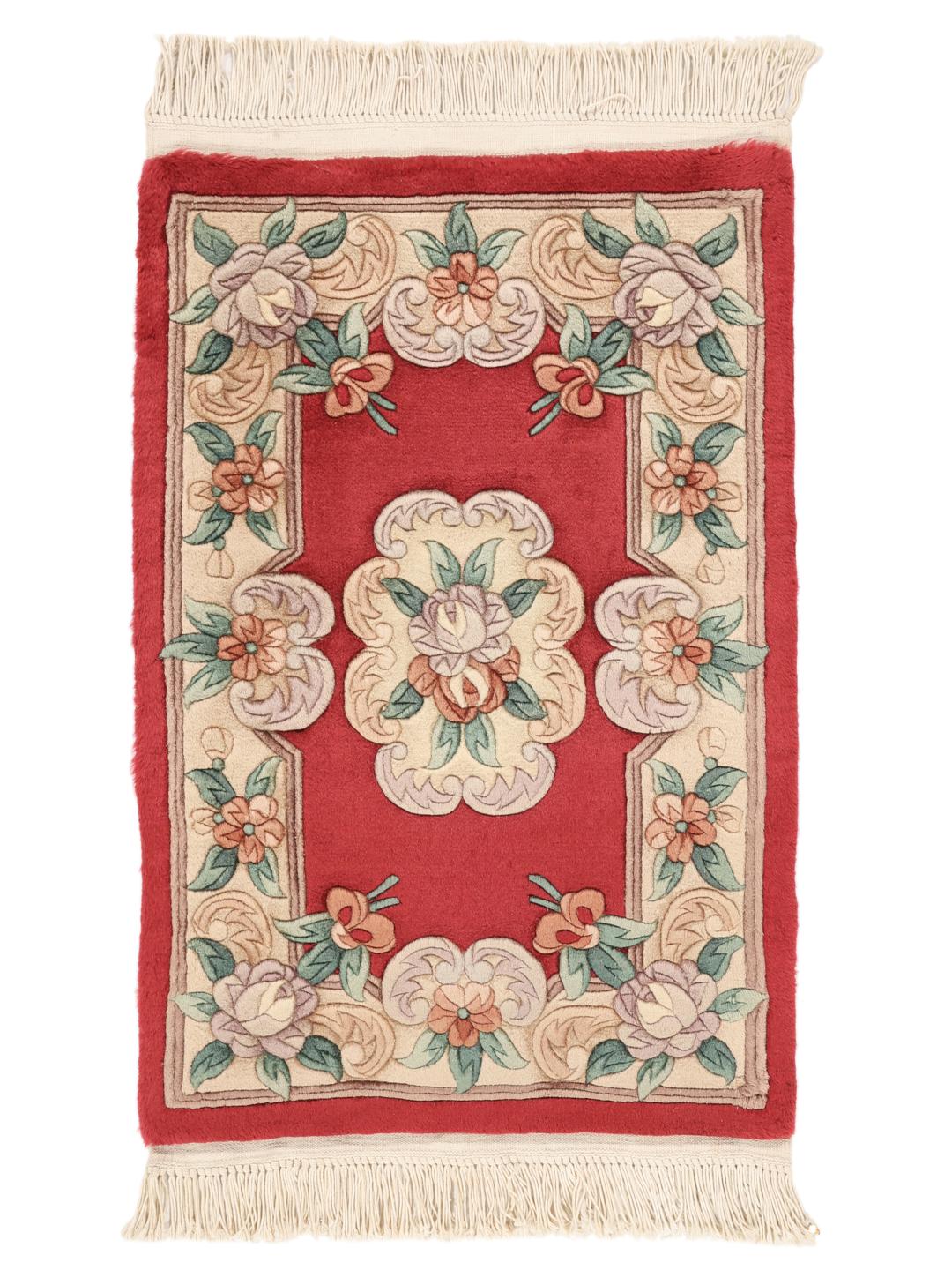
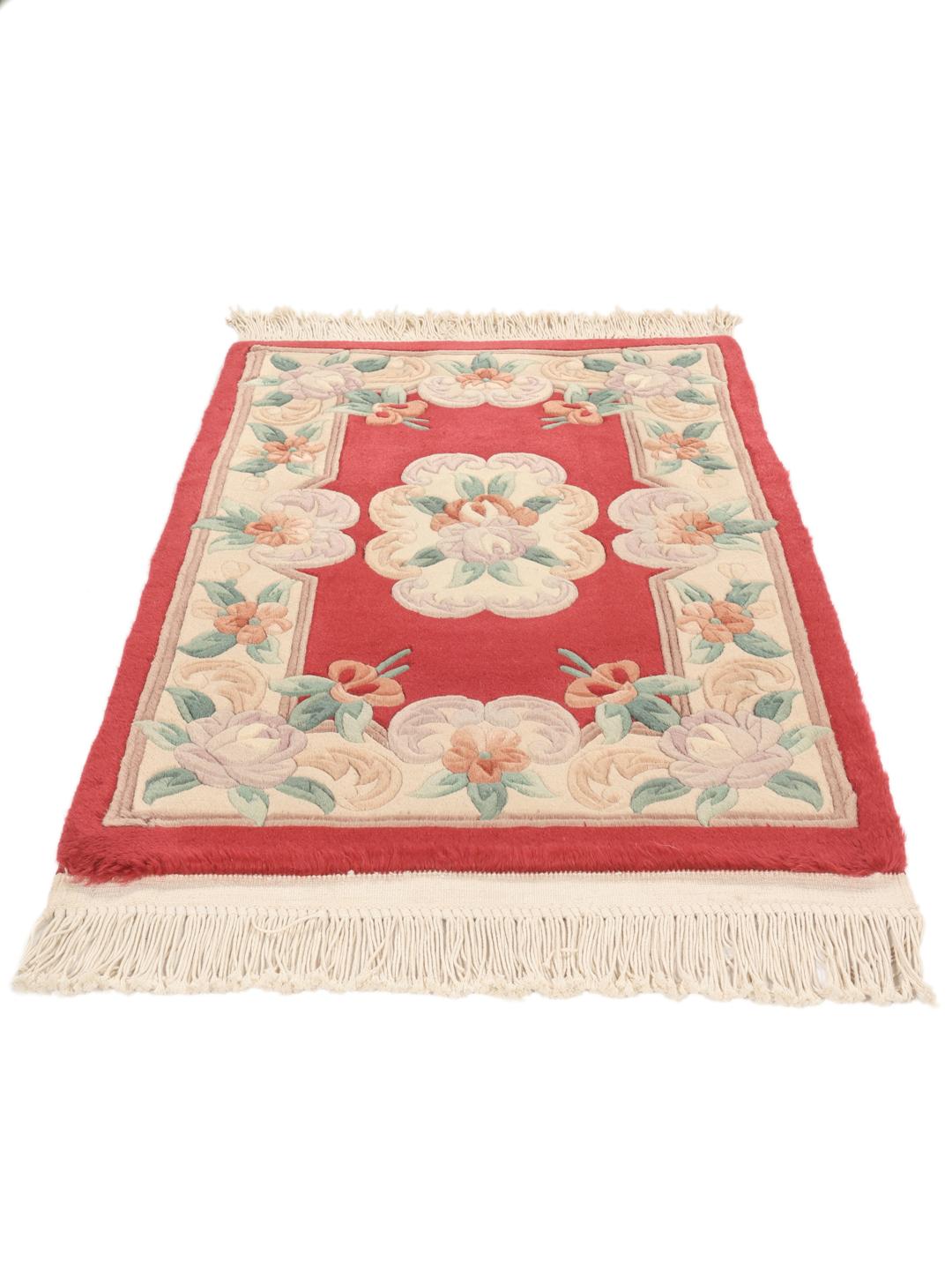
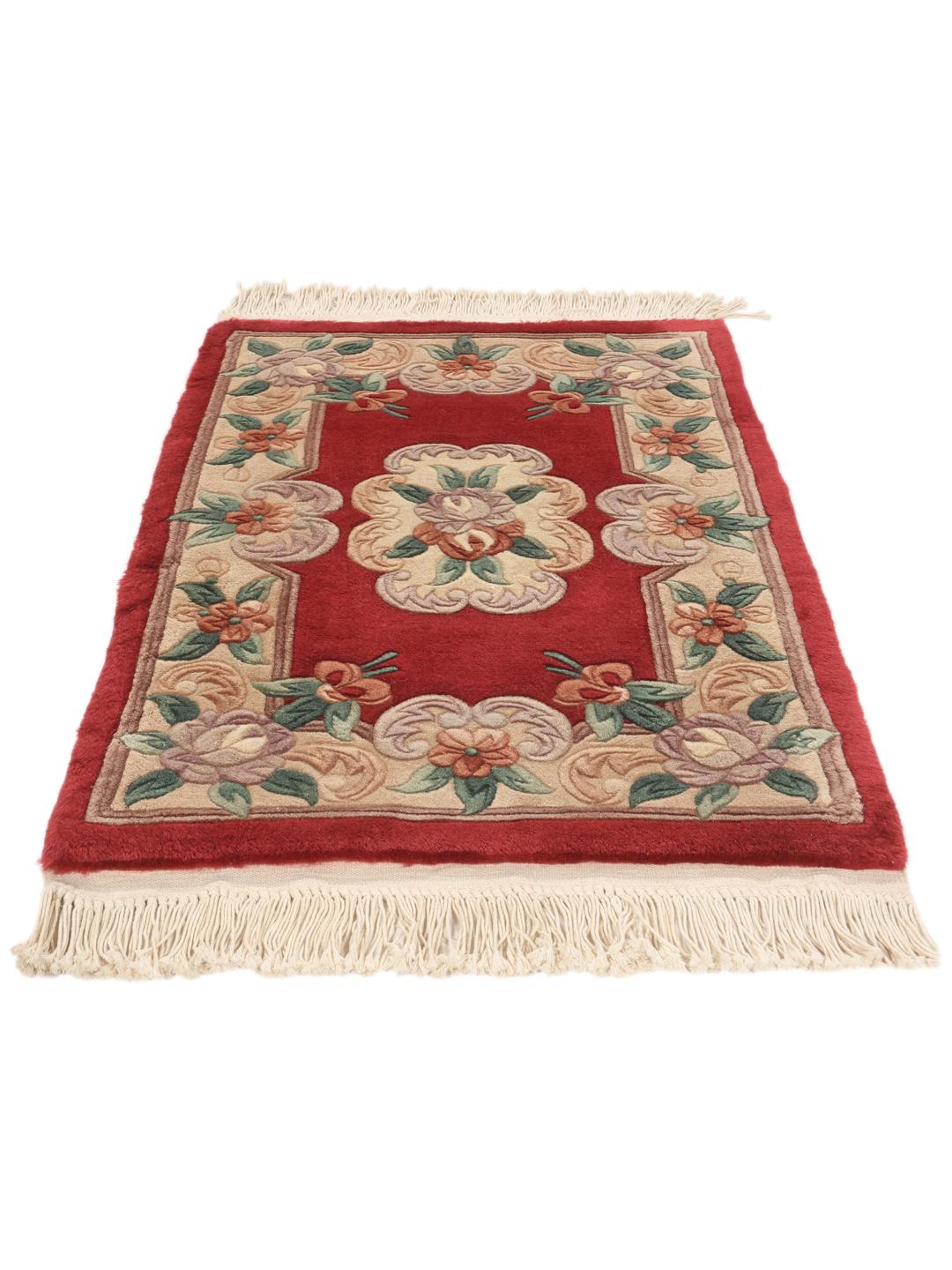
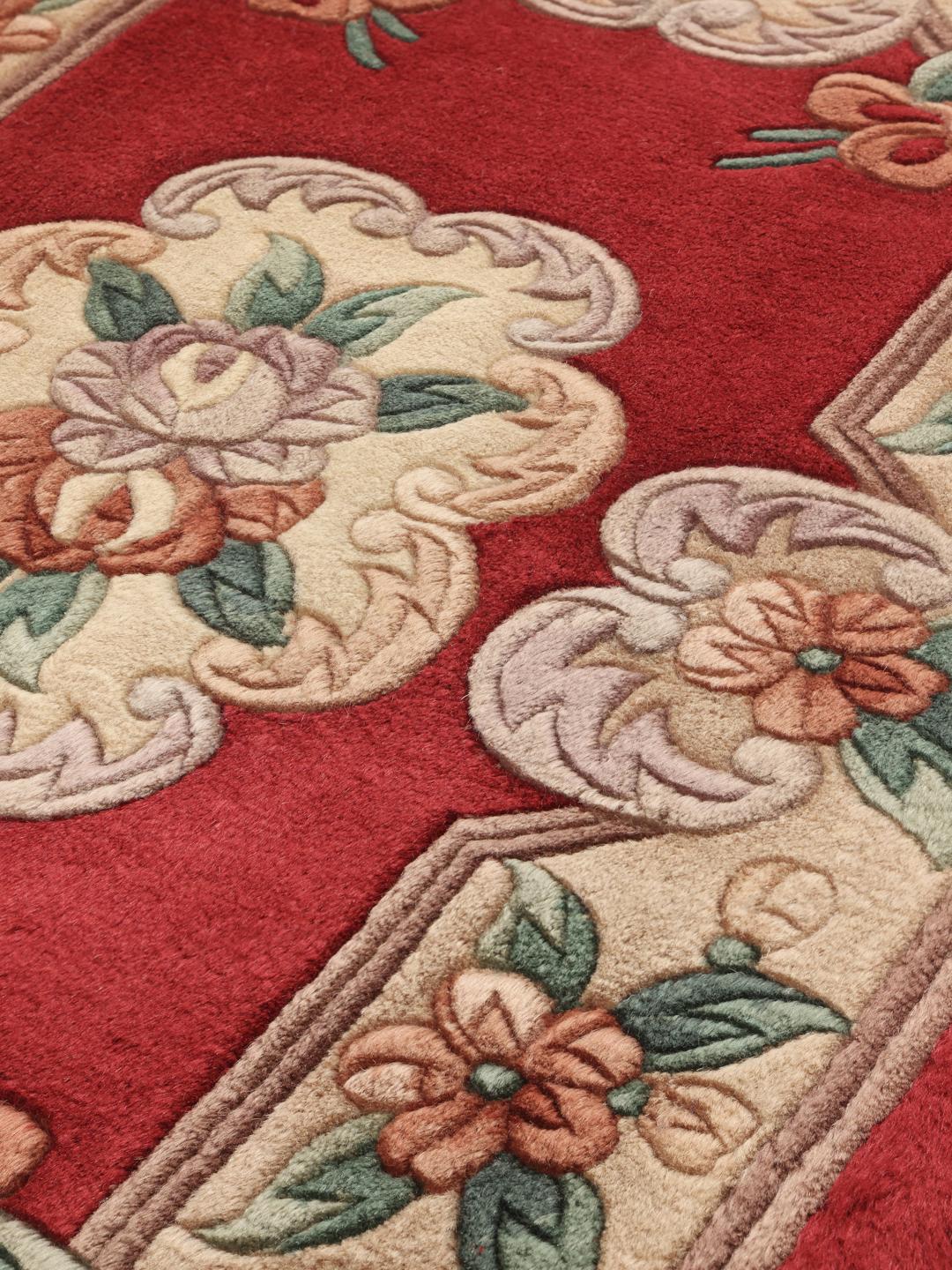
Signature design elements of Chinese rugs often include a clear, central medallion surrounded by lush, flowing floral arrangements. The use of a formal, often decorative border helps to frame the central imagery, creating a sense of balance and symmetry that is characteristic of this regional style. The colours are traditionally chosen to complement the motifs, with reds, blues, and natural tones frequently used to bring the intricate patterns to life against a clean field.
Owning a hand-knotted Chinese rug is an investment in cultural heritage and skilled labour. These rugs are highly valued by collectors not only for their beauty but also for the preservation of techniques passed down through generations of weavers. Because each rug represents hundreds of hours of focused effort, it becomes a meaningful artifact in your home, connecting your living space to a rich history of artistry and intentional, slow-made luxury.