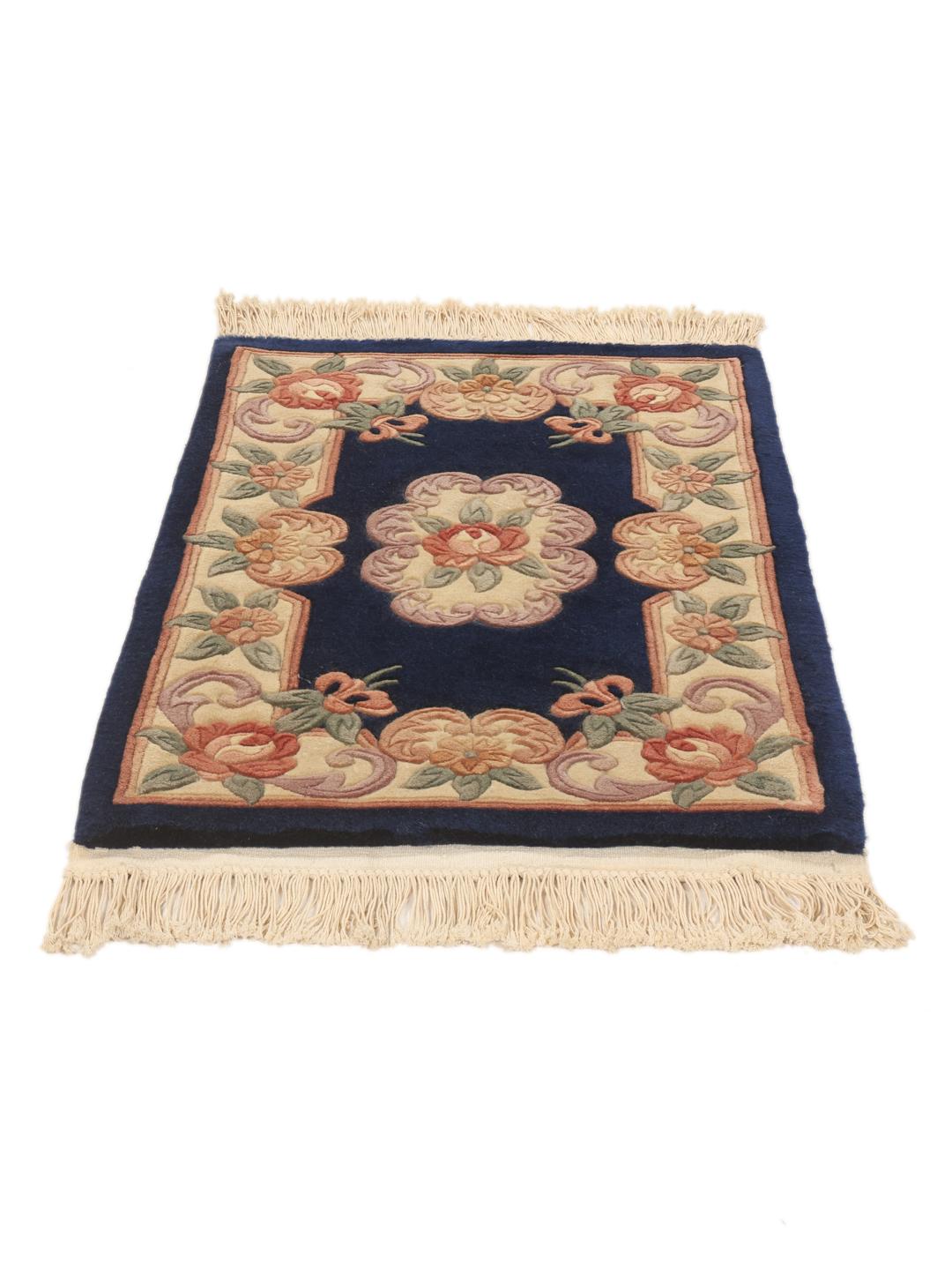
Chinese rug weaving is an ancient craft with a history that spans several centuries, often drawing inspiration from silk weaving and traditional painting. Historically, these rugs were created for imperial palaces and temples, featuring motifs that held deep cultural significance, such as flowers, dragons, and clouds. Today, the tradition continues with a focus on blending these classic aesthetics with modern sensibilities.
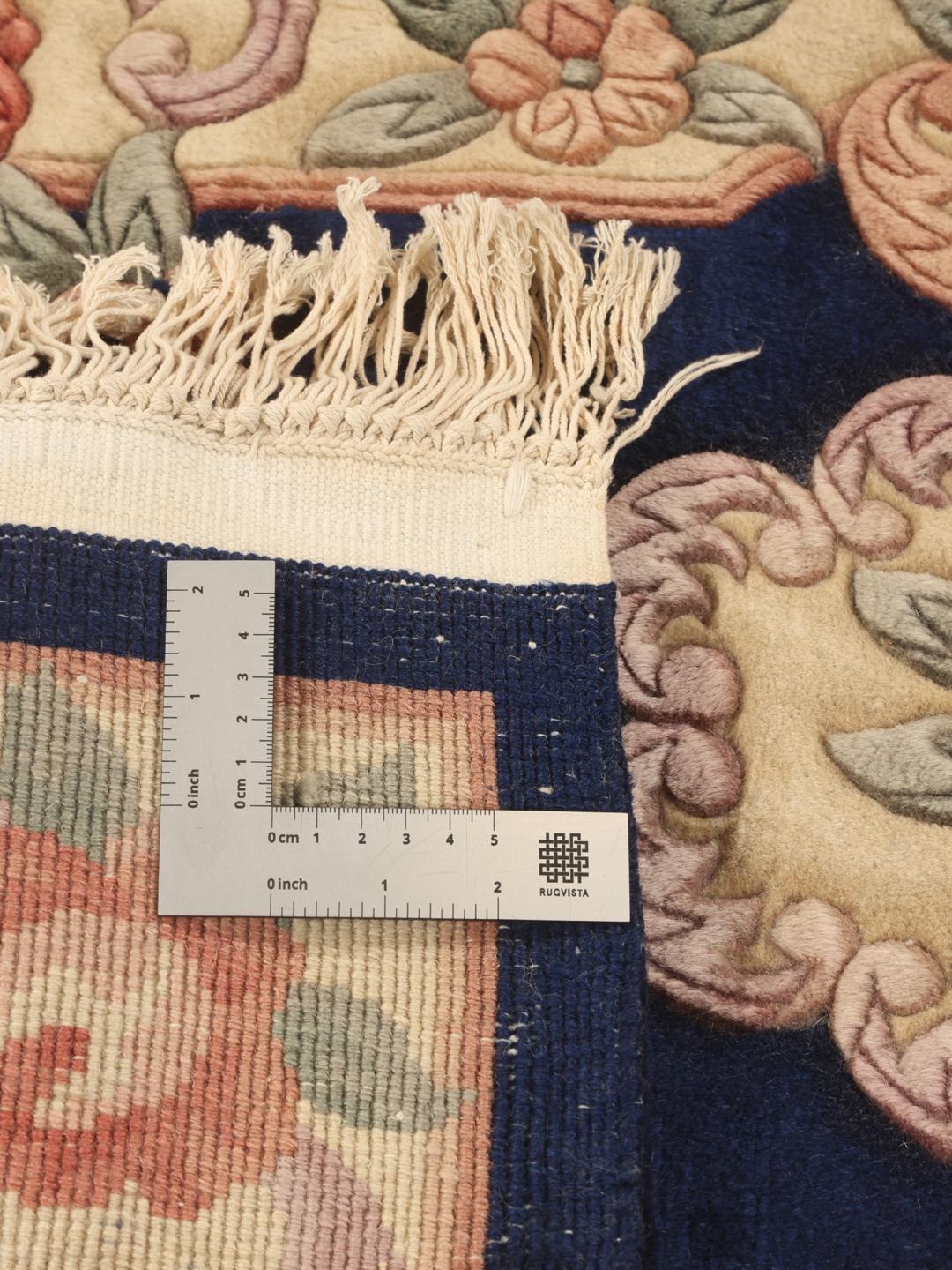
The term '90 Line' refers to a specific traditional measurement system used to define the fineness of the knotting. This classification system indicates the number of knots across a specific width, which directly influences the crispness of the patterns and the overall resilience of the rug. A higher line count allows for more detailed, curvilinear designs that distinguish these pieces as refined examples of craft.
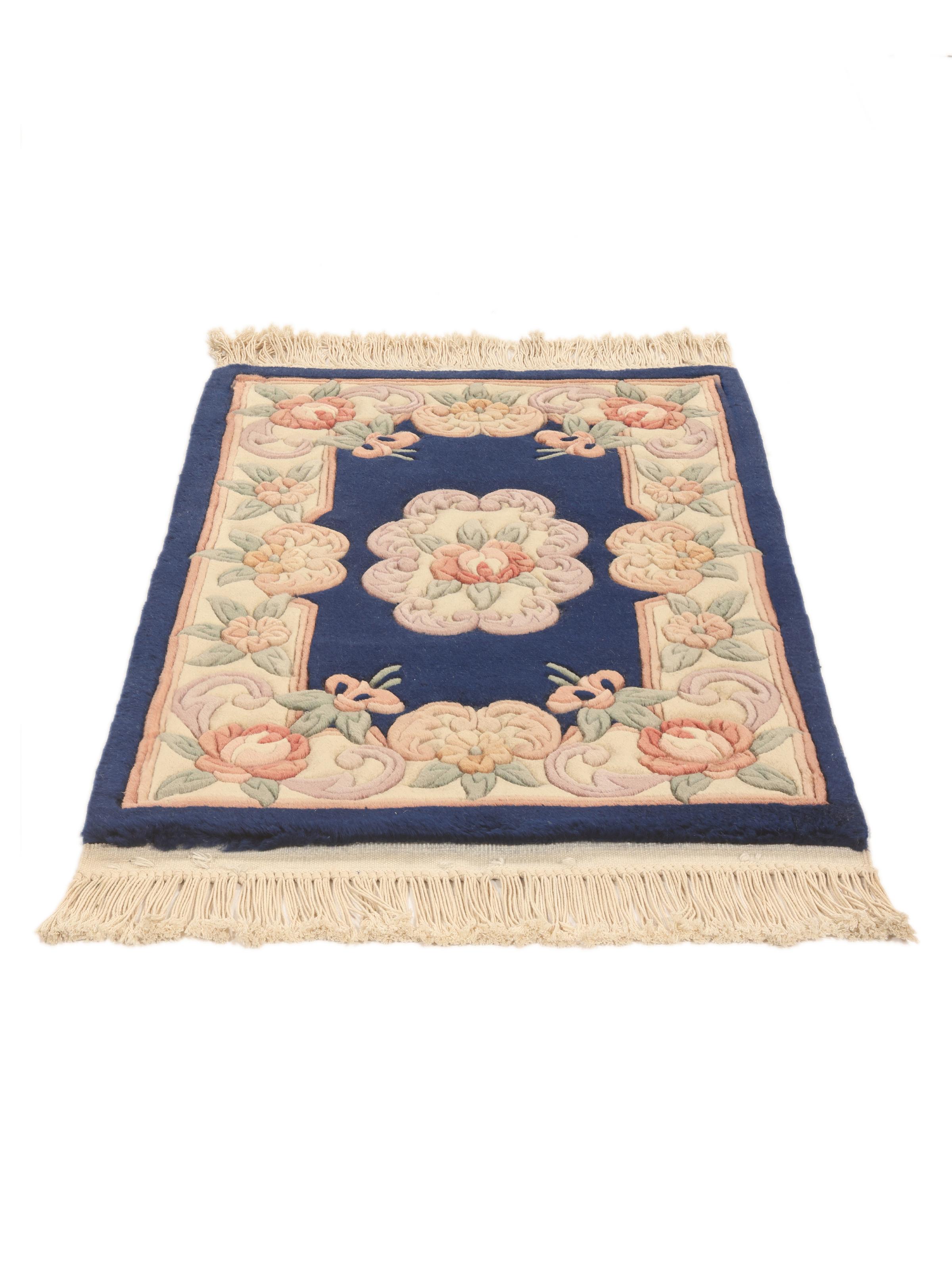
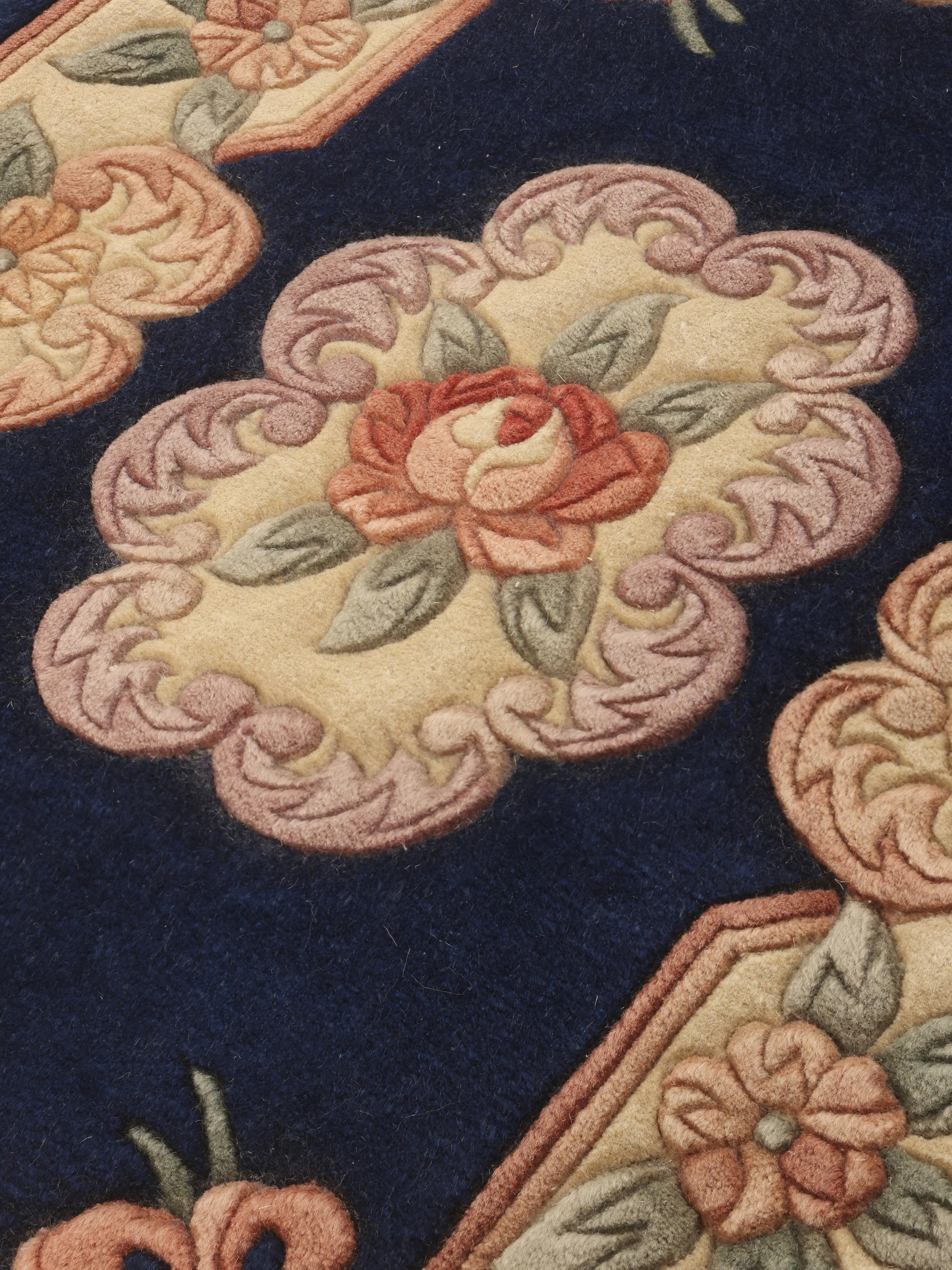
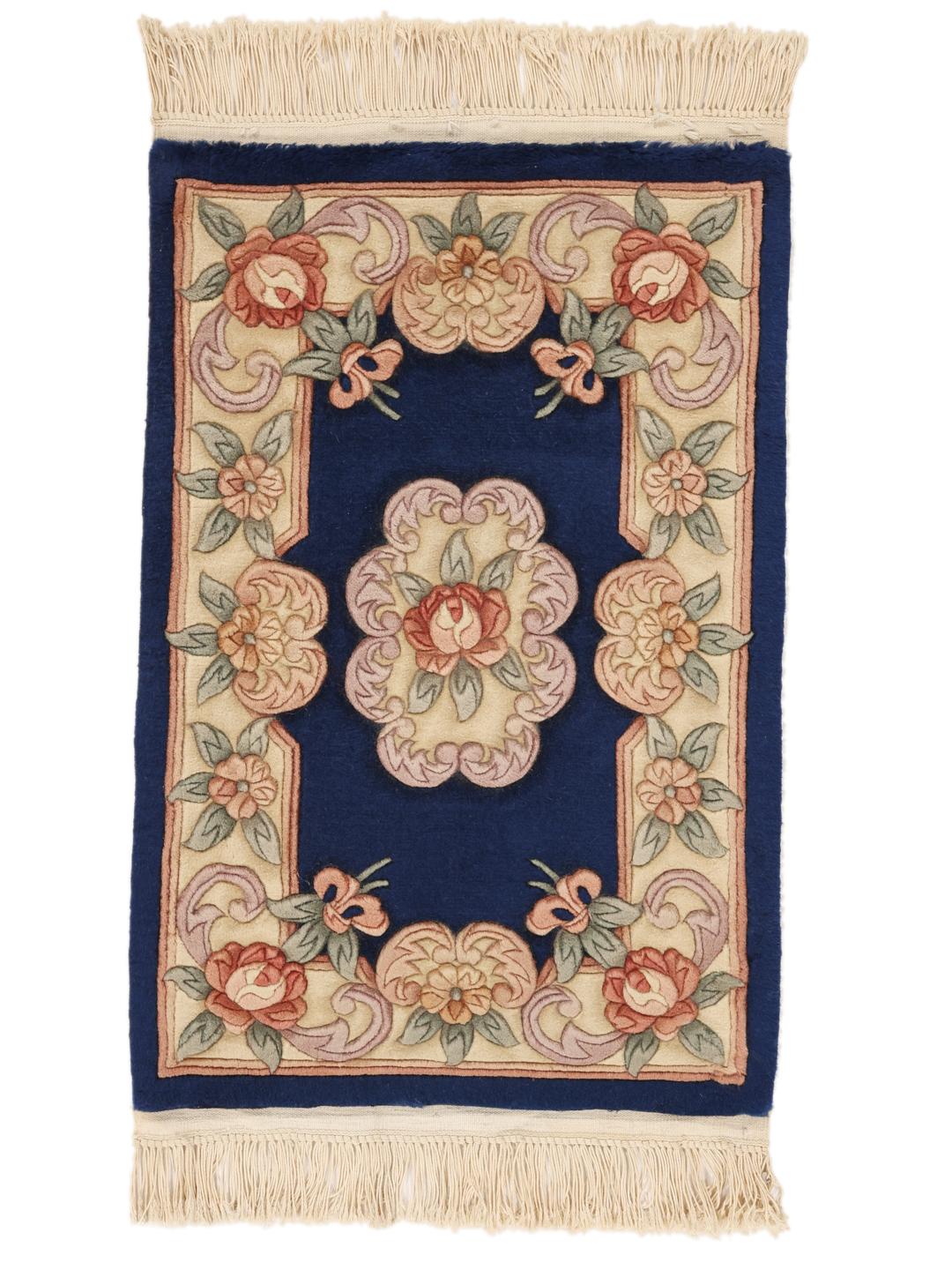
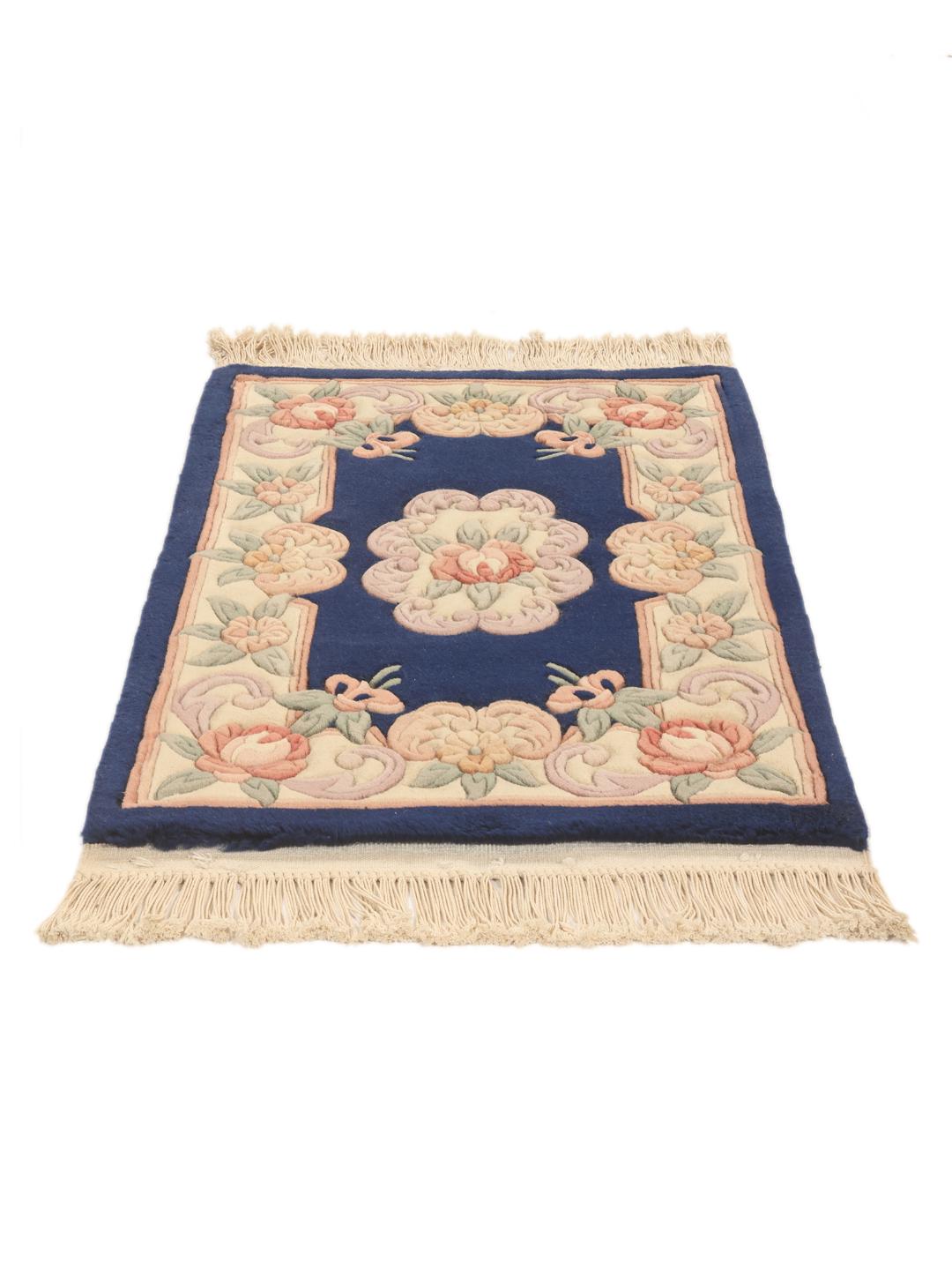
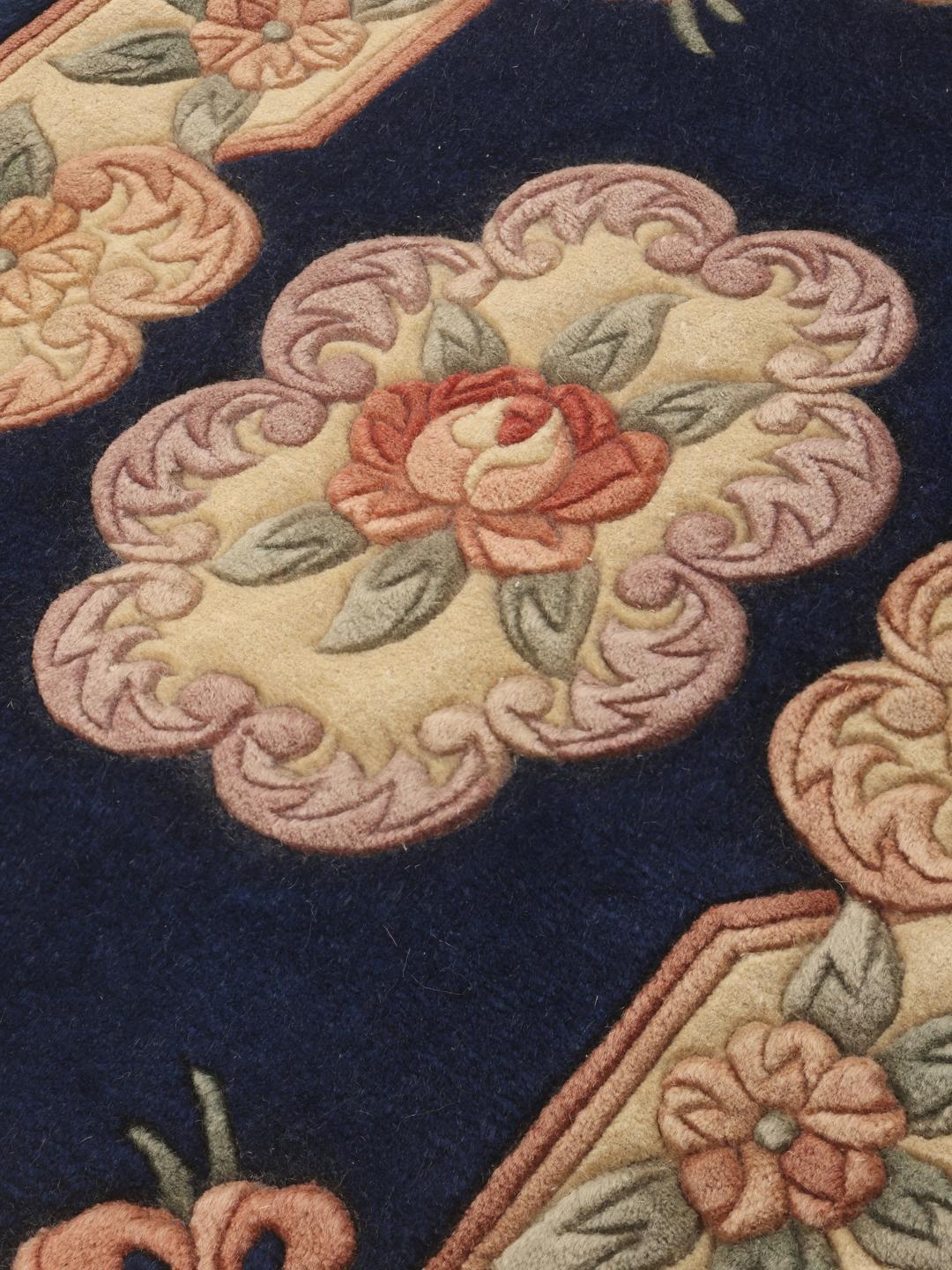
The visual language of this tradition is characterised by a harmonious balance between the field and the border. Floral motifs are frequently arranged in a symmetrical or semi-symmetrical fashion, often utilising soft, contrasting colours that pop against rich, saturated backgrounds. This particular rug honours that heritage by utilising traditional floral arrangements that feel both timeless and sophisticated.
Collecting rugs from this region is a way to preserve a piece of human history. The skill involved in creating these patterns by hand represents a commitment to heritage that is increasingly rare in our modern world. When you choose a hand-knotted piece, you are not just selecting a floor covering, but investing in a legacy of artistry that connects your home to a wider world of cultural tradition.