Chinese rug weaving is an ancient tradition that has evolved over centuries, deeply influenced by the artistic aesthetics of the imperial court. Traditionally, these rugs were often crafted for palace use, featuring symbols of longevity, prosperity, and nature. Today, this rich heritage continues in the skilled workshops of China, where artisans combine traditional techniques with modern design sensibilities to create pieces of enduring beauty.
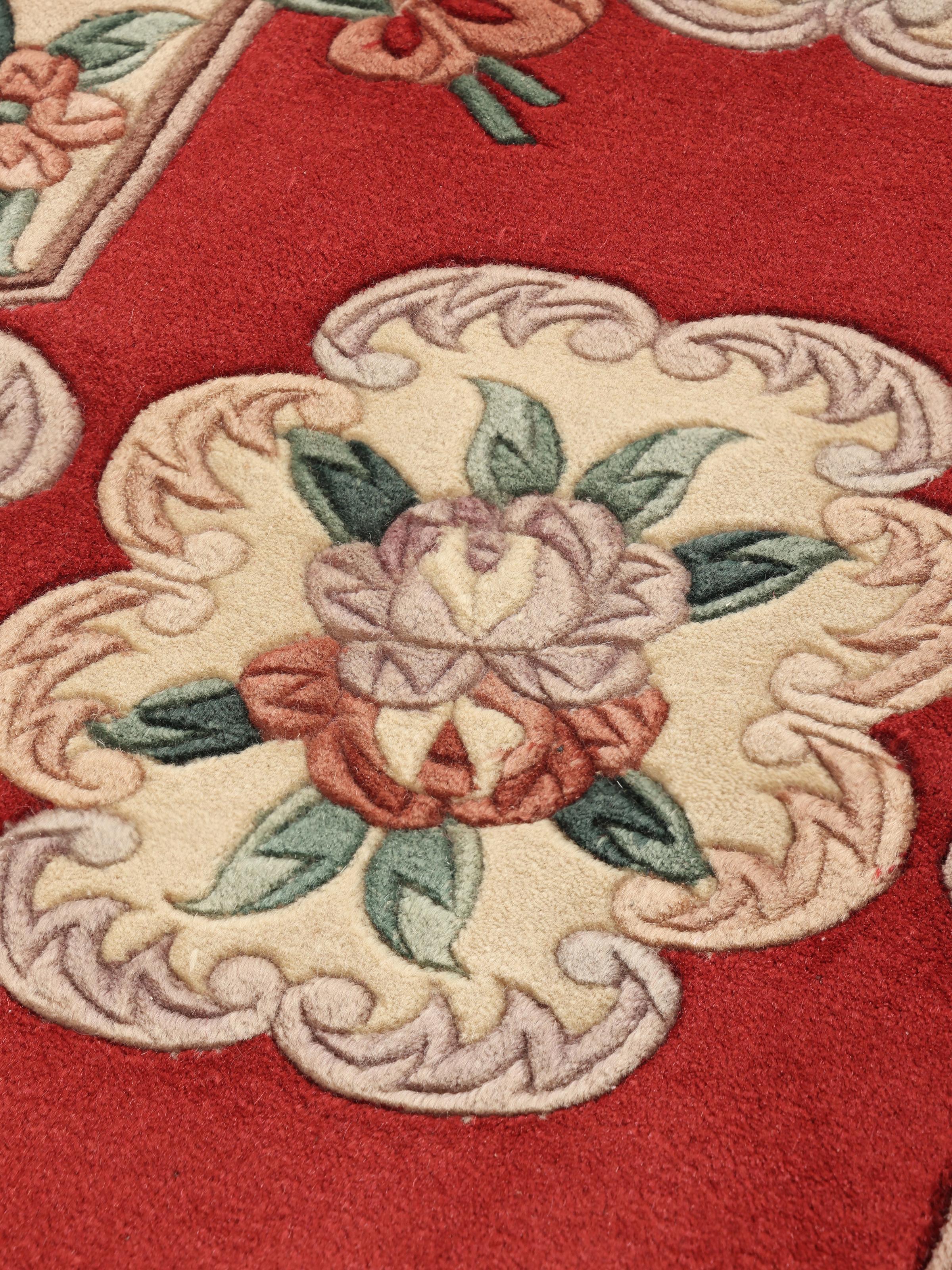
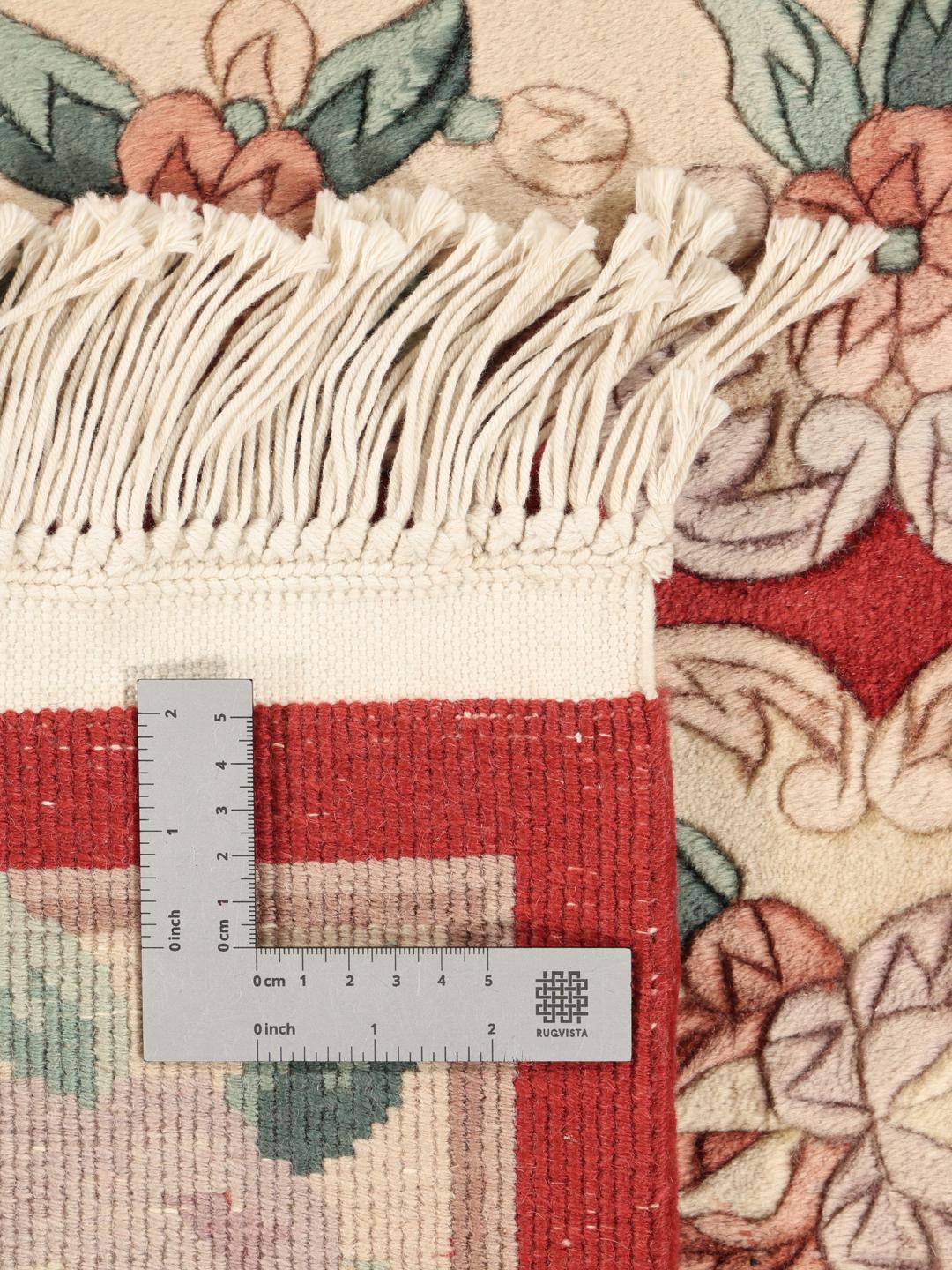
The term 90 Line refers to a specific, traditional grading system used to define the quality and density of the weave. This system measures the number of knots across a specific width, which directly influences the crispness of the design and the thickness of the pile. Understanding this classification helps collectors appreciate the level of effort and technical skill required to produce such a uniform and detailed surface.
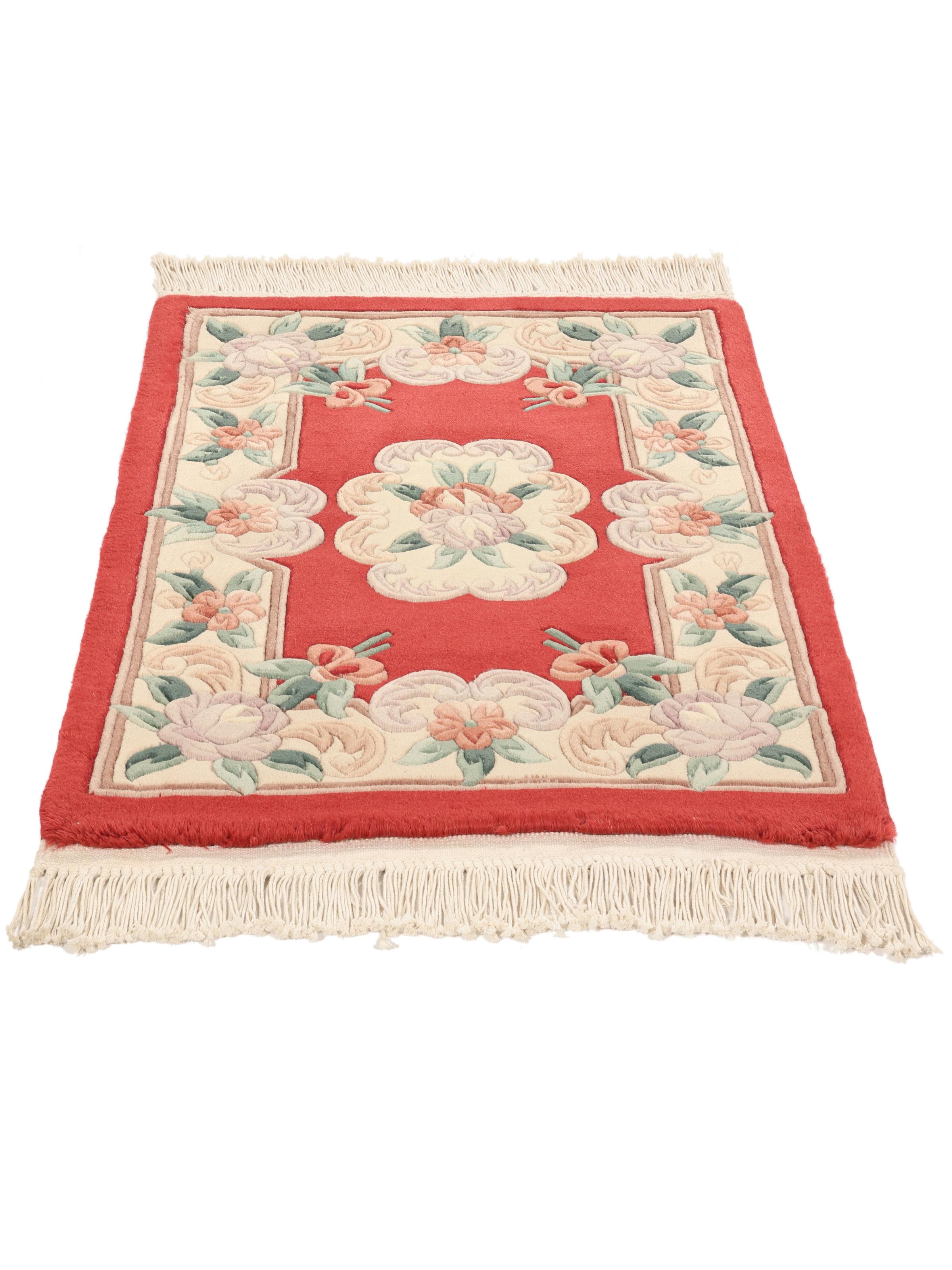
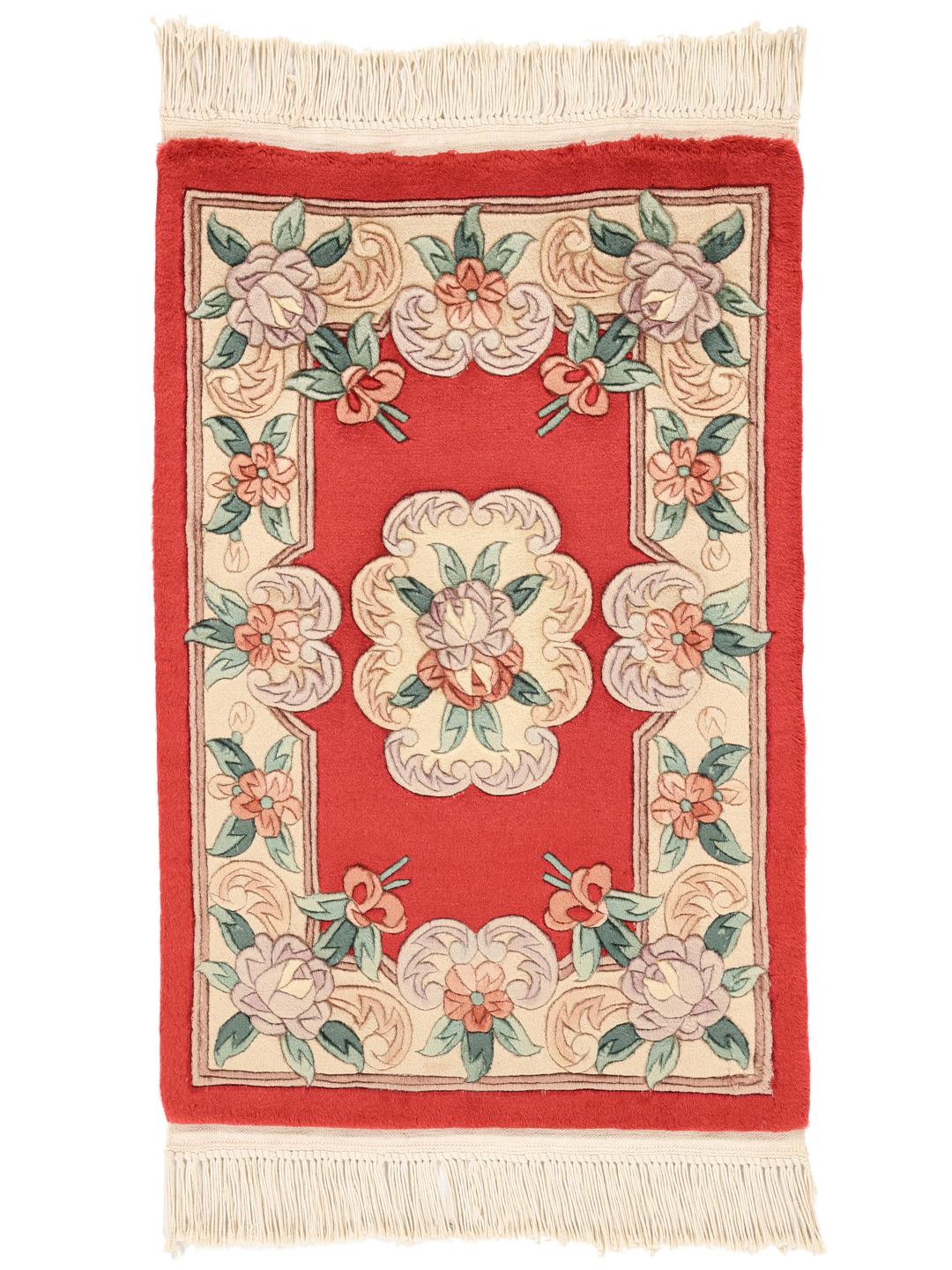
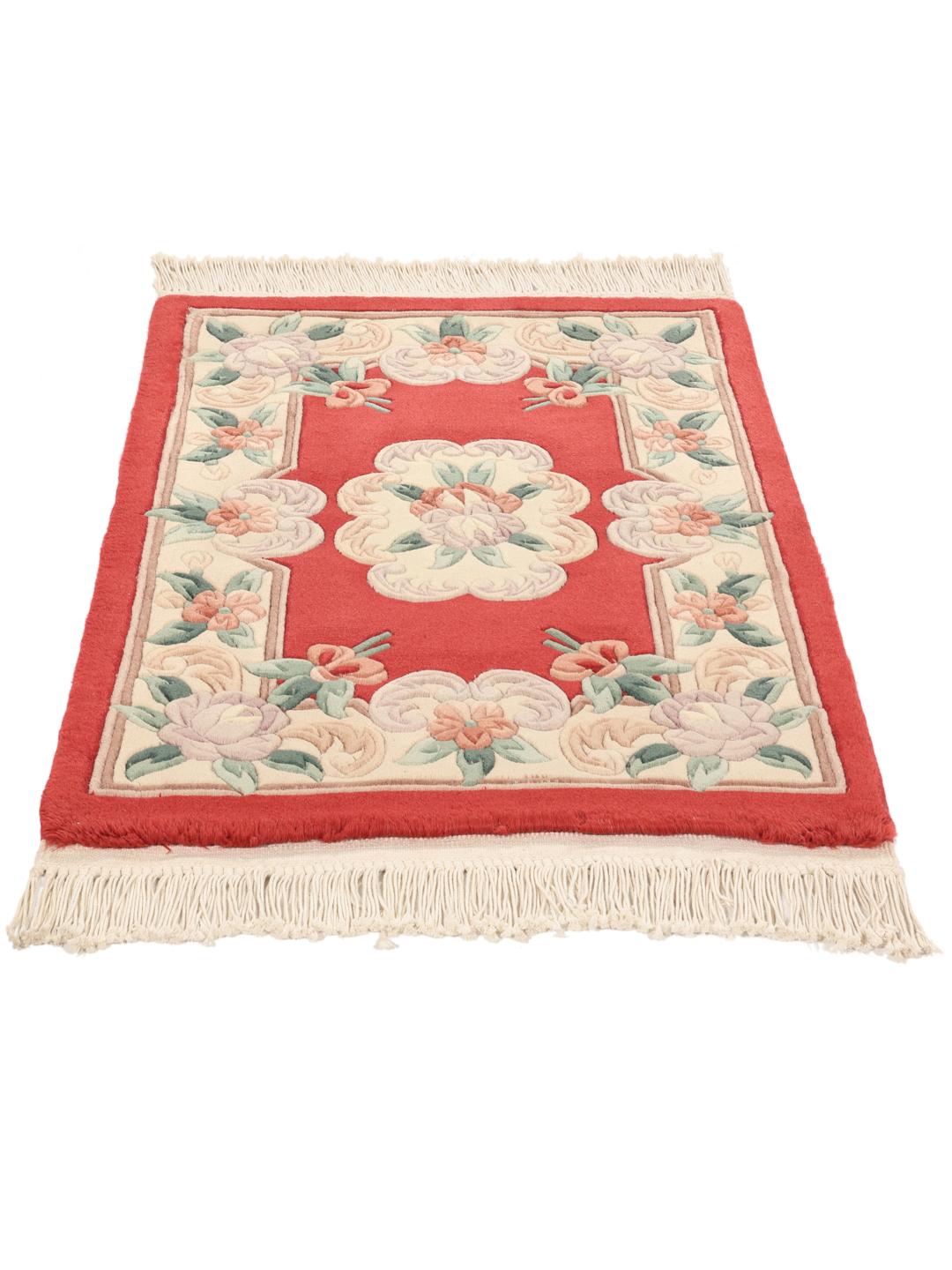
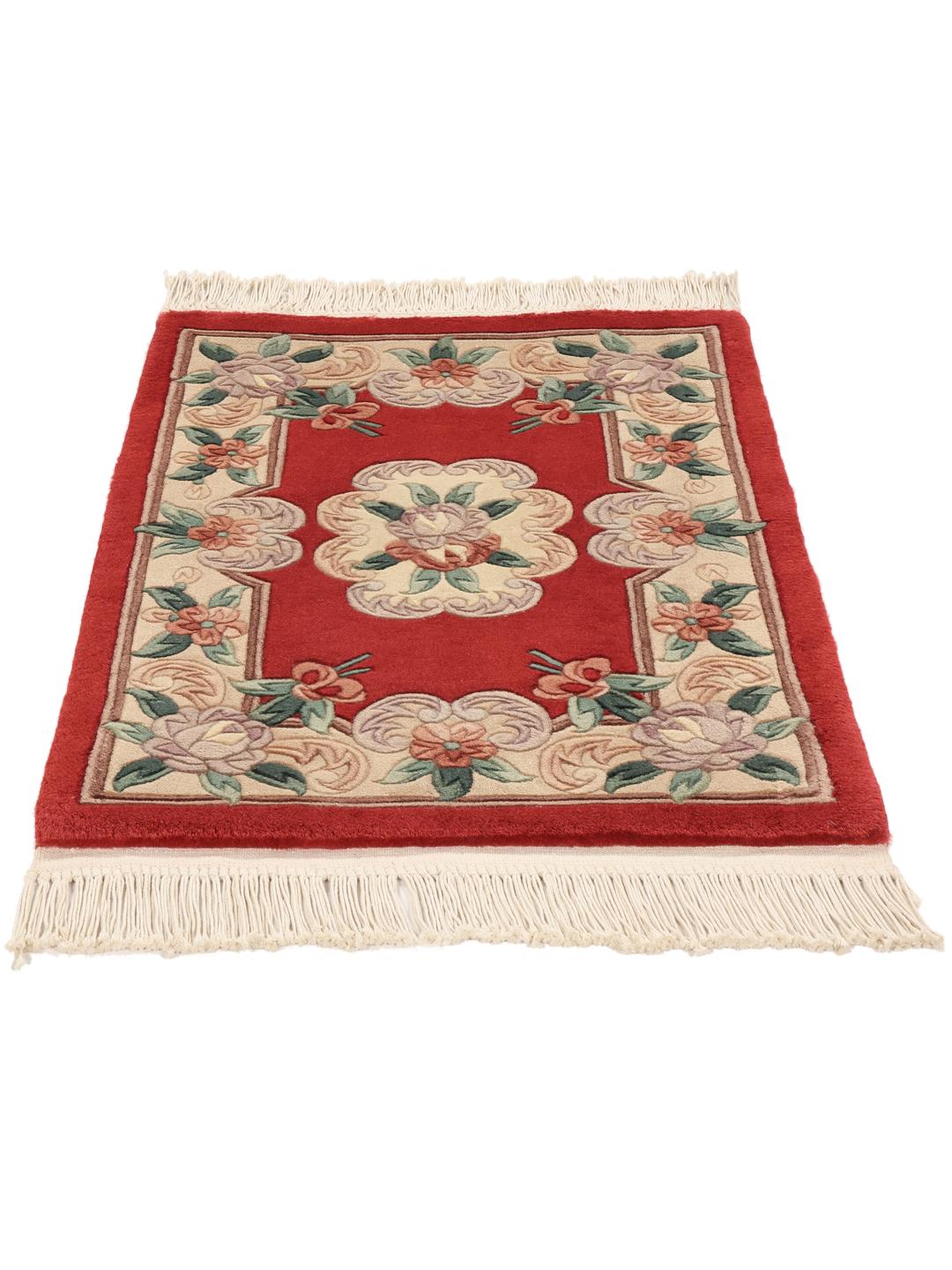
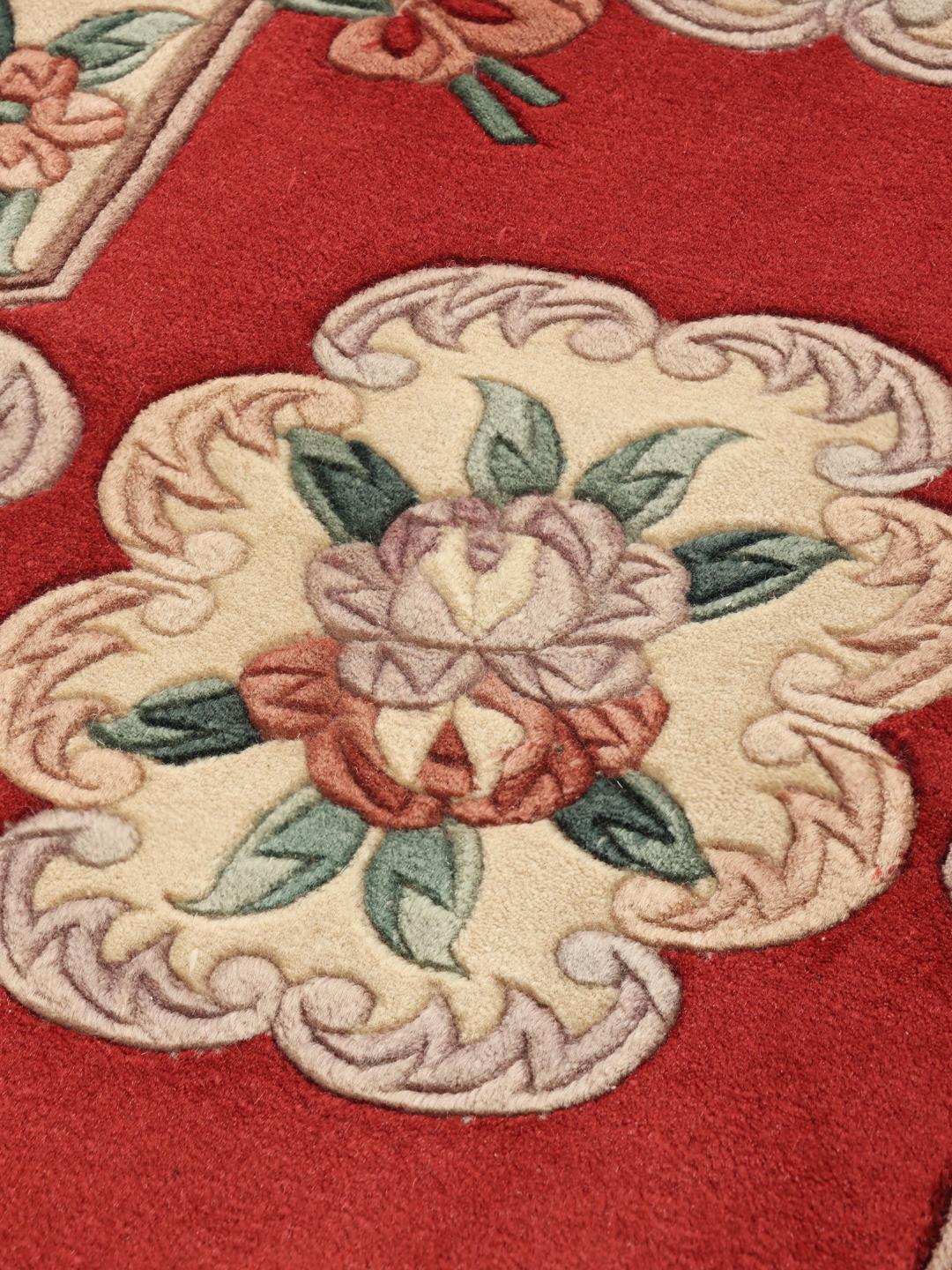
Floral motifs are a cornerstone of the Chinese design tradition, often drawing inspiration from silk paintings and porcelain art. The use of clear, distinct borders and centred medallions is a hallmark of this style, creating a sense of balance and harmony. The specific floral arrangements on this rug reflect a classic aesthetic that prioritises elegance and natural beauty, making it a versatile choice for many home styles.
Owning a hand-knotted rug from this tradition is an invitation to bring a piece of cultural history into your home. These rugs are highly valued for their longevity and the human story behind every knot. When you choose a one-of-a-kind Chinese rug, you are not just purchasing a floor covering, but a legacy of craft that celebrates human skill and artistic dedication.