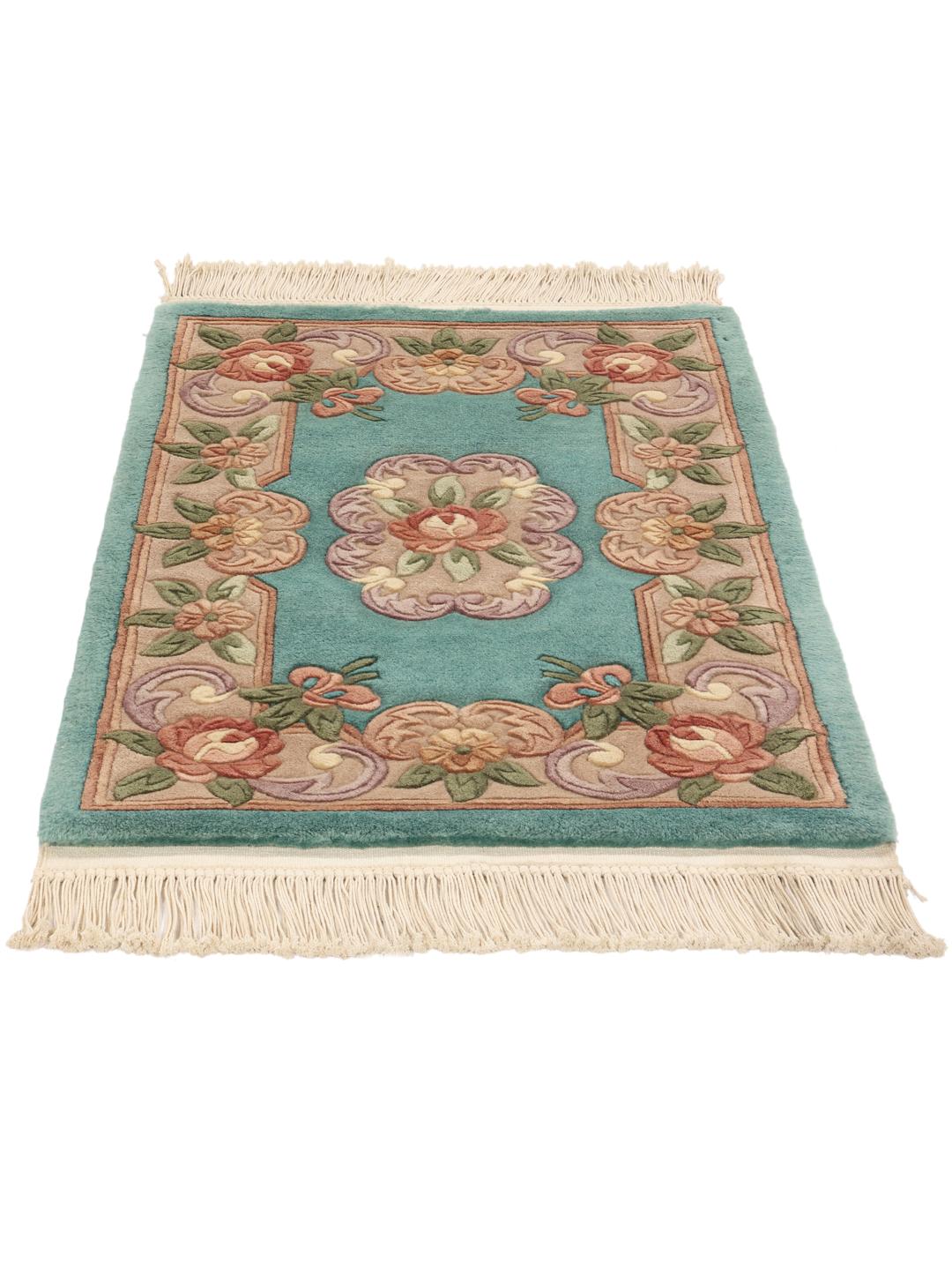
Chinese rug weaving has a long and storied history, evolving over centuries from functional floor coverings into highly sophisticated works of art. Traditionally, these rugs were influenced by the artistic motifs found in Chinese silk weaving, ceramics, and painting, often featuring floral patterns, dragons, or landscapes. Over time, the craft expanded to include designs that blend traditional Eastern aesthetics with elements that appeal to a global audience, resulting in the refined style seen in this piece today.
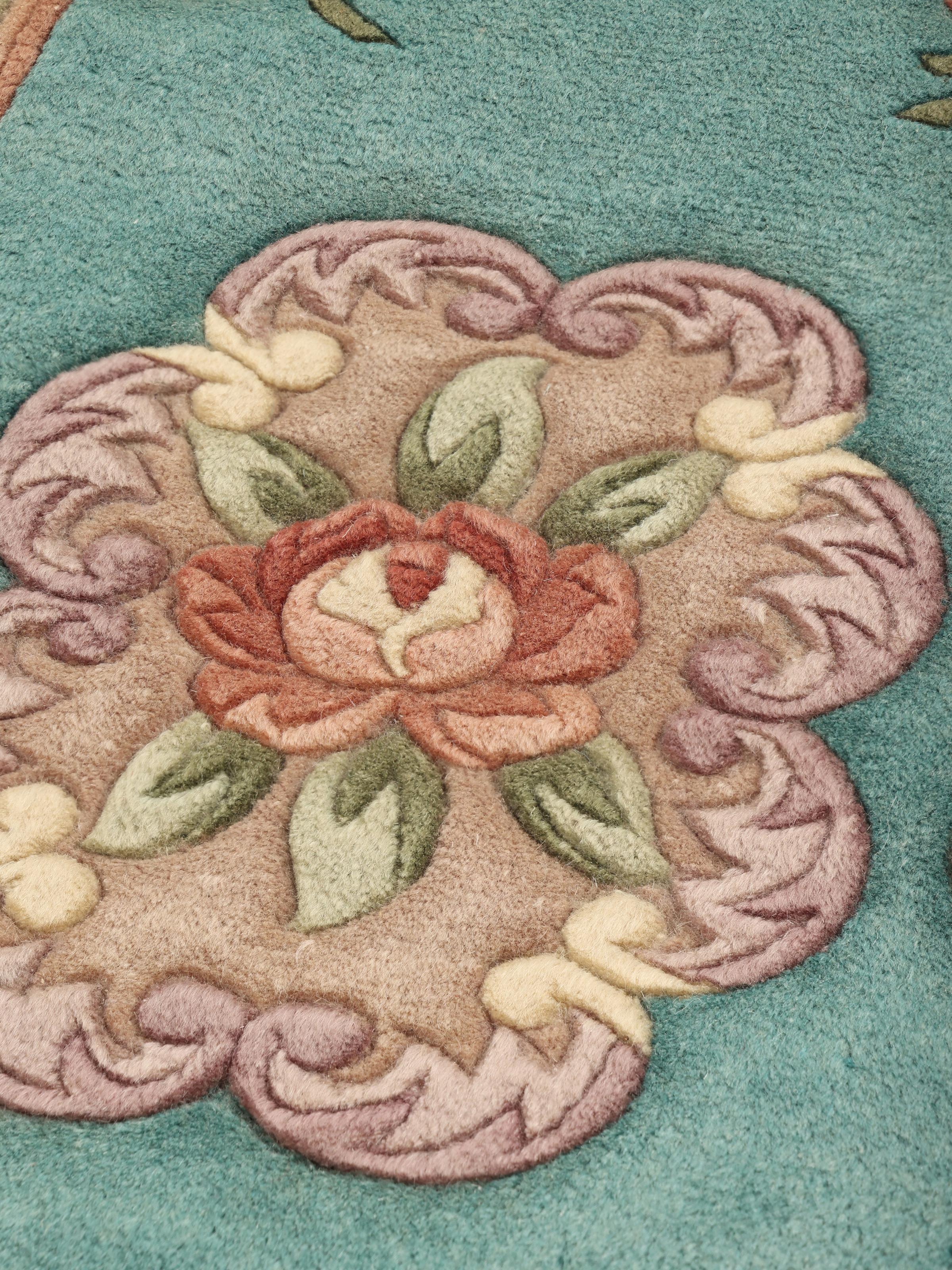
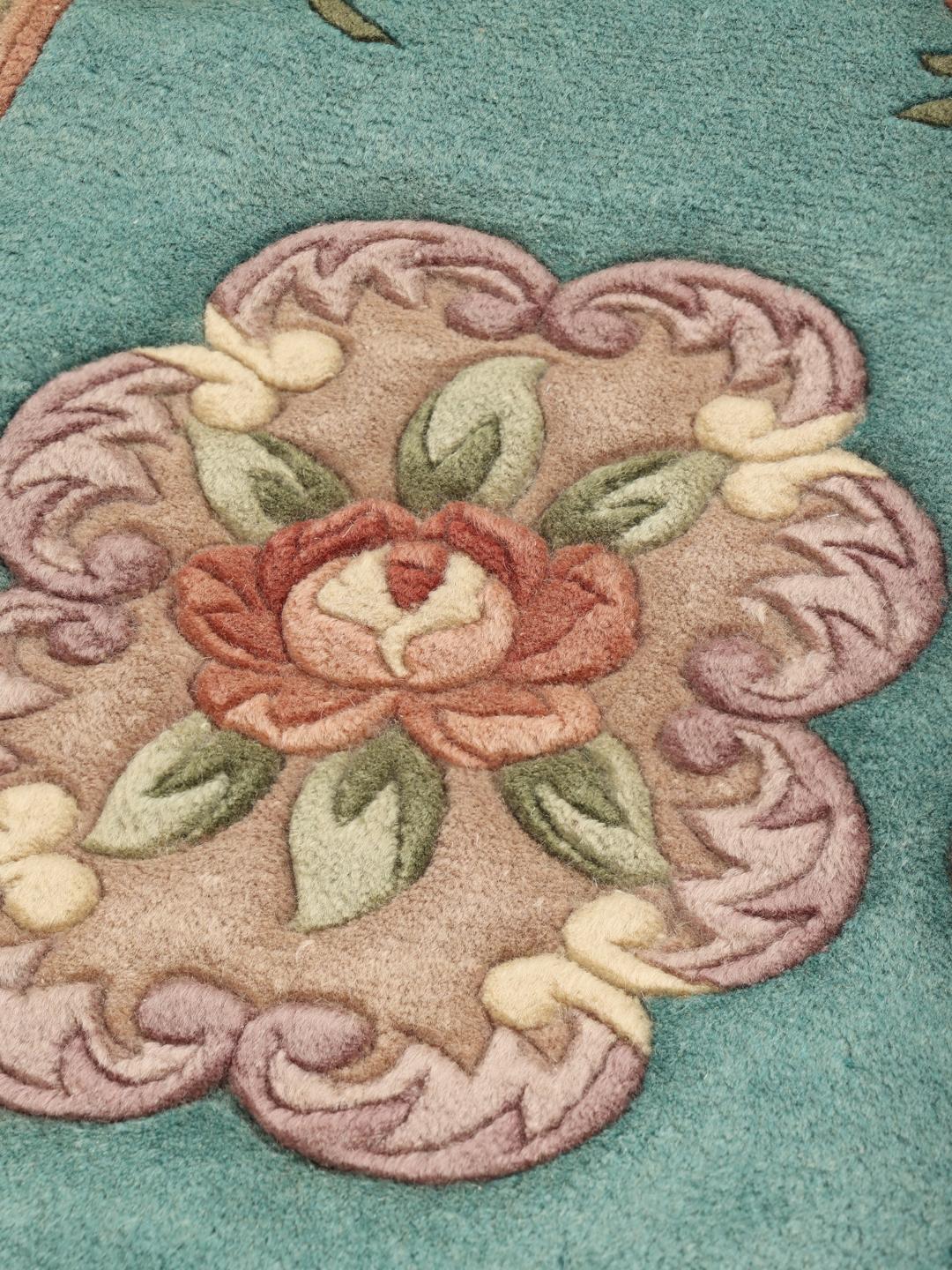
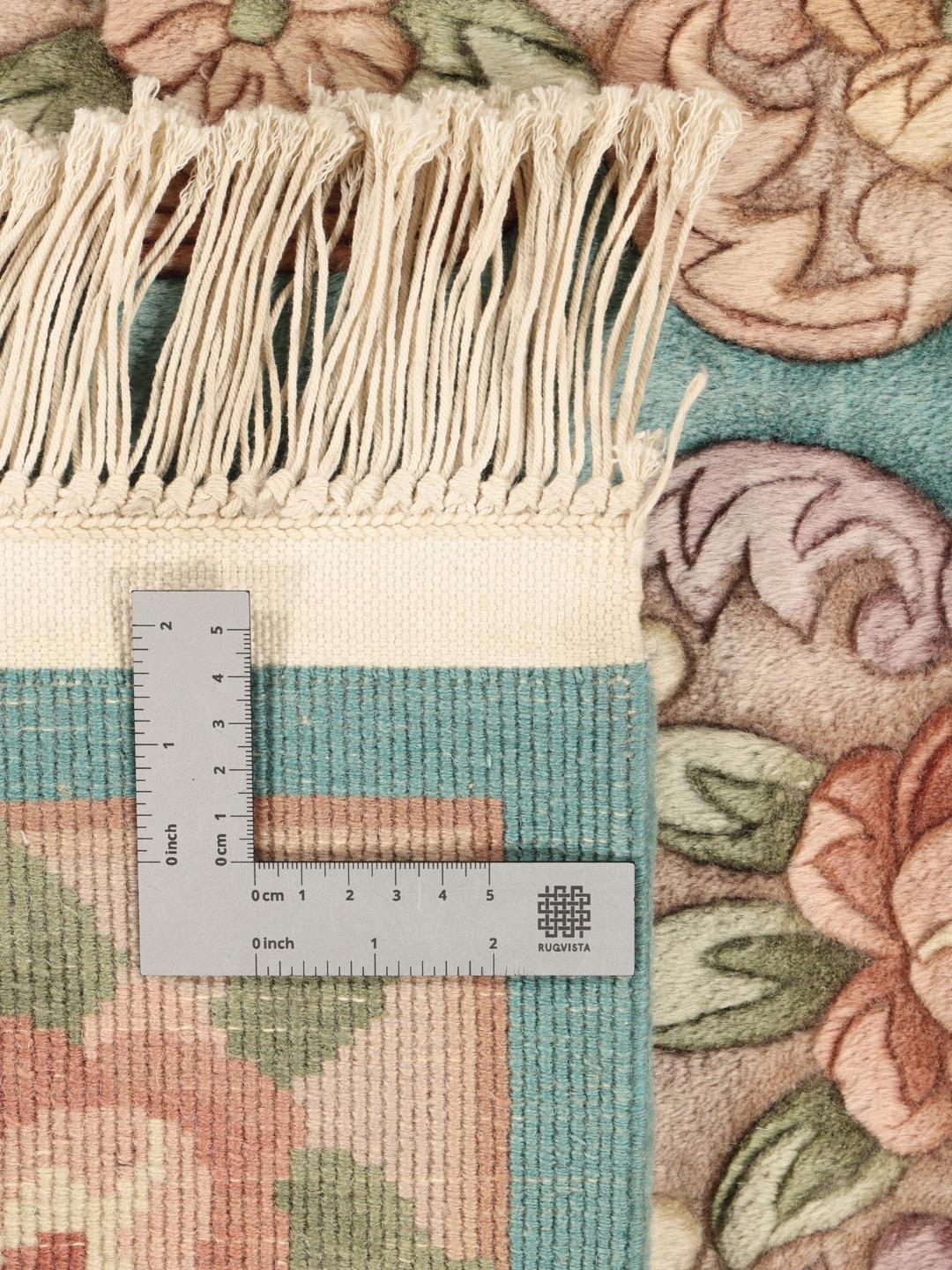
The '90 Line' designation refers to a specific technical standard in Chinese rug making, indicating the density of the knots across the width of the rug. This system is a hallmark of the region's commitment to quality, ensuring that every piece maintains a consistent level of detail and structural integrity. For the owner, this means a rug that balances a soft, comfortable pile with a clear and crisp design that remains sharp even after years of regular use.
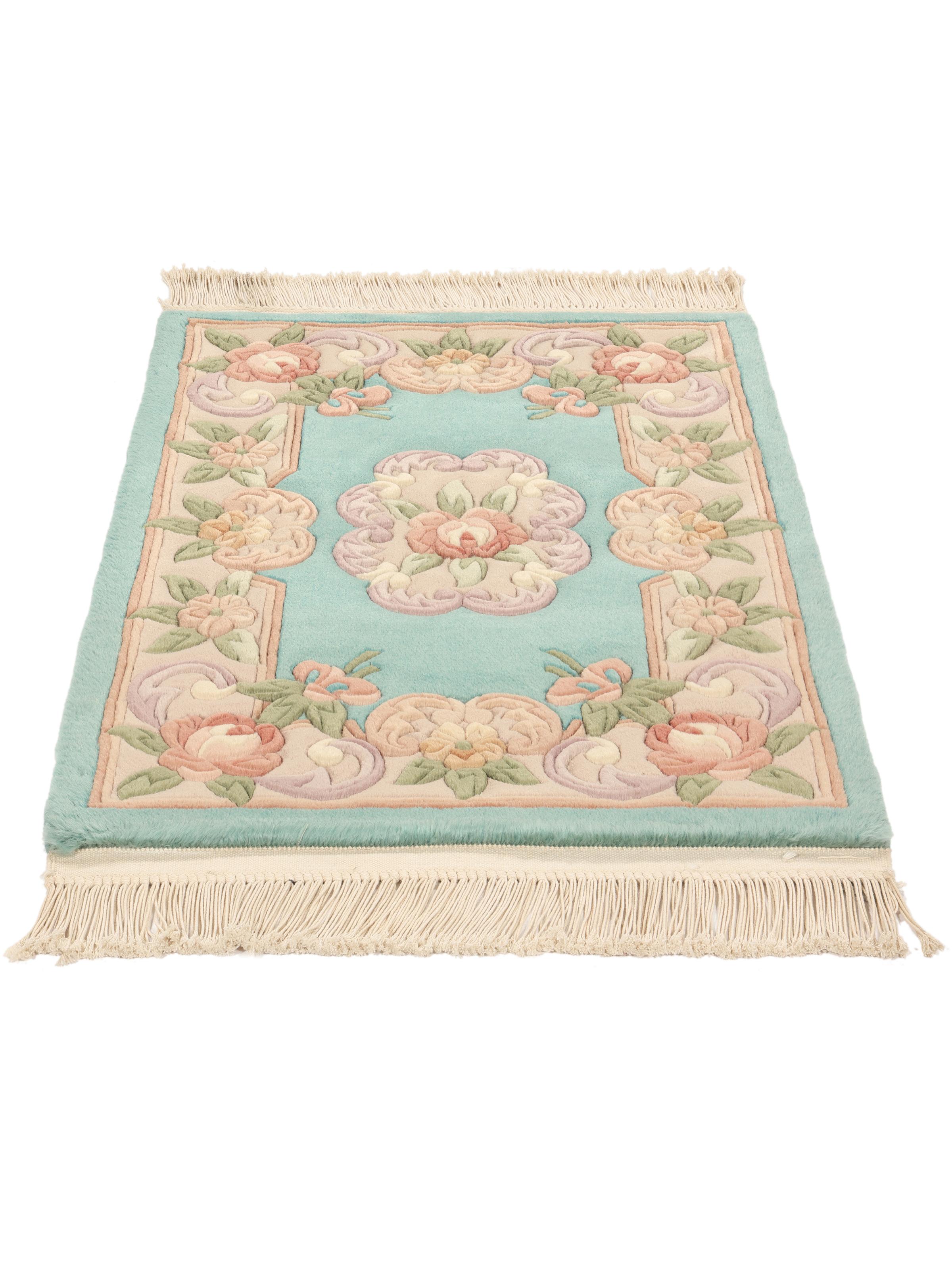
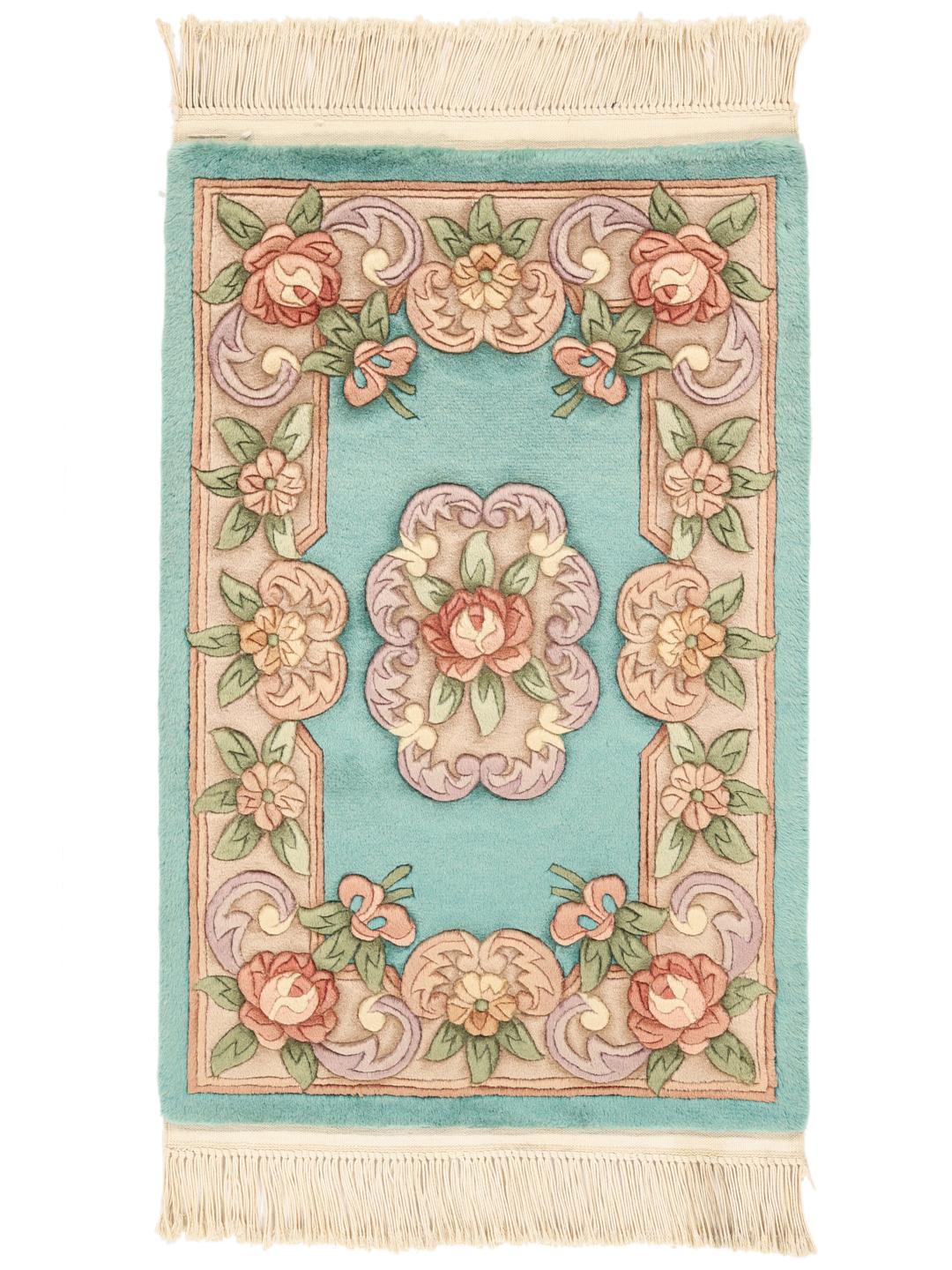
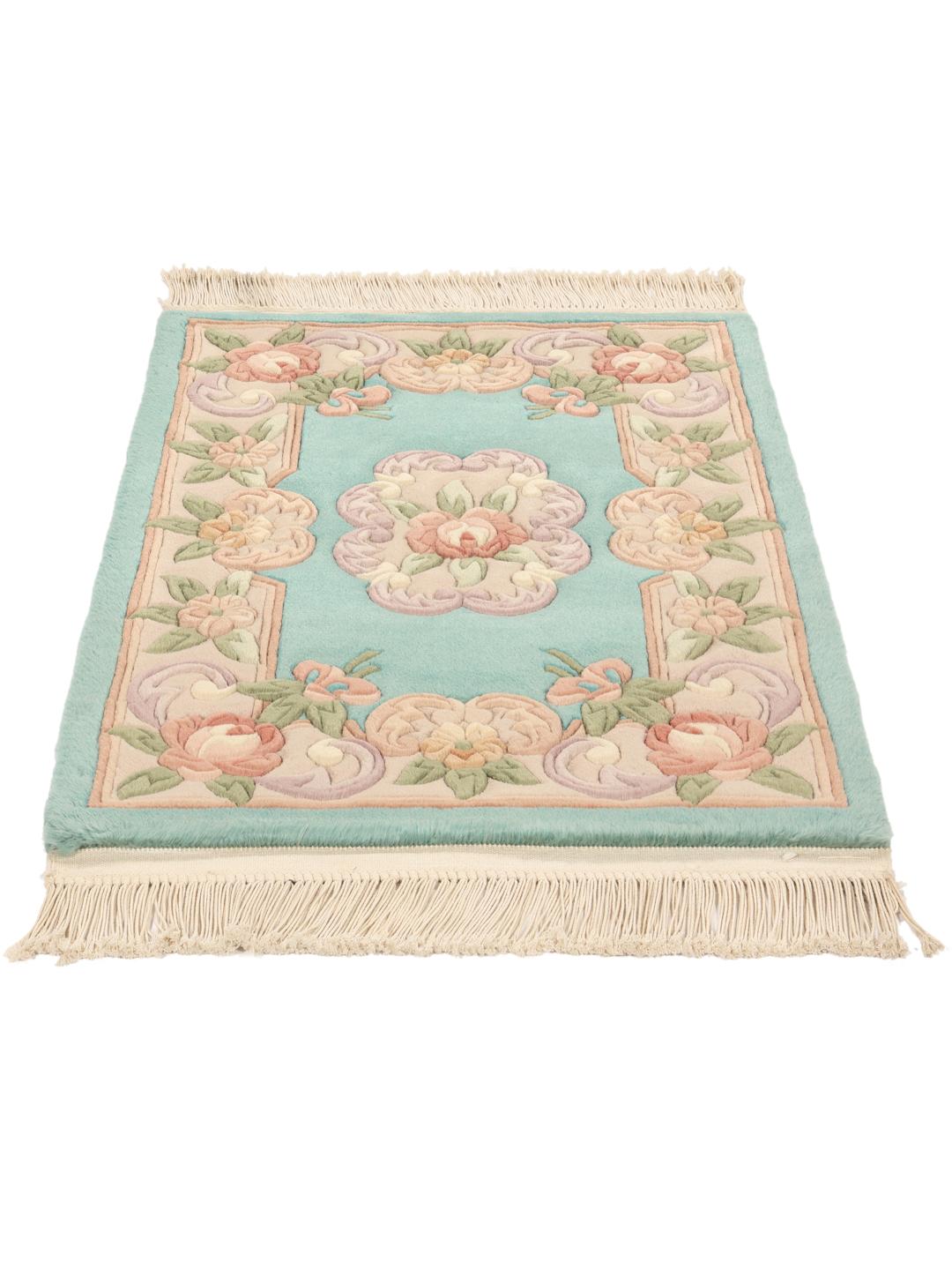
The design of this rug draws on classic floral motifs, which are central to the Chinese decorative tradition. These patterns are not merely aesthetic; they are often deeply symbolic, representing seasons, prosperity, or natural beauty. The use of soft, harmonious colours is characteristic of the elegant, understated style that has made Chinese hand-knotted rugs popular in homes around the world for generations.
Collecting a hand-knotted rug from China is an opportunity to own a piece of an enduring craft tradition. These rugs are valued for their ability to harmonise with various interior styles, from the traditional to the more contemporary. By bringing such a piece into your home, you are continuing a legacy of human skill and artistic expression, ensuring that the tradition of fine textile art is preserved and appreciated in a modern context.