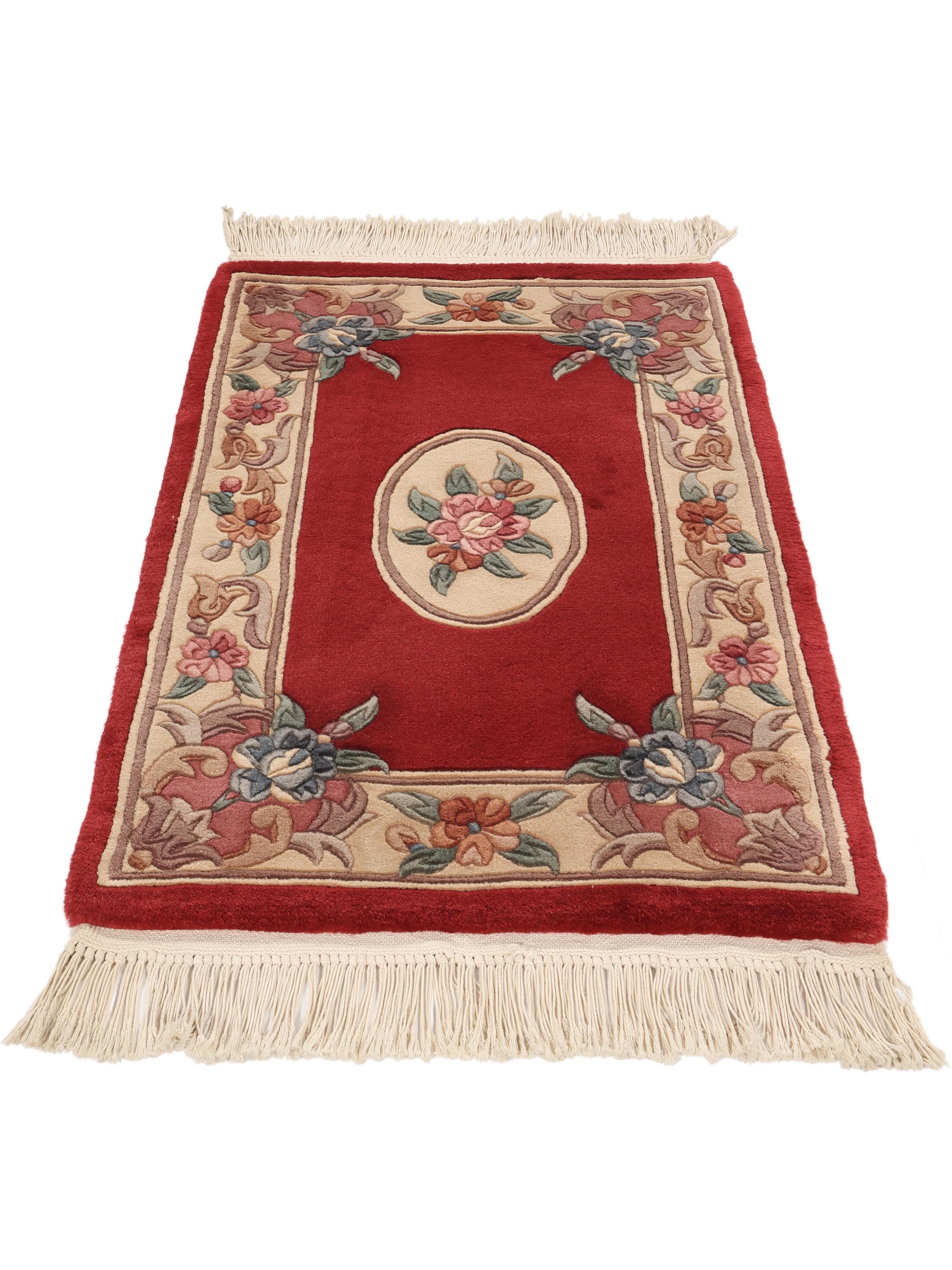
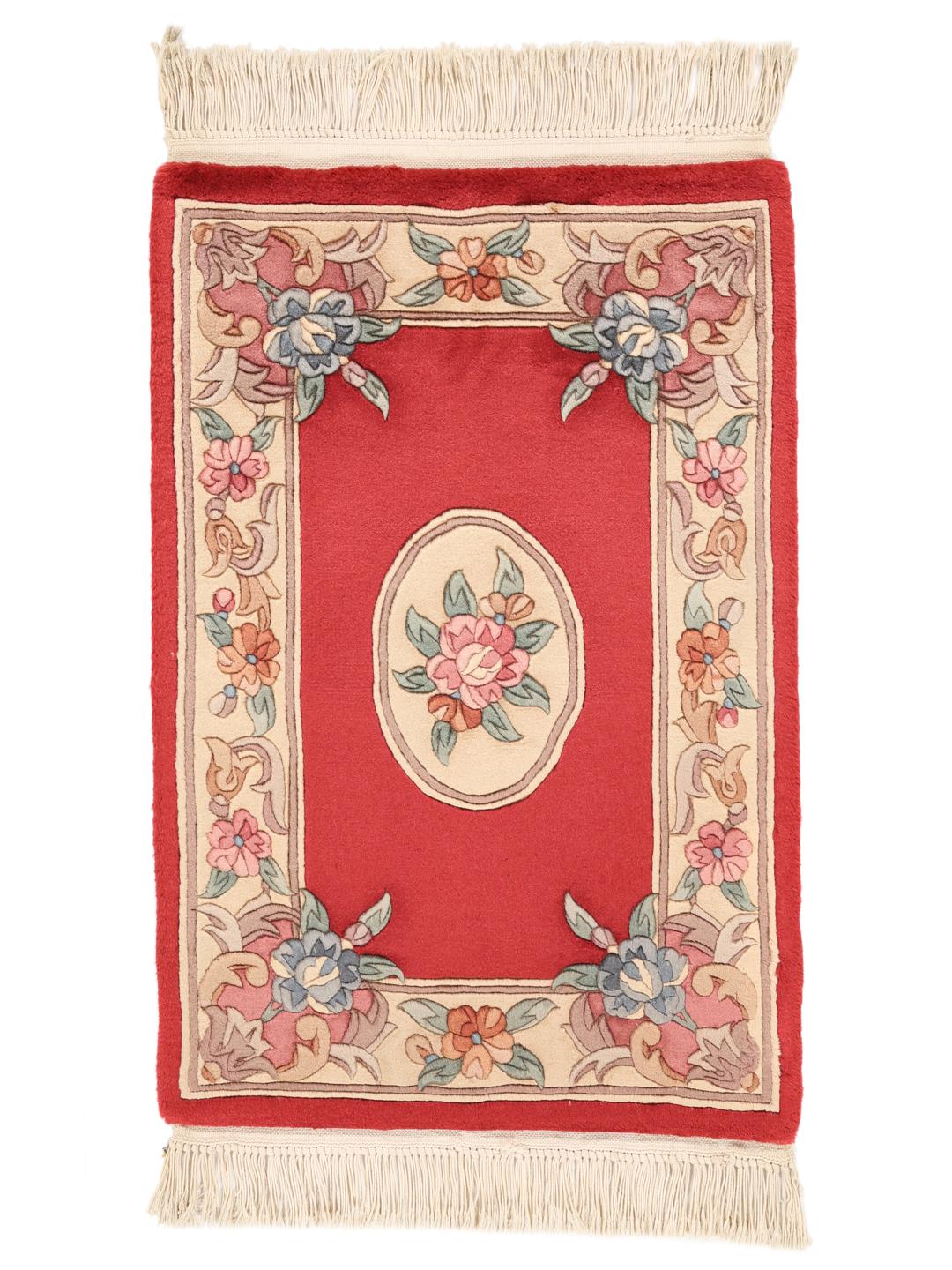
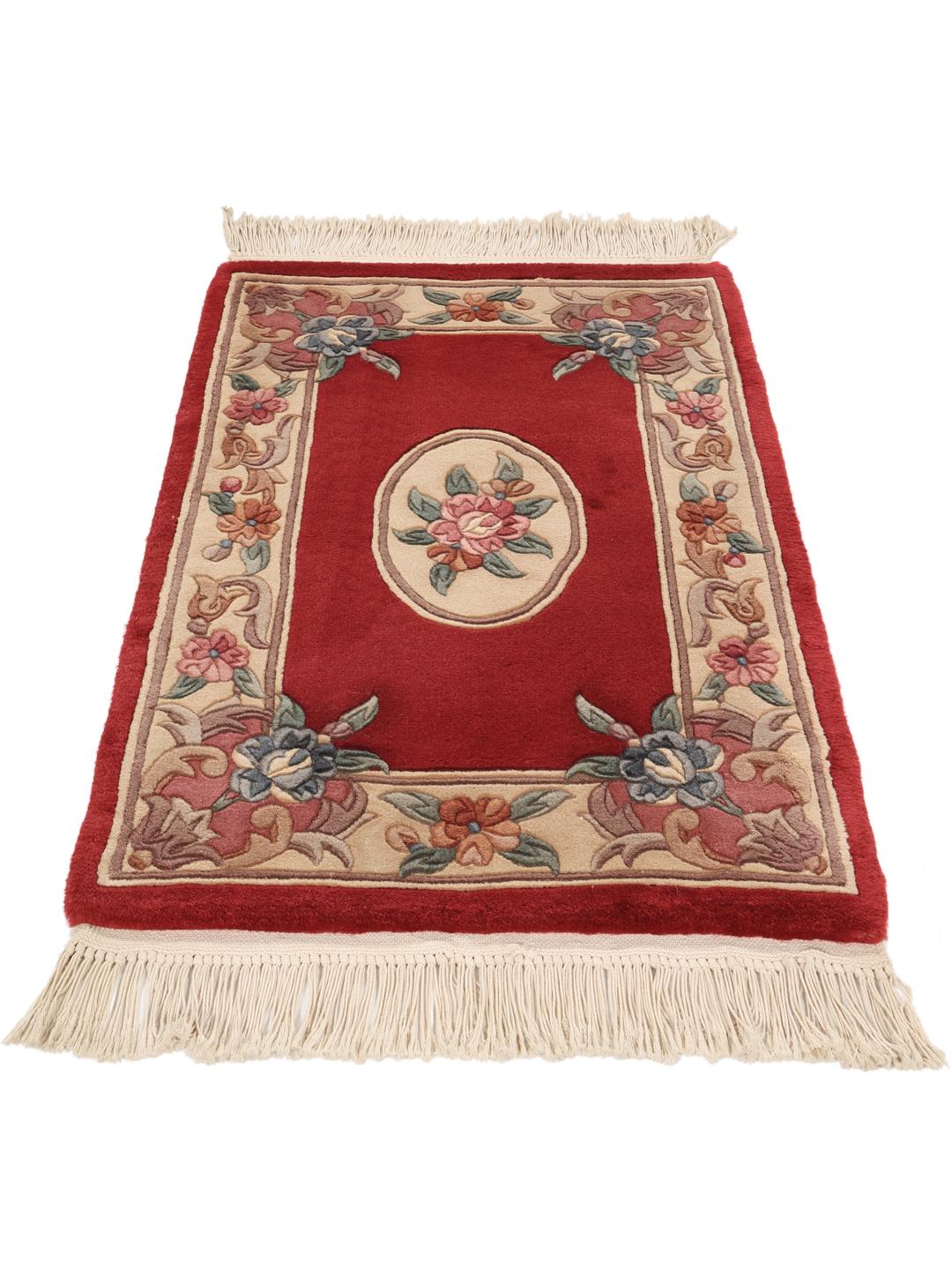
Chinese rug-making is an ancient art form that has evolved over centuries, blending local artistic traditions with techniques that have been refined through generations. Historically, these rugs were highly prized by the imperial court and elite families, known for their distinct use of negative space, symbolic motifs, and a refined colour palette that often drew inspiration from nature.
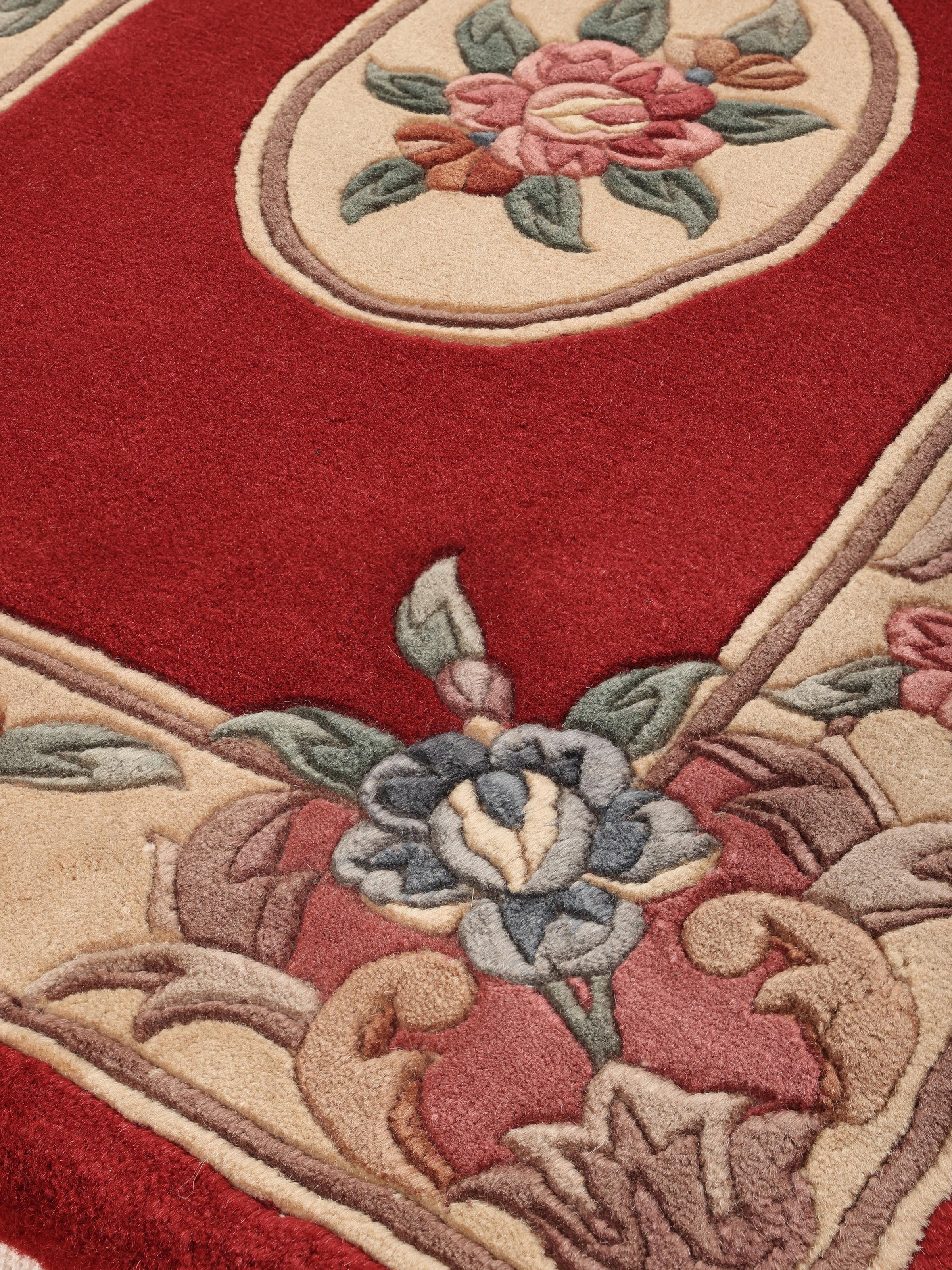
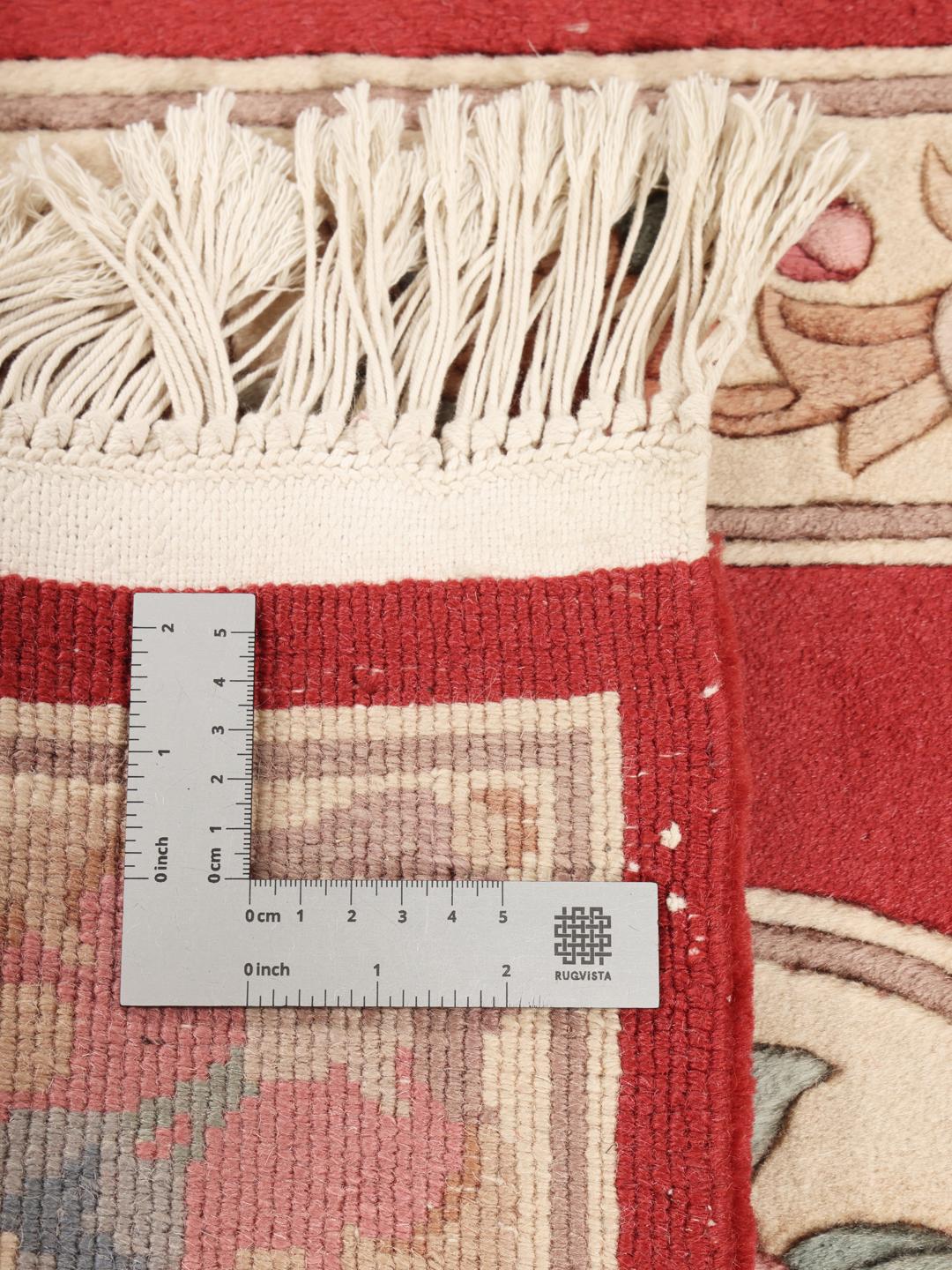
The term '90 line' refers to a traditional method of measuring the density of the weave based on the number of knots across a standard width. This specific technical standard is crucial because it dictates the clarity of the design and the density of the pile. A higher line count generally indicates a more refined, durable, and sophisticated rug, ensuring that the intricate floral motifs remain sharp and defined over time.
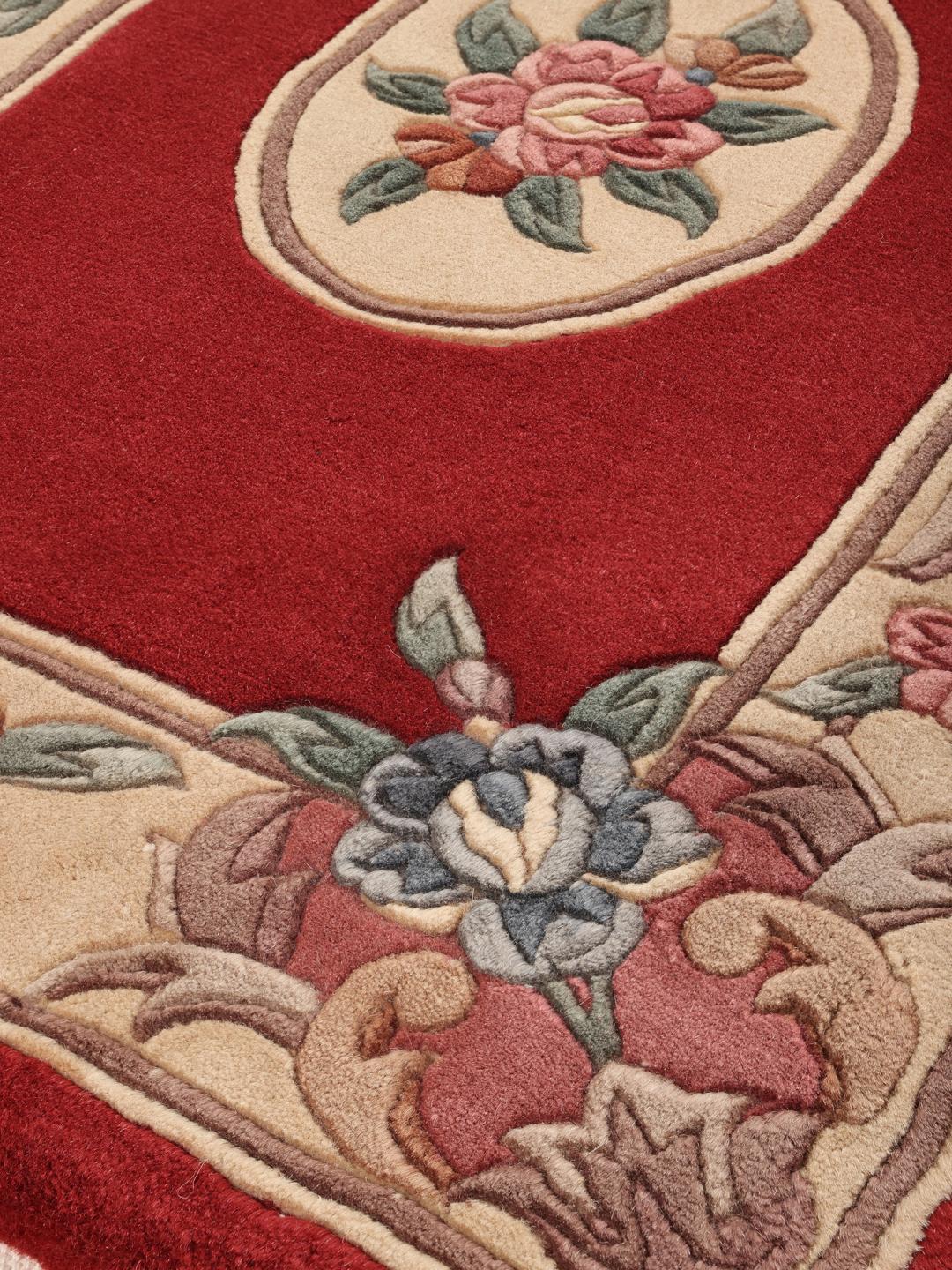
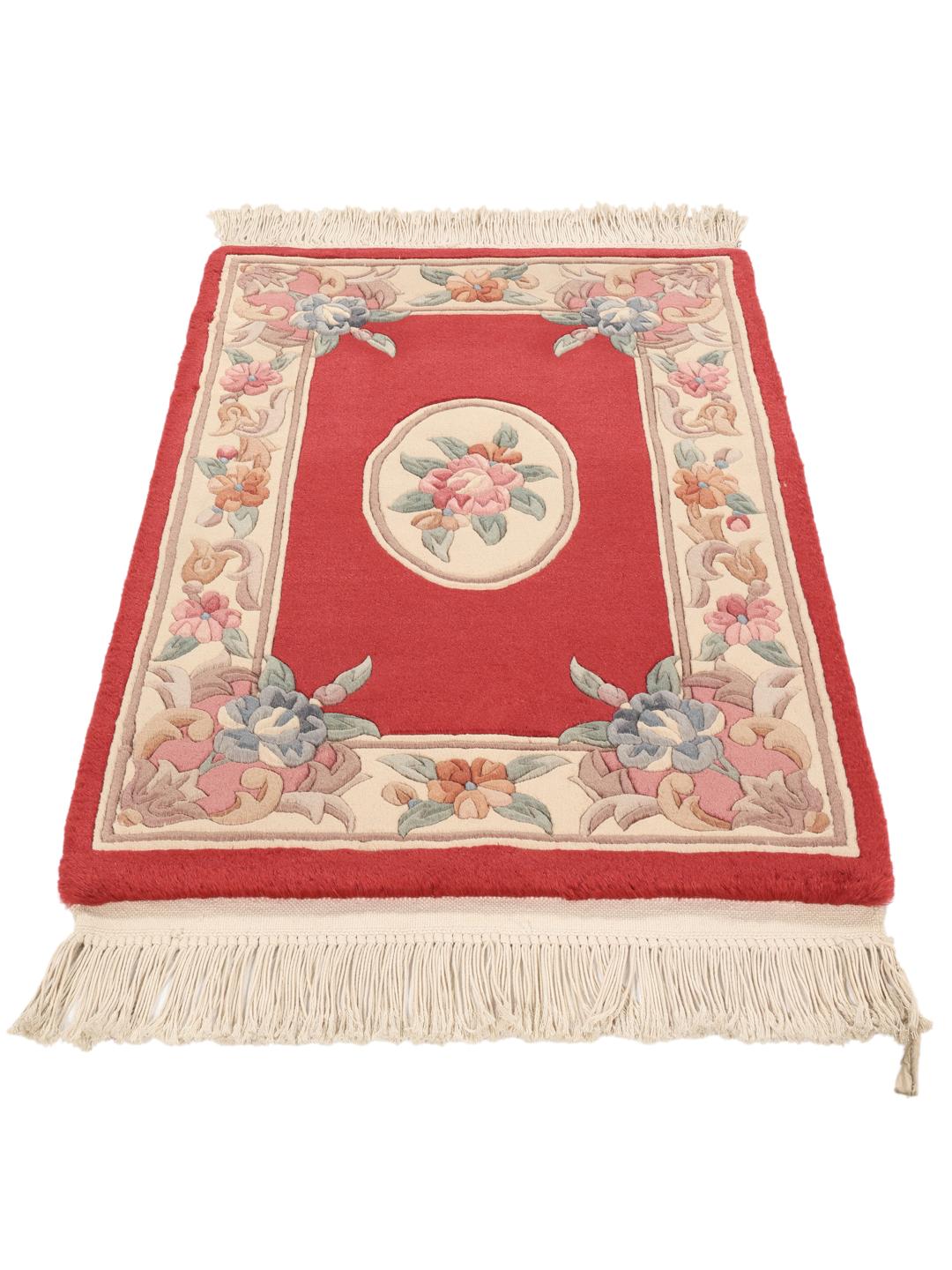
The design of this rug features a central medallion surrounded by lush, flowing floral patterns. These motifs are deeply rooted in cultural symbolism, often representing prosperity, longevity, and beauty. The inclusion of a clear, decorative border frames the central composition, a hallmark of traditional Chinese composition that creates a sense of balance and harmony within the piece.
Collectors value these rugs not only for their beauty but for the immense skill required to produce them. Owning a piece from this tradition is an opportunity to connect with a storied craft that has remained relevant through shifting design trends. It represents a commitment to quality and a respect for the human hands that brought such a complex and beautiful design to life.