Chinese rug production has a storied past that spans centuries, evolving from functional floor coverings to elaborate expressions of artistic skill. While early pieces were often used in temples and imperial palaces, the tradition has grown into a globally recognised craft that emphasises intricate, often nature-inspired, decorative elements.
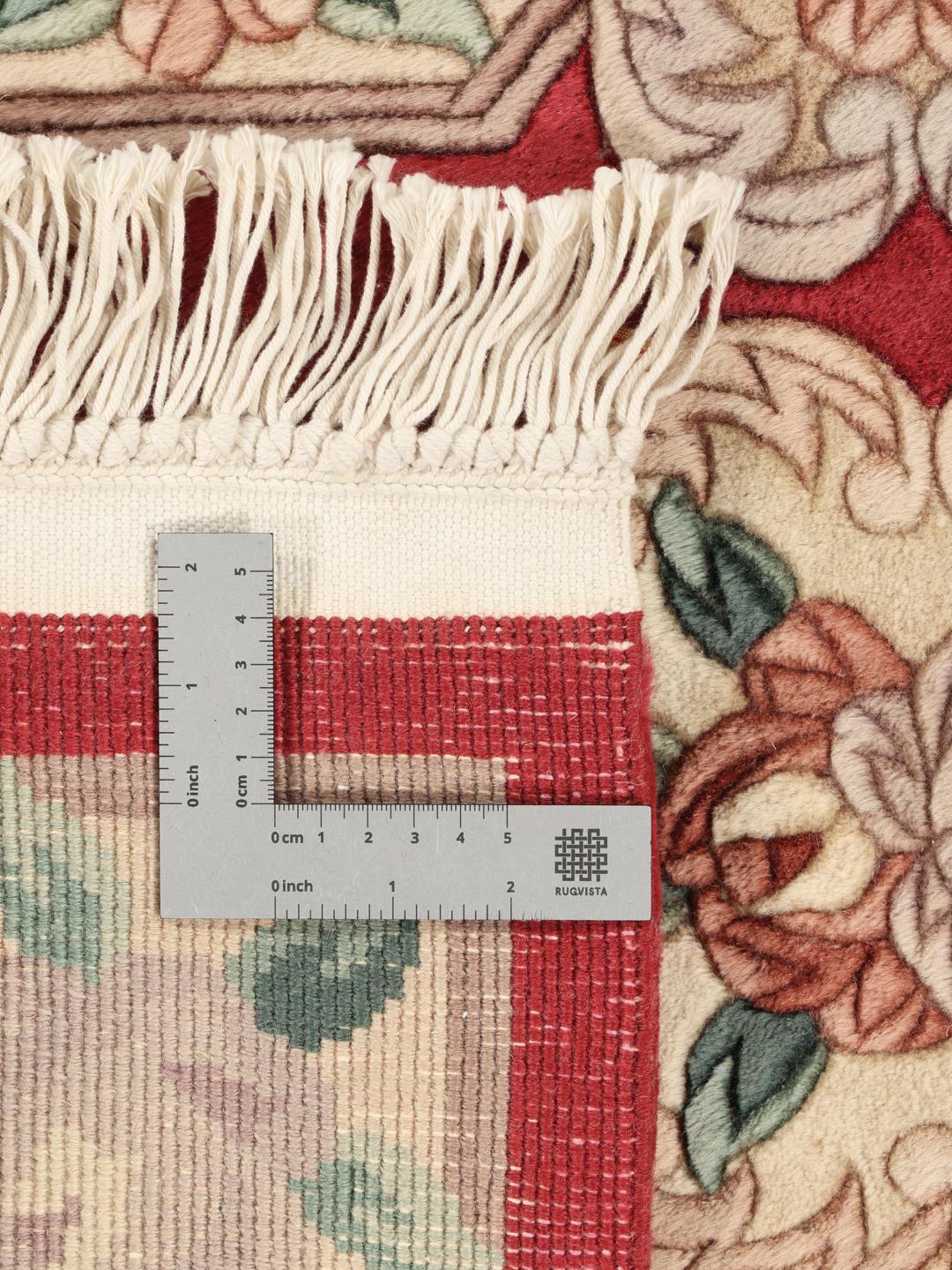
The term 90 Line refers to a traditional measurement system for Chinese rugs, indicating the number of knots per linear foot. This technical standard is crucial for defining the fineness of the weave and the overall quality of the finished product. A 90 Line construction results in a balanced, dense pile that provides a smooth, luxurious texture, reflecting a dedication to quality standards that have been refined over generations.
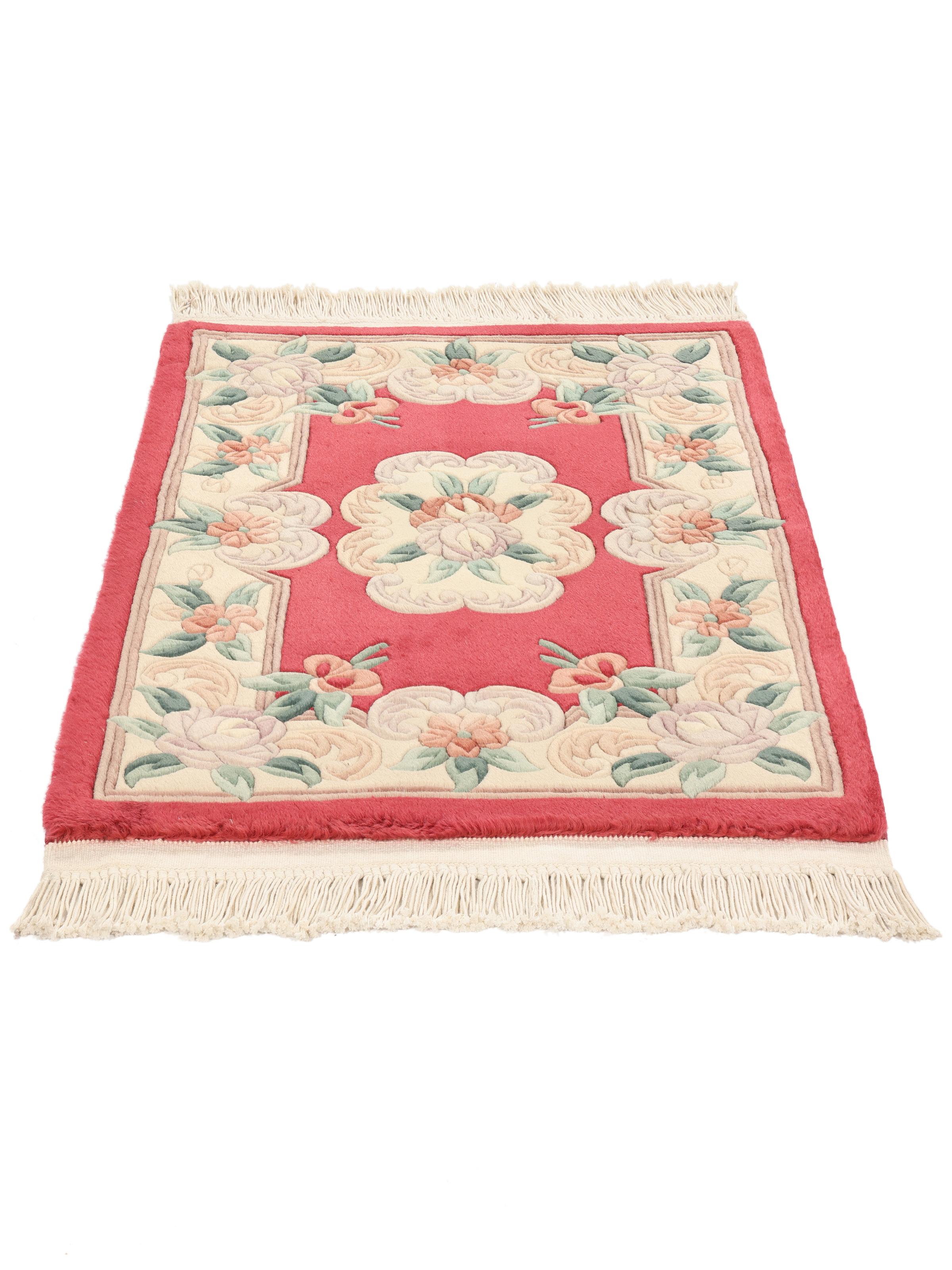
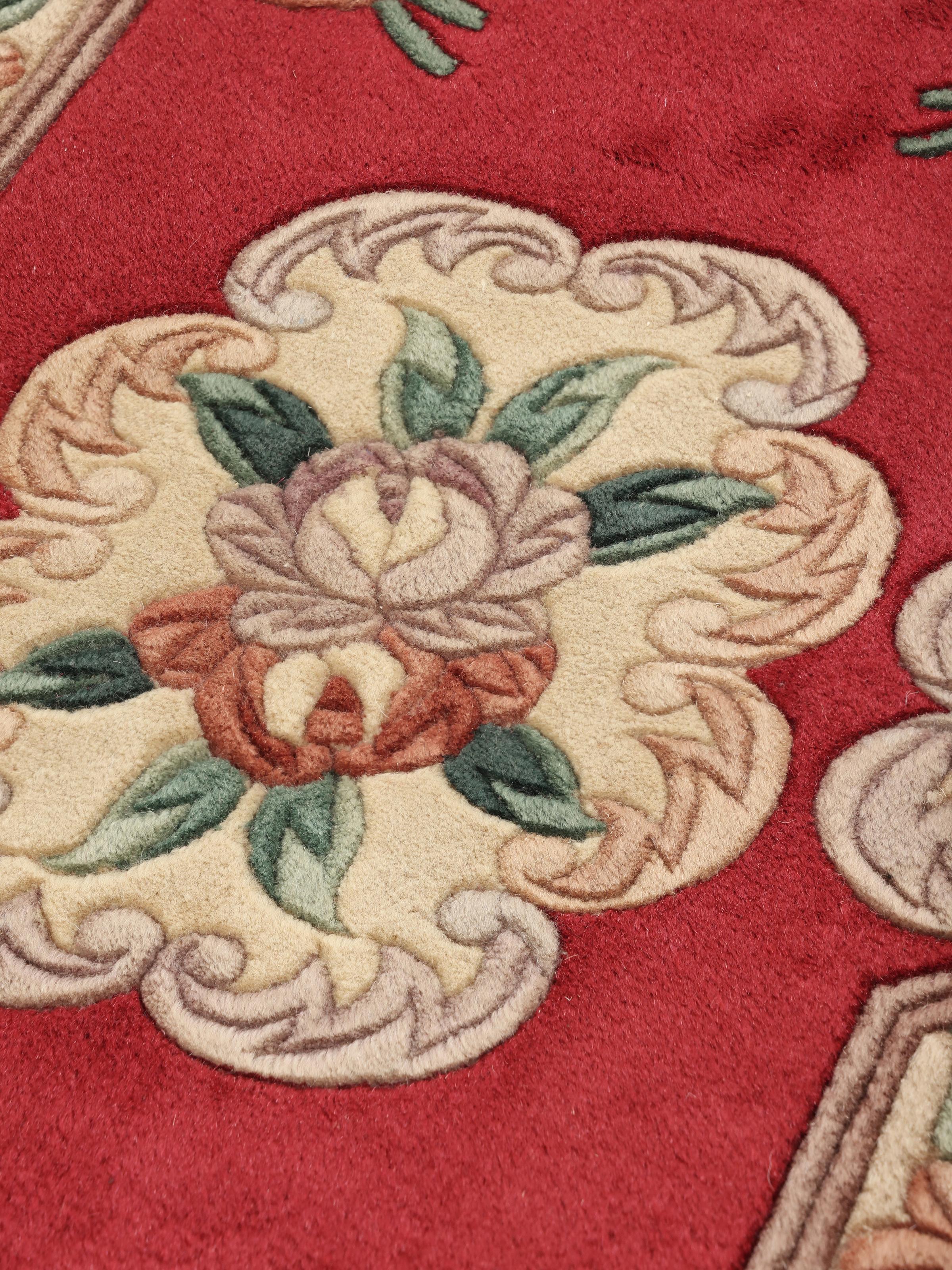
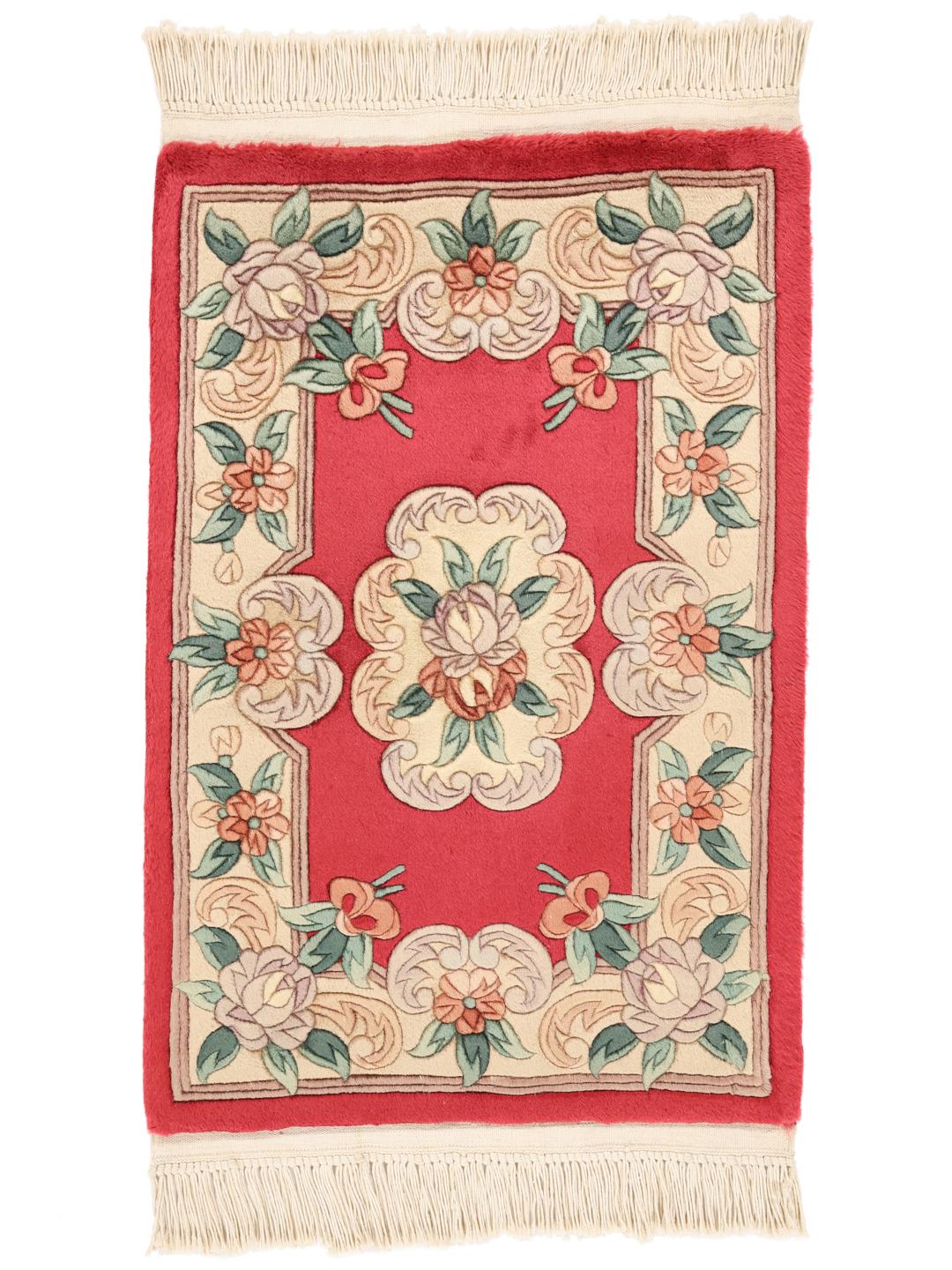
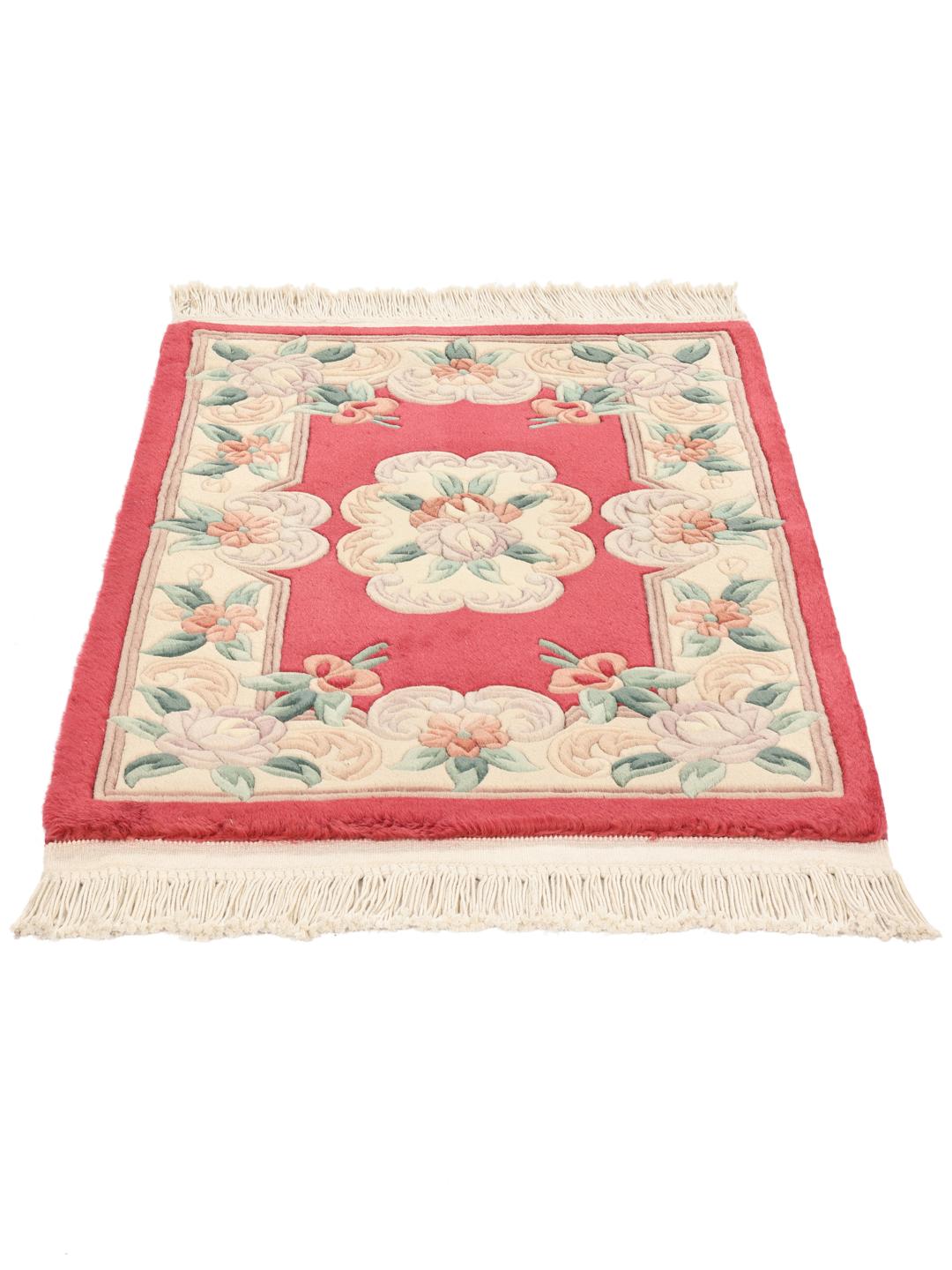
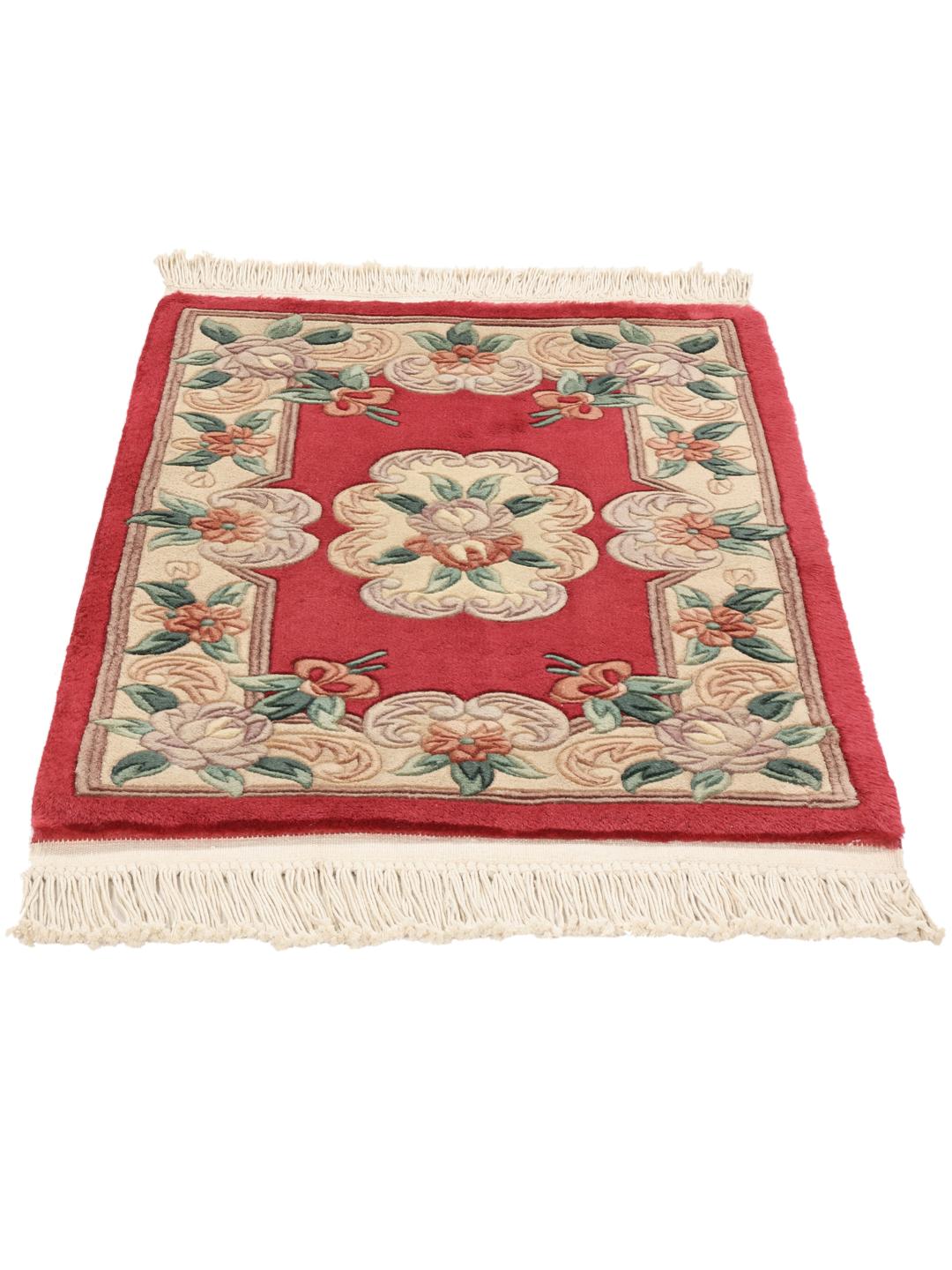
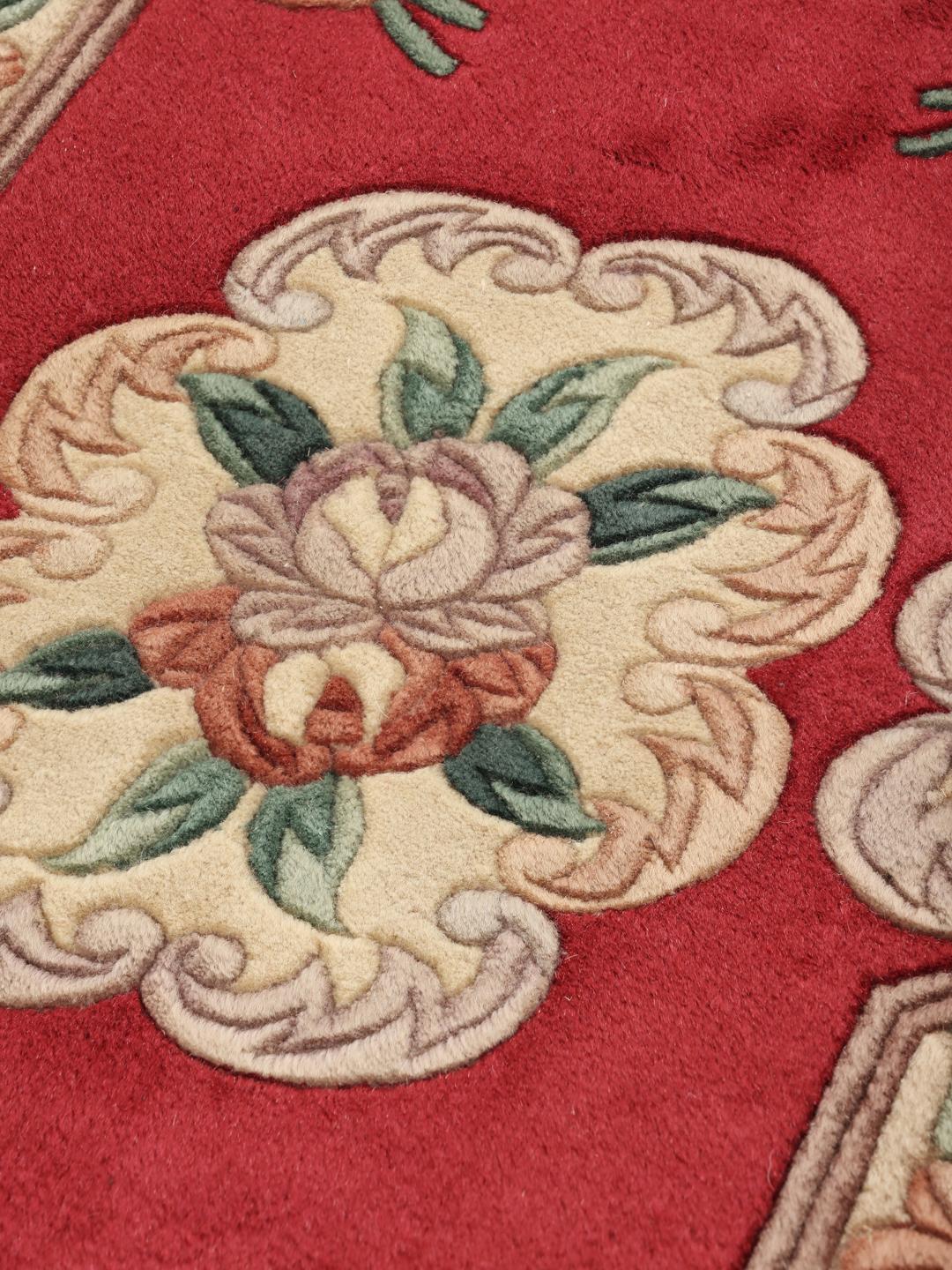
Design-wise, these rugs are celebrated for their floral themes and ornate borders, which often feature lotus blossoms, peonies, or stylised foliage. This particular piece showcases a central medallion and complementary corner motifs, a classic arrangement designed to draw the eye and create a sense of harmony. The use of relief carving, where the pile is selectively clipped to accentuate the pattern, is a hallmark of this tradition that adds depth and tactile interest.
Owning a piece from this tradition is about more than just decor; it is about acquiring a part of a long-standing cultural heritage. These rugs are highly valued by collectors and enthusiasts alike for their blend of technical precision and artistic vision. By bringing such a piece into your home, you are honouring a craft that values slow, deliberate work and timeless design.