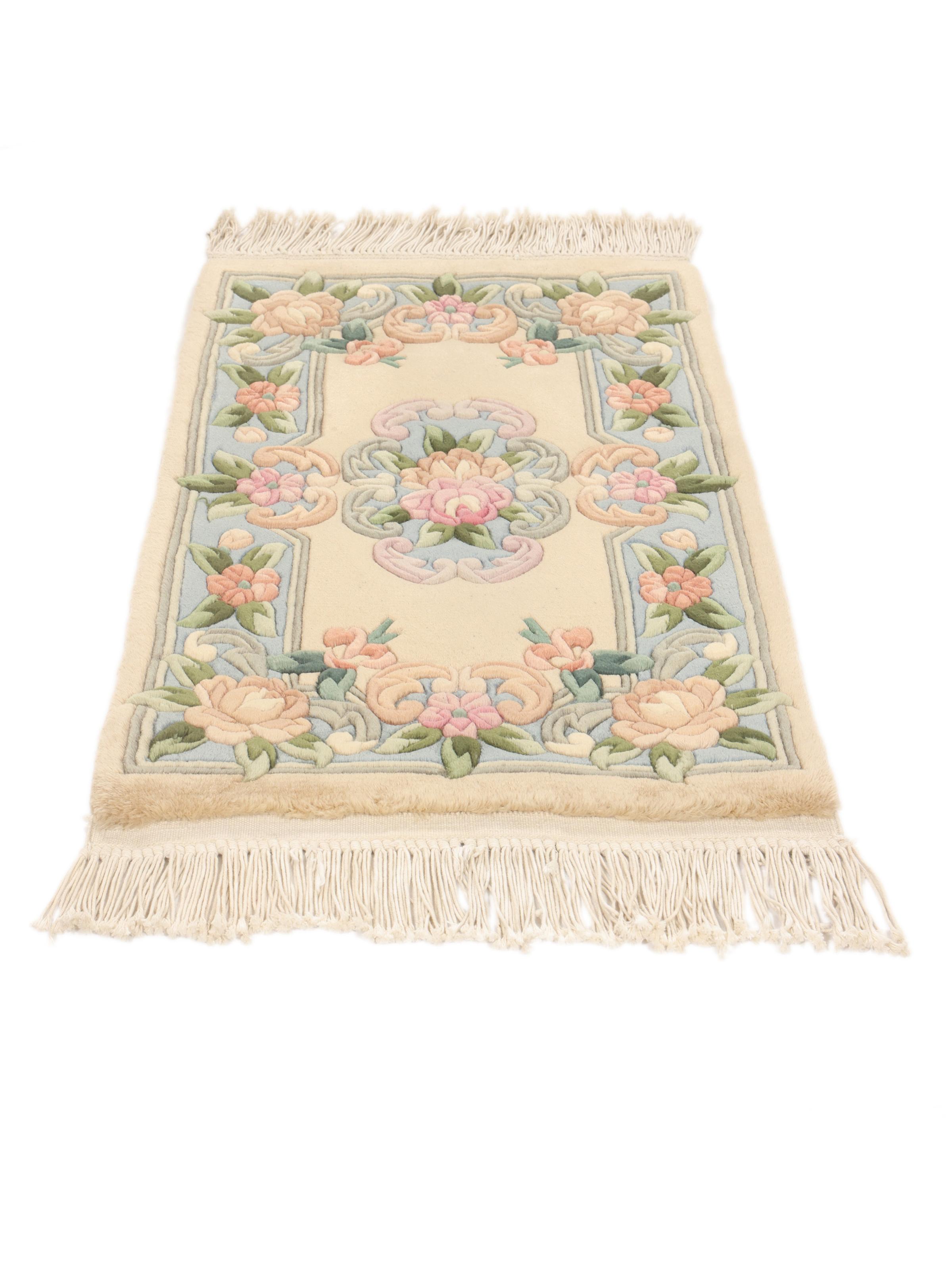
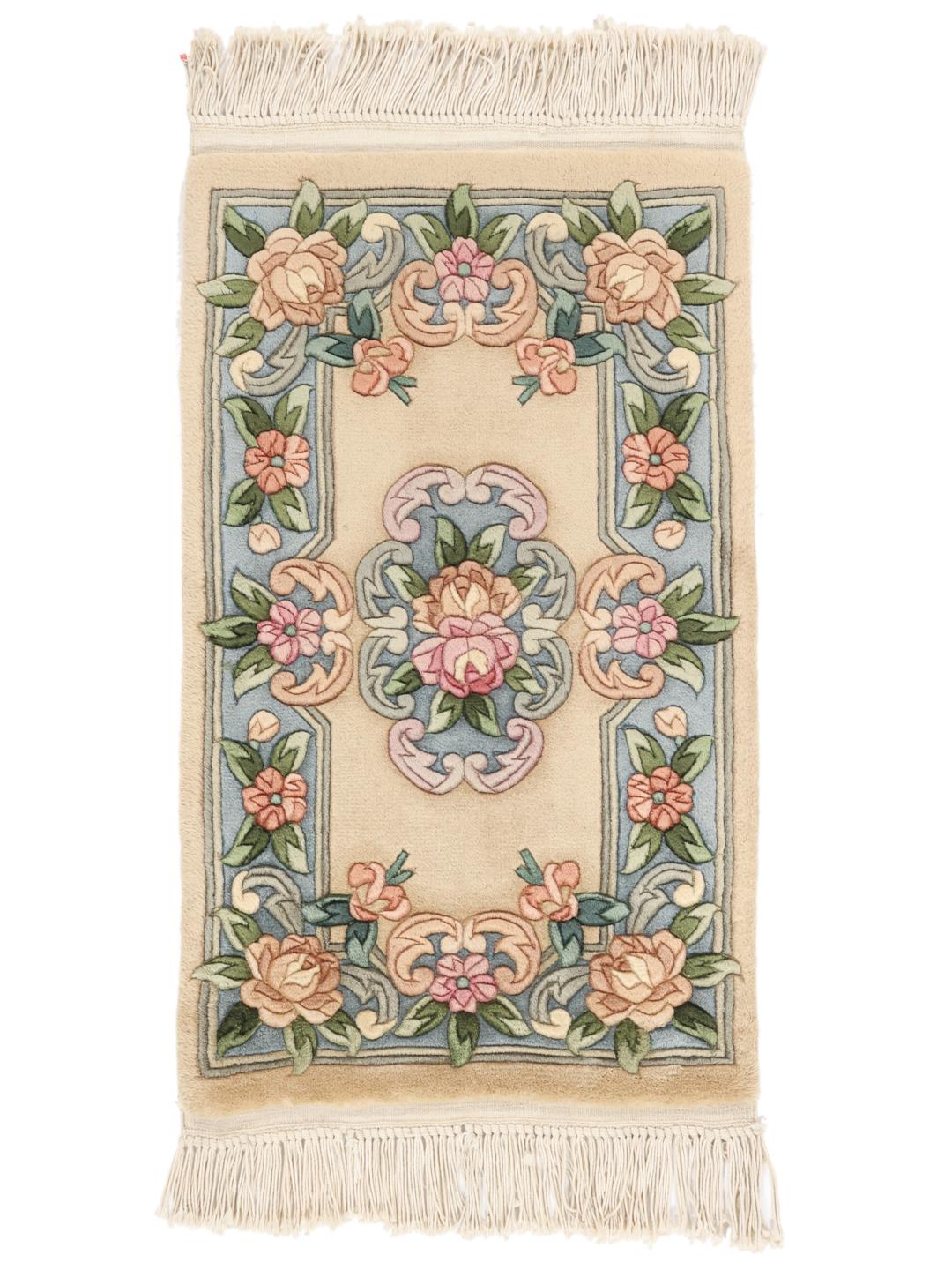
The history of Chinese rug weaving is a story of profound artistic evolution, stretching back centuries and deeply intertwined with the development of fine textiles. Unlike some other regional traditions that focused on geometric tribal motifs, Chinese craftsmanship has historically been celebrated for its intricate, painterly approach to design, often drawing inspiration from nature, pottery, and classical silk painting.
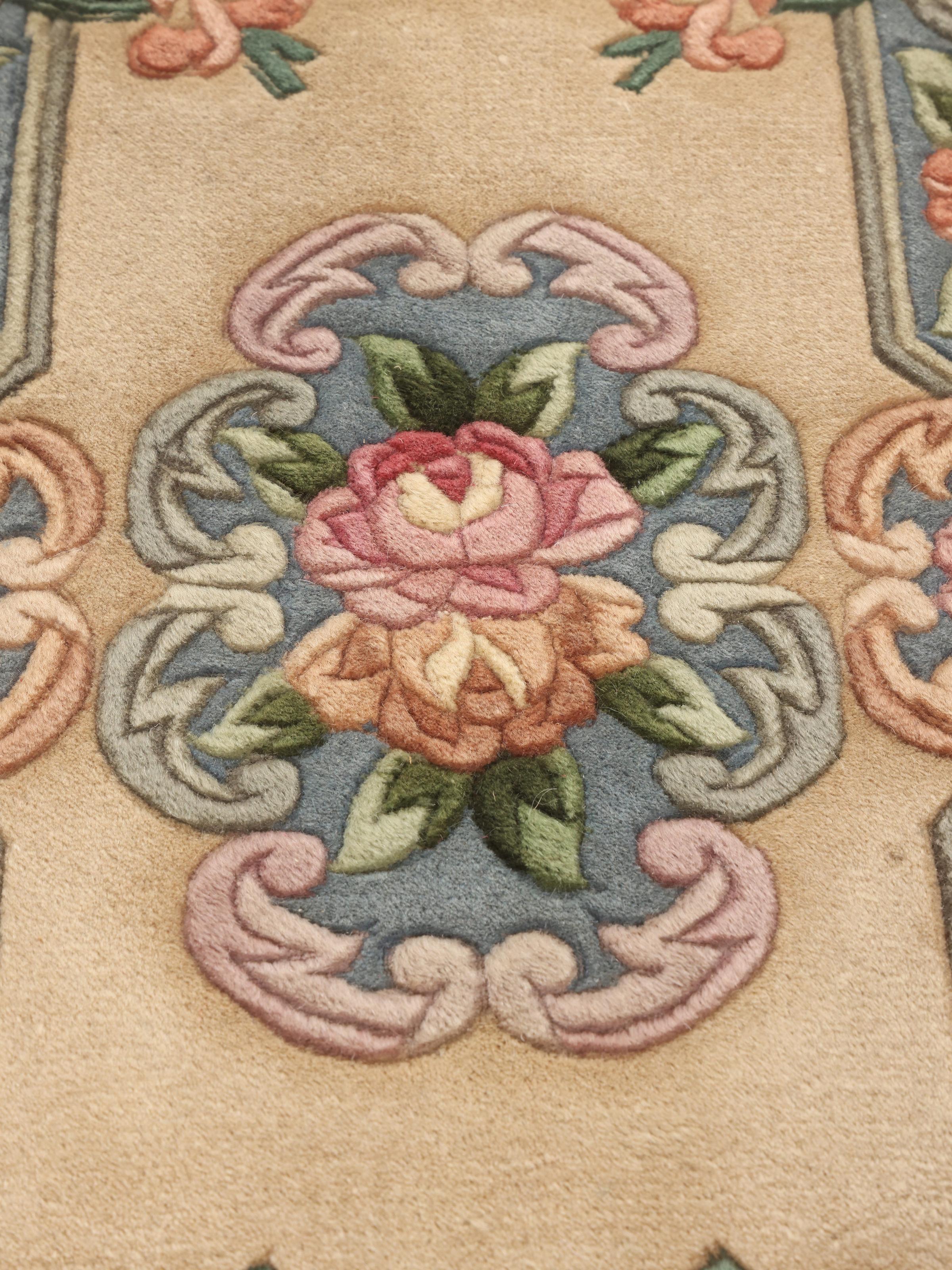
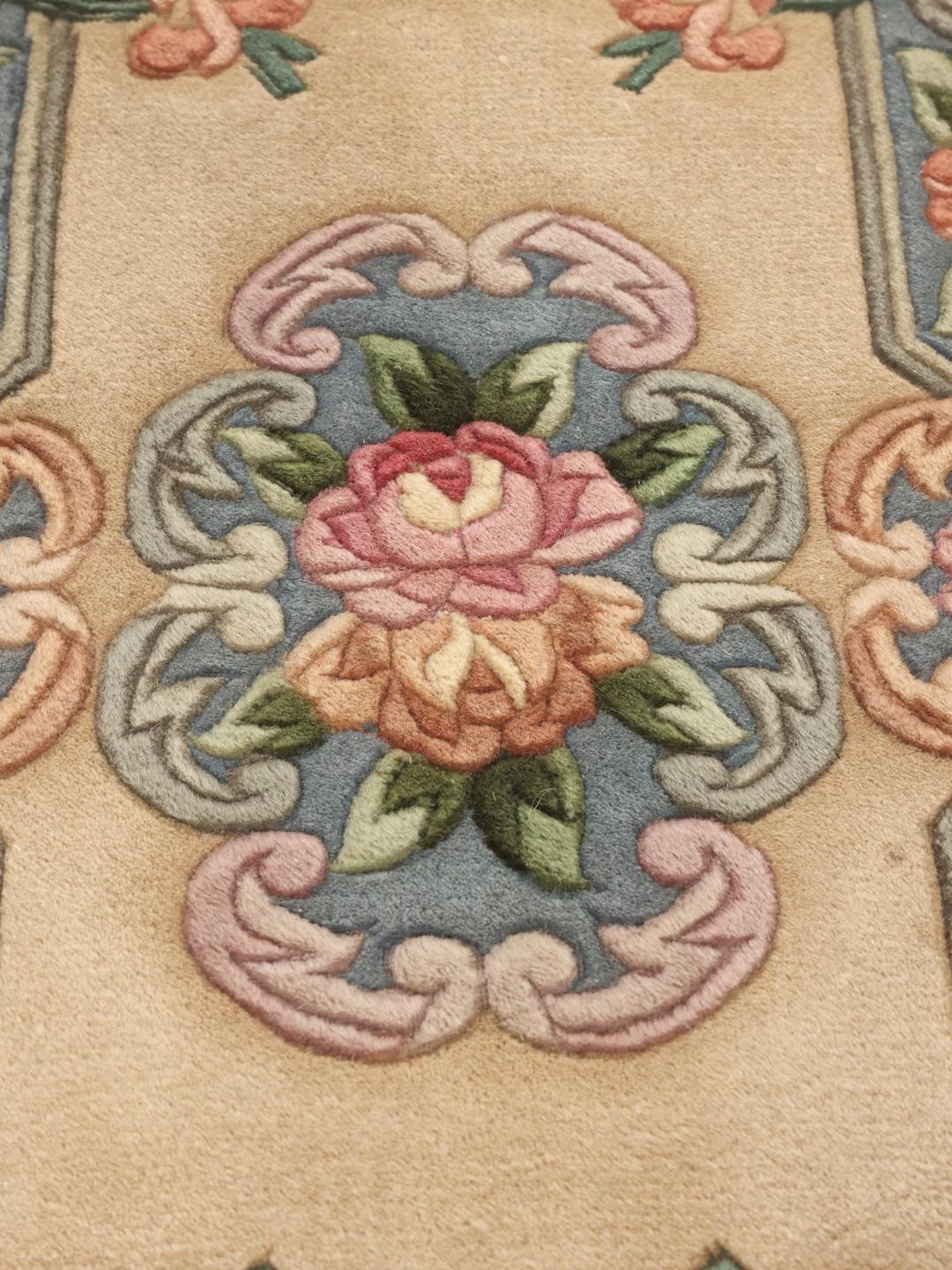
Technical quality in this tradition is often measured by the 'line' count, which refers to the number of knots across a specific width. This standardised system allows for consistent detail and pile density, ensuring that the finished rug is not only visually striking but also structurally sound. A higher line count translates to a more refined pattern, allowing the artisans to capture the subtle nuances of floral petals and flowing stems with impressive accuracy.
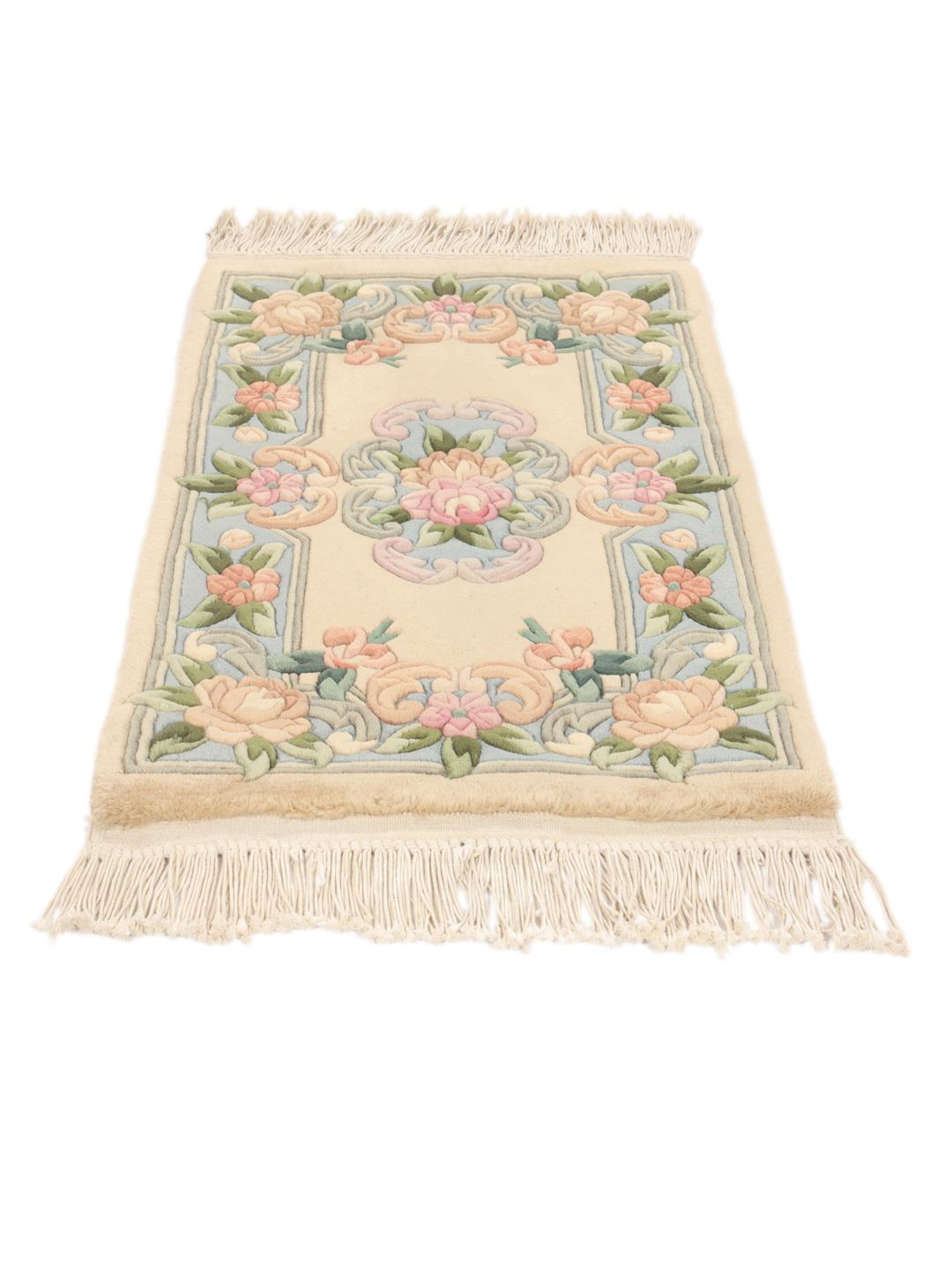
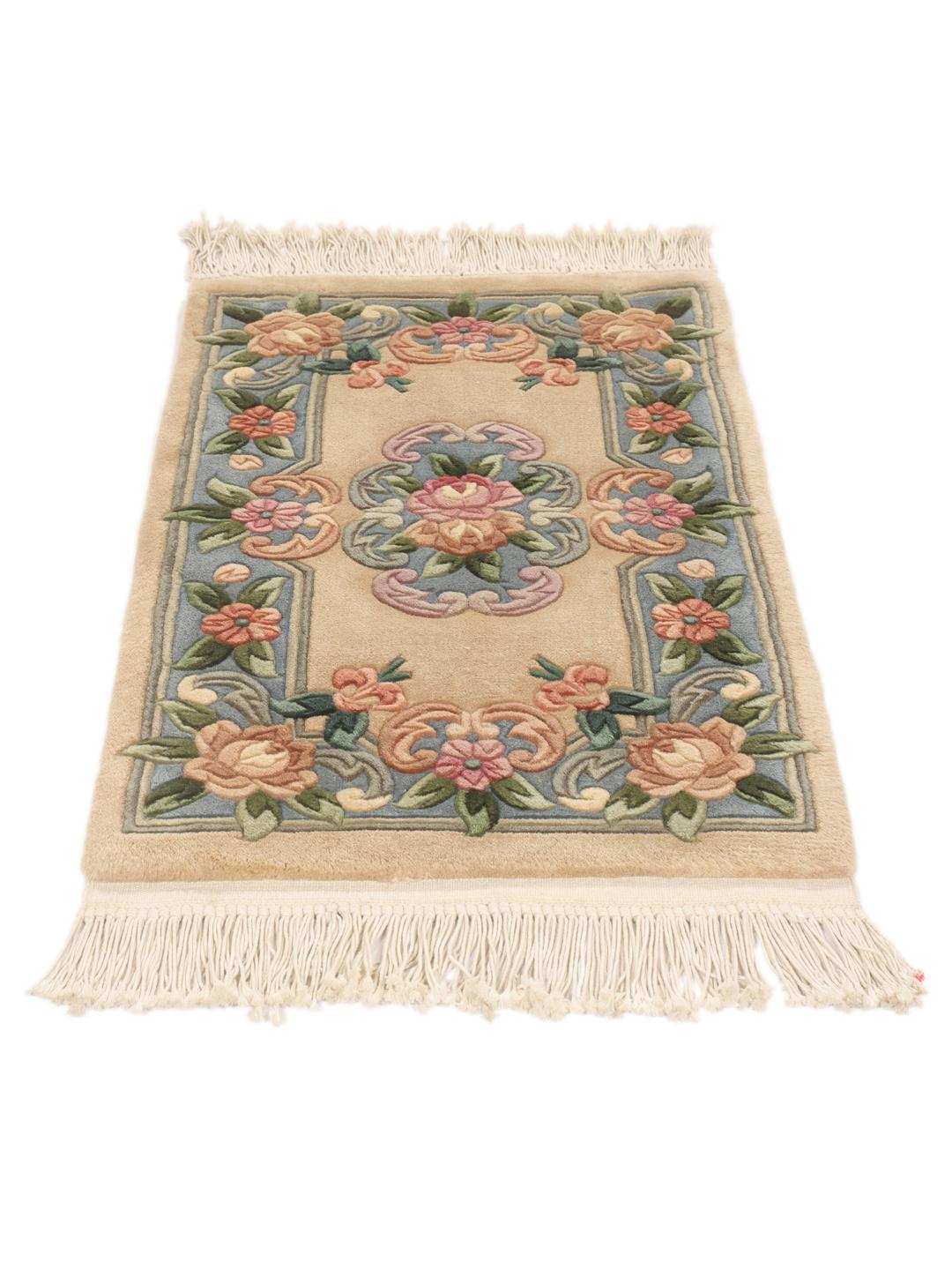
Floral motifs are a hallmark of this regional style, often featuring stylised peonies, lotus blossoms, or chrysanthemums that carry deep cultural symbolism. These patterns are typically framed by elegant, flowing borders that draw the eye toward the centre of the rug, creating a harmonious balance. The use of soft, muted colour palettes is a signature trait, designed to evoke a sense of serenity and refined taste.
Collecting rugs from this tradition is an appreciation of a heritage that values both aesthetic grace and enduring quality. Each hand-knotted piece serves as a testament to the skill of the artisans who carry forward these centuries-old techniques. To own one is to possess a tangible piece of history, a work that bridges the gap between traditional craft and contemporary home comfort.