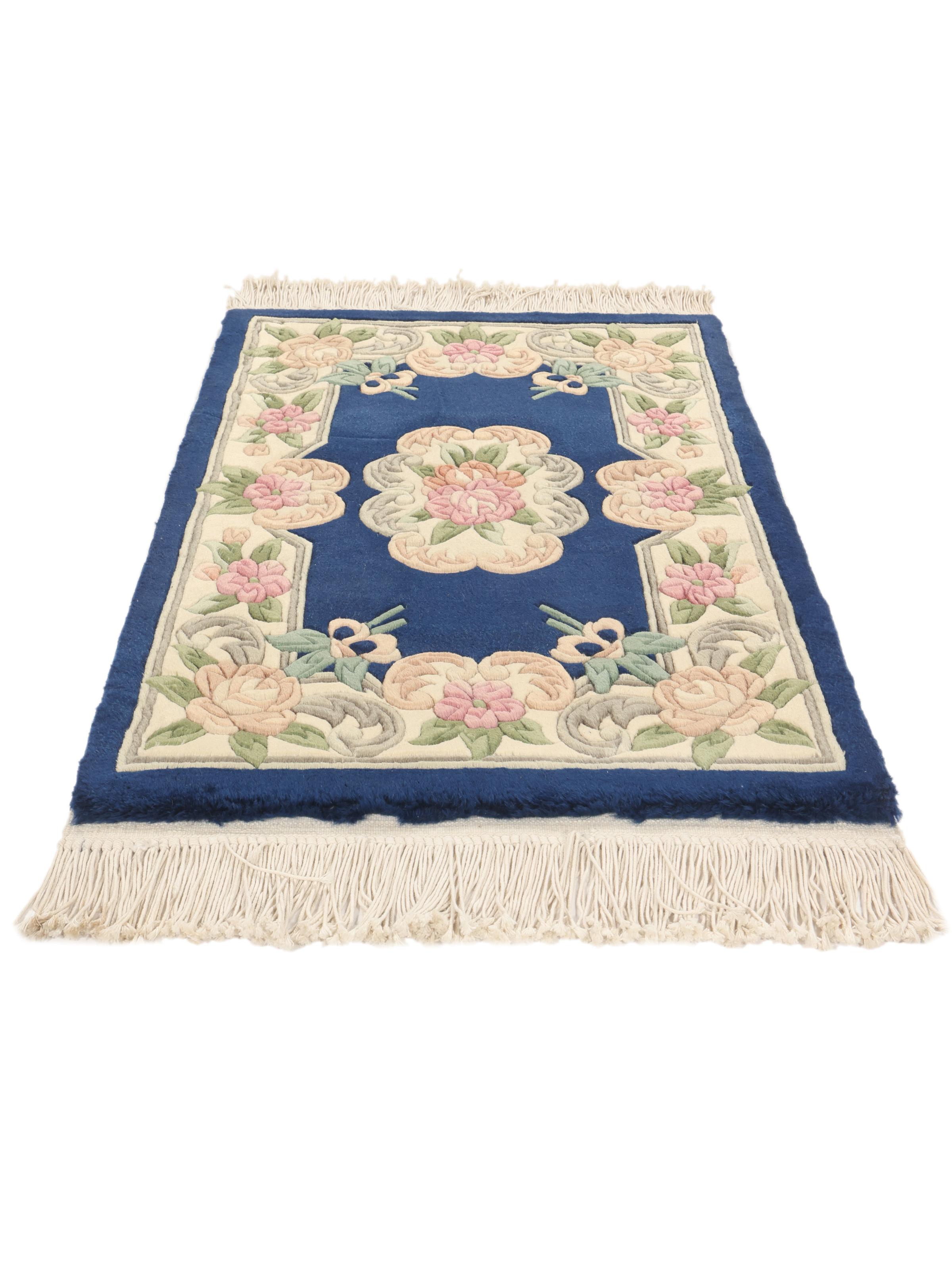
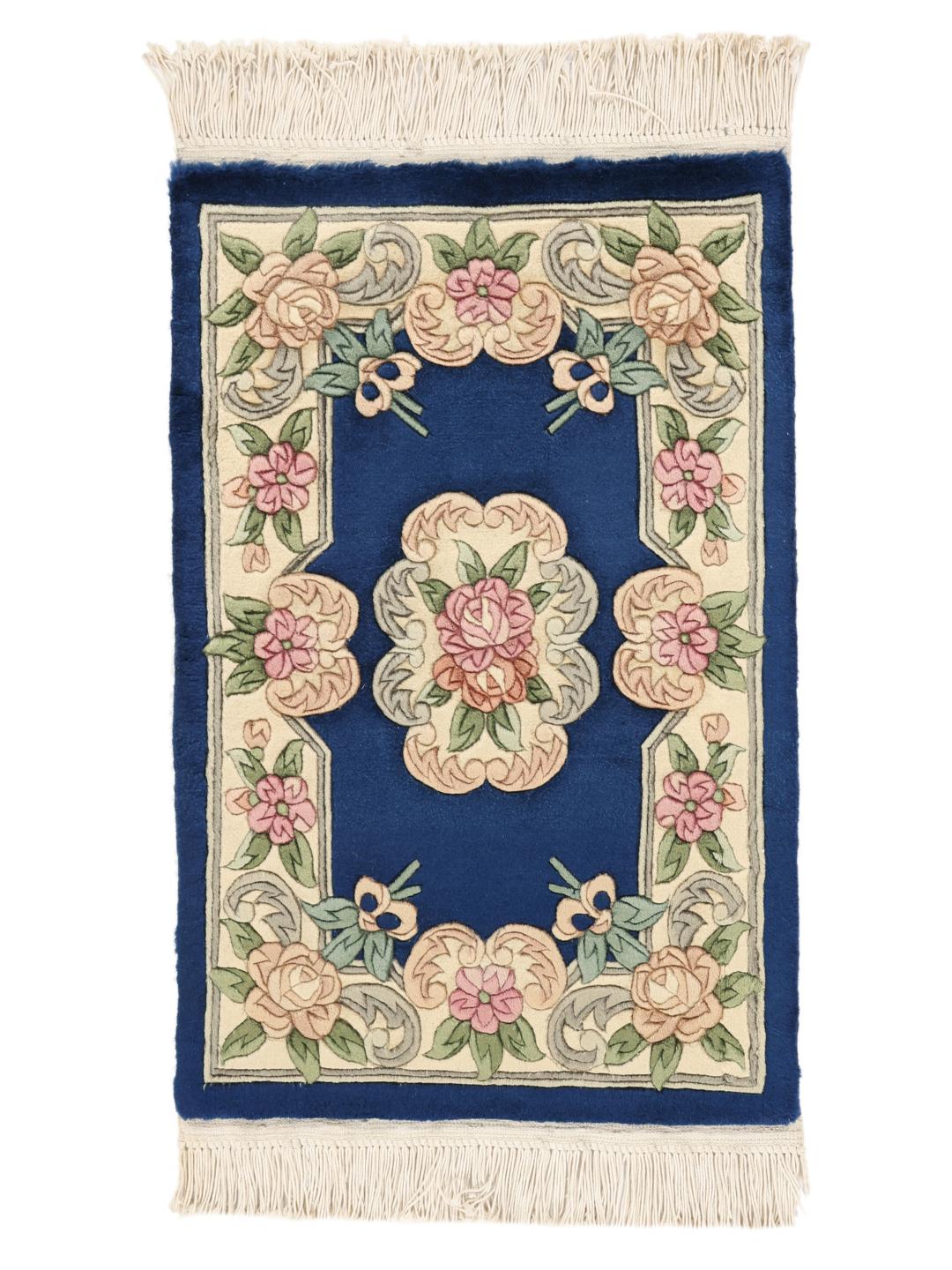
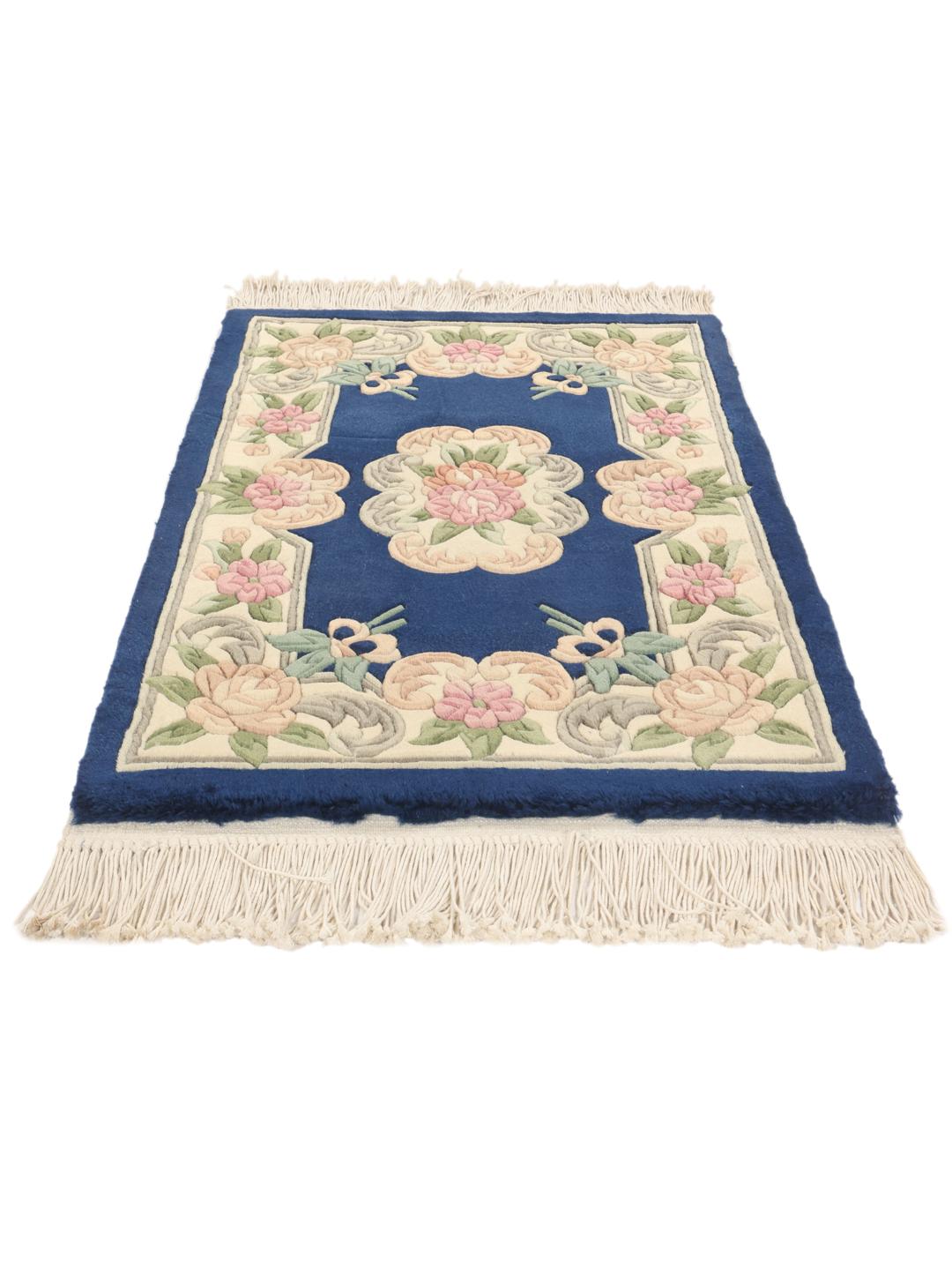
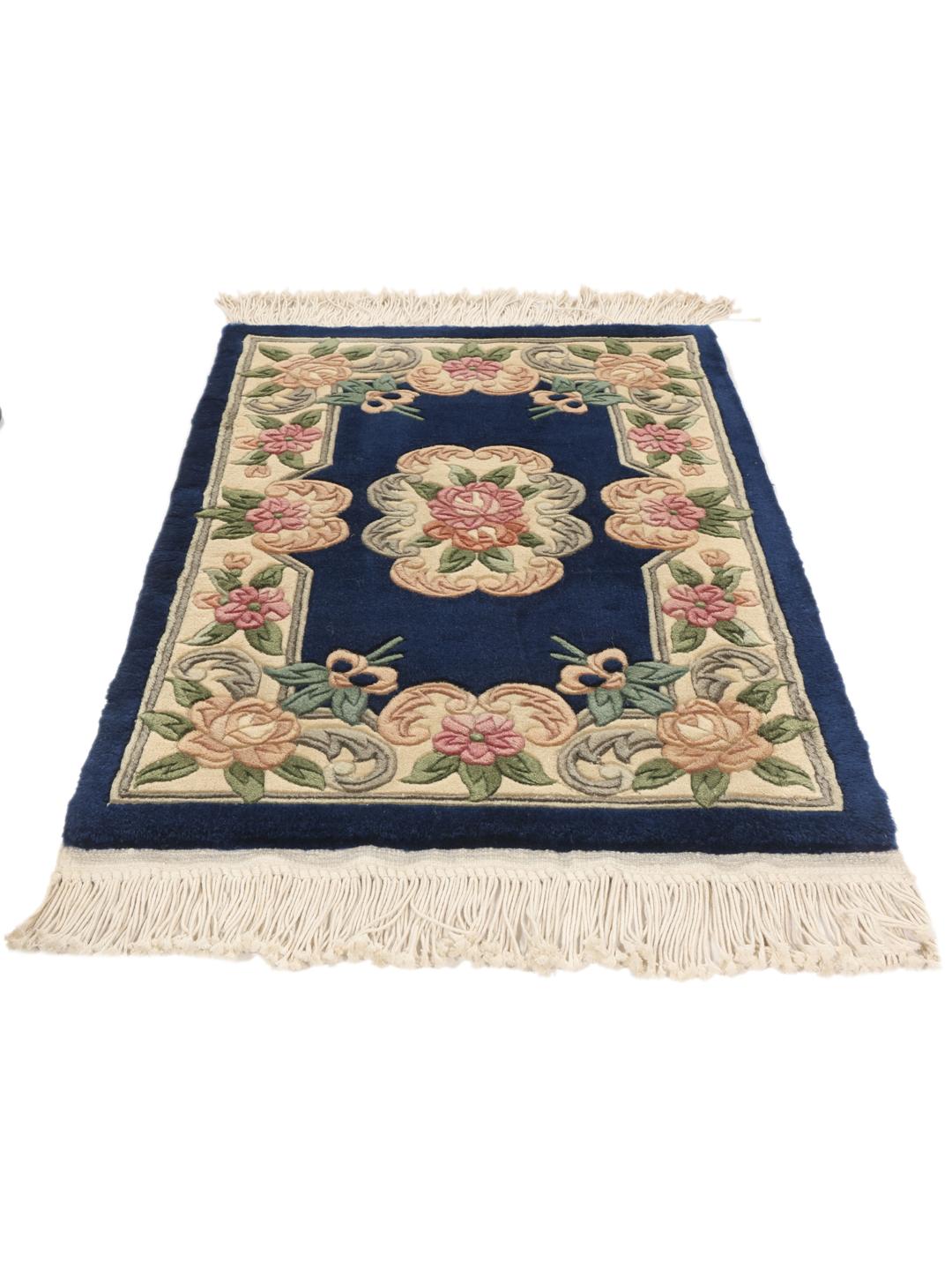
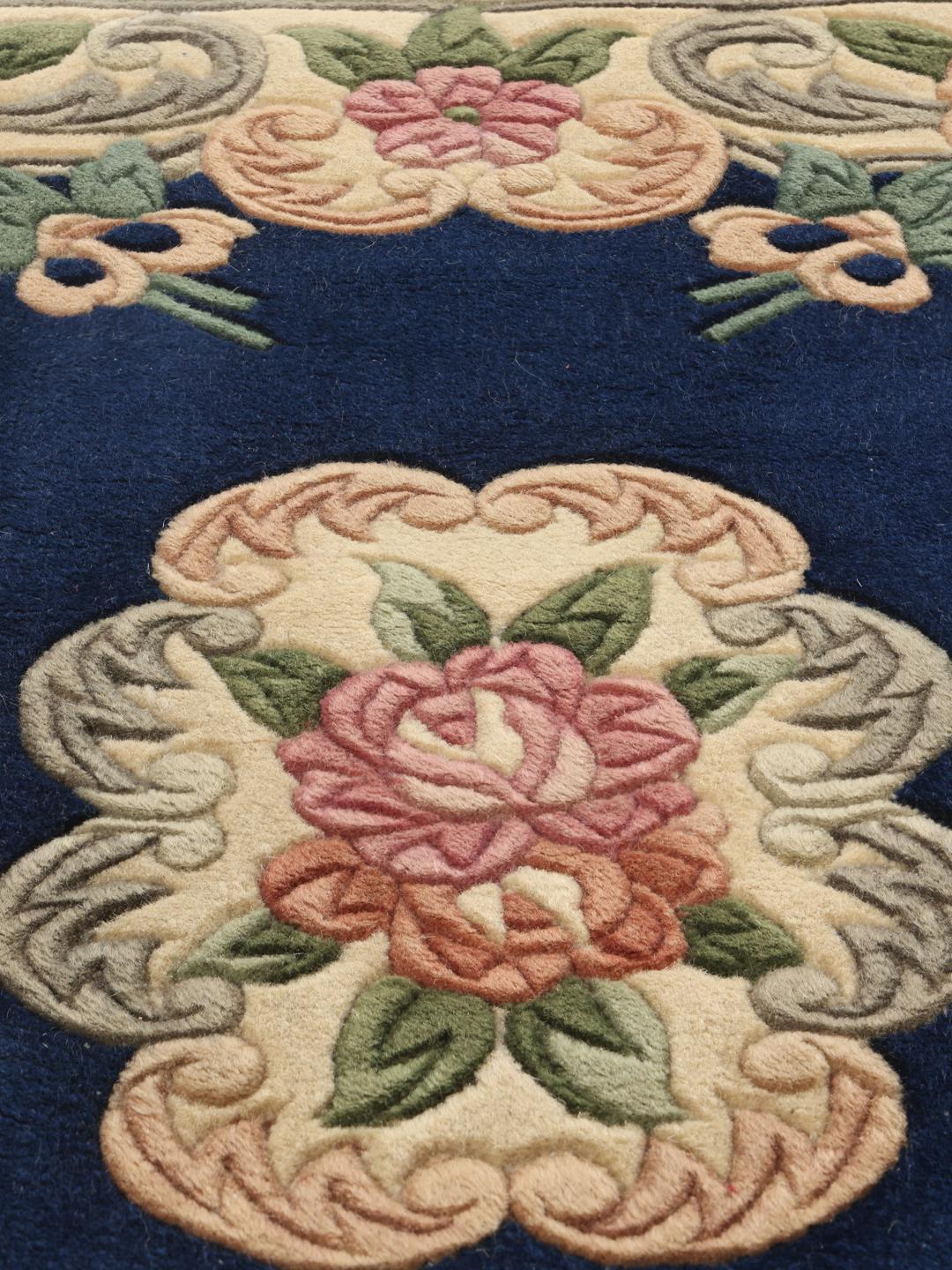
Chinese rug-making is a tradition that has evolved over centuries, drawing inspiration from classical arts such as painting, porcelain design, and silk embroidery. Unlike some other regional traditions that focus on tribal or geometric patterns, Chinese rugs are celebrated for their sculptural quality and their use of negative space, which allows floral motifs to stand out with grace and clarity.
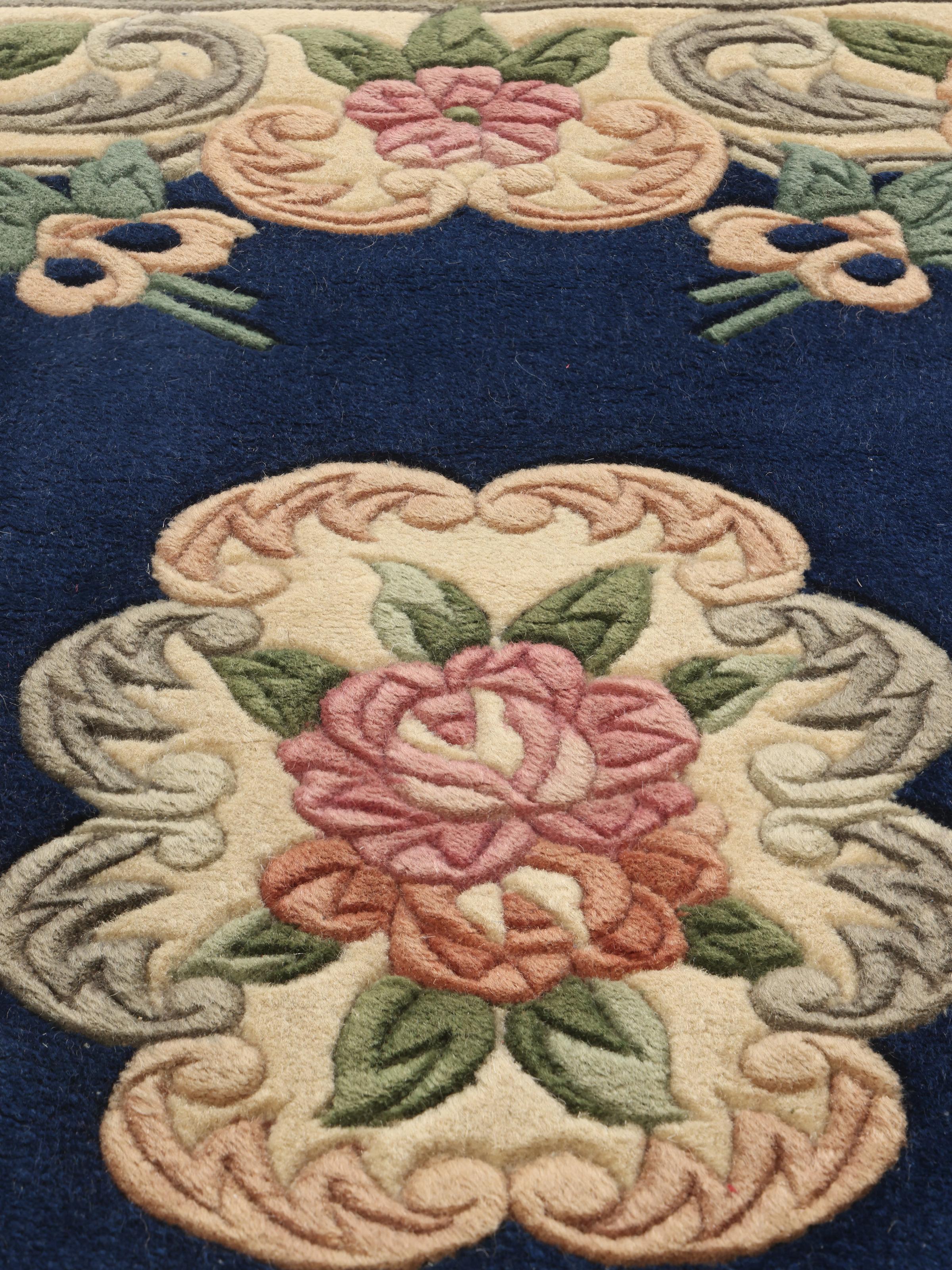
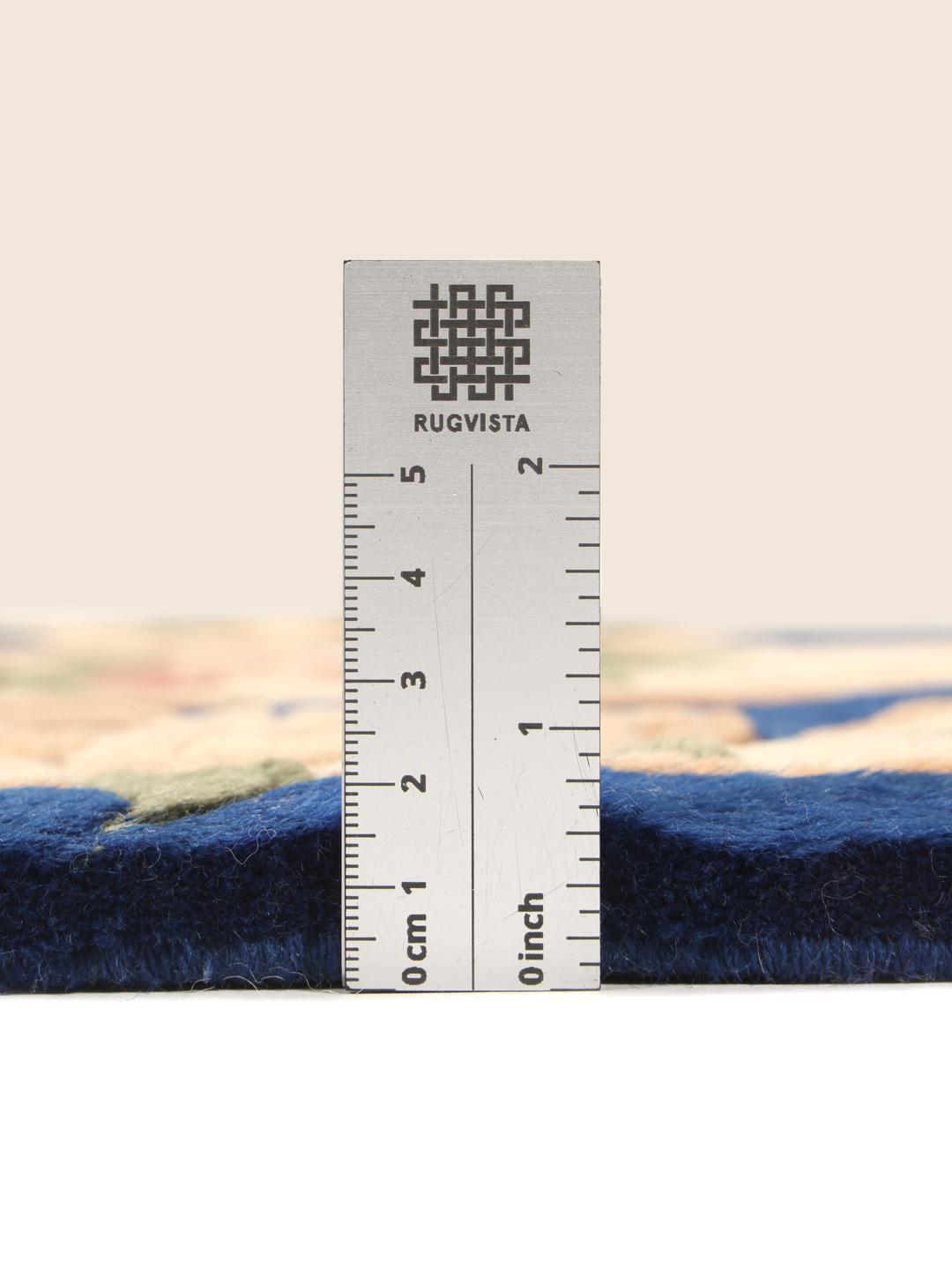
The '90 Line' designation refers to the density of the weave, a technical term that indicates the number of knots per linear foot. This specific construction method is prized for its ability to create a smooth, deep, and luxurious pile that feels remarkably soft to the touch. This dense construction is not just for aesthetic appeal; it provides the structural integrity needed for the rug to remain a centrepiece of the home for many years.
Floral motifs are a cornerstone of this tradition, often symbolising prosperity, beauty, and the changing seasons. These designs are typically framed by elegant, decorative borders that draw the eye toward the centre of the rug. The use of a deep, saturated blue field is a classic choice, providing a bold contrast to the lighter floral elements and highlighting the intricate work of the artisans.
Owning a hand-knotted rug from this tradition is an act of appreciation for a craft that has survived the pressures of industrialisation. These rugs are highly valued by collectors for their cultural weight and the undeniable human touch present in every fibre. When you bring this piece into your home, you are connecting with a legacy of artistic expression that values patience, skill, and the pursuit of lasting beauty.