Chinese rug-making has a storied history that spans centuries, evolving from functional floor coverings in ancient imperial palaces to highly sought-after works of art. The tradition is deeply rooted in the cultural symbolism of the region, where patterns often reflect nature, harmony, and prosperity. Over time, these techniques have been refined to produce the exceptional rugs we recognise today, which are celebrated for their elegance and technical mastery.
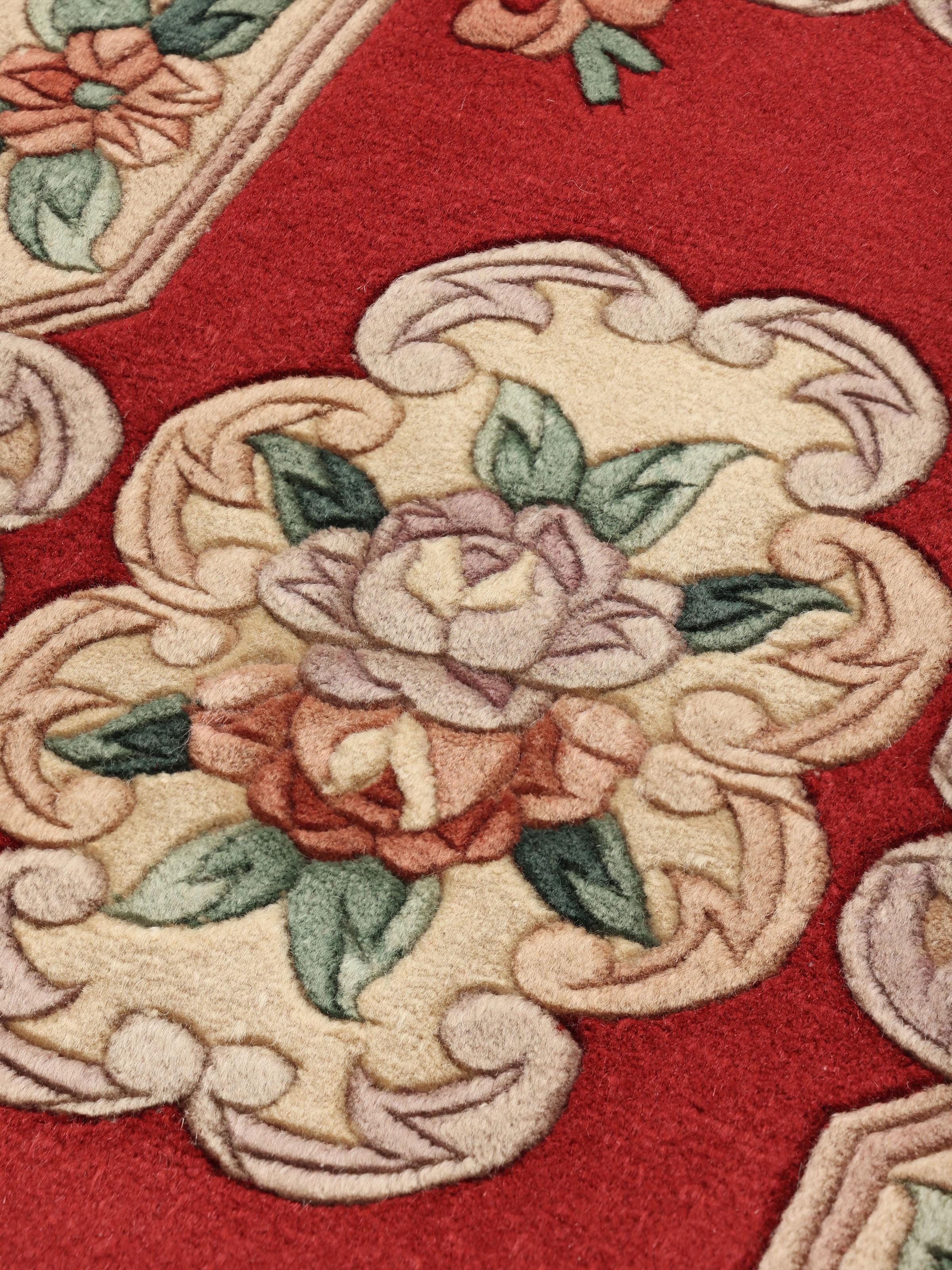
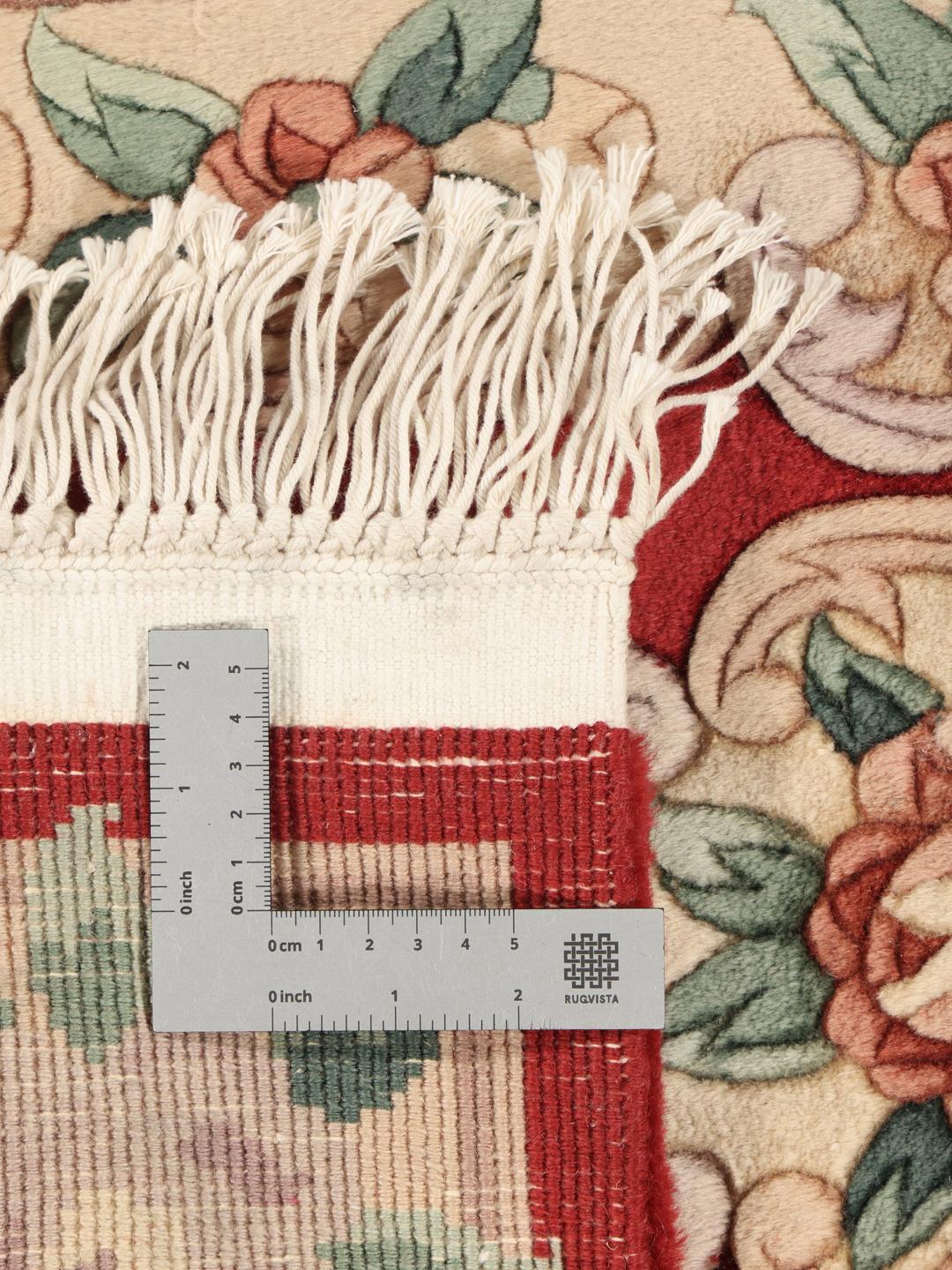
The term 90 Line refers to a traditional method of measuring the density of the knots in a rug, a key indicator of quality and refinement. In this system, the count represents the number of warp threads over a specific width, which directly correlates to the clarity of the pattern and the density of the wool pile. A higher line count allows for more intricate designs and a sturdier, more luxurious finish that stands the test of time.
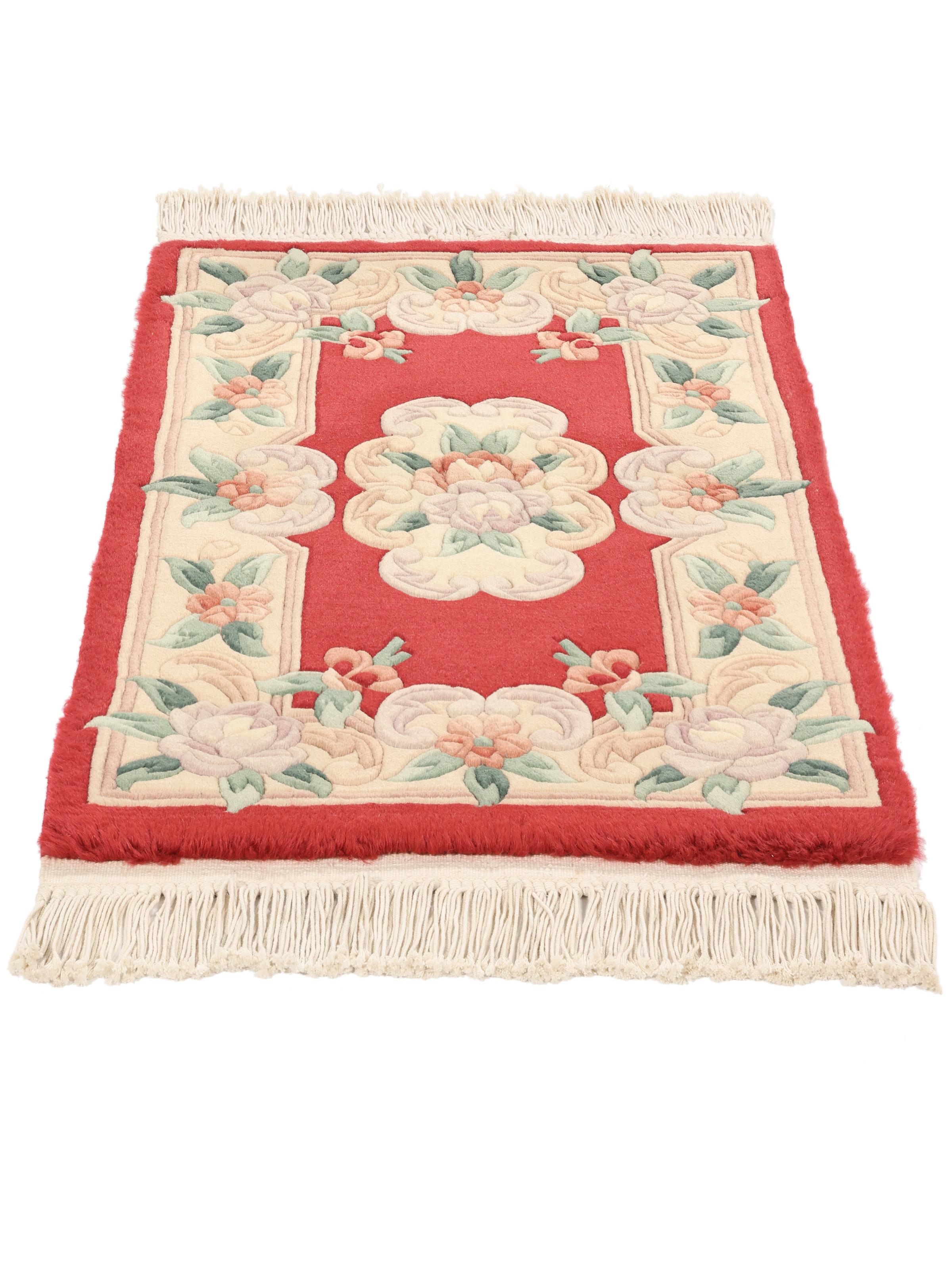
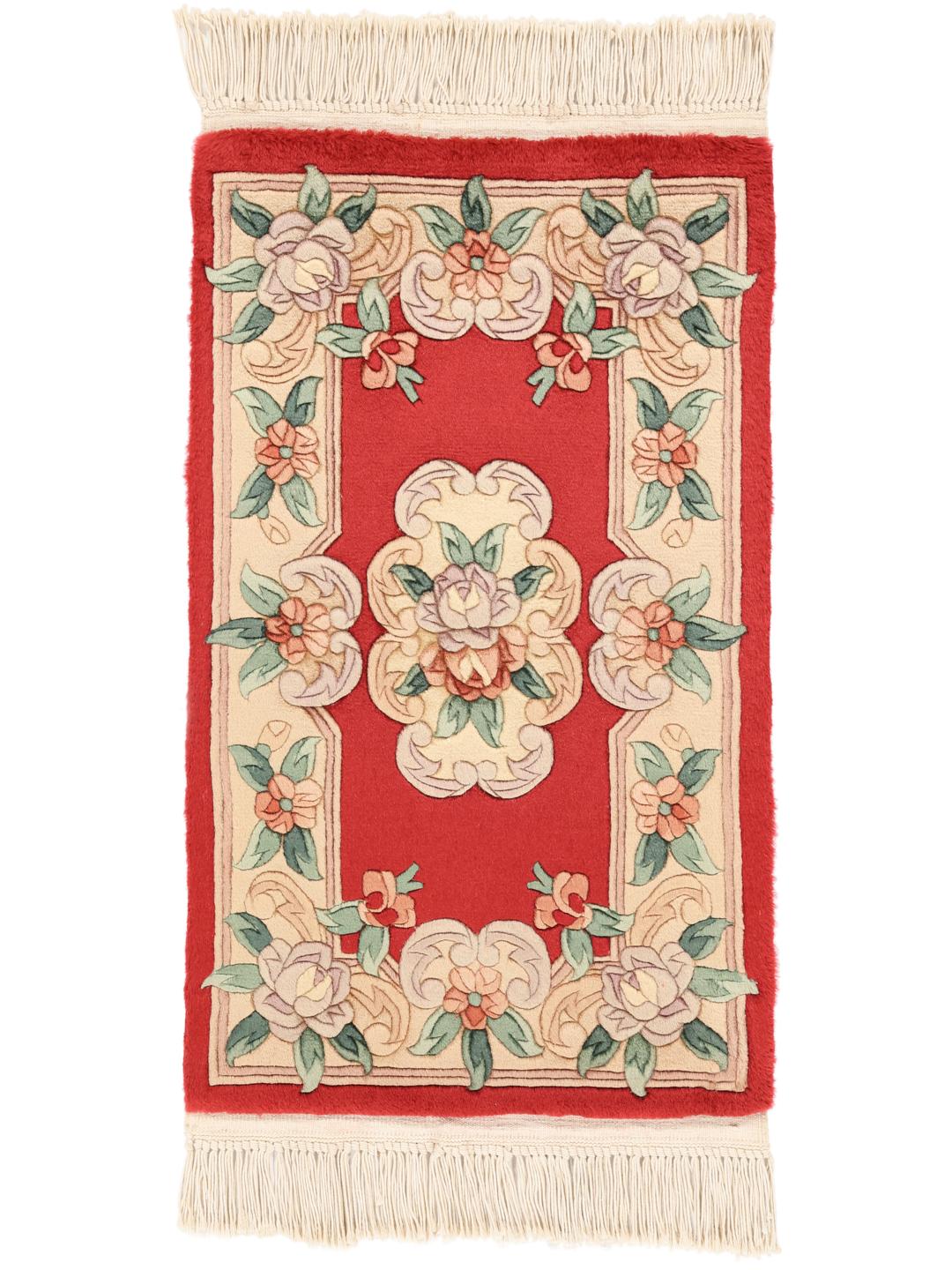
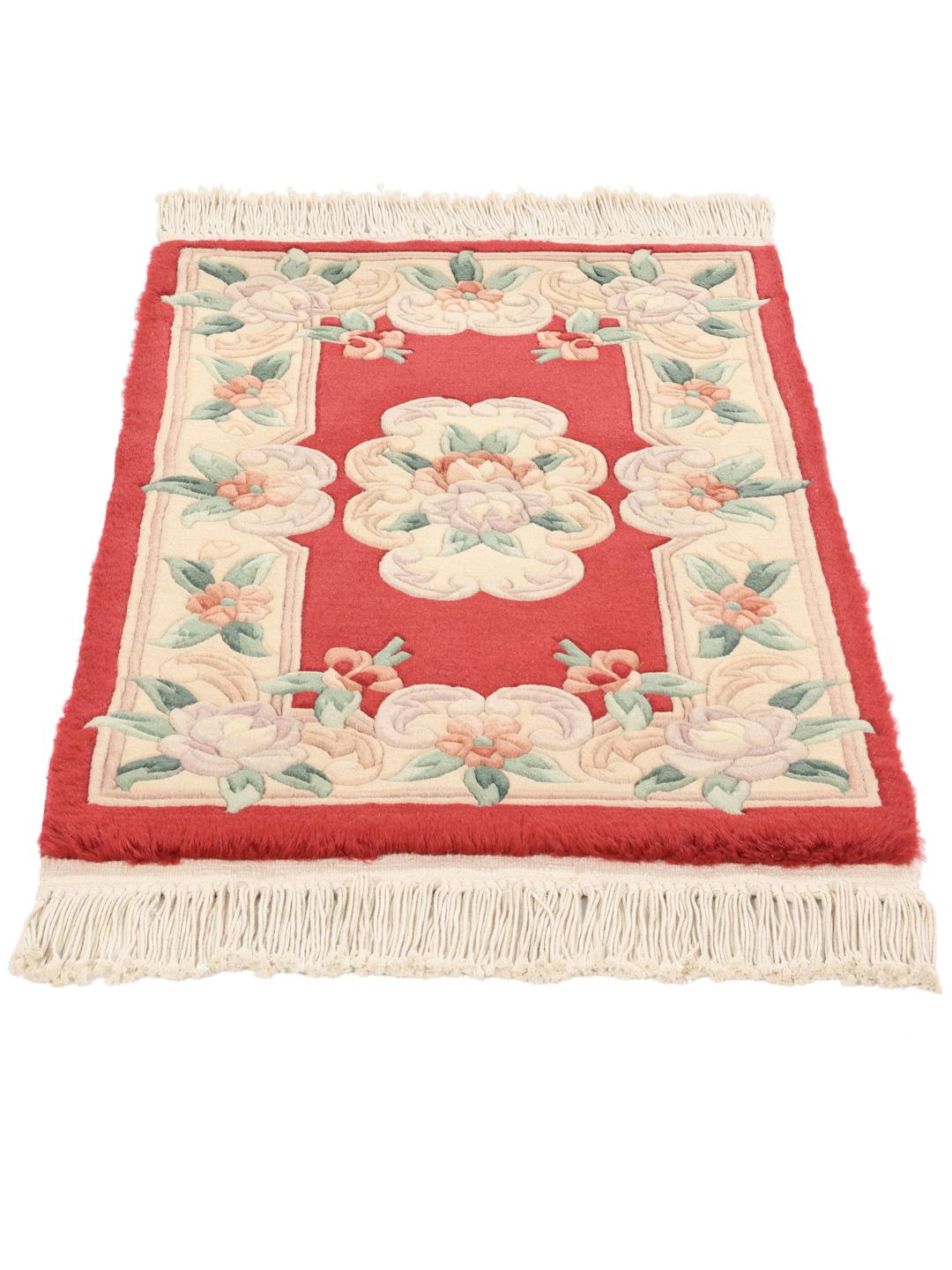
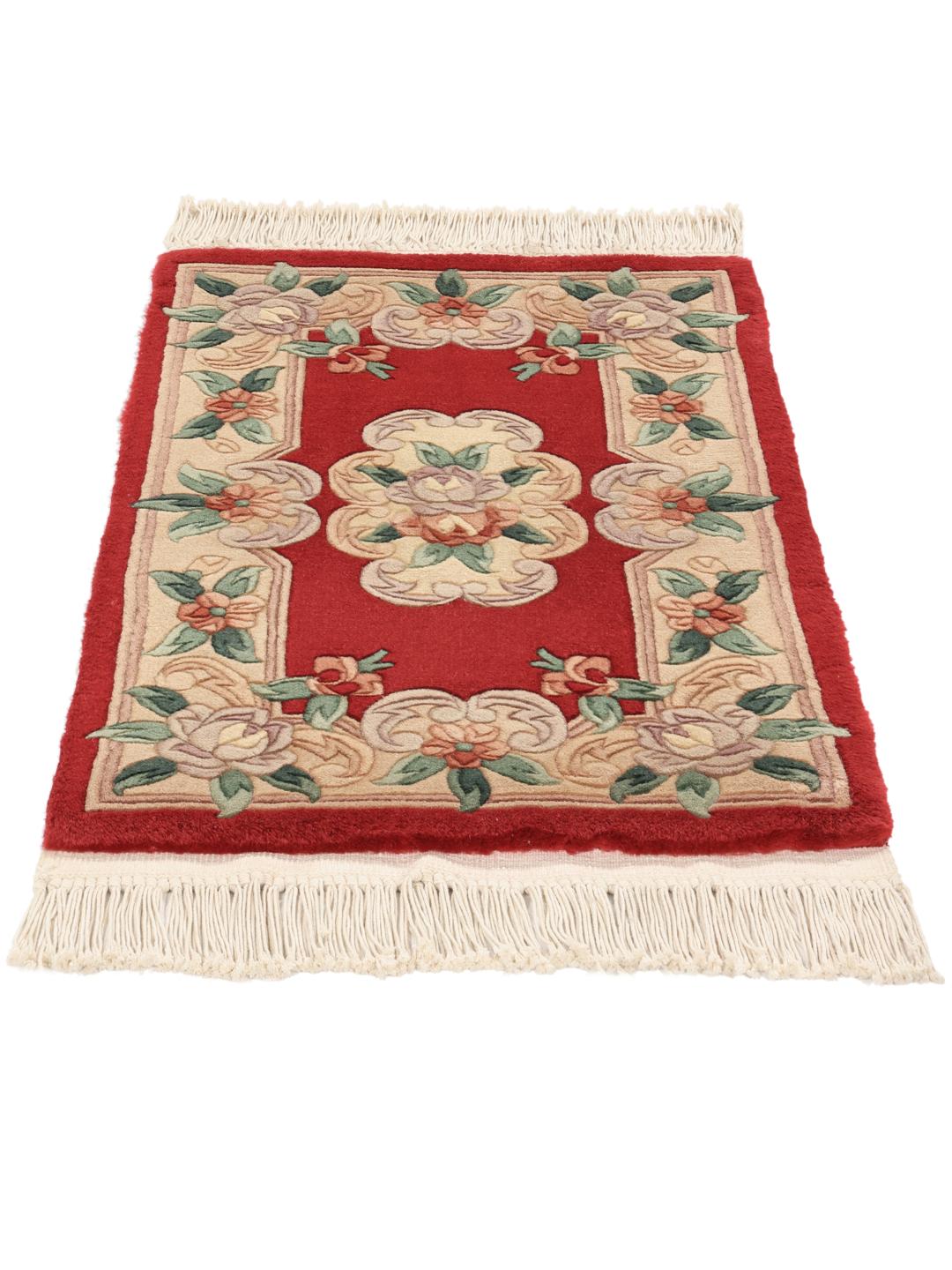
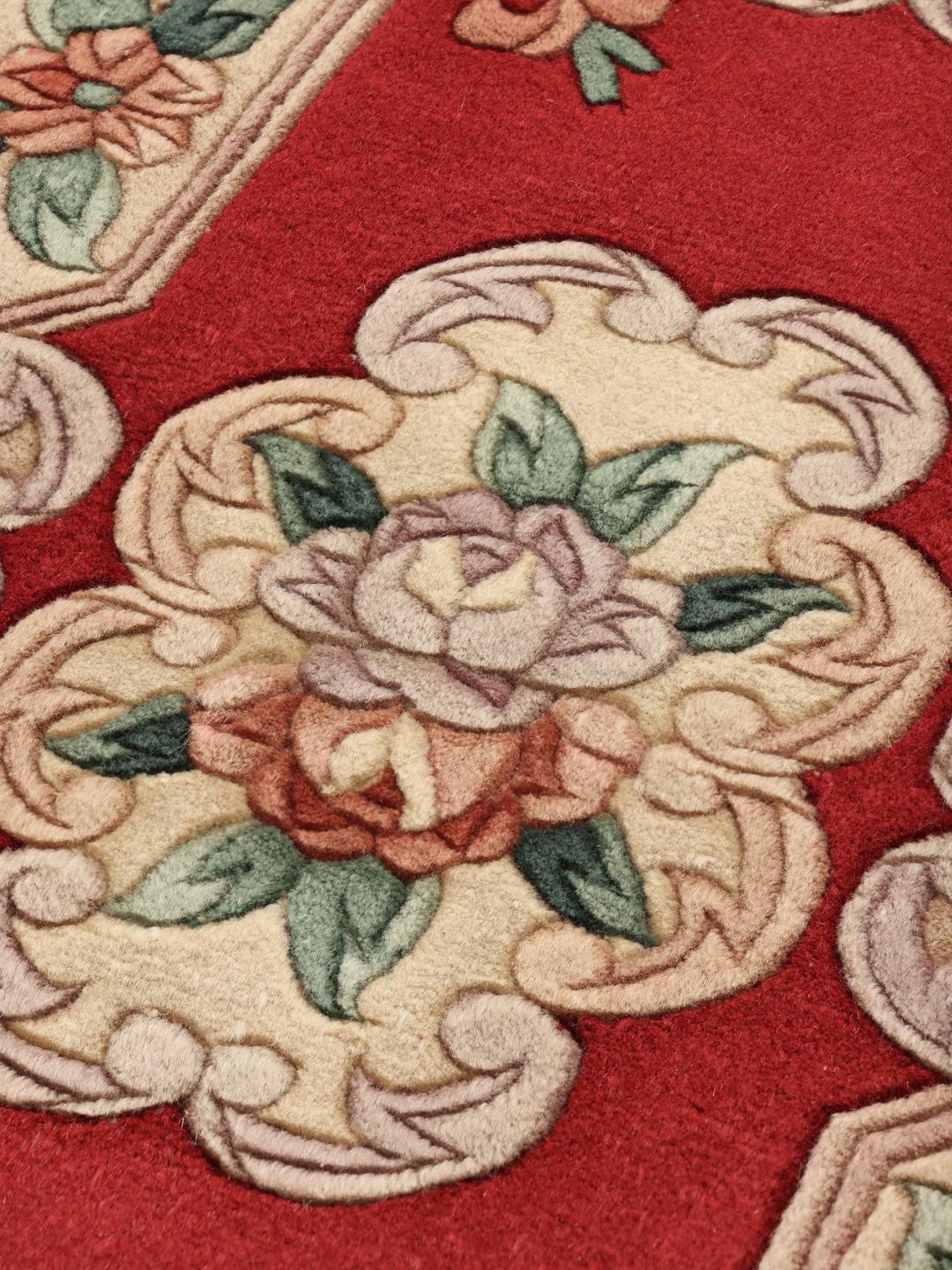
Signature design elements in Chinese rugs often include graceful floral motifs, scrolling vines, and decorative borders that frame the central field. These patterns are frequently rendered with a sense of balance and space, creating a harmonious visual effect. The use of traditional colours, such as rich red and soft beige, highlights the curves and details of the floral arrangements, adding depth and sophistication to the overall composition.
Collecting a hand-knotted rug from this tradition is an opportunity to acquire a piece of cultural heritage. These rugs are valued not only for their aesthetic beauty but for the immense skill and dedication required to bring them to life. By choosing a one-of-a-kind piece, you are celebrating a craft that has been passed down through generations, ensuring that this tradition of artistry continues to enrich homes around the world.