Chinese rug weaving has a long and storied history, evolving from ancient traditions that initially focused on silk and Wool production for imperial courts. Over centuries, these techniques expanded, blending local artistic sensibilities with techniques influenced by the broader Silk Road trade. Today, this tradition is celebrated for its distinctive ability to incorporate nature-inspired motifs with a sense of balance and harmony.
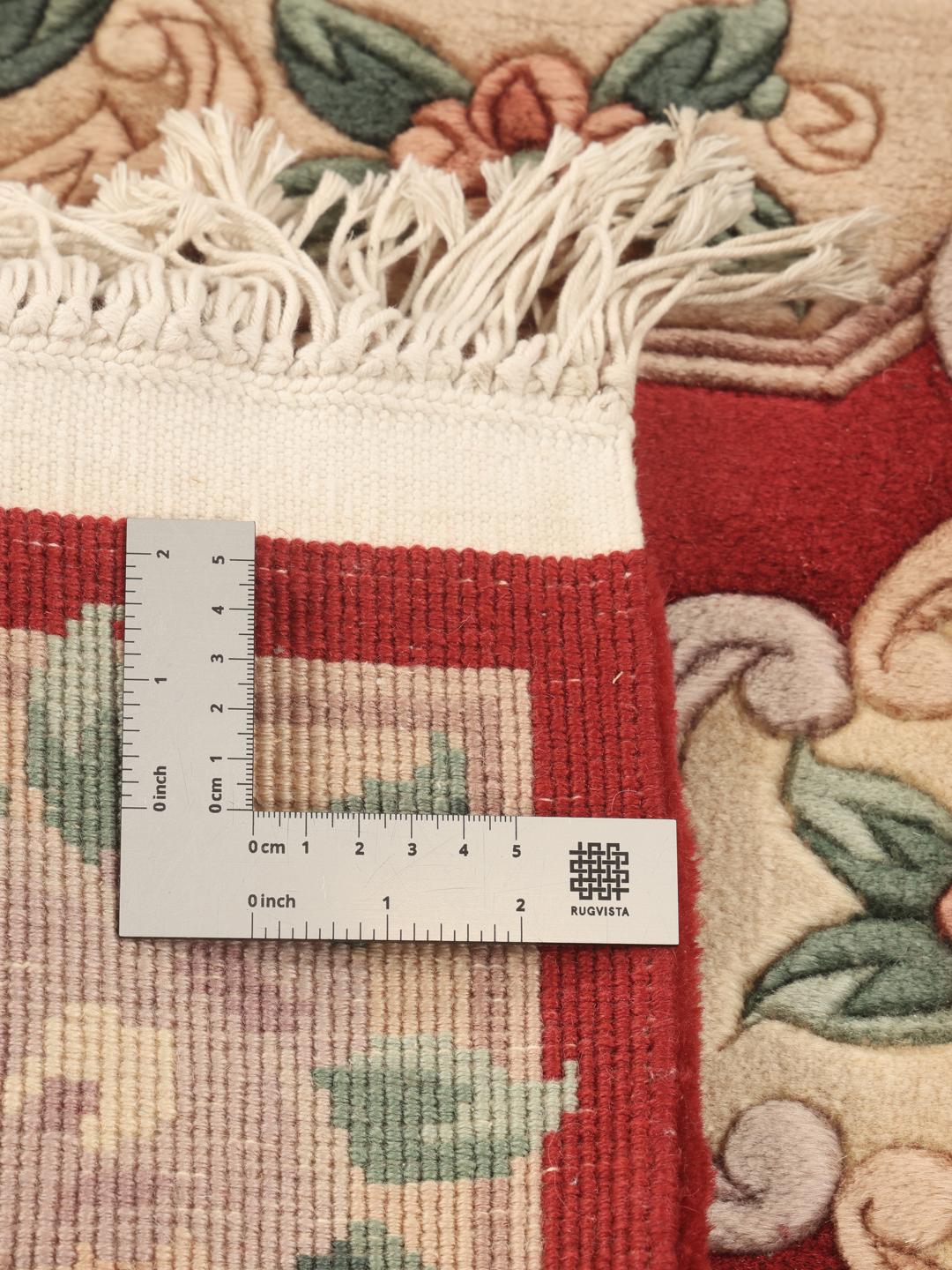
The term '90 Line' refers to a specific traditional grading system used in Chinese rug production to describe the density of the weave. This technical measurement relates to the number of knots along a standard width, serving as a reliable indicator of the rug's structural integrity and the sharpness of its design. For the customer, this means a rug that is not only beautiful to look at but also built to withstand the rigours of daily life with grace.
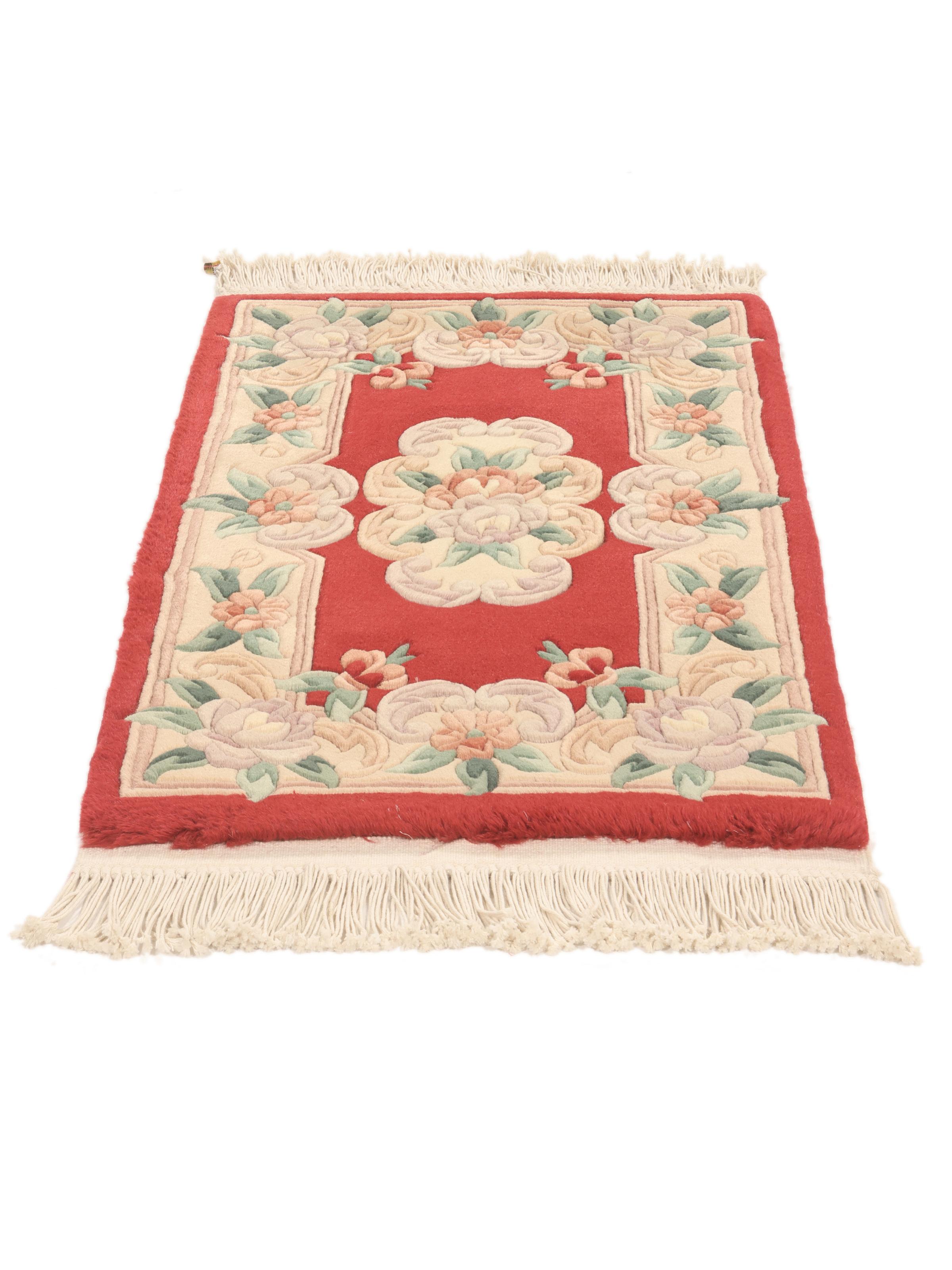
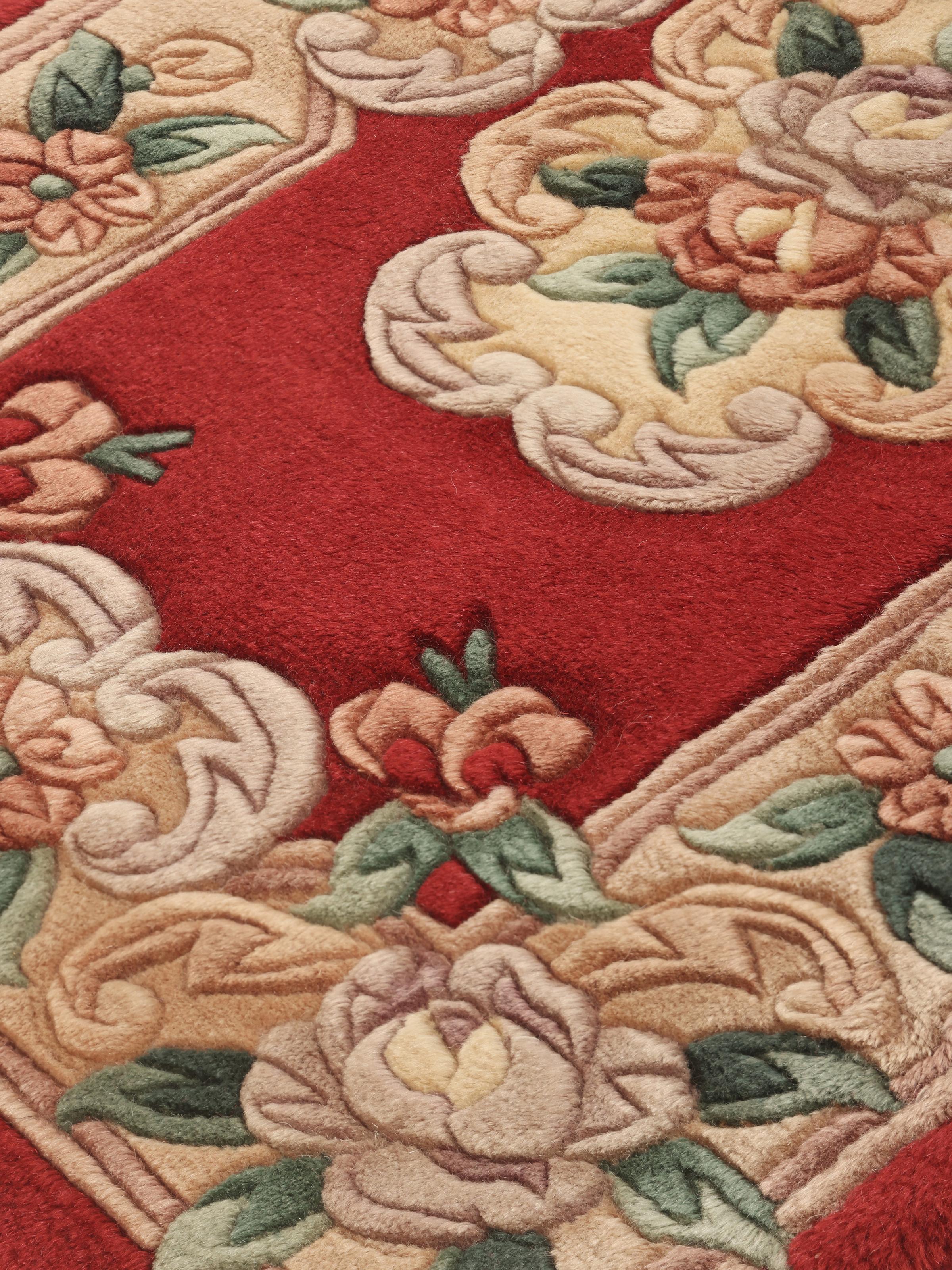
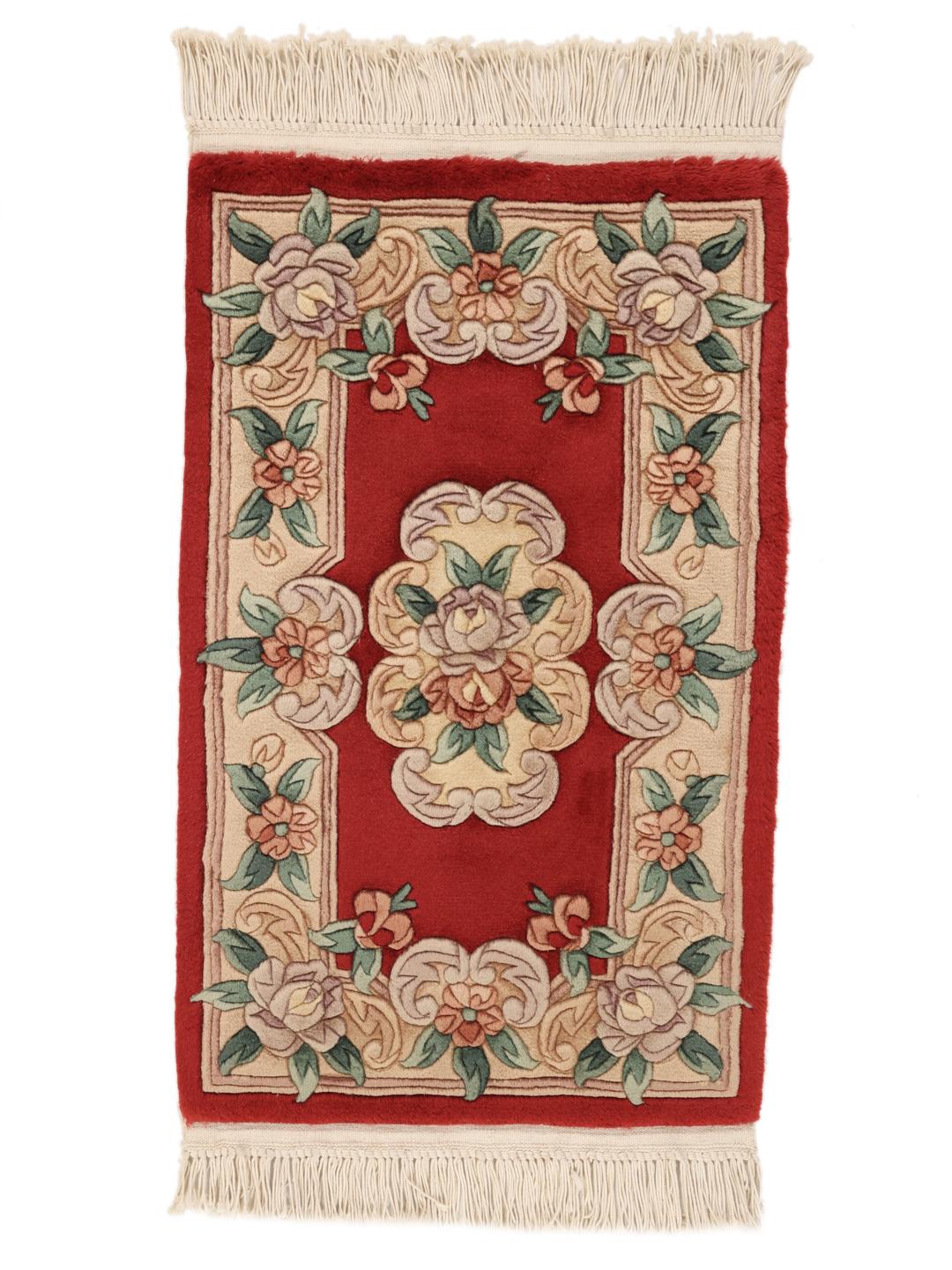
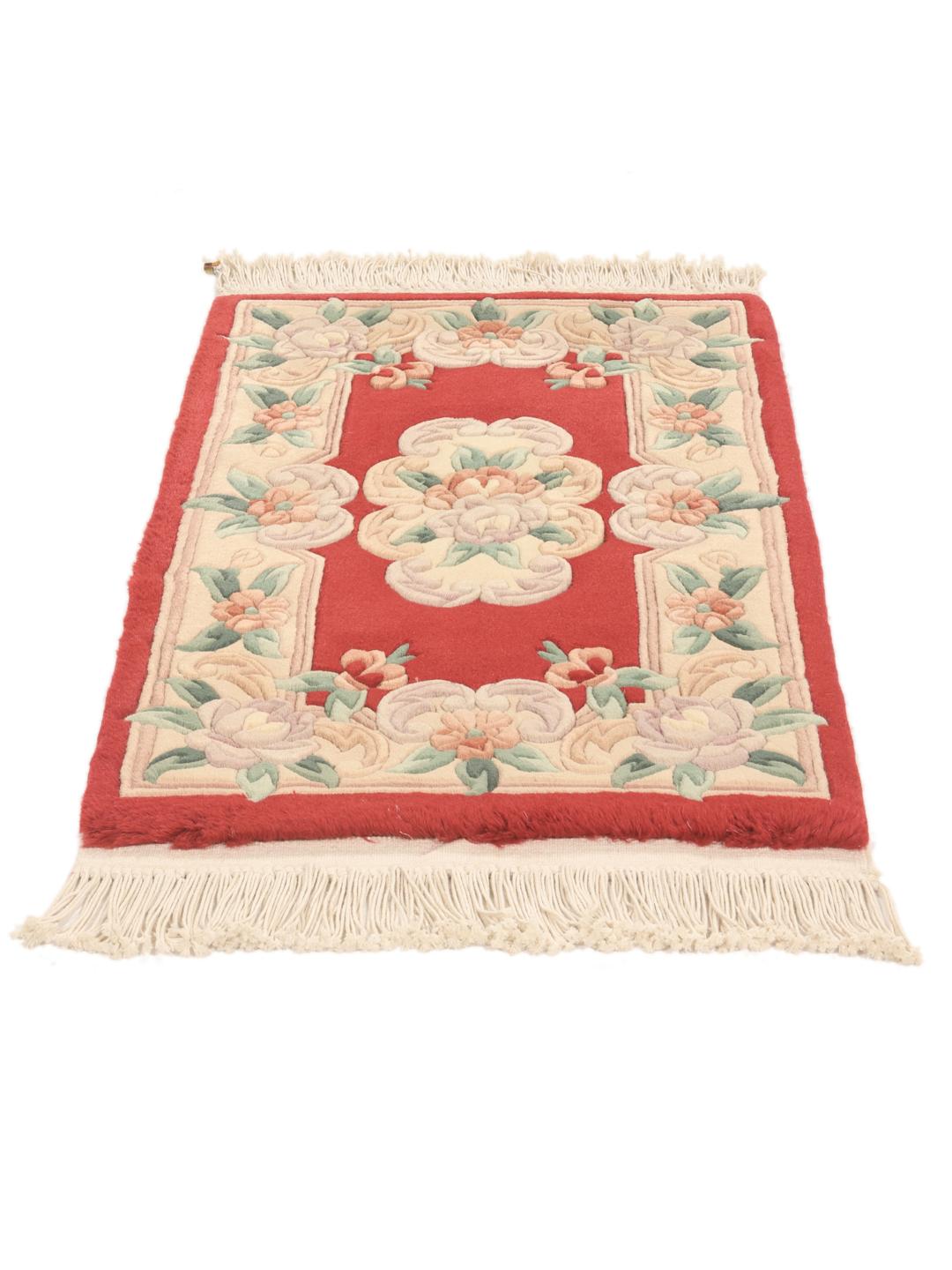
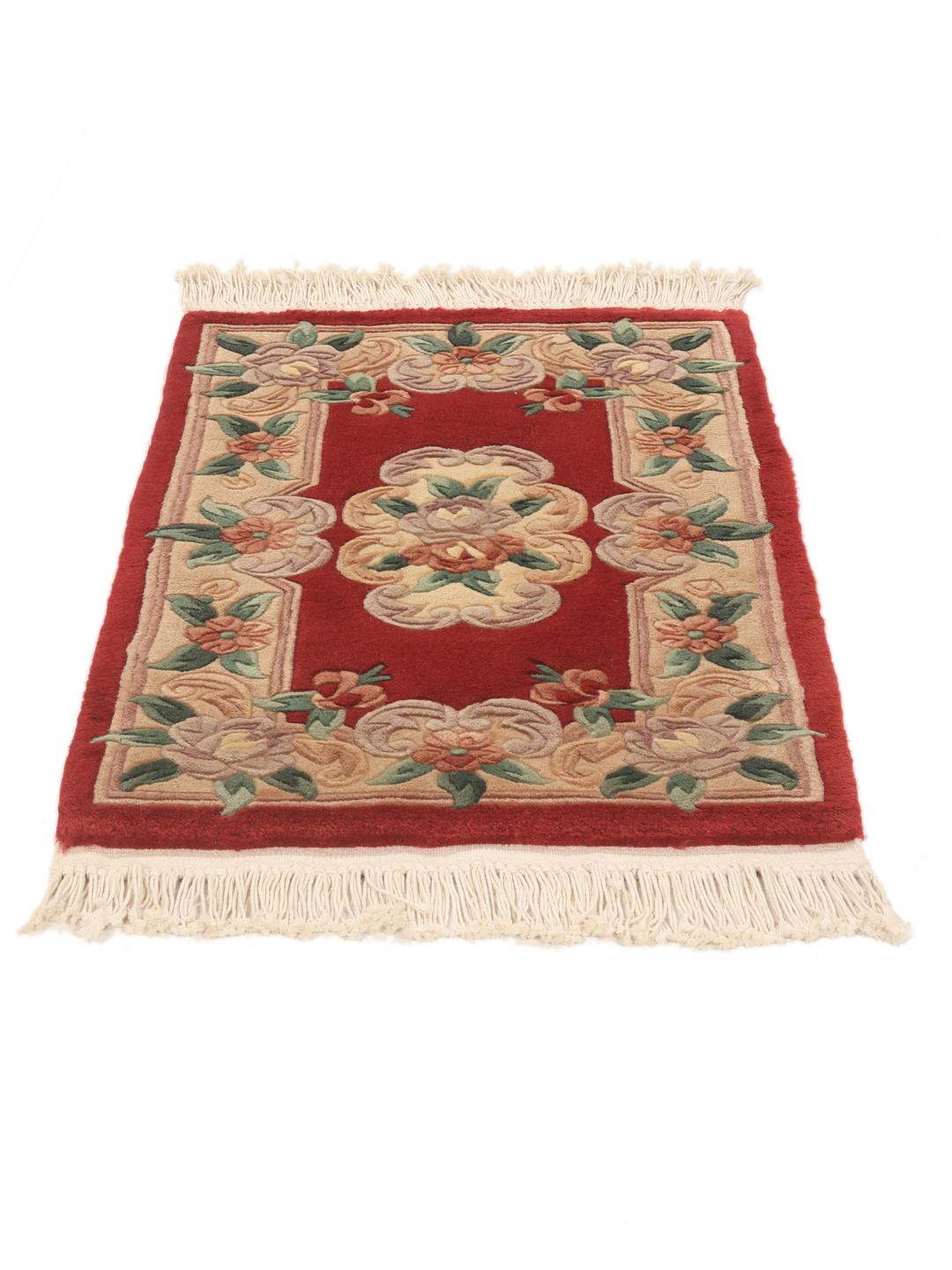
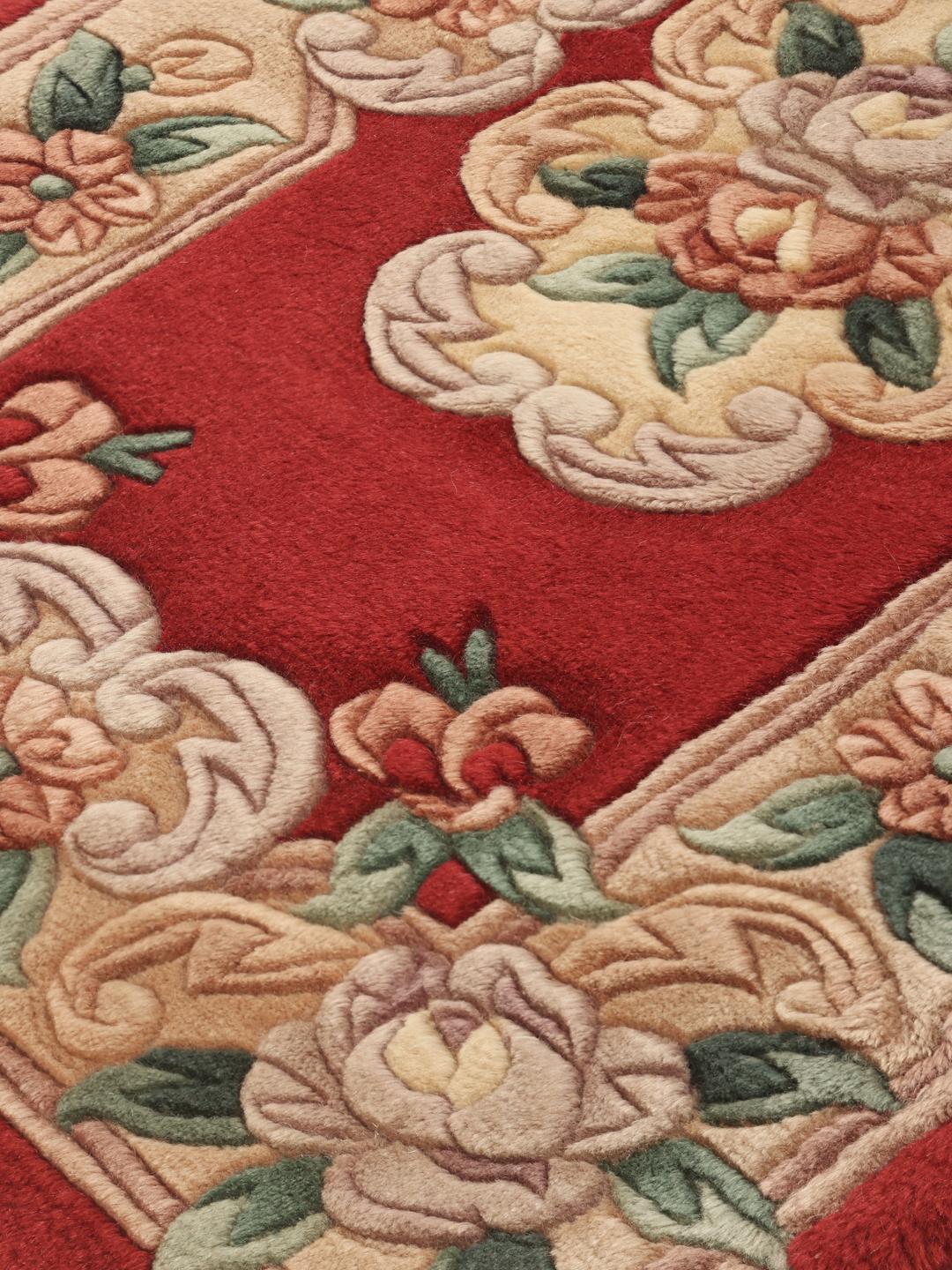
Visually, this rug showcases the classic Chinese focus on floral symbolism. The use of repeating motifs and ornate borders is a hallmark of this style, often drawing from botanical elements that represent prosperity and grace. The contrast between the bold, warm red field and the softer, neutral tones of the floral elements creates a balanced aesthetic that highlights the intricacy of the design.
Collecting a hand-knotted piece from China is an investment in cultural heritage. Each rug serves as a bridge to a refined artistic lineage, offering more than just floor coverage. By choosing a piece like this, you are preserving the legacy of skilled artisans and bringing a touch of historical beauty into your modern home, ensuring that this craft continues to be valued for generations.