Chinese rug weaving is a craft with deep roots, evolving significantly over centuries to become a hallmark of interior refinement. Historically, these rugs were produced for the imperial court and elite households, often featuring symbolic motifs that represented prosperity, longevity, and natural beauty. Today, this tradition continues to flourish as artisans combine age-old techniques with designs that have been cherished for generations.
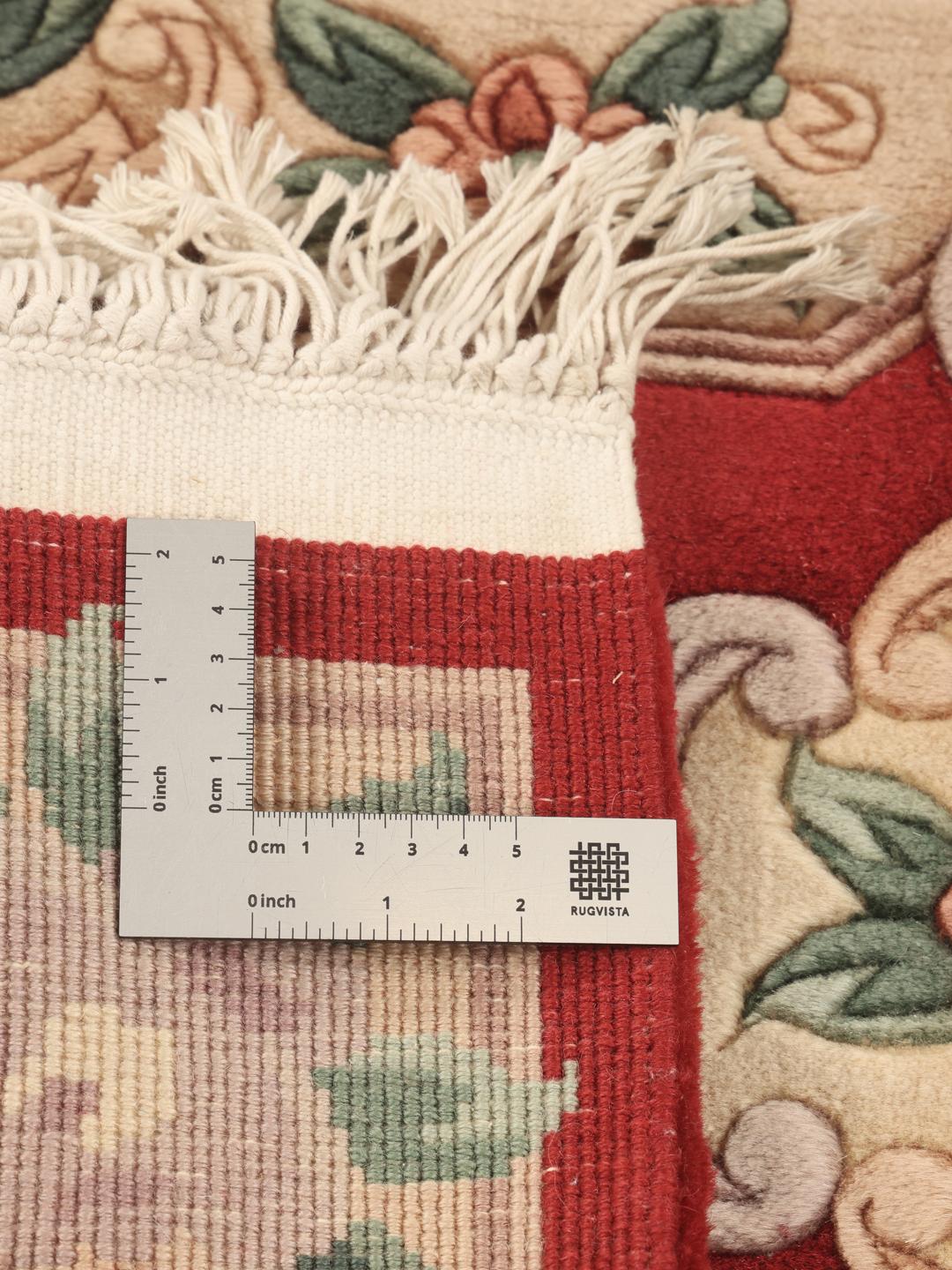
The terminology used to describe these rugs, such as the line count, refers to the density of the knots across the width of the piece. This technical measurement is essential for determining the intricacy of the pattern and the overall longevity of the rug. A higher line count generally allows for finer details and a more luxurious, packed pile that feels soft yet remains firmly structured.
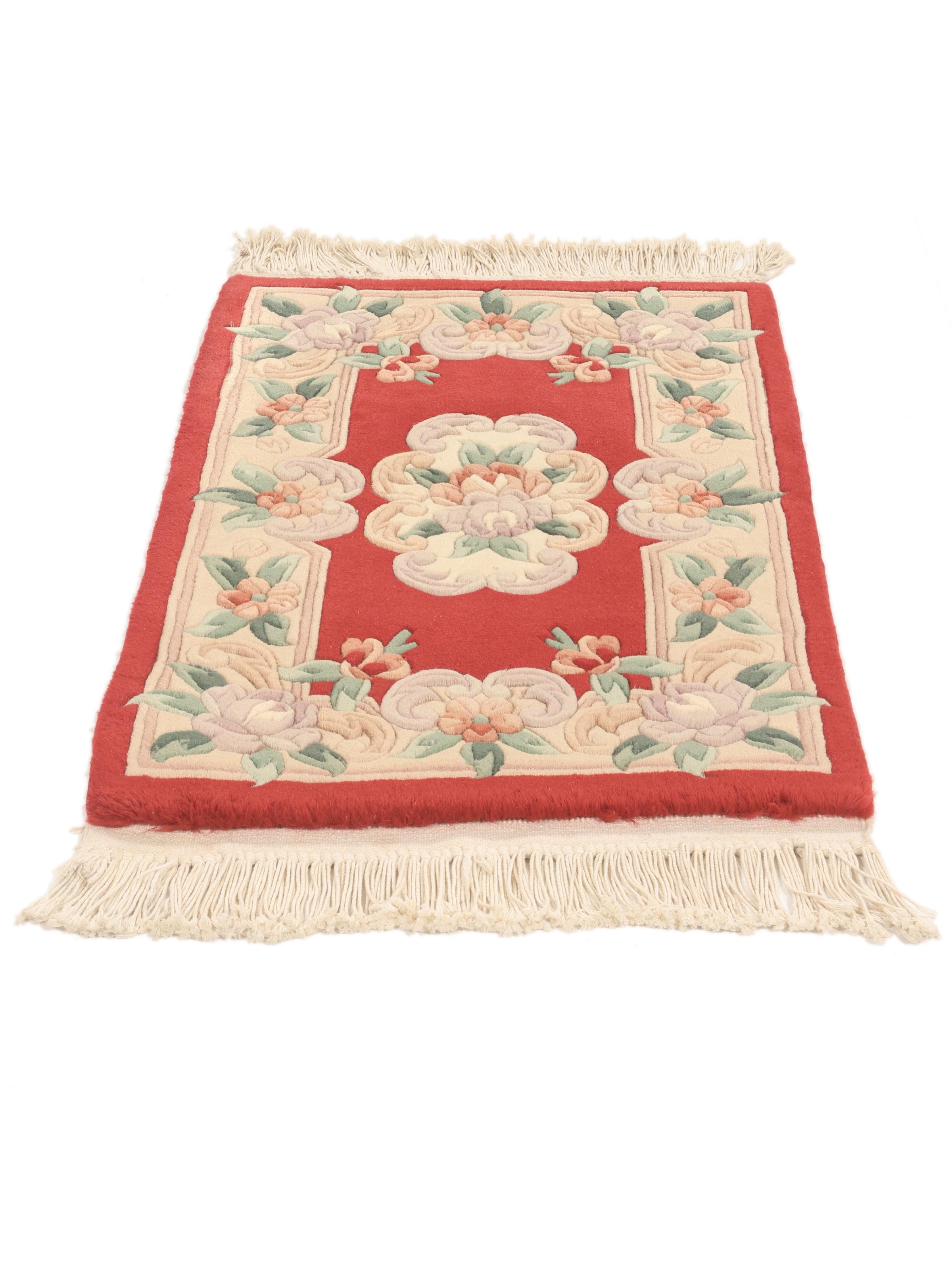
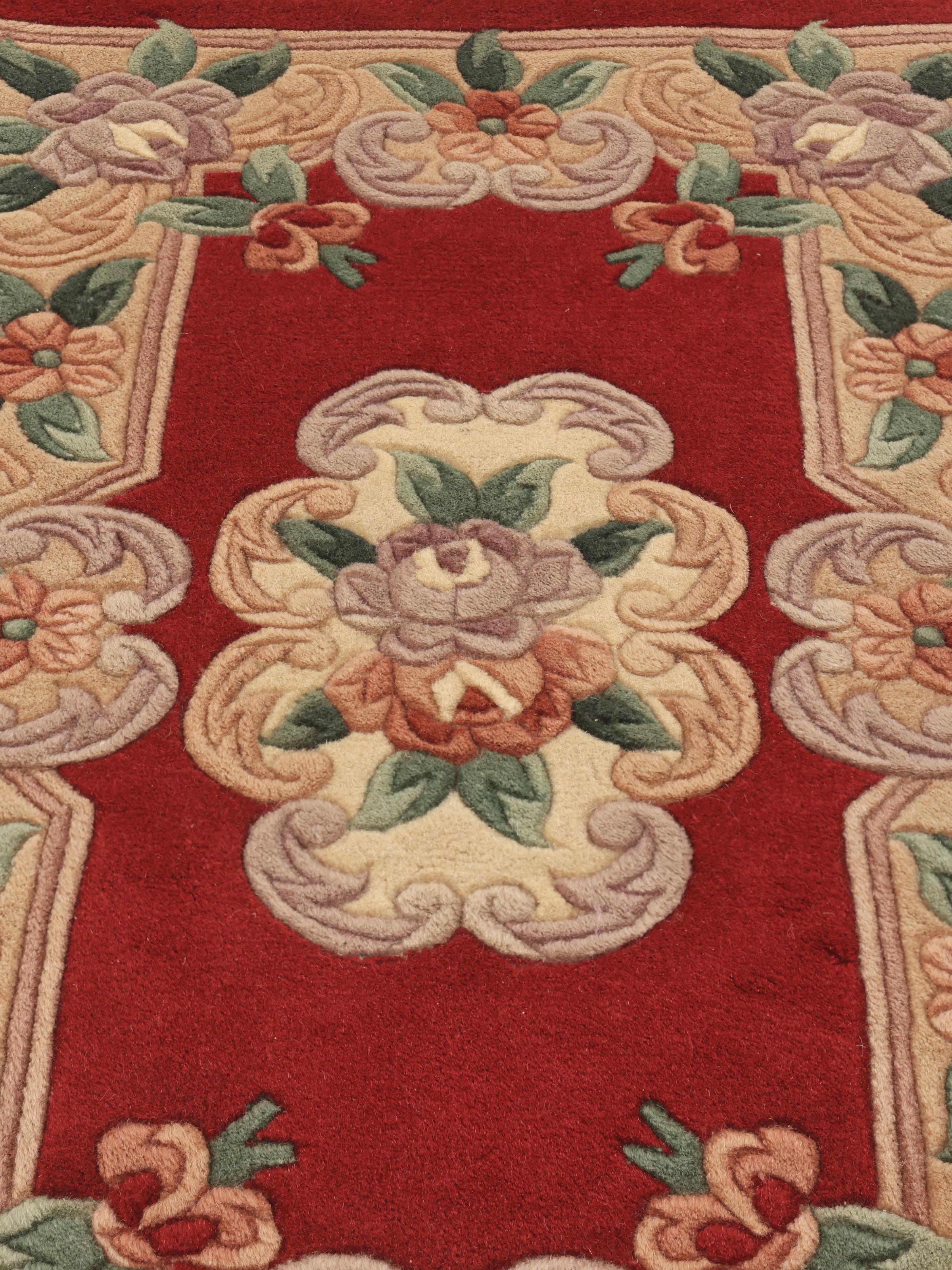
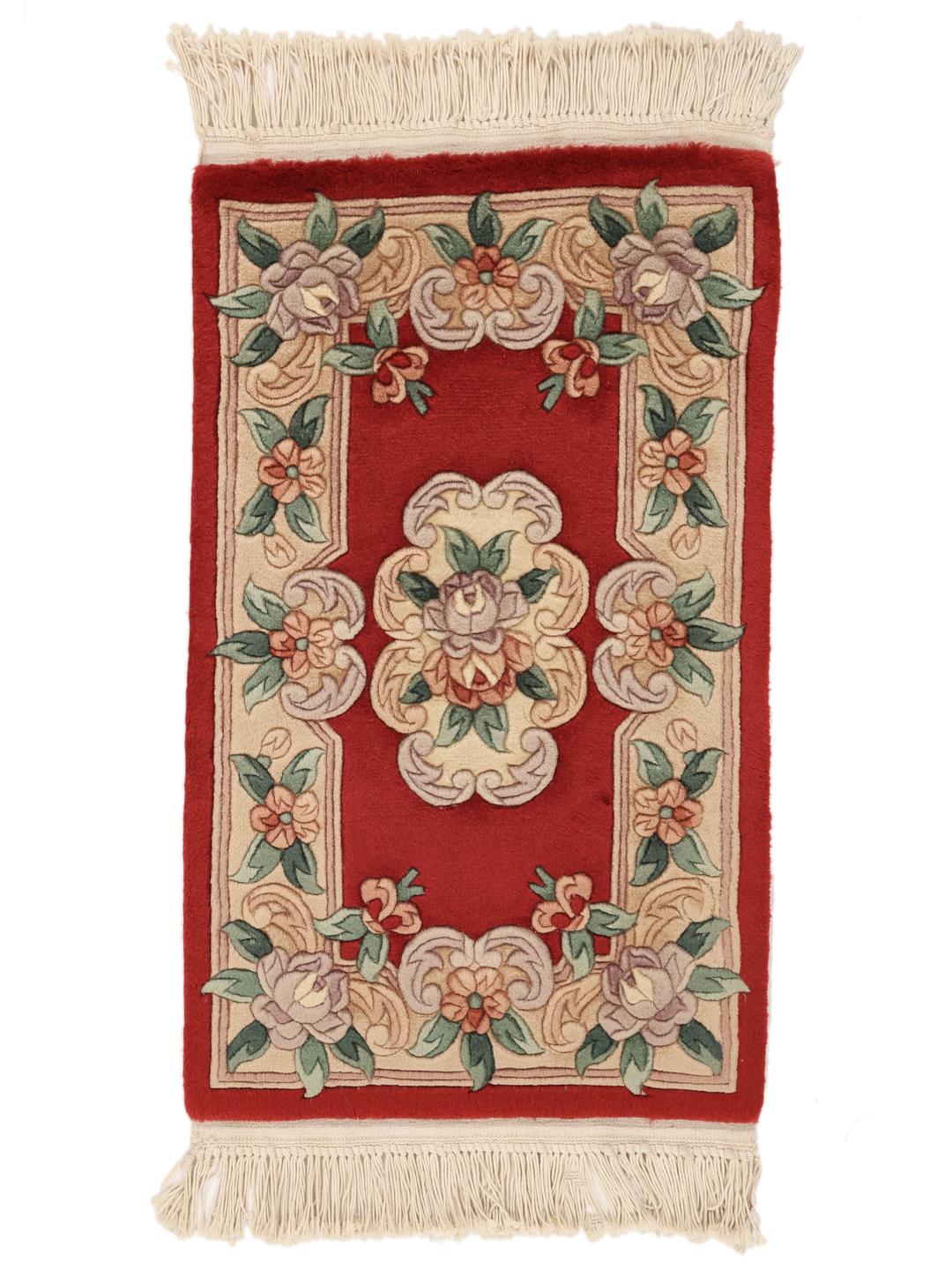
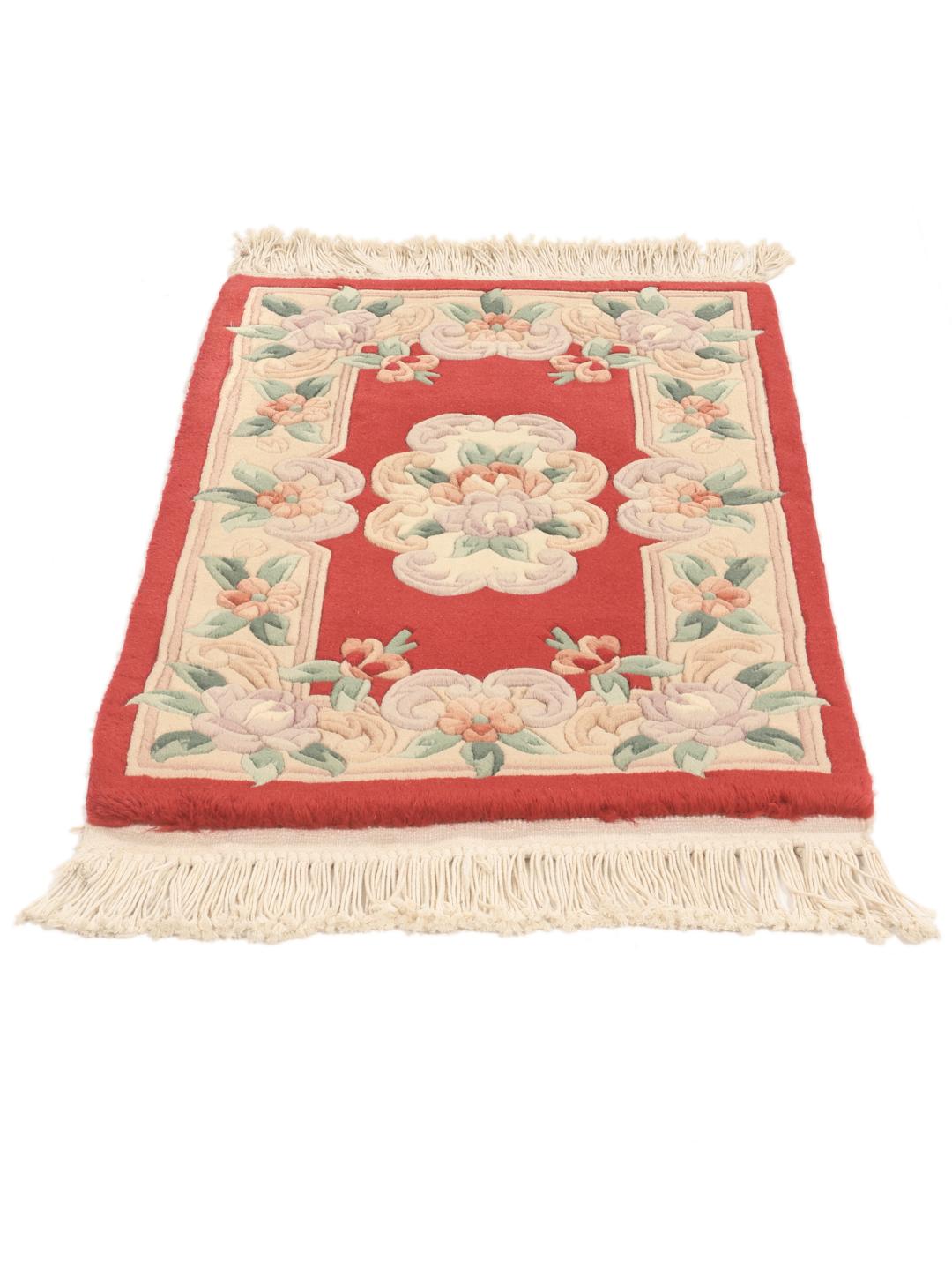
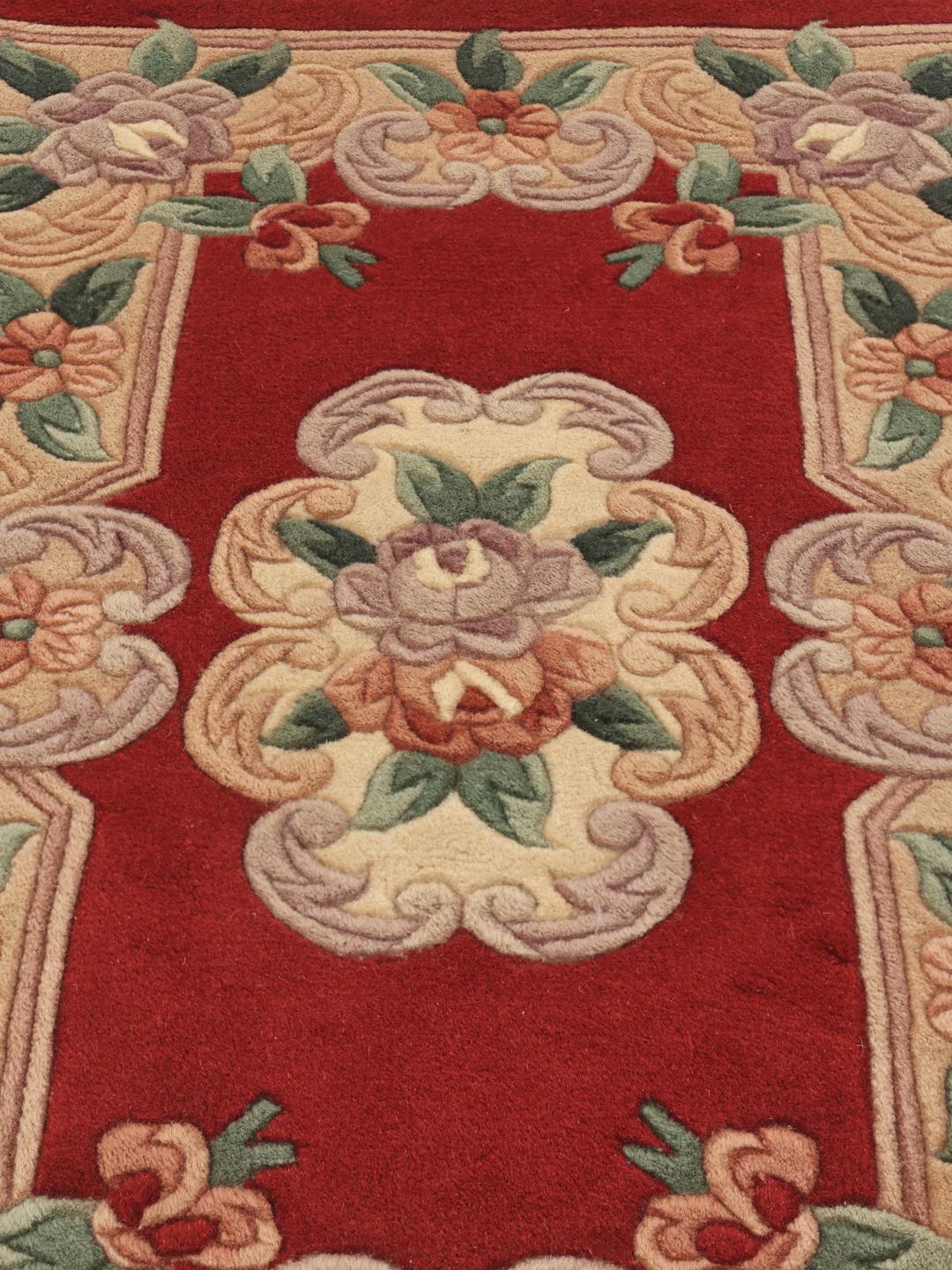
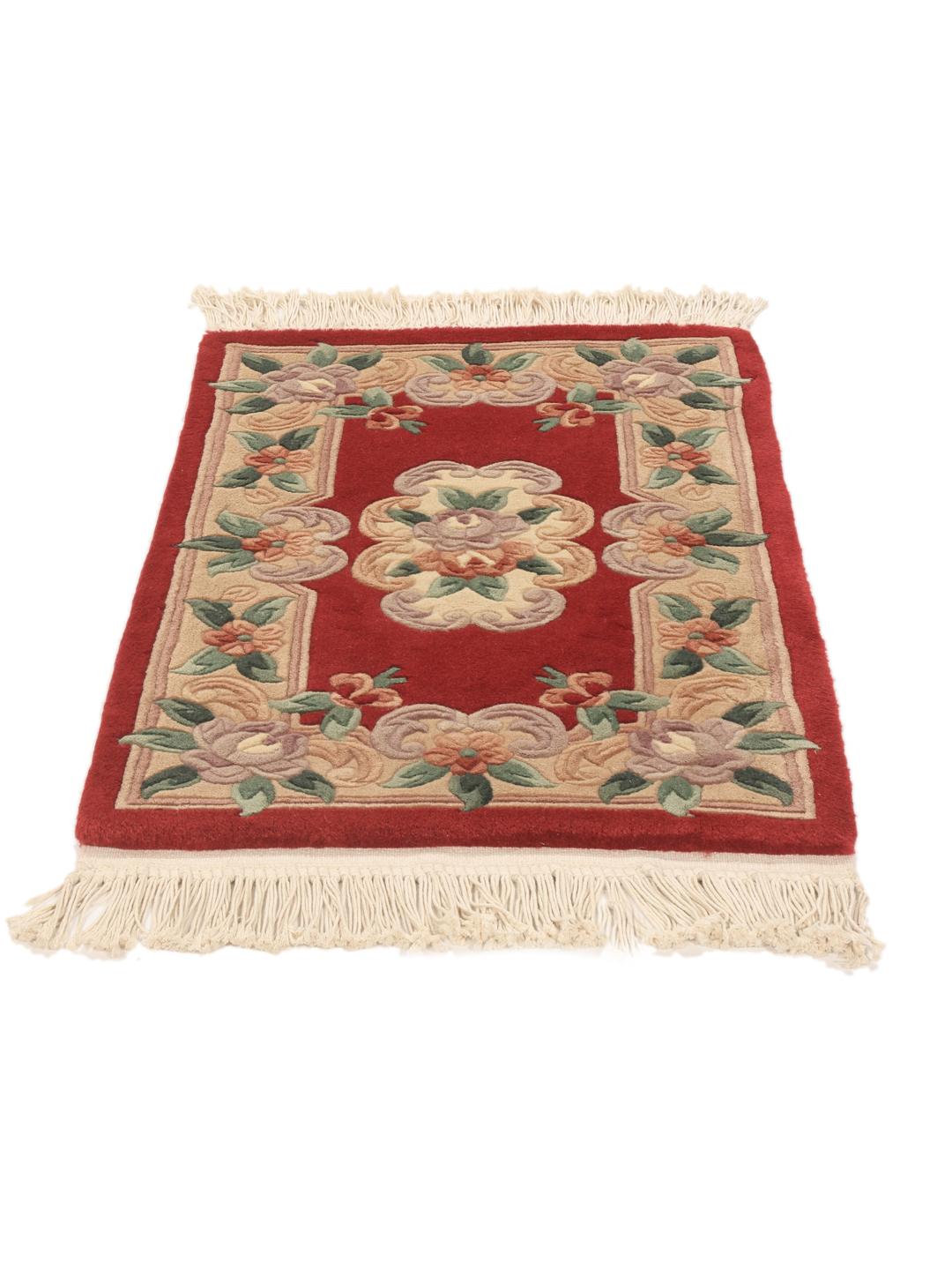
Floral motifs are a signature of the Chinese style, often drawing inspiration from silk embroidery and traditional landscape painting. You will frequently see blossoming peonies, lotus flowers, or stylized vines arranged in balanced, harmonious compositions. These patterns are designed to evoke a sense of calm and order, framed by borders that ground the floral display within the central field.
Owning a hand-knotted rug from China is an investment in cultural heritage and skilled artistry. Collectors value these pieces not only for their aesthetic grace but also for the quiet discipline required to produce them. By bringing such a rug into your home, you connect with a long-standing tradition of beauty and utility that transforms a simple floor covering into a meaningful piece of history.