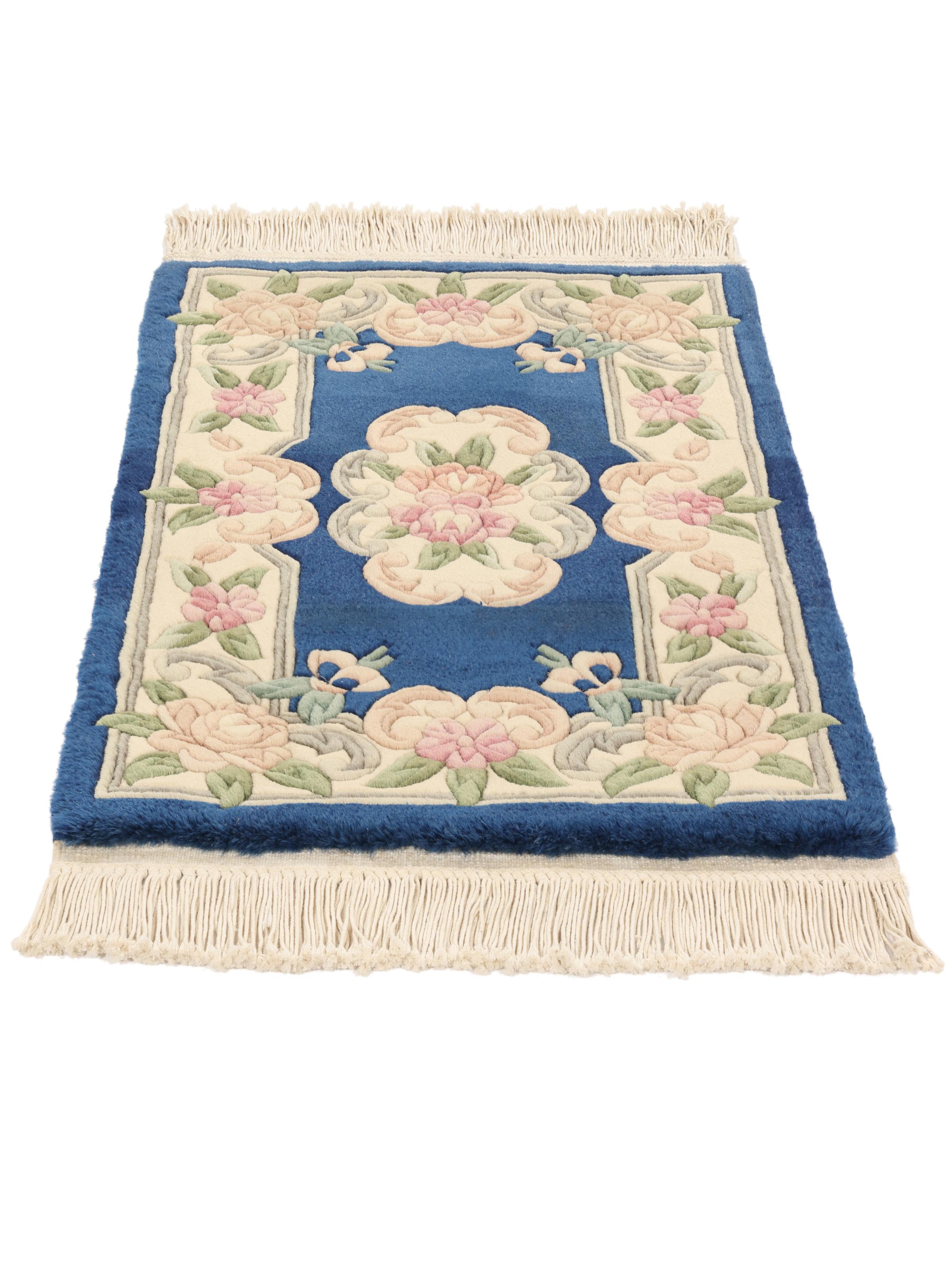
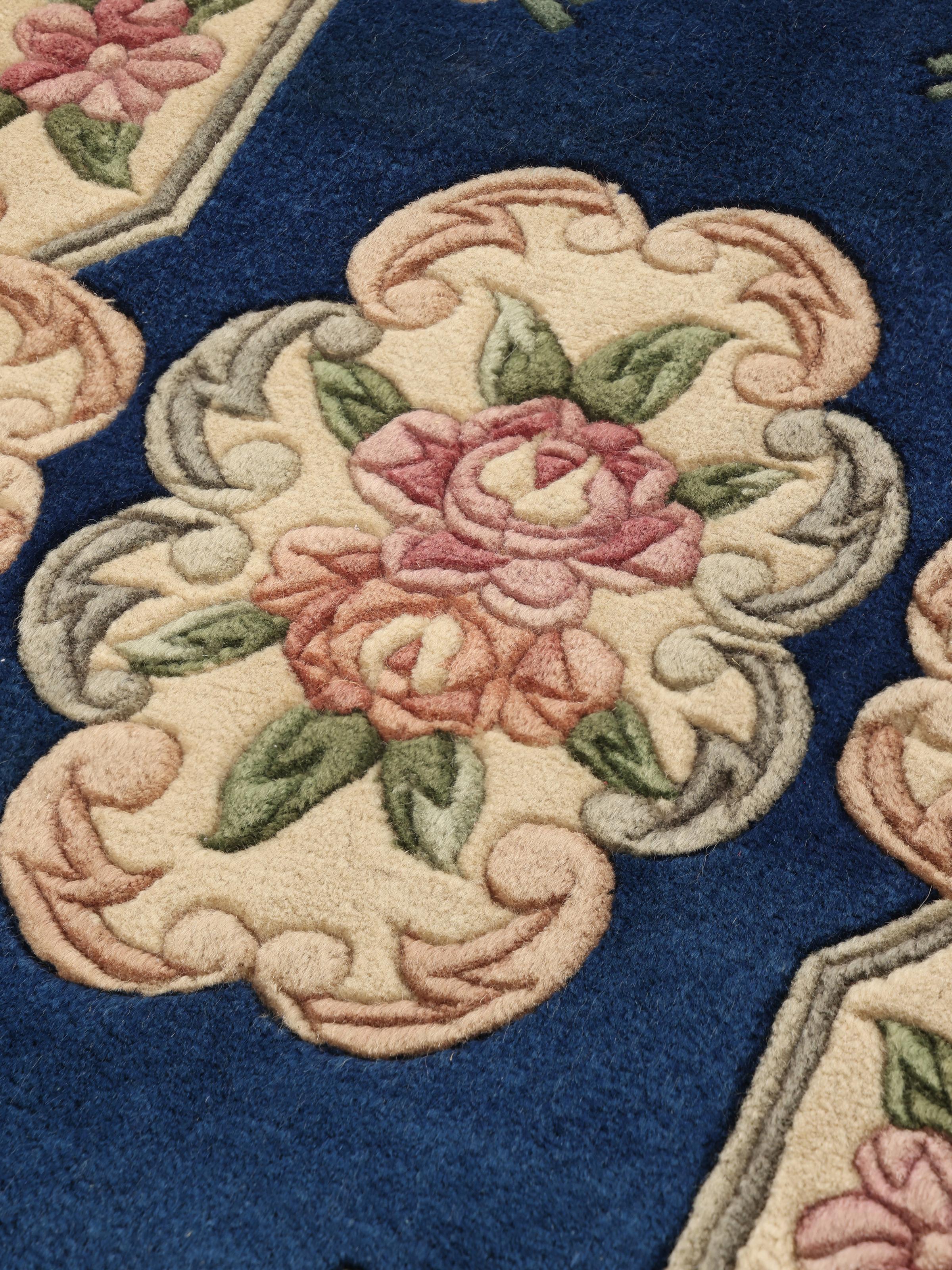
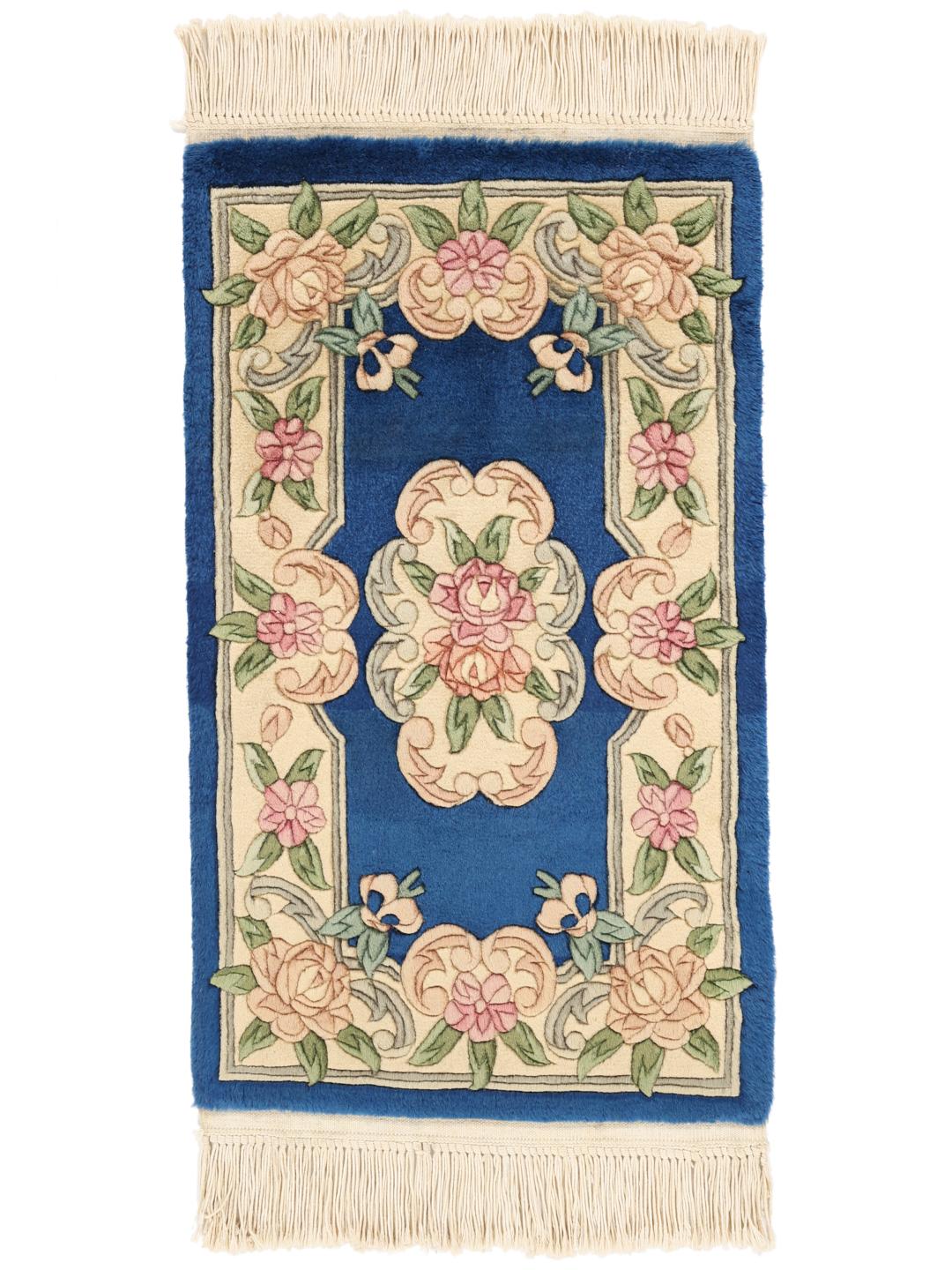
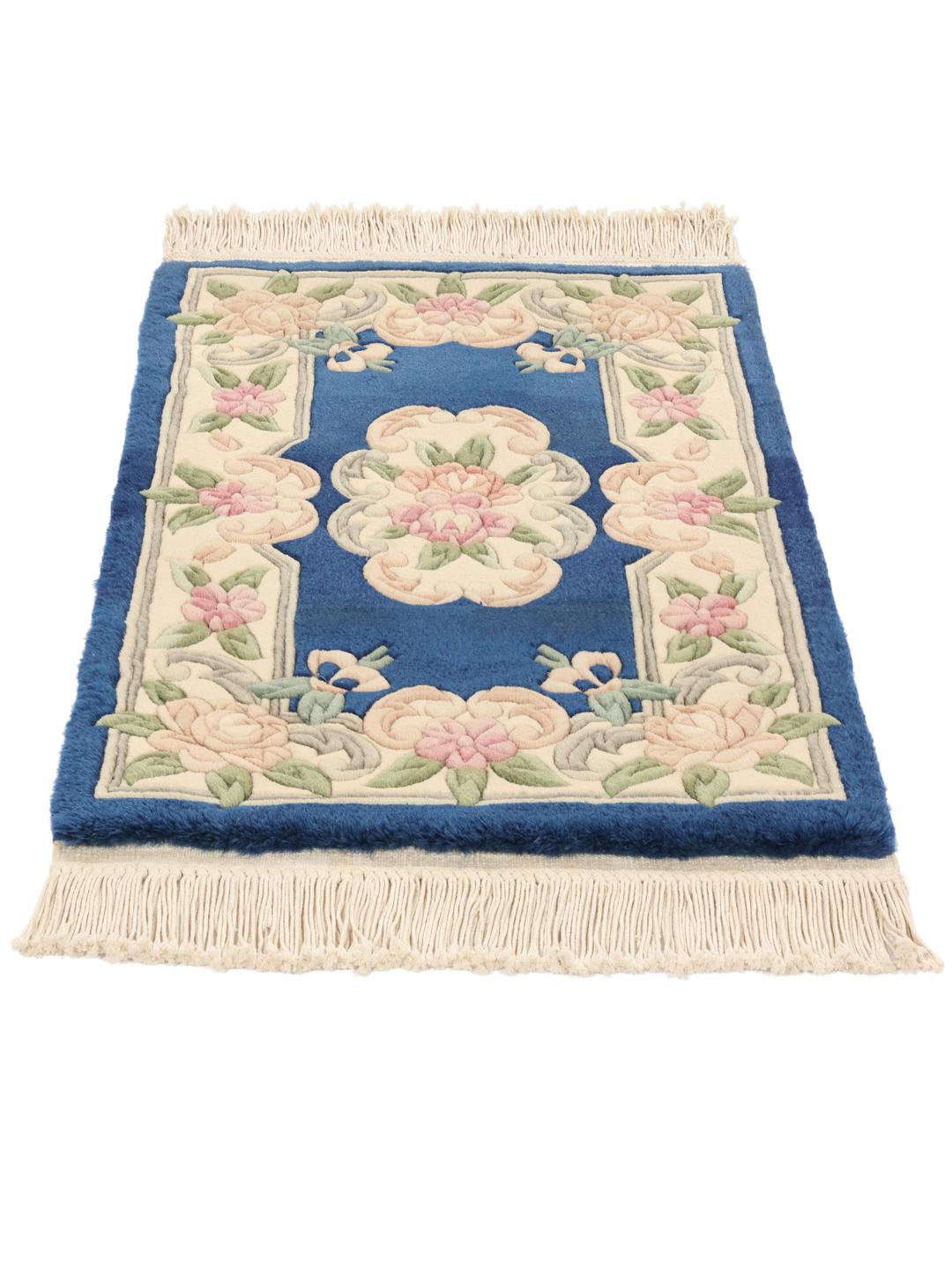
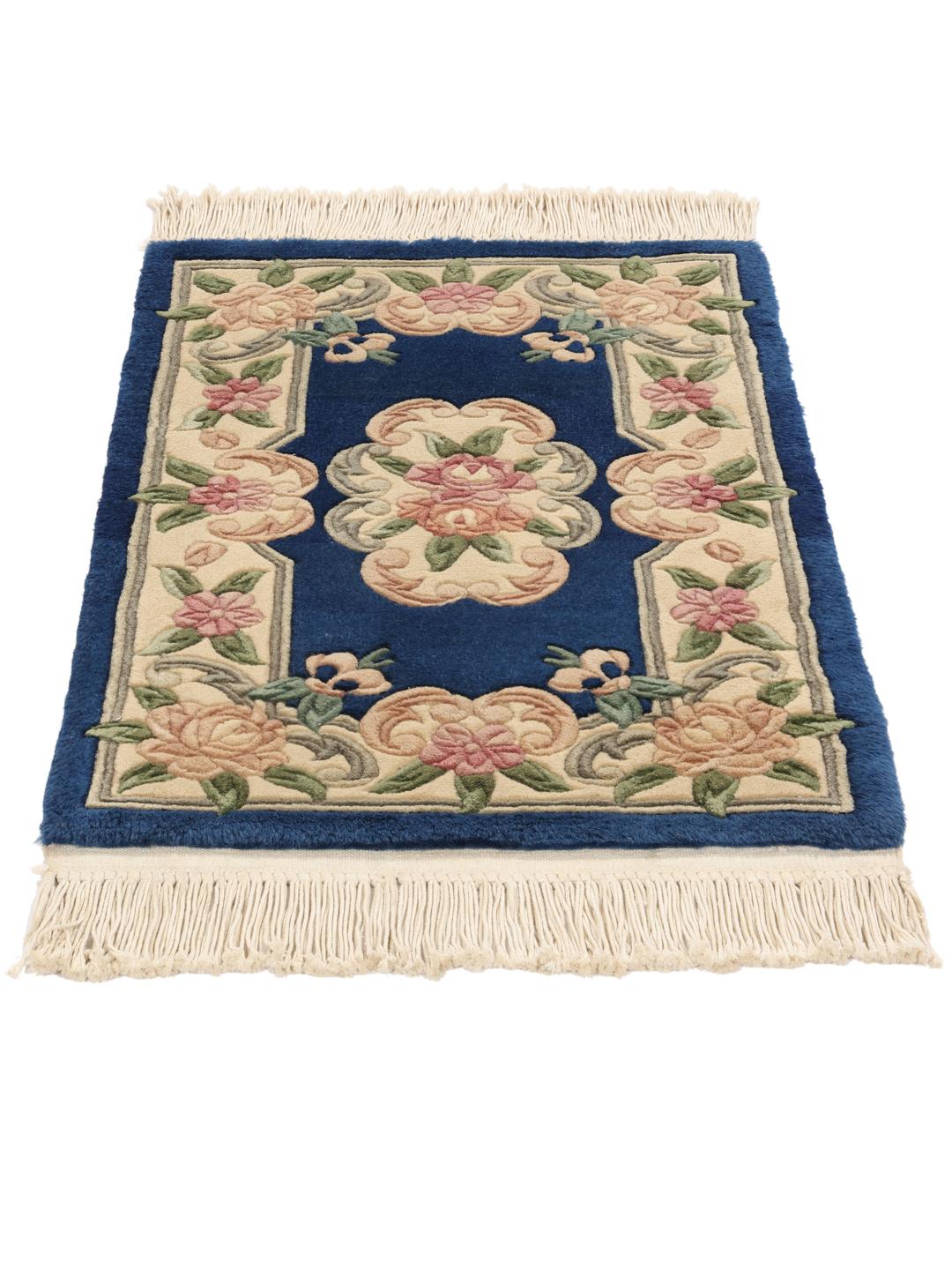
Chinese rug-making has a long and storied history, evolving from ancient traditions of weaving that were originally focused on functional mats and wall hangings. Over centuries, these techniques were refined to incorporate the sophisticated designs and symbolism that are now recognised globally. Modern Chinese rugs often draw inspiration from classical imagery, such as floral sprays and botanical motifs, which hold significant meaning in the region's cultural heritage.
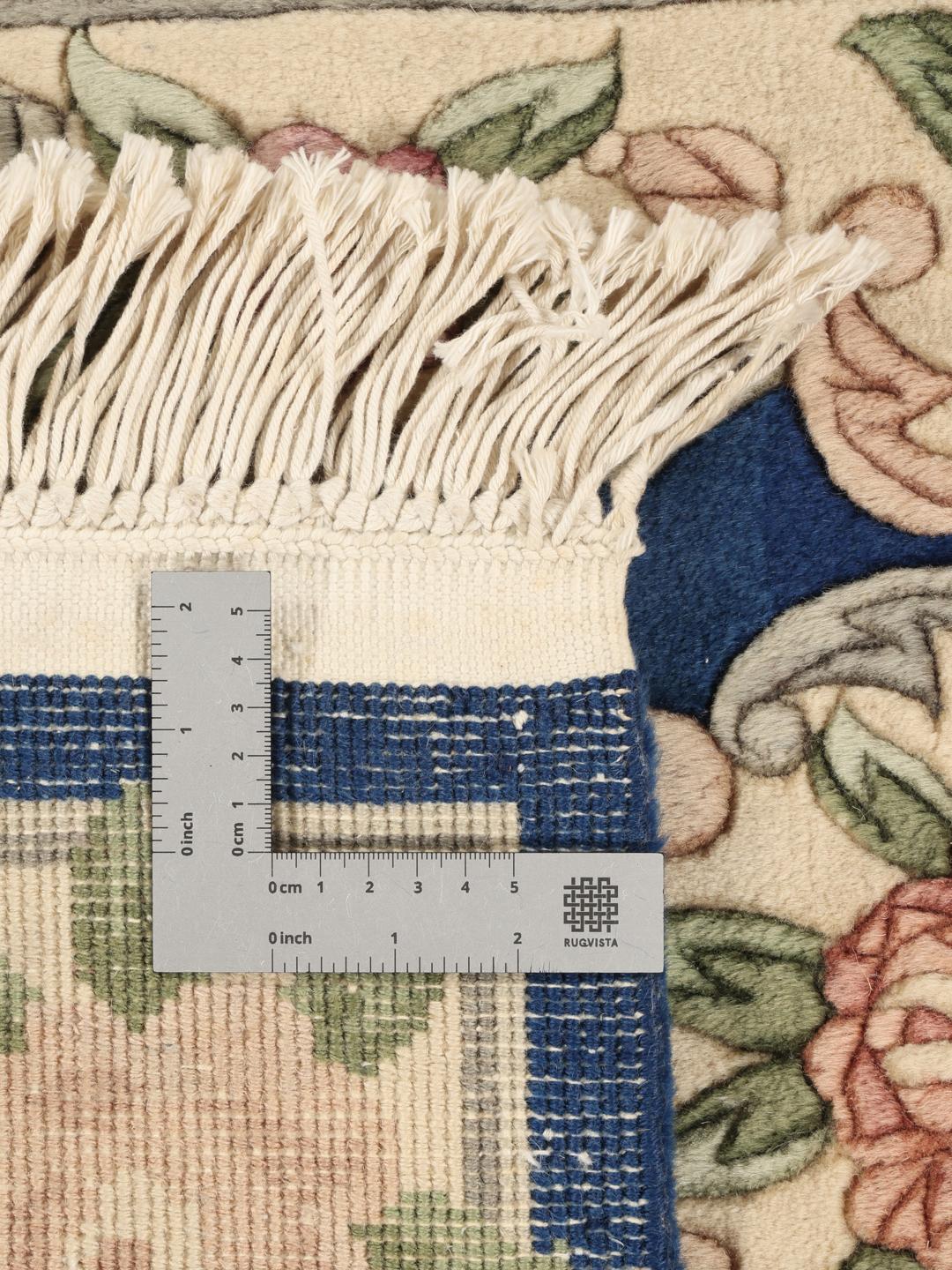
The term '90 line' refers to a traditional method of measuring the density of the knots. It signifies the number of knots per linear foot, which directly influences the clarity of the design and the density of the pile. This specific technical standard ensures that the rug possesses a consistent, uniform quality, providing a balance between visual detail and the practical durability needed for a well-loved home accessory.
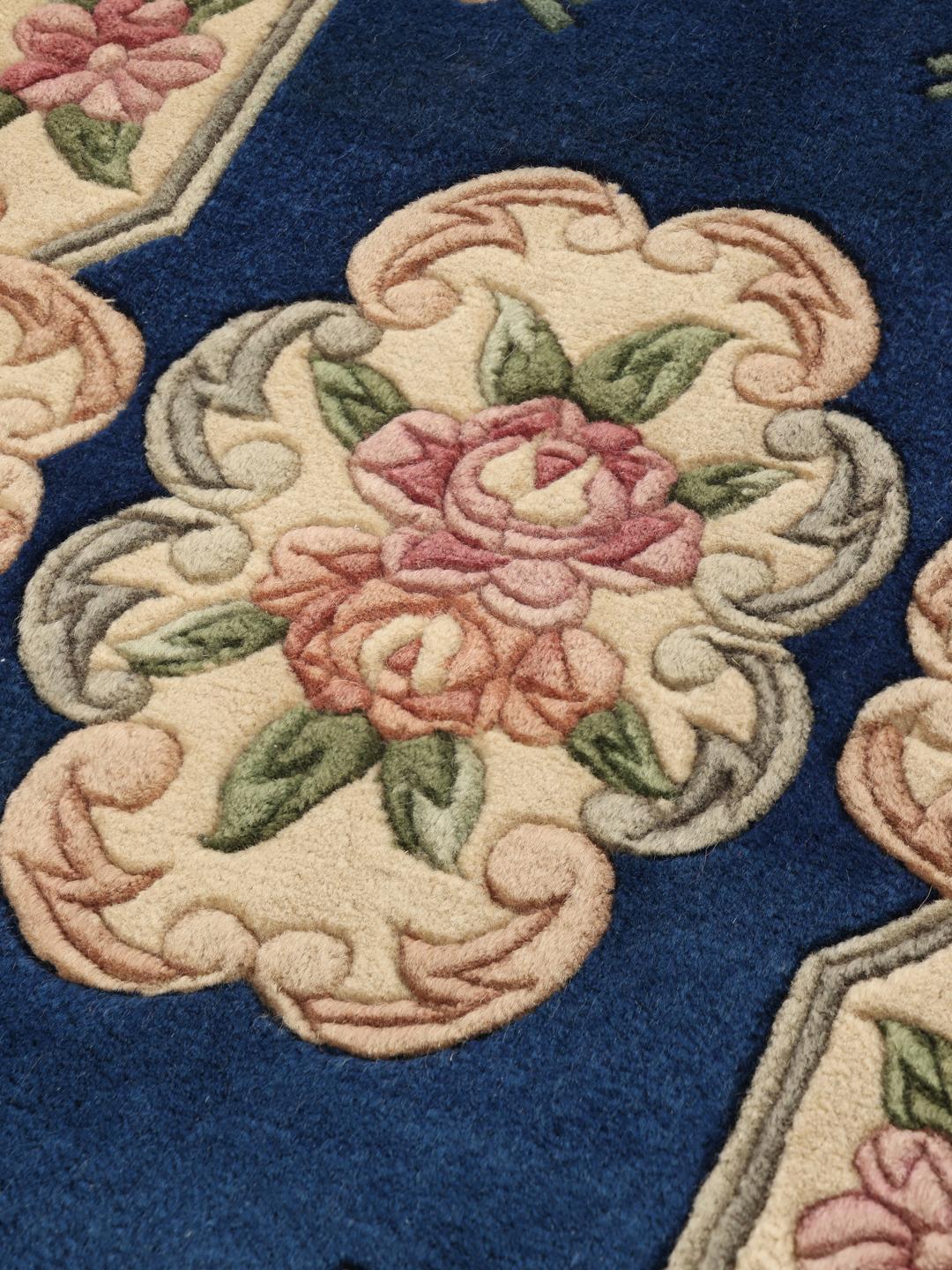
Signature design elements in this tradition often feature a central medallion or a balanced floral arrangement, framed by ornate borders. The use of a deep blue field is a classic choice, intended to make the softer, lighter tones of the flowers pop, creating a sense of depth and perspective. These motifs are not merely decorative but are part of a visual language that celebrates nature and harmony in the domestic sphere.
Collecting rugs from this tradition is an investment in cultural artistry. Each piece represents a connection to a specific time and place, capturing the skill of the weaver and the aesthetic values of the period. By choosing this rug, you are preserving a heritage of craft, ensuring that these beautiful, hand-finished items continue to be appreciated for their beauty and their place in the history of global textiles.