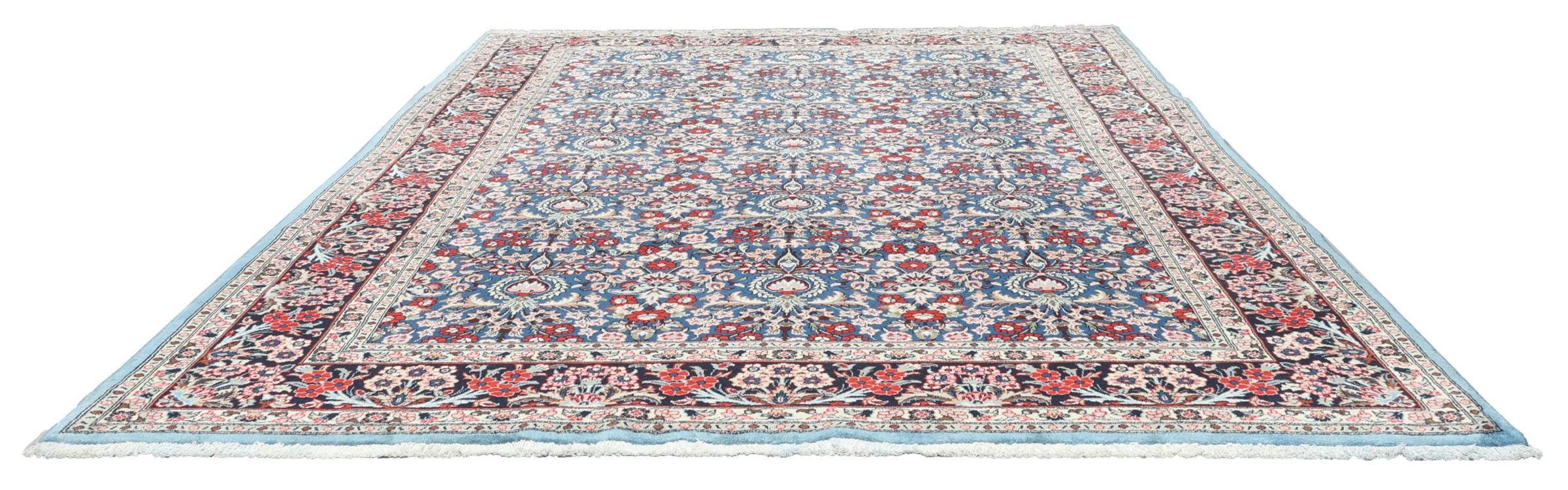
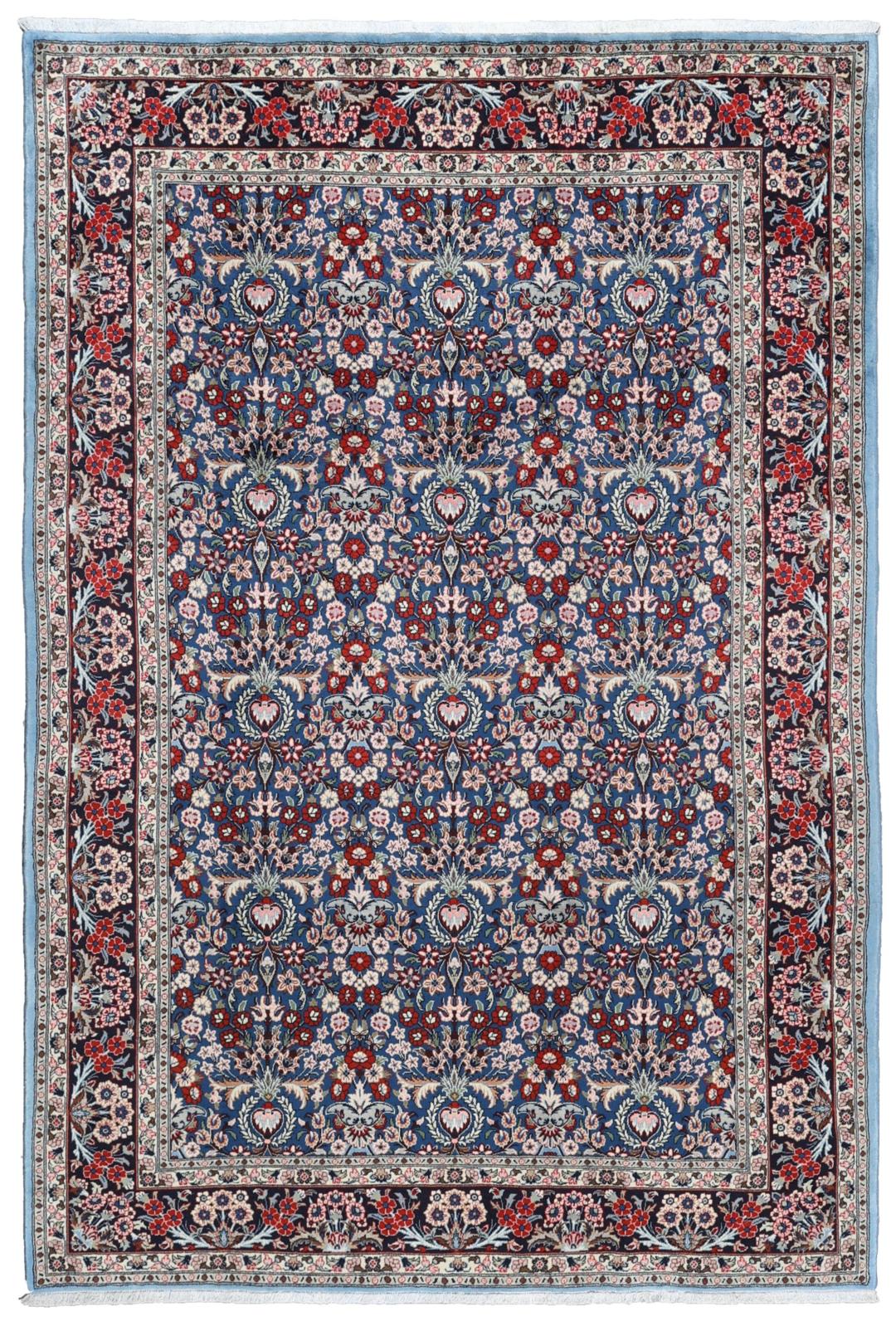
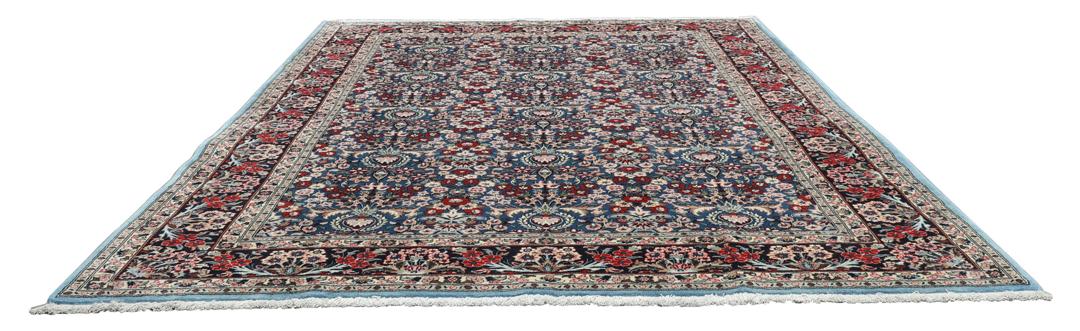
The Chadegan rug belongs to the prestigious family of Isfahan-style carpets, which originate from one of the most culturally significant regions in the Middle East. Historically, these rugs were produced in workshops that catered to the royal courts, and this legacy of excellence continues to influence the meticulous design and high standards found in pieces from this area.
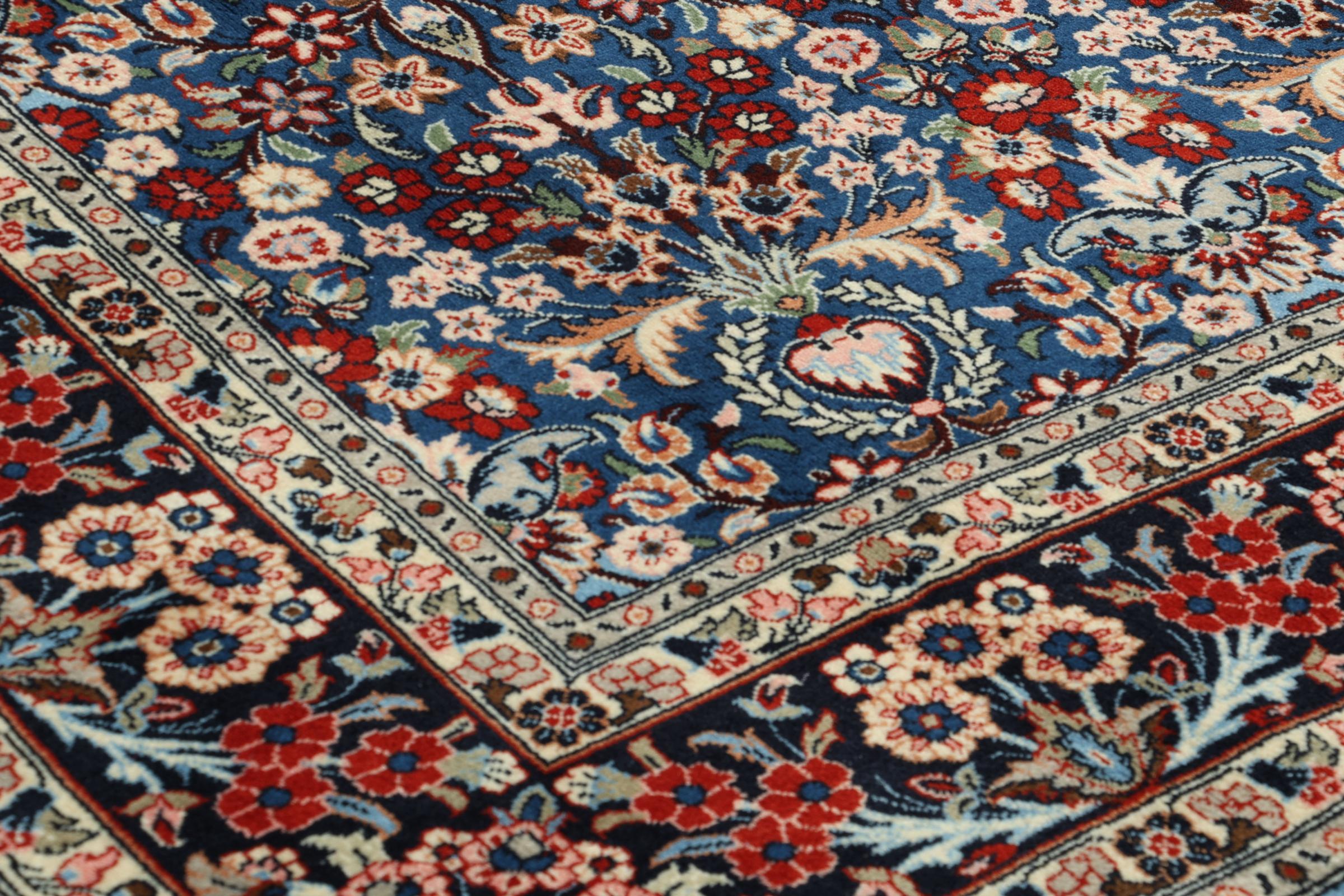
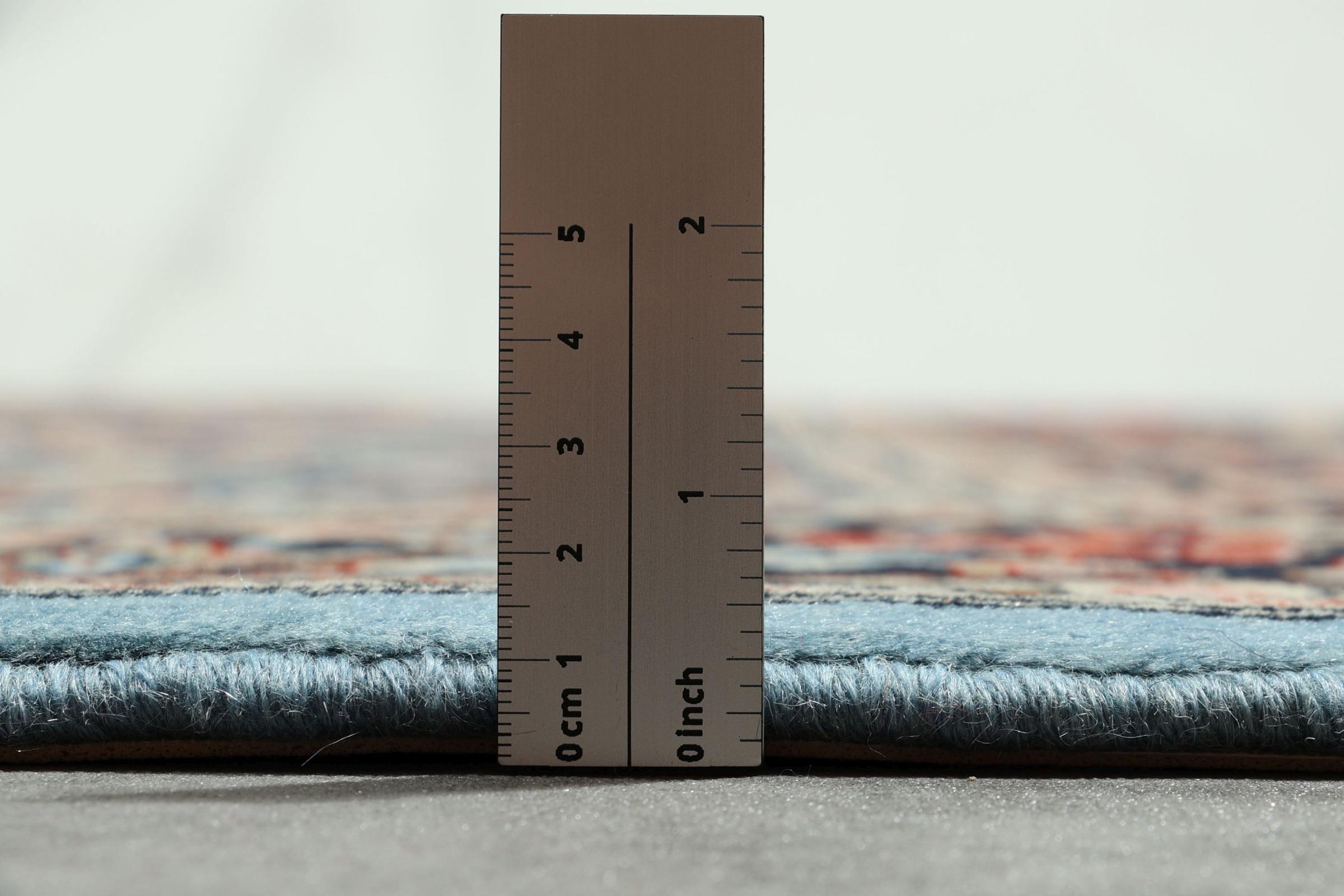
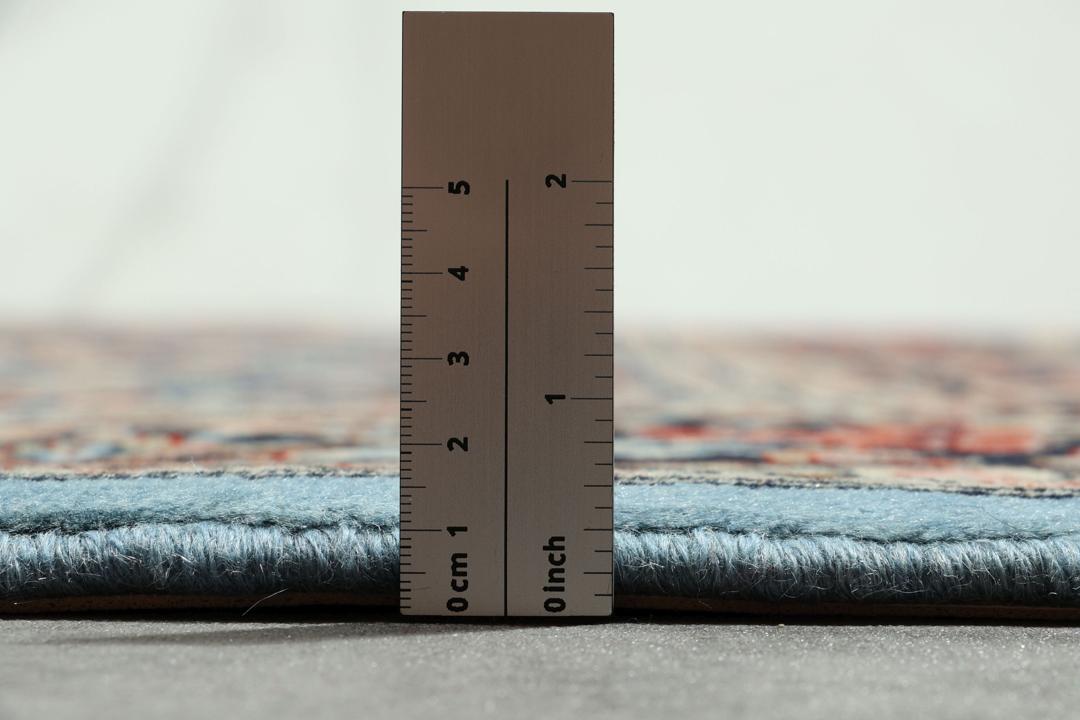
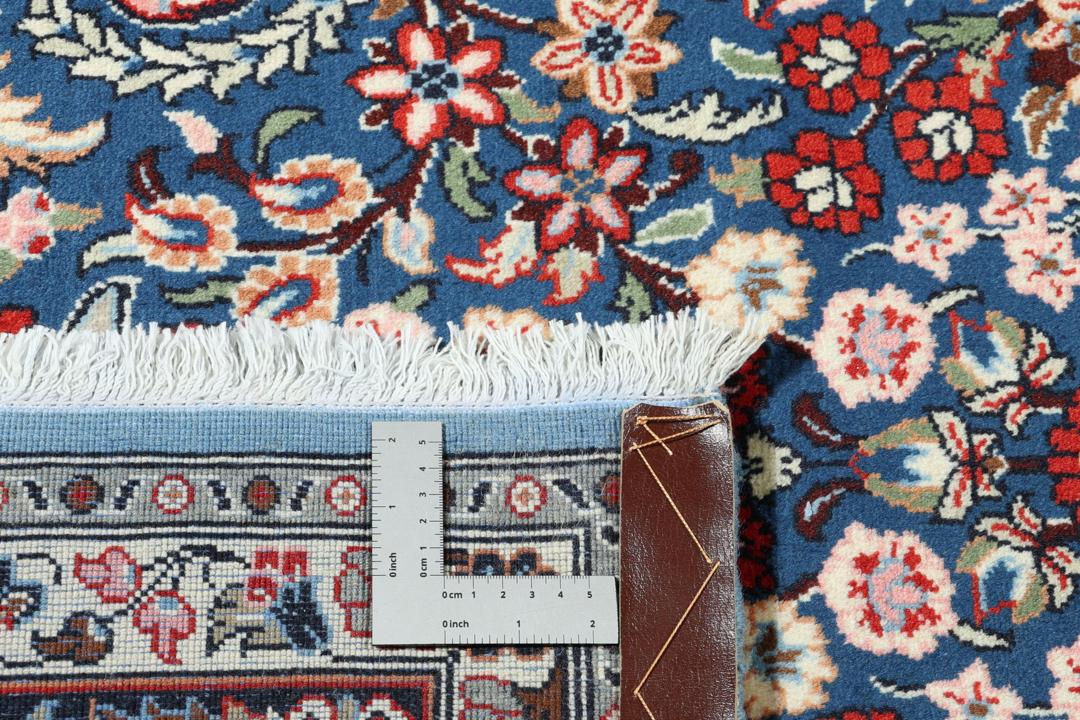
The term hand-knotted refers to the traditional, time-honoured technique of tying individual strands of wool onto a foundation. This method is the hallmark of premium rug-making; it allows for the creation of incredibly detailed, fluid designs that are impossible to replicate with modern machinery. The density of these knots is a key indicator of quality, as it determines the rug's durability and the intricacy of its motifs.
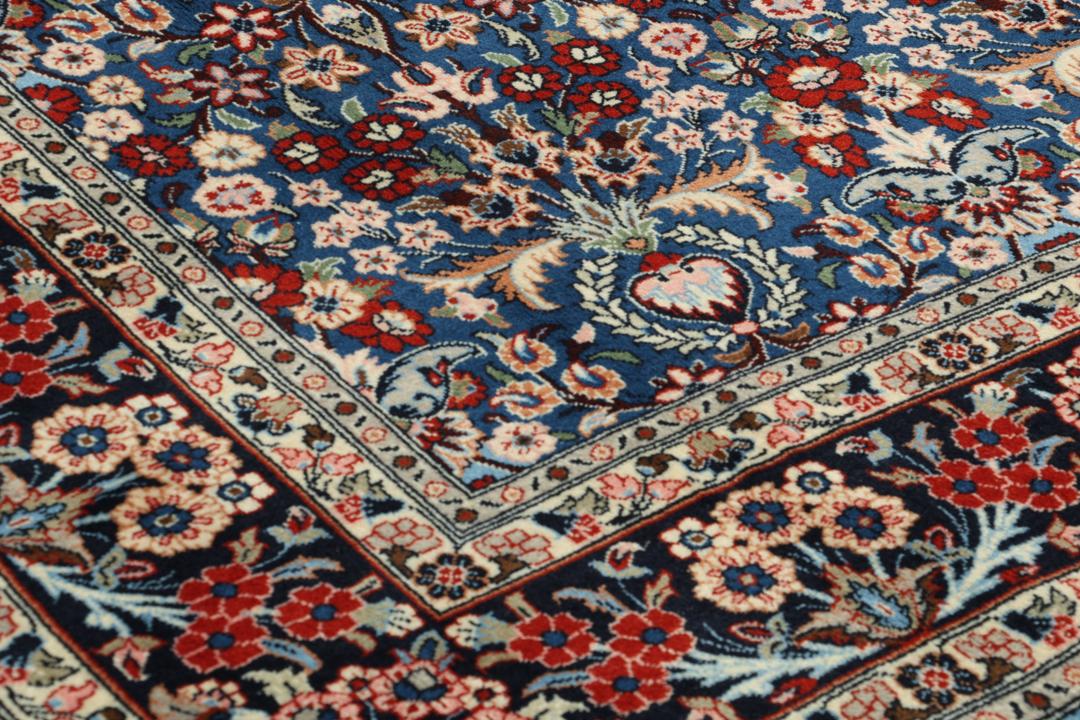
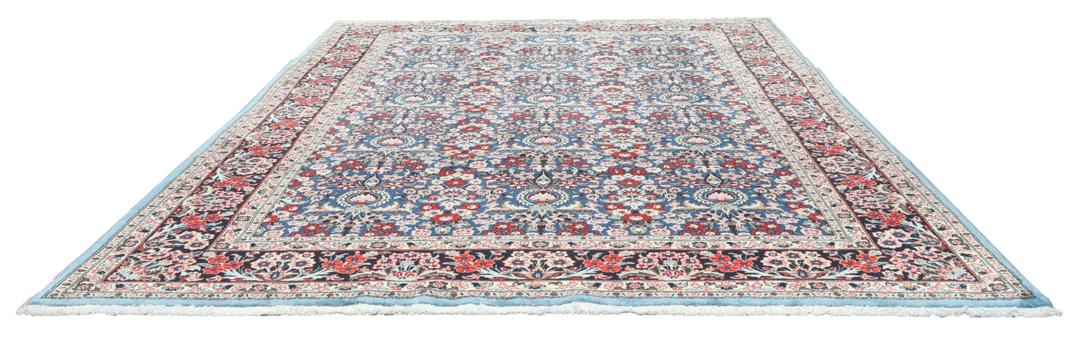
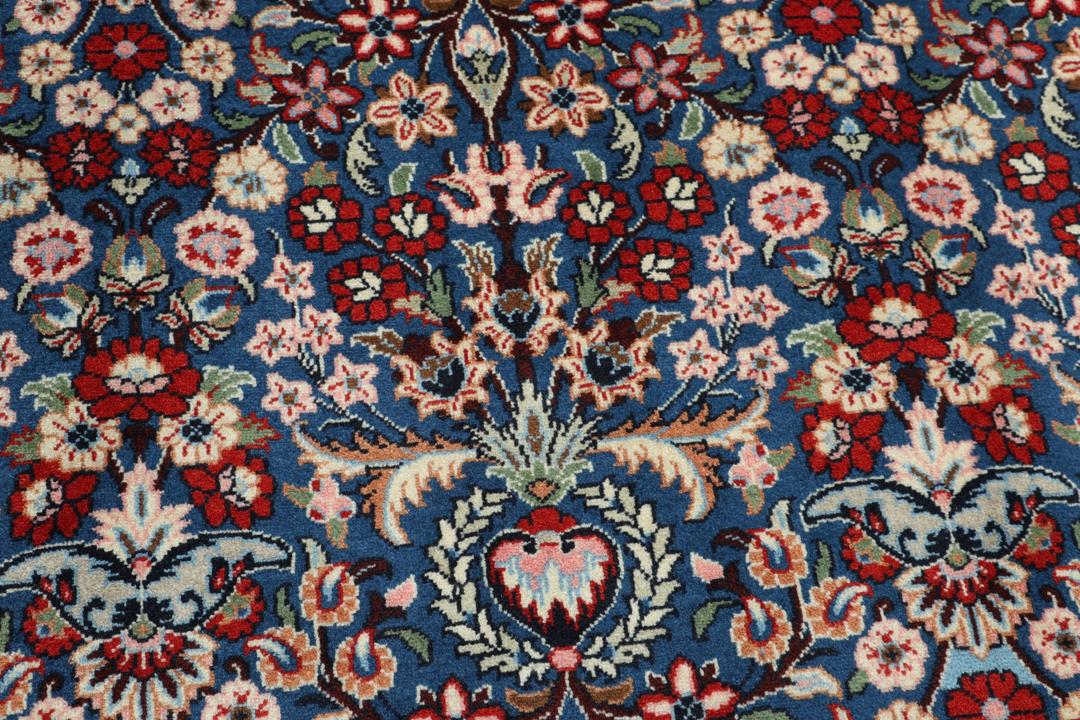
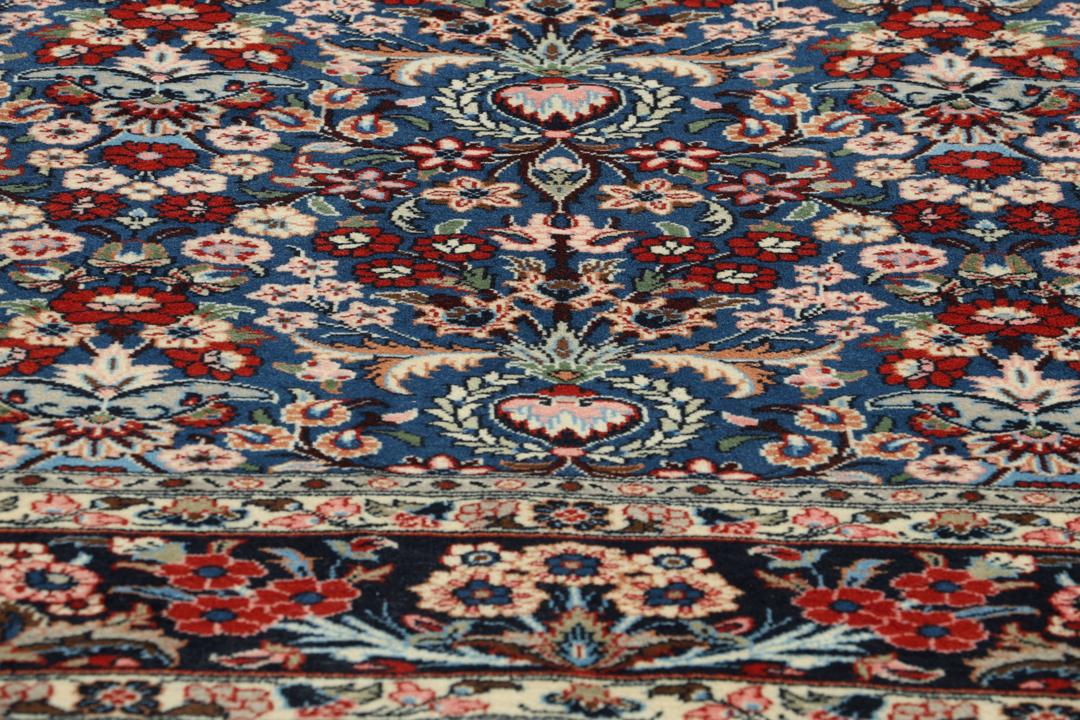
Visually, these rugs are defined by their sophisticated floral vocabulary, often featuring complex arabesques, scrolling vines, and central medallions. The balanced, symmetrical layout is a signature of this tradition, reflecting a desire for harmony and order. The use of deep, rich blues and vibrant reds is a classic choice, designed to create a sense of depth and luxury in the finished piece.
Owning a rug from this tradition is about more than just decor; it is about preserving a centuries-old craft. Collectors value these pieces for their ability to balance beauty with utility, and for the incredible level of skill required to translate such complex patterns into a woven medium. It is an investment in cultural heritage that brings a sense of gravity and history to any modern home.