The Bokhara rug is a style with roots stretching back to the ancient Silk Road, named after the city of Bukhara, which served as a major trading hub for centuries. While the design legacy is deeply connected to Central Asian nomadic traditions, the finest examples of these rugs today are expertly crafted in Pakistan. This evolution reflects the migration of weaving skills and the development of regional techniques that have refined the style into what we recognise today.
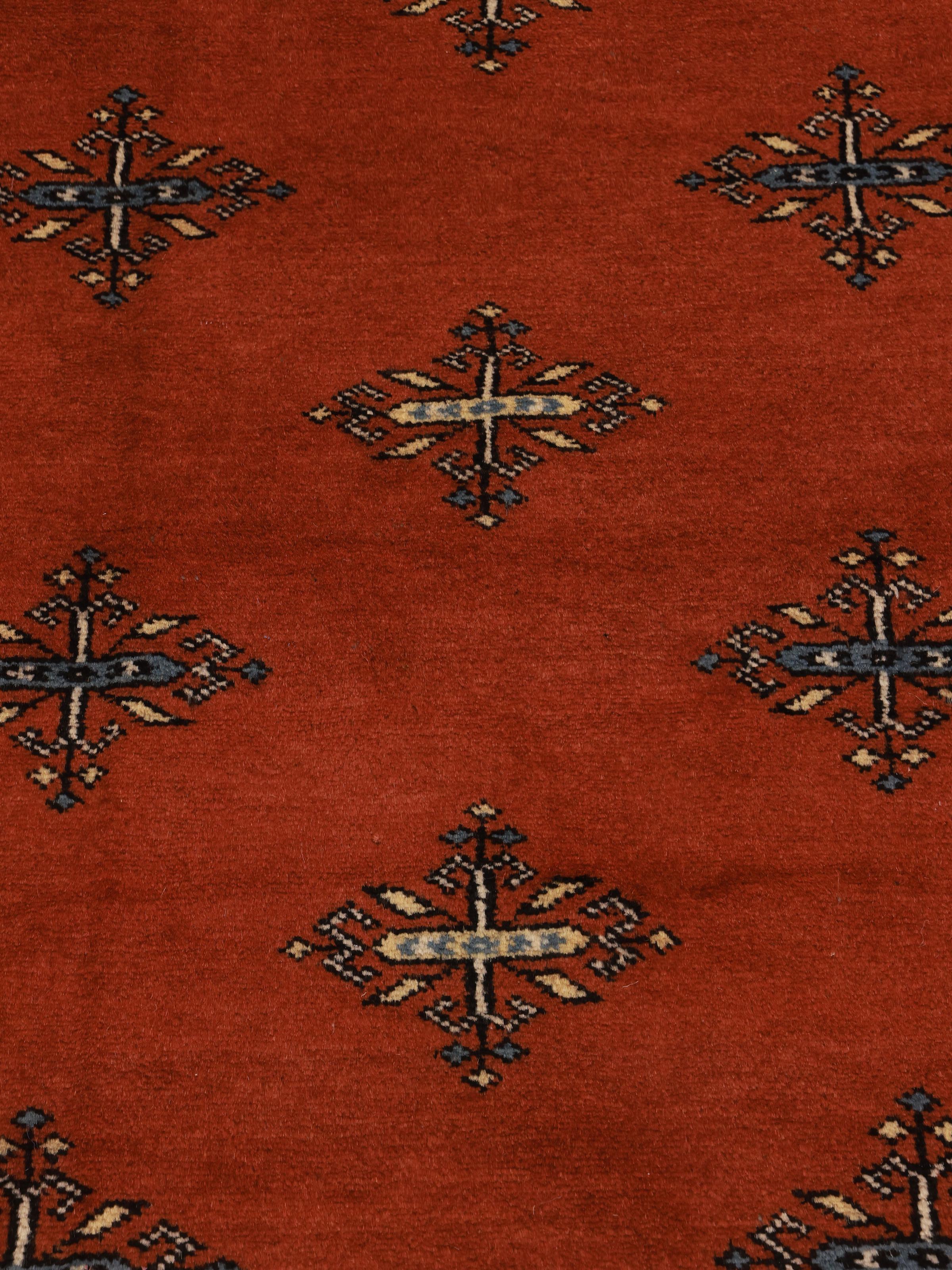
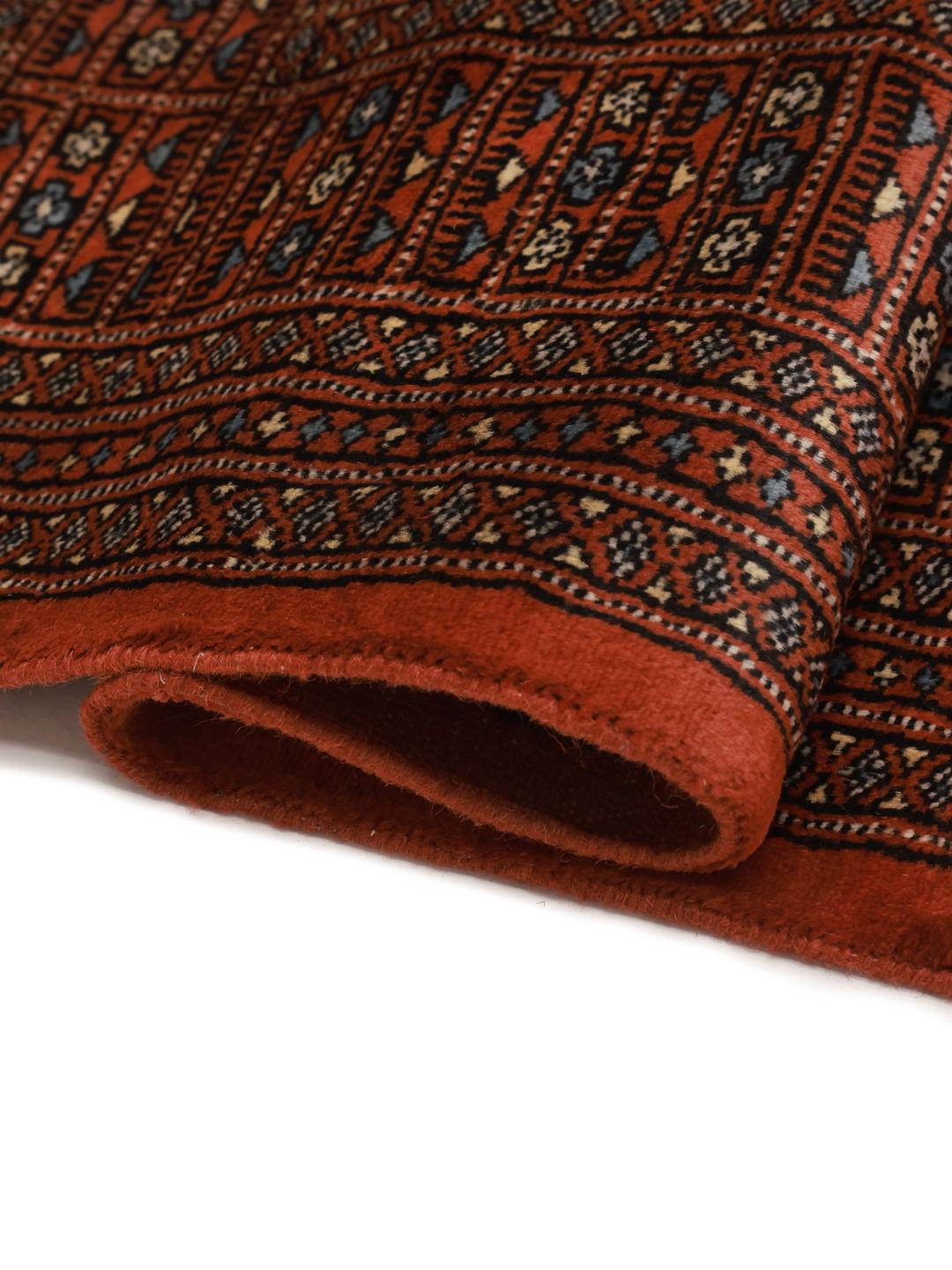
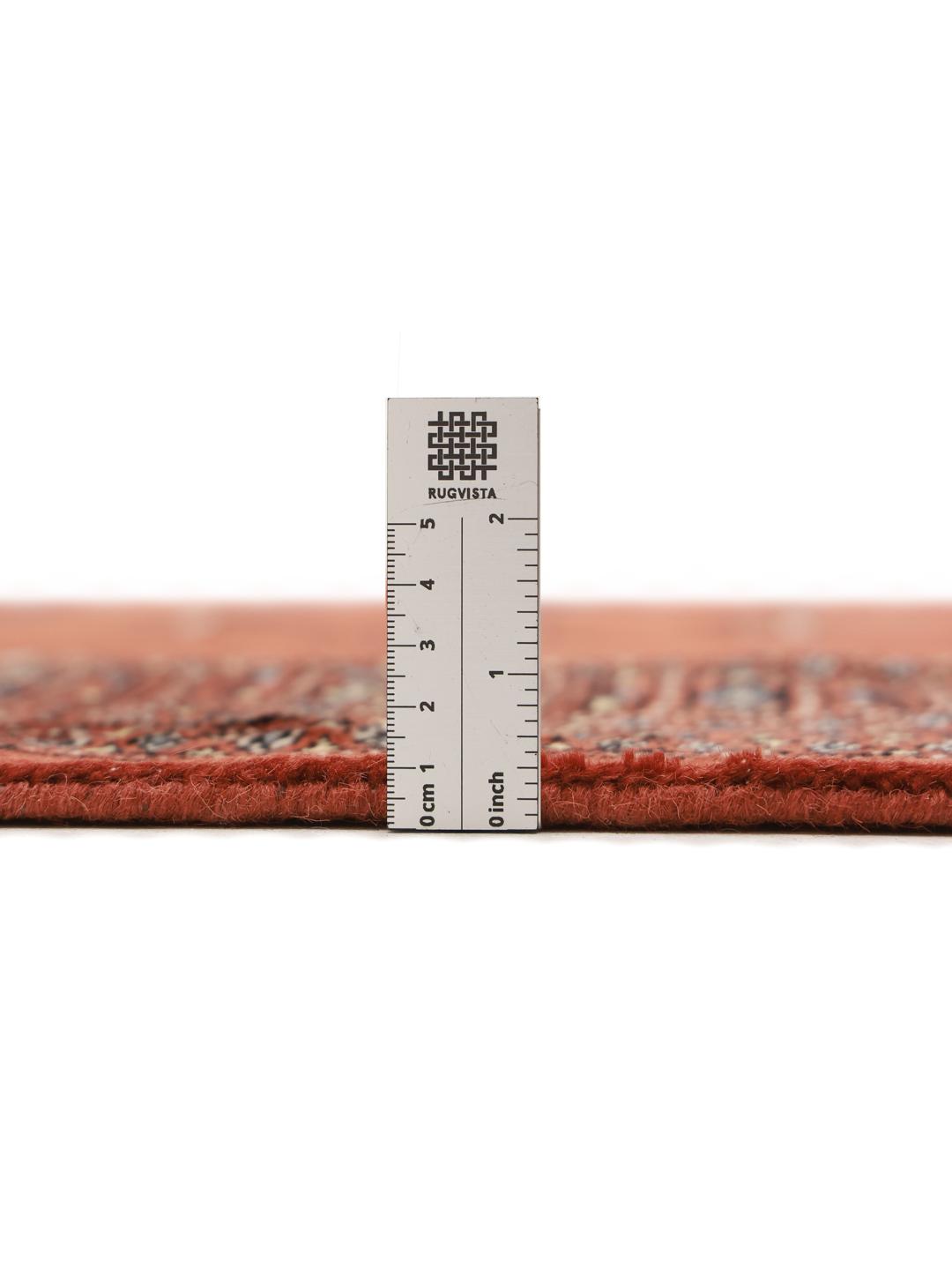
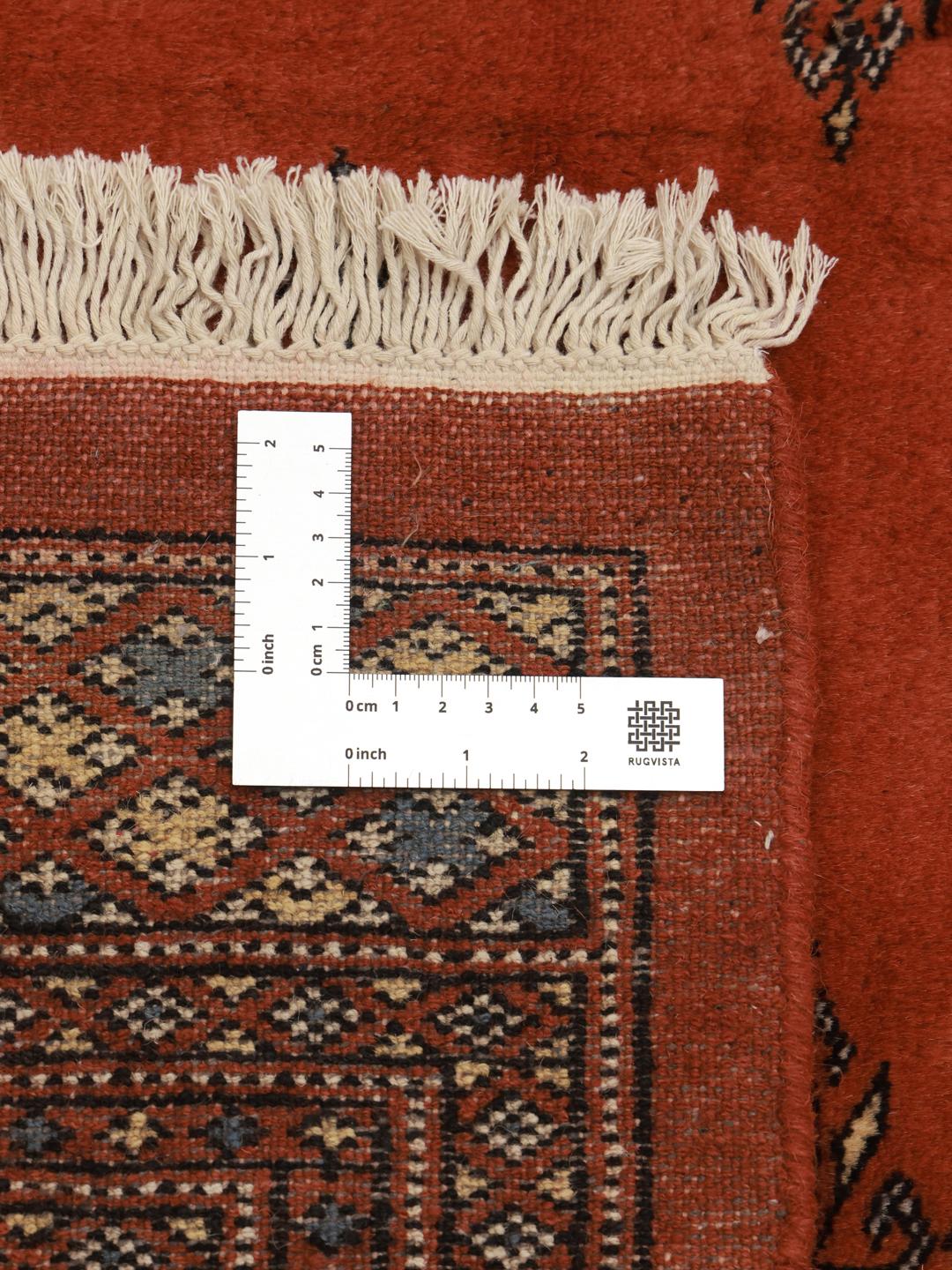
The '2ply' designation is a technical hallmark of quality, referring to the practice of twisting two strands of wool together before they are knotted into the rug. This specific construction produces a pile that is significantly denser, more lustrous, and more durable than single-ply alternatives. It is this attention to the structural integrity of the yarn that allows the rug to withstand years of use without losing its softness or definition.
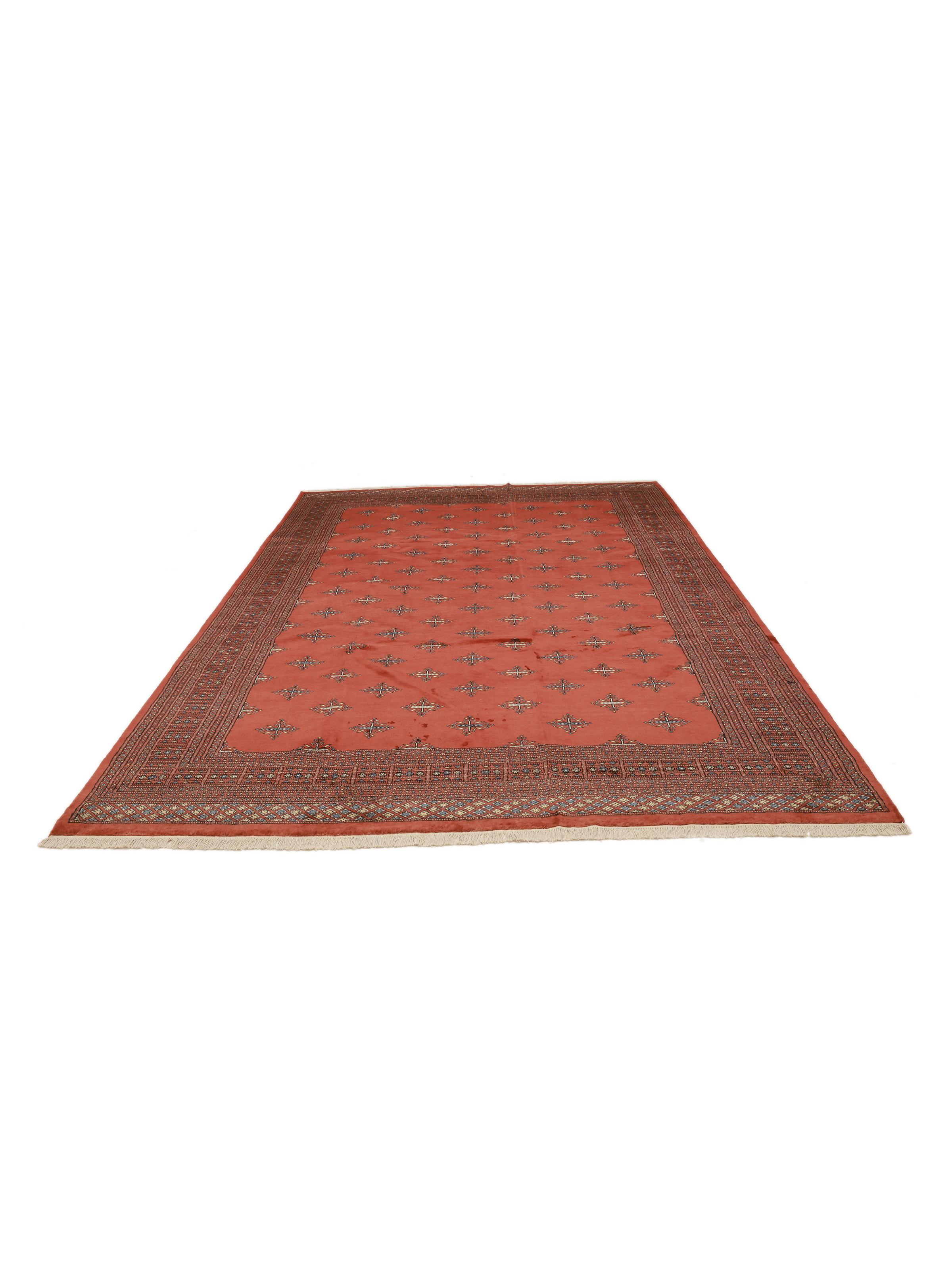
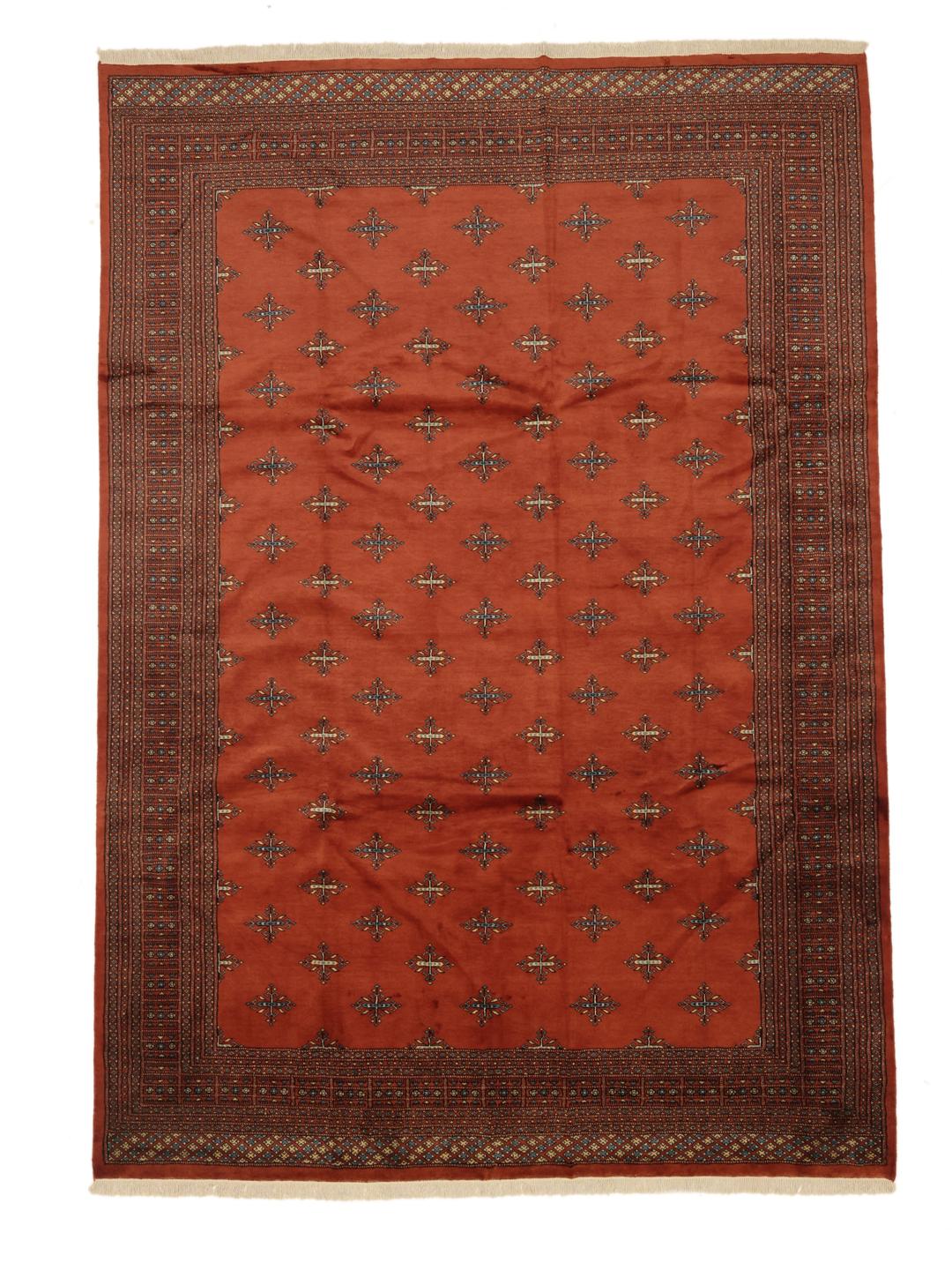
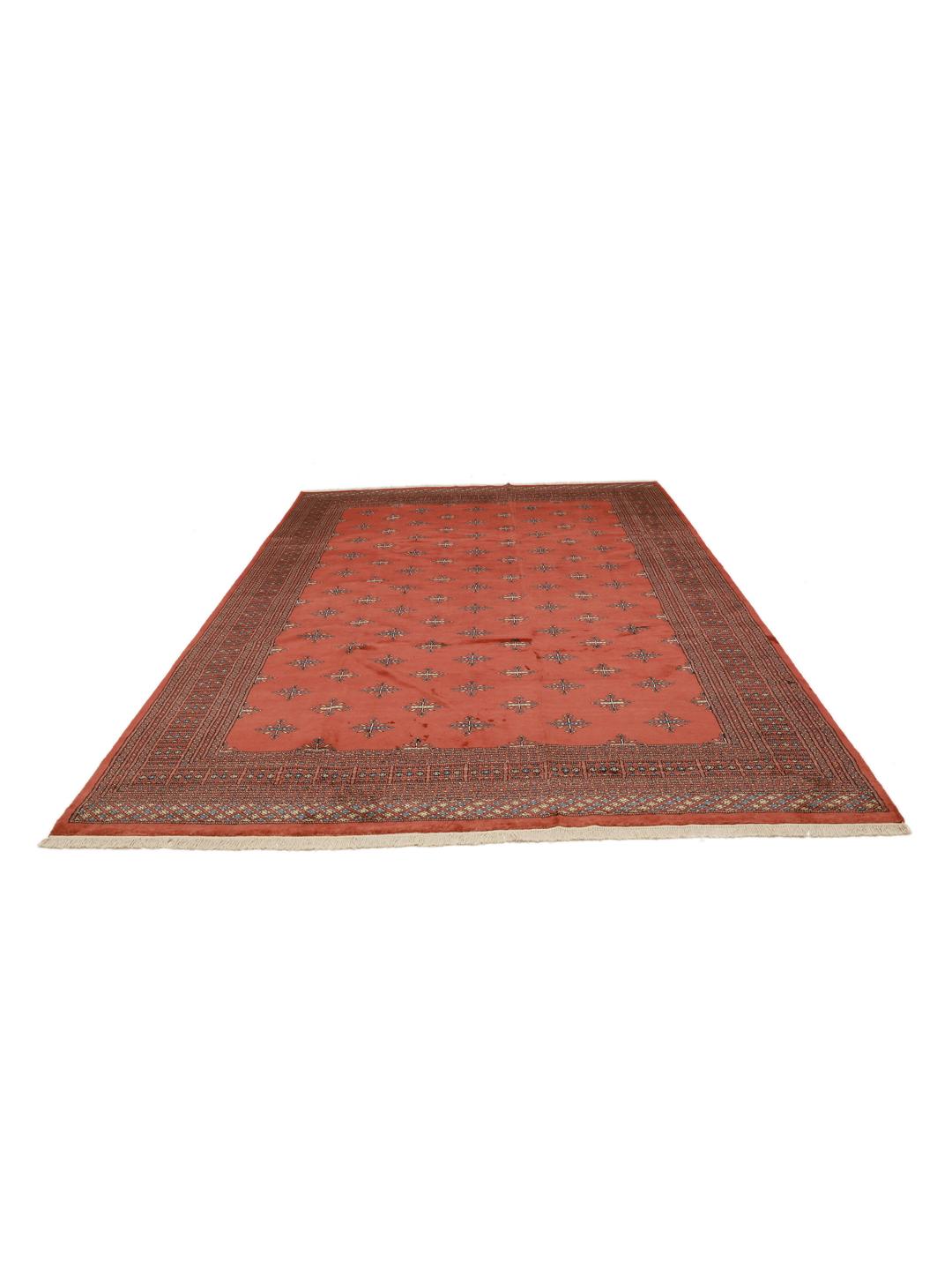
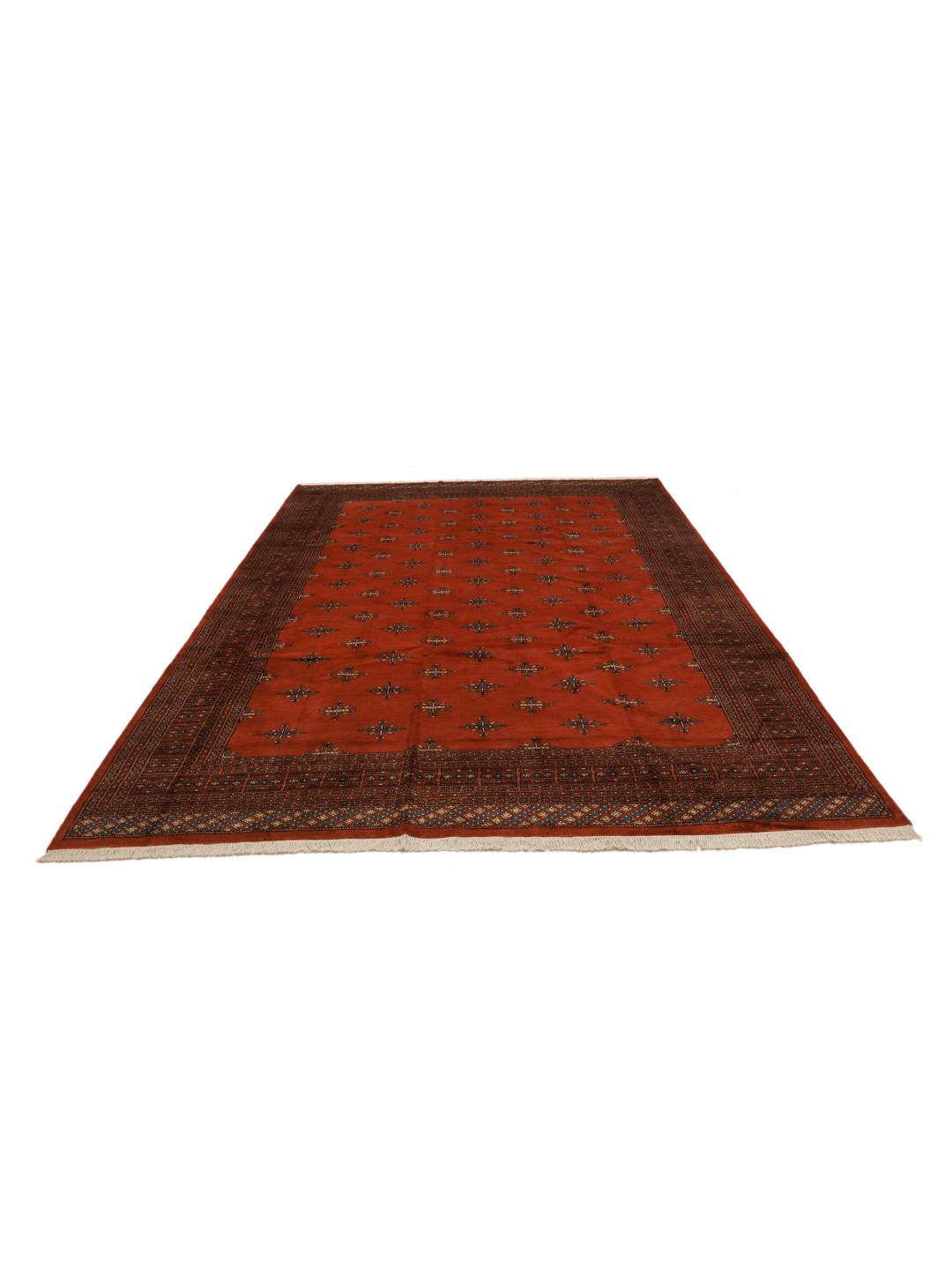
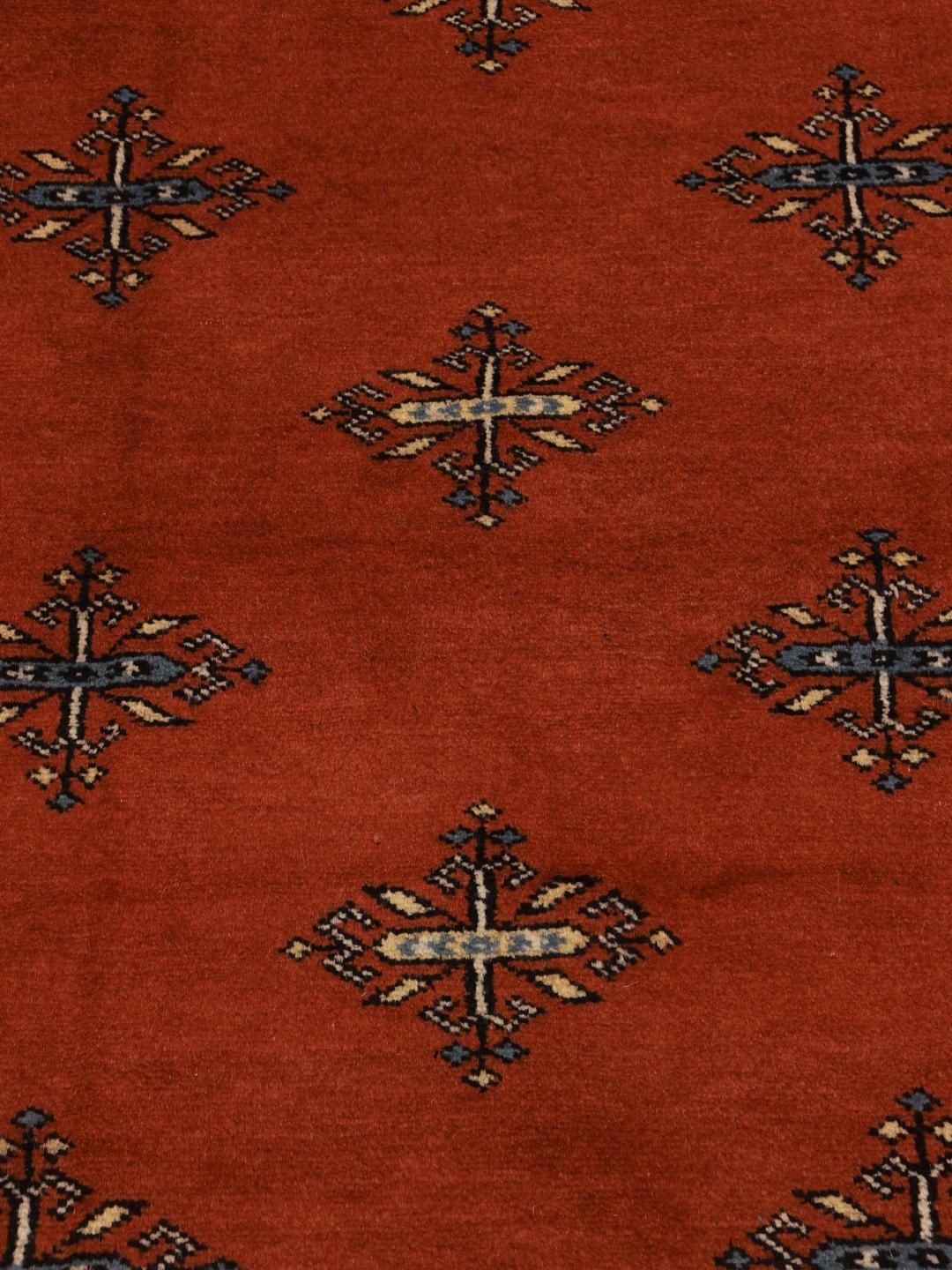
Visually, these rugs are defined by their rhythmic field, typically filled with repeating 'gul' motifs—octagonal or elephant-foot shaped medallions arranged in precise rows. These are enclosed by formal, intricate borders that frame the central field with geometric harmony. The deep red palette is iconic to the tradition, symbolising the cultural heritage of the weavers and providing a warm, timeless aesthetic that complements a variety of interior styles.
Collectors value Bokhara rugs not just for their aesthetic beauty, but for the profound skill and heritage they represent. Owning such a piece is an opportunity to connect with a centuries-old craft tradition. Each rug acts as a carrier of cultural history, where the mastery of the weaver is reflected in every knot, making it a prized addition for anyone who values authentic artistry and the enduring quality of handmade items.