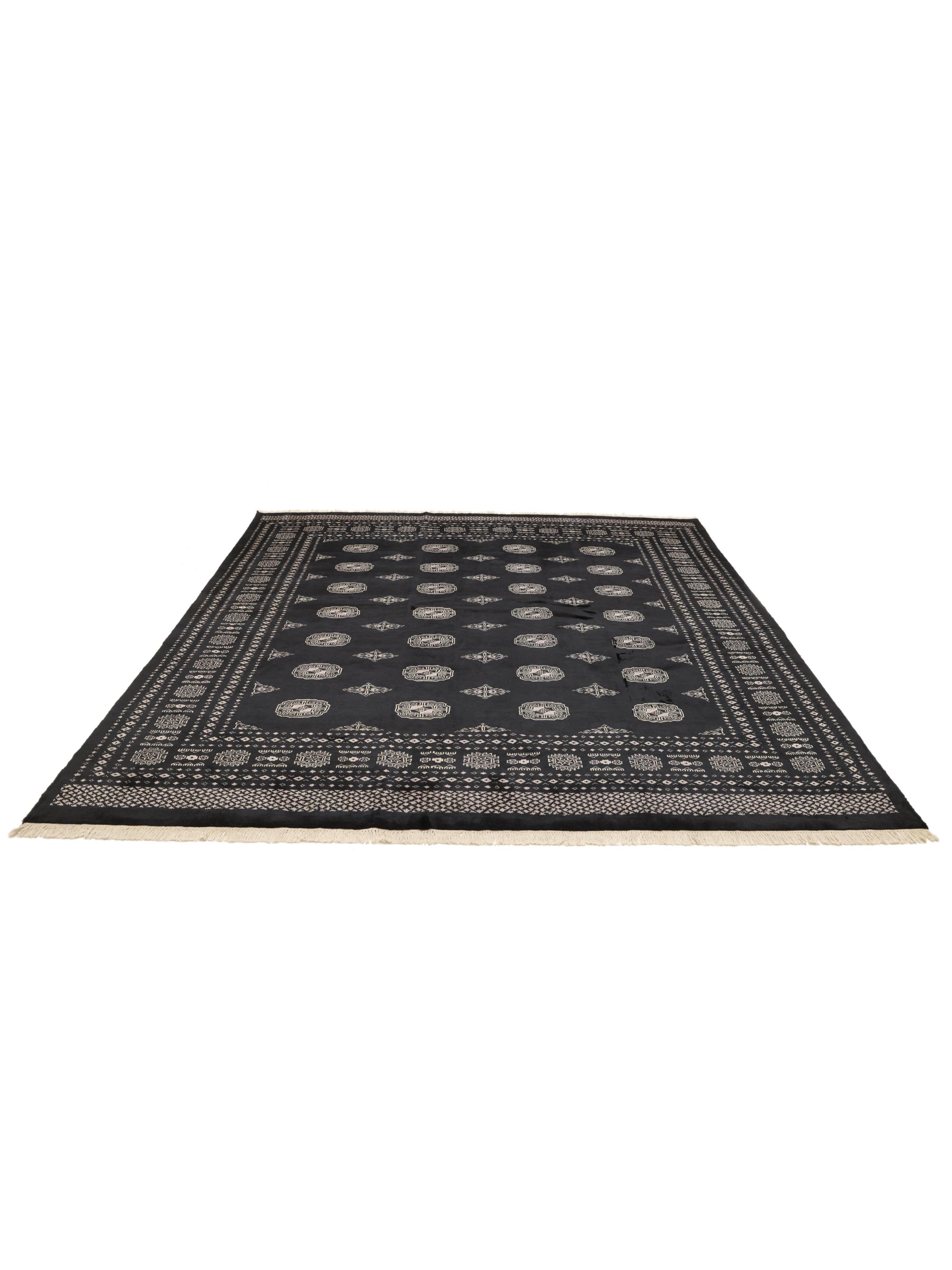
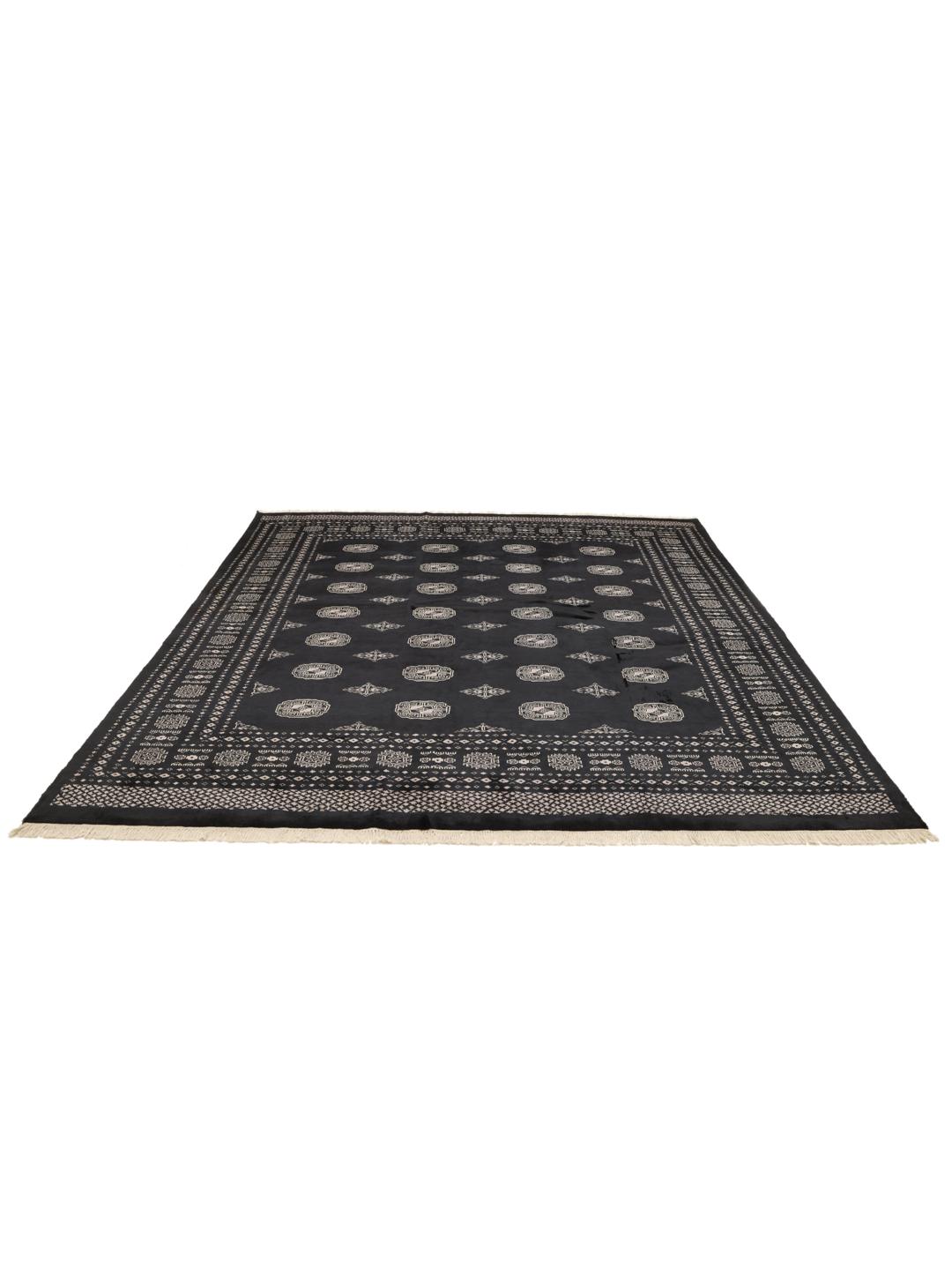
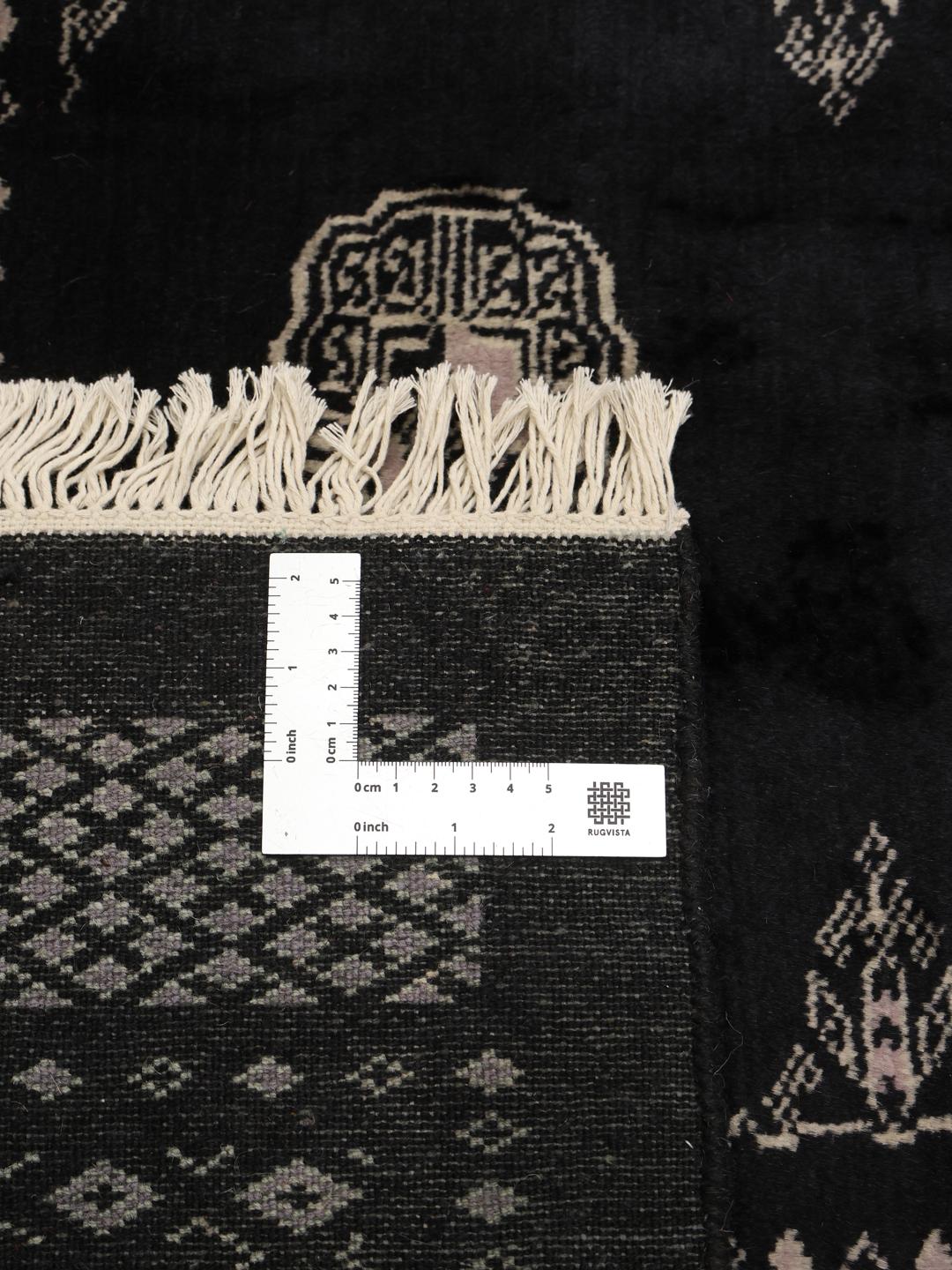
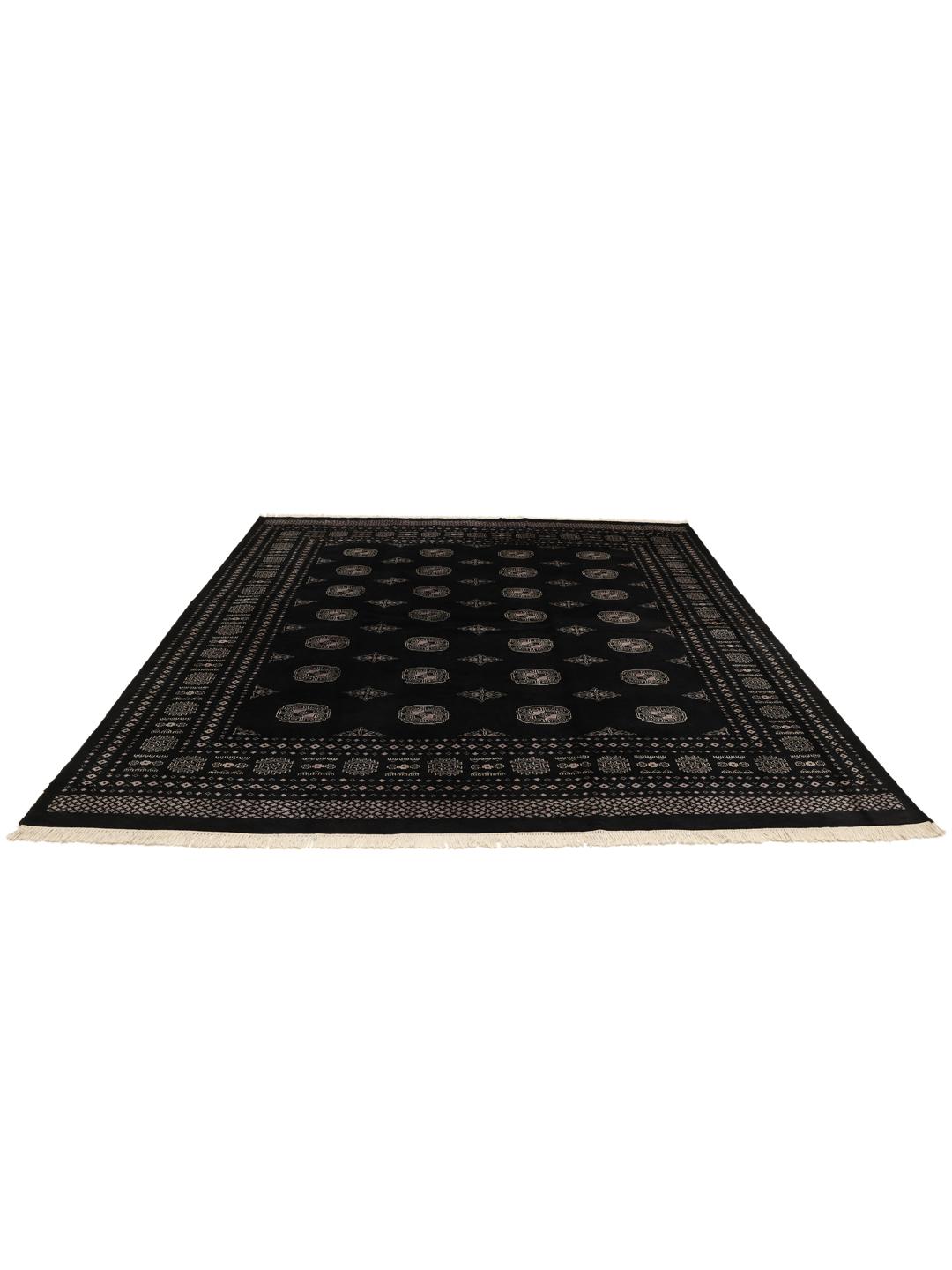
The Bokhara tradition, while taking its name from the historic Silk Road city of Bukhara in Central Asia, has found its most refined expression in the skilled hands of Pakistani weavers. Over generations, this craft has migrated and evolved, with Pakistani artisans perfecting the technique to produce some of the most sought-after rugs in the world today. This regional heritage is deeply rooted in the exchange of artistic ideas along ancient trade routes.
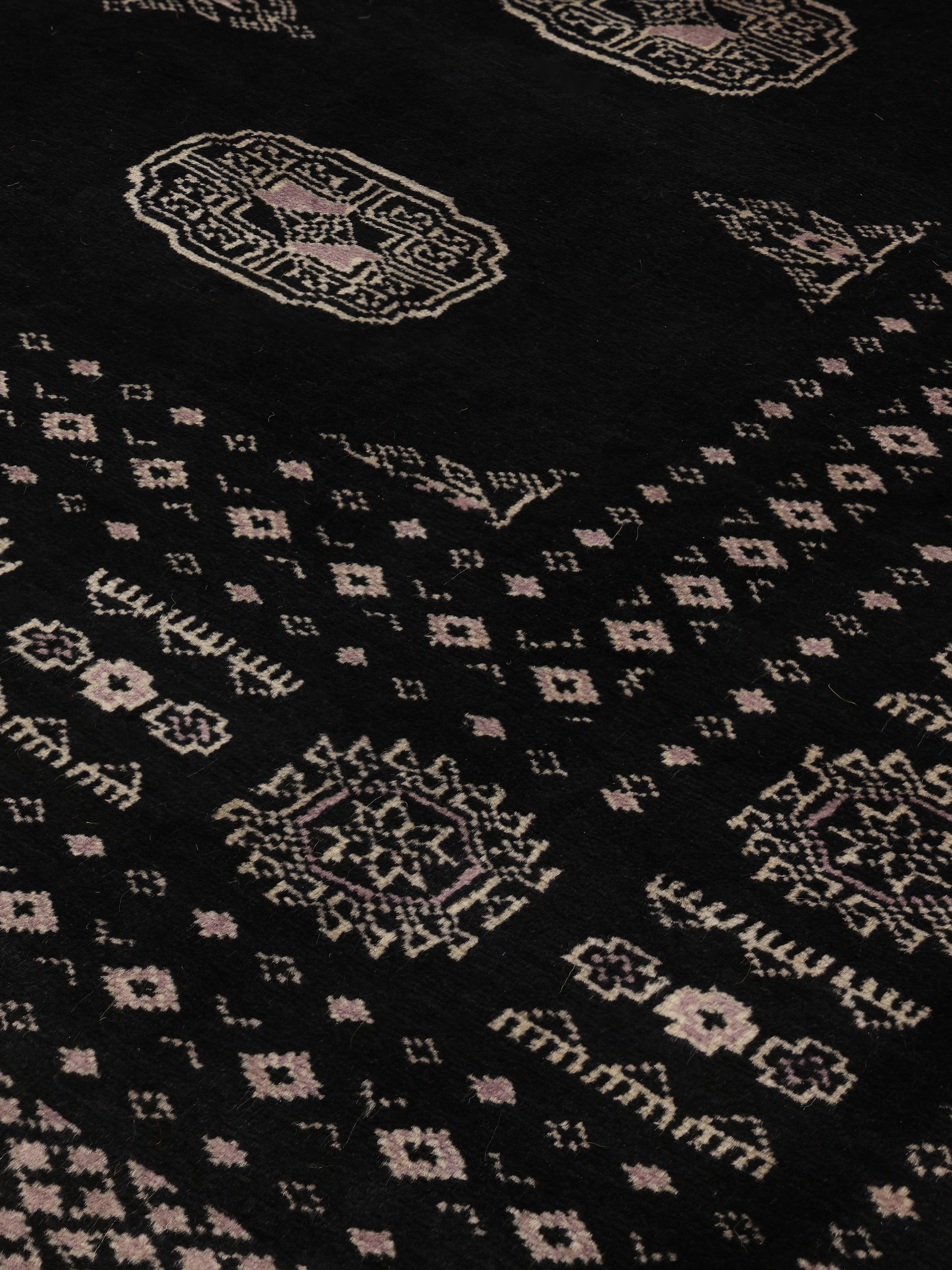
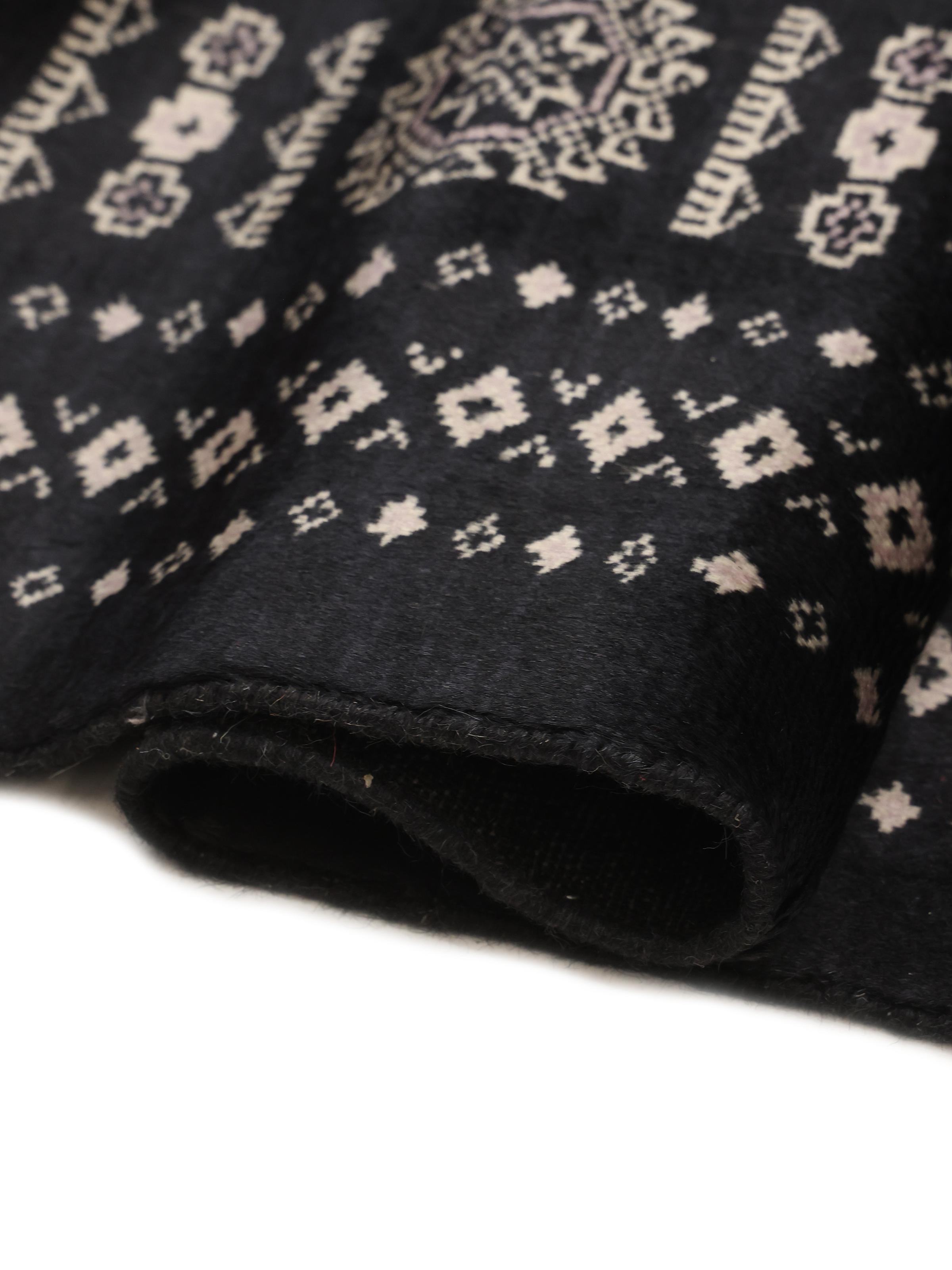
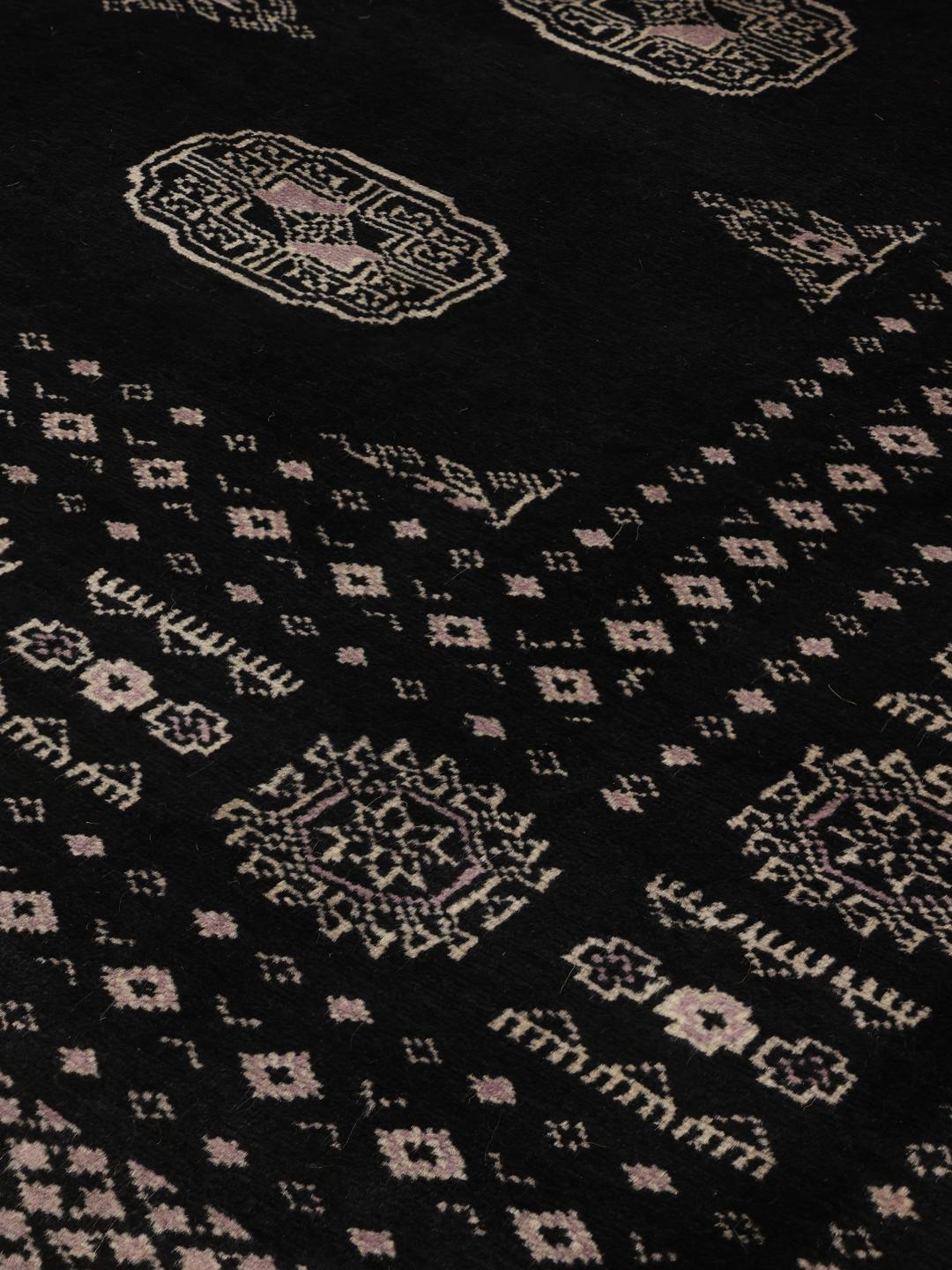
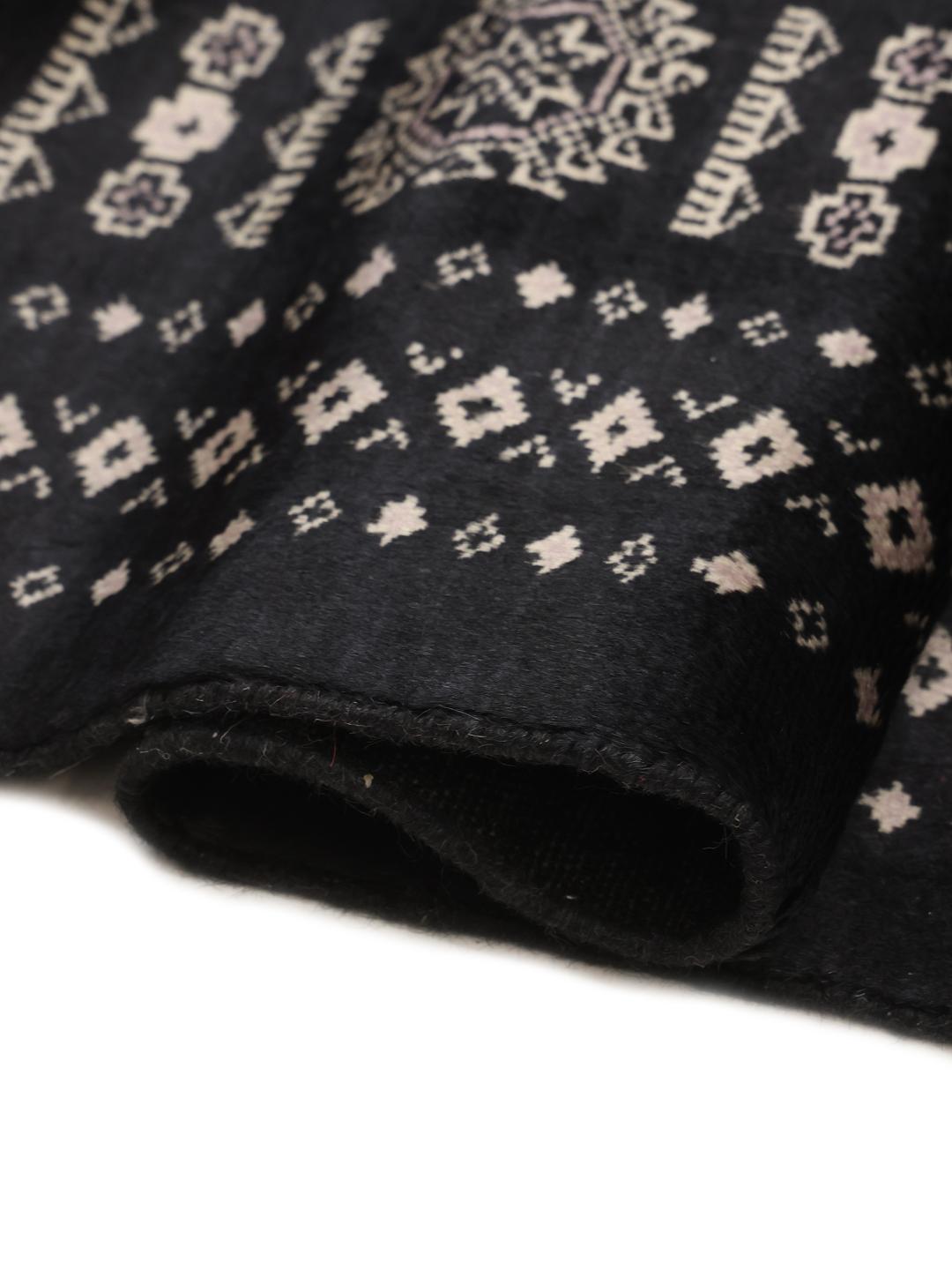
The term '2ply' refers to the specific construction of the pile, where two strands of Wool are twisted together before being knotted. This technique is crucial for quality, as it creates a stronger, more lustrous, and longer-lasting pile compared to single-ply yarns. It allows the rug to stand up to the demands of everyday life while retaining a soft, luxurious finish that feels wonderful underfoot.
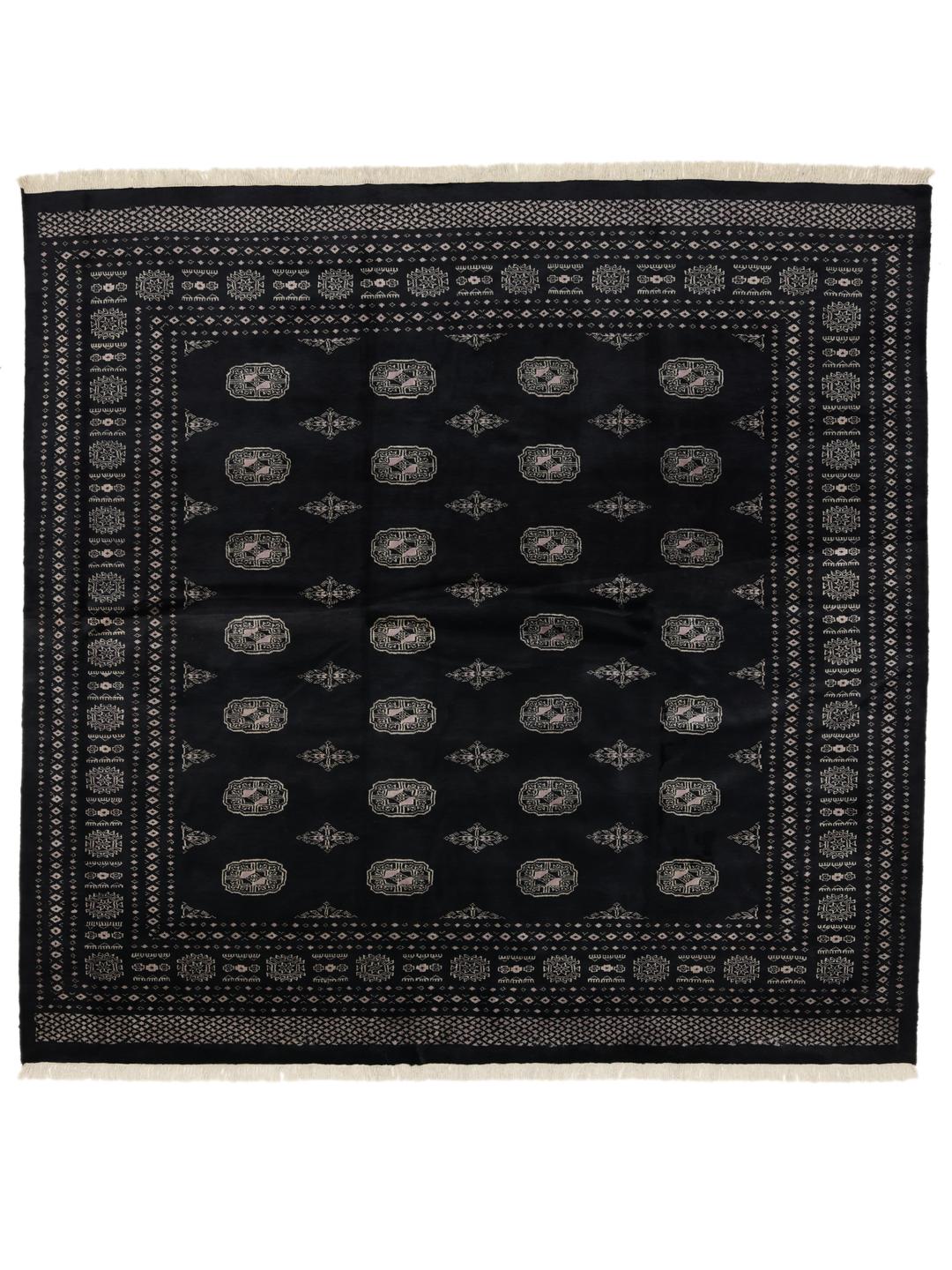
Design-wise, these rugs are defined by their signature gul motifs—octagonal or elephant-foot medallions arranged in precise, repeating rows. This particular rug makes a bold statement with its dark, moody field, a sophisticated variation that allows the intricate patterns to stand out with striking clarity. The formal borders further frame the design, reflecting a balanced, symmetrical approach that is central to this aesthetic tradition.
Collecting a rug from this tradition is an investment in cultural history. These pieces are valued not only for their visual impact but for the immense skill required to produce them. Owning one is a way to connect with a long-standing lineage of artistry, providing your home with a sense of depth, heritage, and timeless quality that mass-produced floor coverings simply cannot replicate.