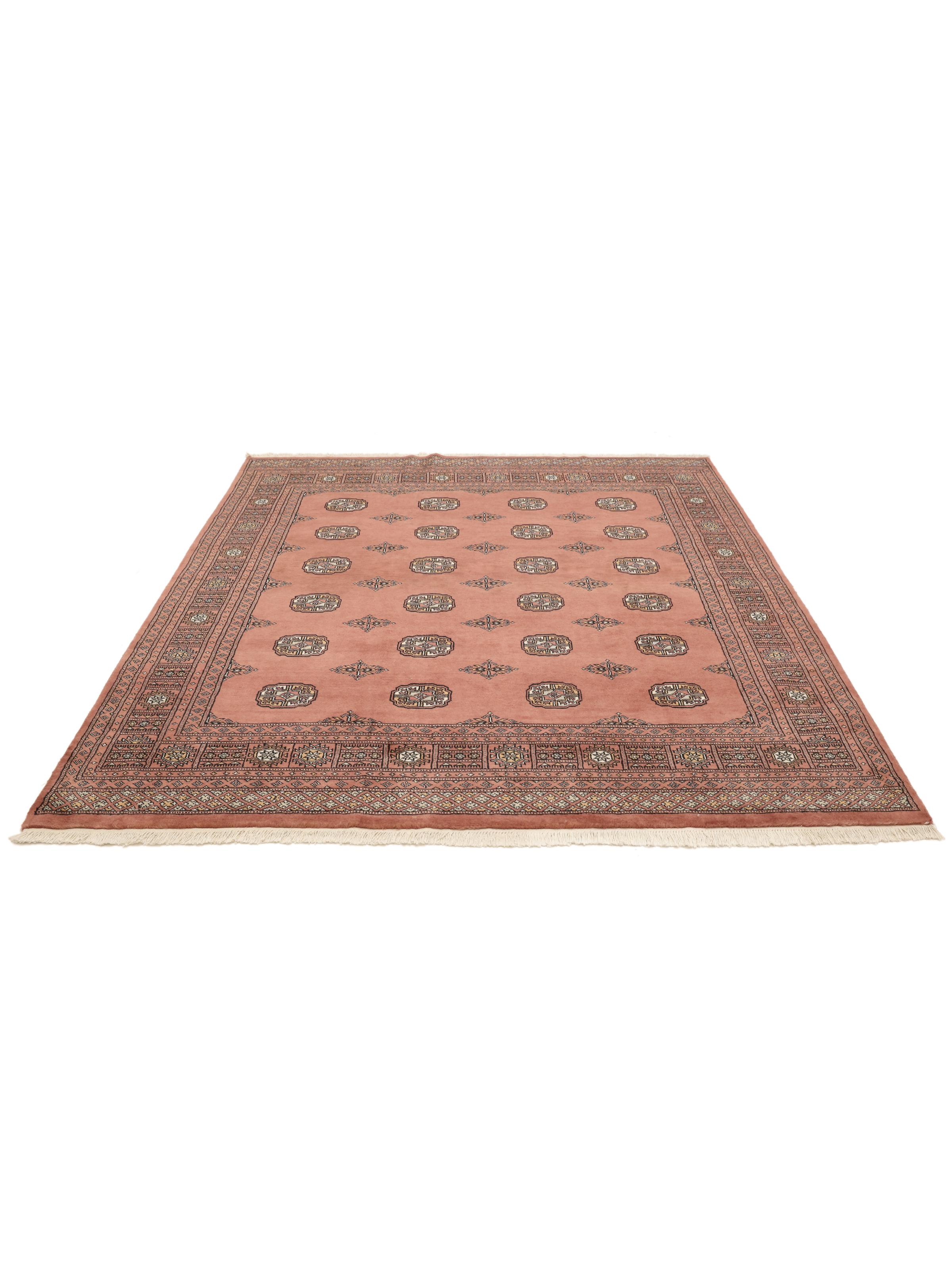
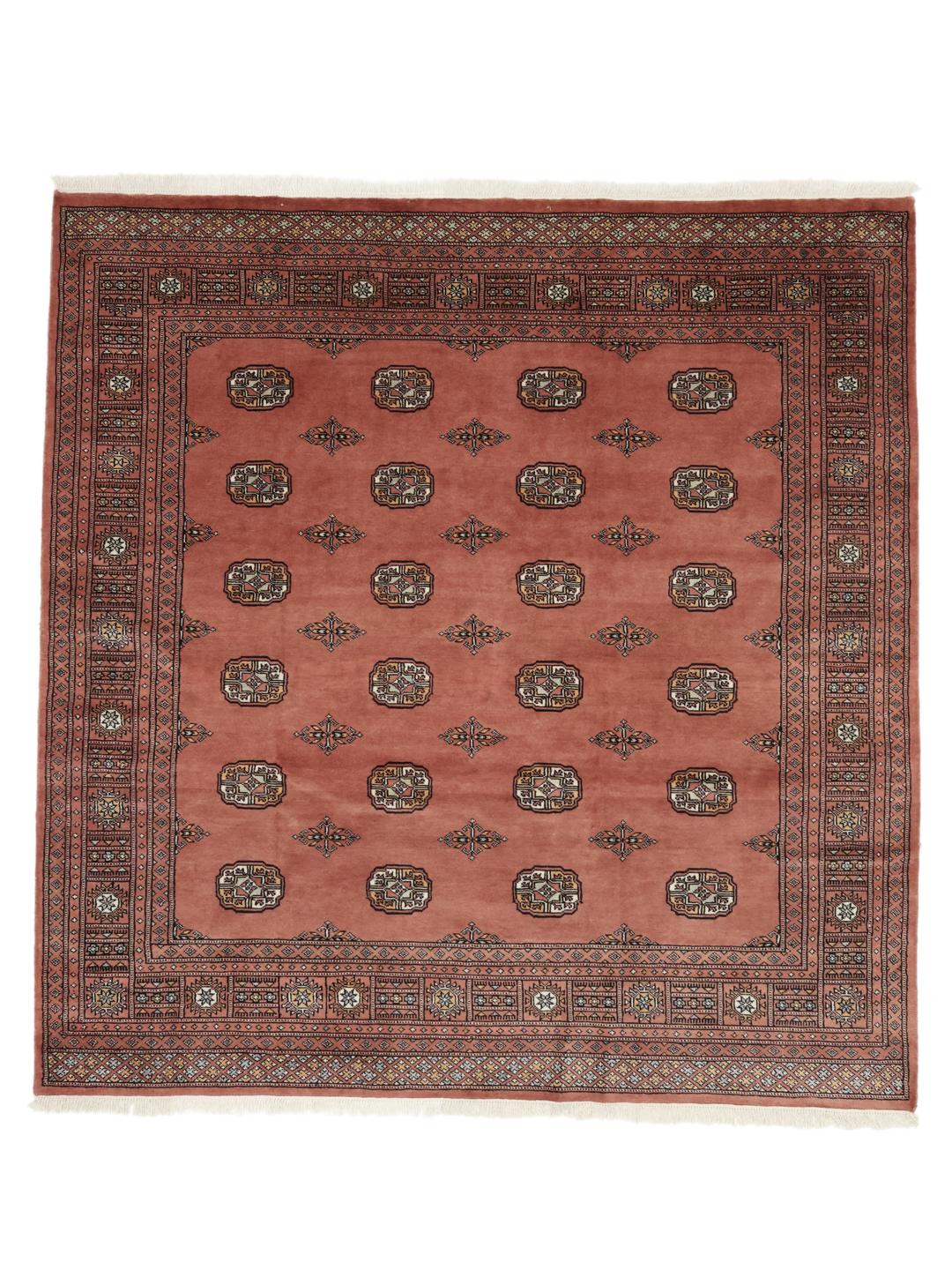
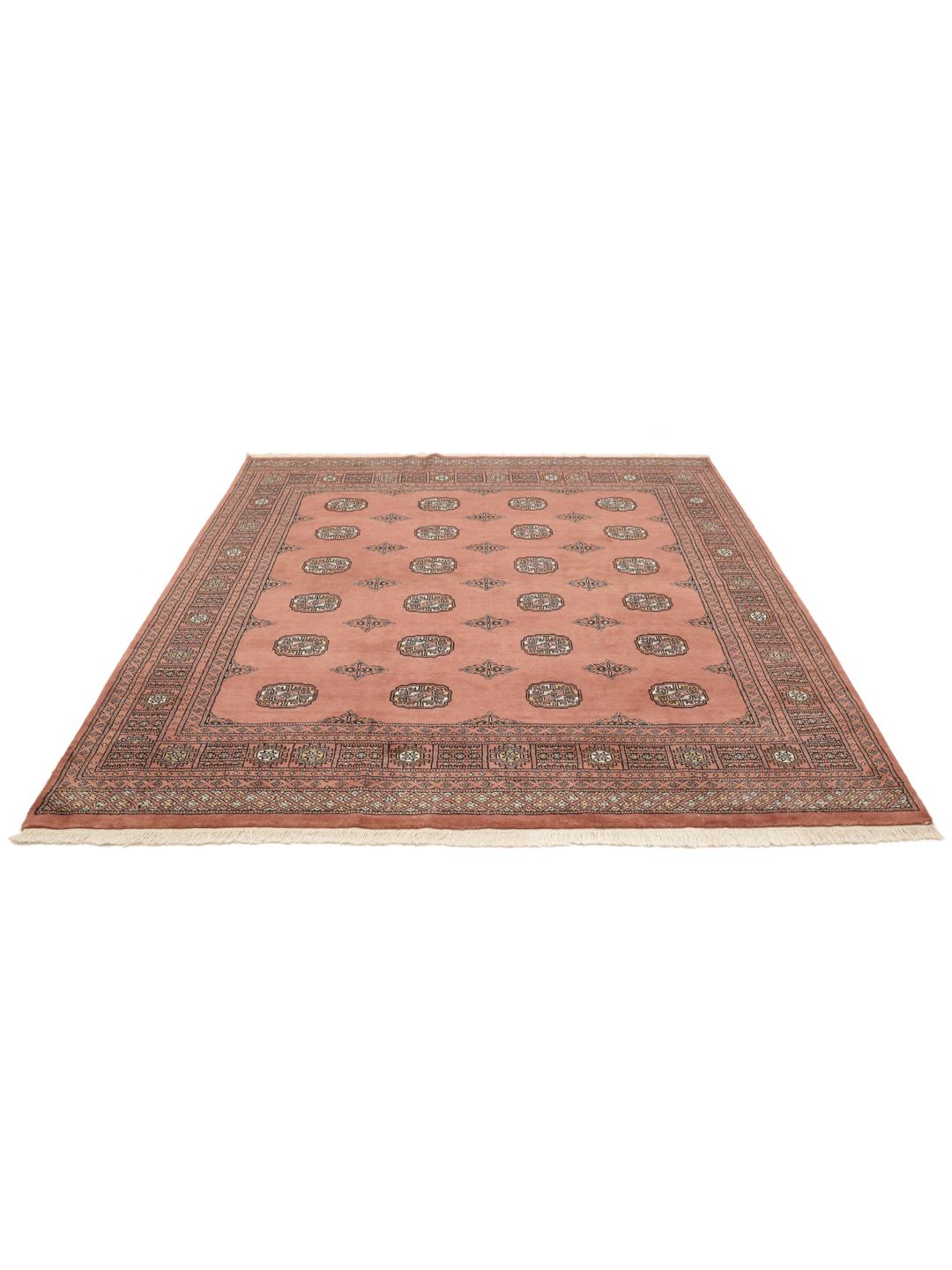
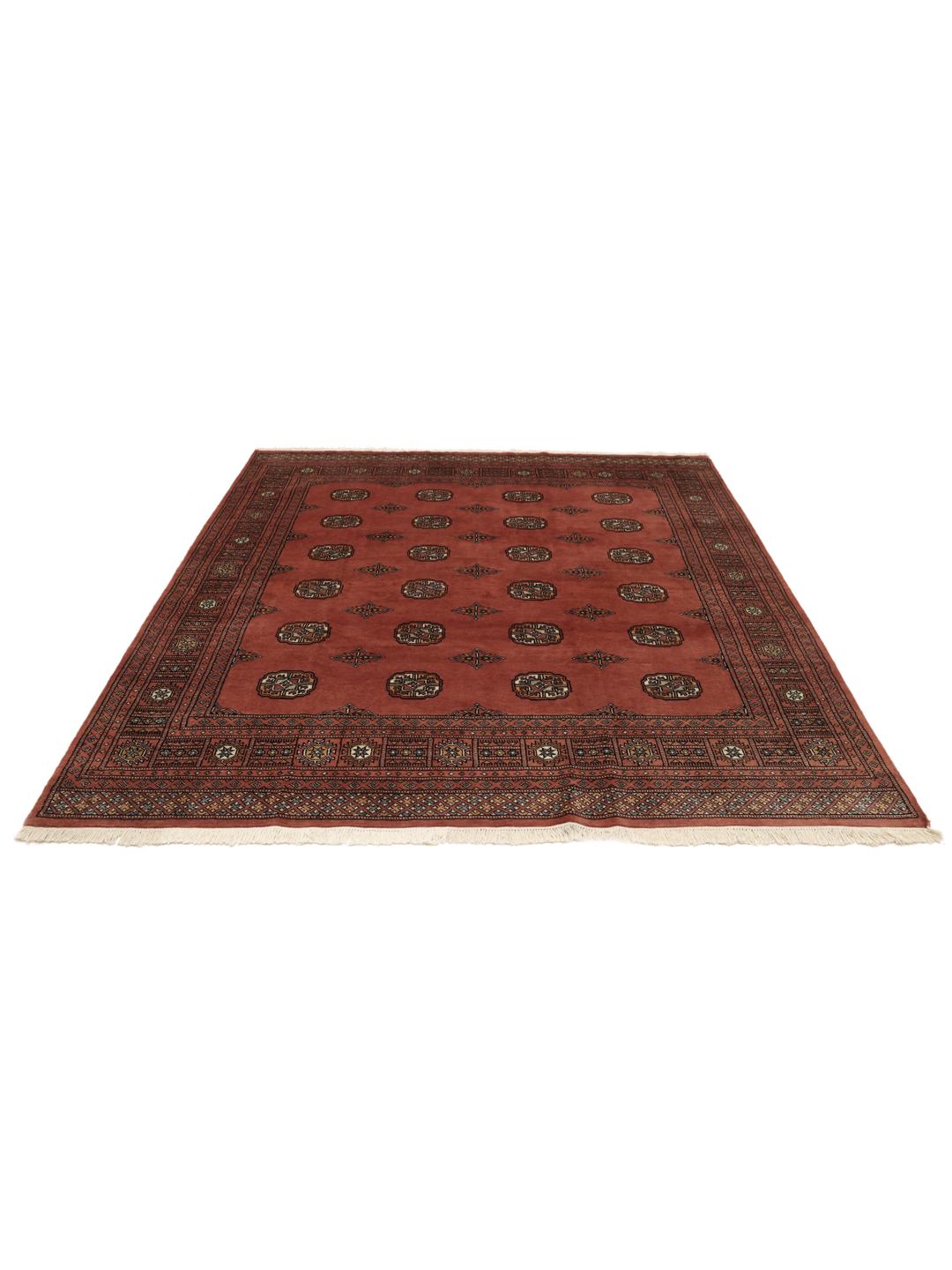
The Bokhara rug tradition is deeply rooted in the history of Central Asia, taking its name from the ancient Silk Road city of Bukhara, which served as a vital trade hub for centuries. While the design motifs originated with nomadic tribes, the finest examples of these rugs today are expertly crafted in Pakistan. This evolution reflects the migration of weaving techniques and the adaptation of traditional patterns to suit new cultural landscapes.
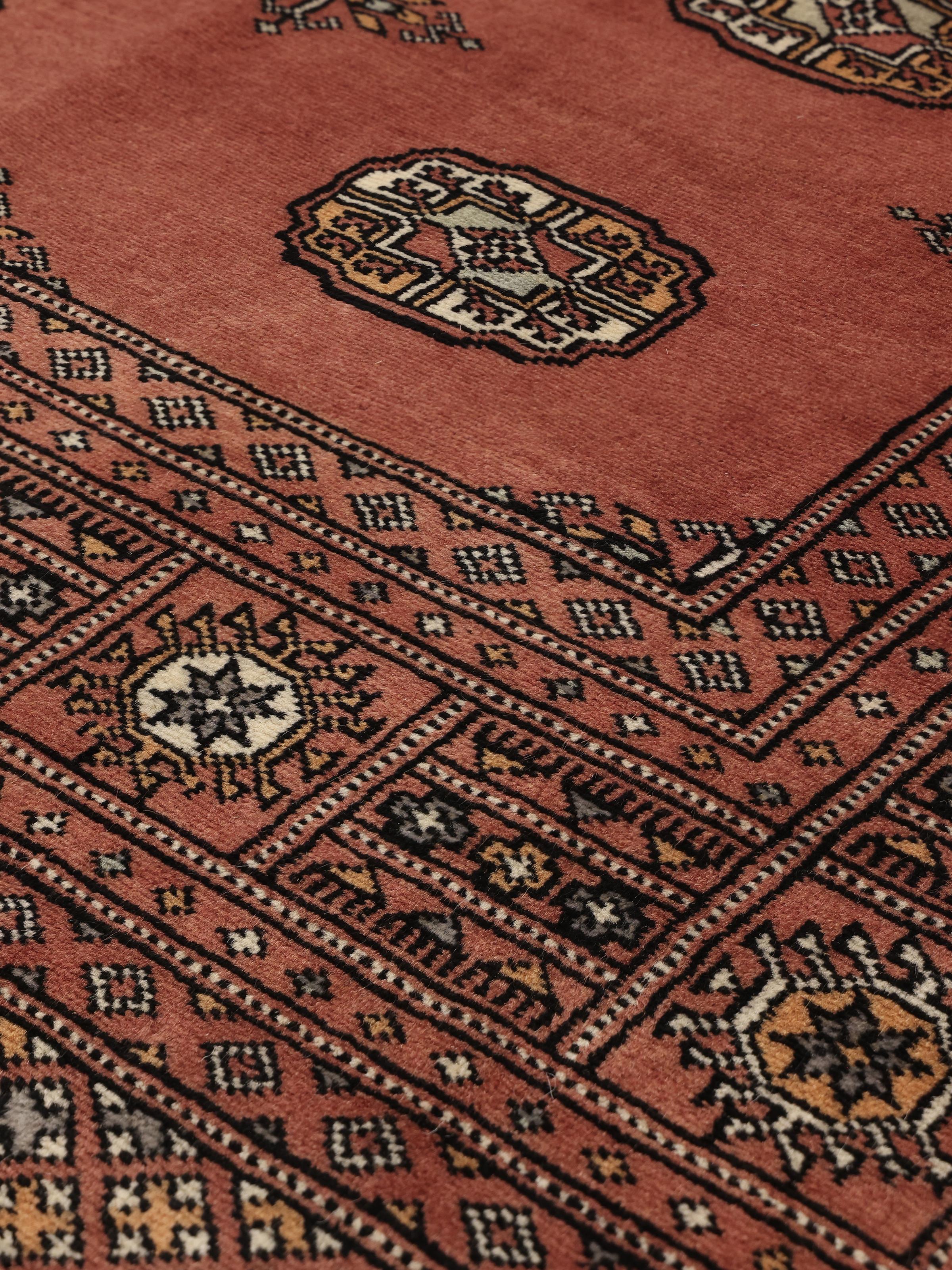
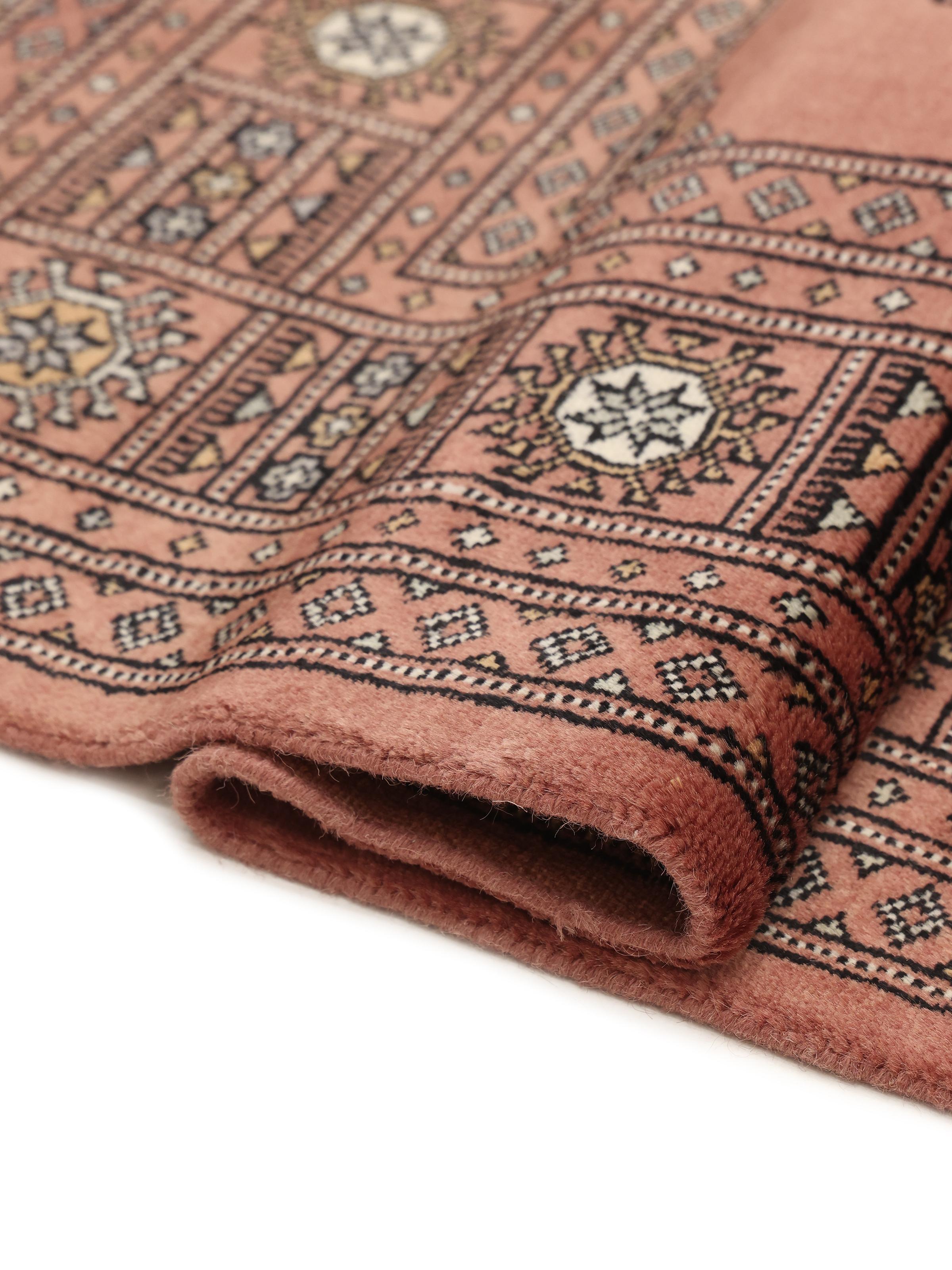
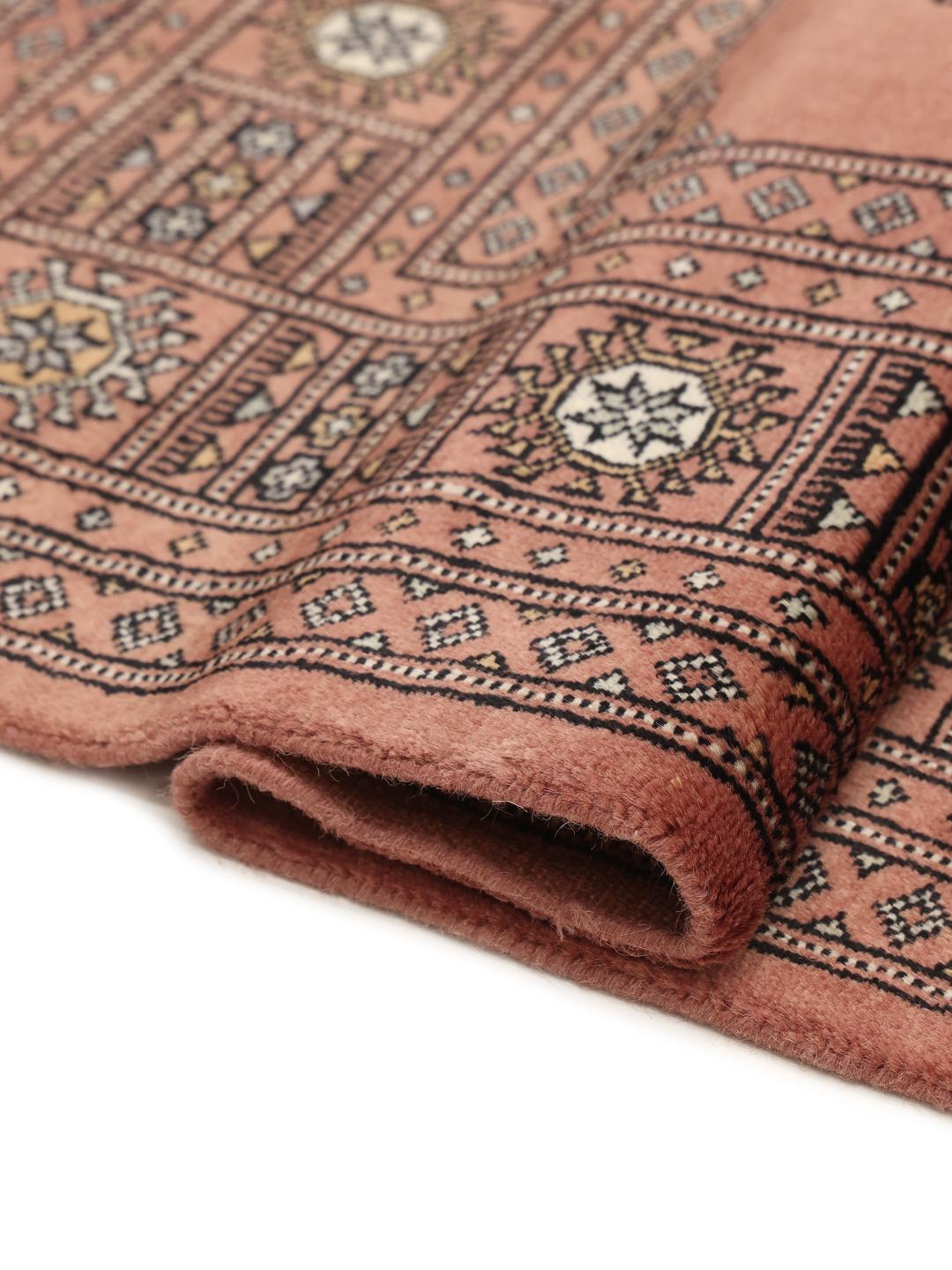
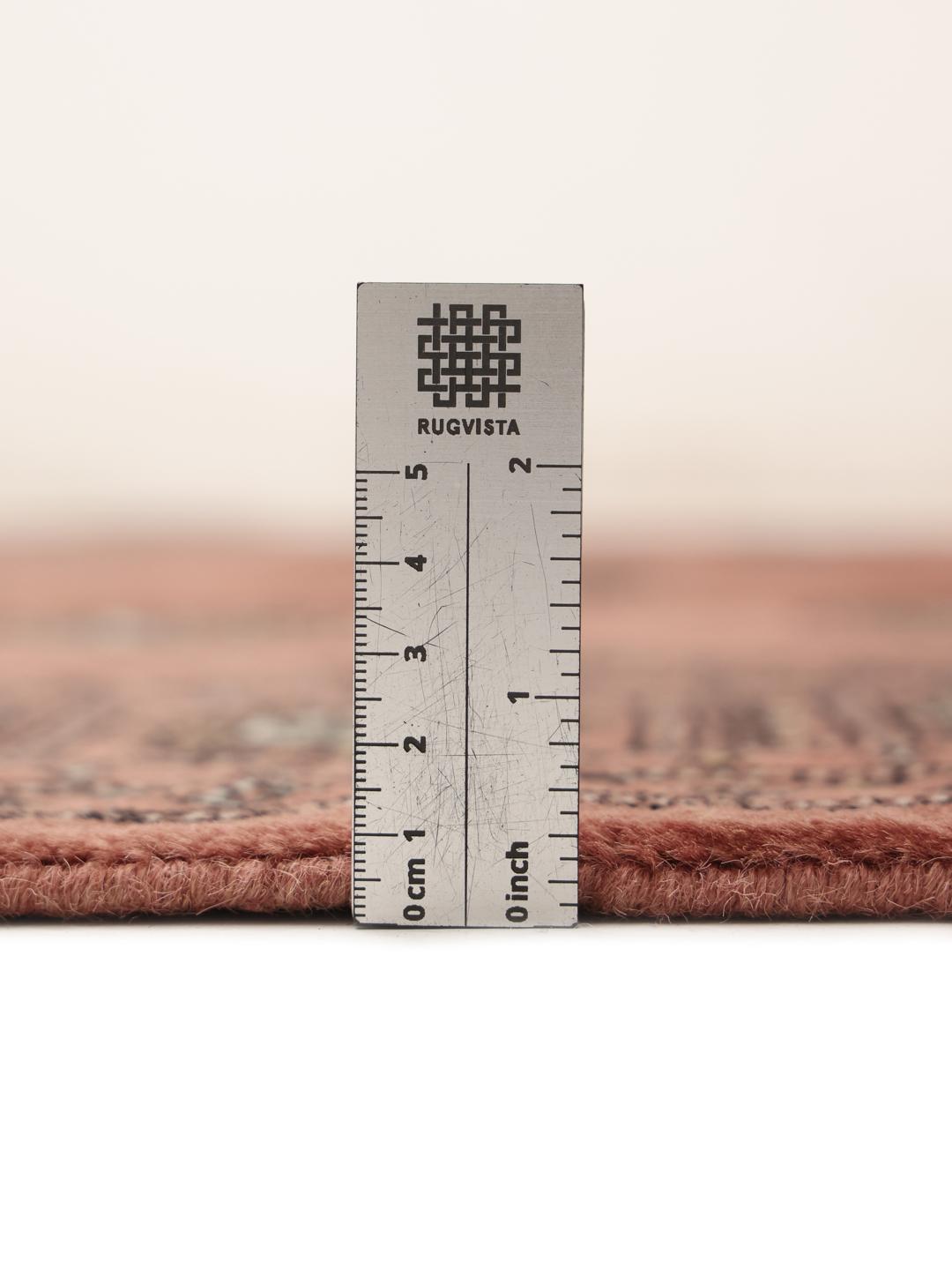
A key technical feature of this rug is the 2ply construction. This term refers to the use of two strands of wool twisted together before the knotting process begins. This technique is essential for quality, as it creates a stronger, more resilient pile that is both more lustrous and longer-lasting than single-ply alternatives. It provides the rug with a fuller body and a soft, dense feel that remains comfortable underfoot.
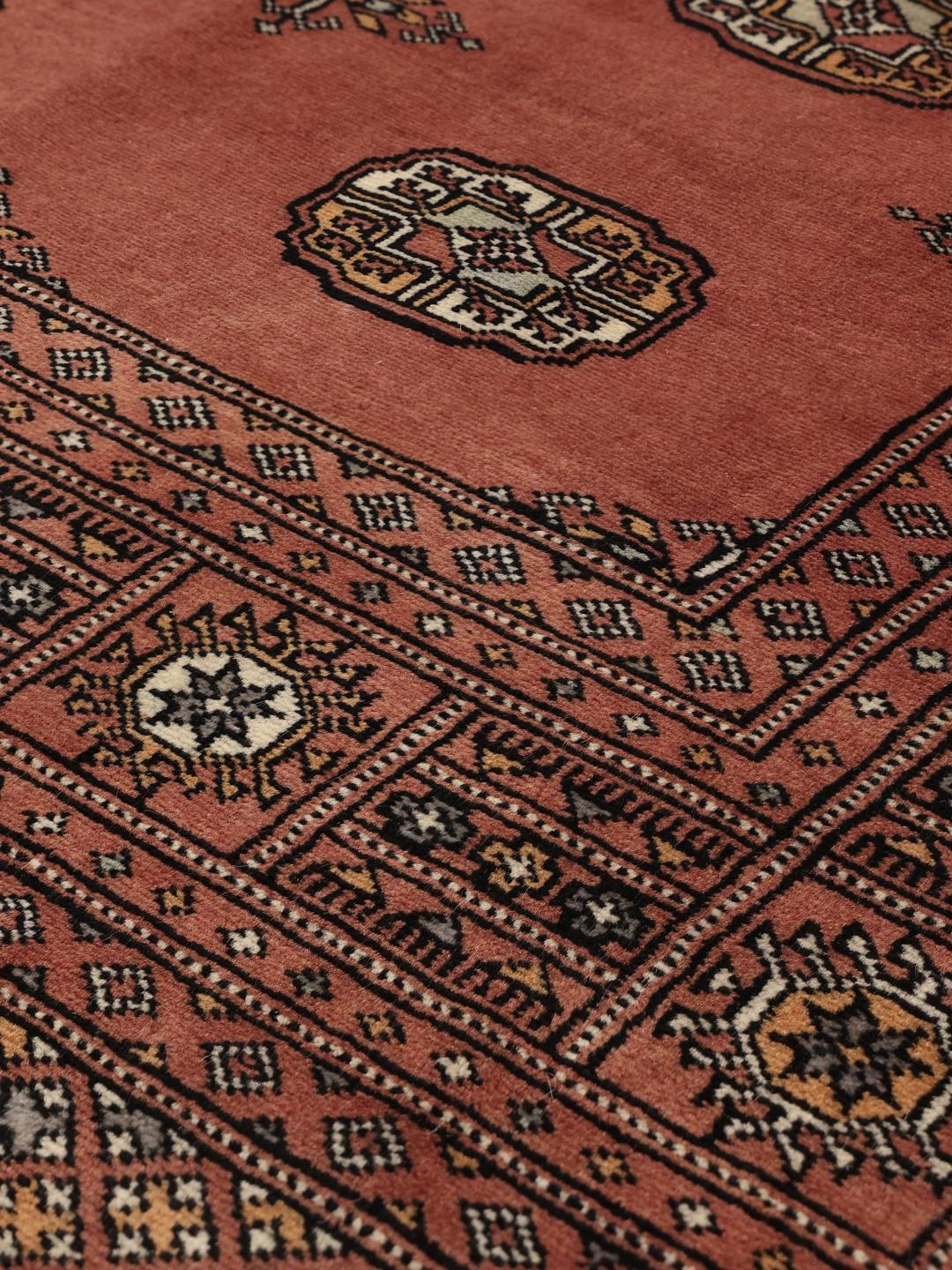
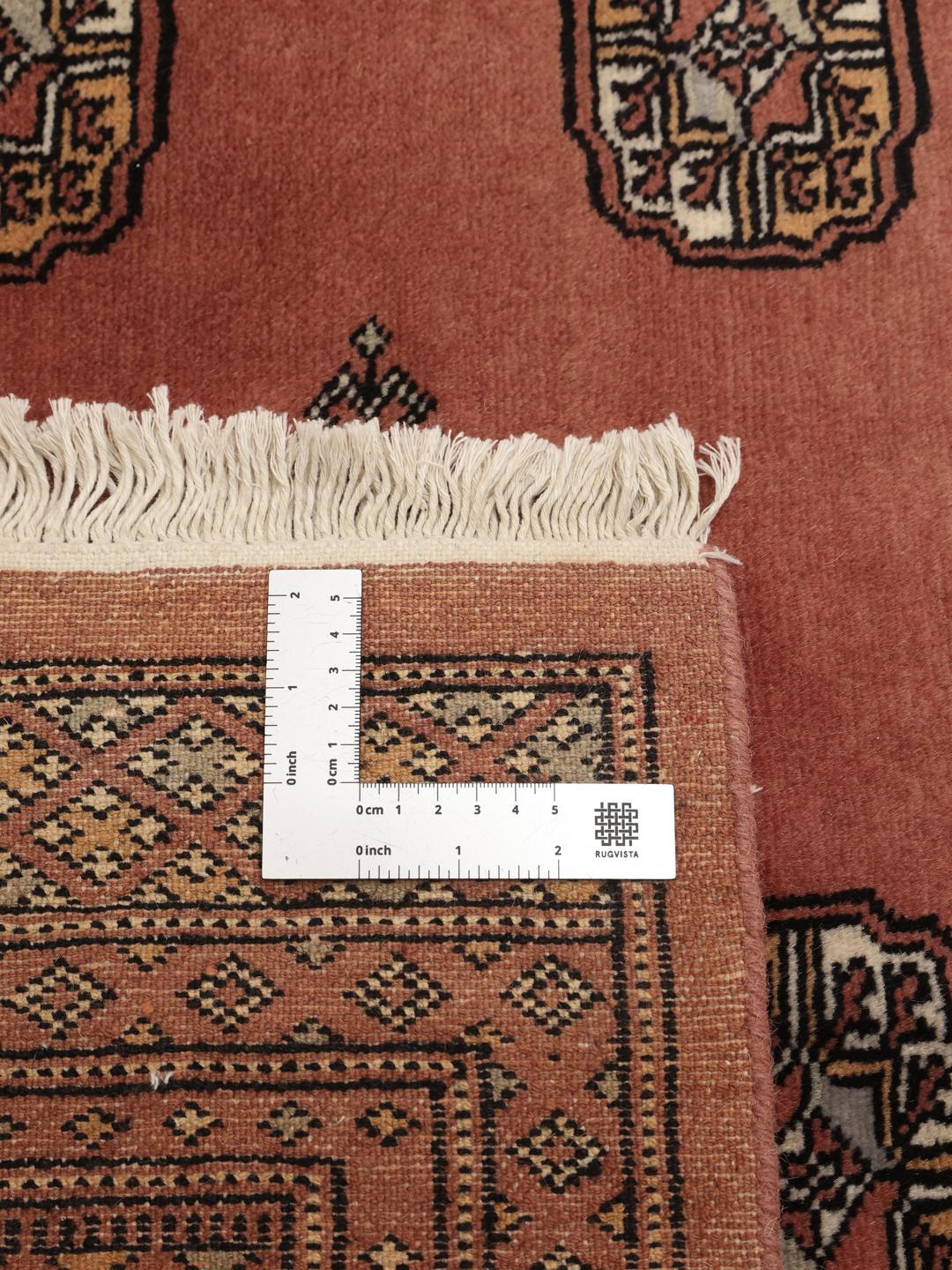
Visually, these rugs are celebrated for their formal, repeating designs. The field is typically adorned with rows of guls, which are stylized, geometric medallions often resembling elephant footprints. These are framed by intricate, multi-layered borders that demonstrate the precision of the weaver. The symmetry and balance of these patterns are what have made this style a staple in homes for generations, offering a sense of order and tradition.
Owning a hand-knotted Bokhara is an investment in cultural heritage and human skill. These rugs are highly valued by collectors and homeowners alike, not just for their appearance, but for the story of the artisan's labour woven into every thread. By choosing a piece with this history, you are preserving a craft tradition that has been passed down through centuries, bringing a piece of the world's textile legacy into your living space.