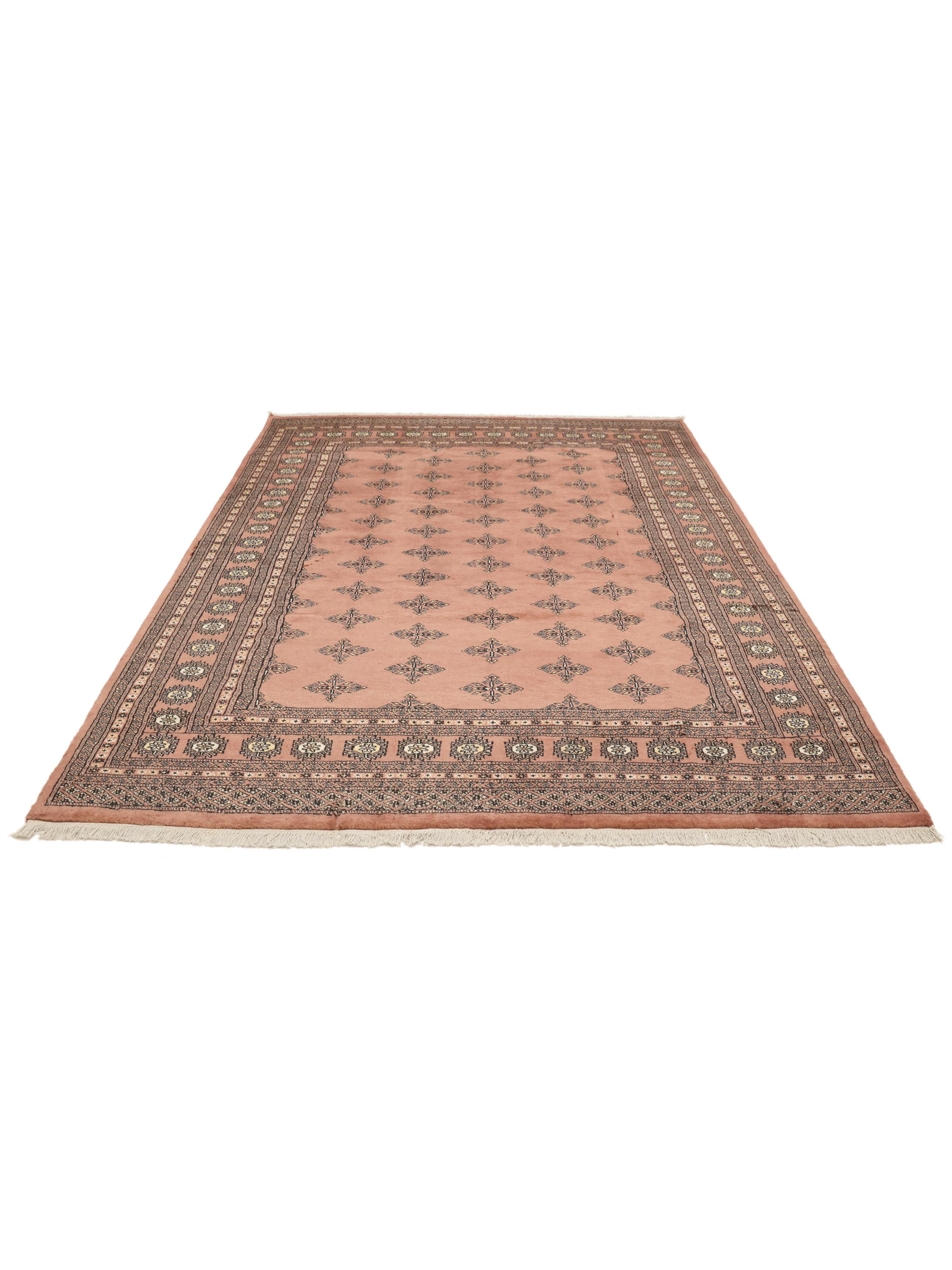
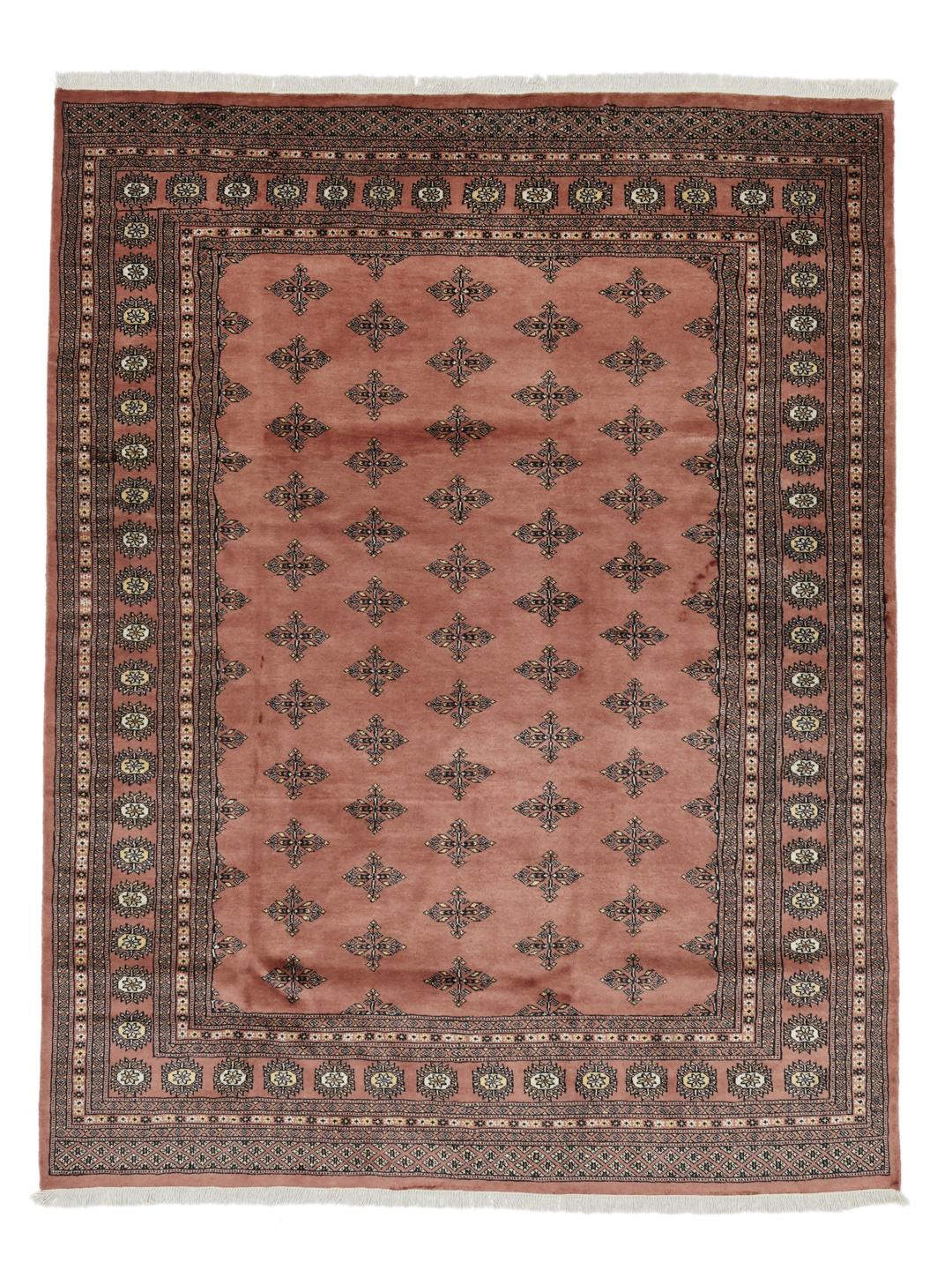
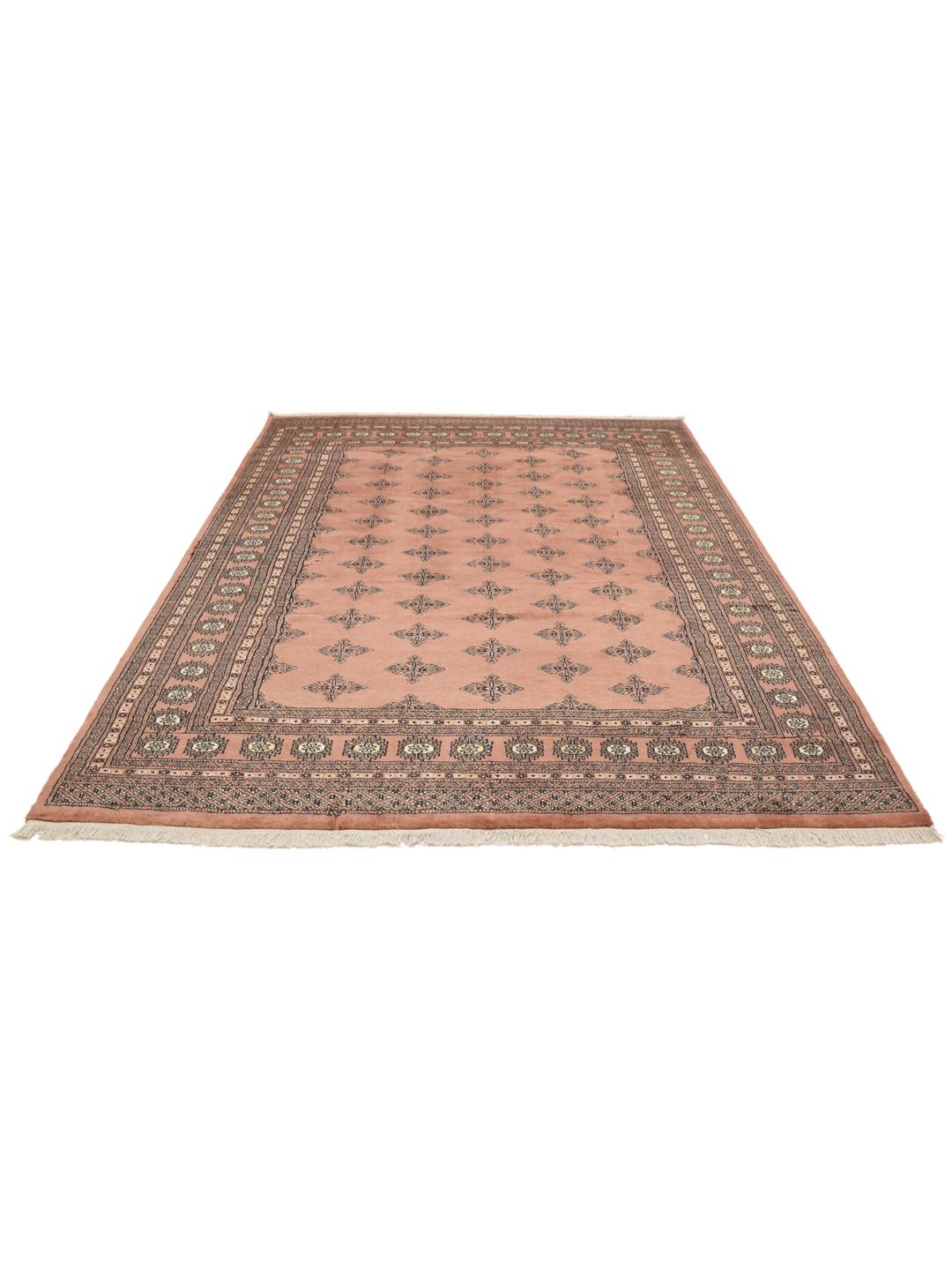
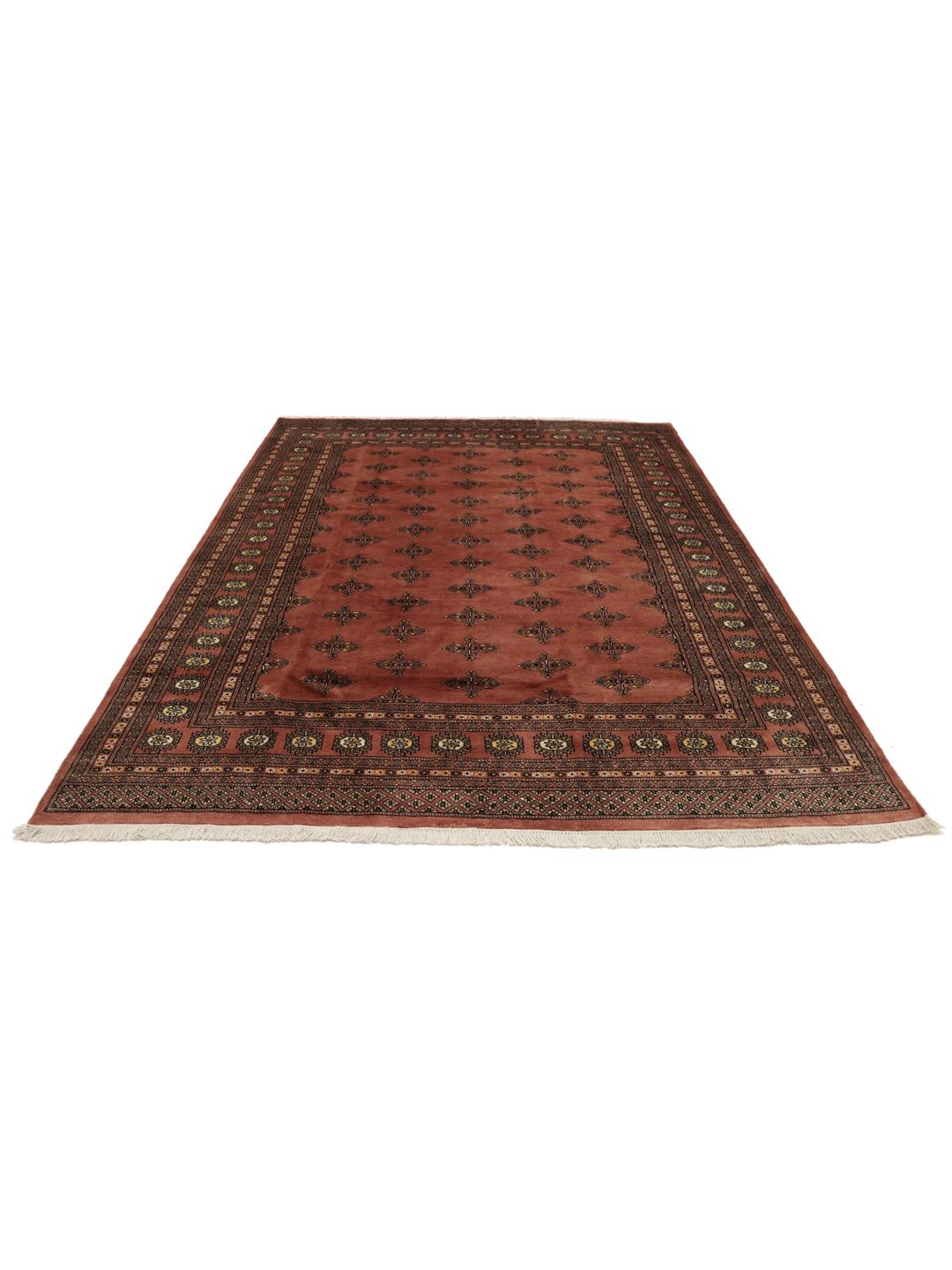
The Bokhara rug tradition is deeply rooted in the history of the Silk Road, taking its name from the ancient city of Bukhara in modern-day Uzbekistan. While these designs have their origins in the nomadic cultures of Central Asia, the finest contemporary examples are now woven in Pakistan. This evolution has allowed the tradition to thrive, combining historic artistry with modern craftsmanship standards.
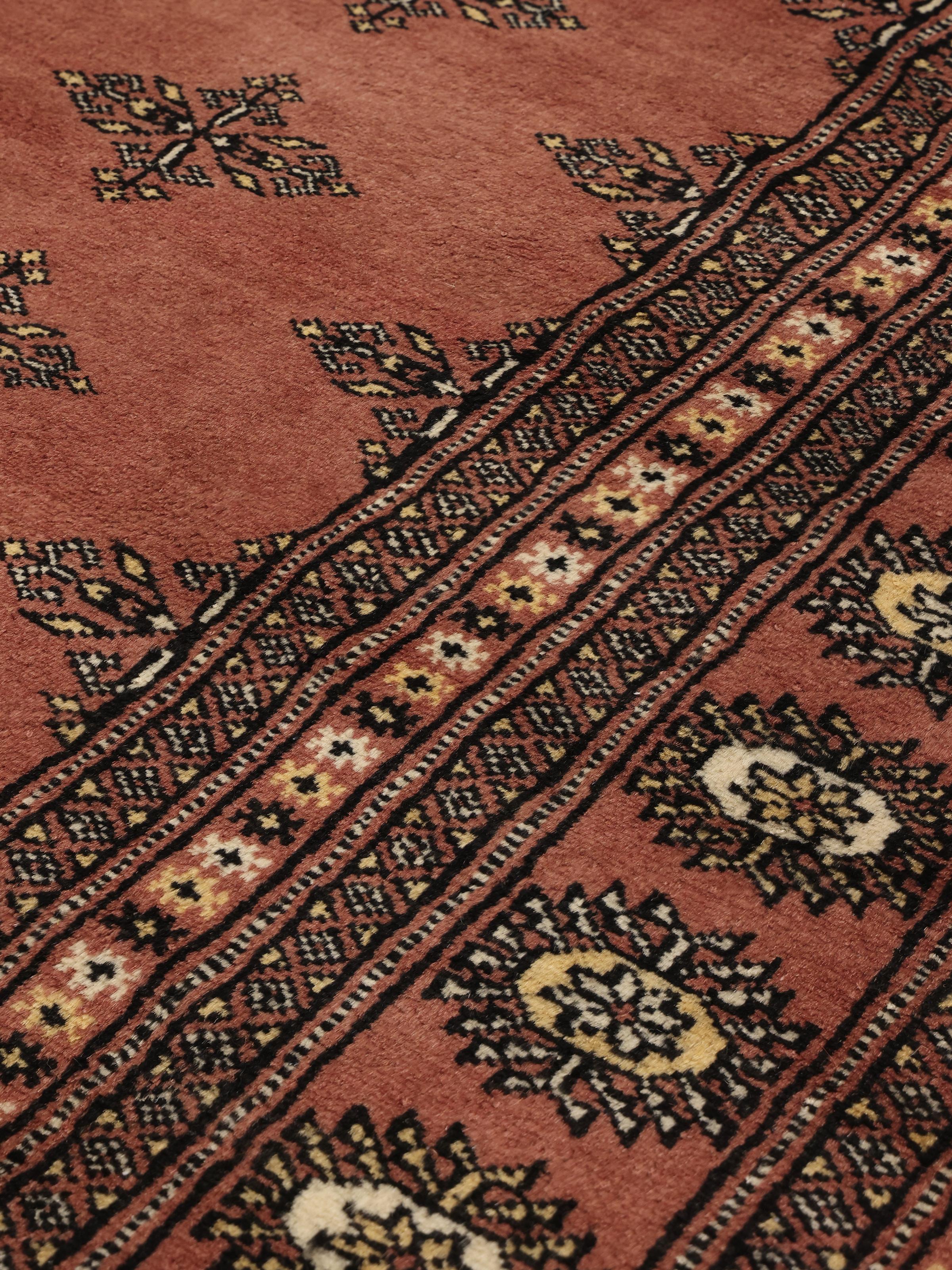
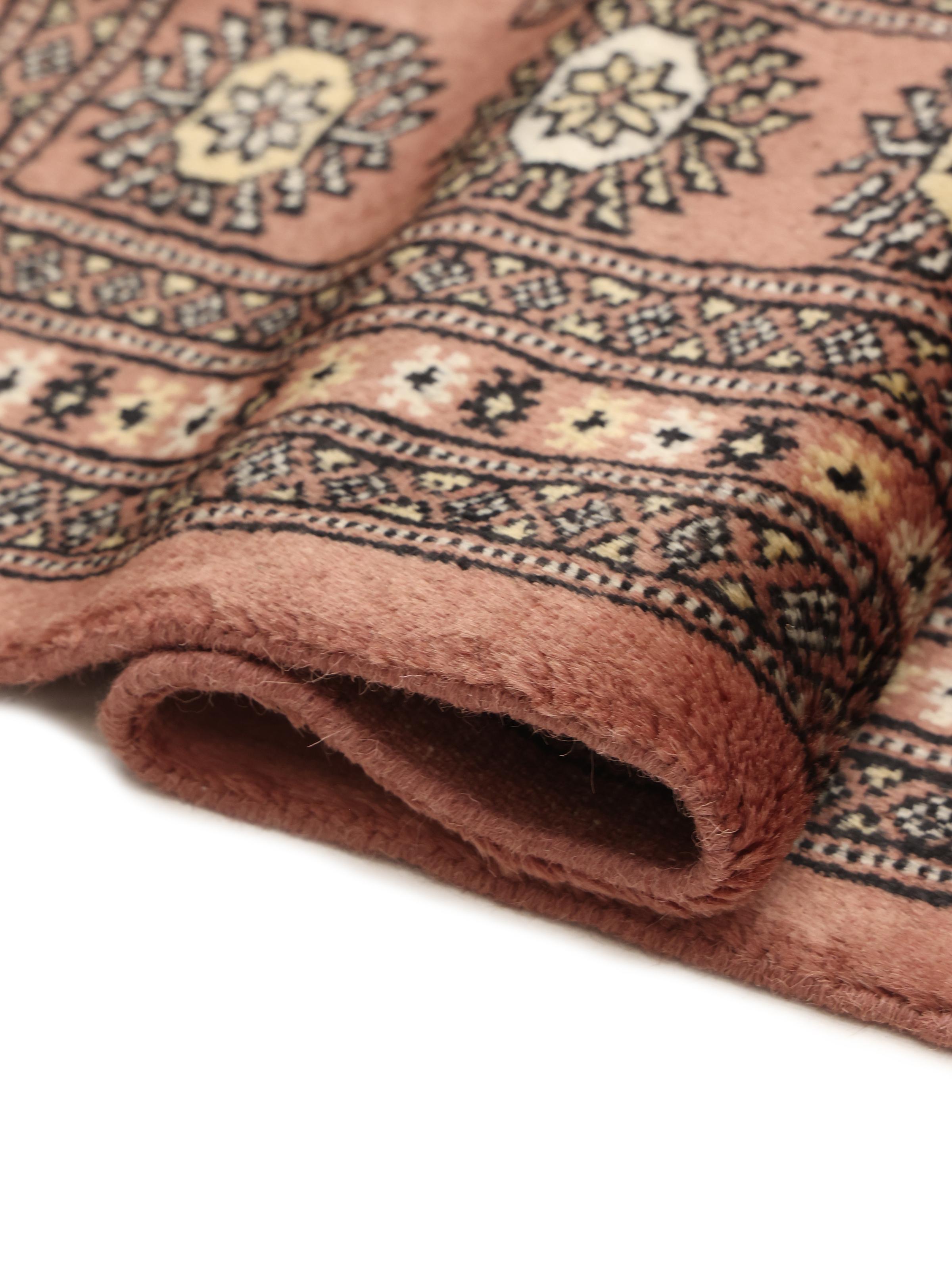
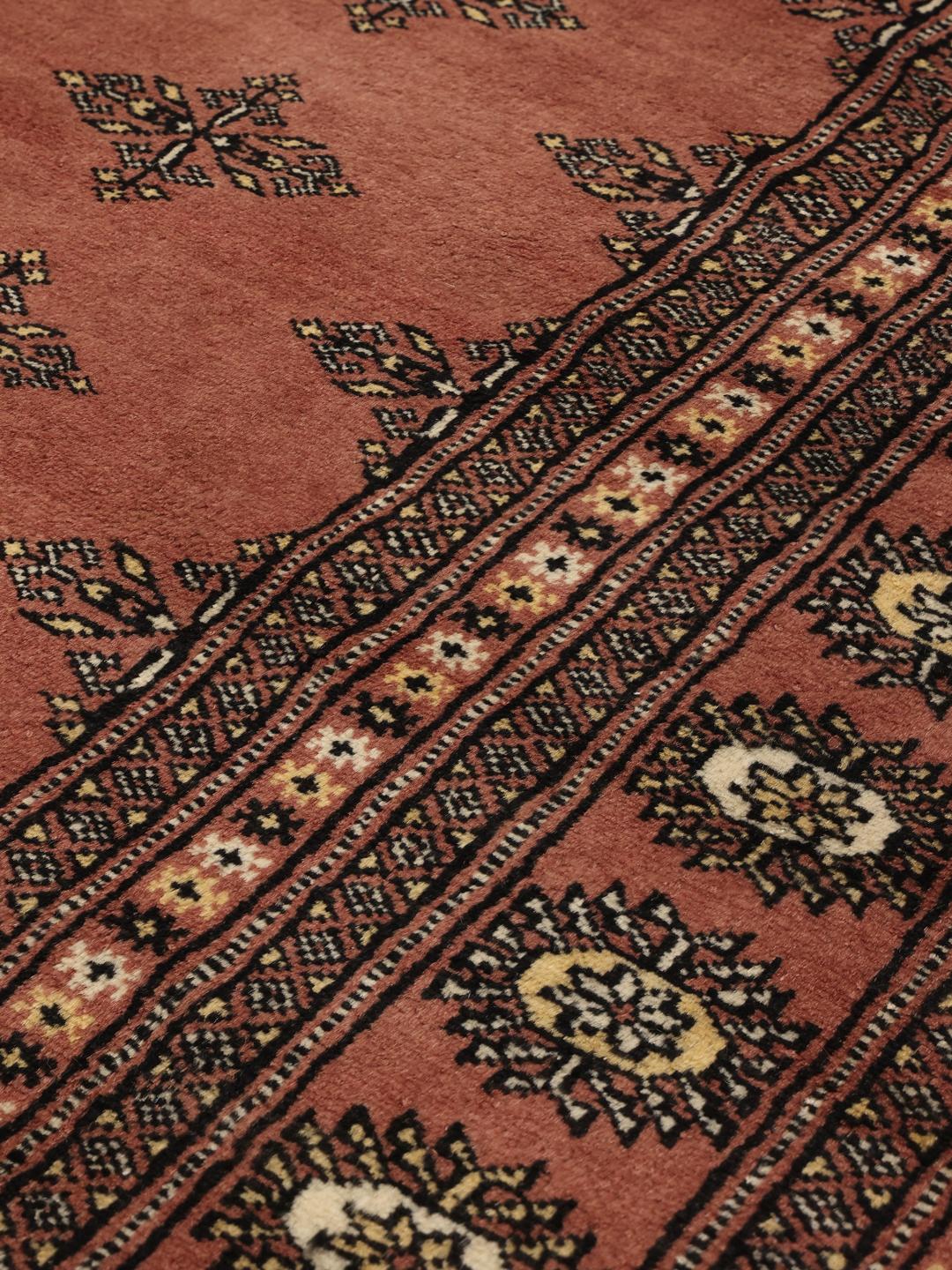
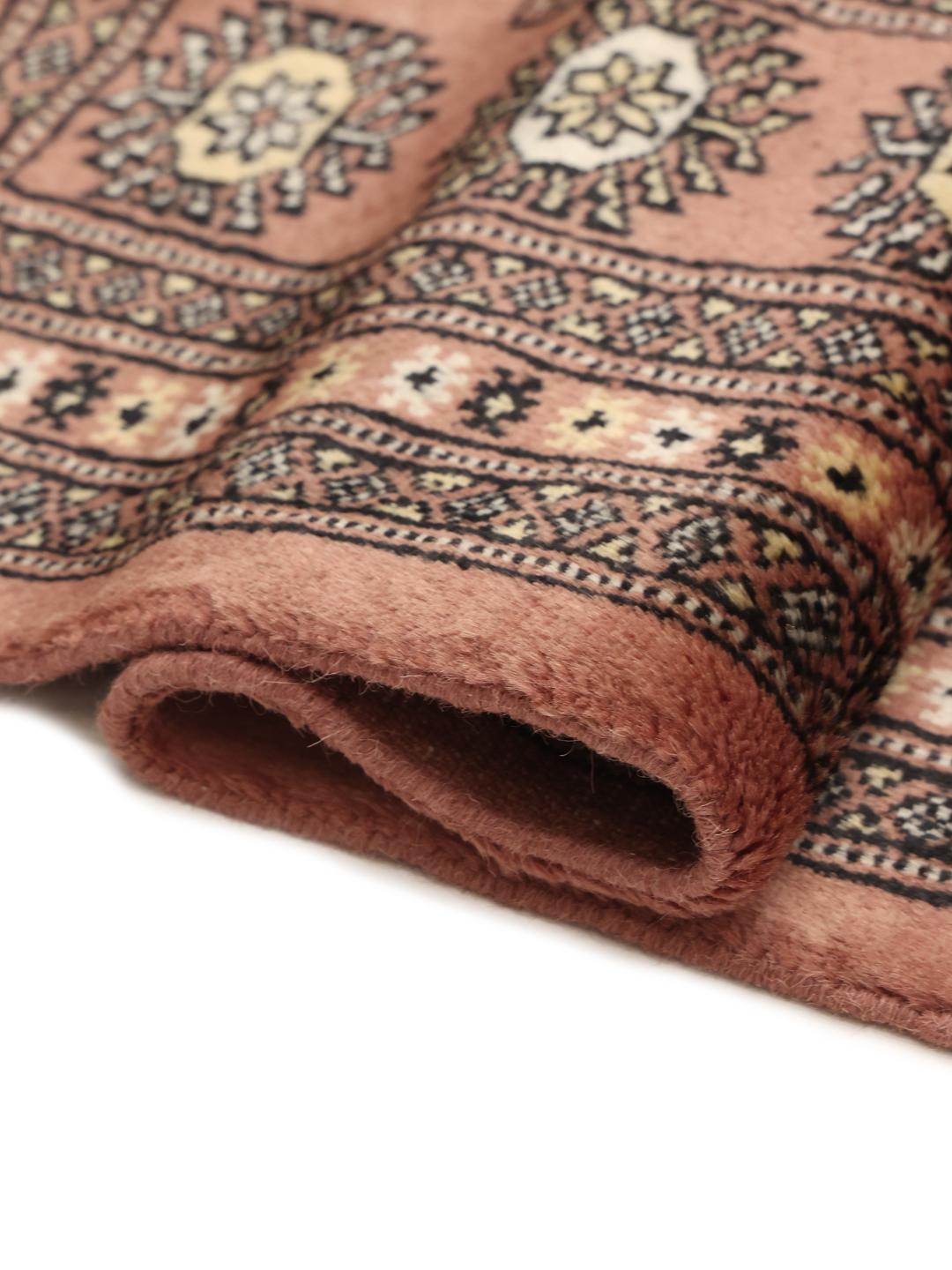
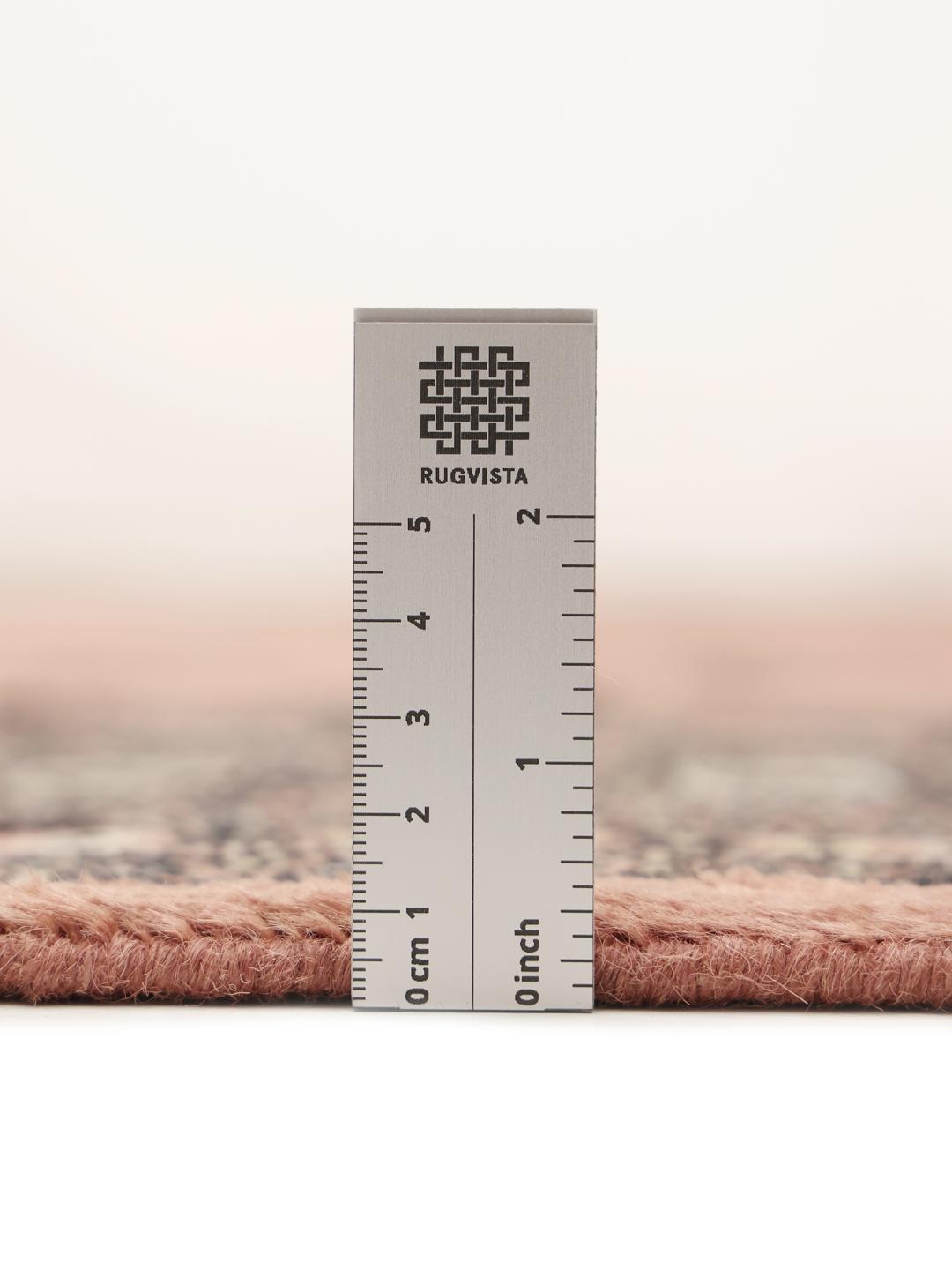
The term '2ply' refers to a specific technique where the pile is constructed using two strands of wool twisted together before being knotted. This is a crucial distinction for quality, as it results in a pile that is significantly denser, more lustrous, and more durable than rugs made with single-ply yarn. This construction method ensures the rug feels substantial and holds its beauty over years of use.
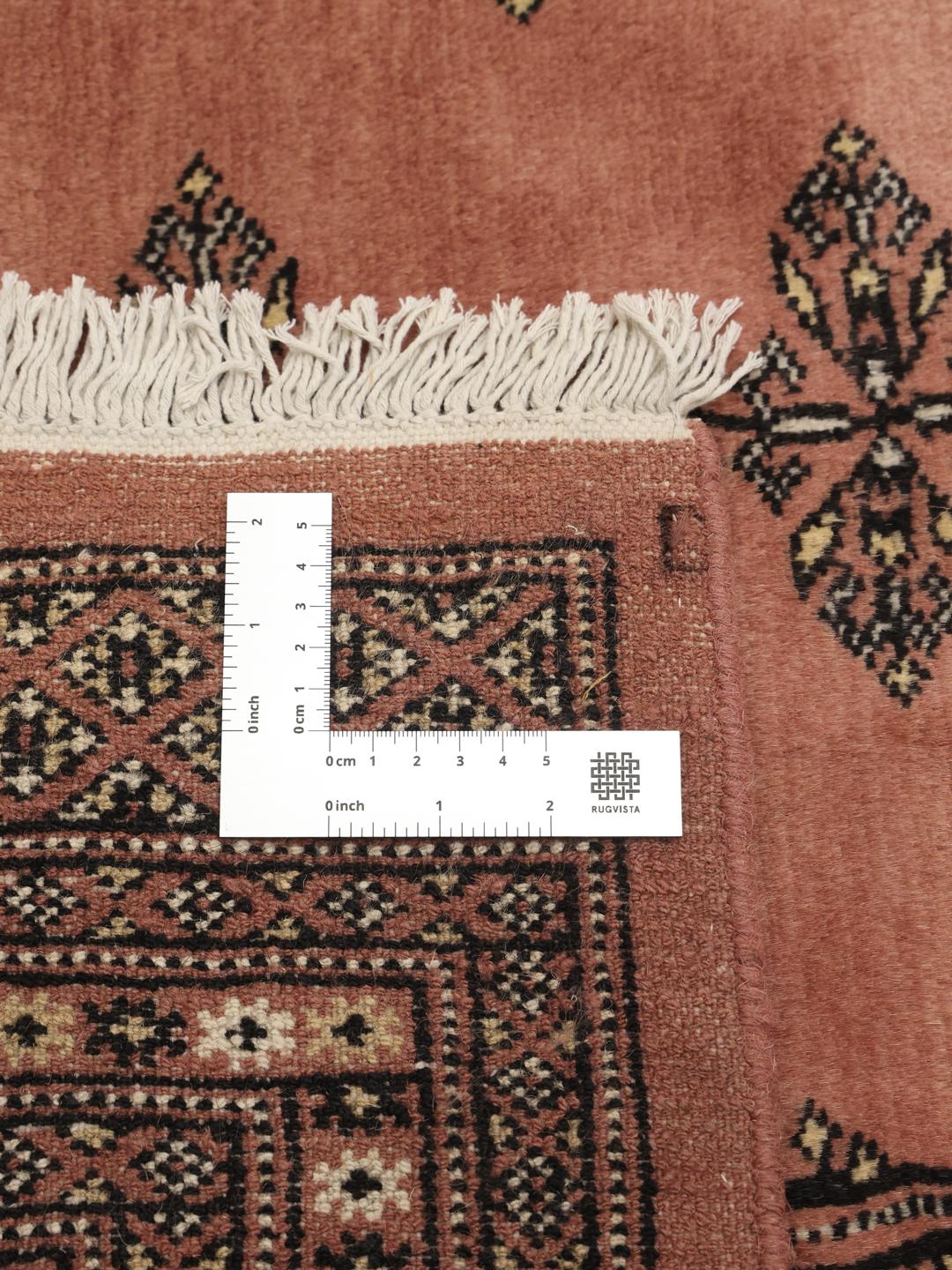
Visually, Bokhara rugs are characterised by their signature 'gul' motifs—repeating, elephant-foot shaped medallions arranged in orderly, rows across the field. These are typically framed by elaborate, geometric borders that reflect a formal and harmonious design language. The deep, rich red tones often seen in these rugs serve to highlight the intricate patterns, creating a look that is both sophisticated and classic.
Owning a hand-knotted piece from this tradition is an act of preserving a long-standing cultural heritage. These rugs are highly valued by collectors not just for their aesthetic appeal, but for the immense skill and patience required to produce them. To bring one into your home is to connect with a lineage of craftsmanship that values detail, precision, and the enduring quality of natural materials.