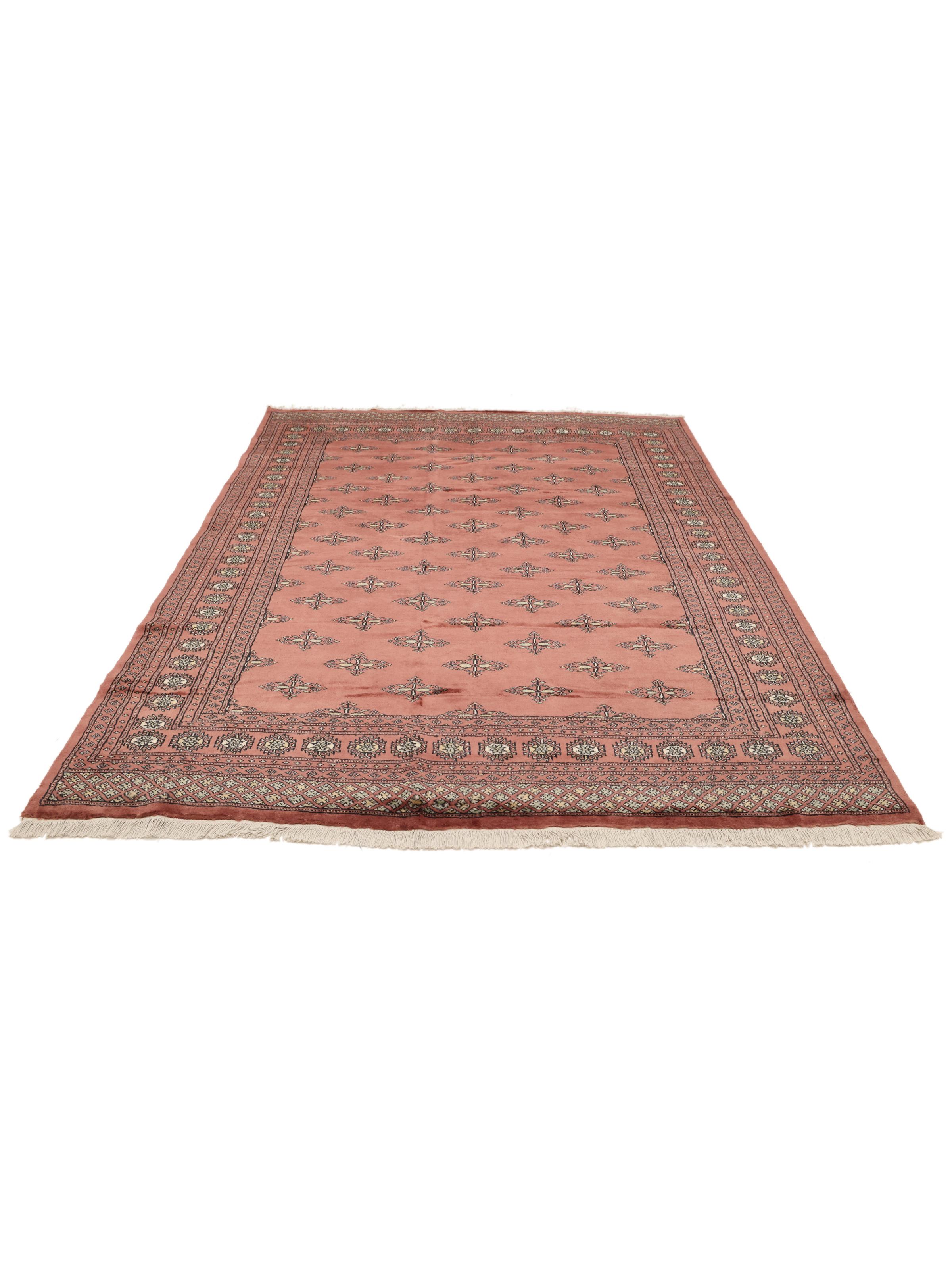
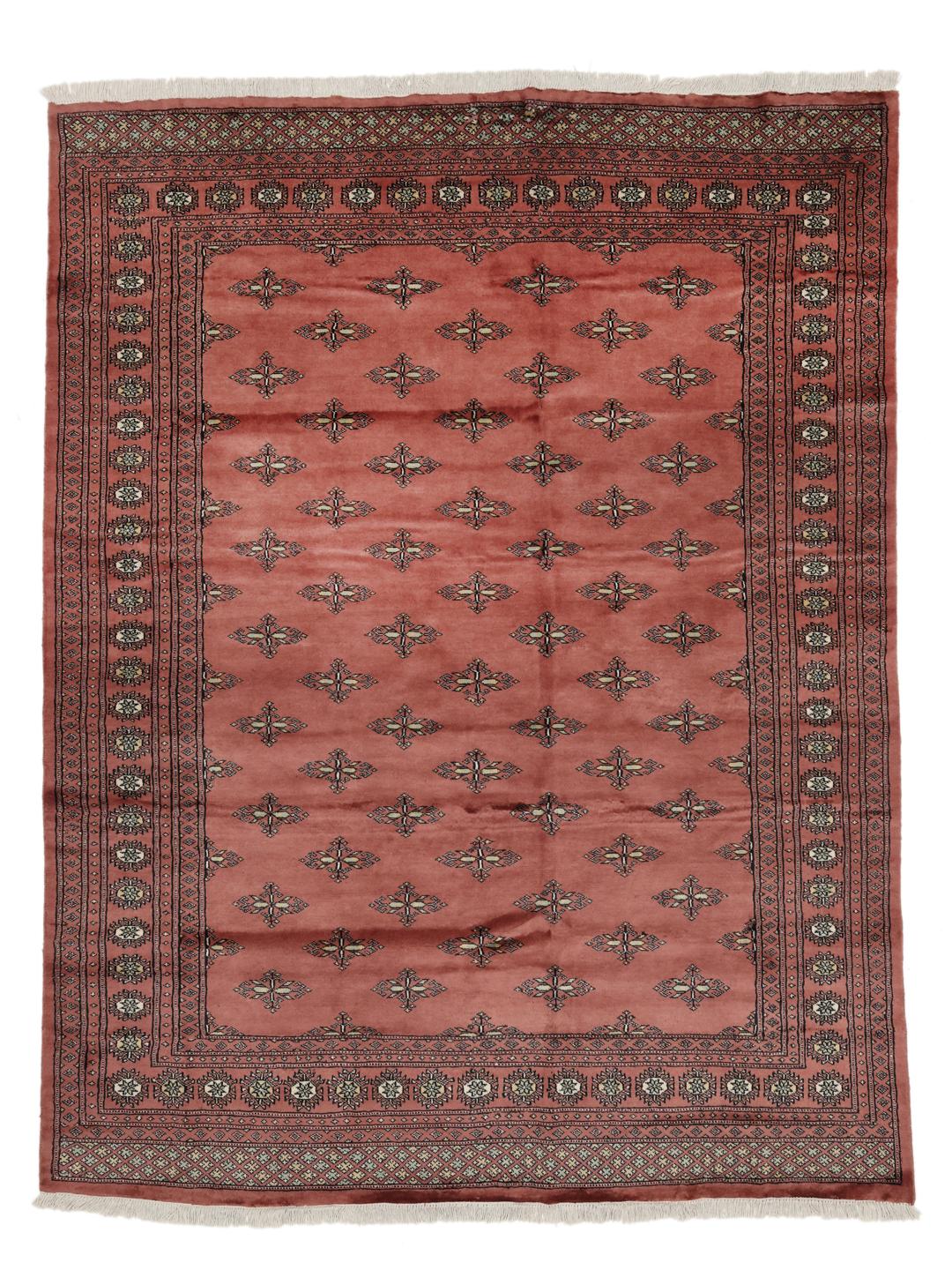
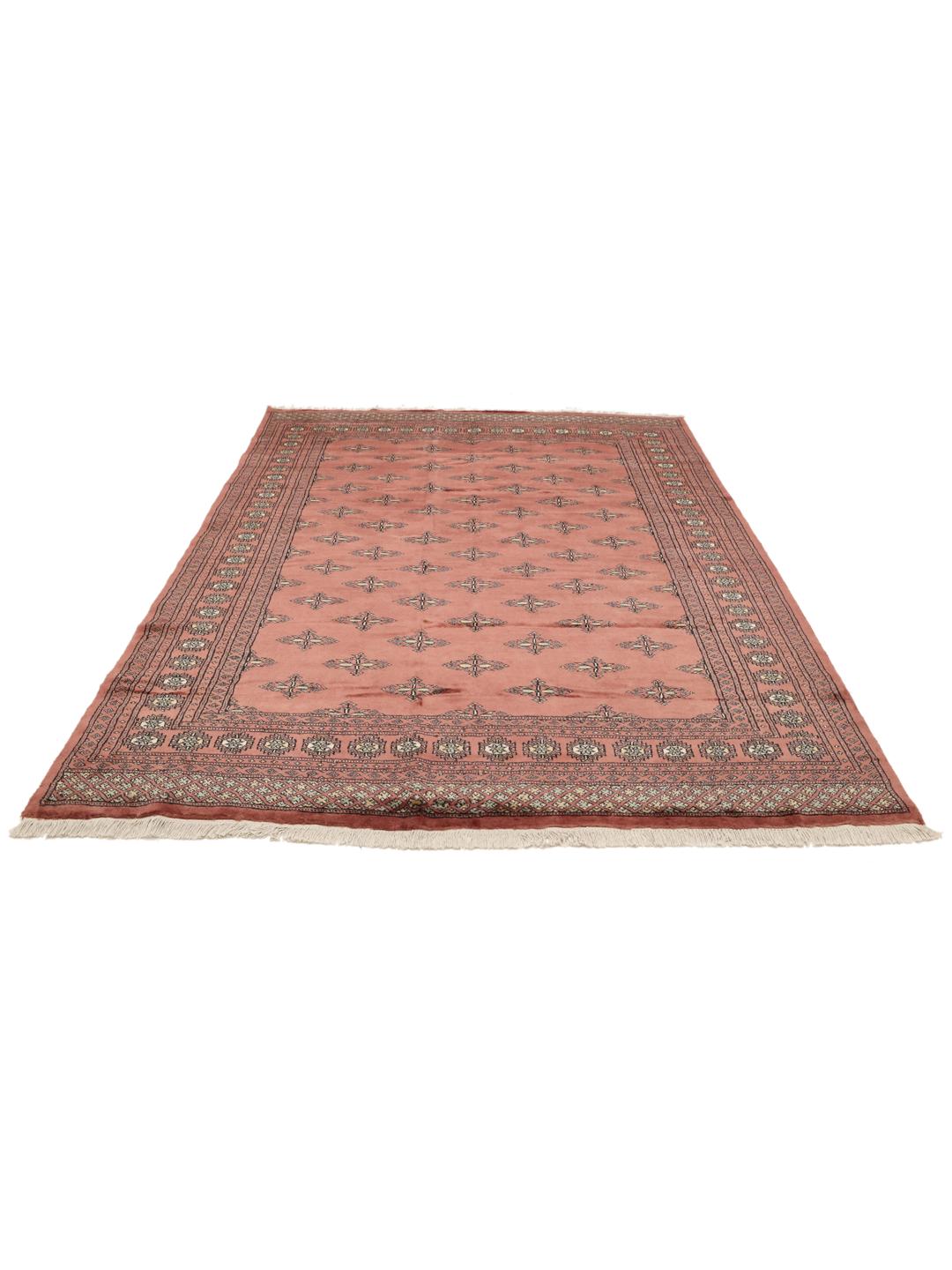
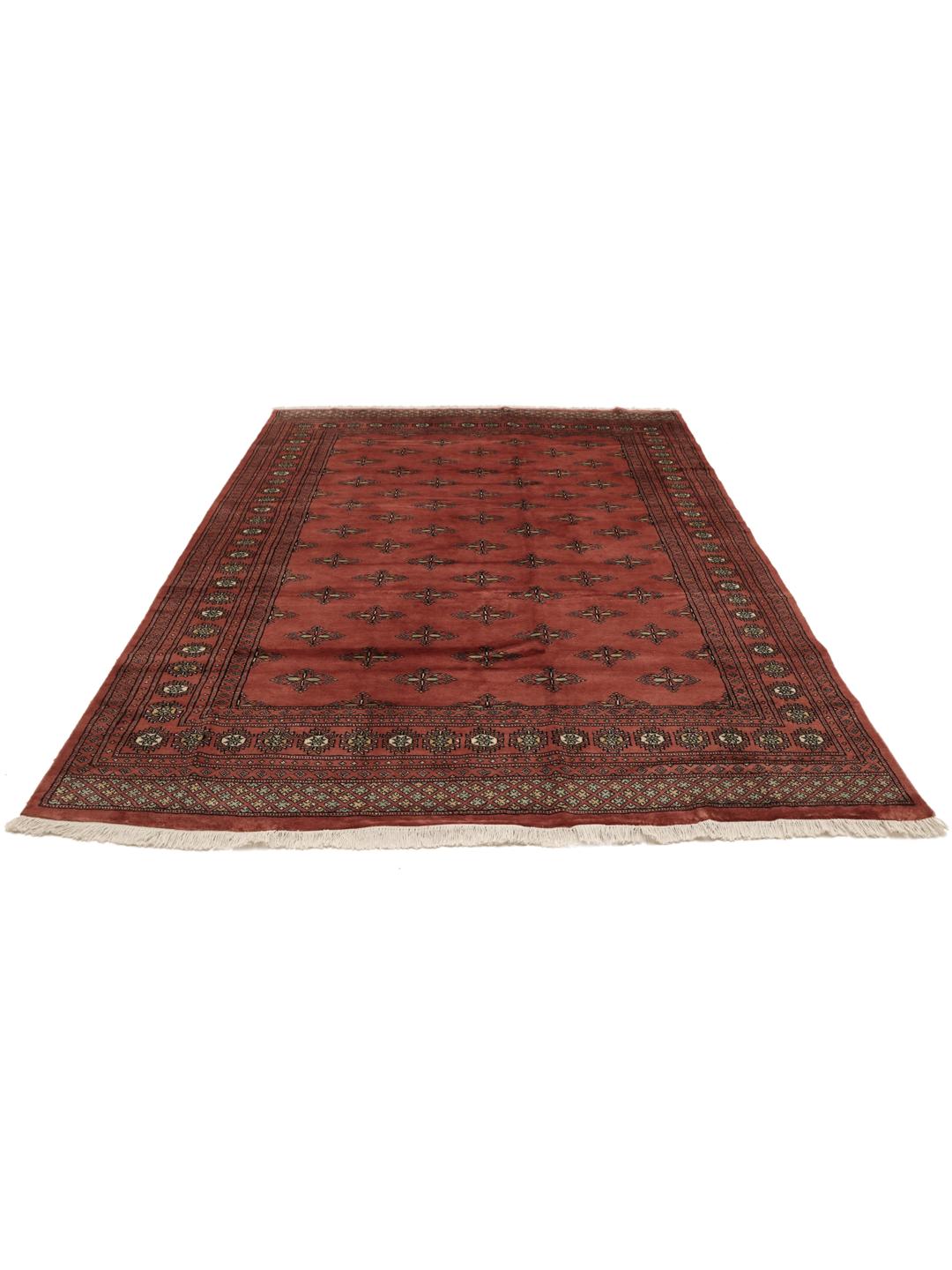
Bokhara rugs are deeply rooted in the history of Central Asian weaving, taking their name from the ancient Silk Road city of Bukhara, which served as a historic hub for the trade of fine textiles. While the inspiration and design heritage originated in these nomadic and semi-nomadic cultures, the finest contemporary examples are primarily woven in Pakistan. This evolution reflects a migration of craft, where traditional techniques were refined and adapted to meet the demands of a global audience seeking high-quality, durable floor coverings.
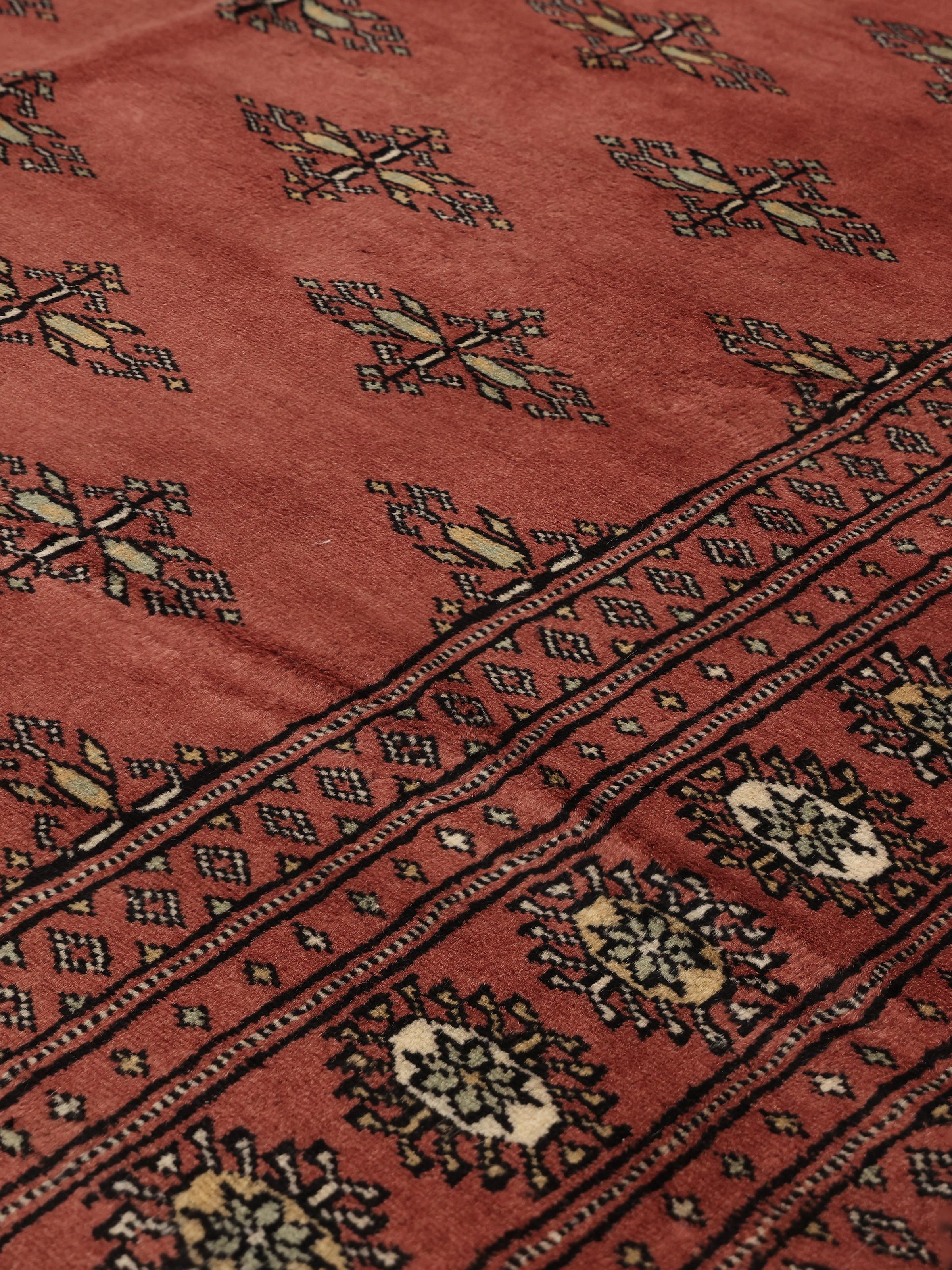
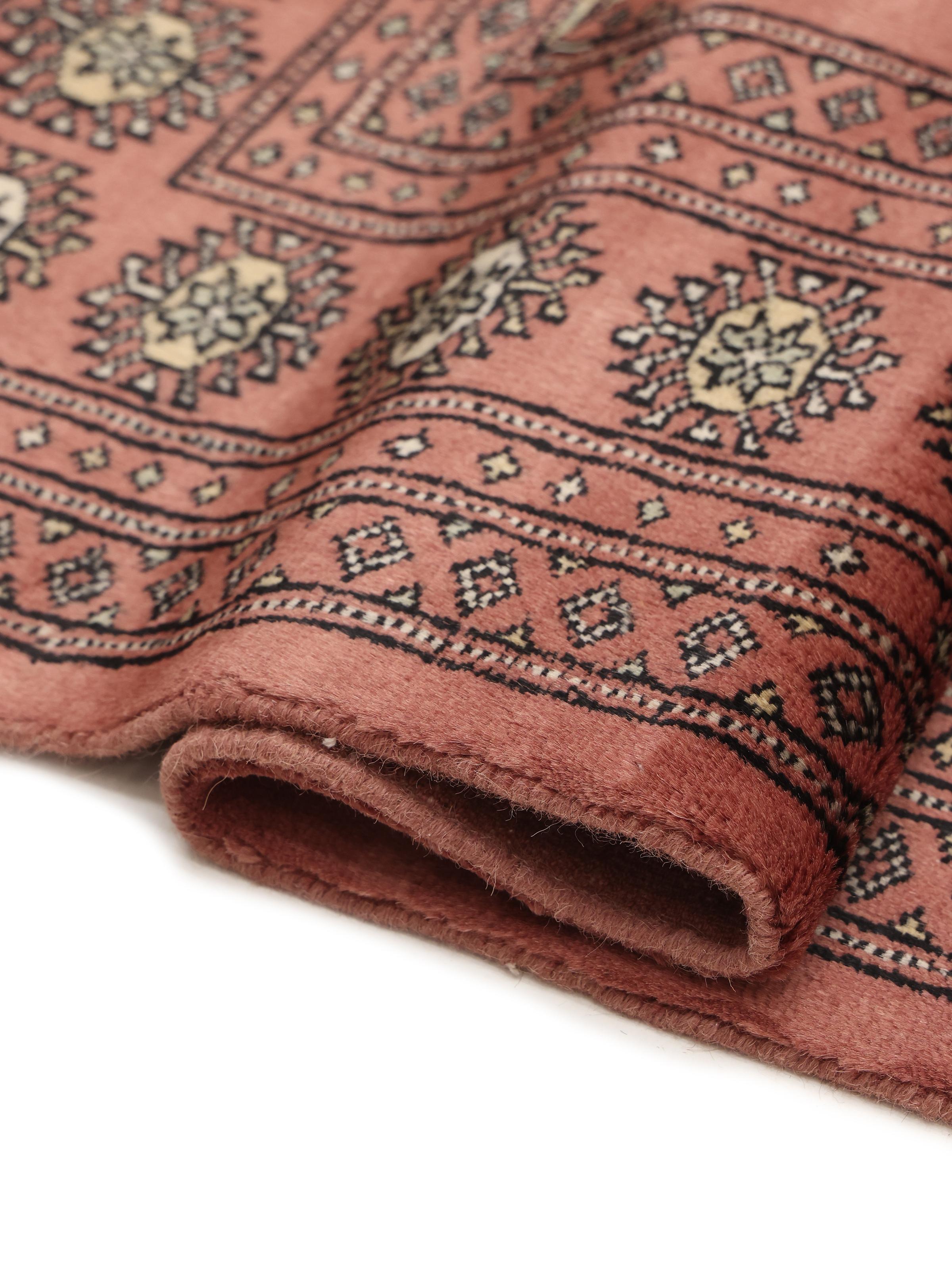
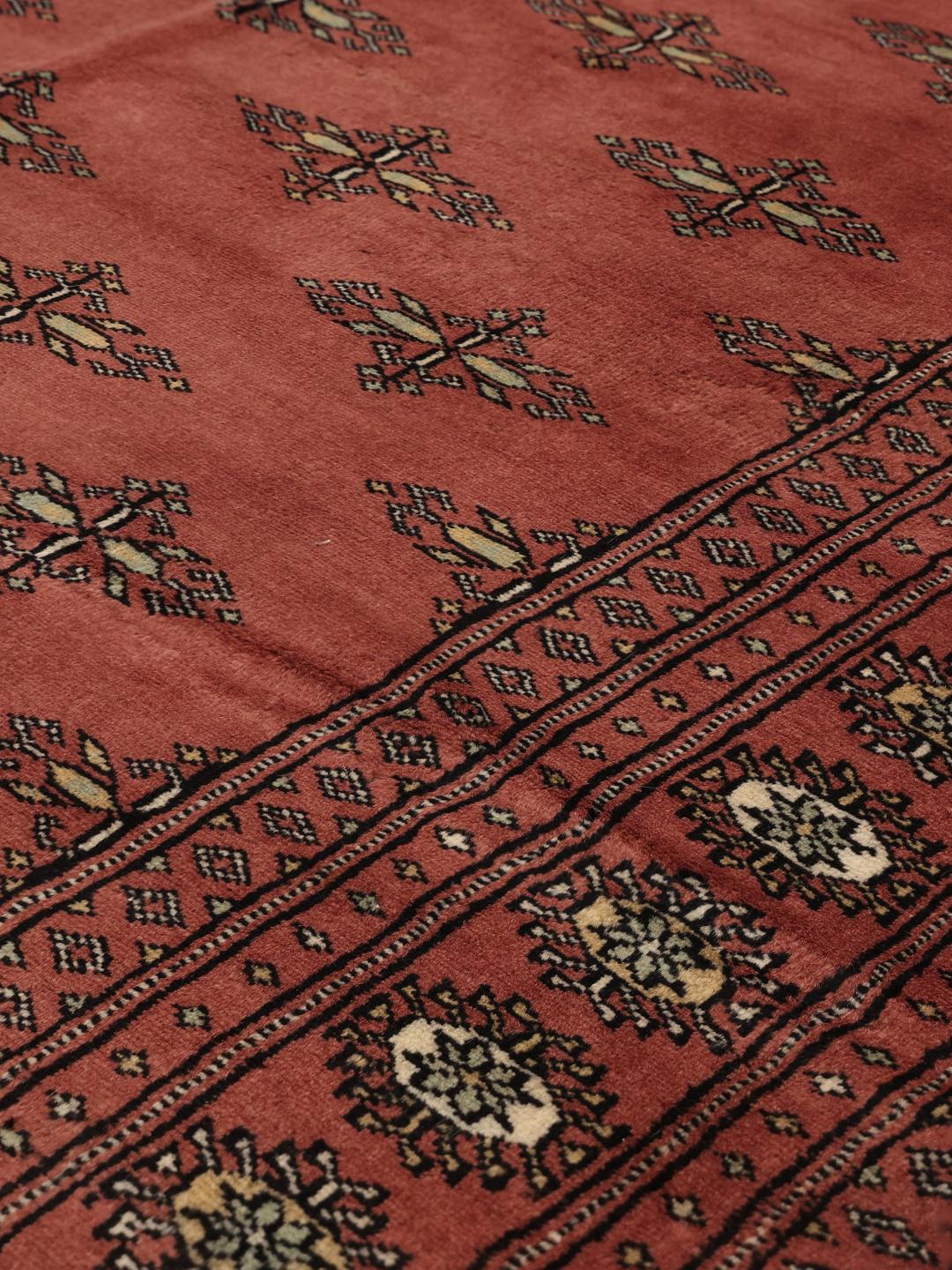
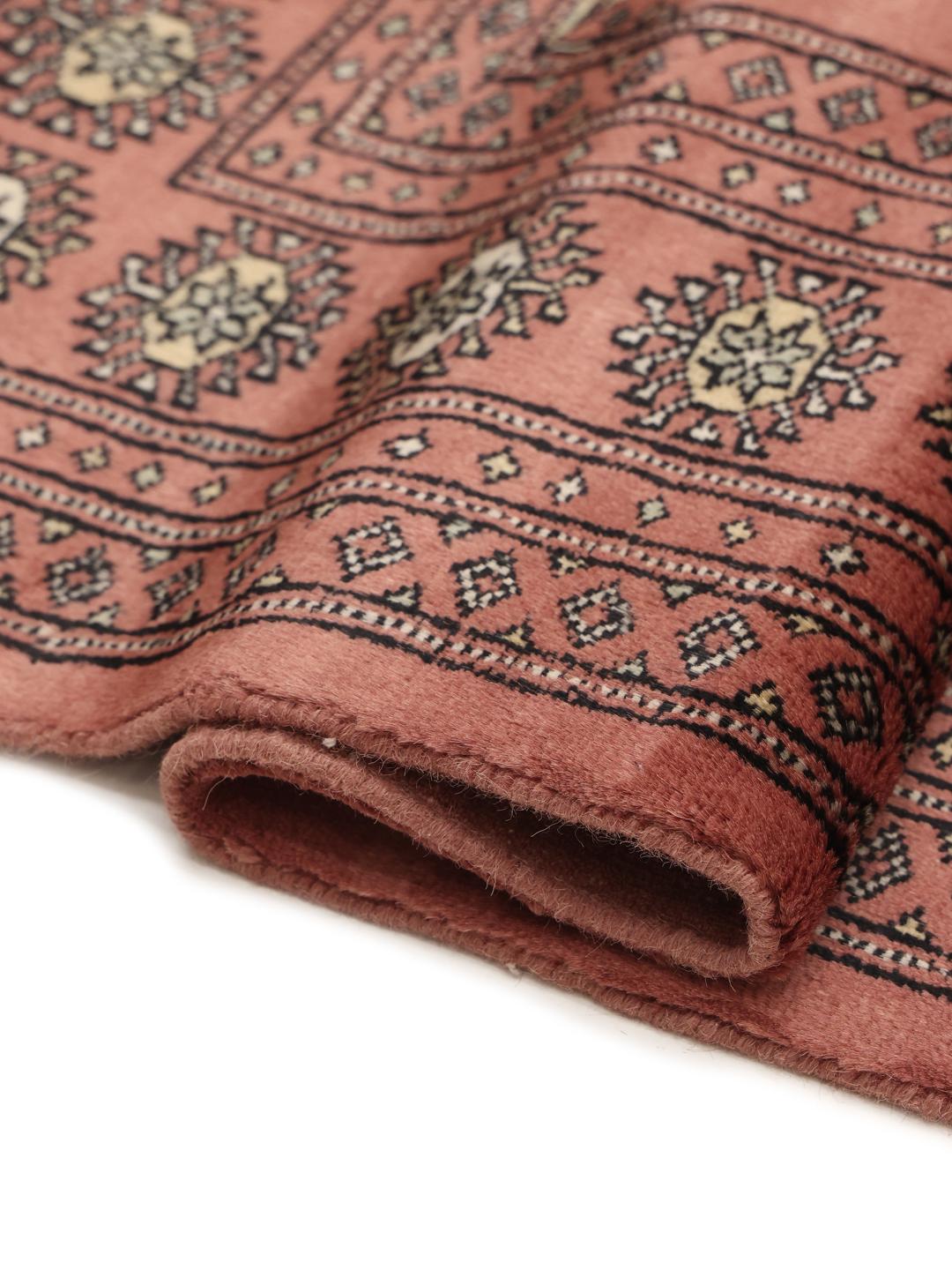
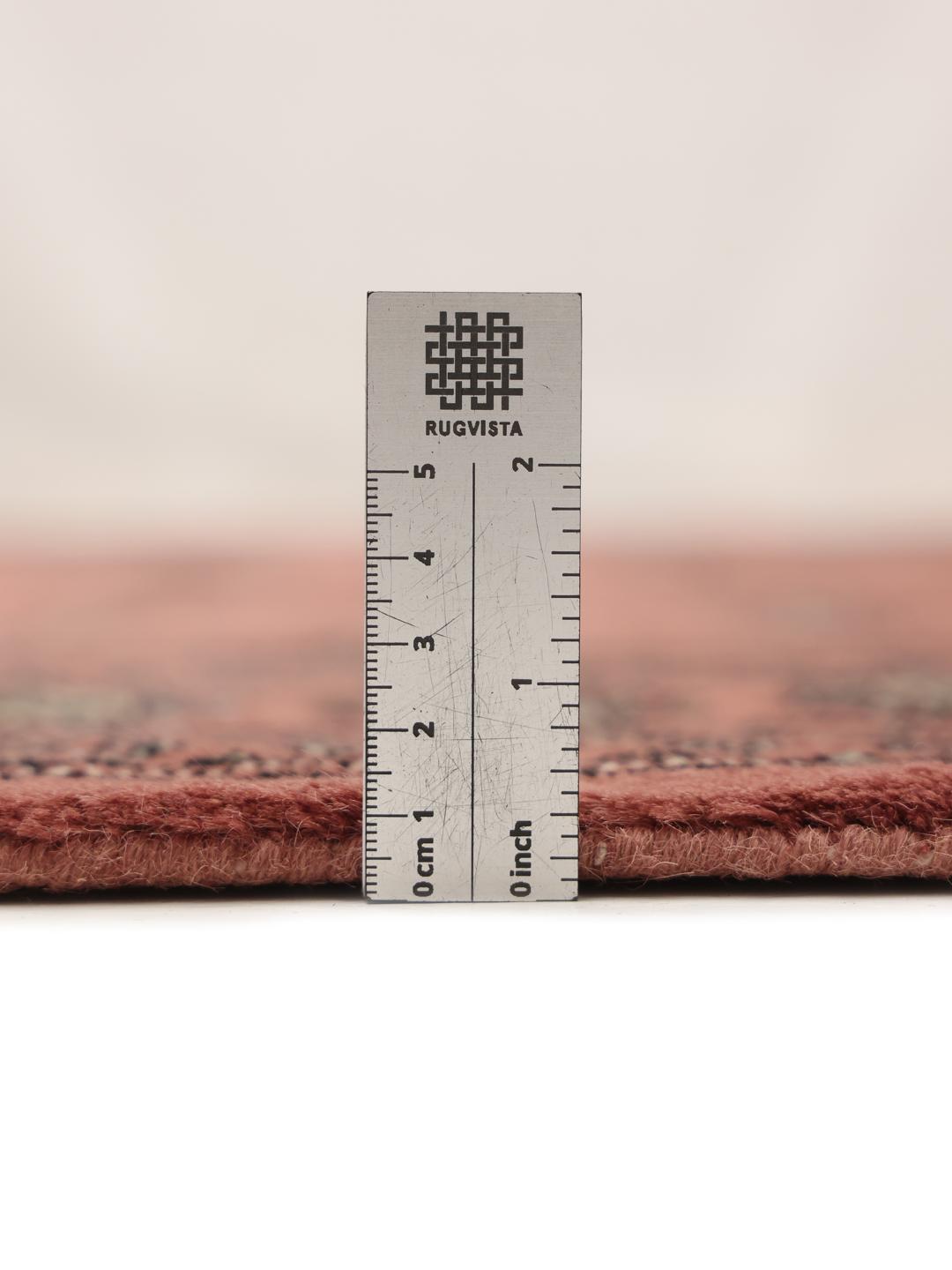
The 2ply designation refers to the construction of the yarn used for the pile. By twisting two strands of wool together before knotting, artisans create a yarn that is not only stronger but also provides a more substantial, lustrous, and luxurious texture. This technical choice is essential to the rug's performance, as the 2ply construction ensures the pile stands up to foot traffic while maintaining its soft, inviting feel for decades.
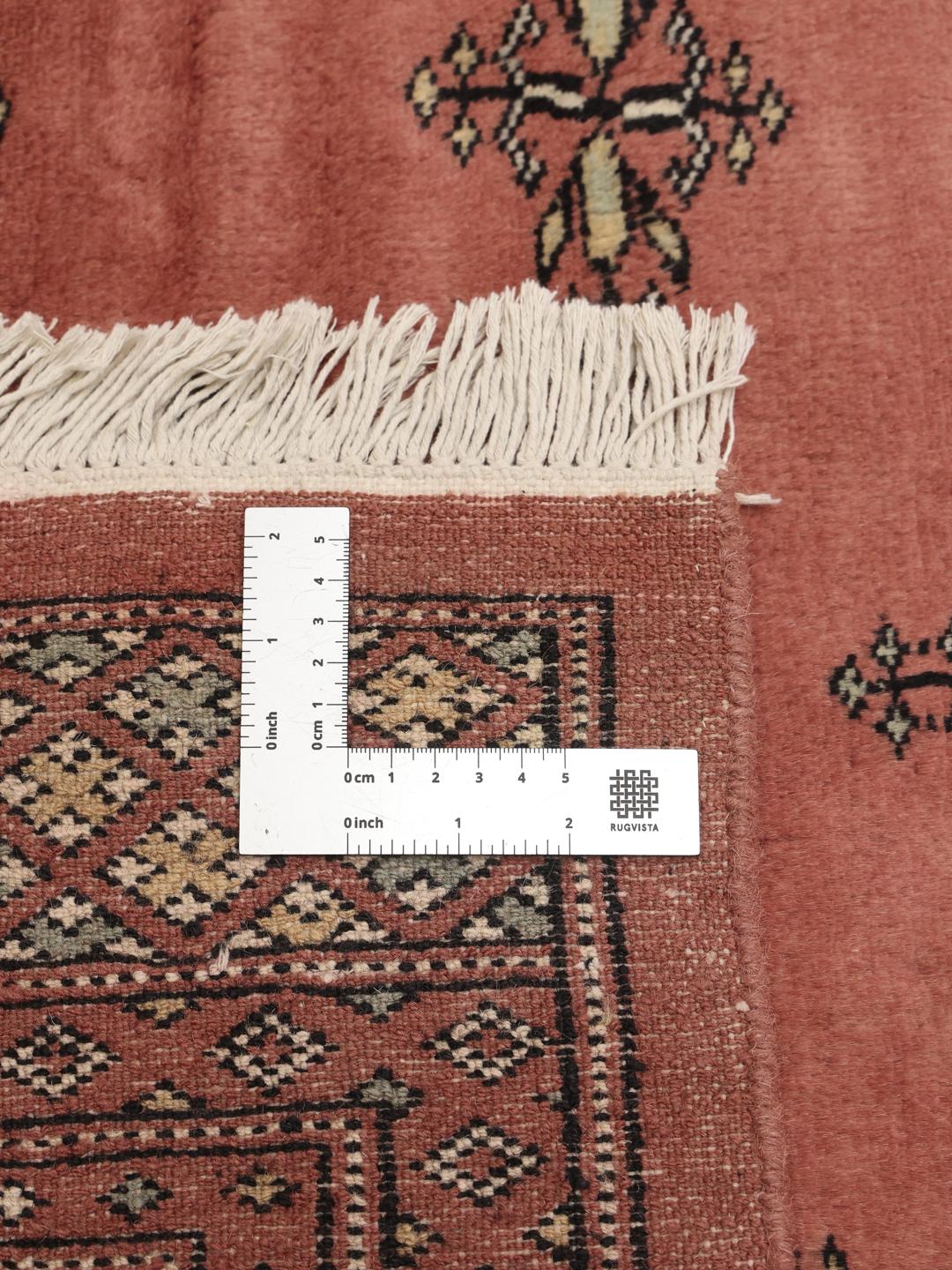
Visually, these rugs are defined by their signature repeating gul motifs, which are stylized, octagonal medallions that represent the tribal heritage of the region. These medallions are typically arranged in clean, structured rows across the field, framed by elaborate, multi-layered borders. The dark-red colourway is a hallmark of the tradition, symbolising warmth and vitality, and provides a classic contrast to the ivory and dark accents within the motifs.
Collecting a Bokhara rug is an investment in a living tradition. These pieces are highly valued not only for their aesthetic consistency but for the immense skill required to maintain such precise, symmetrical patterns by hand. Owning one is a way to honour the heritage of the artisans and bring a sense of historical narrative into your home, ensuring that the craft remains vibrant and relevant for future generations.