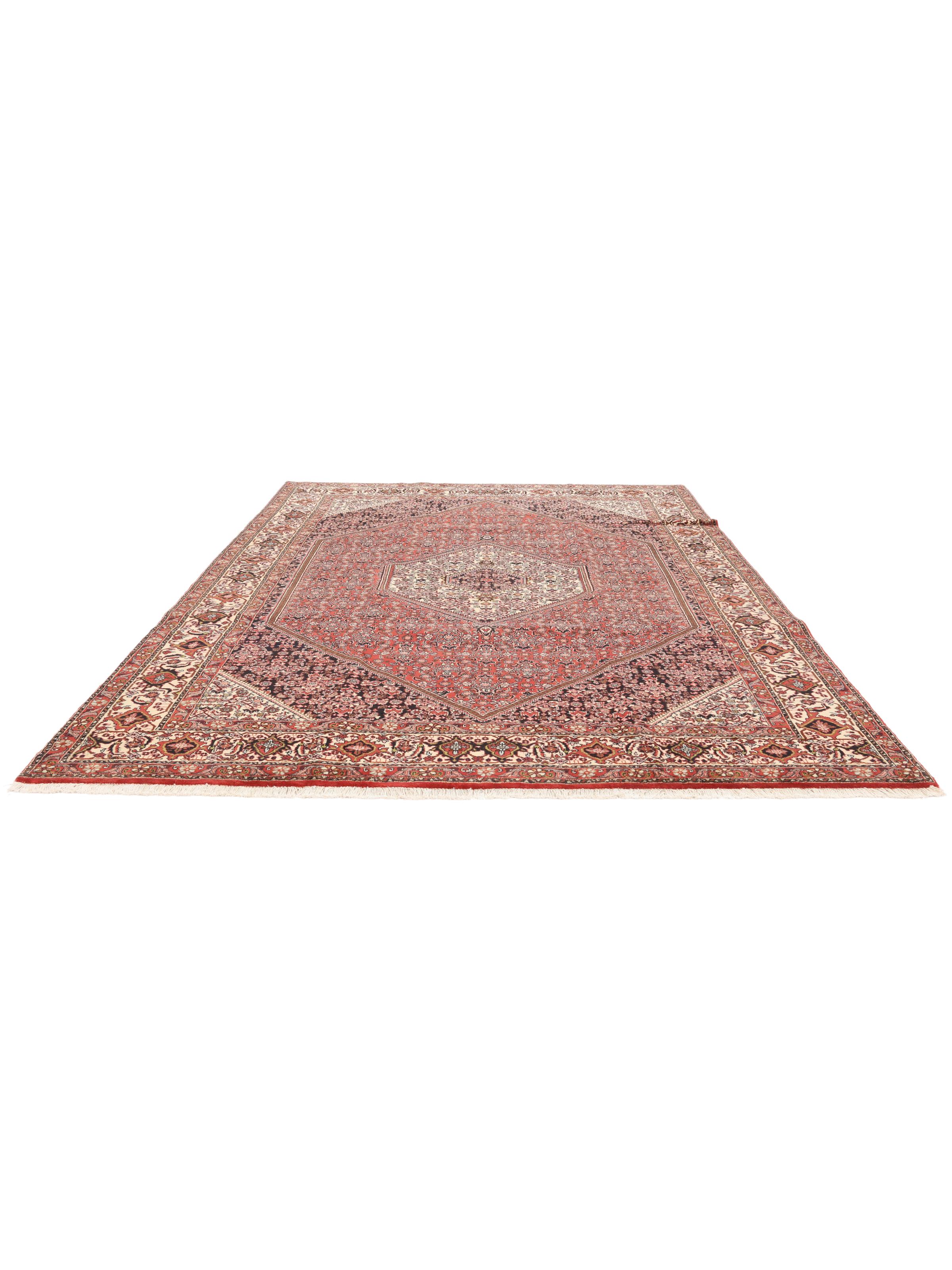
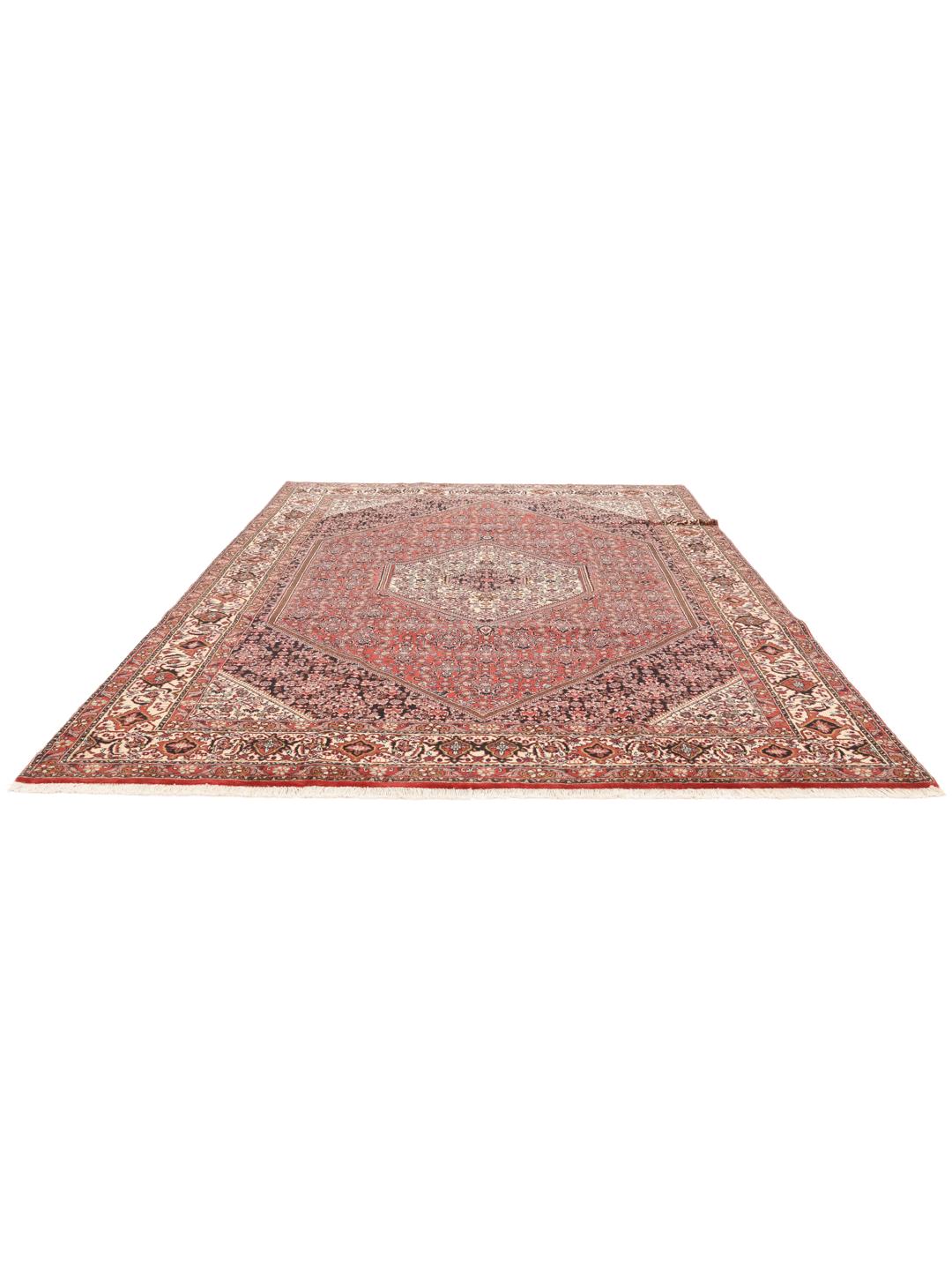
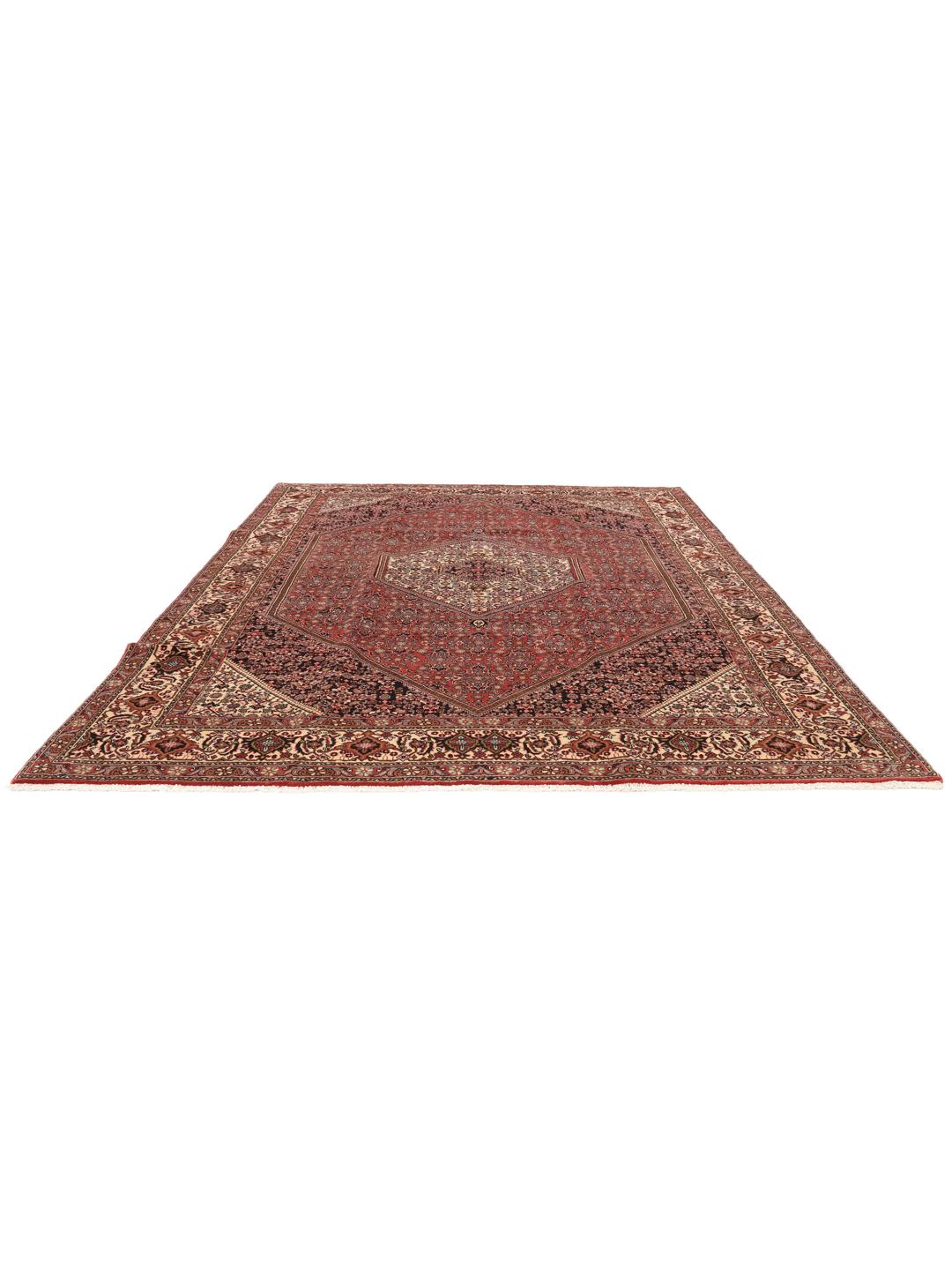
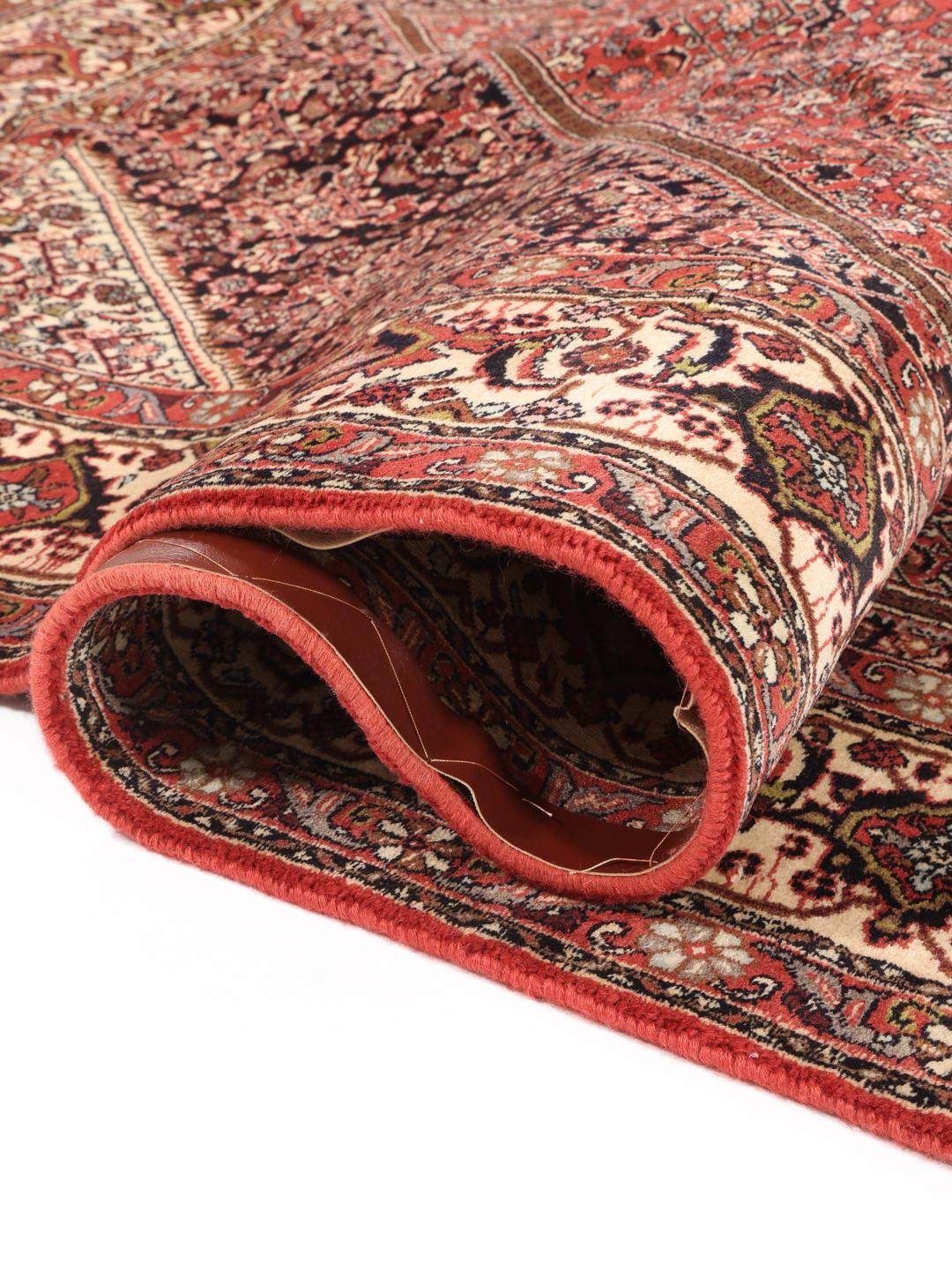
The Bidjar rug tradition originates from the mountainous regions of the Middle East, specifically the Kurdish area. Often referred to as the Iron Rug of the Middle East, Bidjar rugs are celebrated for their legendary durability and weight. This reputation stems from the specific weaving technique used, which creates an exceptionally dense foundation that allows the rug to withstand years of heavy use while maintaining its structural integrity.
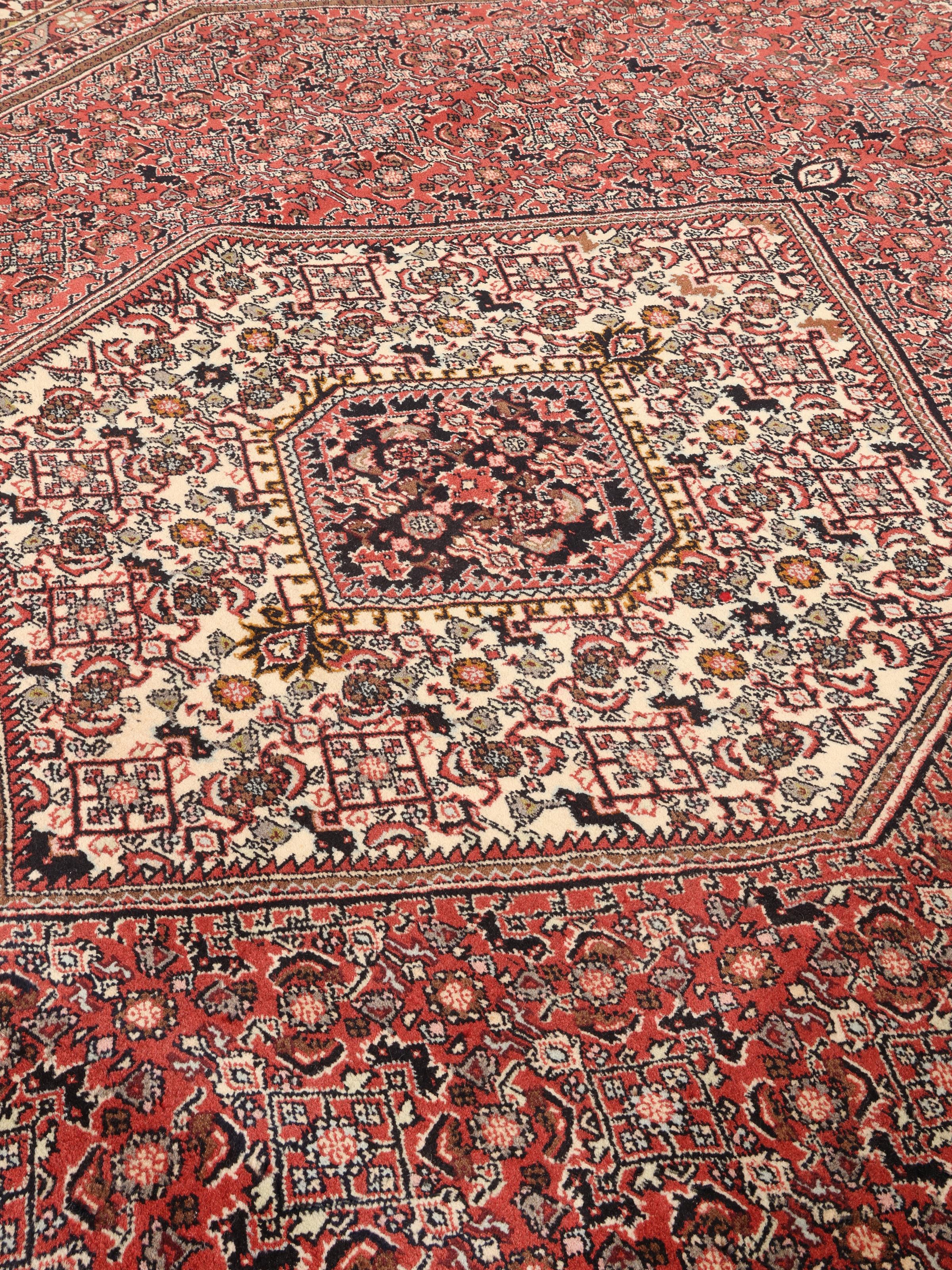
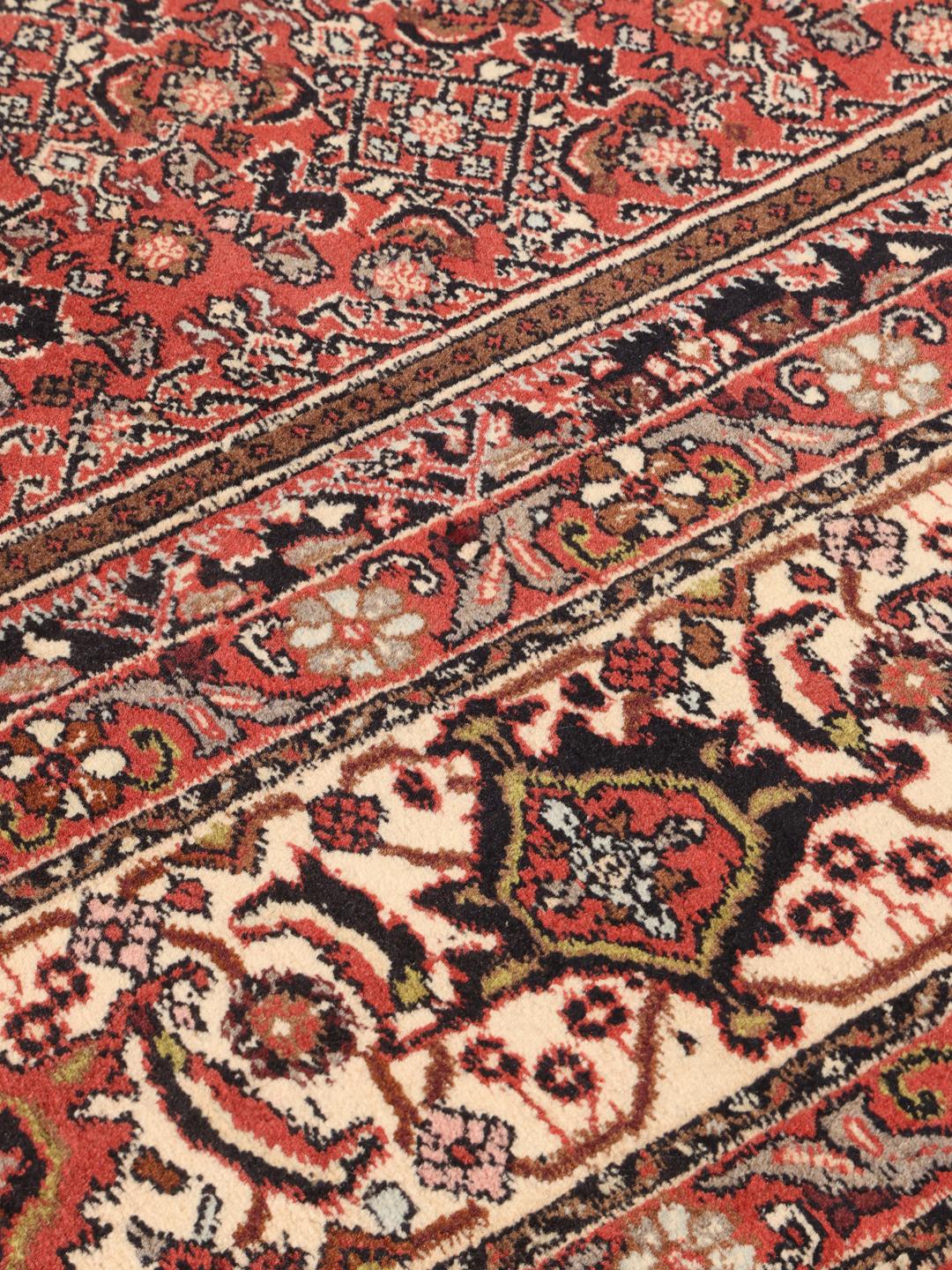
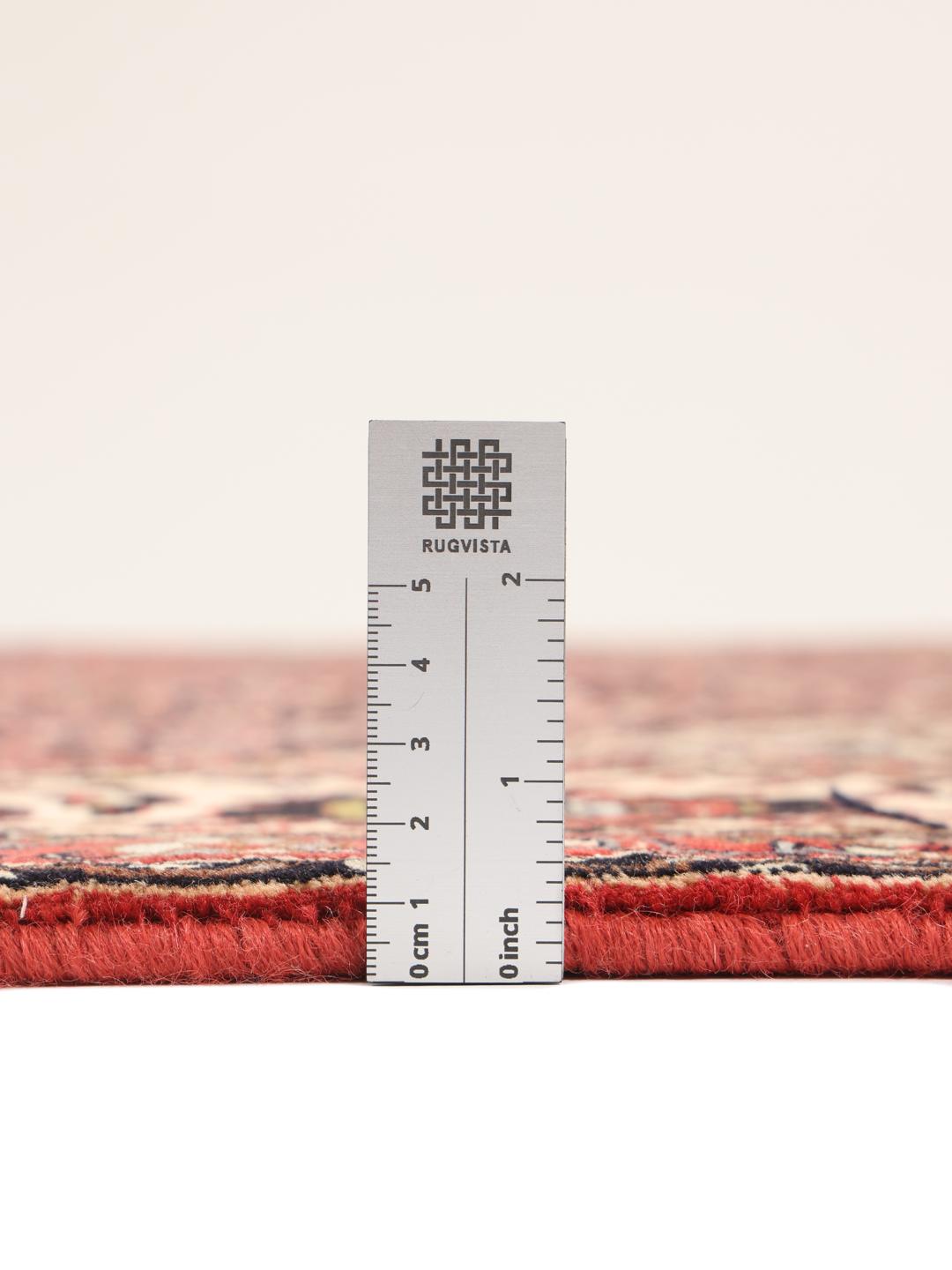
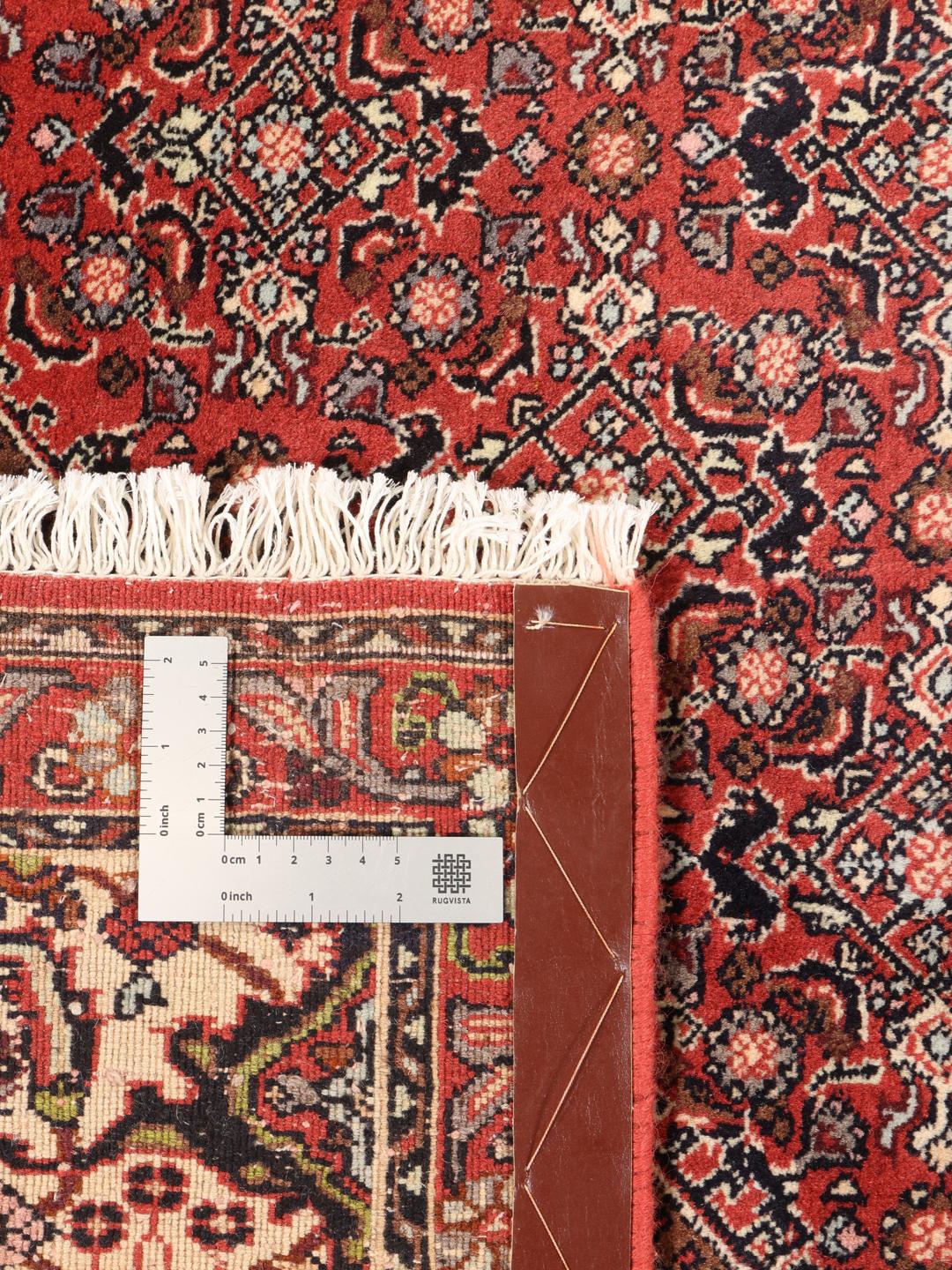
The craftsmanship behind a Bidjar is defined by a unique wet-weaving process. During production, the foundation is kept moist, allowing the knots to be packed extremely tightly together. This creates a vertical tension that makes the pile stand up, resulting in a dense, stiff, and highly resilient surface that is famous for its longevity and ability to resist wear.
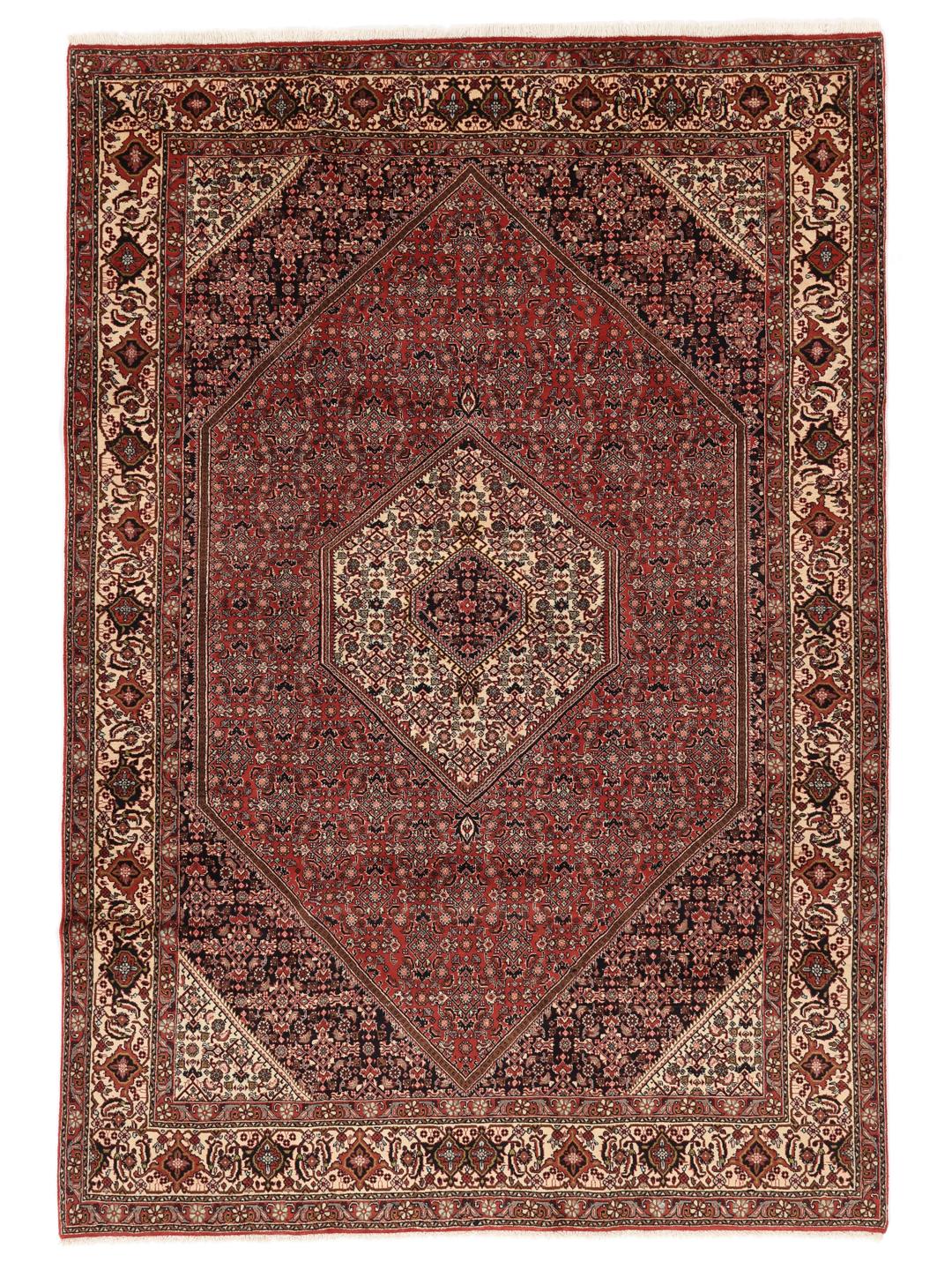
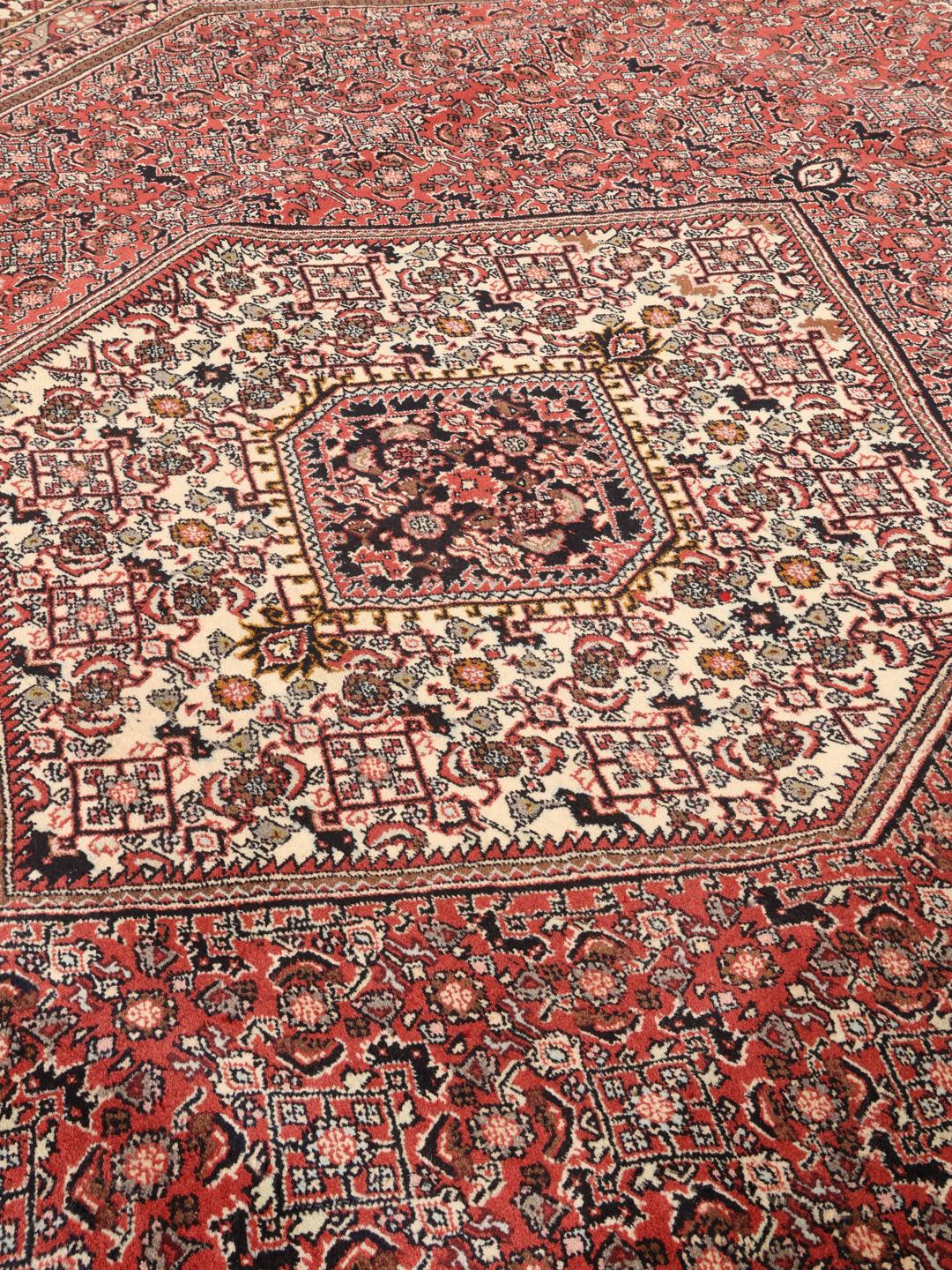
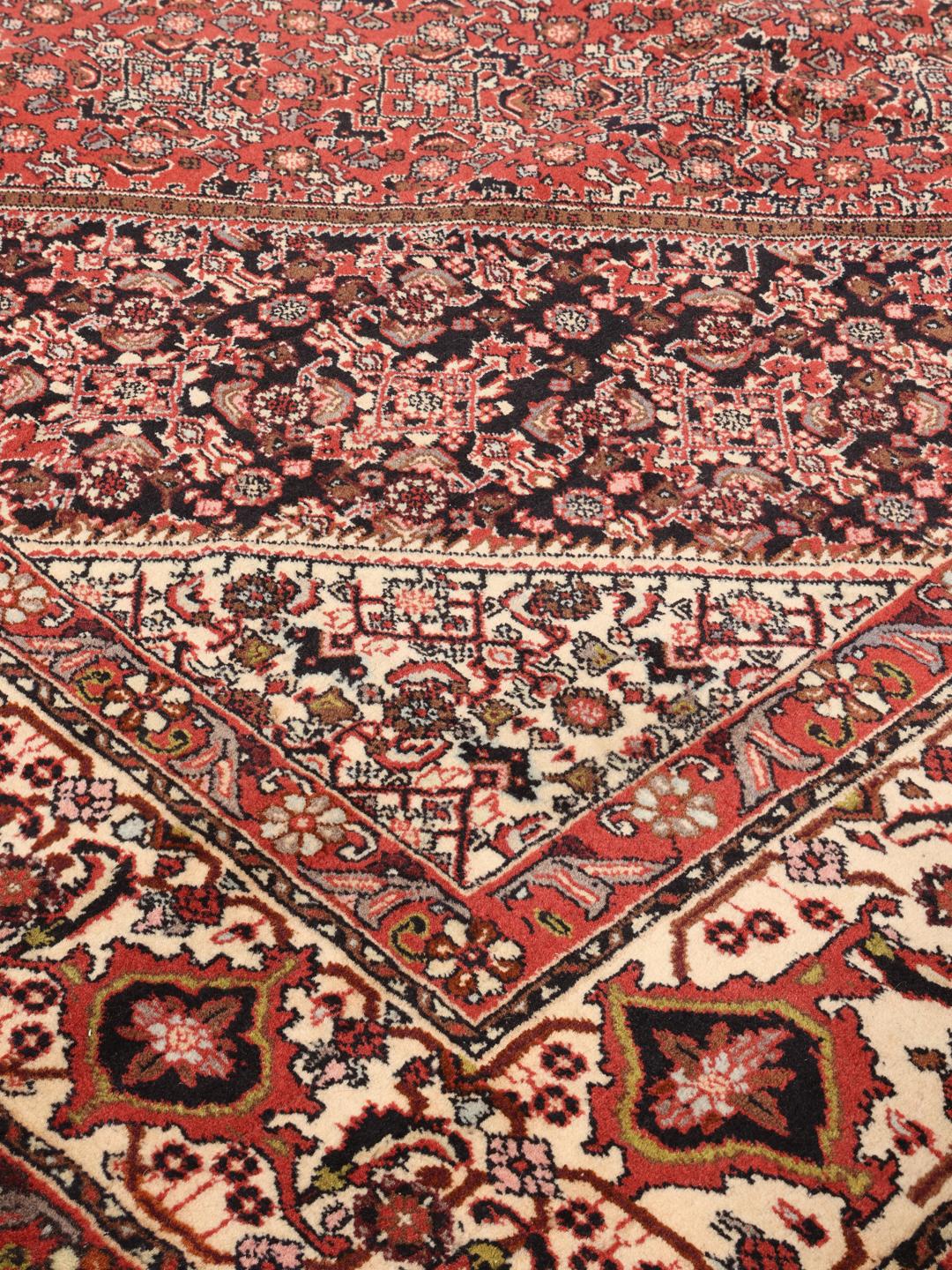
Visually, these rugs often feature intricate, ornate designs that draw from deep-rooted cultural motifs. You will frequently find a central medallion surrounded by dense floral patterns or geometric interpretations of nature, all enclosed within a structured and highly detailed border. The use of natural dyes and a characteristic palette often centres on deep, rich tones that reflect the landscape and history of the region.
Owning a Bidjar Zandjan is more than just acquiring a floor covering; it is an investment in a storied craft tradition. These rugs are highly valued by collectors for their technical complexity and the immense skill required to produce them. By bringing one into your home, you are preserving a legacy of artistic dedication and technical mastery that has been passed down through generations of skilled weavers.