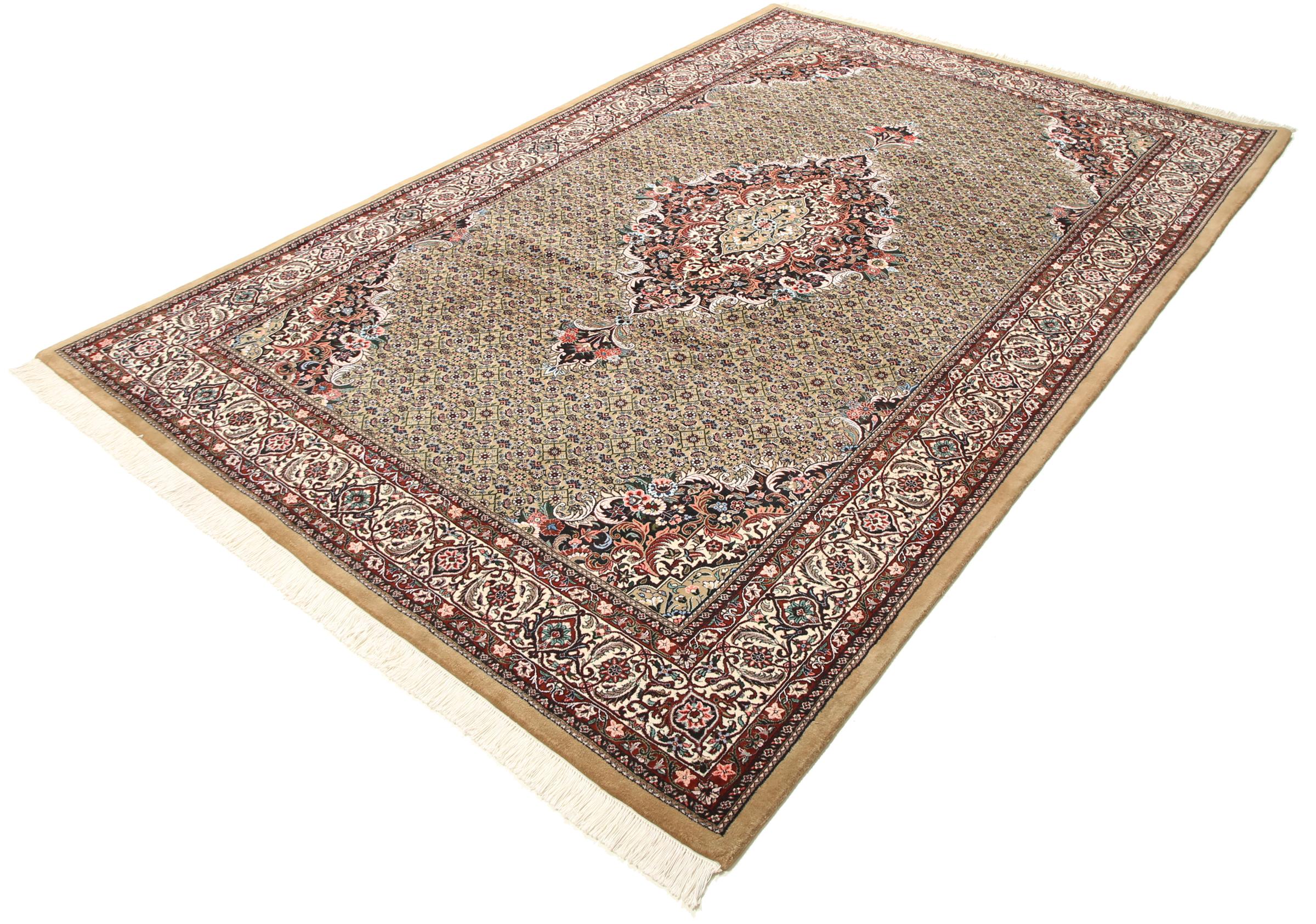
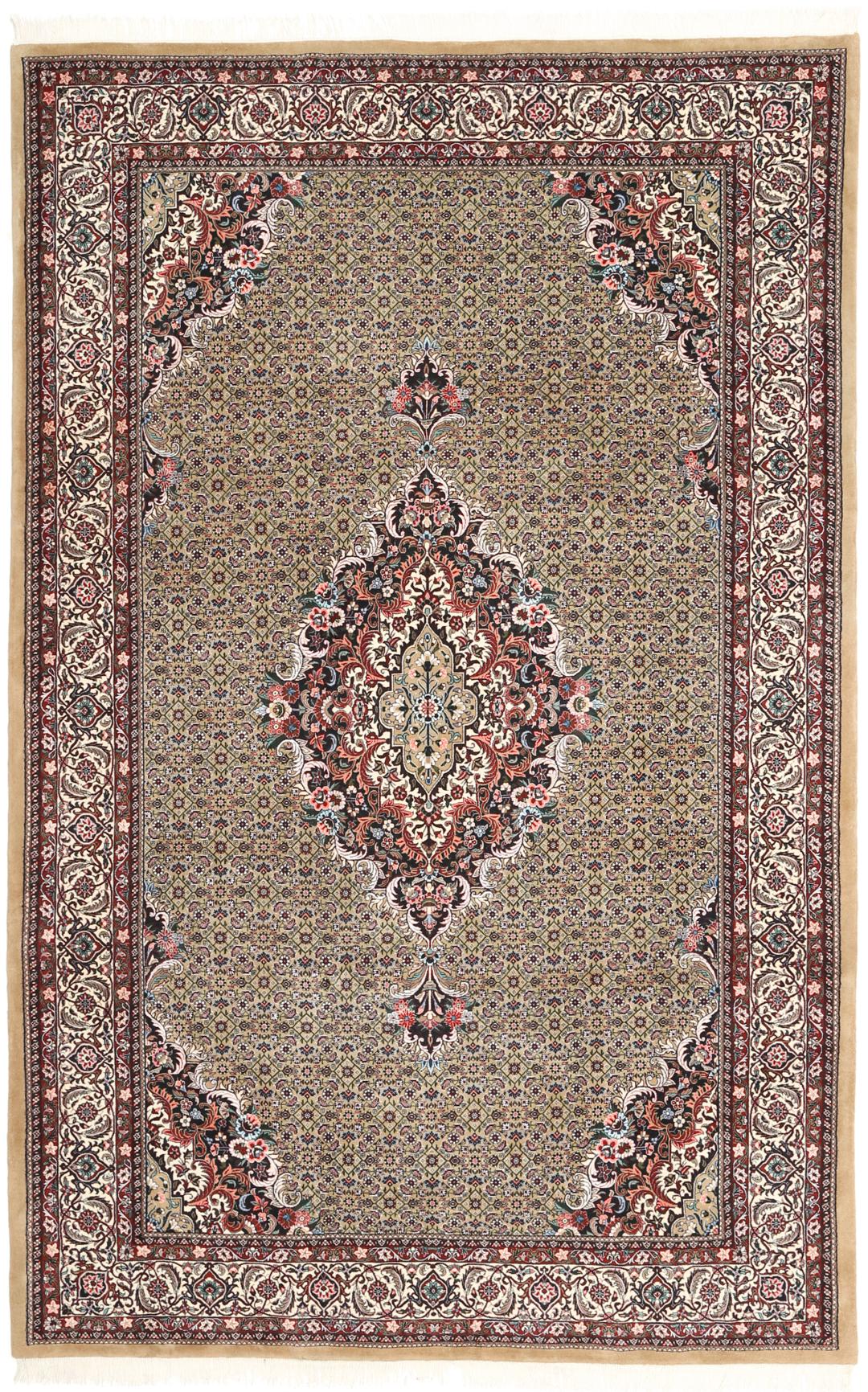
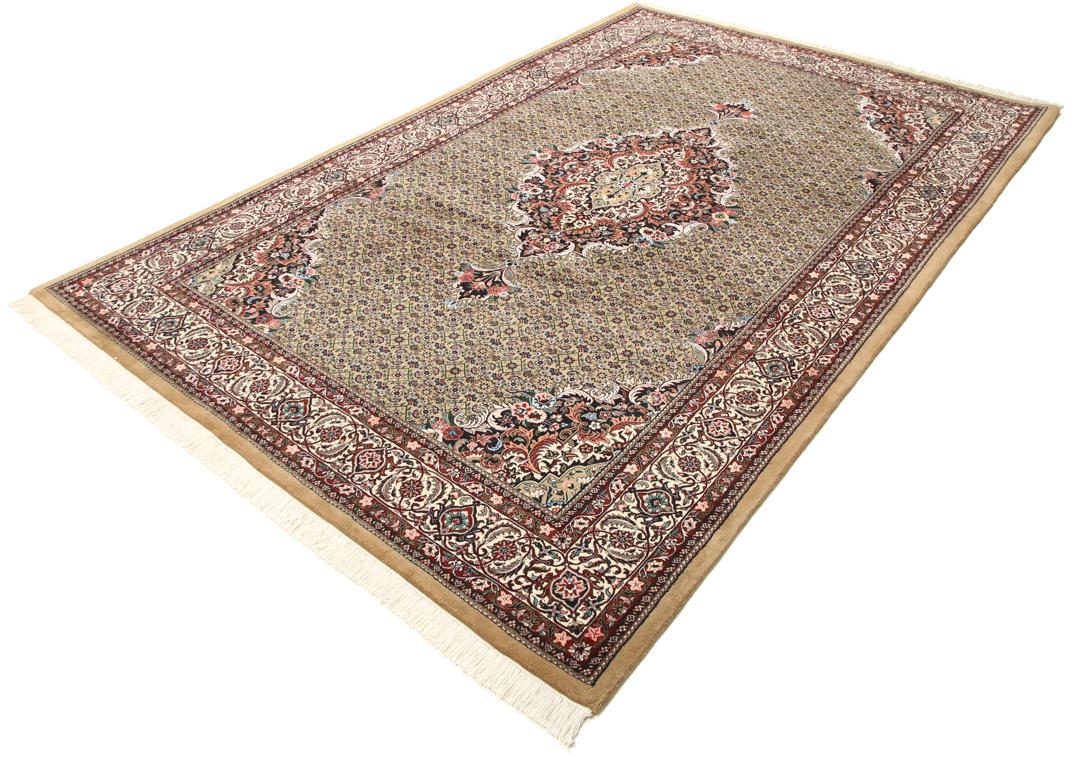
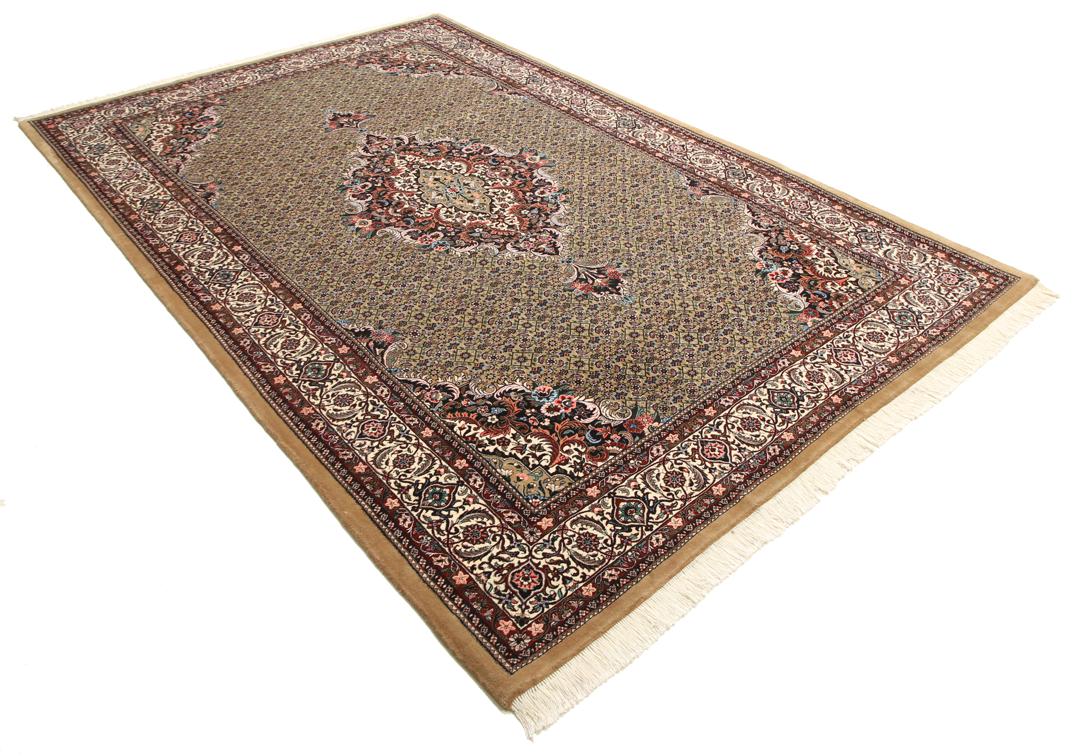
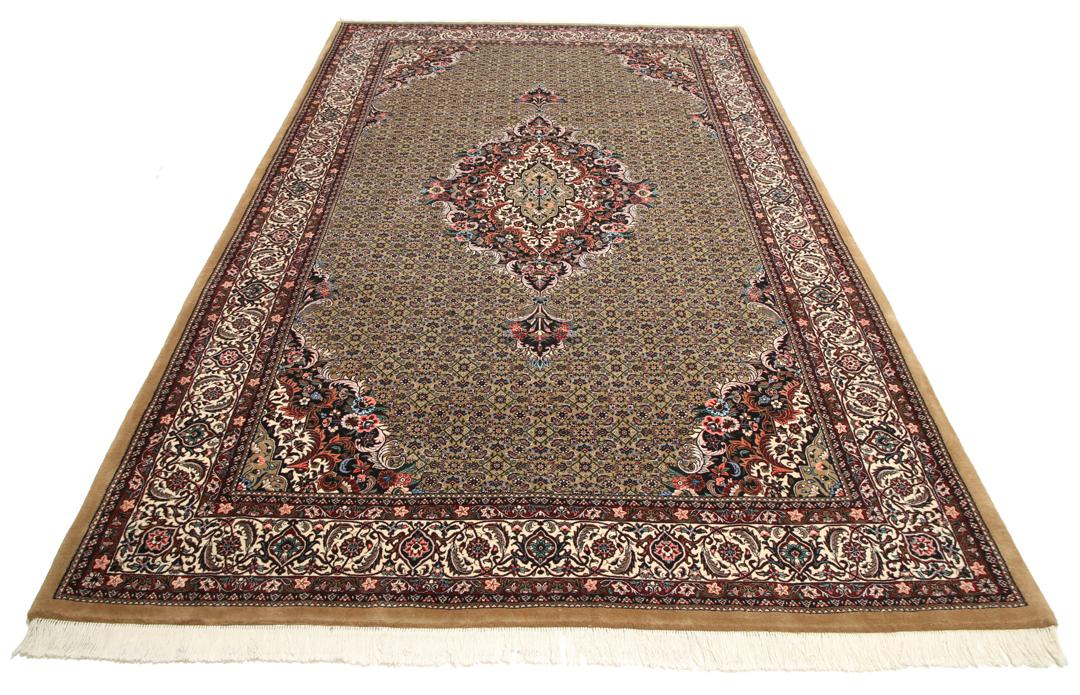
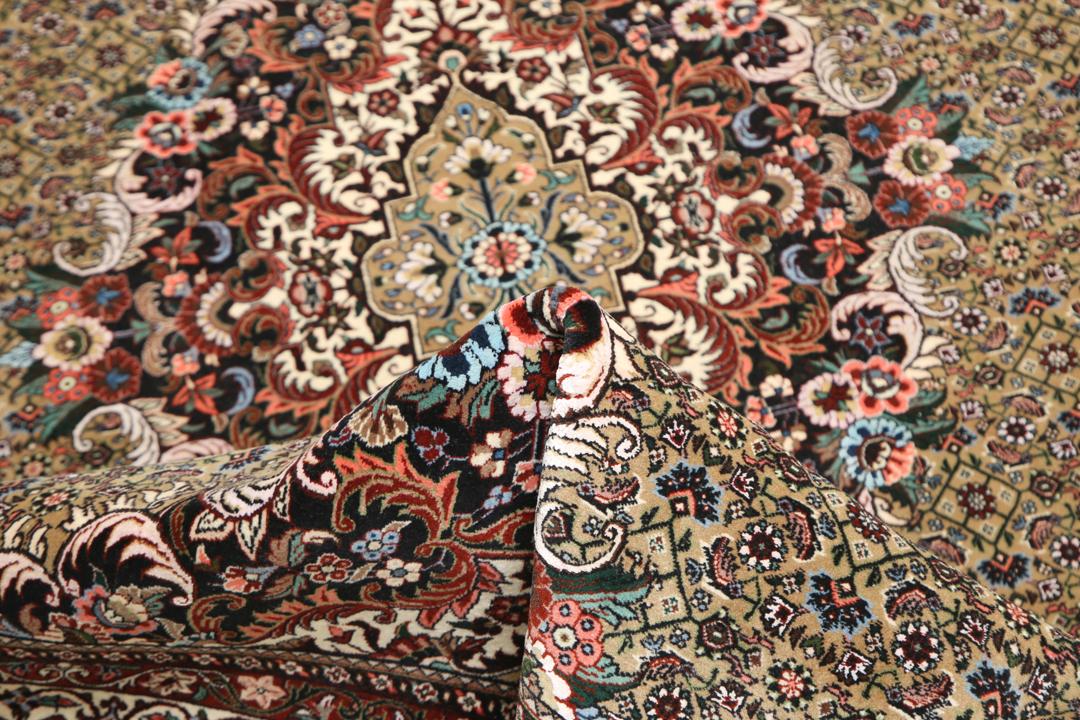
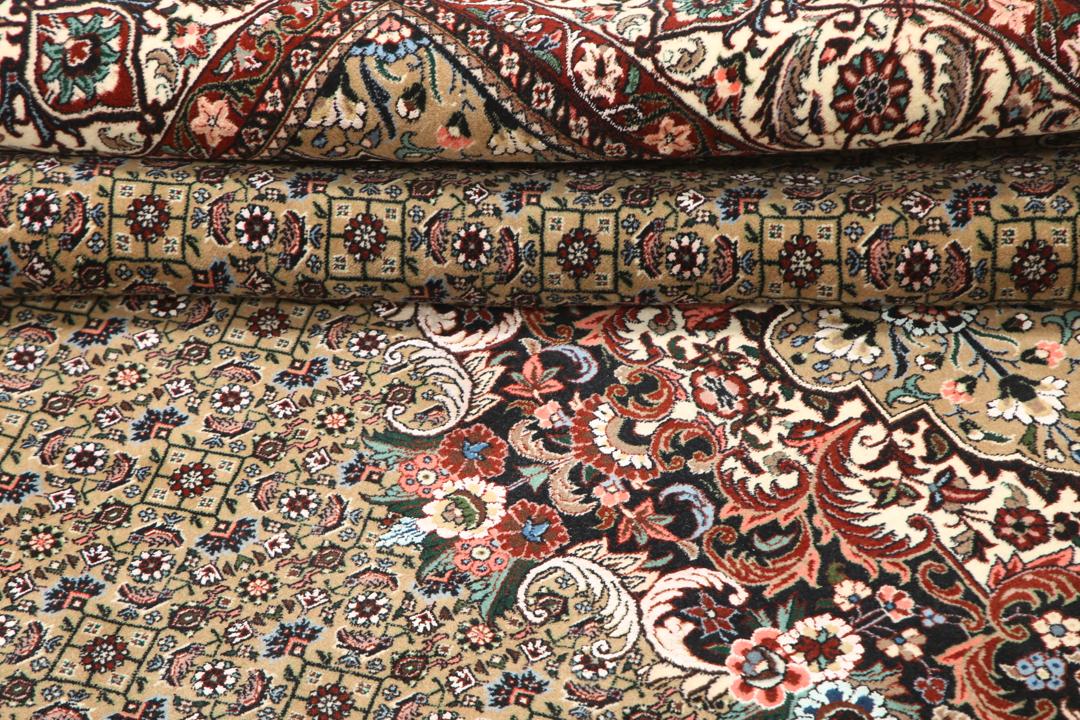
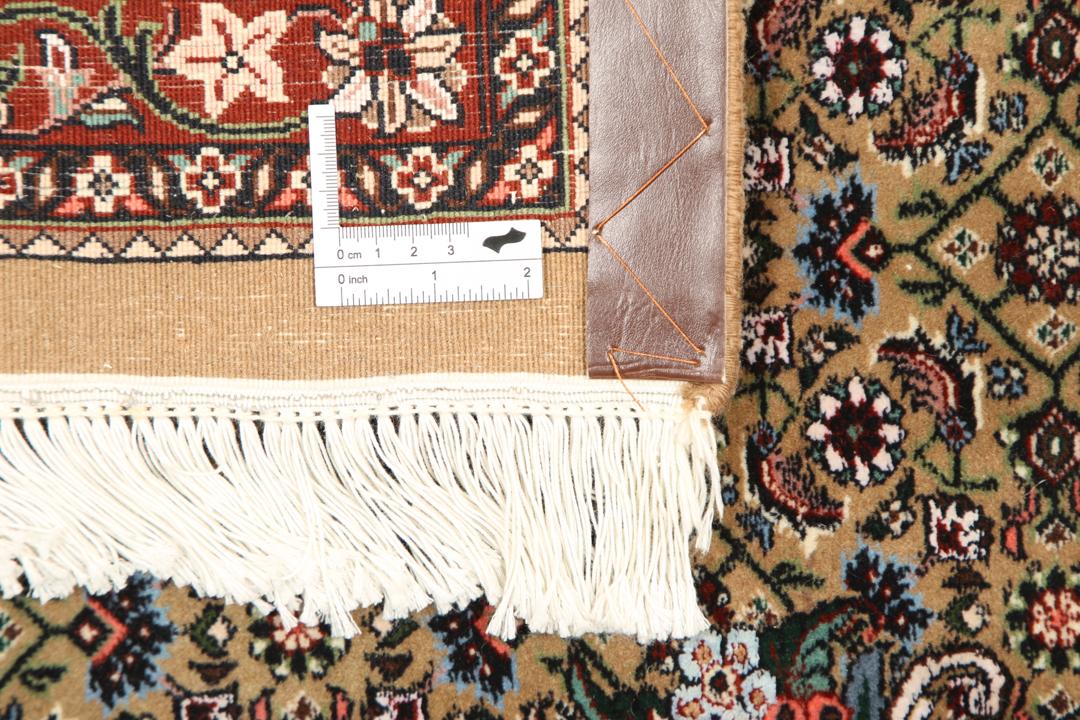
Bidjar rugs are historically recognised as the 'iron rugs of the Middle East' due to their legendary durability and dense, heavy construction. Originating from the Kurdish region of the Middle East, these rugs have earned a reputation for being among the most resilient and long-lasting floor coverings ever produced. The craft is deeply rooted in the cultural identity of the area, reflecting a history of nomadic and village traditions that prioritise both aesthetic beauty and functional strength.
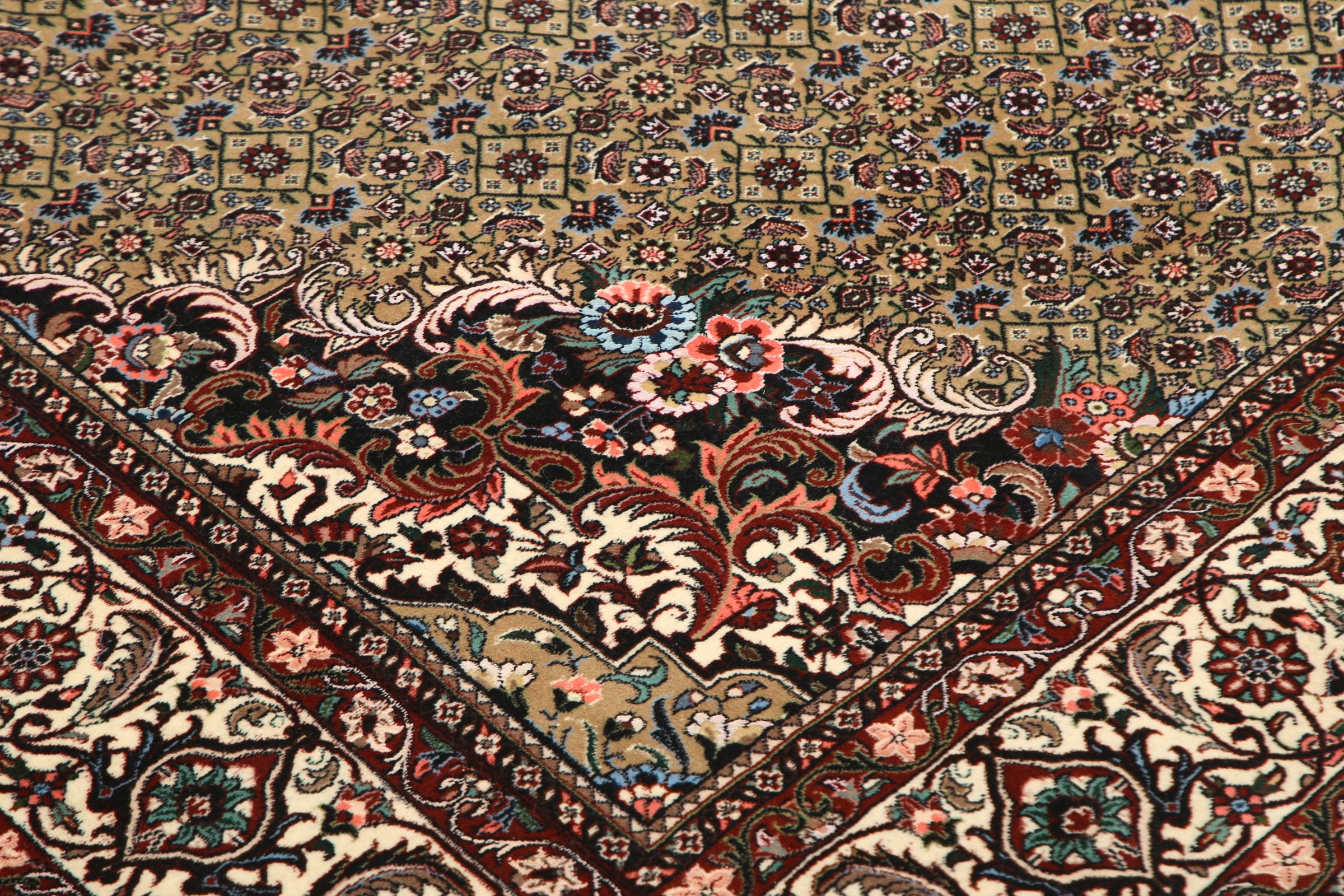
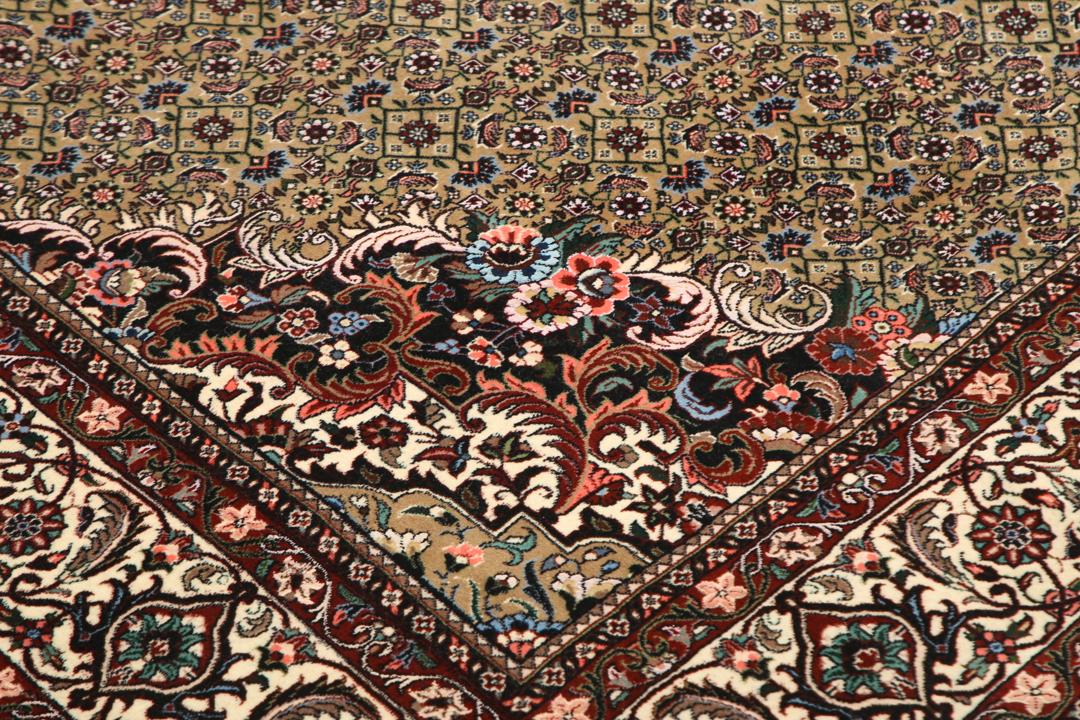
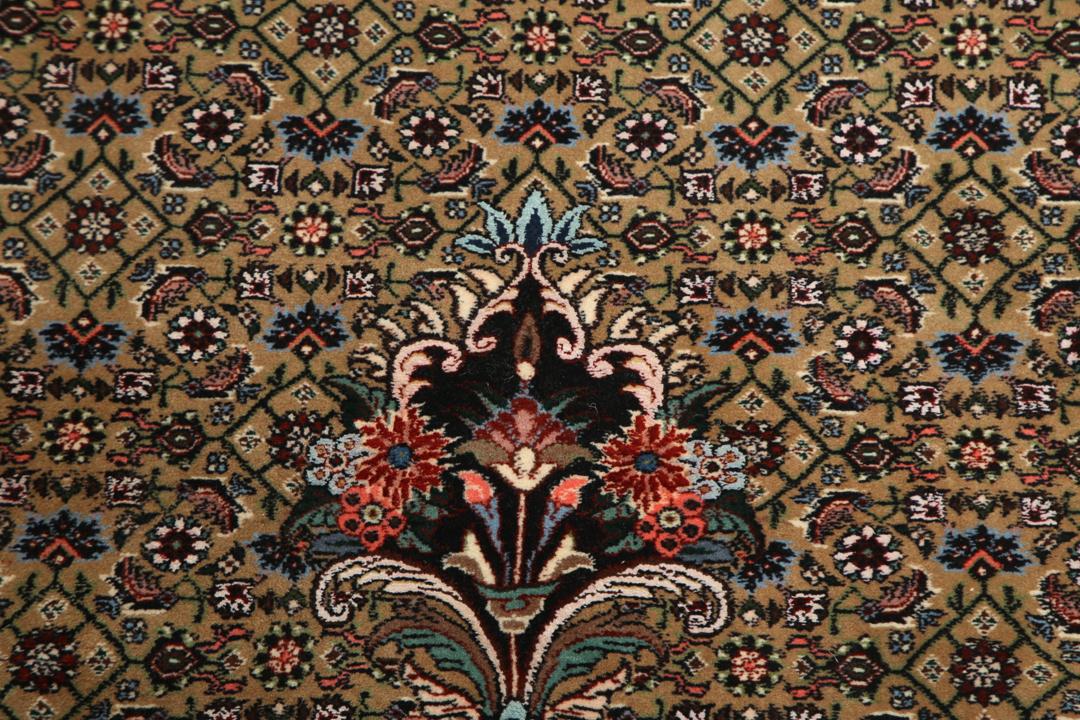
The term 'iron rug' refers specifically to the unique weaving technique employed by the artisans. By using a heavy, wet-weft process, the weavers ensure that the pile is packed so tightly that it stands upright, creating a surface that is exceptionally resistant to wear and tear. This technical mastery is what sets these rugs apart, as it allows for a pile that feels incredibly dense and substantial underfoot, providing a tactile experience that is synonymous with quality.
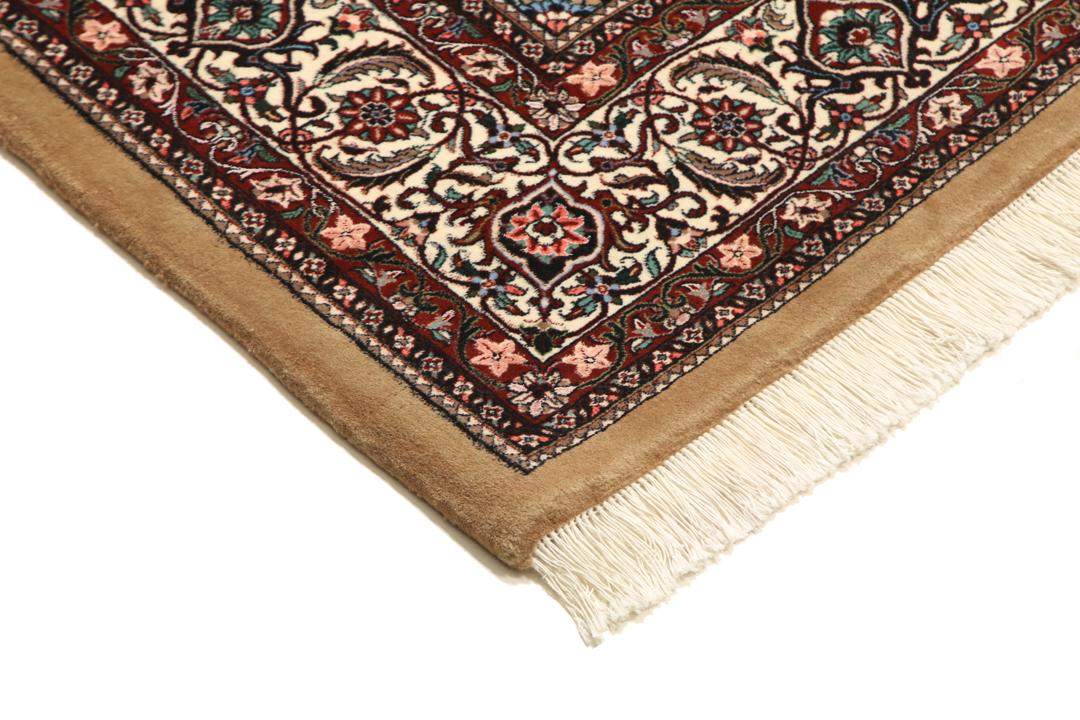
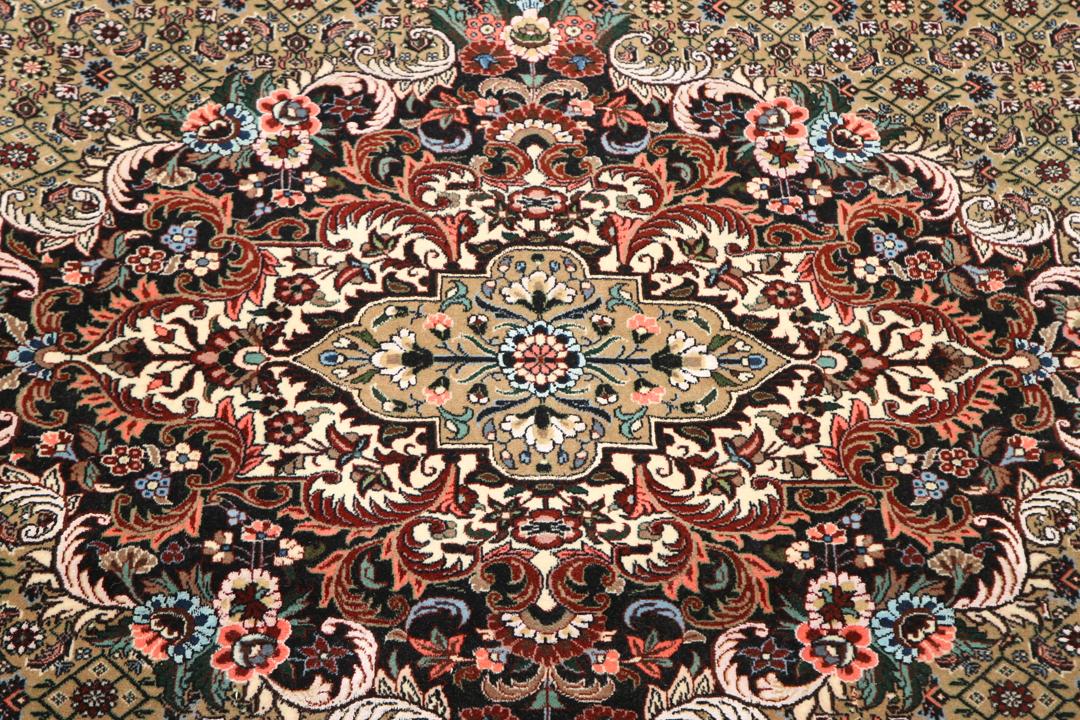
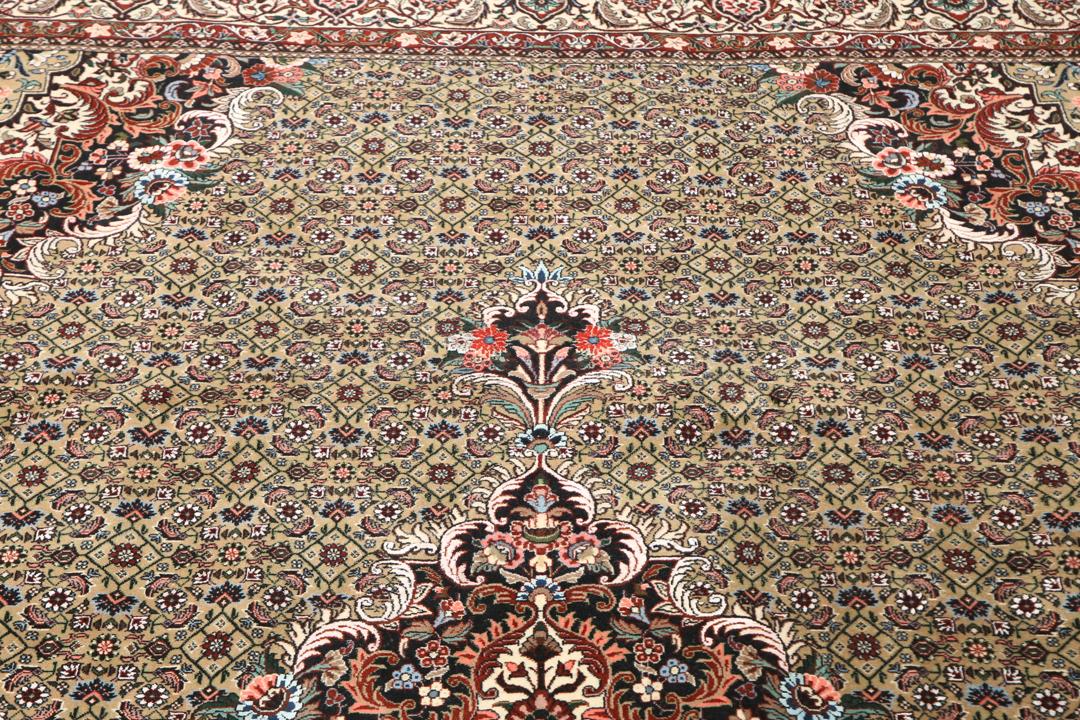
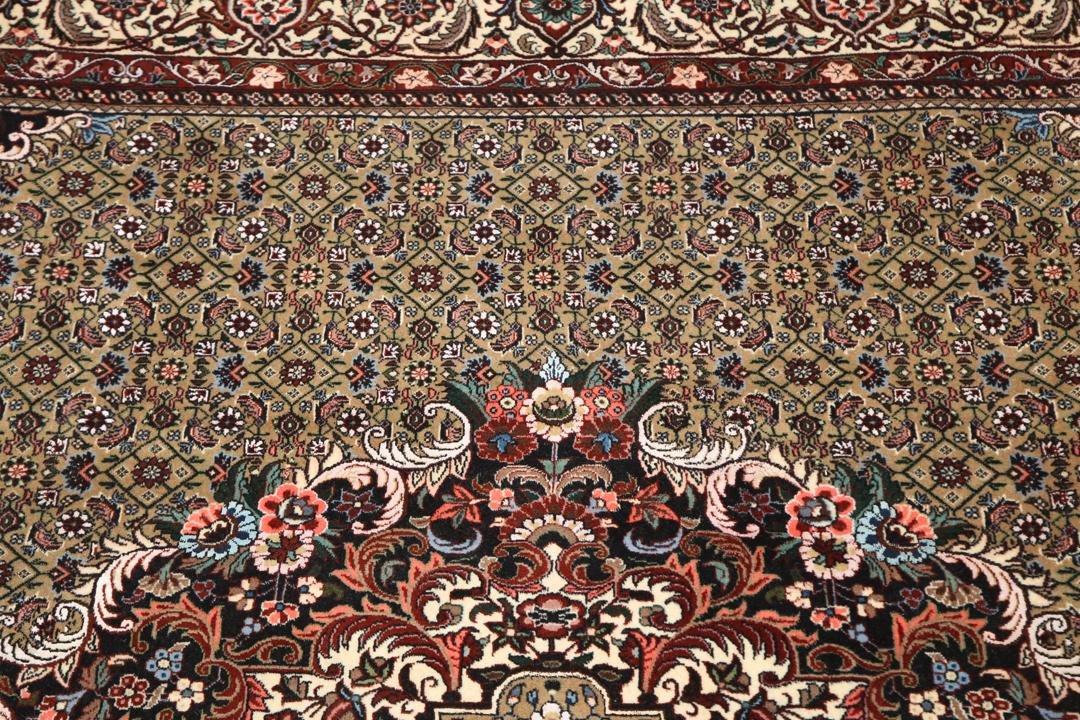
Visually, these rugs are often defined by their bold, geometric, or floral-inspired designs, frequently centred around a prominent medallion. The borders are typically wide and filled with intricate floral patterns that complement the field. While traditional designs often lean into deep reds and blues, many pieces feature a sophisticated use of neutral tones, allowing them to integrate seamlessly into diverse interior styles while maintaining their distinct personality.
For collectors and homeowners alike, owning a piece from this tradition is an act of preserving a rich cultural legacy. These rugs are highly valued for their ability to age gracefully, often becoming more beautiful with time. By choosing a hand-knotted piece, you are not only acquiring a functional item but also participating in a centuries-old story of craftsmanship, skill, and artistic dedication that remains highly relevant today.