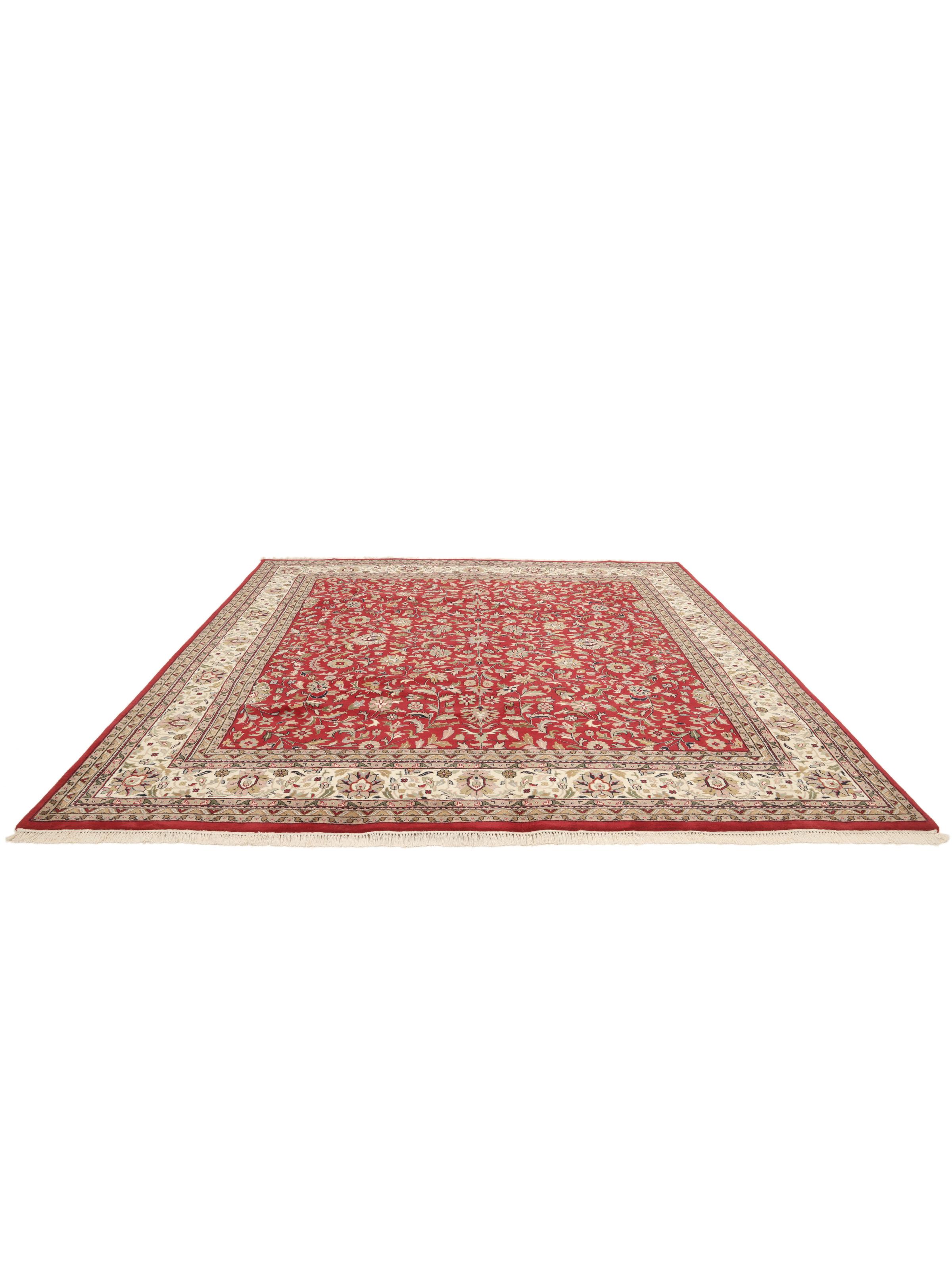
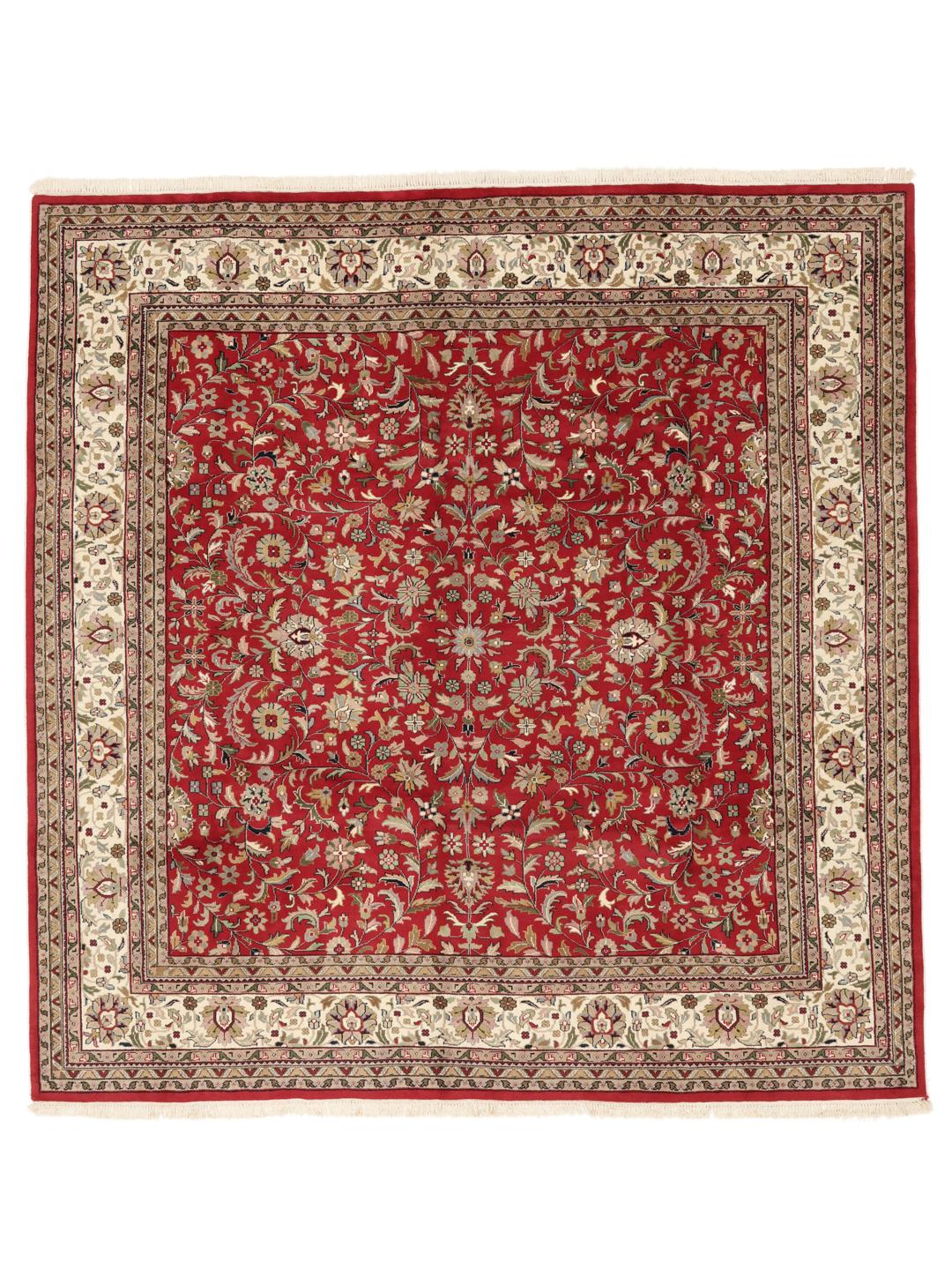
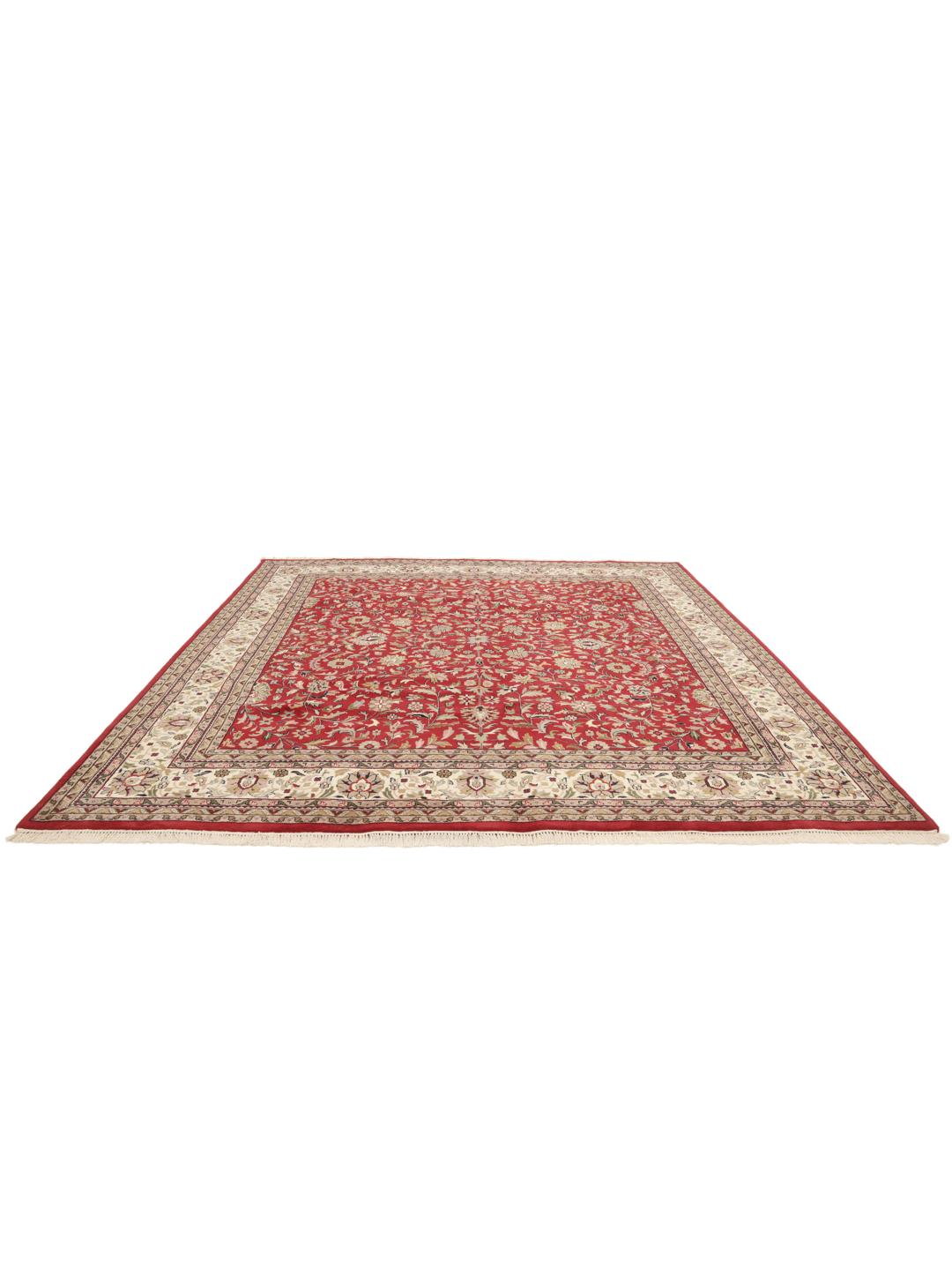
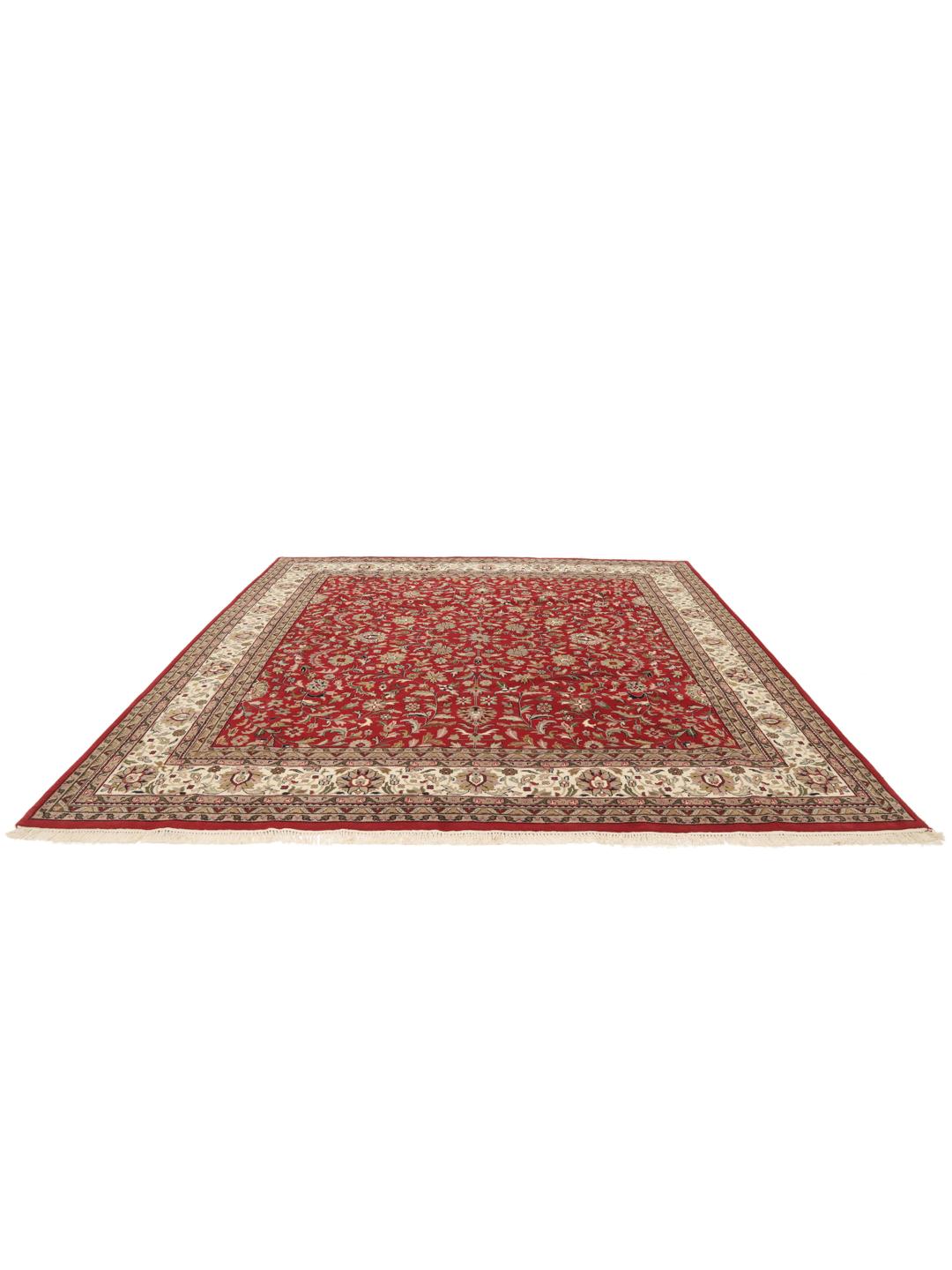
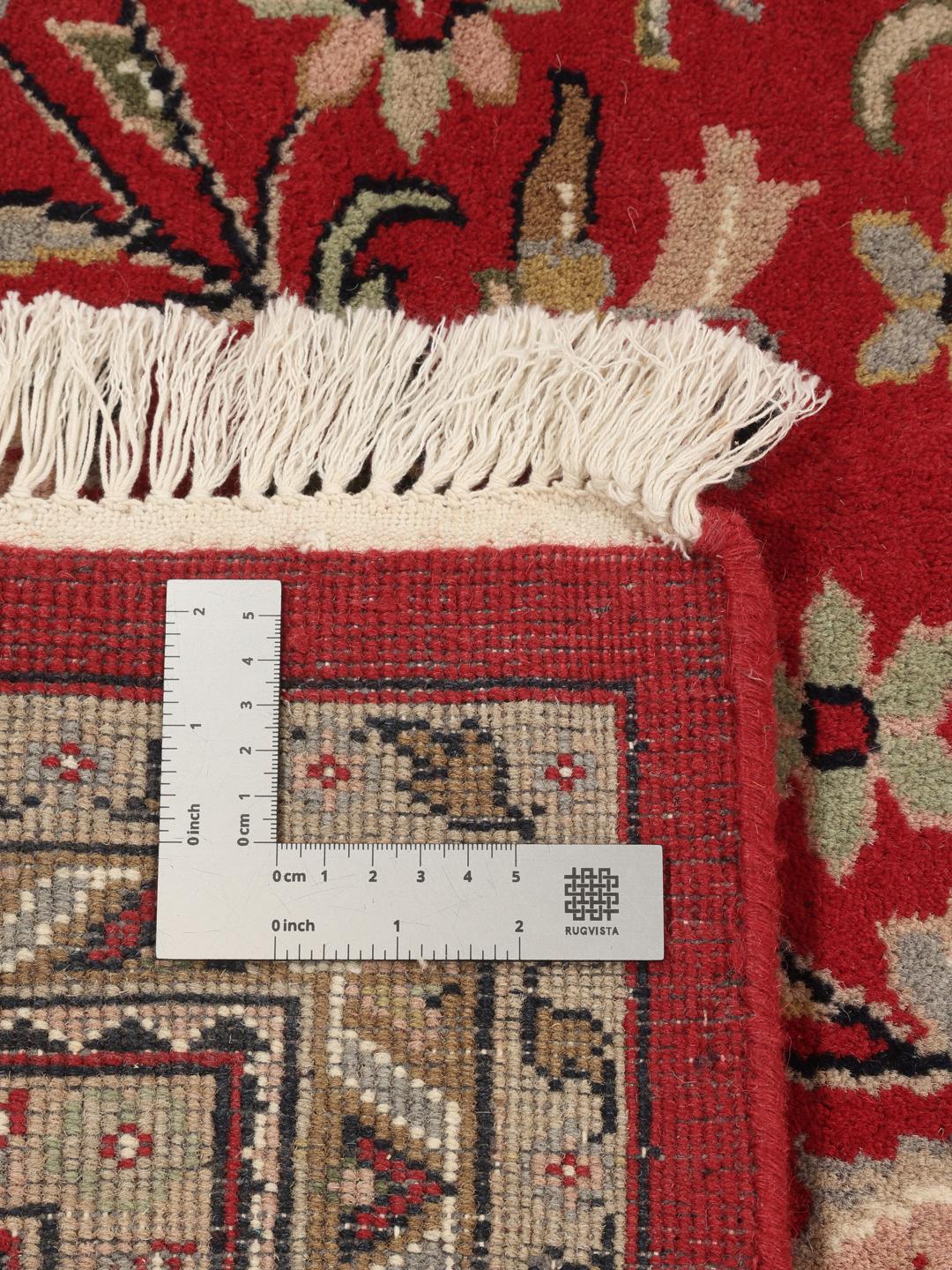
The Bidjar rug tradition is renowned for its exceptional durability and is often referred to as the iron rug of the Middle East. Originally developed by the Kurdish weavers in the town of Bidjar, these rugs are celebrated for their dense construction and robust materials. While the tradition has evolved over time, its roots remain firmly planted in the history of nomadic and village weaving, where rugs were designed to withstand the rigours of daily life.
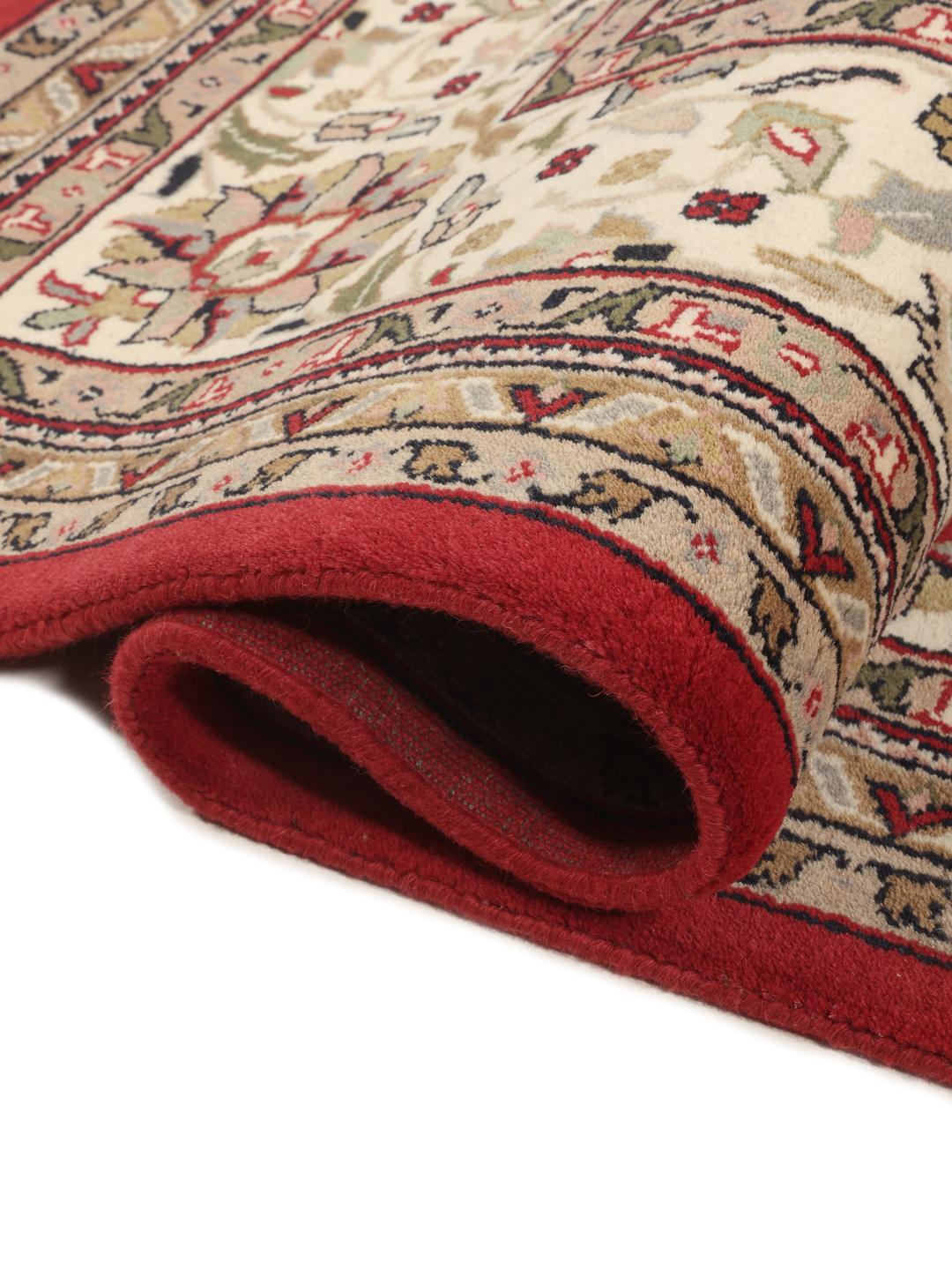
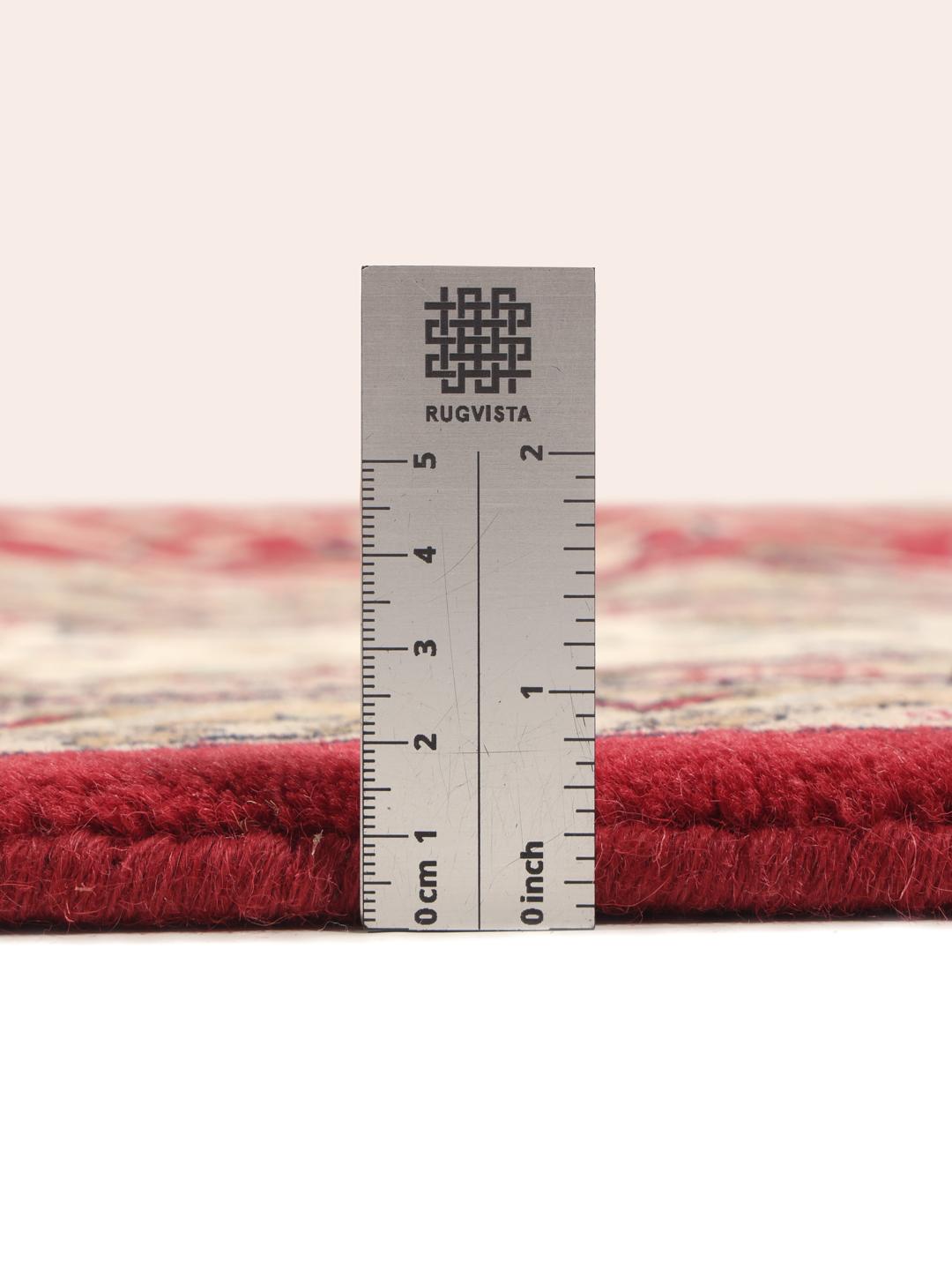
The term Bidjar refers to a specific style of construction known for its unique, tight knotting. This technique involves using a heavy, wet foundation during the weaving process, which, once dried, results in an incredibly dense and sturdy pile. This structural integrity is what makes these rugs famous for their ability to remain beautiful even after decades of heavy use.
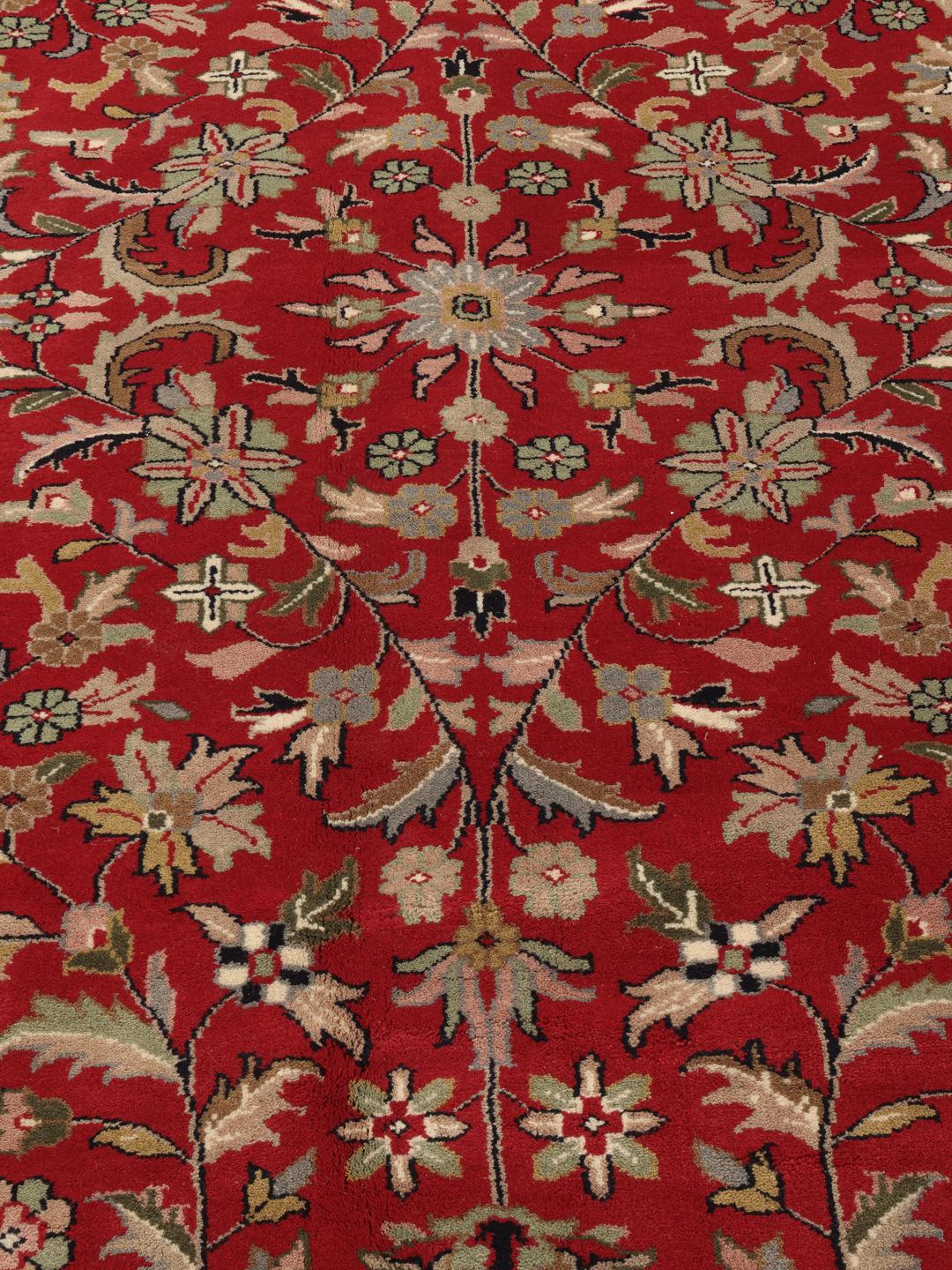
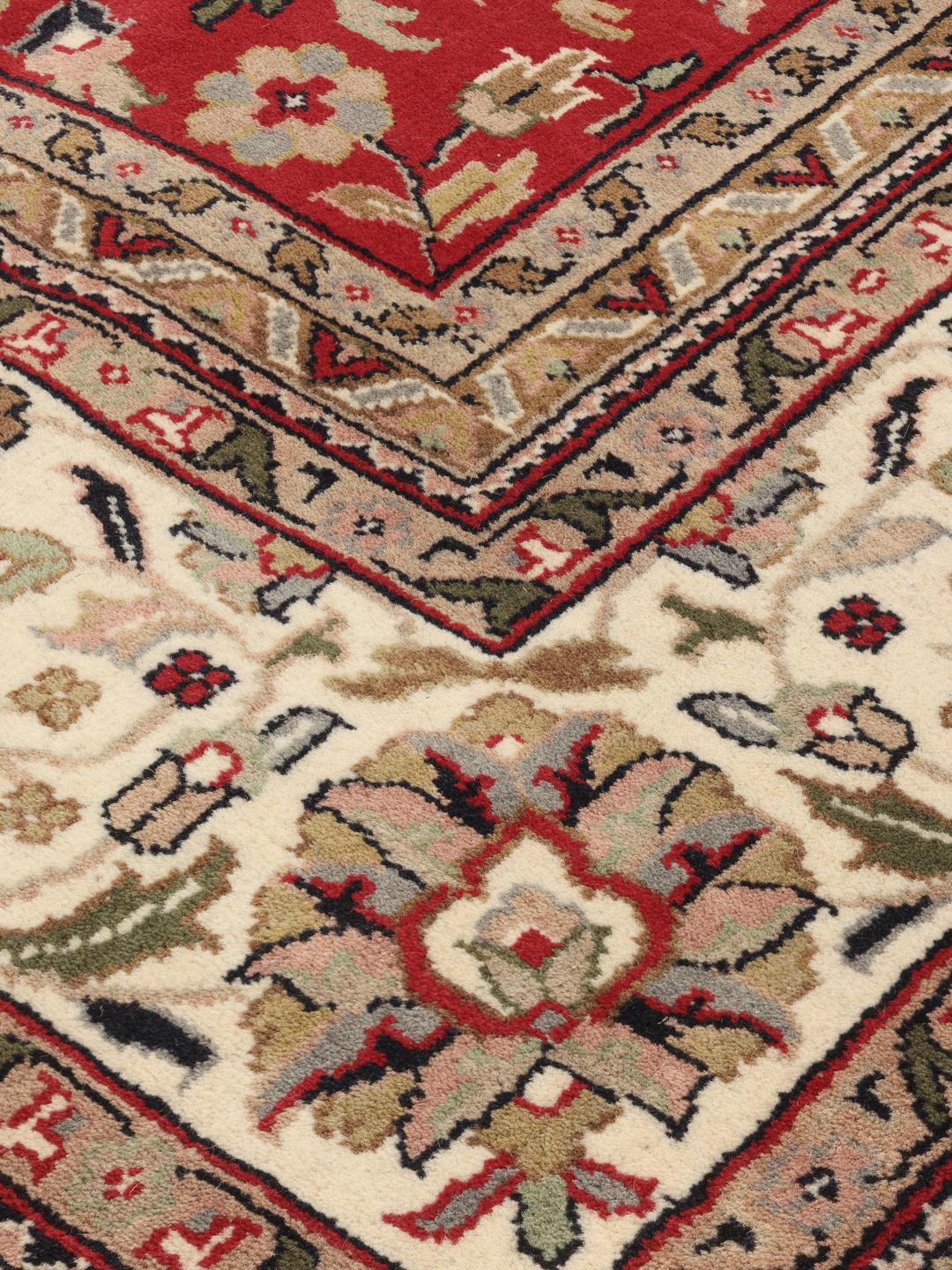
Visually, Bidjar rugs are characterised by their bold, often intricate floral patterns or the classic Herati design. The motifs are typically arranged in a balanced, symmetrical fashion, framed by elaborate borders that define the field. The use of deep, resonant colours is a hallmark of the style, often featuring vibrant reds, blues, and earthy tones that provide a rich visual depth.
Owning a rug from this tradition is an investment in a legacy of skill and cultural expression. Collectors value these pieces not only for their striking beauty but for the historical context they represent. By bringing a piece of this tradition into your home, you are continuing a long-standing appreciation for the artistry and resilience that define this storied craft.