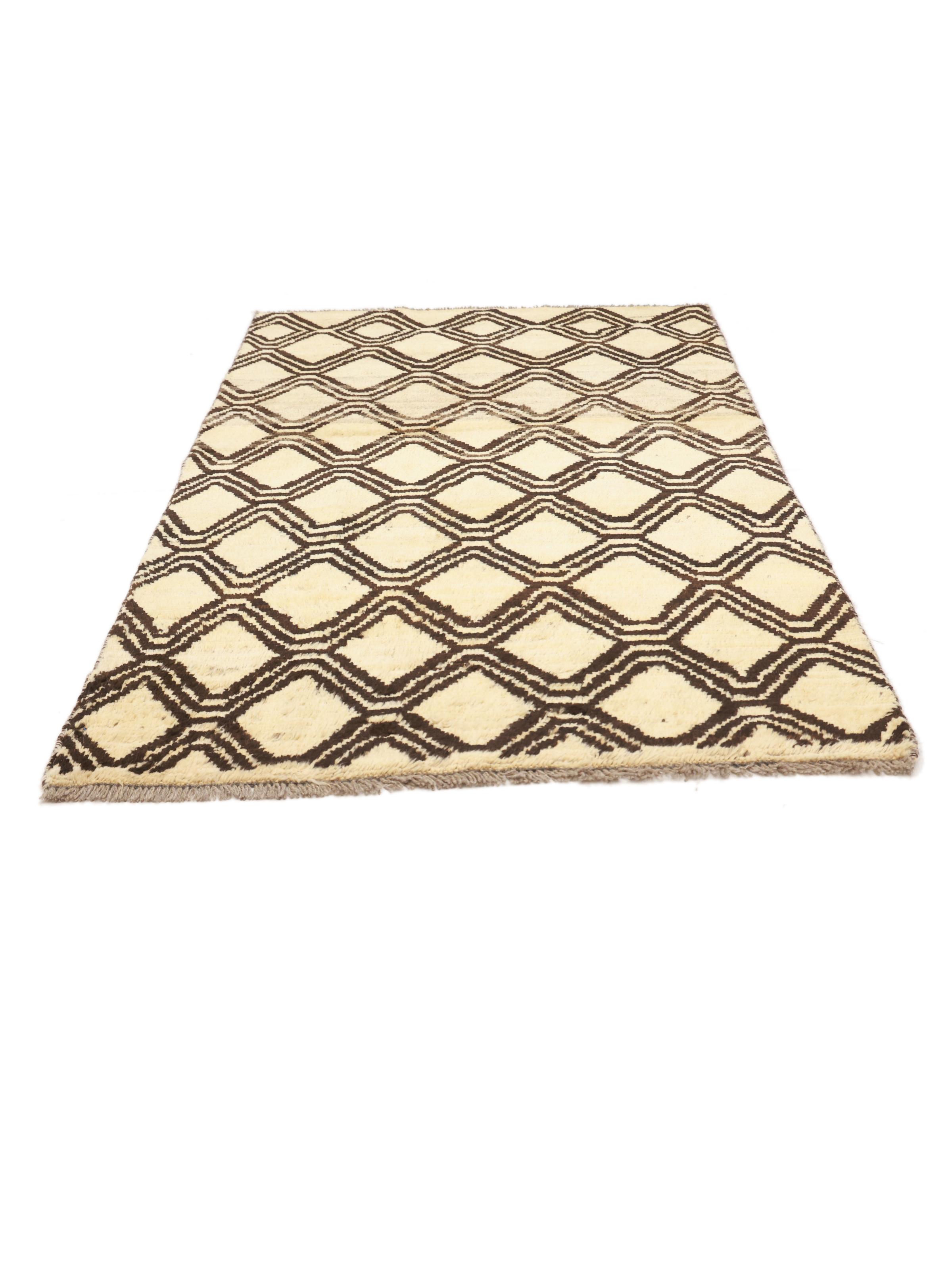
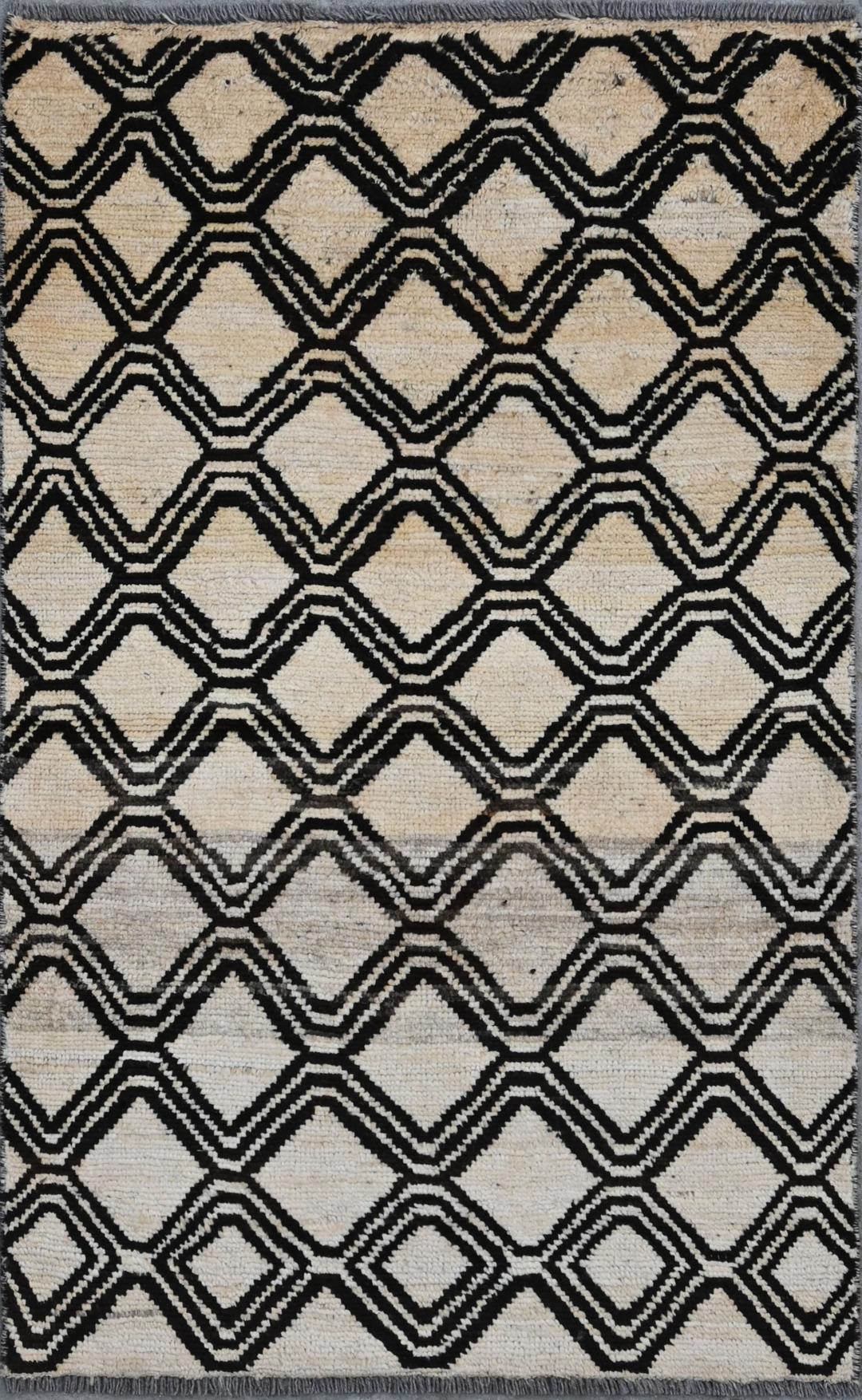
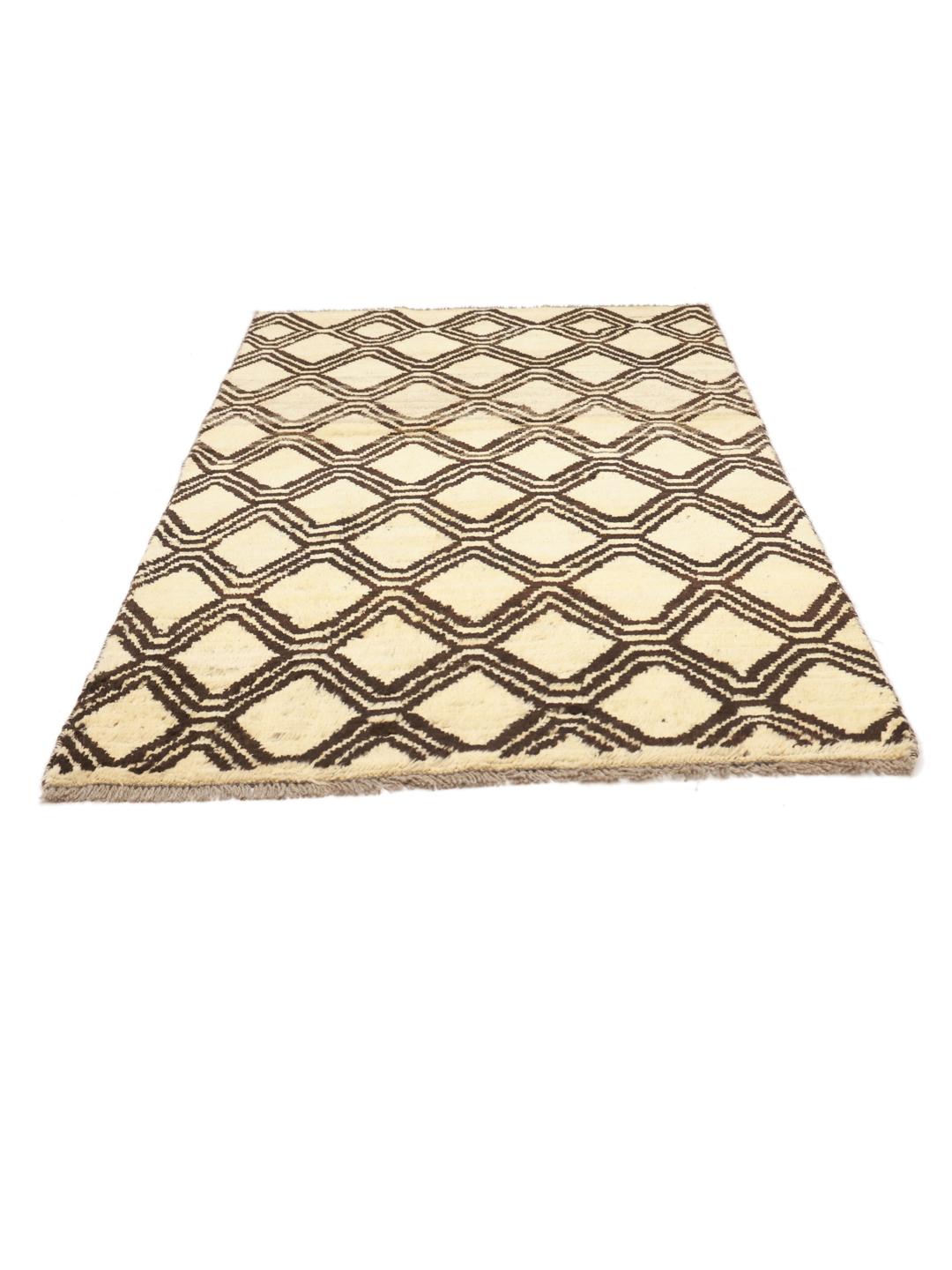
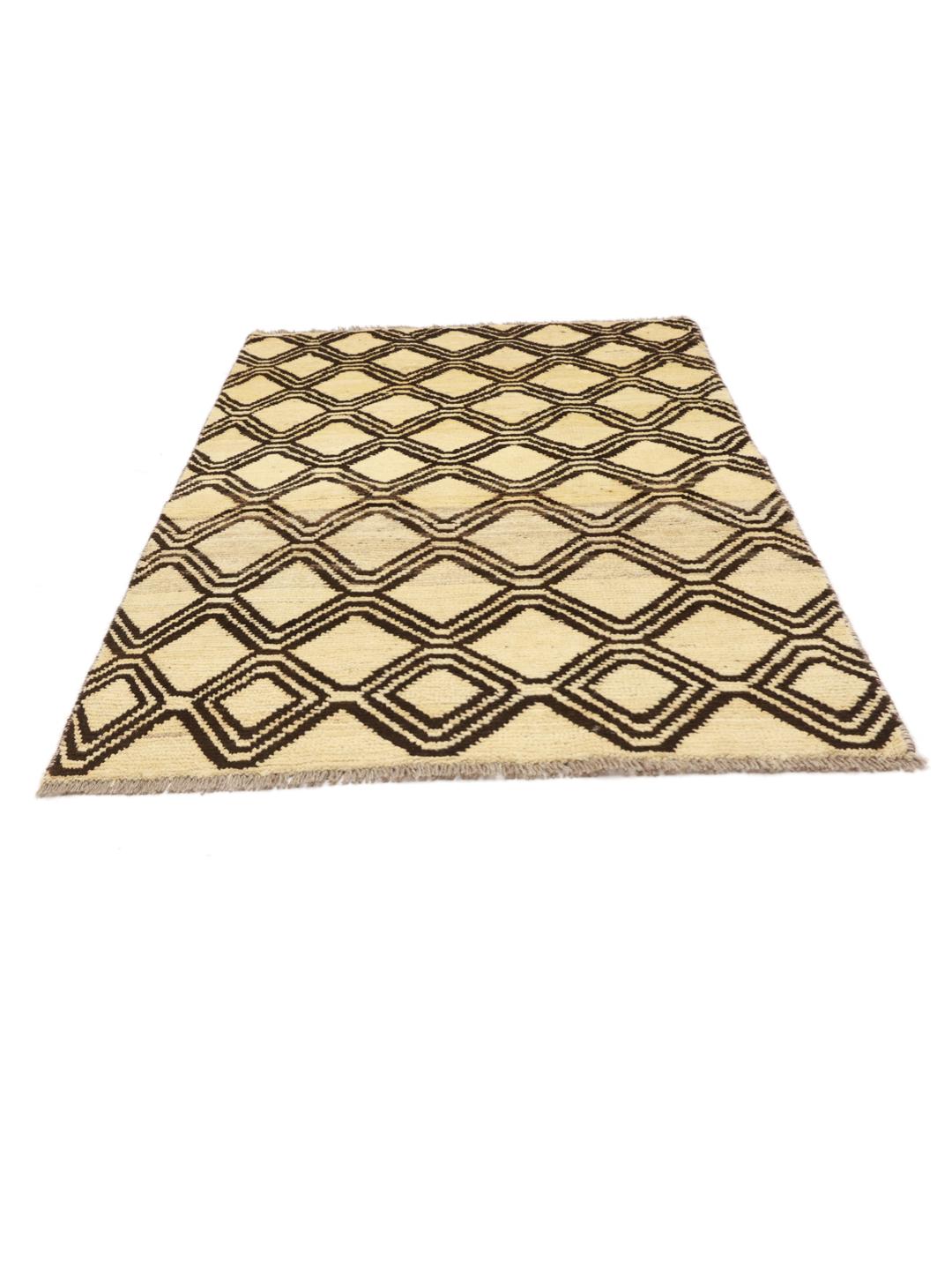
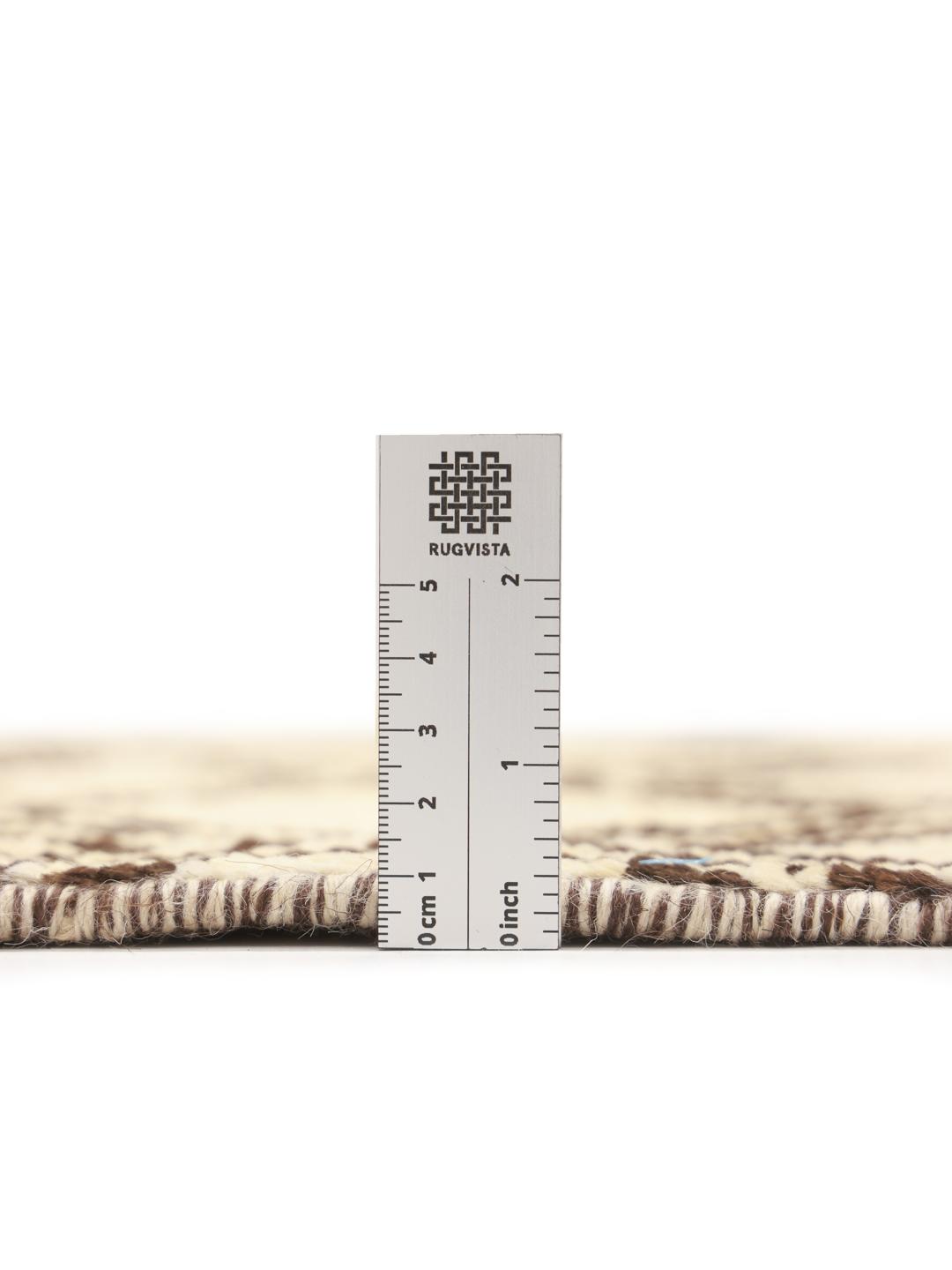
The Berber-style rug tradition is deeply rooted in the mountainous regions of North Africa, where nomadic tribes historically wove textiles for functional use in tents and homes. These rugs were characterised by their thick, high-pile wool, which offered essential insulation against harsh mountain climates. Over time, the aesthetic and construction methods travelled along global trade routes, inspiring artisans in regions like Afghanistan to adapt these traditions using their own local materials and design sensibilities.
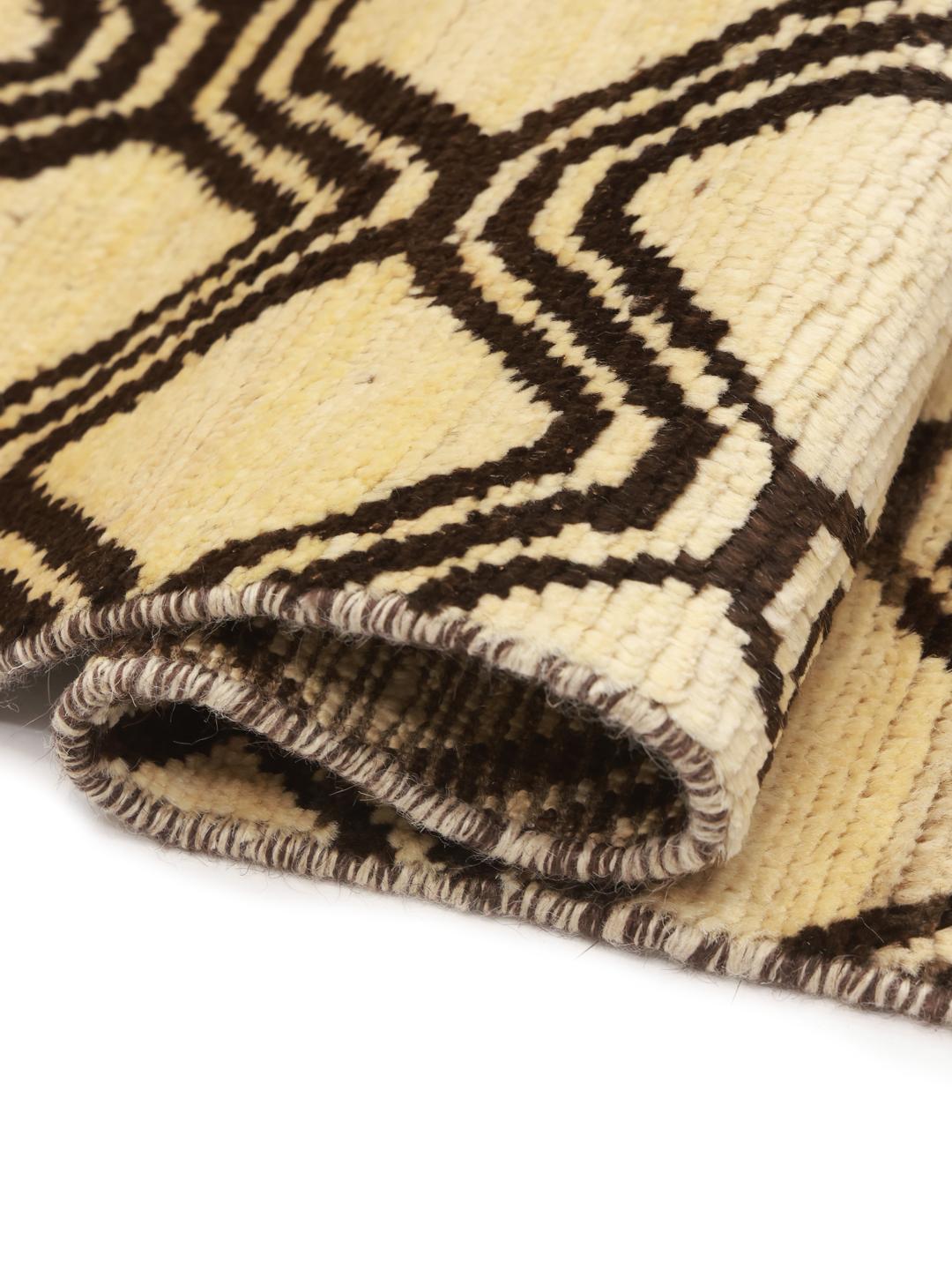
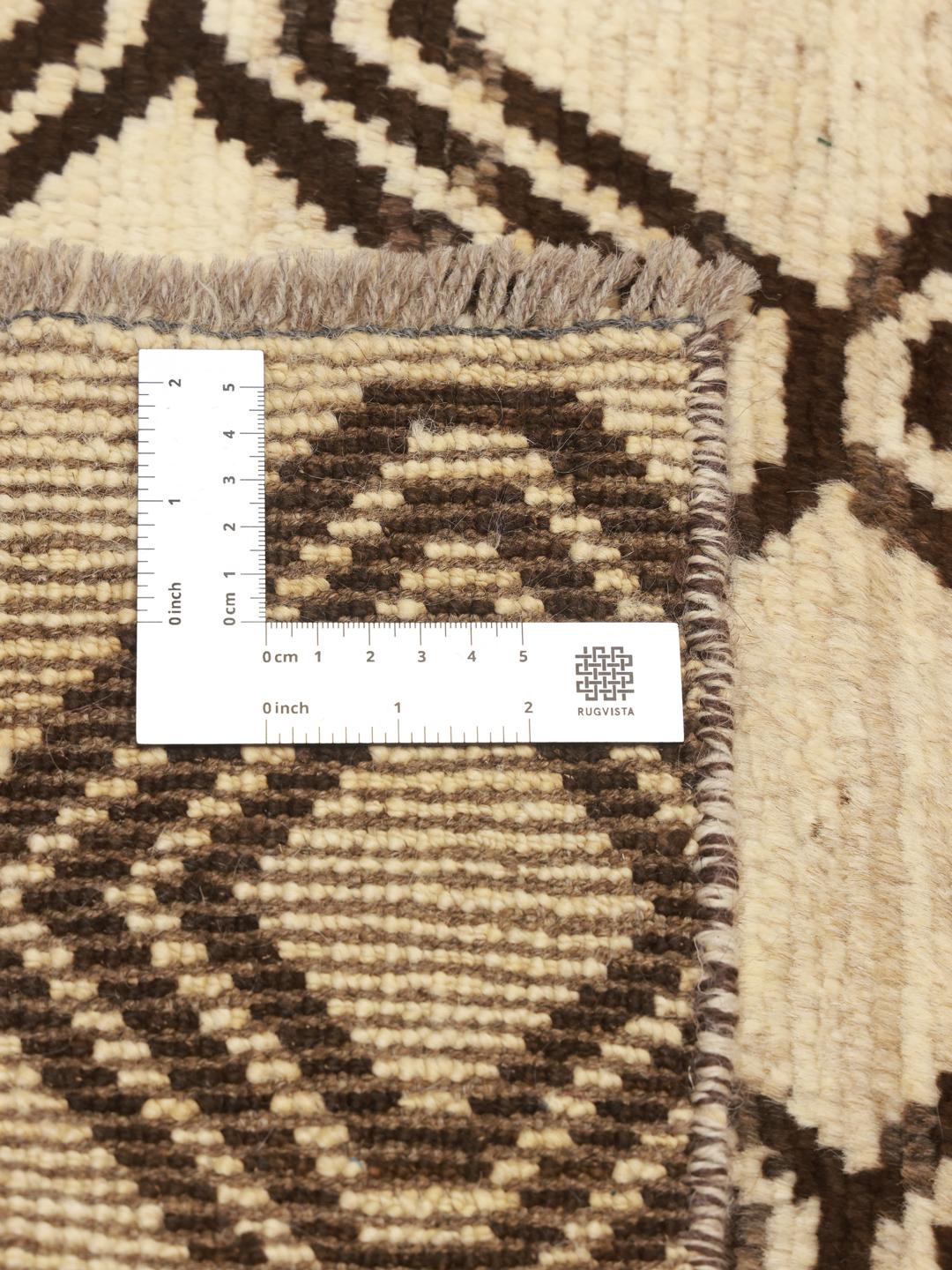
The term 'Berber' refers to the cultural heritage of the indigenous people of North Africa, but in the world of rug making, it has become synonymous with a specific aesthetic of simplicity, geometric honesty, and plush texture. The construction often involves using a sturdy foundation, which ensures the longevity and structural integrity of the piece. For the modern home, this means a rug that is both visually striking and physically durable, capable of withstanding years of use.
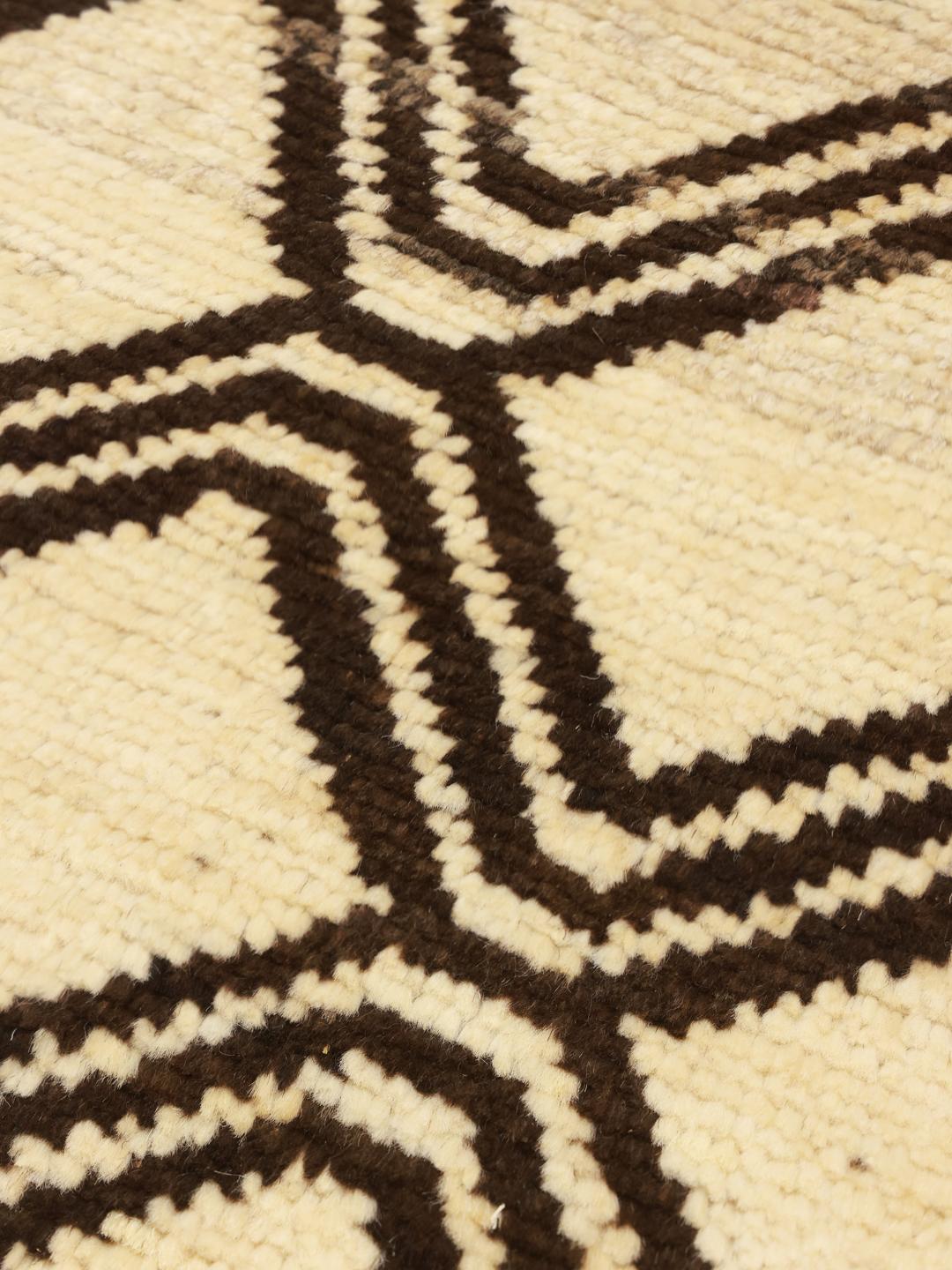
Visually, these rugs are defined by their minimalist yet bold patterns. While many traditional versions feature ivory fields with dark, abstract lines, the Afghan interpretation often incorporates more precise geometric arrangements. The use of natural, undyed or minimally processed wool allows the material's innate texture to shine through, creating a surface that is as pleasing to the touch as it is to the eye.
Collecting a rug from this tradition is an investment in human skill and cultural continuity. Each piece serves as a bridge between ancient techniques and contemporary design, offering a warmth that mass-produced items cannot replicate. By choosing this rug, you are preserving a legacy of craft and bringing a piece of global textile history into your personal sanctuary.