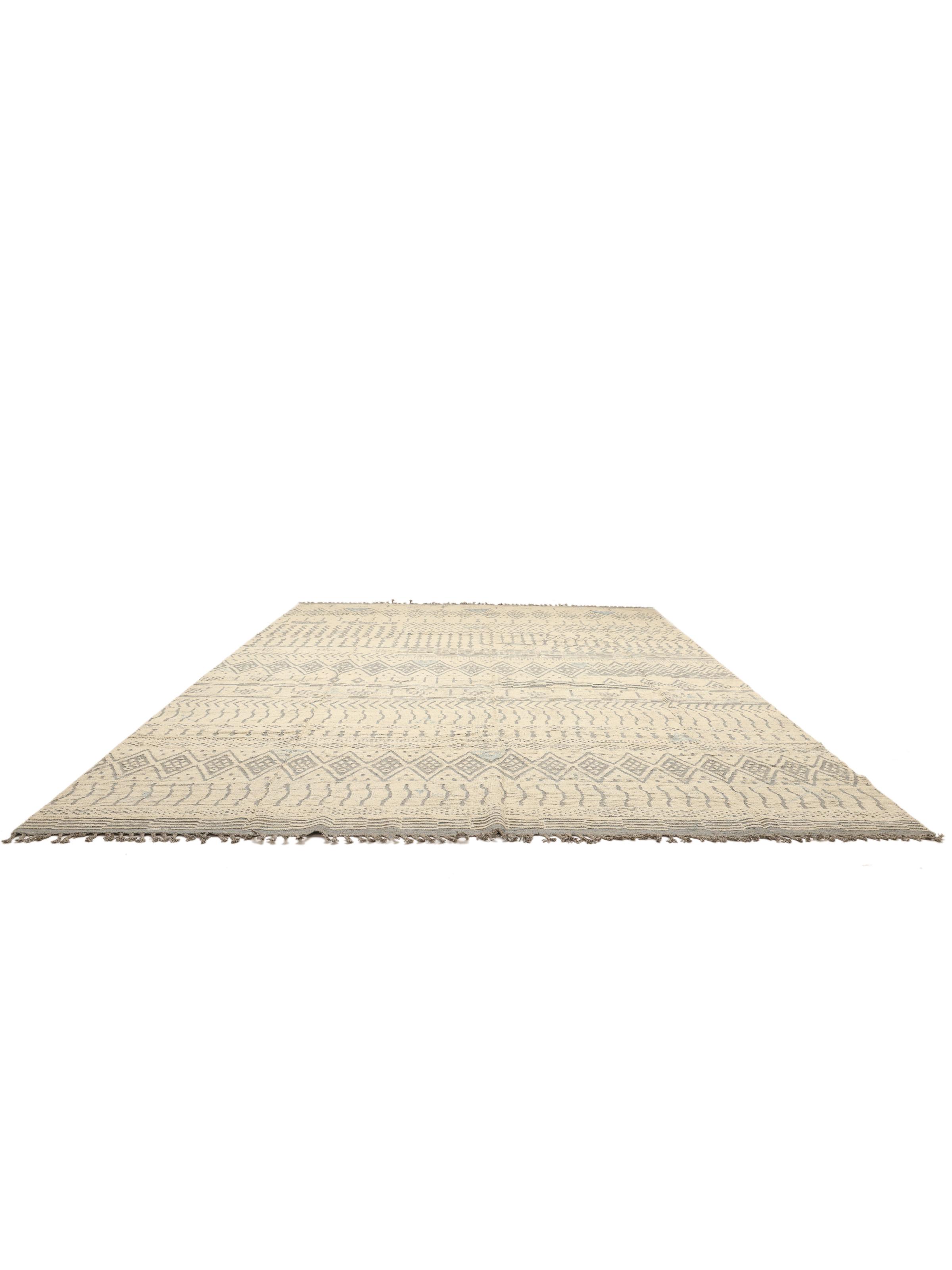
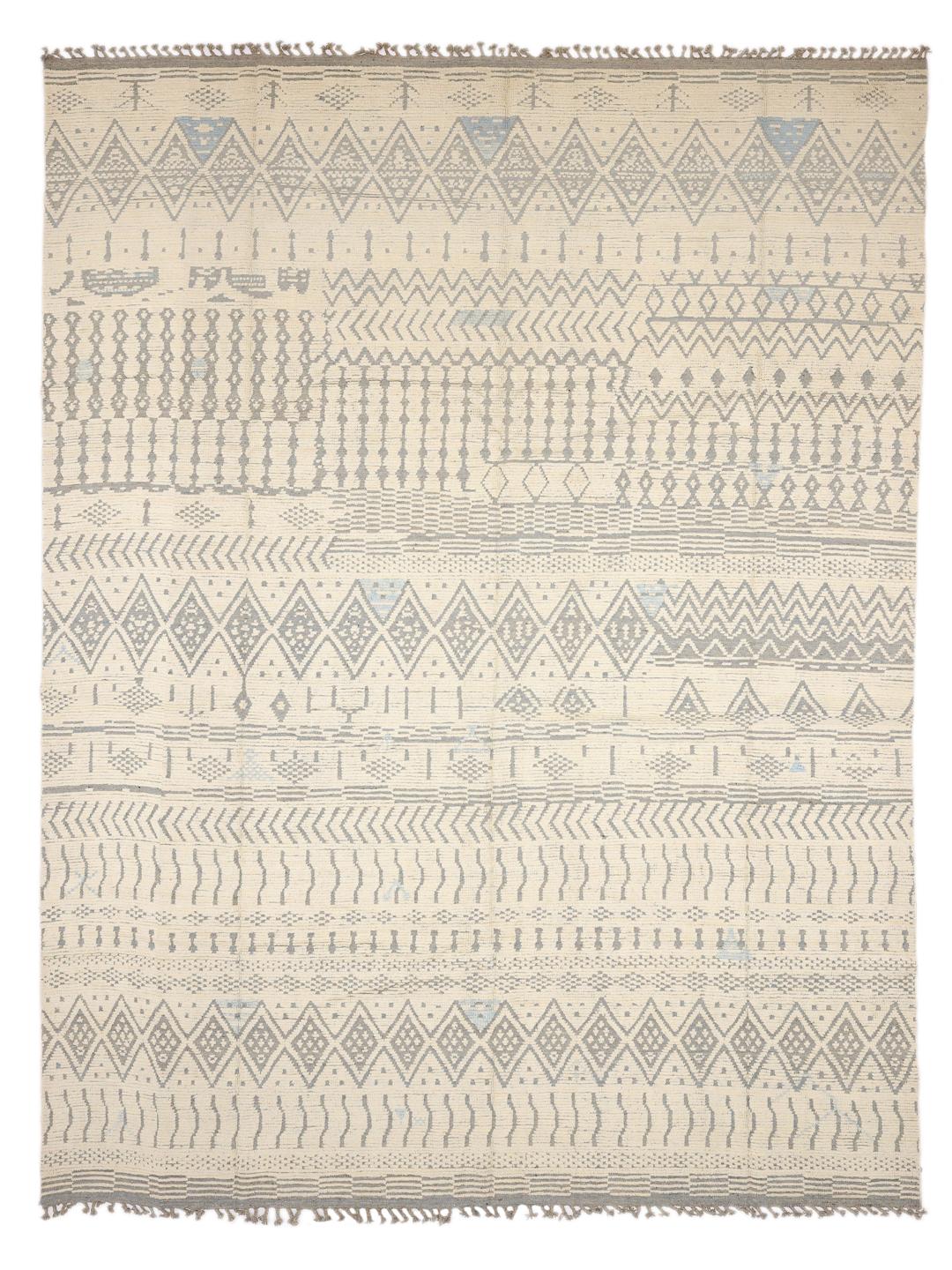
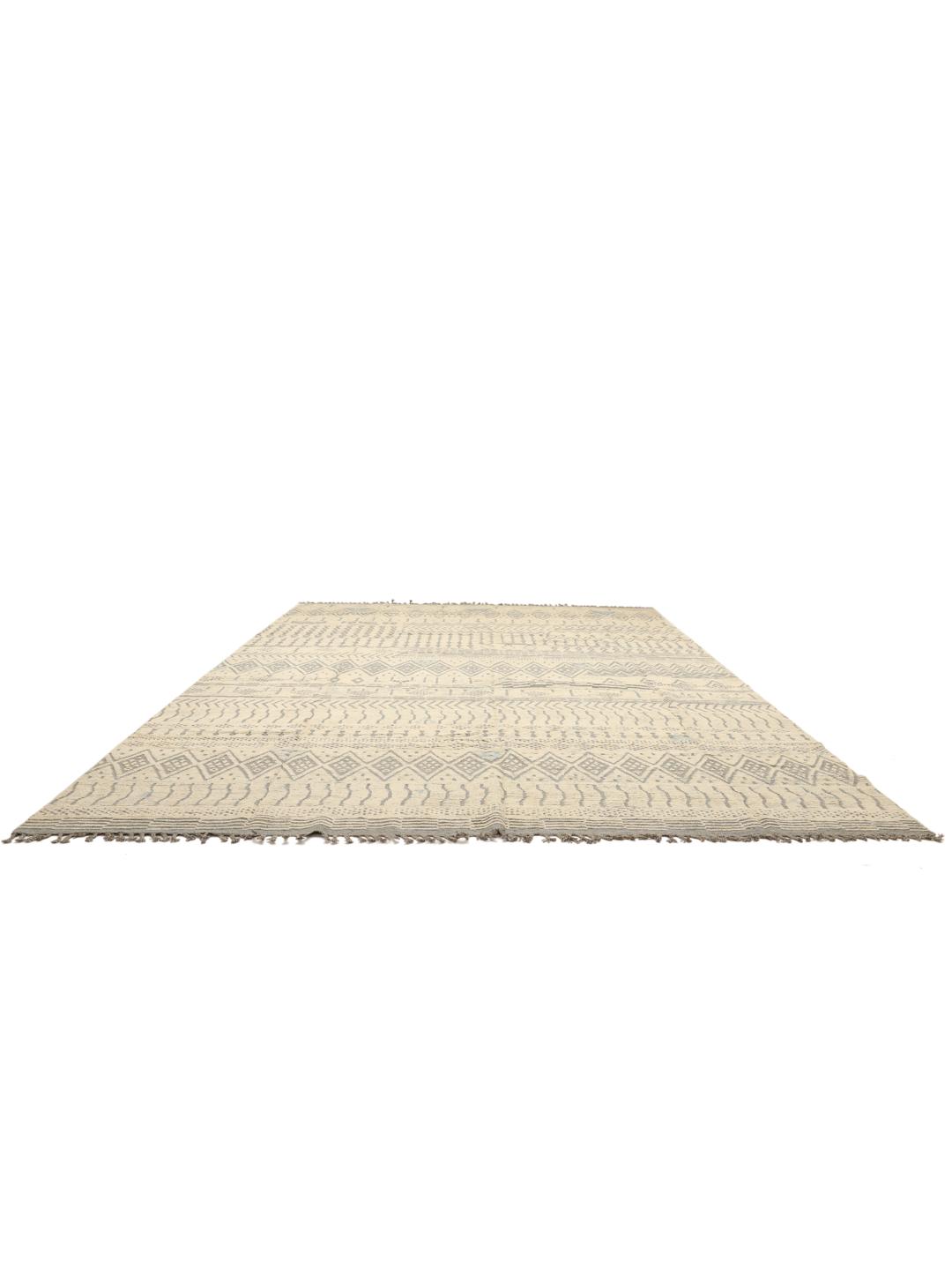
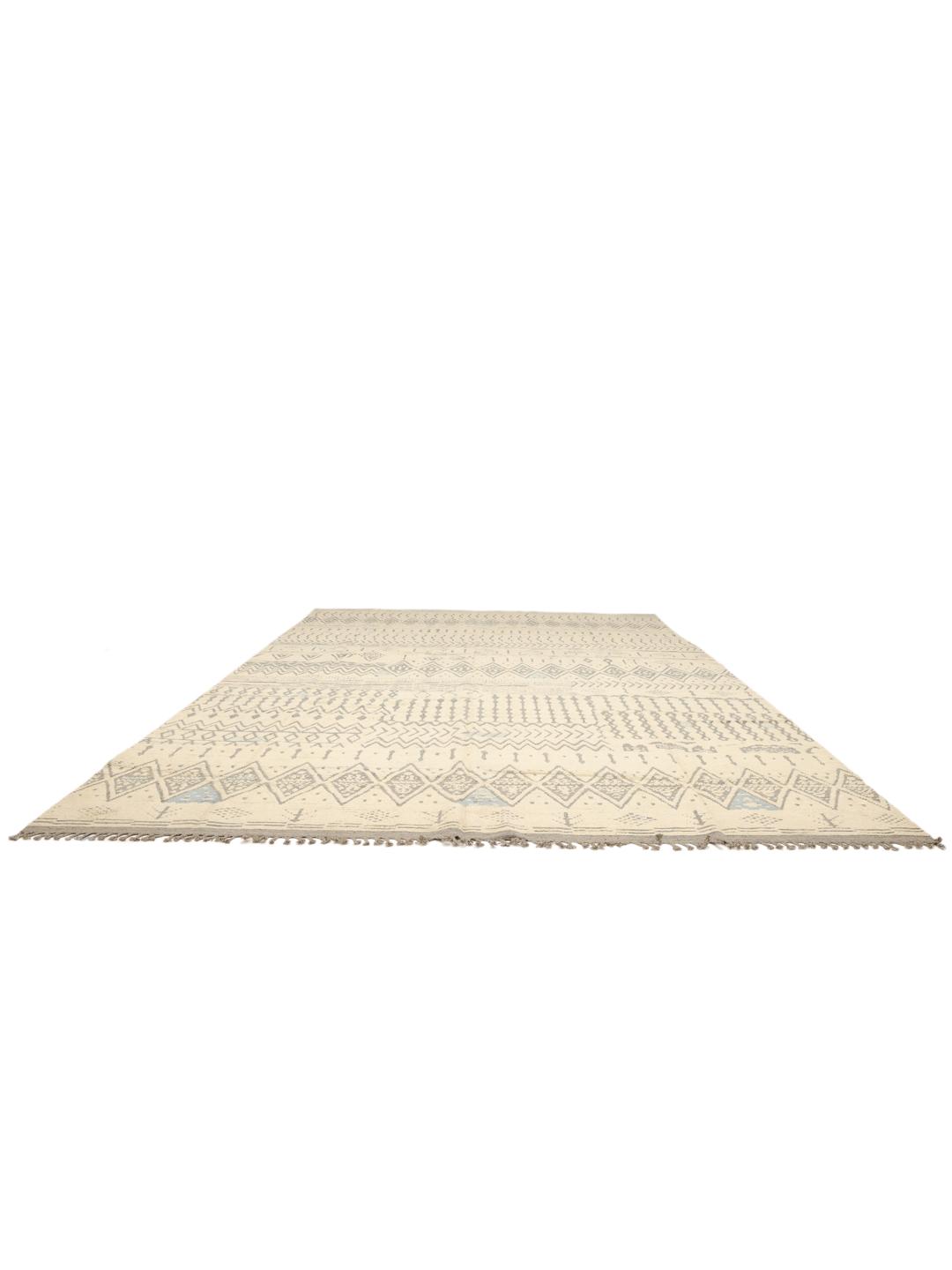
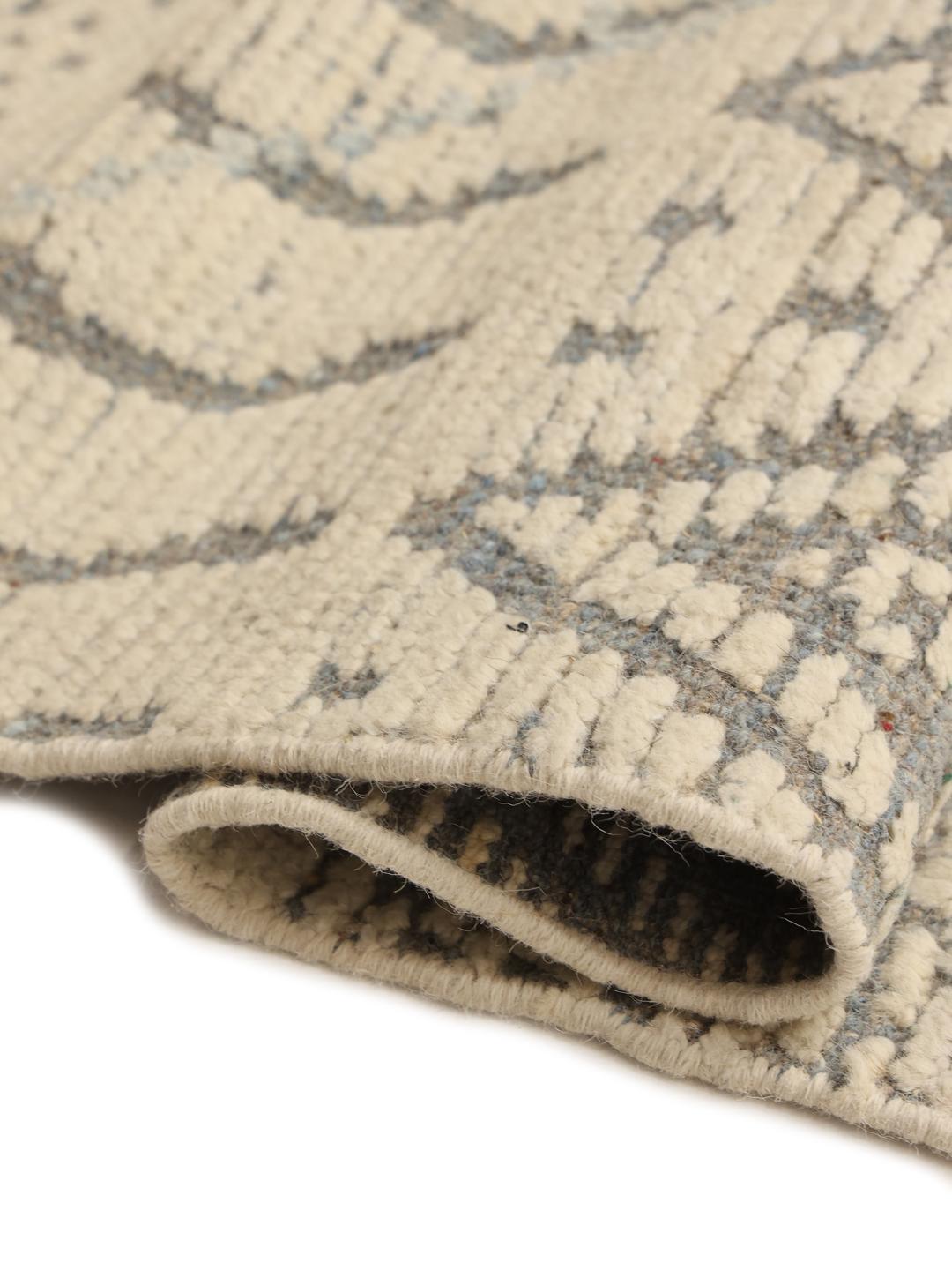
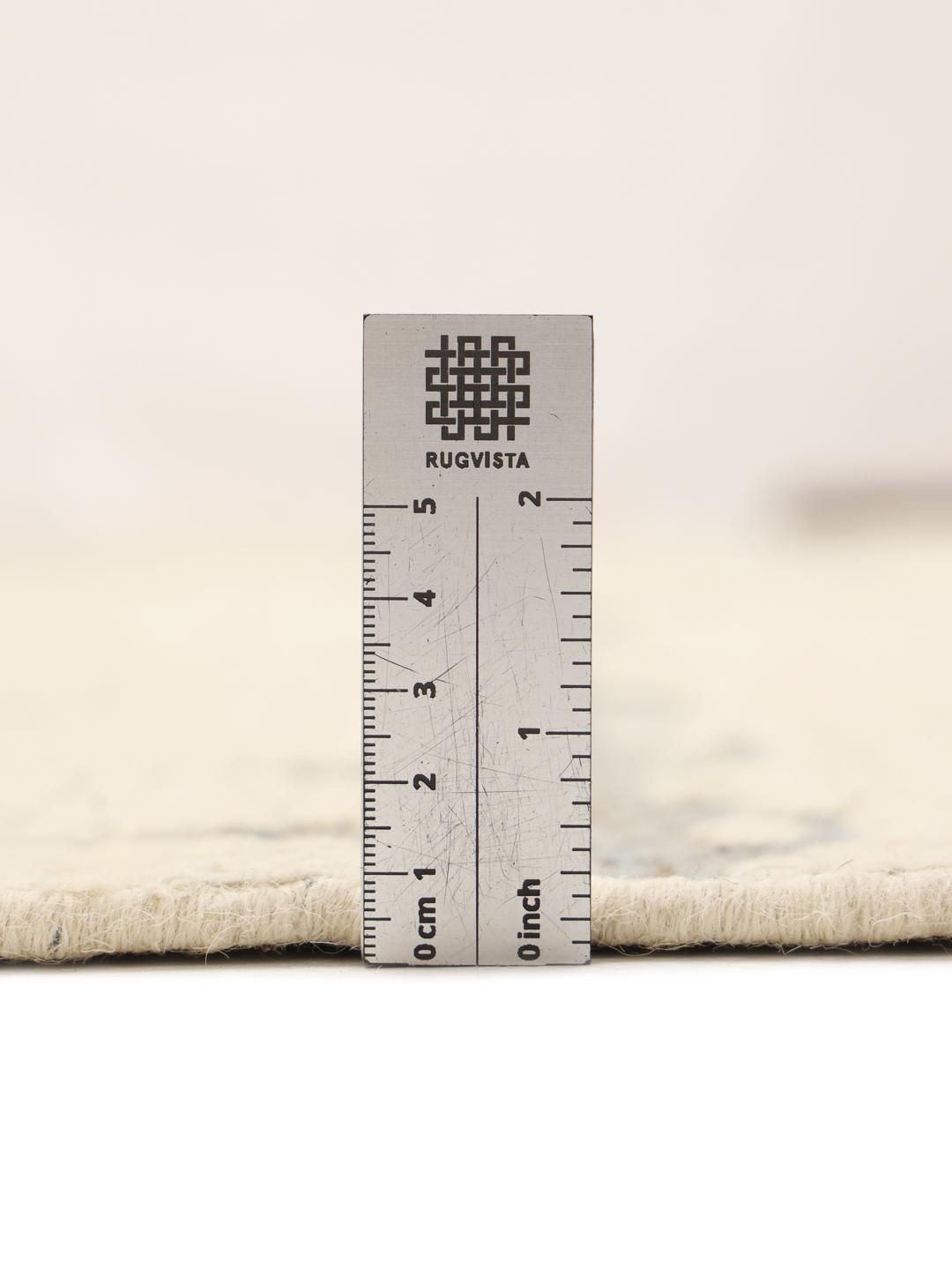
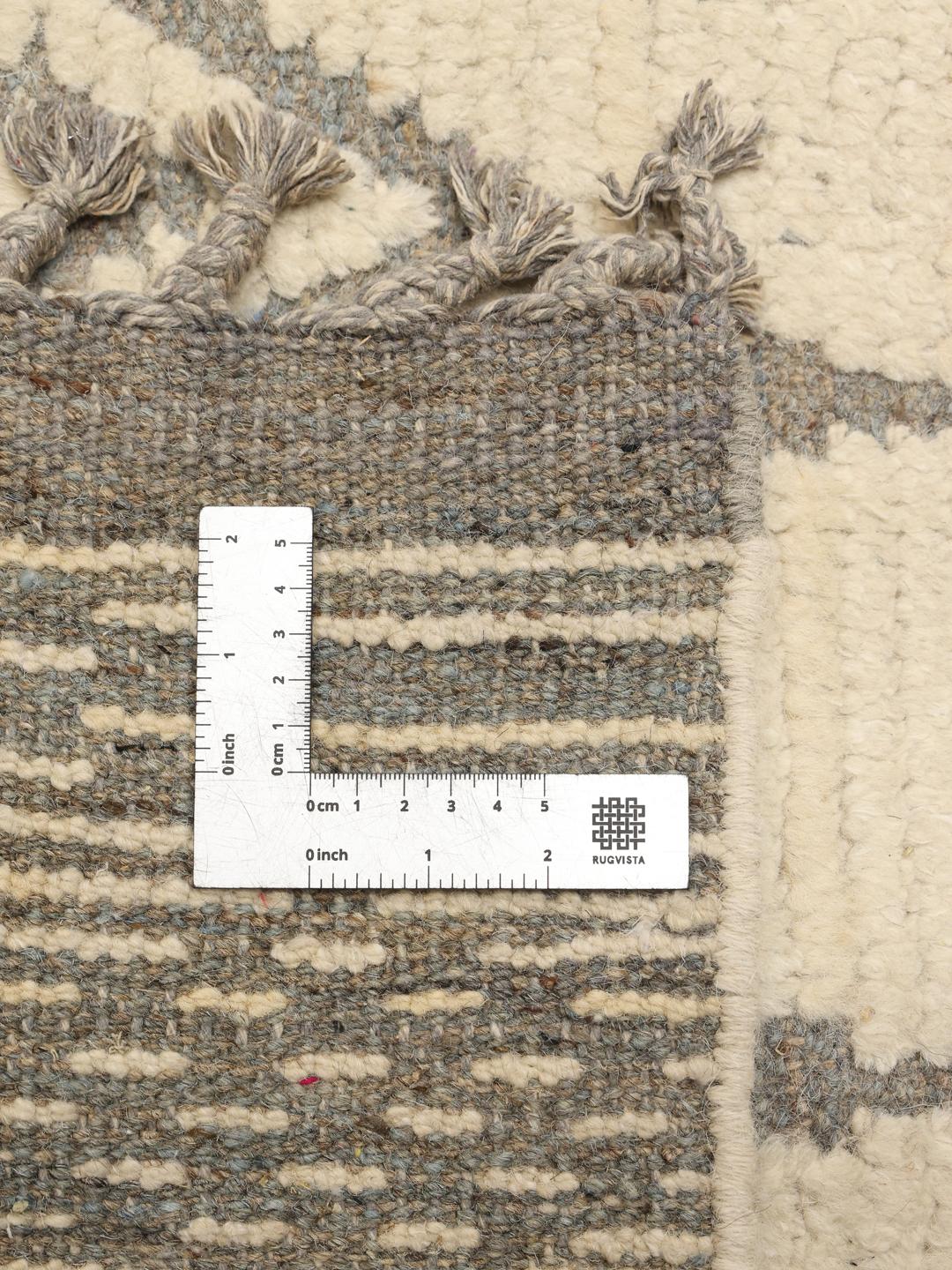
Berber-inspired rugs from Afghanistan represent a fascinating evolution in rug-making traditions. While the original Berber style is deeply rooted in the Atlas Mountains of North Africa, Afghan weavers have adapted these distinctive, minimalist aesthetics to reflect their own rich history of textile production. This cross-cultural influence has resulted in a unique category of rugs that blend the raw, tribal charm of the North African originals with the refined knotting techniques native to the Middle East.
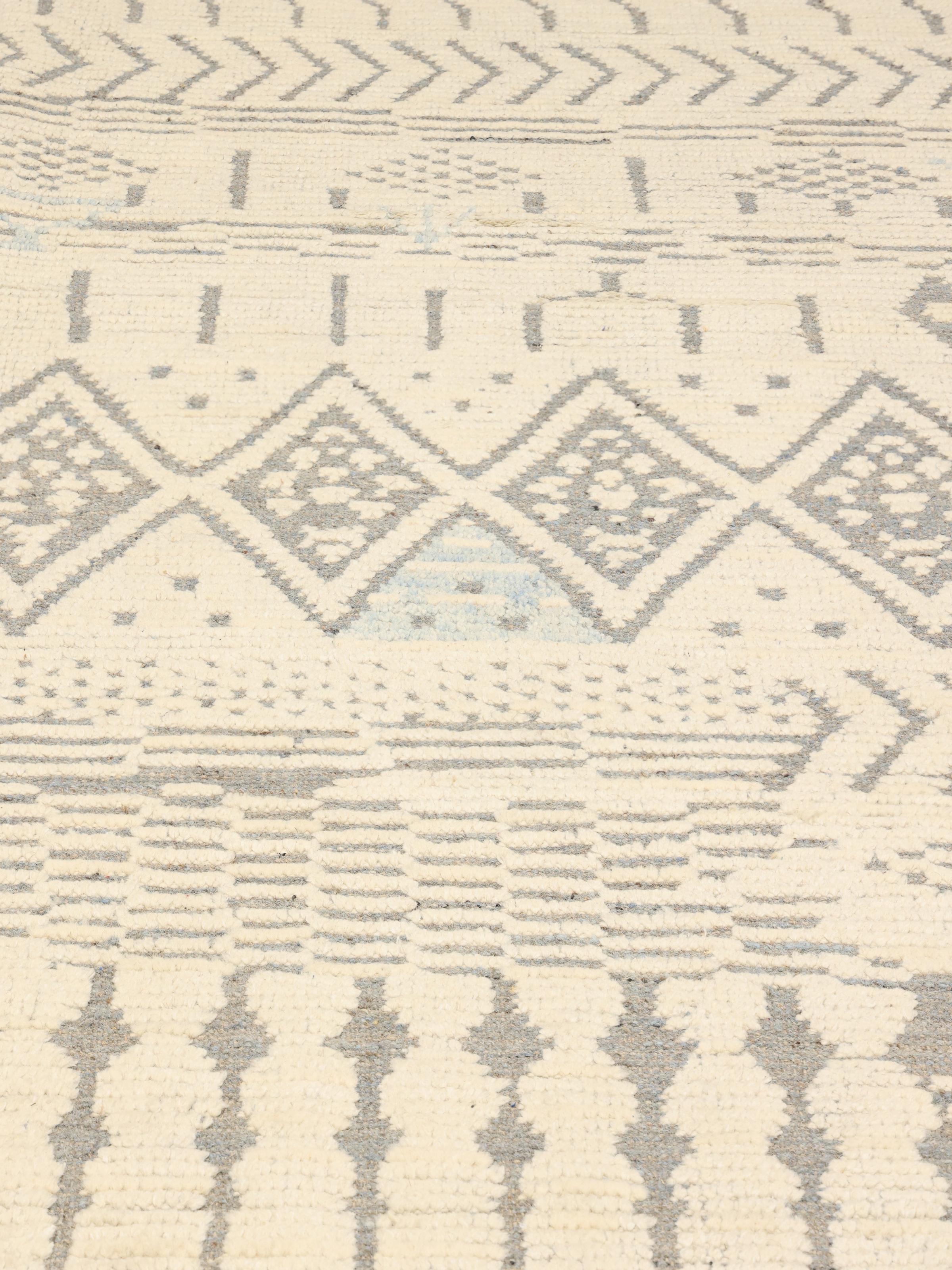
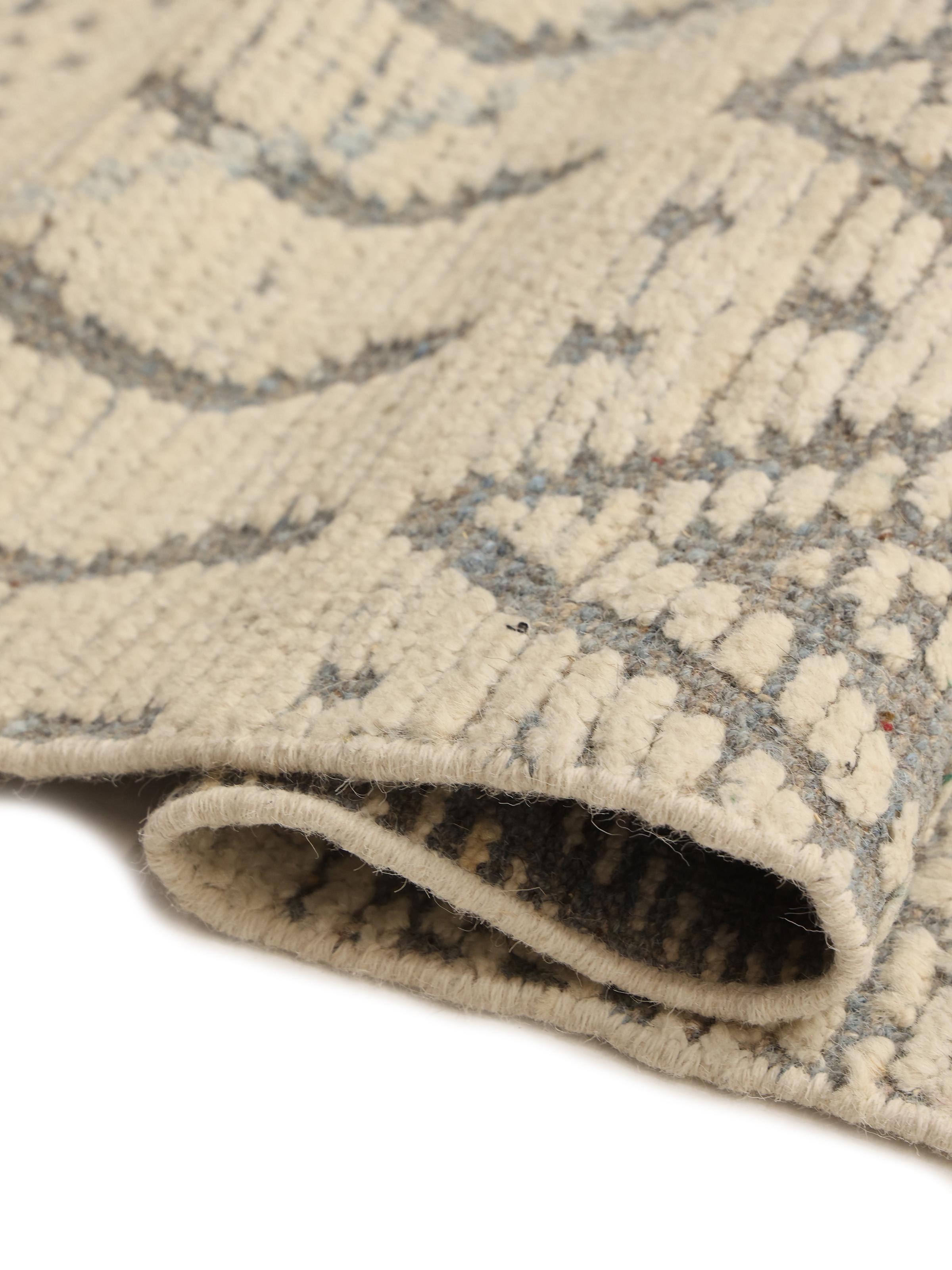
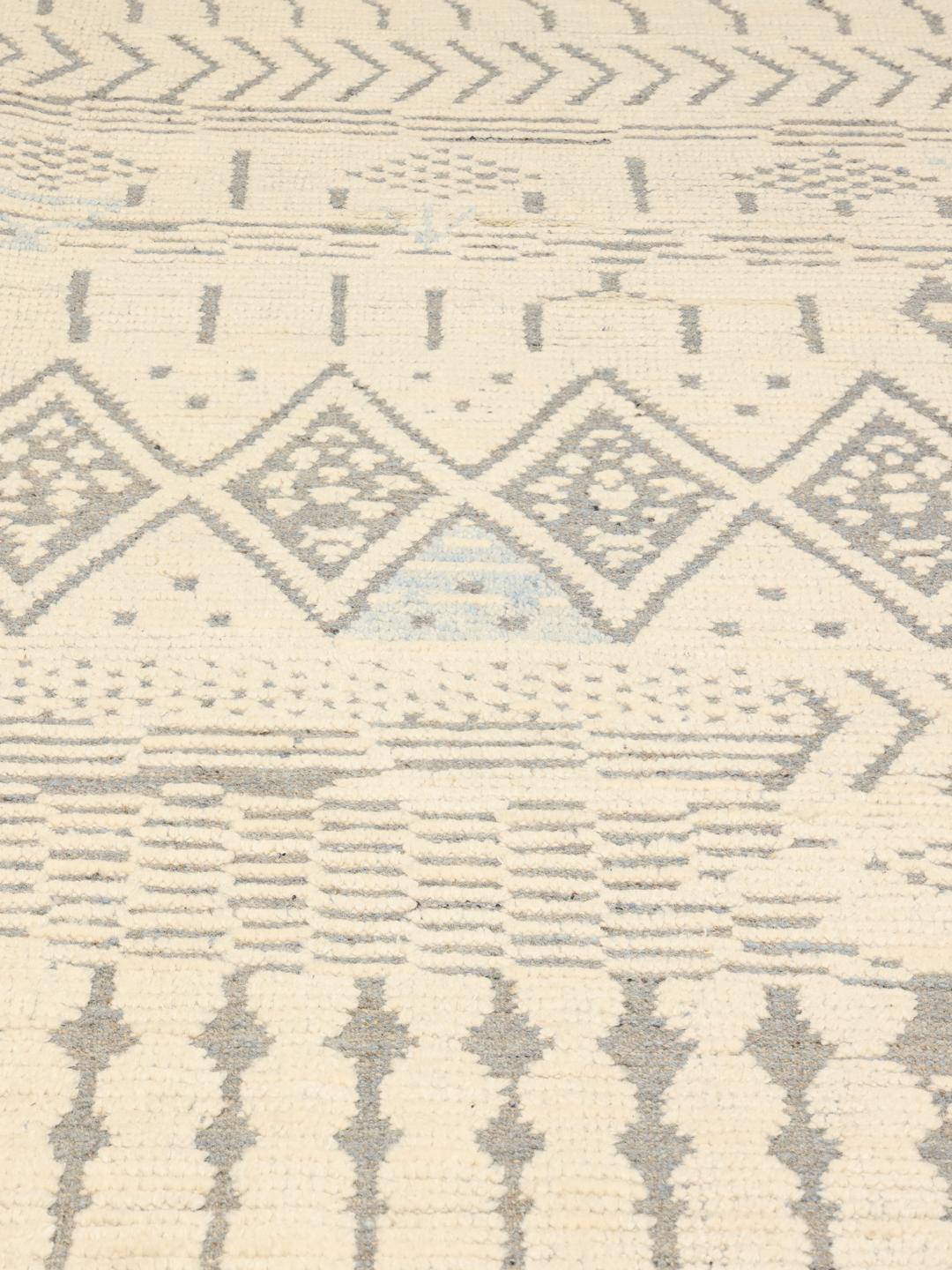
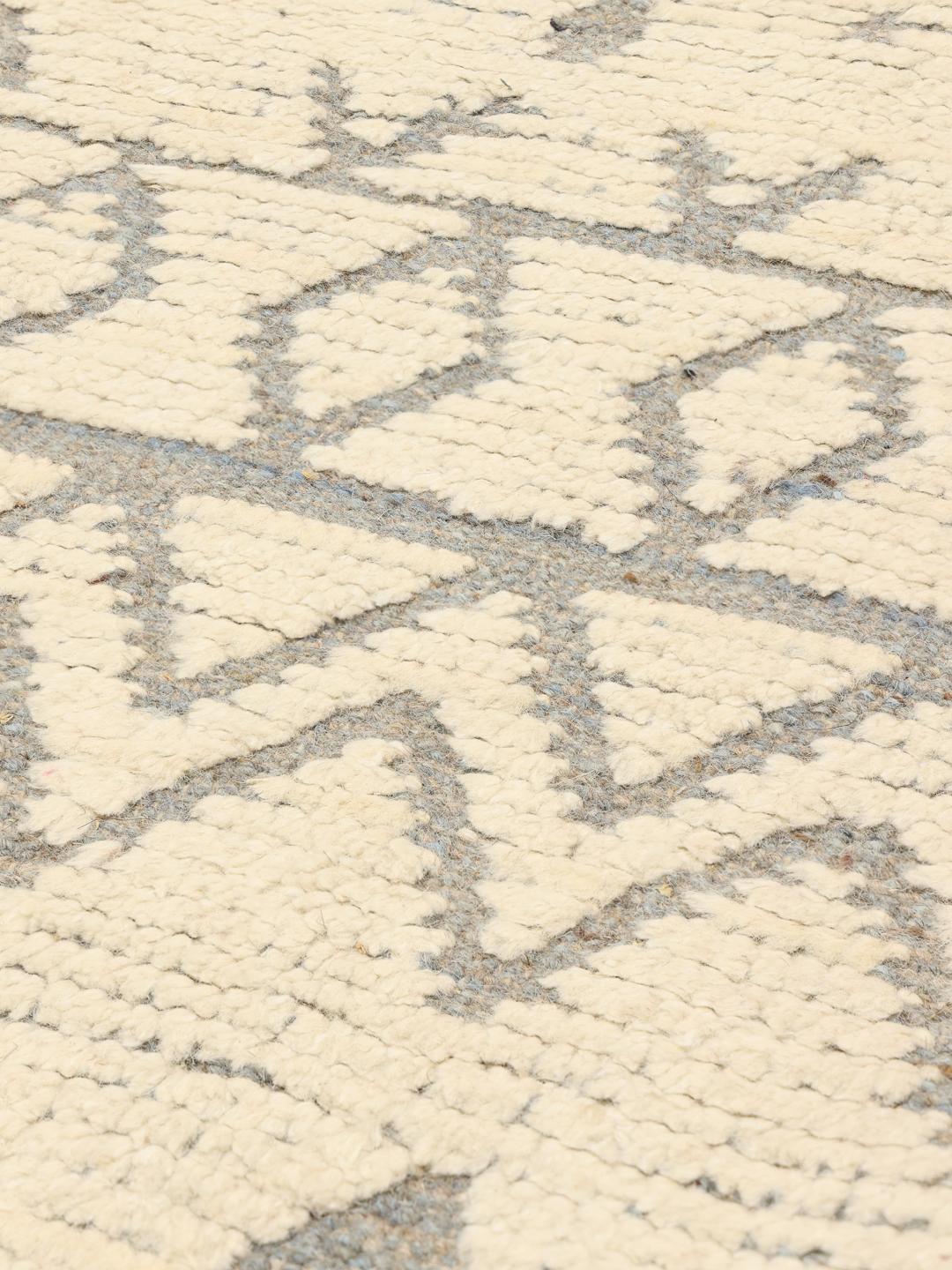
The term 'hand-knotted' refers to the labour-intensive process where each individual knot is tied by hand onto the foundation. This method is the gold standard for quality, as it allows for a density and longevity that machine-made rugs simply cannot replicate. In this Afghan tradition, the use of high-quality wool ensures a soft, lustrous finish that matures beautifully with age, gaining character as it is lived with.
Visually, these rugs are defined by their use of geometric abstraction and a focus on negative space. The patterns often incorporate symbols of protection, fertility, and tribal history, though they are presented here in a clean, understated format. The borders are typically simple, allowing the central field of repeating motifs to serve as the visual anchor. The use of natural, undyed, or subtly tinted wool tones is a classic hallmark of this style, creating a sense of balance and harmony.
Collecting a rug from this tradition is an investment in human skill and cultural heritage. Each piece acts as a bridge to the past, where weaving was a primary means of storytelling and community identity. By owning such a rug, you are not merely purchasing a floor covering, but a piece of functional art that carries the weight of a long-standing craft tradition into the modern home.