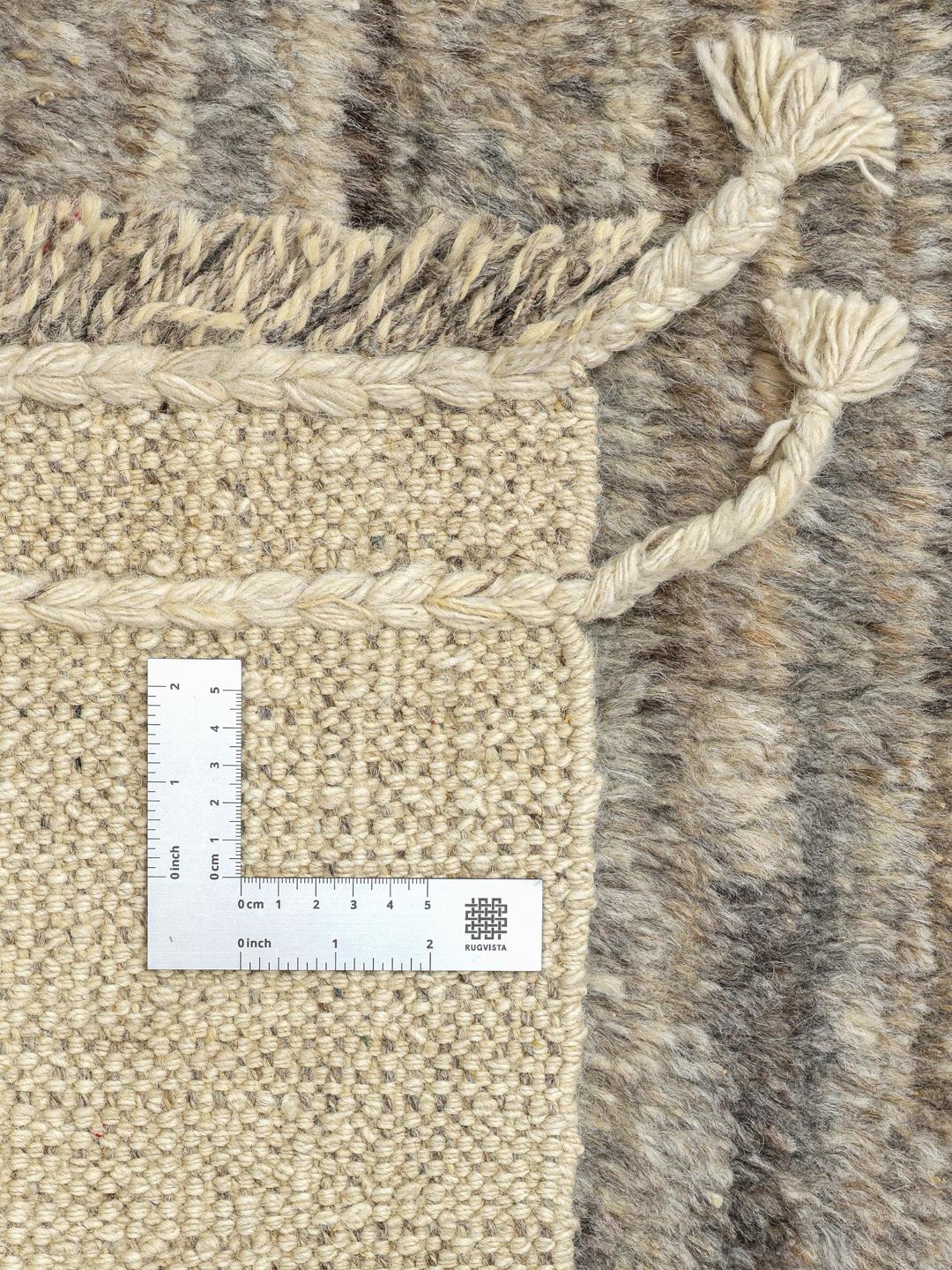
The Berber style tradition is rooted in the nomadic history of North Africa, yet its influence has spread far beyond its origins, finding a natural home in the skilled workshops of Afghanistan. While the style takes its name from the indigenous Berber peoples who have woven these rugs for centuries, the evolution of the craft has seen it adapt to global design tastes. Afghan weavers have embraced these traditional techniques, infusing them with their own regional expertise to create rugs that are both culturally resonant and highly practical for modern living.
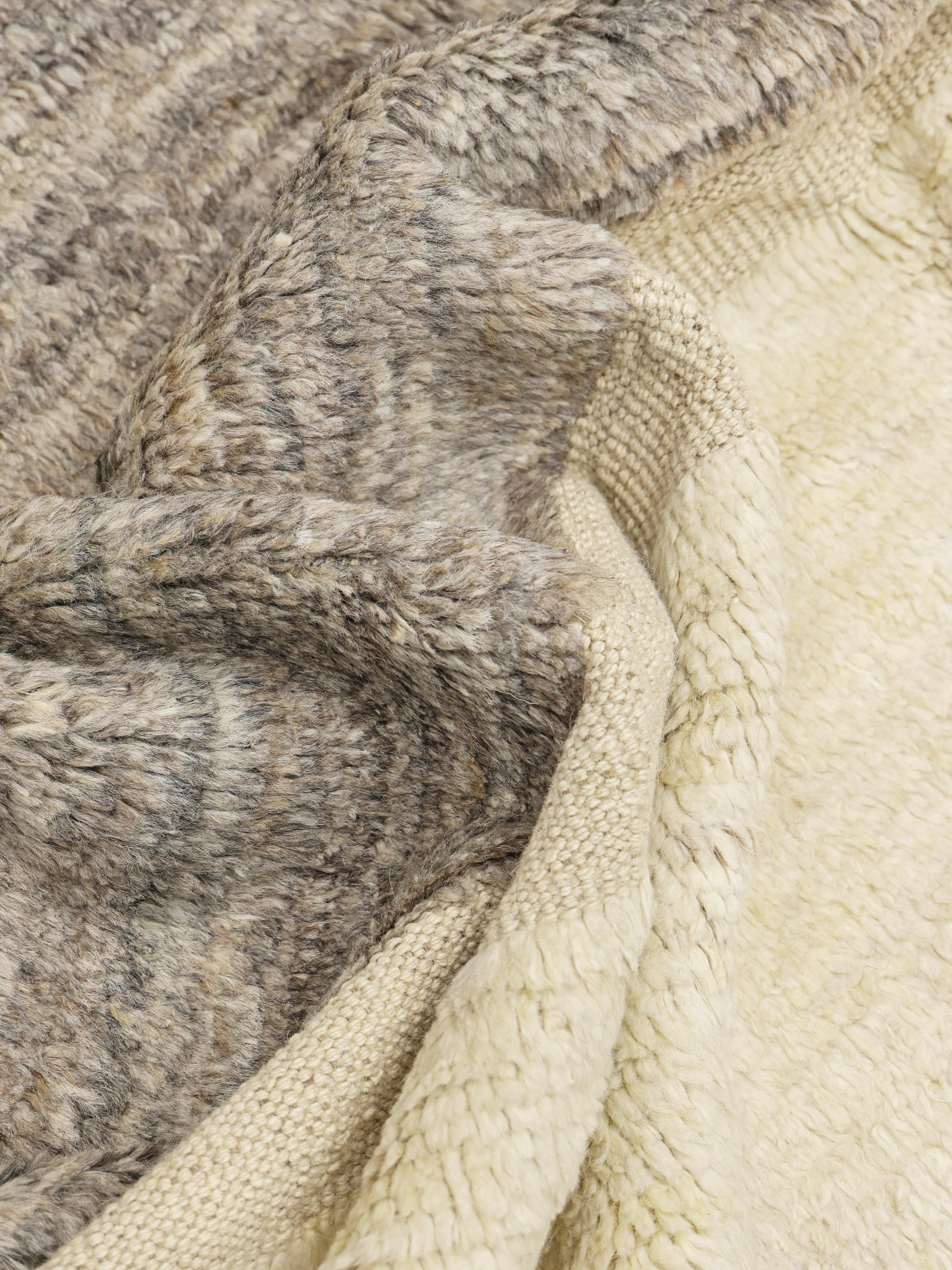
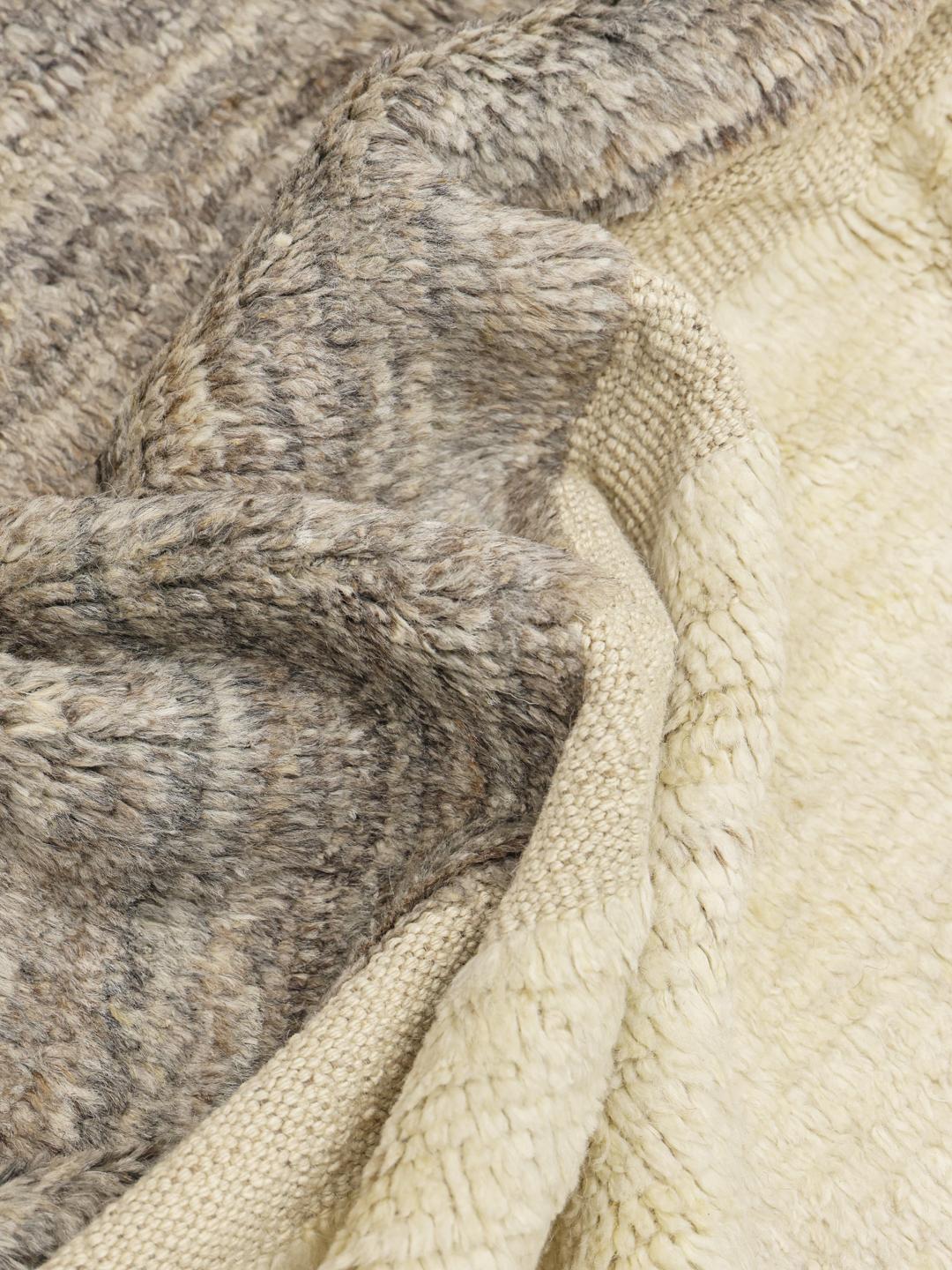
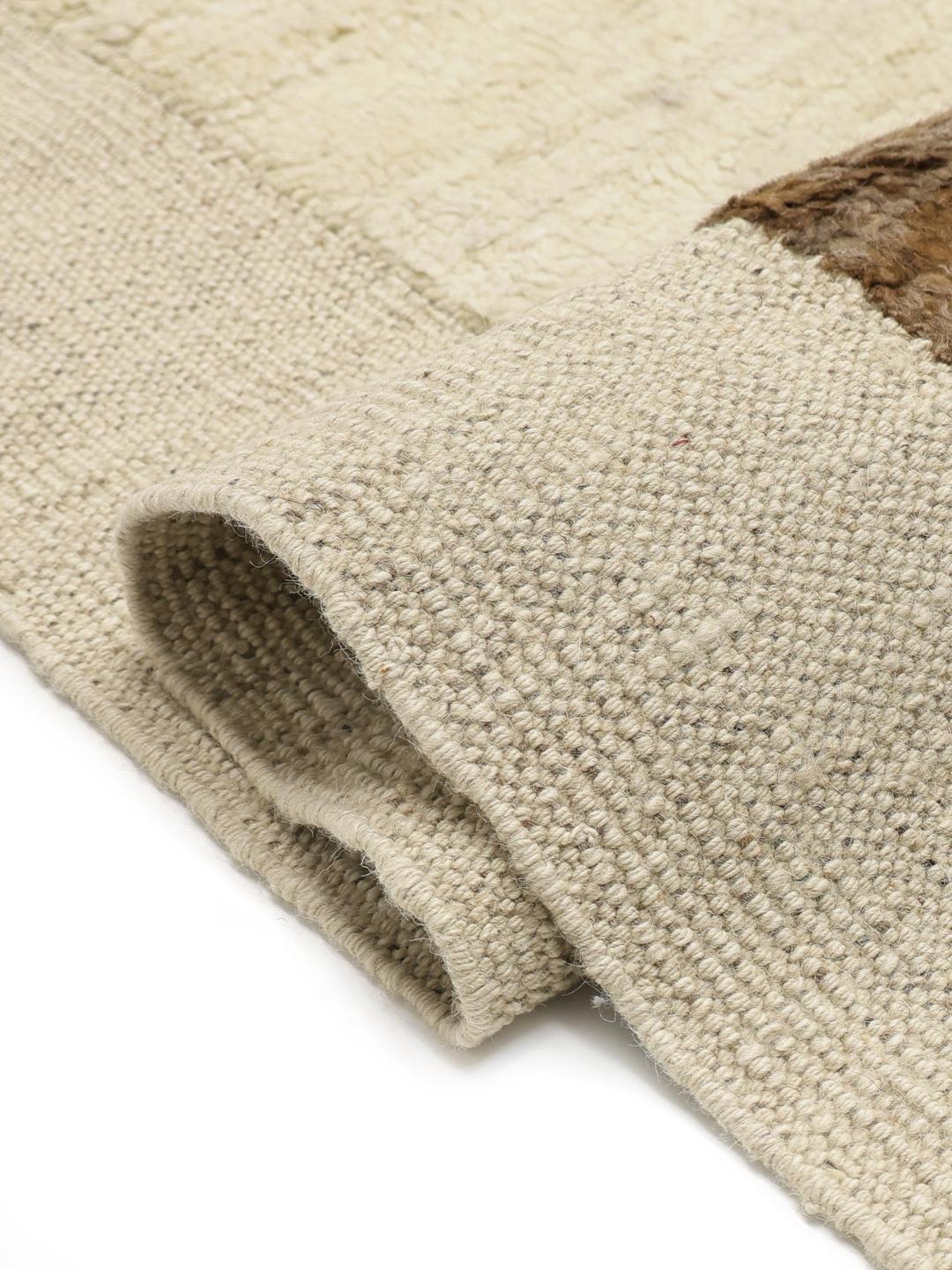
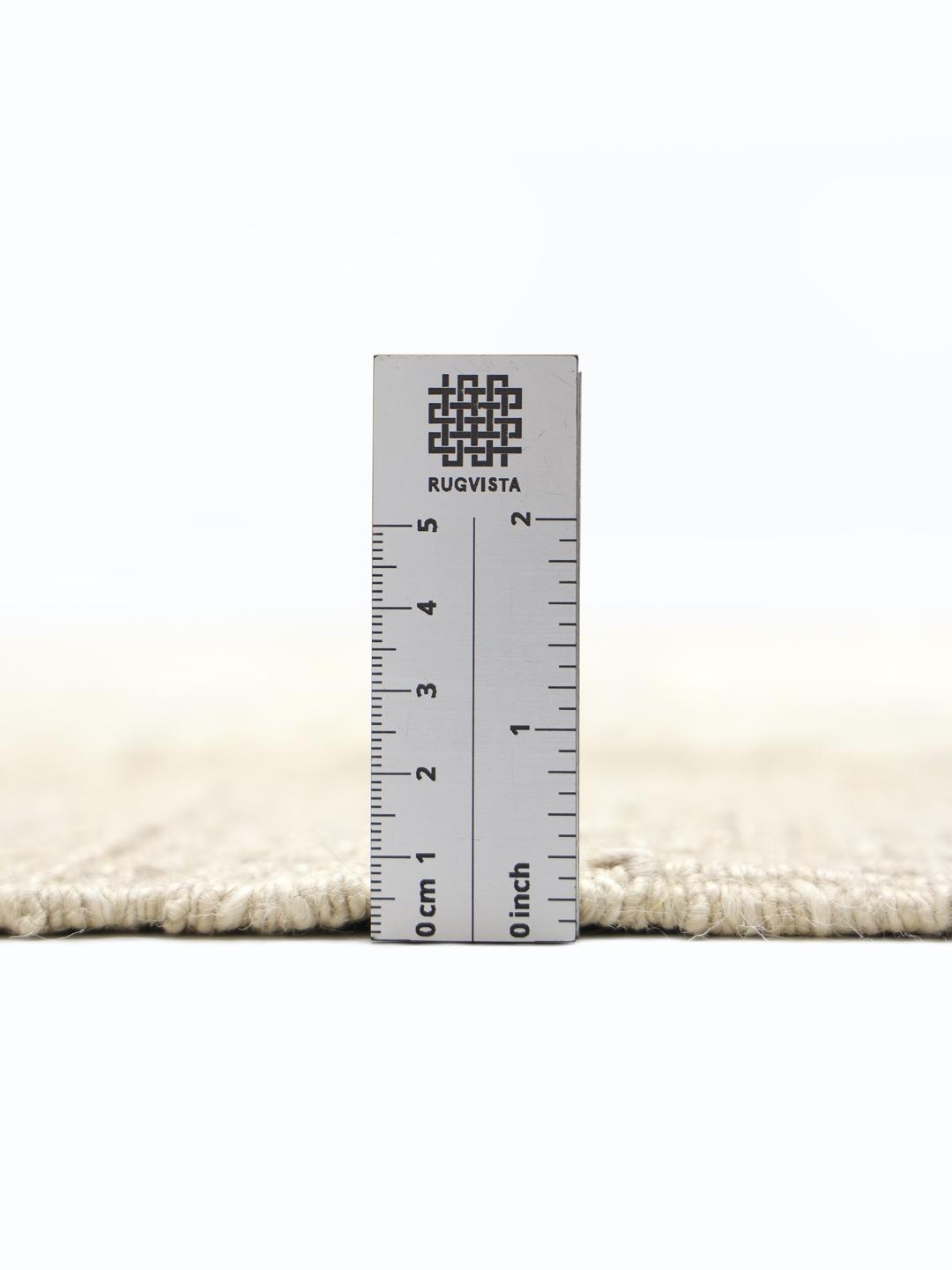
The term Berber often refers to a specific approach to pile construction that emphasises simplicity and the natural texture of the wool. These rugs are known for their thick, plush feel, which is achieved through the use of high-quality, long-staple wool. This material choice is not merely aesthetic; it provides a natural resistance to wear and an inherent ability to maintain its softness even after years of use. For the owner, this means a rug that ages gracefully, developing more character the longer it stays in your home.
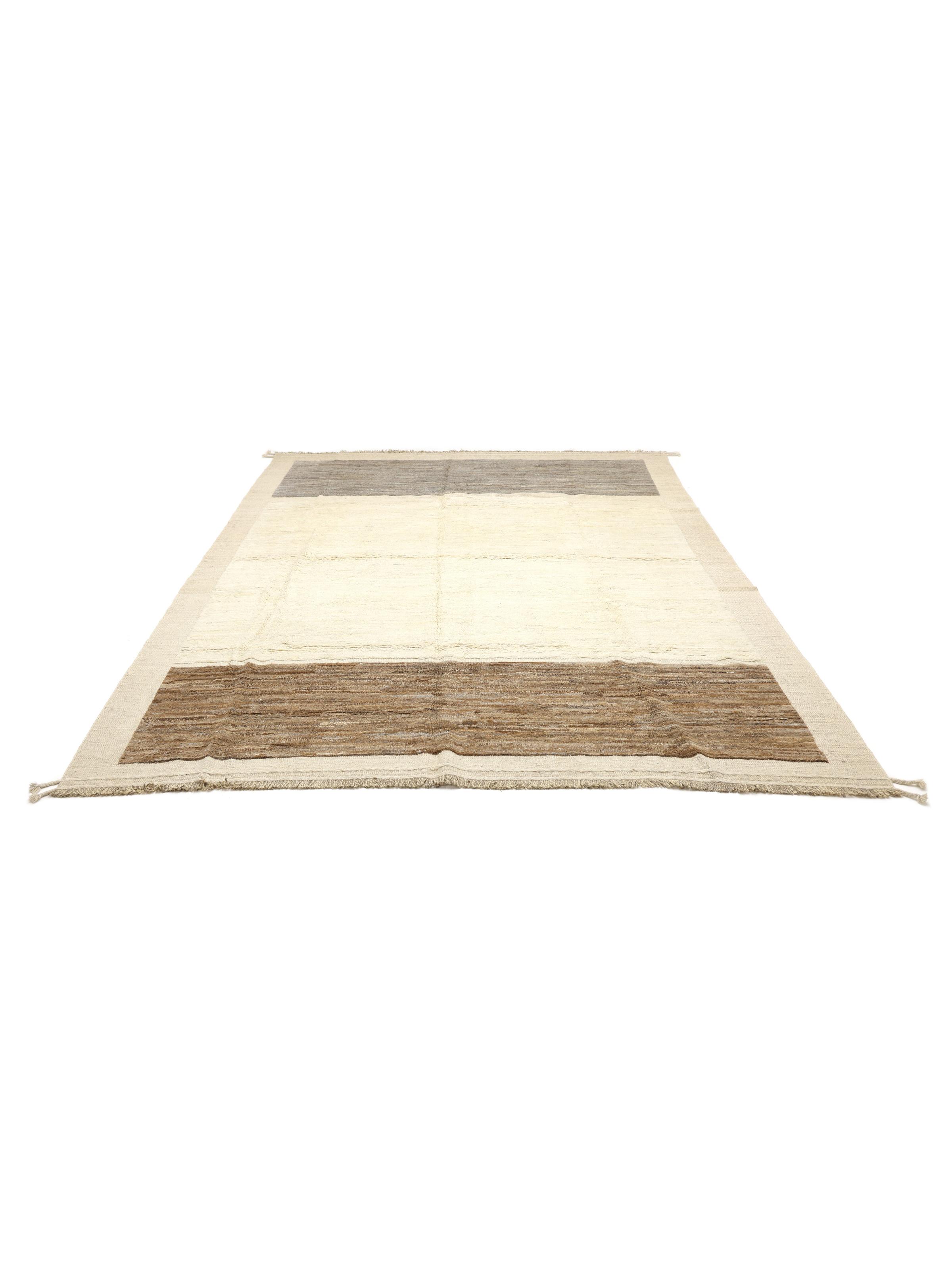
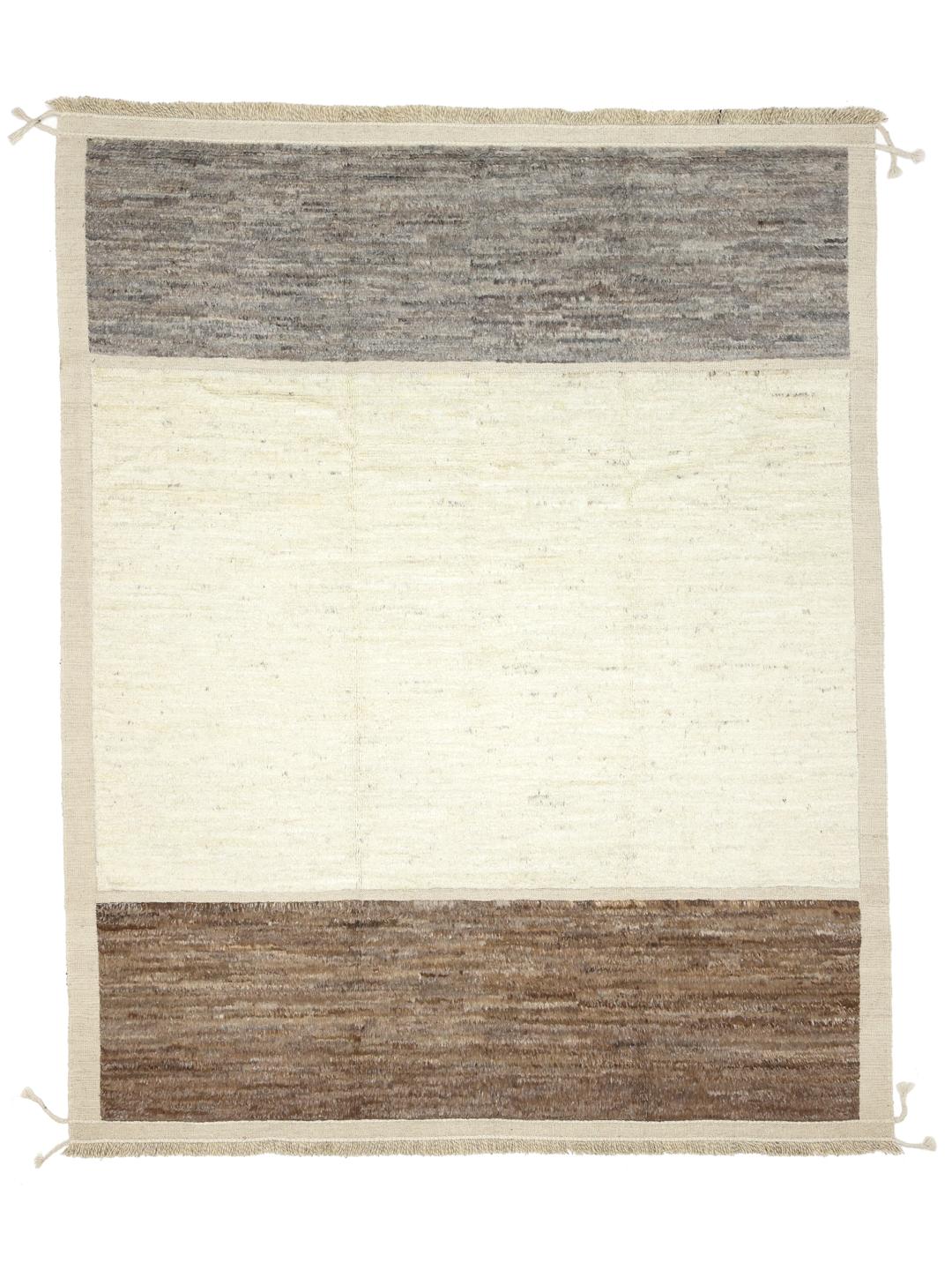
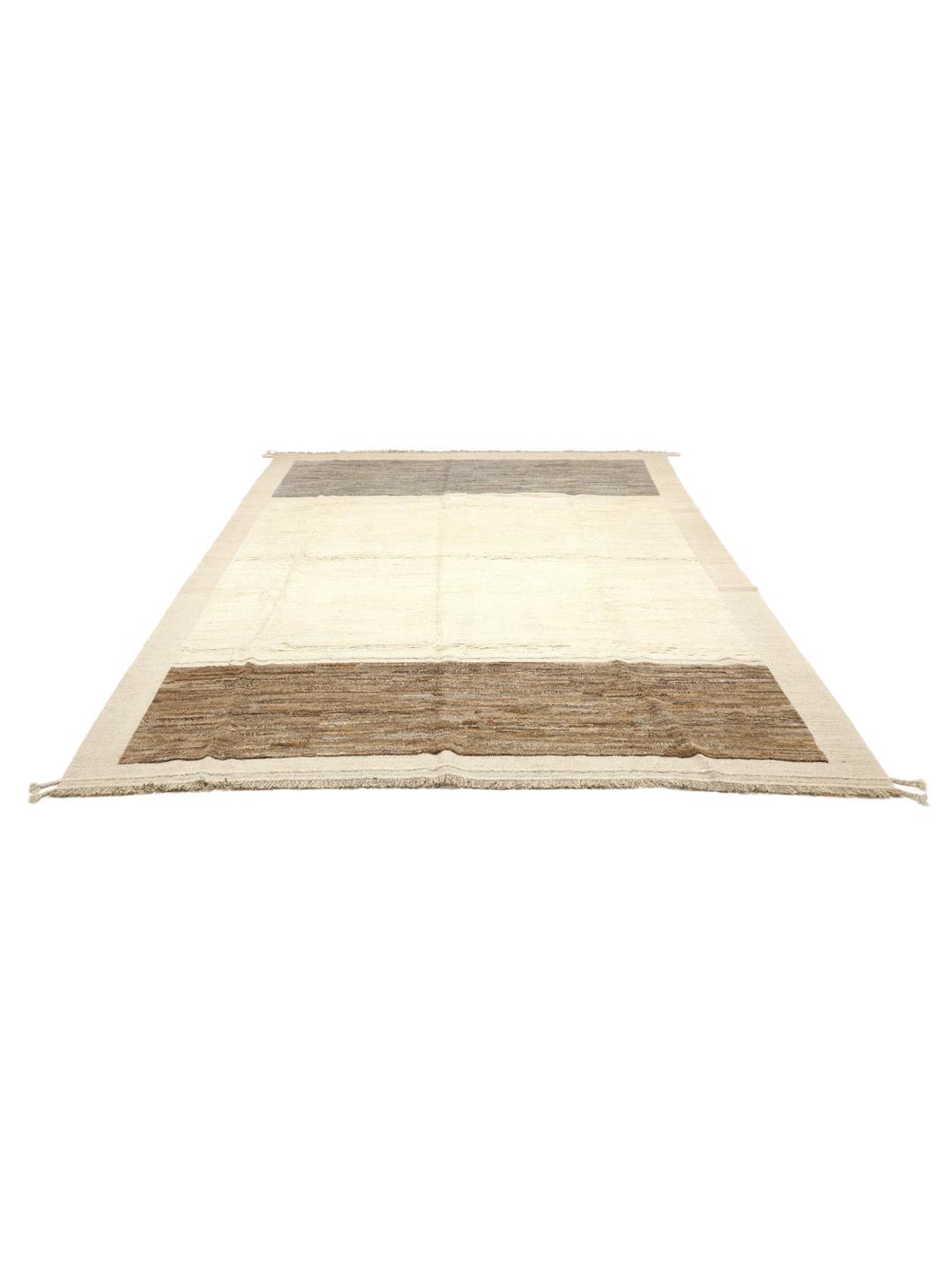
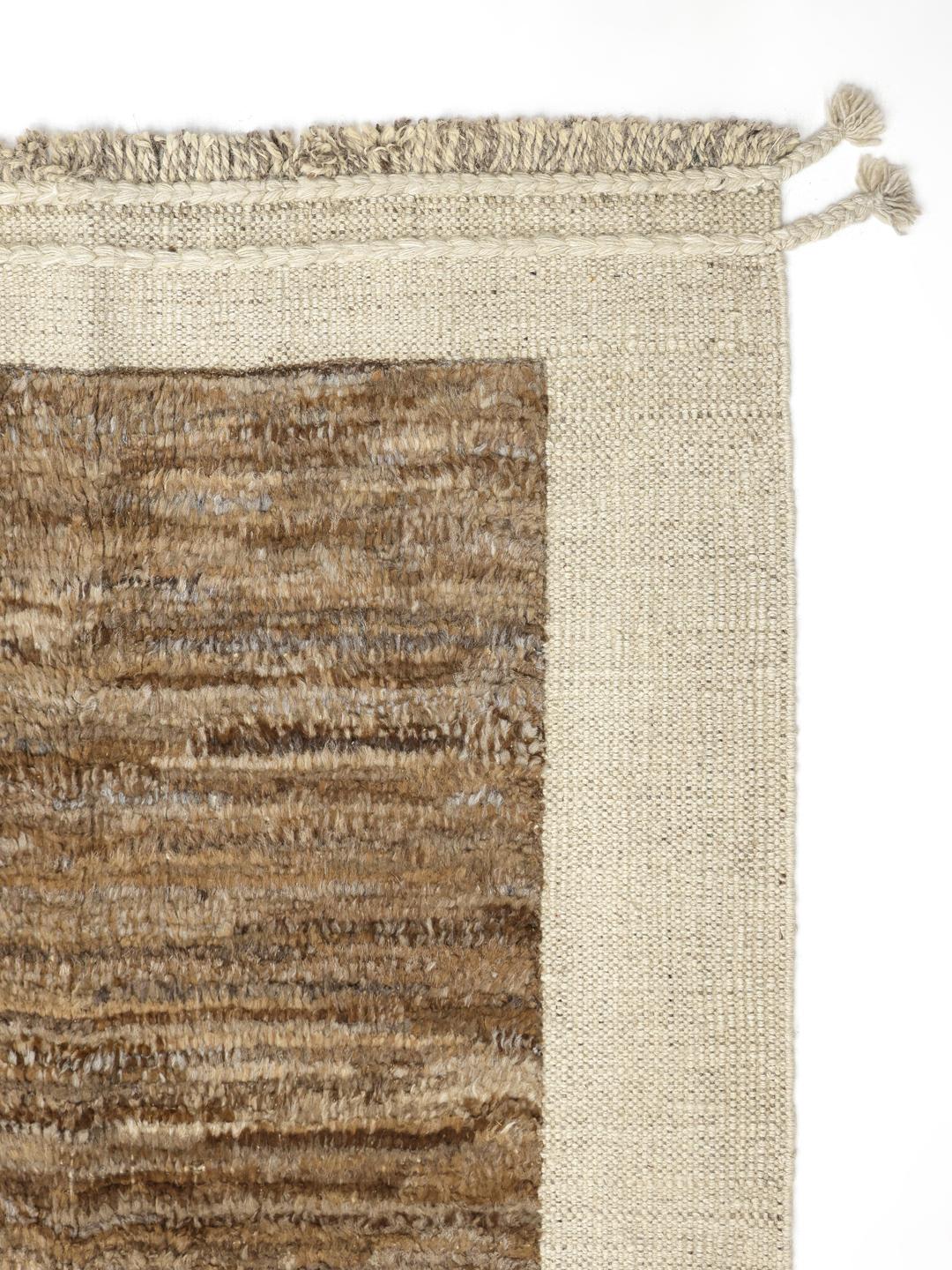
Visually, these rugs are defined by their honest, unpretentious patterns. Often featuring minimalist geometric lines or organic colour blocking, they avoid the overly complex motifs found in other regional traditions. The focus is on the interplay of natural tones—creams, browns, and greys—which highlight the quality of the raw wool. This rug, with its clean, banded design, is a prime example of how restraint can create a powerful visual statement that complements rather than competes with your decor.
Owning a hand-knotted rug of this lineage is an act of supporting a long-standing craft tradition. Collectors and homeowners alike value these pieces for their authenticity and the human effort embedded in every knot. Beyond being a floor covering, these rugs are considered heirloom-quality objects that connect your living space to a broader, global heritage of textile art. By bringing such a piece into your home, you are participating in the preservation of a skill that has been passed down through generations.