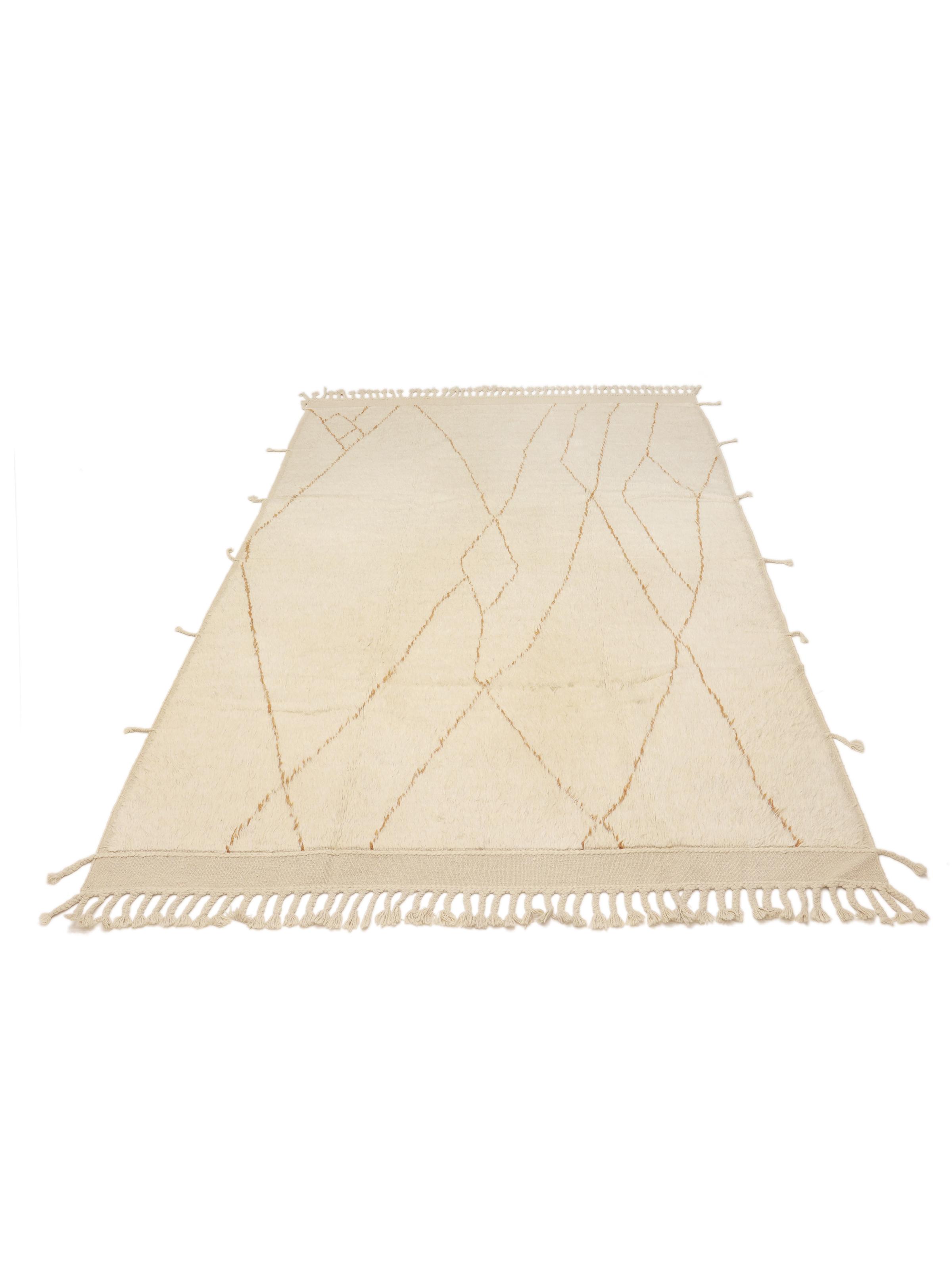
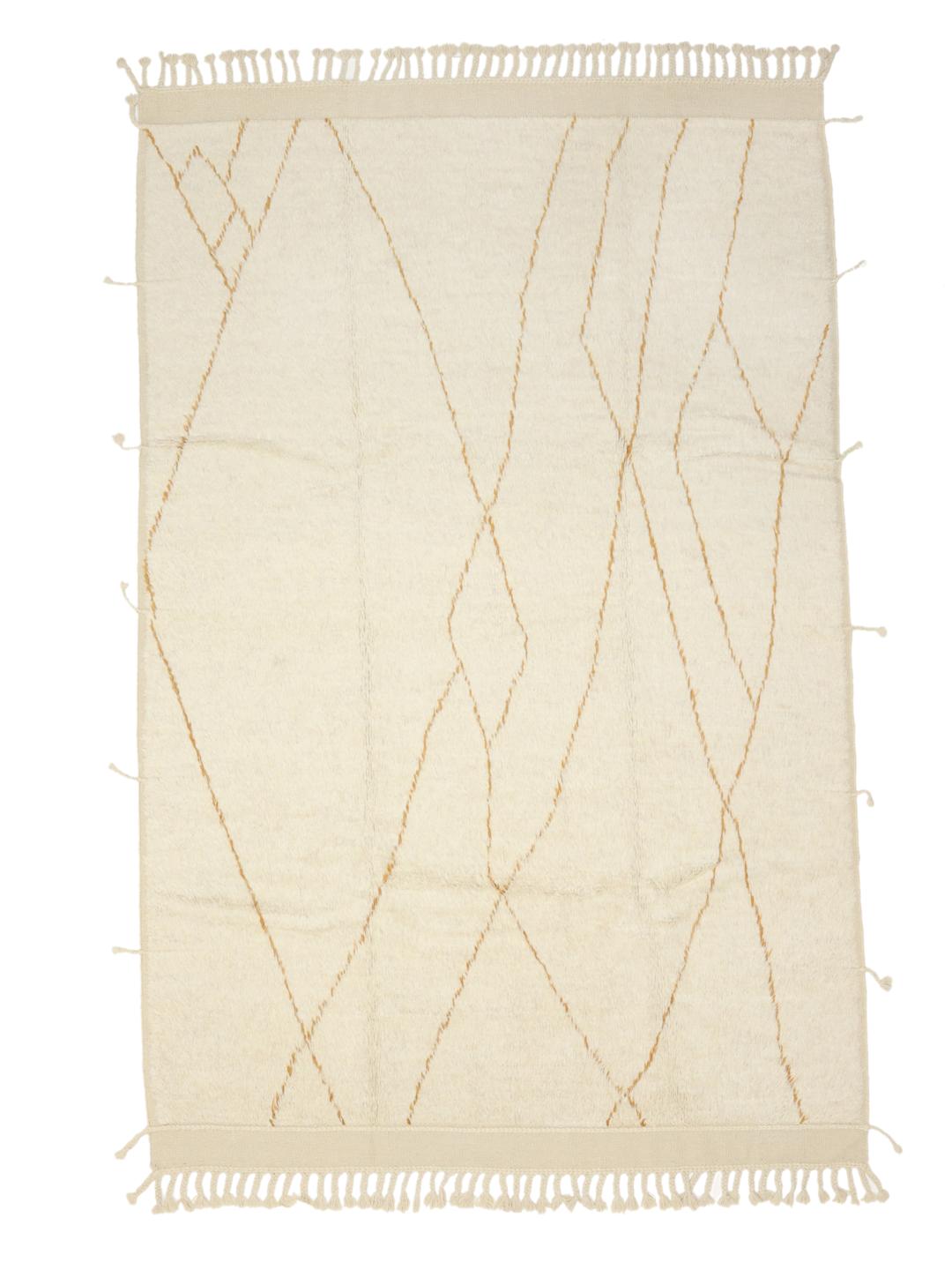
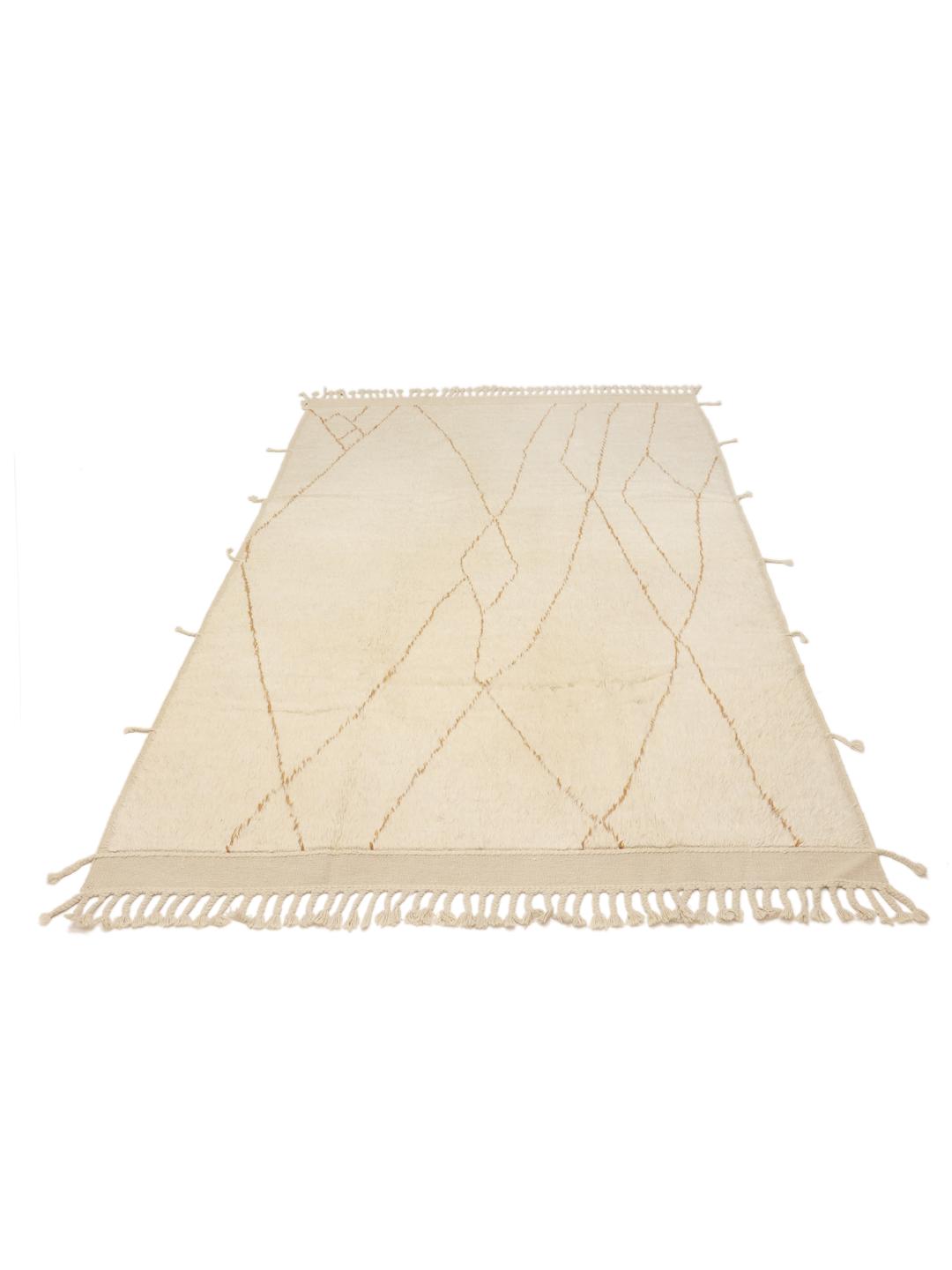
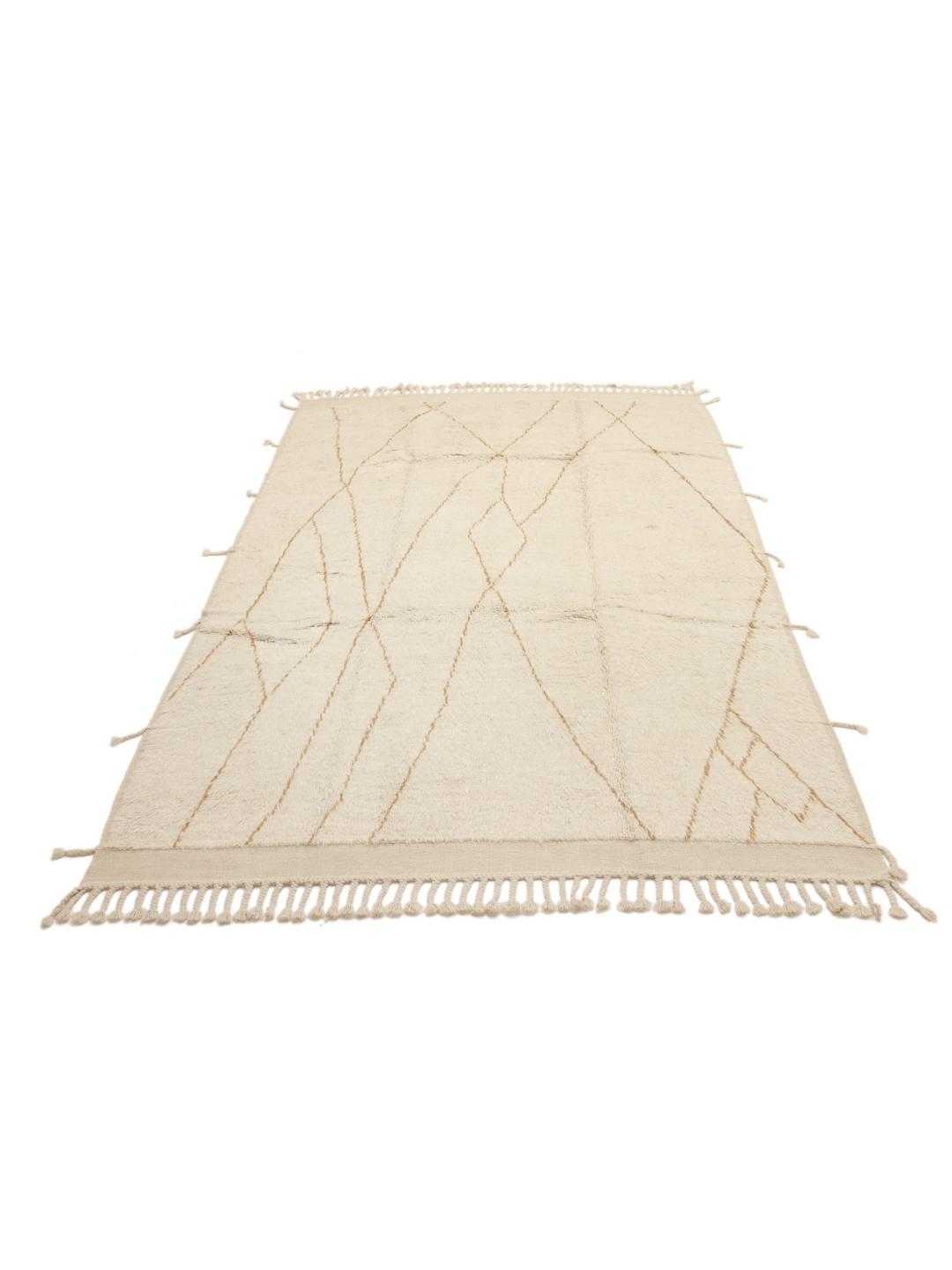
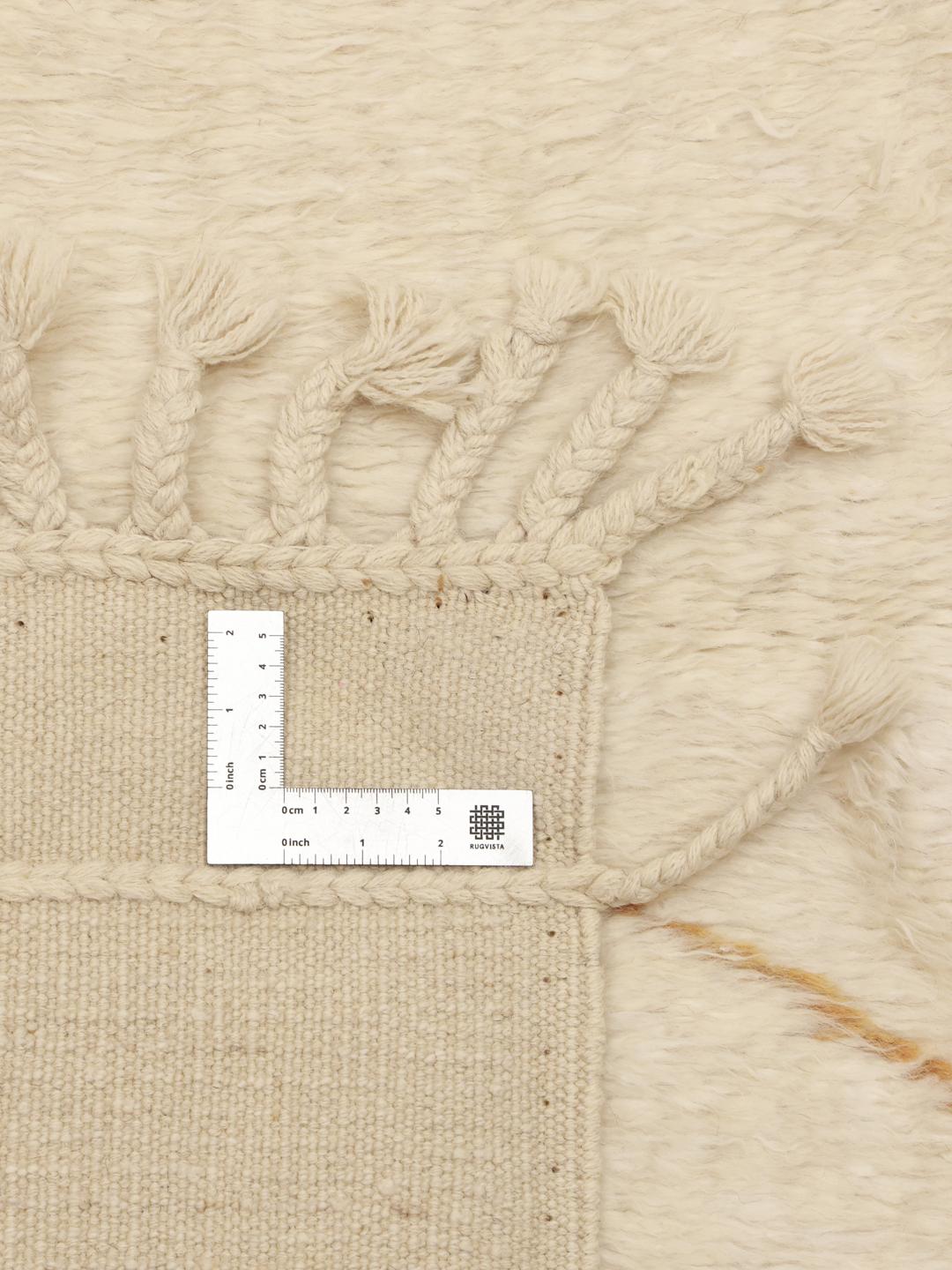
The Berber style tradition traces its roots to the indigenous populations of North Africa, where hand-woven rugs were historically created for warmth and protection against the elements. Over generations, these designs have evolved, finding new life in regions like Afghanistan, where local artisans have embraced the aesthetic, blending their own technical expertise with these iconic, minimalist traditions.
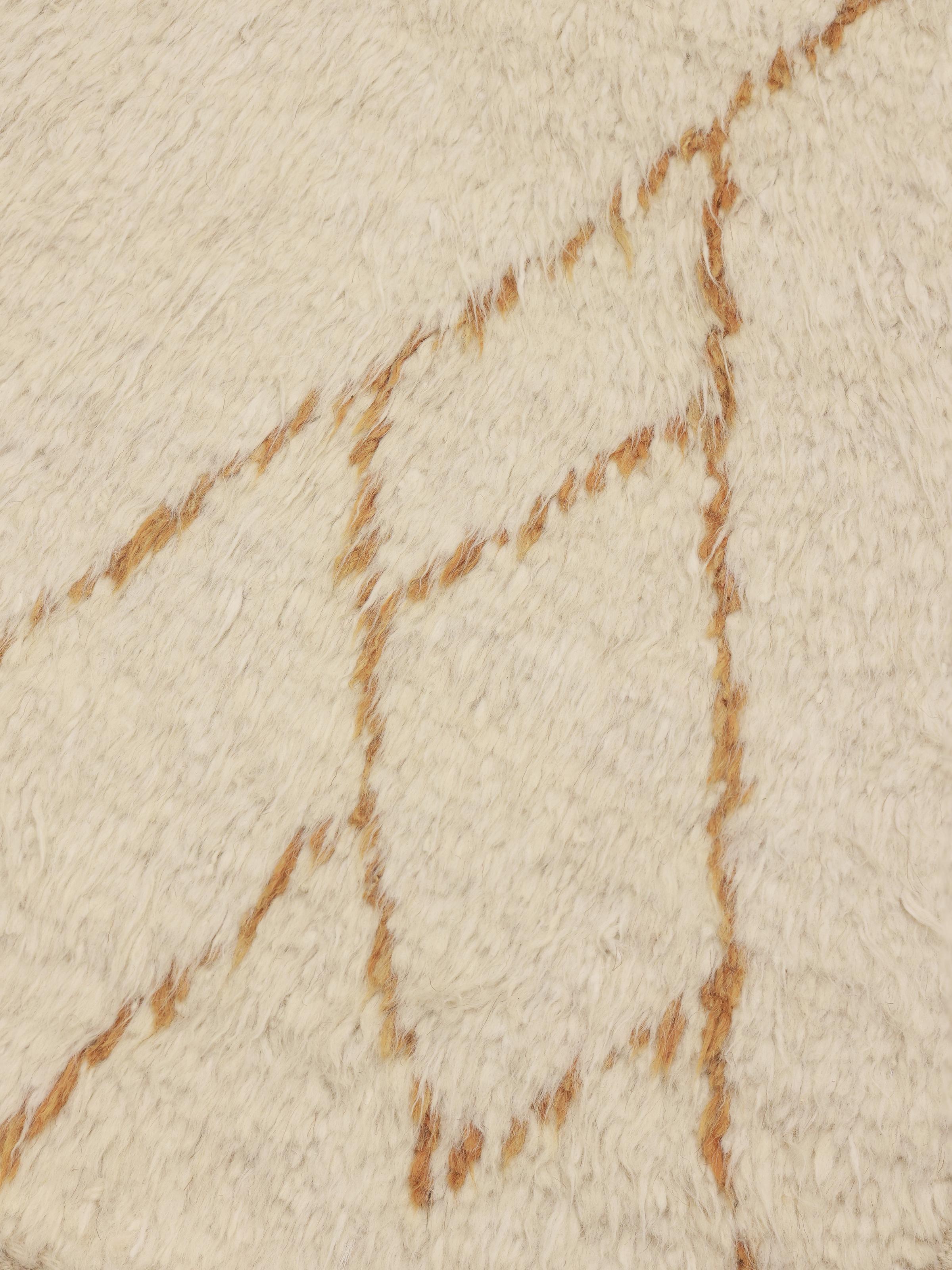
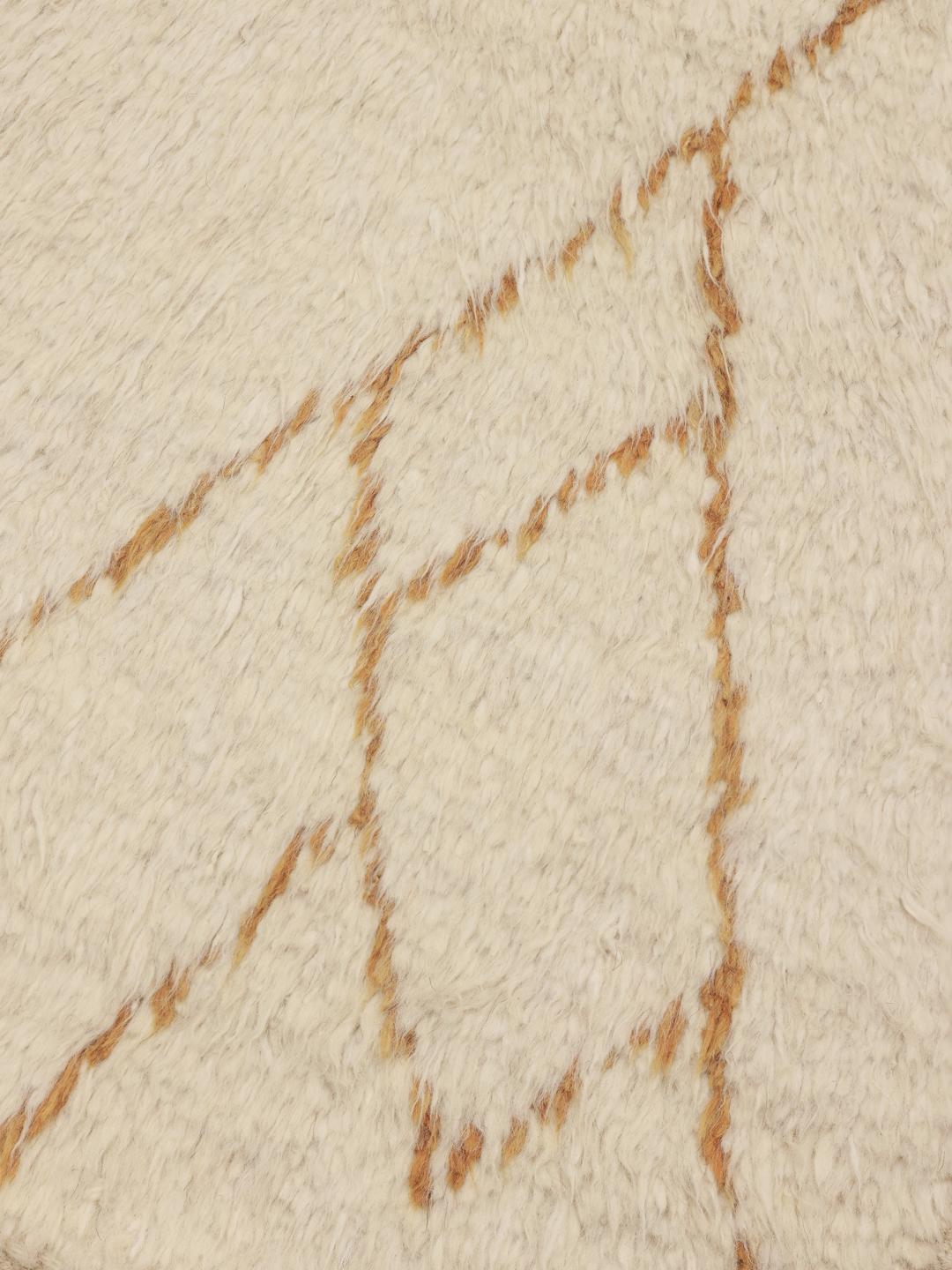
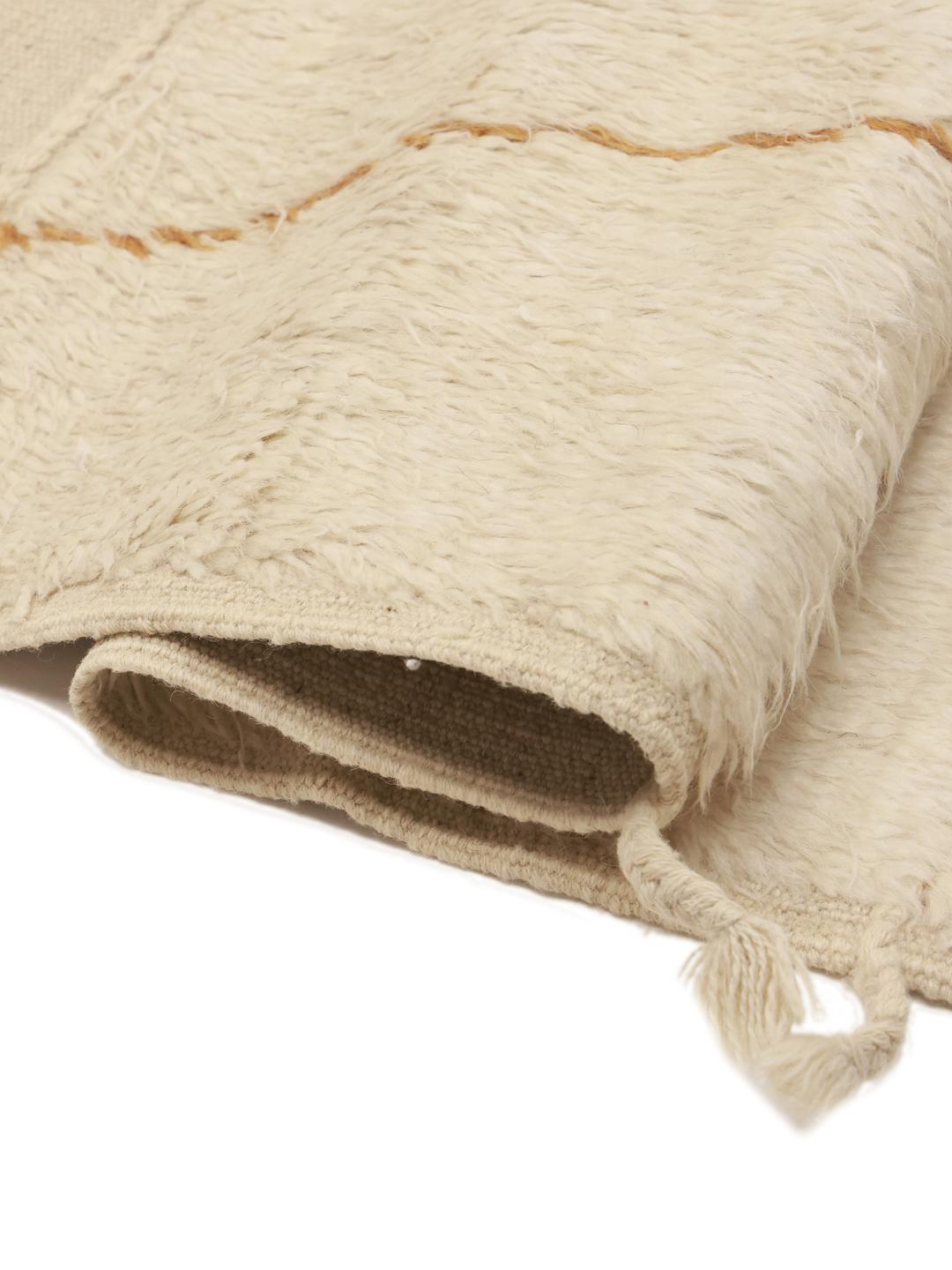
In rug-making, the term hand-knotted refers to the most traditional and labour-intensive method of production. Each individual knot is tied by hand onto the foundation, a process that ensures the pile is firmly secured. This construction is highly valued for its strength, as it creates a dense, luxurious surface that is significantly more durable than machine-made alternatives.
Signature elements of this style include a focus on simplicity, often utilising natural, undyed wool and minimalist, abstract motifs. While traditional patterns might be complex, this style celebrates the beauty of negative space and clean, geometric lines. The use of natural, earthy tones is a hallmark of the tradition, designed to complement rather than compete with the surrounding interior.
Owning a hand-knotted rug from this tradition is an investment in cultural heritage and human skill. These pieces are not just floor coverings but are reflections of a long-standing craft that prioritises quality and longevity. Collectors value these rugs for their authenticity, the warmth they bring to a space, and the knowledge that each one represents hours of dedicated human artistry.