Berber style rugs are deeply rooted in the traditions of the Middle East and North Africa, where nomadic and village weaving communities have perfected the art of wool craftsmanship for generations. While often associated with the Atlas Mountains, the style has evolved through cross-cultural exchanges along historic trade routes, leading to the high-quality, expressive interpretations we see today in regions like Afghanistan.
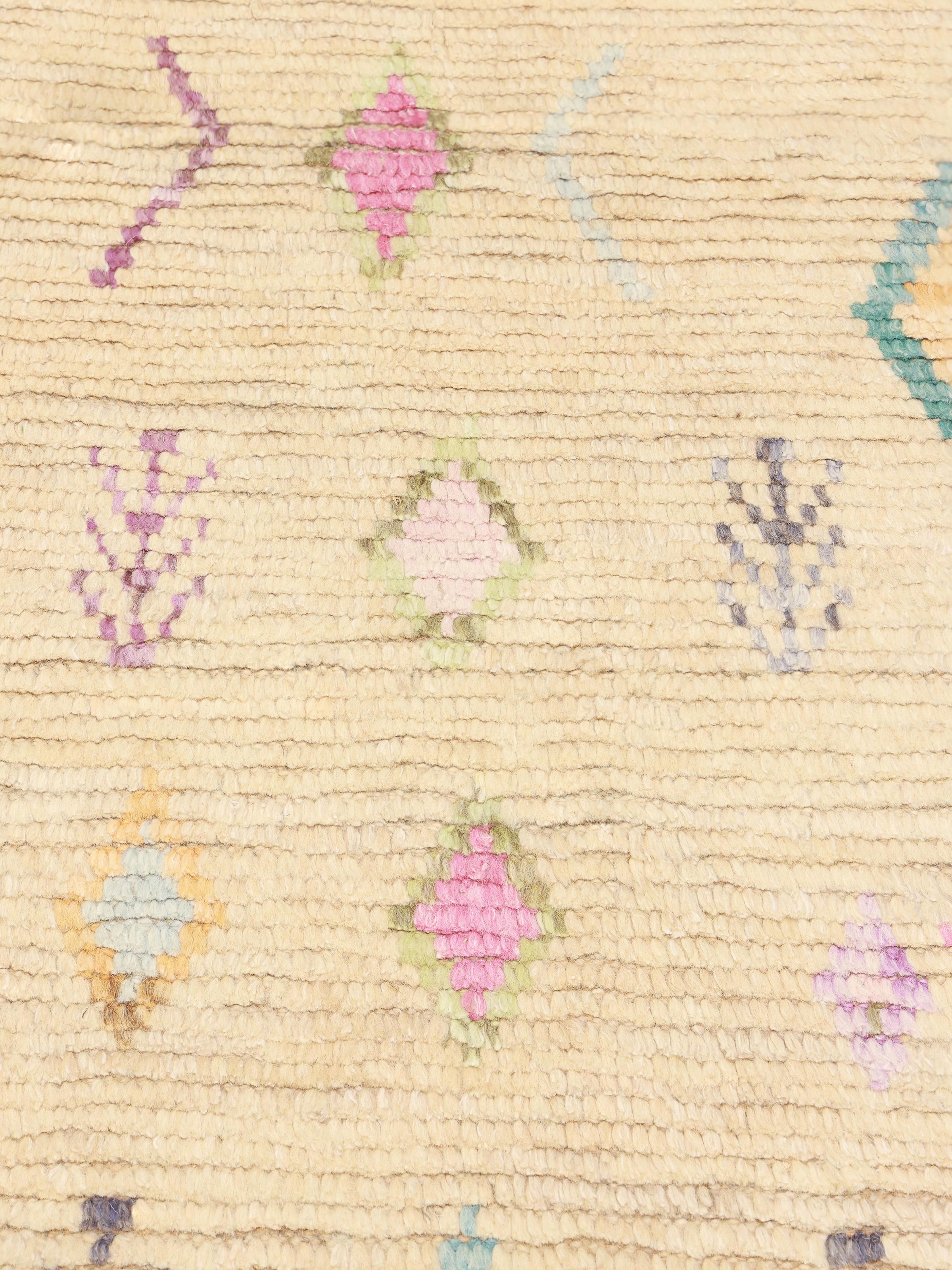
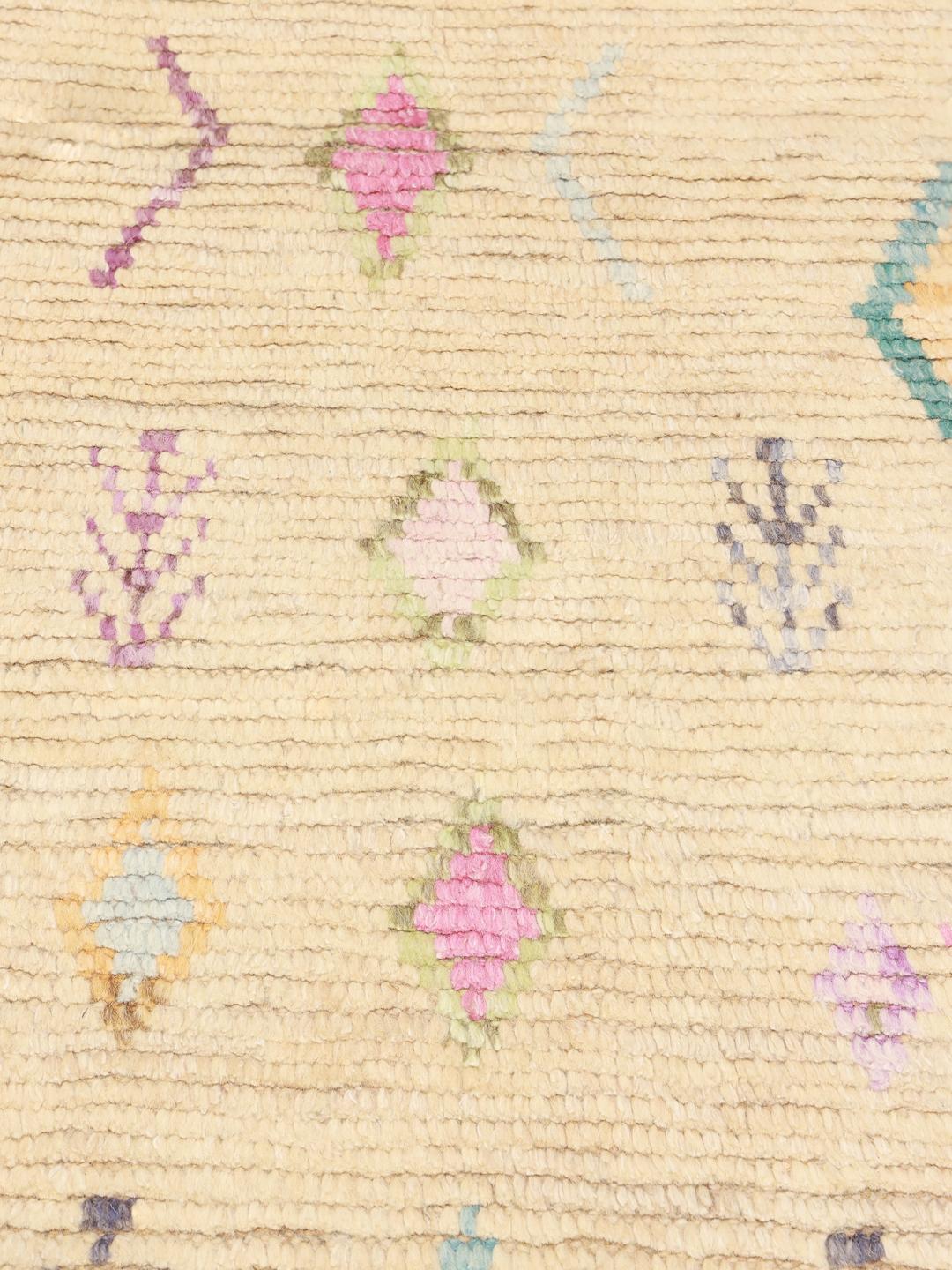
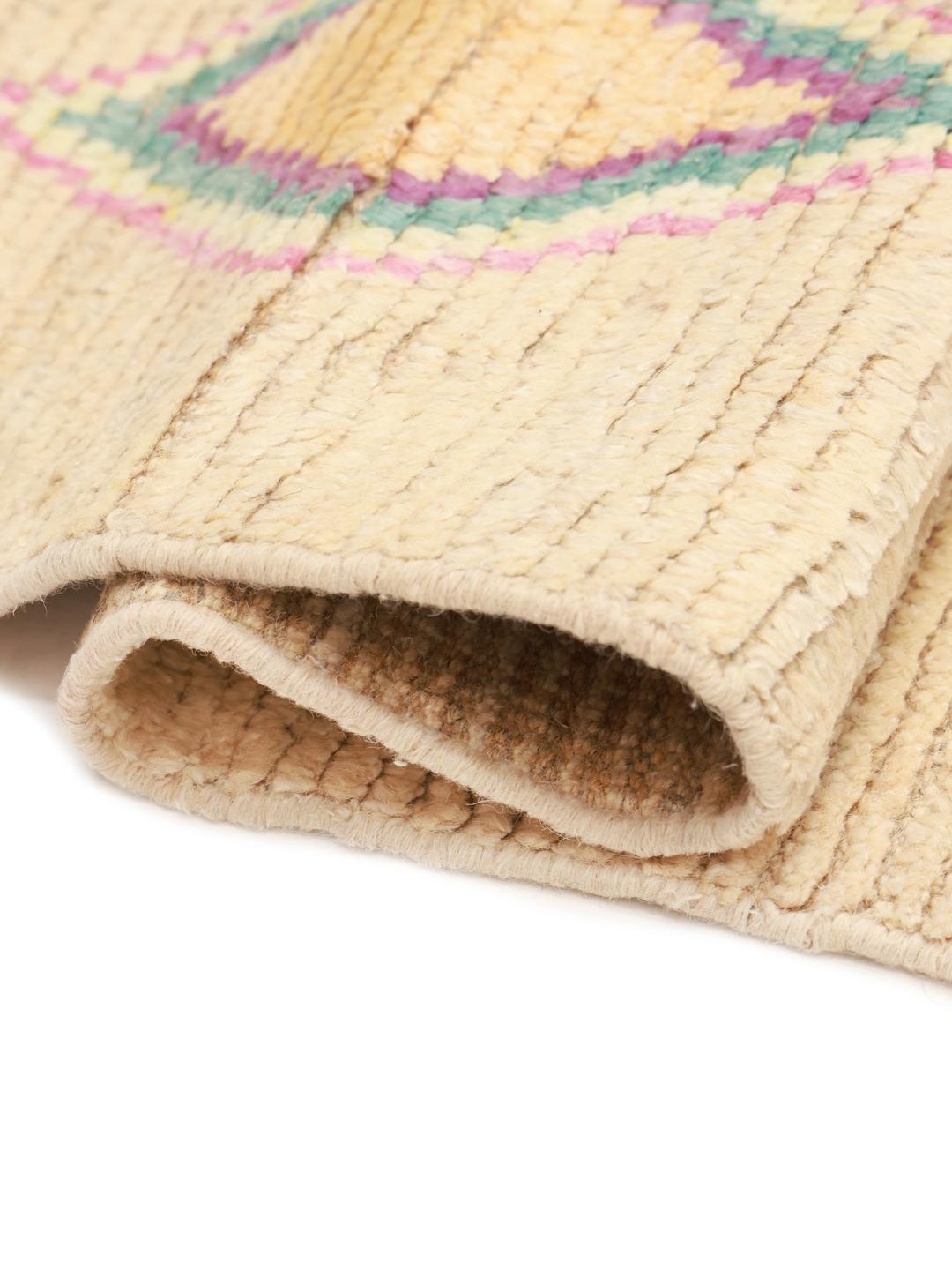
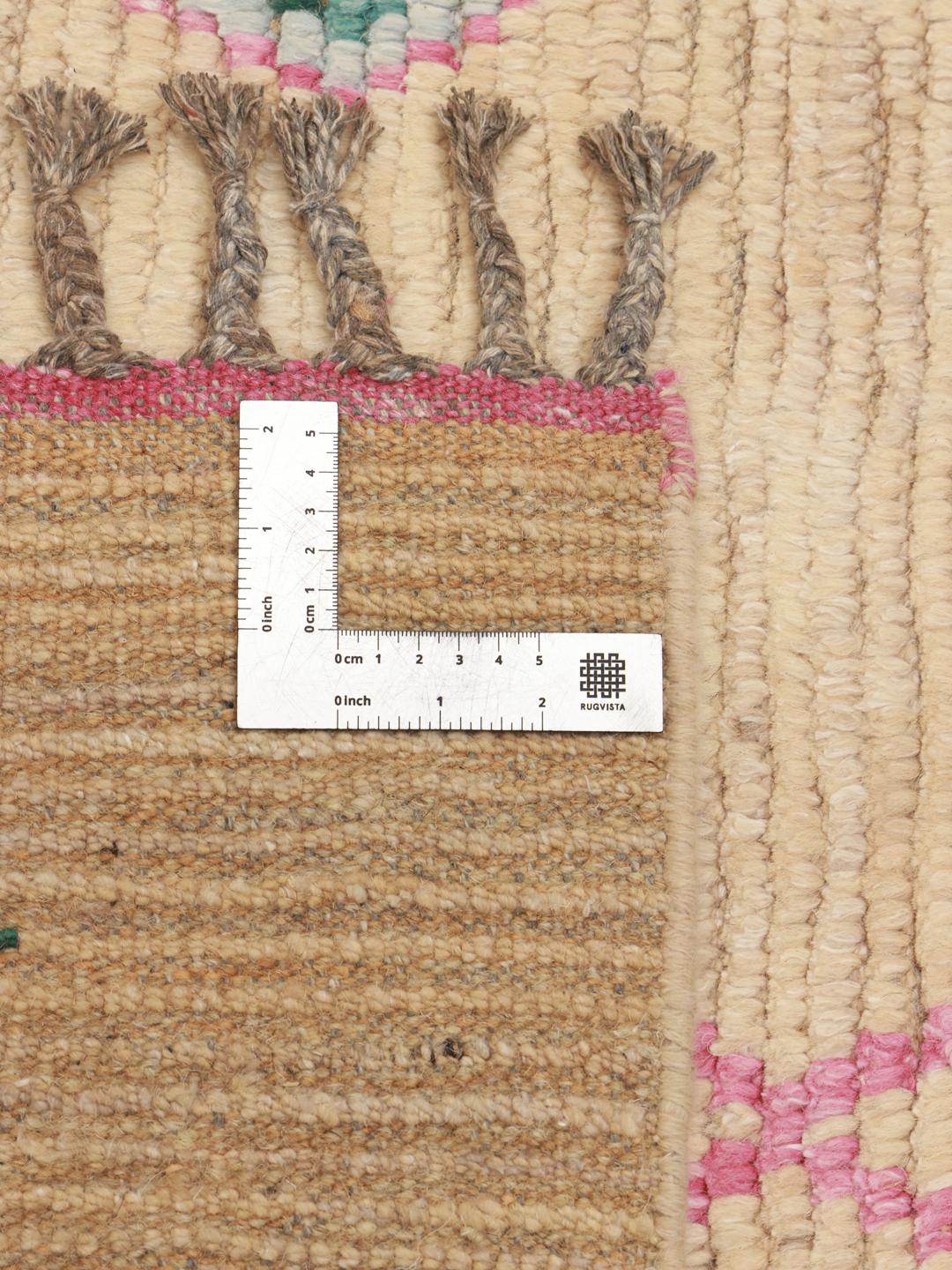
The construction of such rugs relies on traditional hand-knotting techniques that have been passed down through families. These methods are essential for creating the signature density and durability that define the craft. By using hand-spun wool, weavers ensure that the rug has a natural resilience and a tactile, lanolin-rich feel that improves over time, gaining character with every passing year.
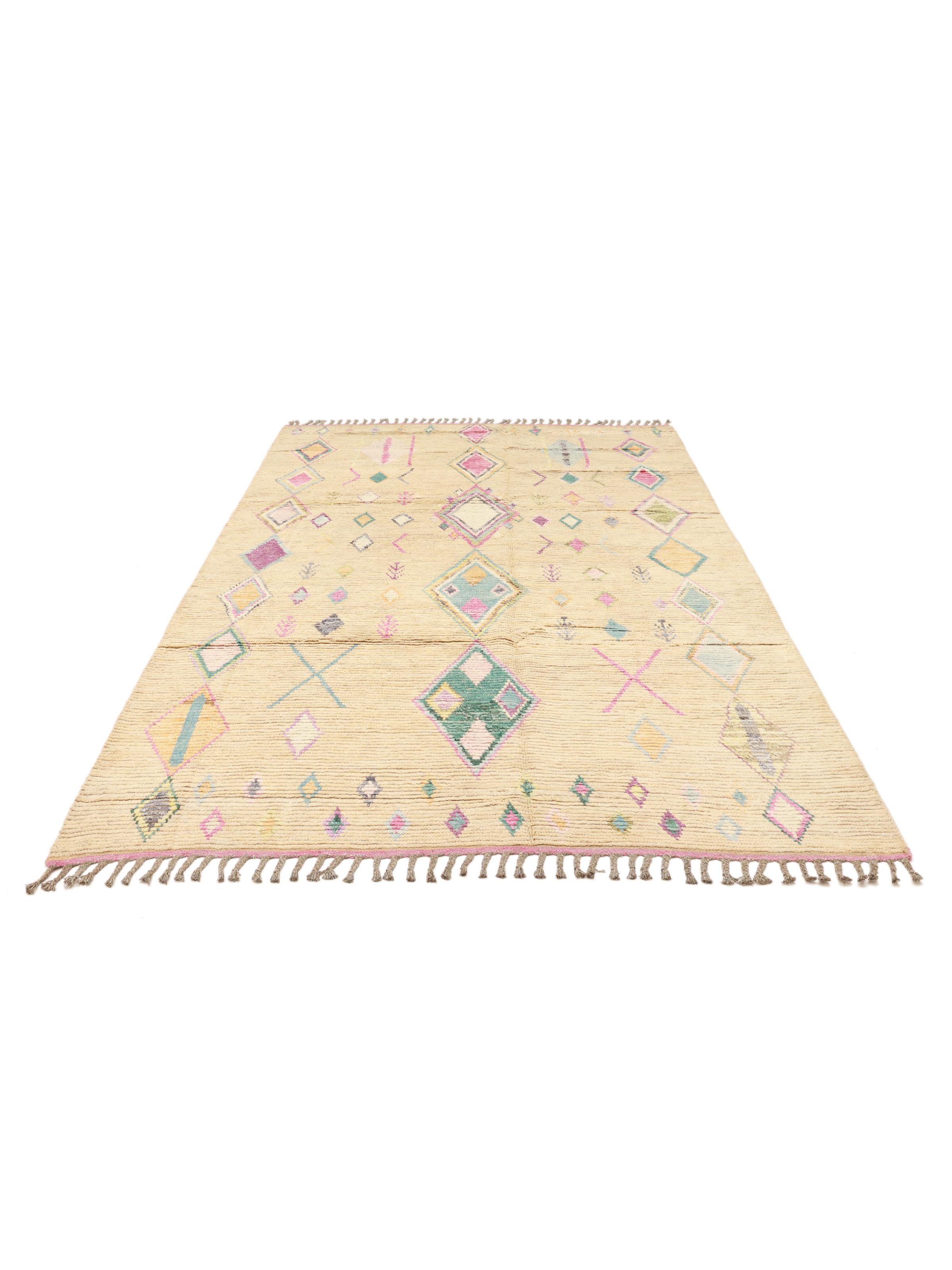
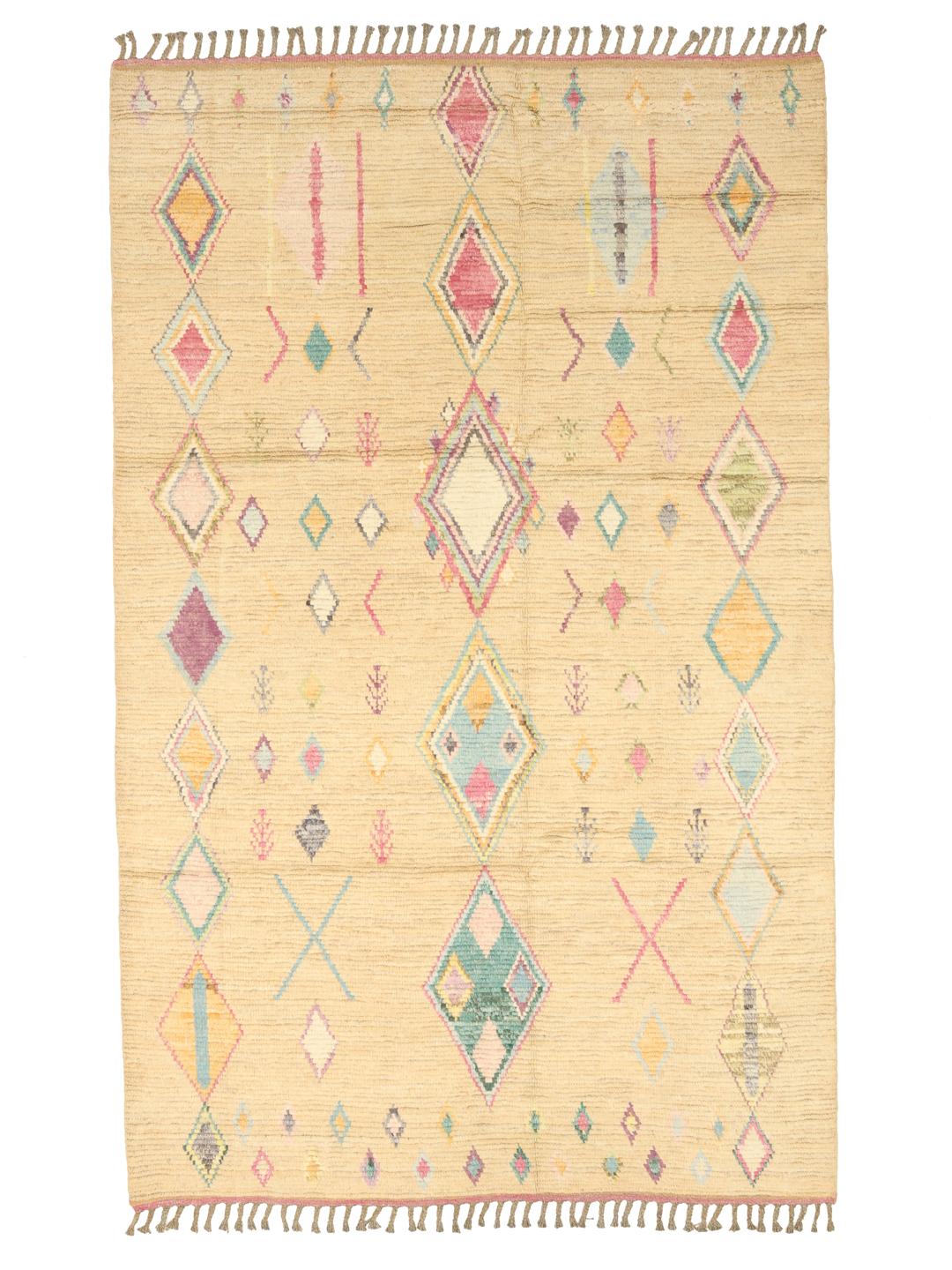
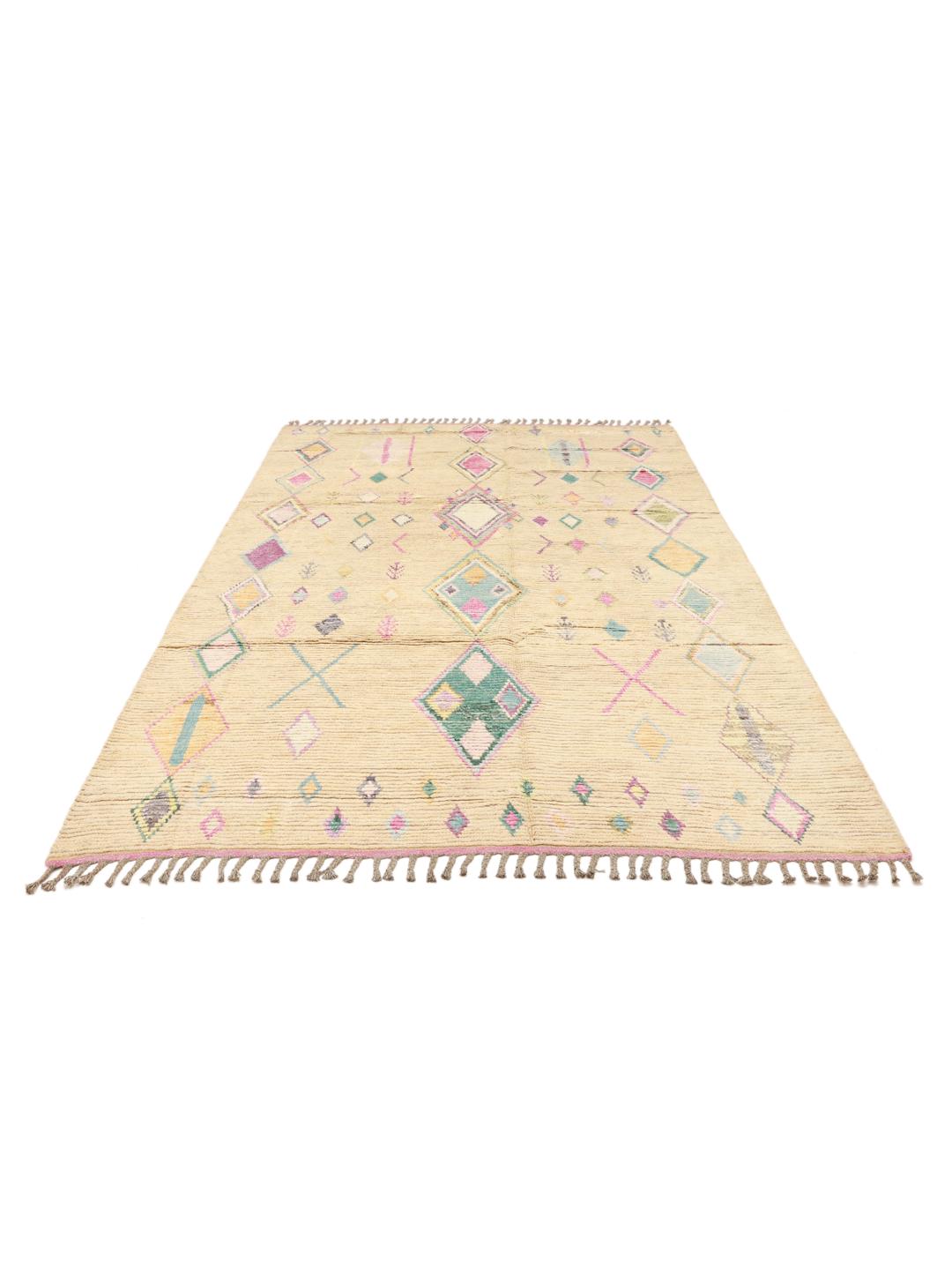
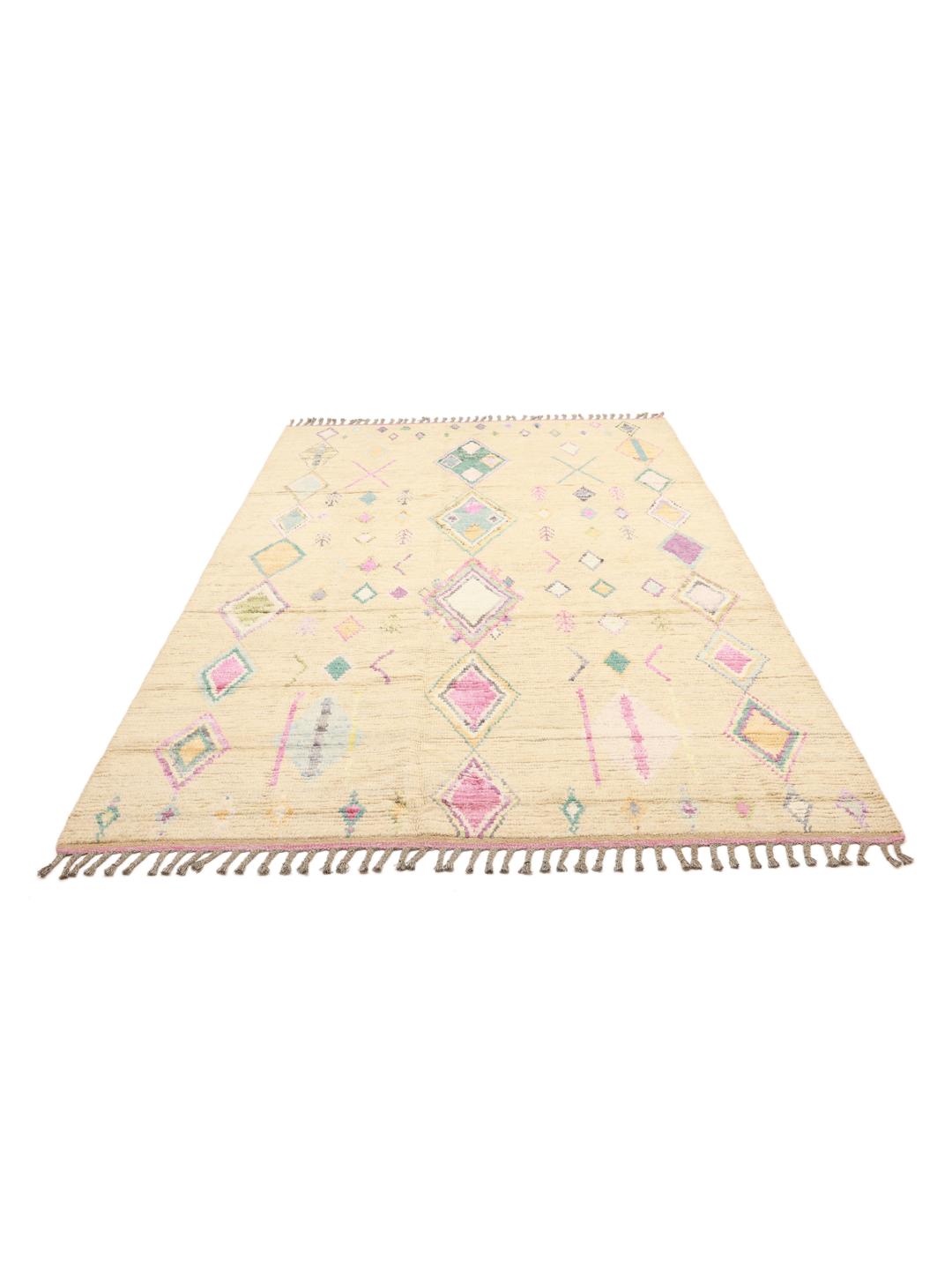
Visually, these rugs are defined by their minimalist, earthy fields and bold, symbolic geometric motifs. Common designs often include diamonds, chevrons, and abstract shapes that serve as a visual language for the weaver. The use of vibrant, contrasting colours against a neutral background is a hallmark of the style, creating a balanced aesthetic that feels both ancient and modern.
Collectors value these rugs not only for their beauty but for the cultural narrative they carry. Owning one is an act of supporting a long-standing tradition of human skill, where every knot represents a moment of focus and creativity. These are not merely floor coverings but heirlooms that preserve the legacy of their makers, bringing a sense of history and warmth into the contemporary home.