Berber rugs are rooted in the ancient traditions of North Africa, yet their influence has travelled across the globe, finding a vibrant new home in the weaving centres of Afghanistan. While the style originated from the nomadic tribes who crafted these pieces for warmth and protection against the harsh elements, the Afghan interpretation brings a unique perspective to the craft. Today, these rugs are celebrated for their ability to merge age-old techniques with a modern design sensibility.
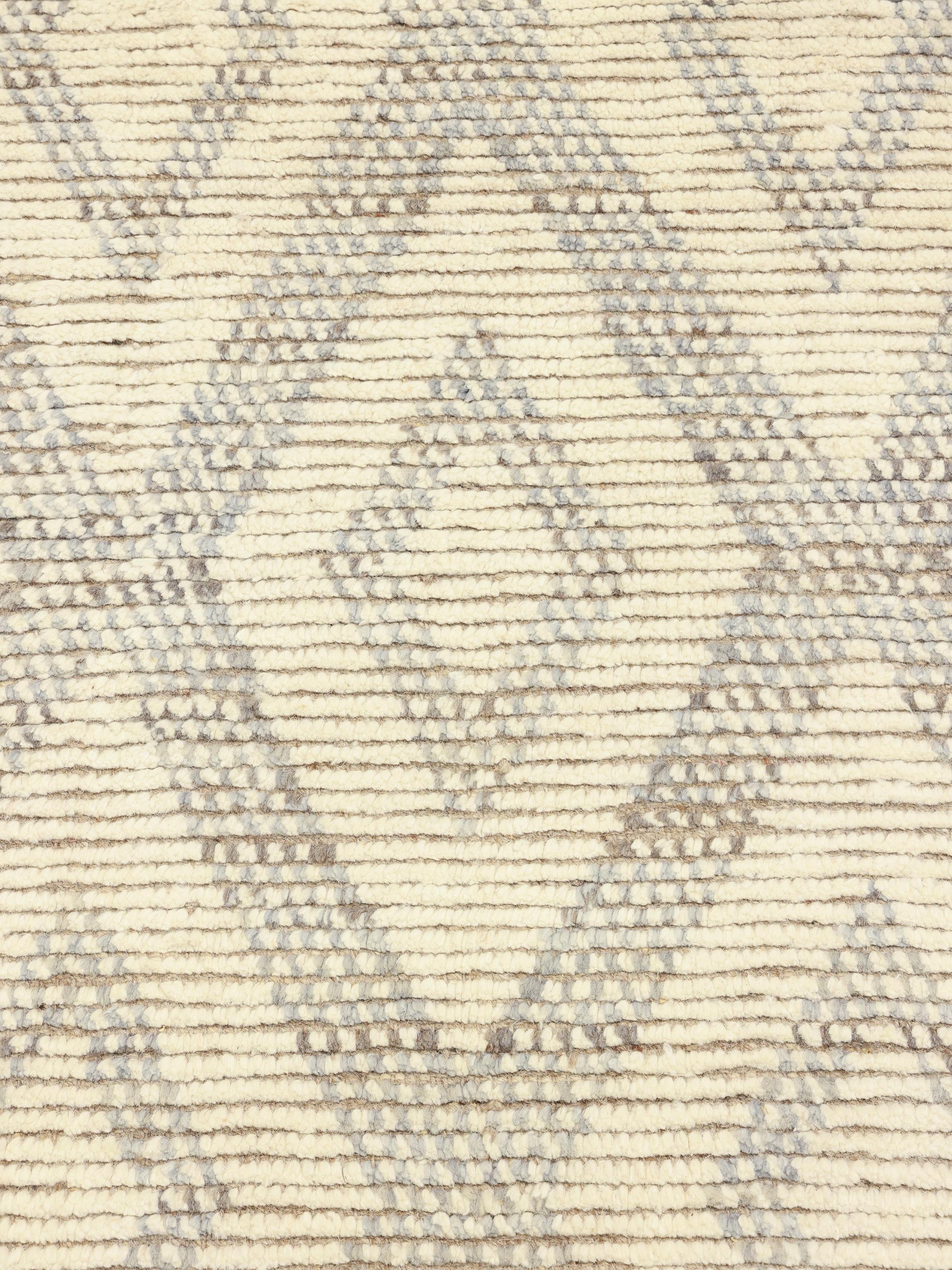
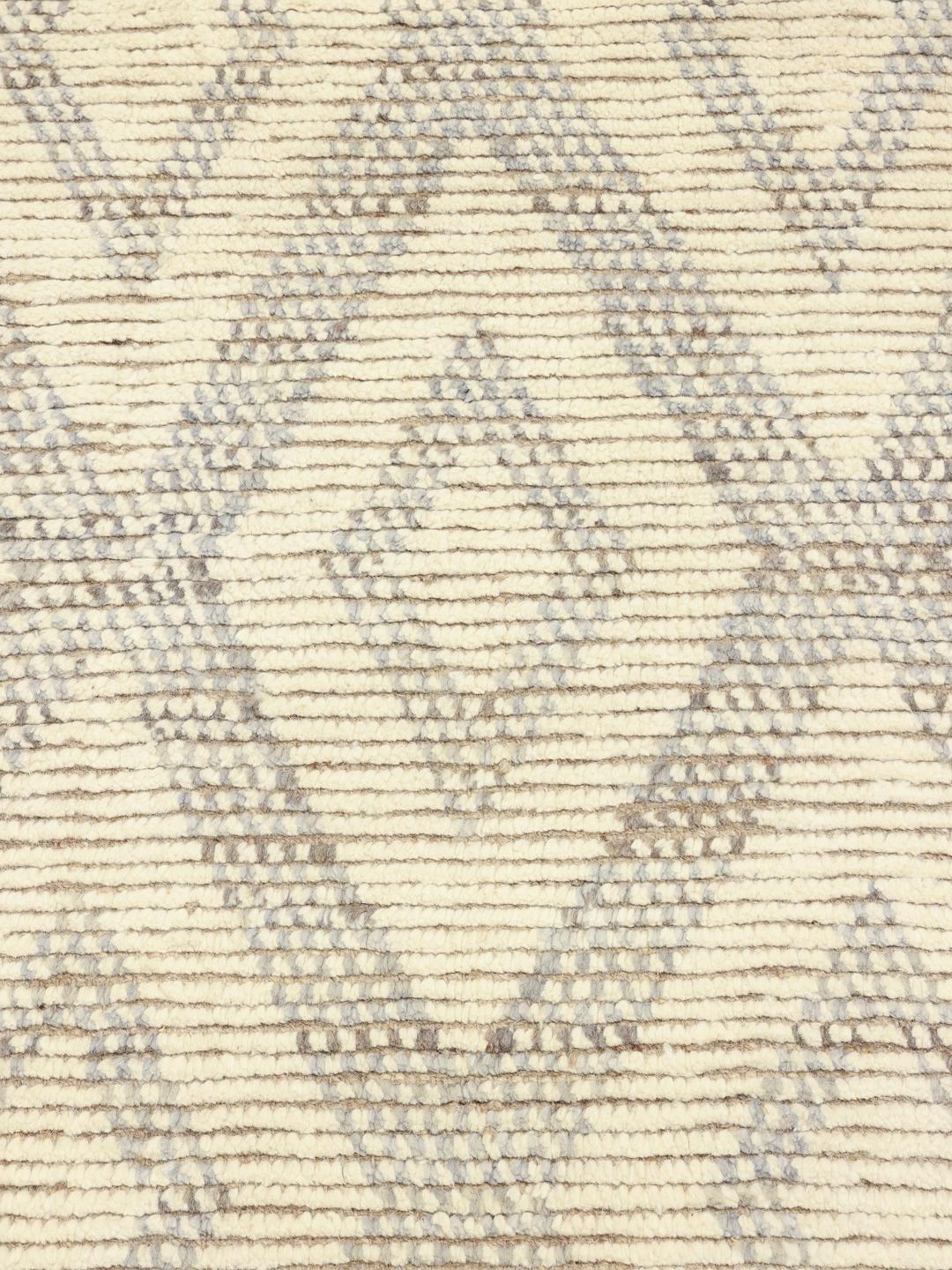
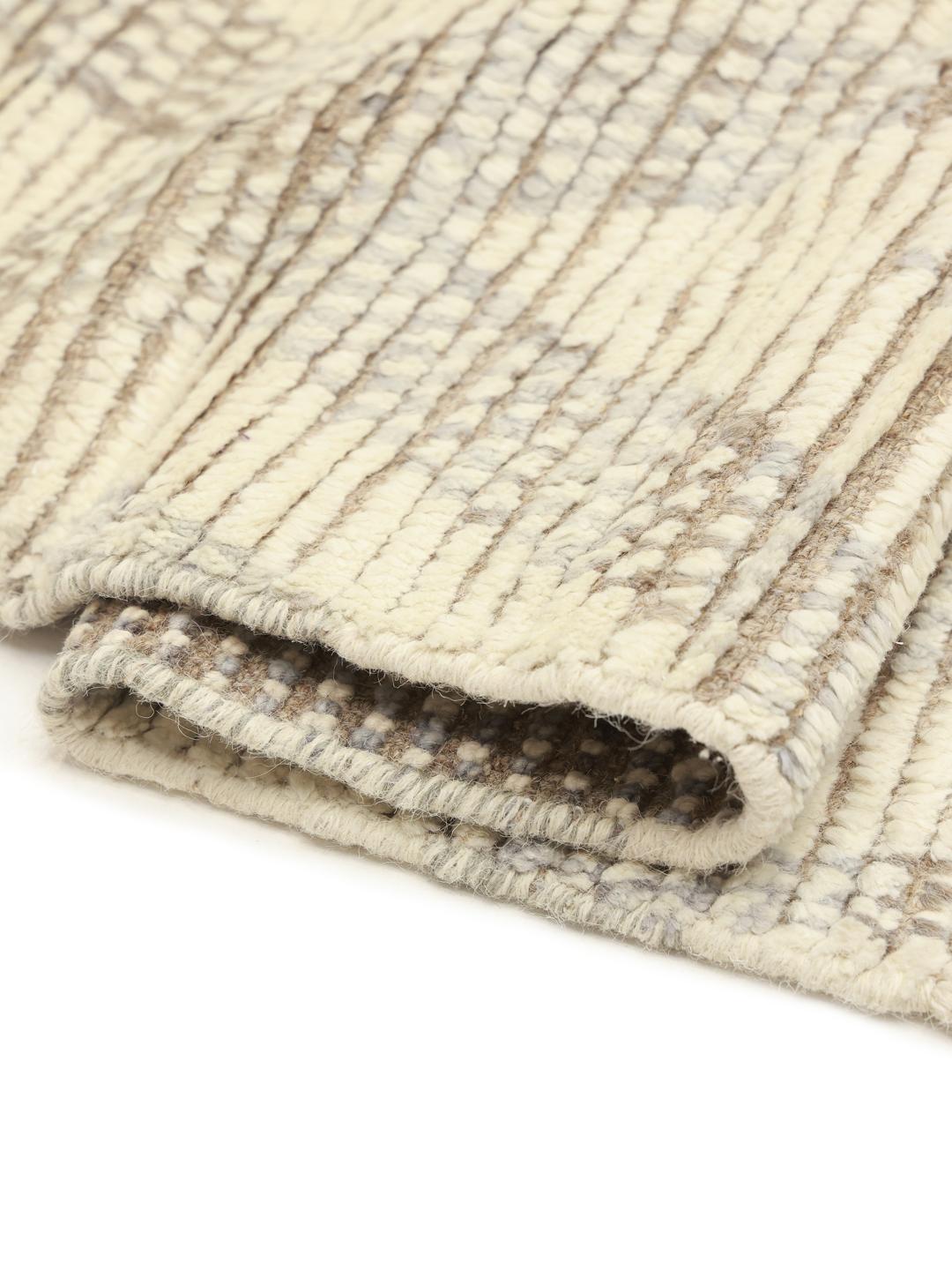
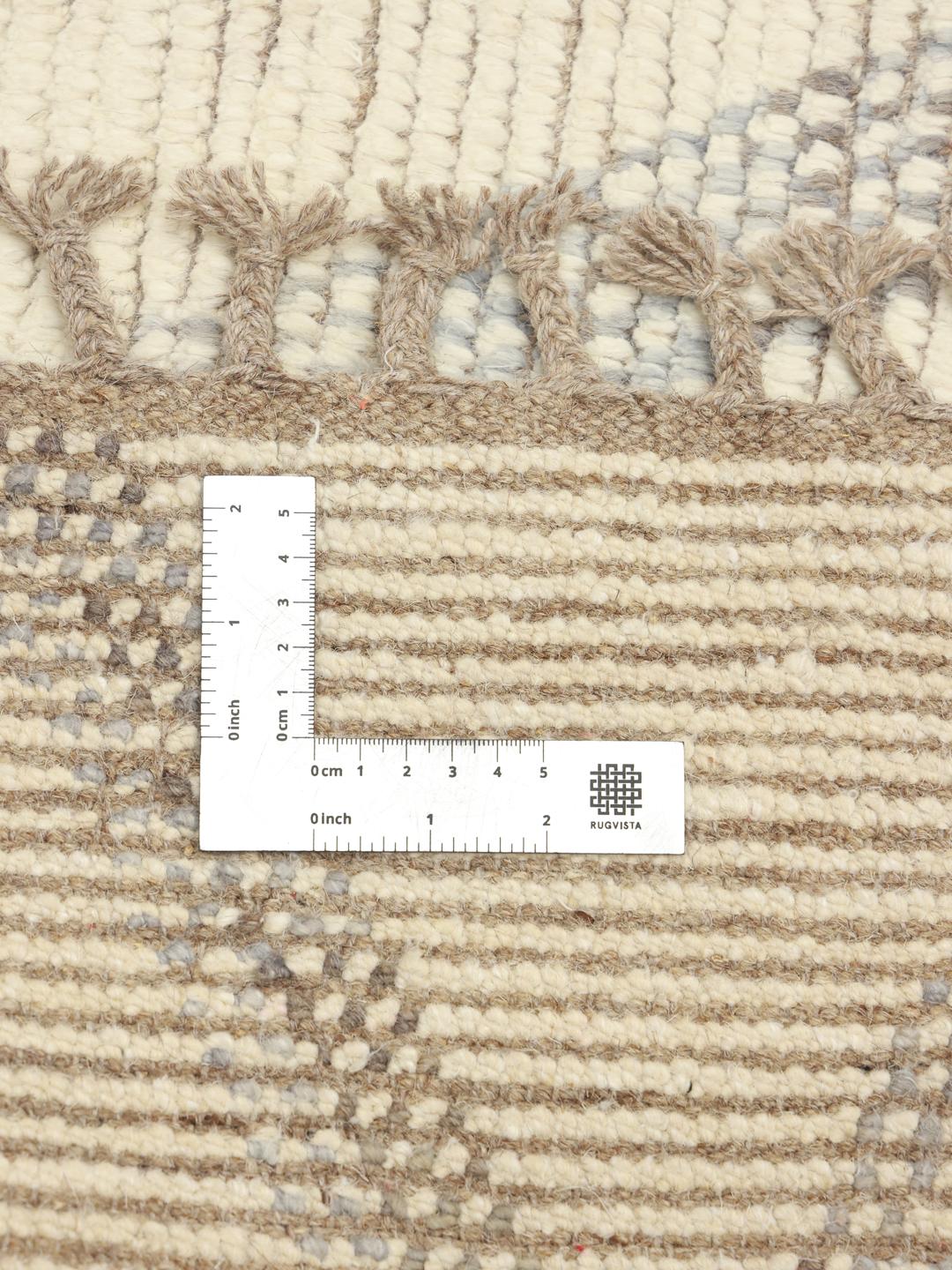
The term hand-knotted refers to the technique where individual strands of wool are tied onto the foundation threads, one by one. This process is the hallmark of premium rug making, as it allows for intricate patterns and a durable, long-lasting pile. This method is far more time-consuming than other forms of production, but it is the only way to achieve the distinct depth and luxurious hand-feel that collectors and enthusiasts look for in a high-quality rug.
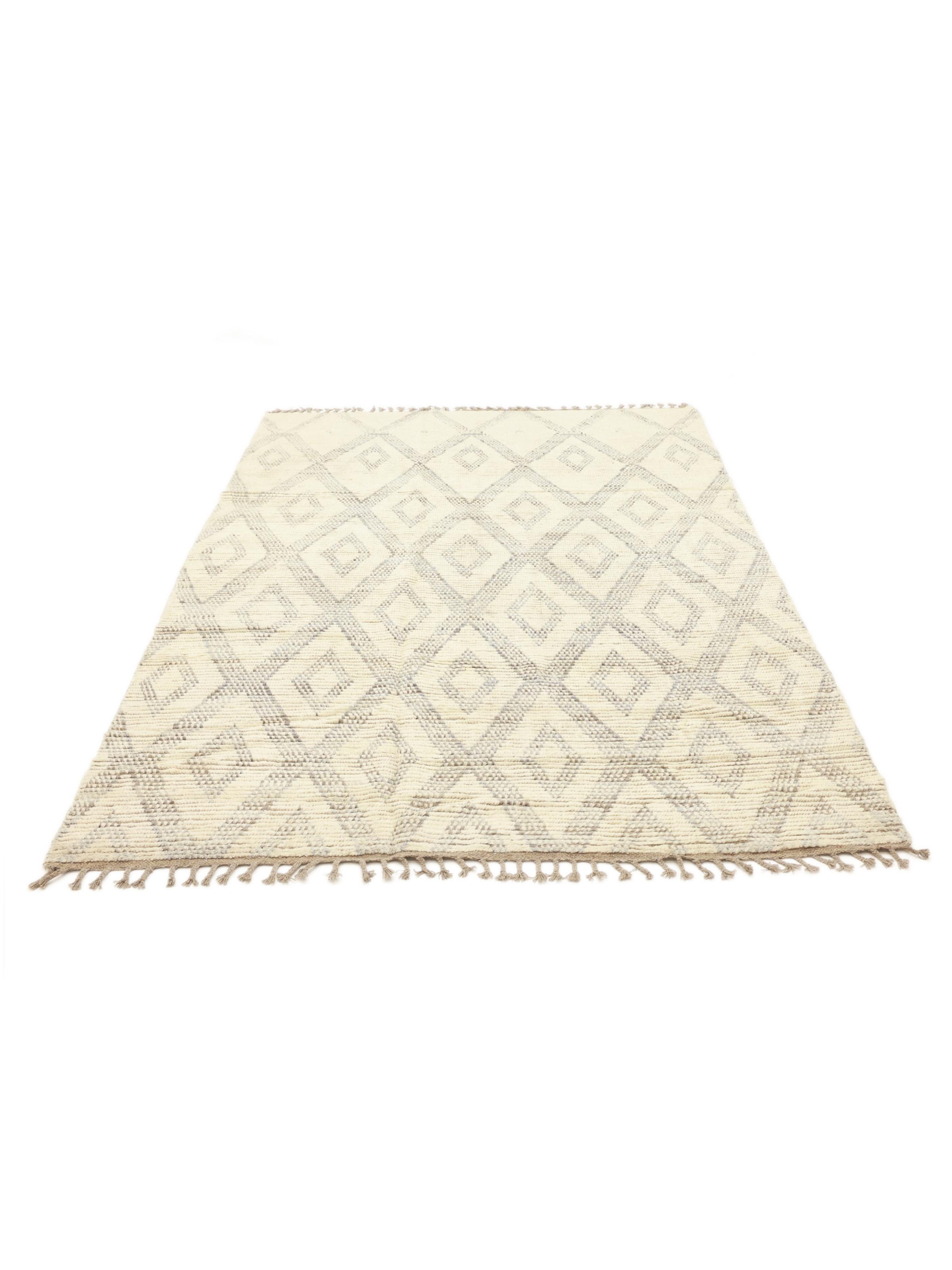
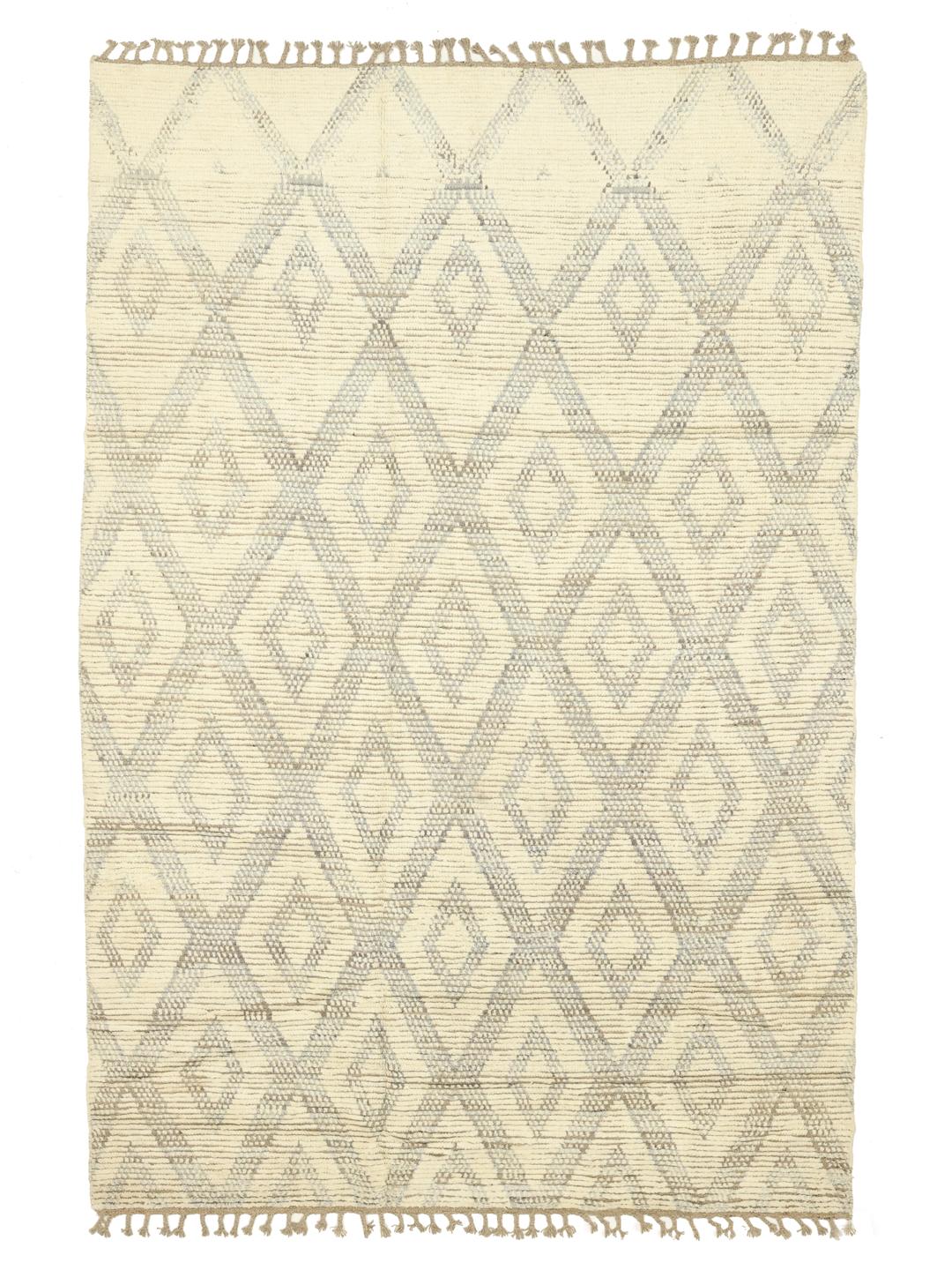
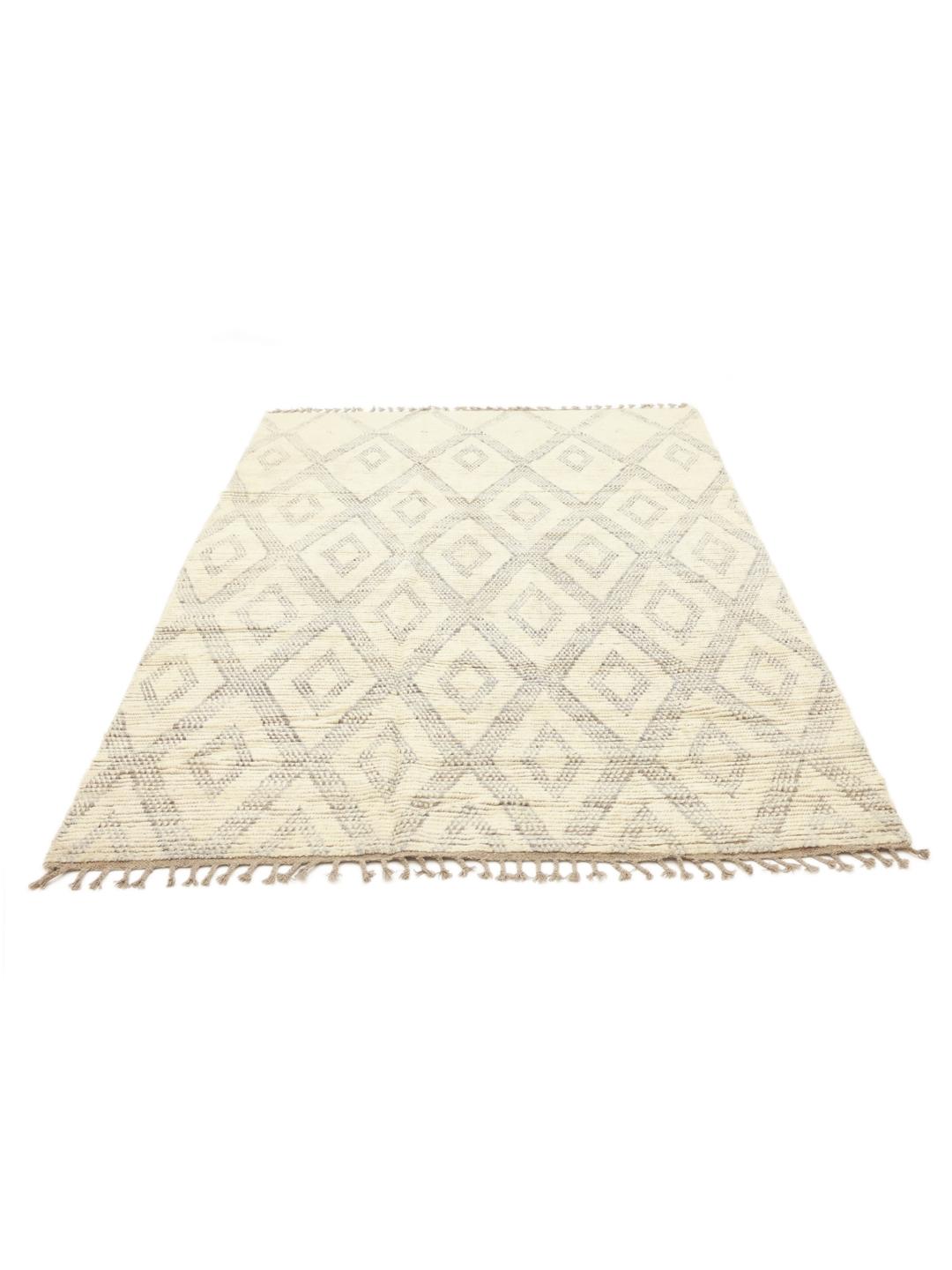
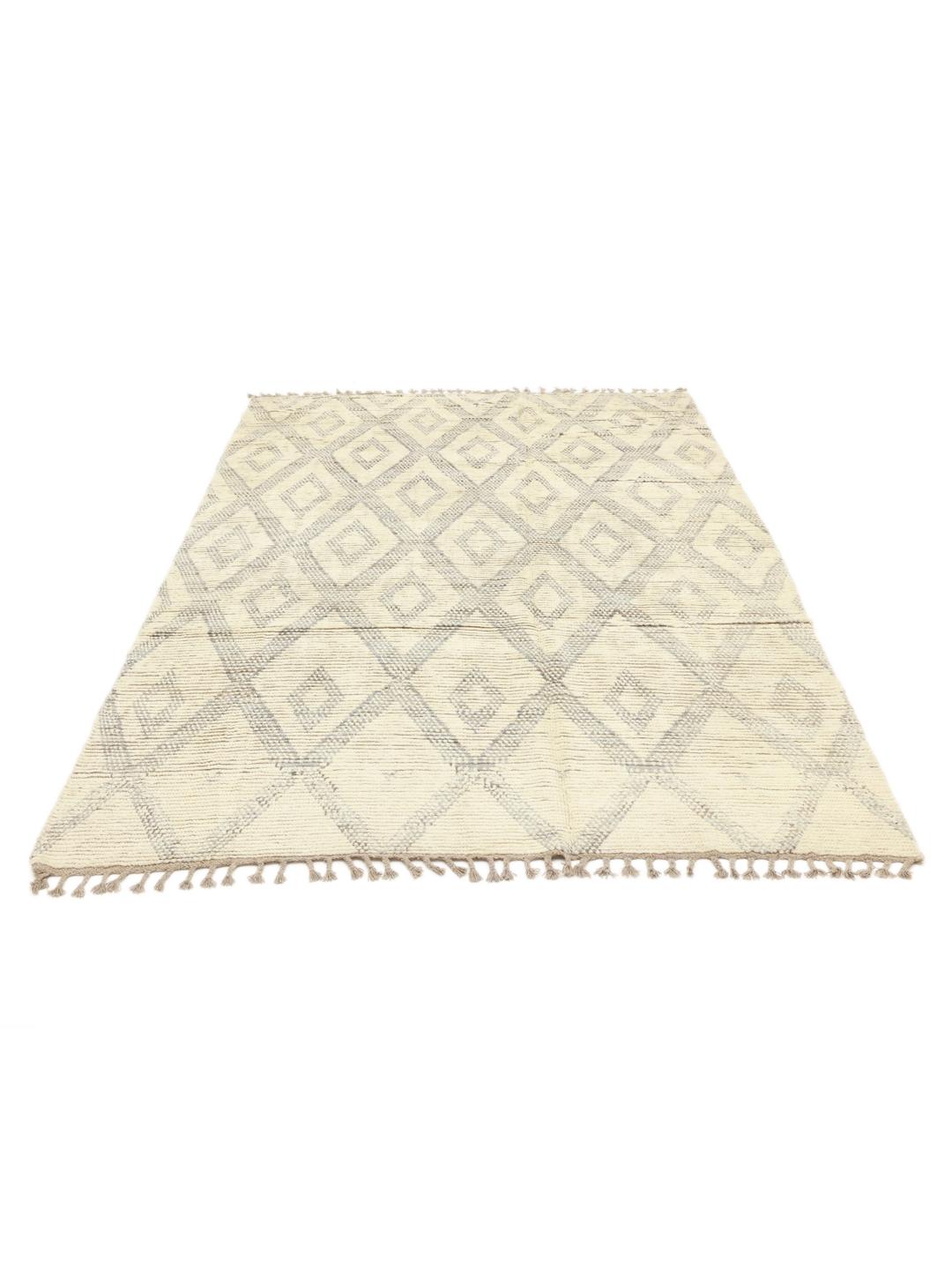
The visual language of this rug is defined by its bold, diamond-shaped motifs. These geometric patterns are classic elements of the Berber tradition, often symbolising protection or elements of the natural world. By utilising a neutral colour palette, this rug honours the original, earthy aesthetic of its ancestors, ensuring that the focus remains on the texture and the rhythmic, repetitive nature of the design.
Owning a hand-knotted rug from this tradition is an investment in cultural heritage and human skill. Each piece is an individual expression of the weaver’s expertise, meaning that even within the same style, no two rugs are ever identical. For the collector, these rugs represent a bridge to the past, offering a tangible connection to the history of textile art while serving as a beautiful, functional anchor in a contemporary home.