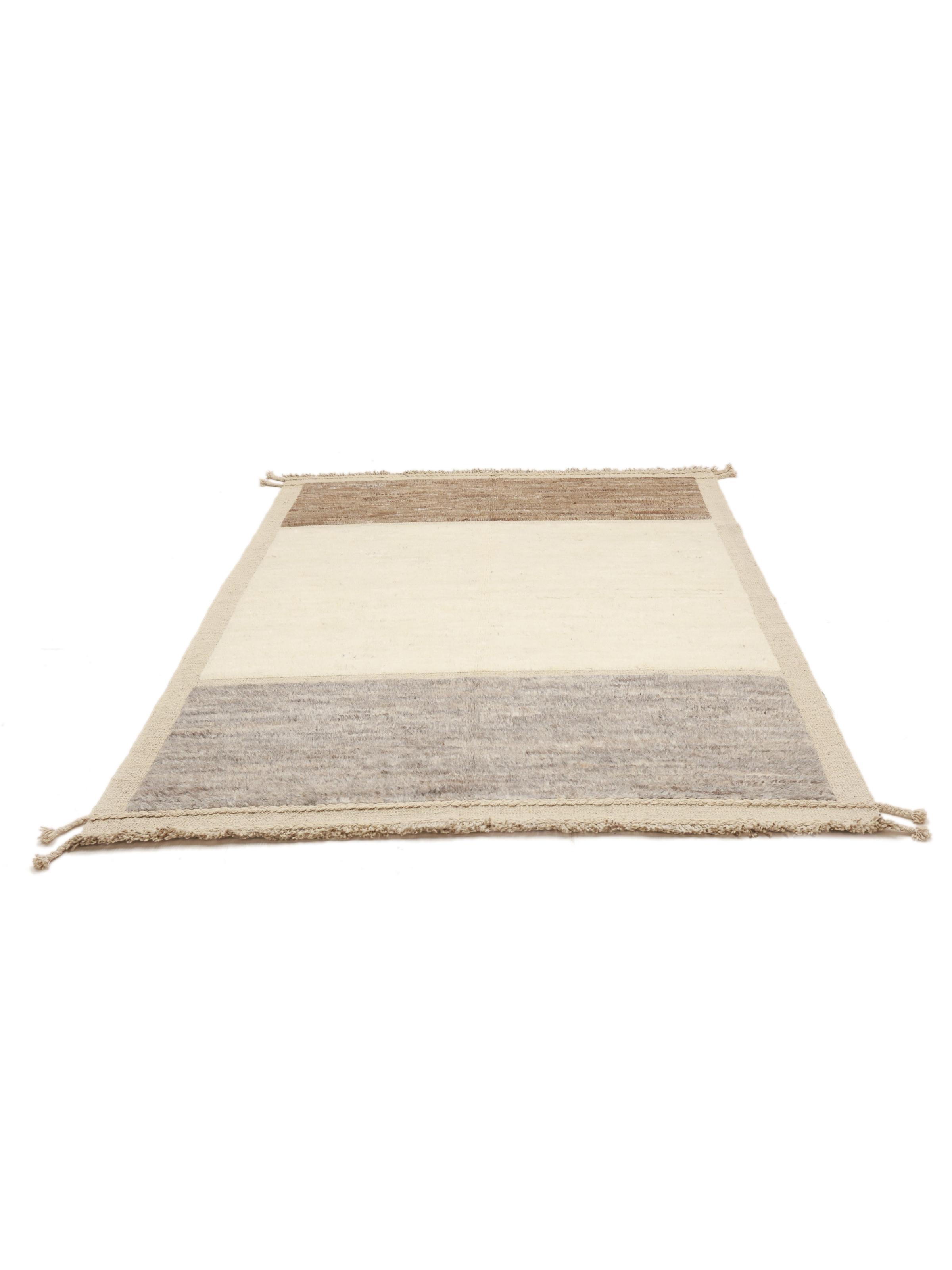
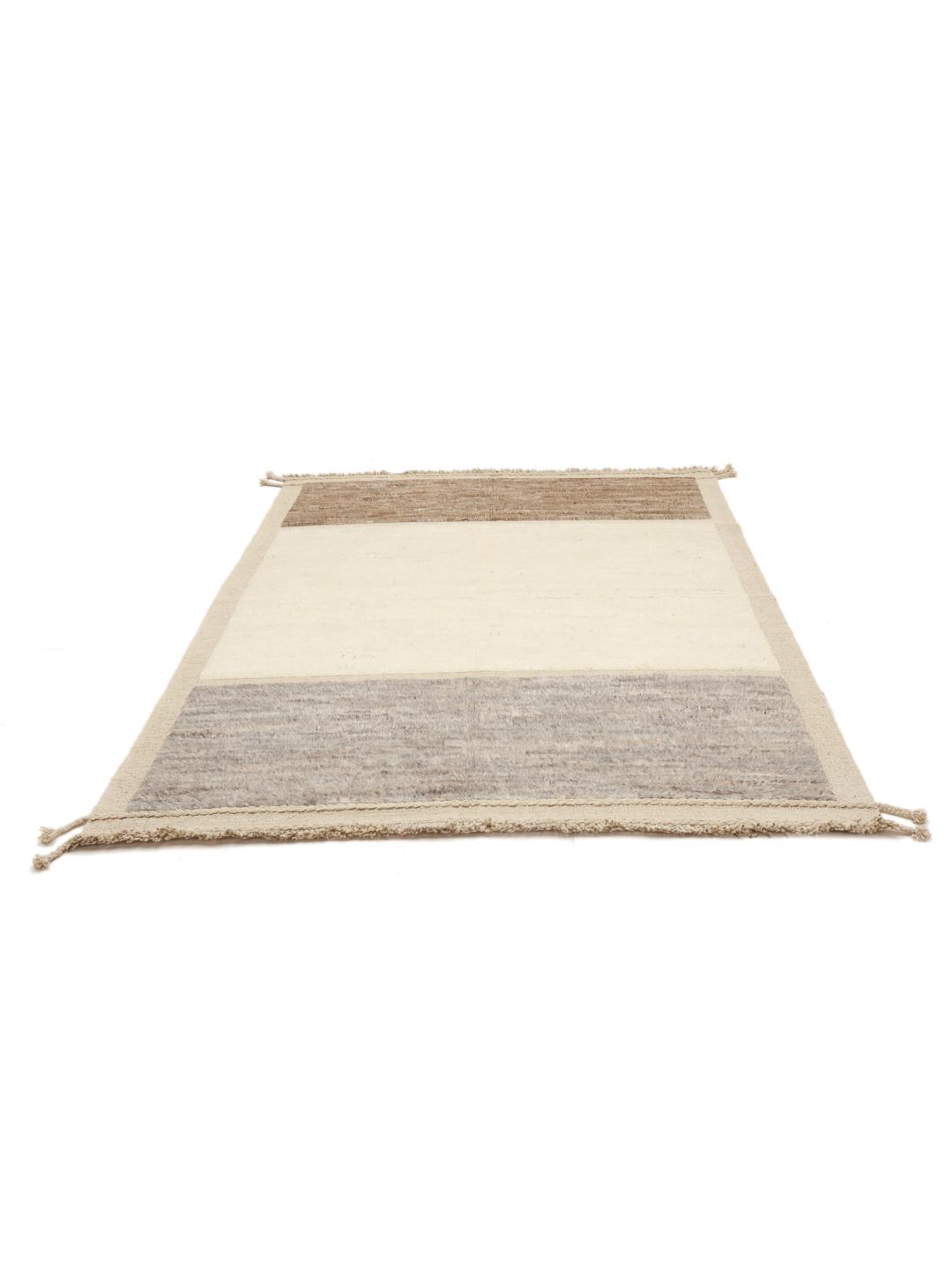
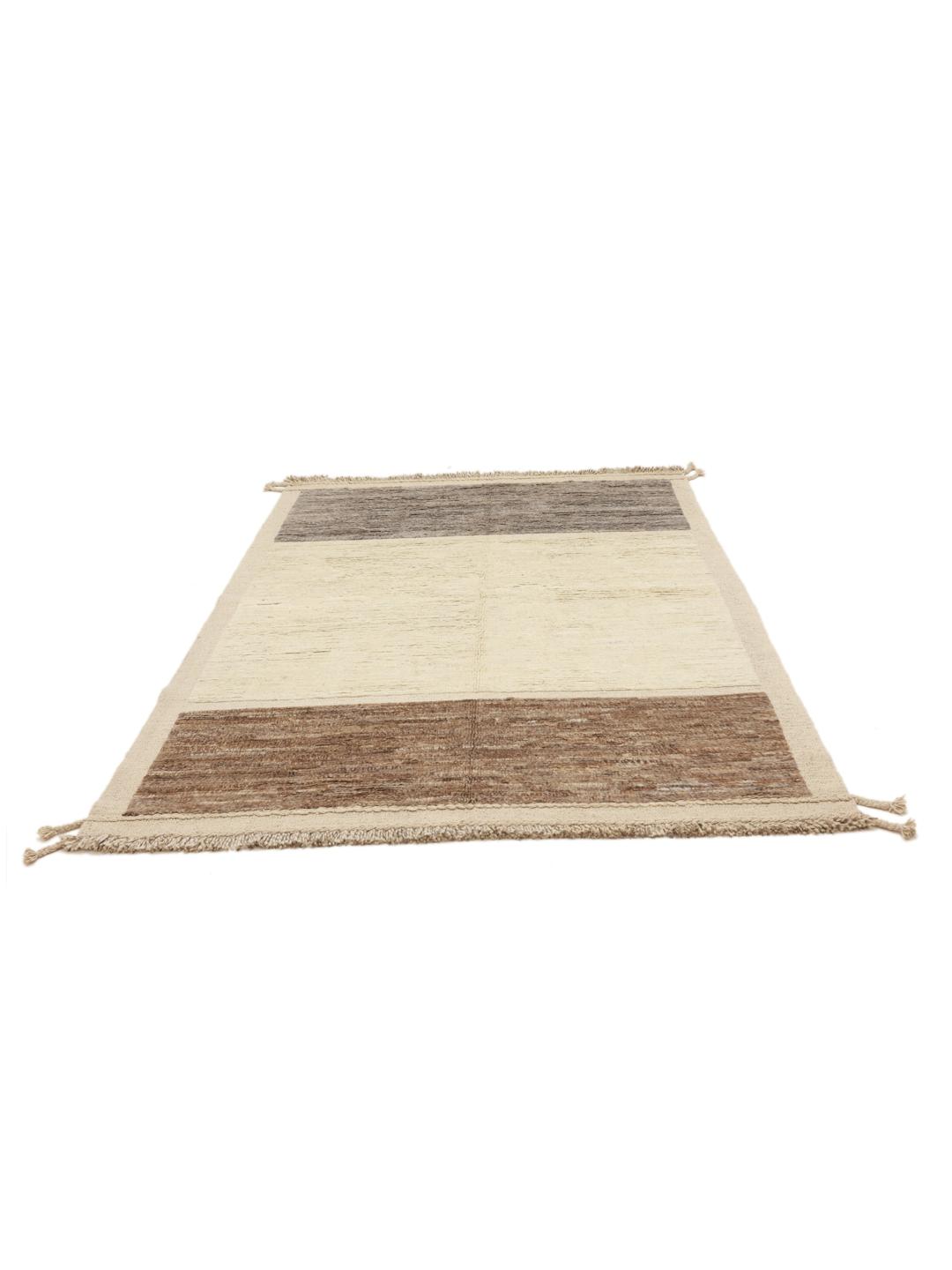
Berber rugs are rooted in the ancient traditions of the nomadic tribes of North Africa, but their influence has travelled far beyond their original geography. Today, the style has been embraced and adapted by master weavers in Afghanistan, who bring their own regional expertise to the craft. This cross-cultural evolution has resulted in a unique blend of heritage techniques and contemporary aesthetic sensibilities.
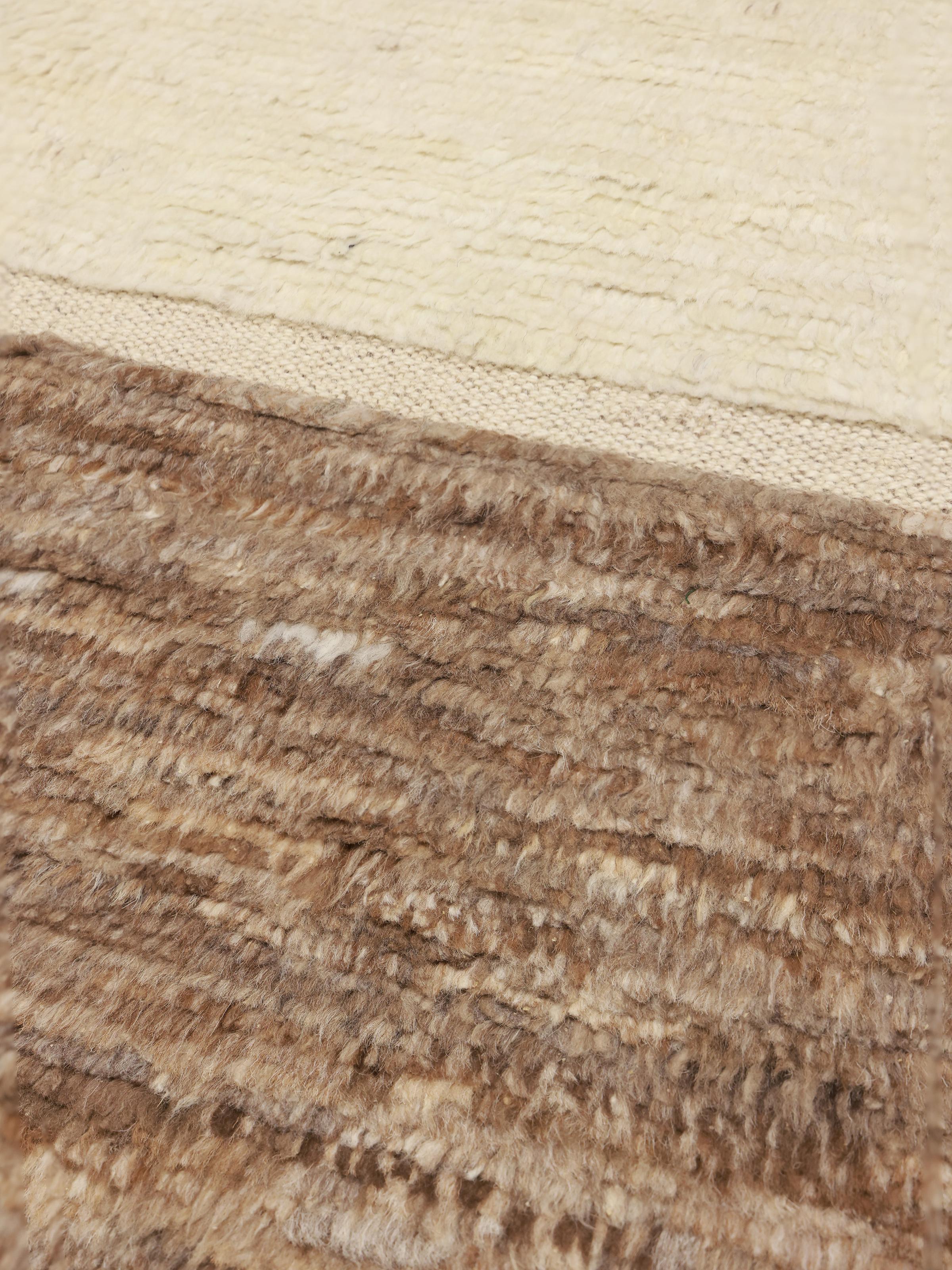
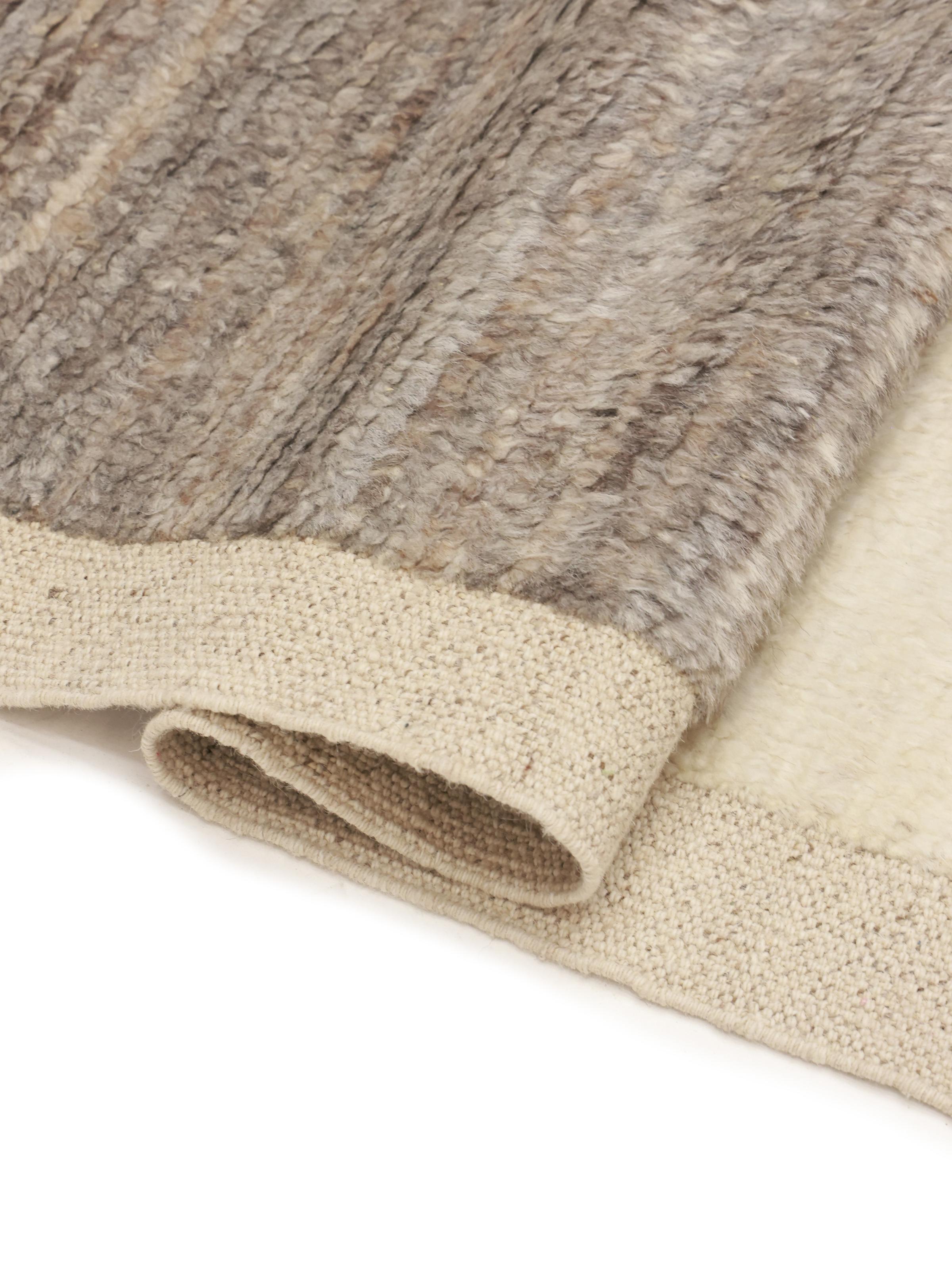
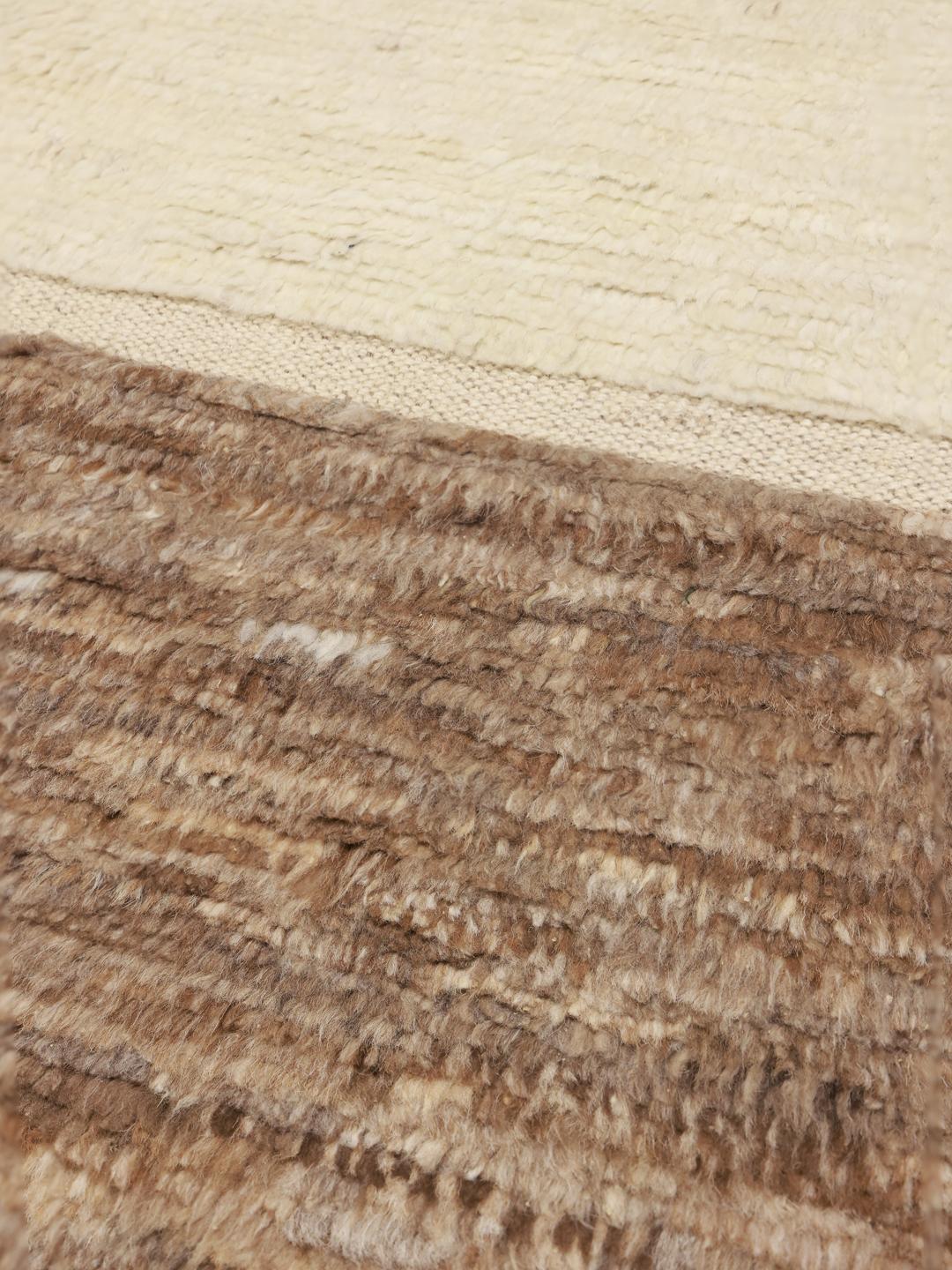
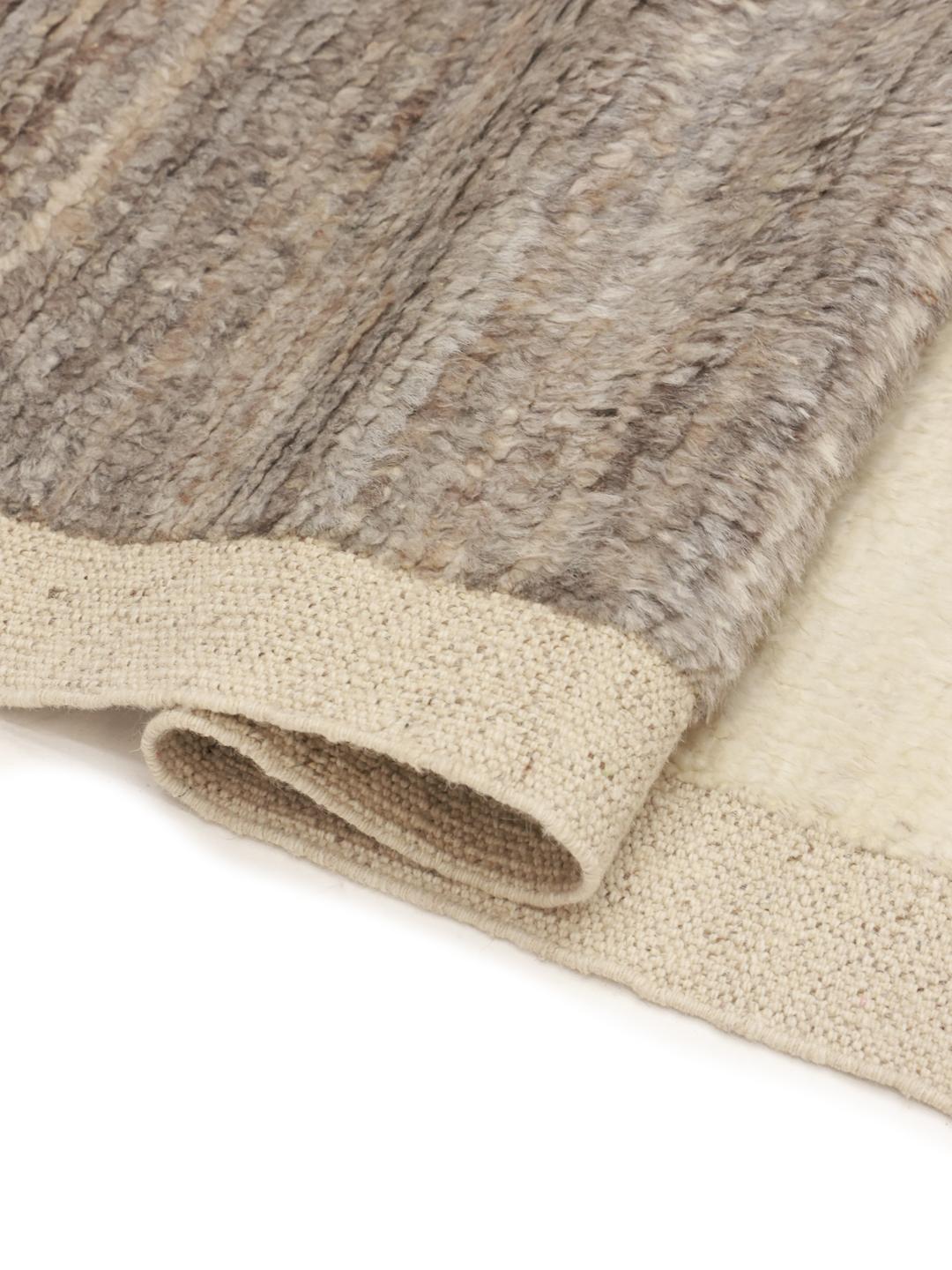
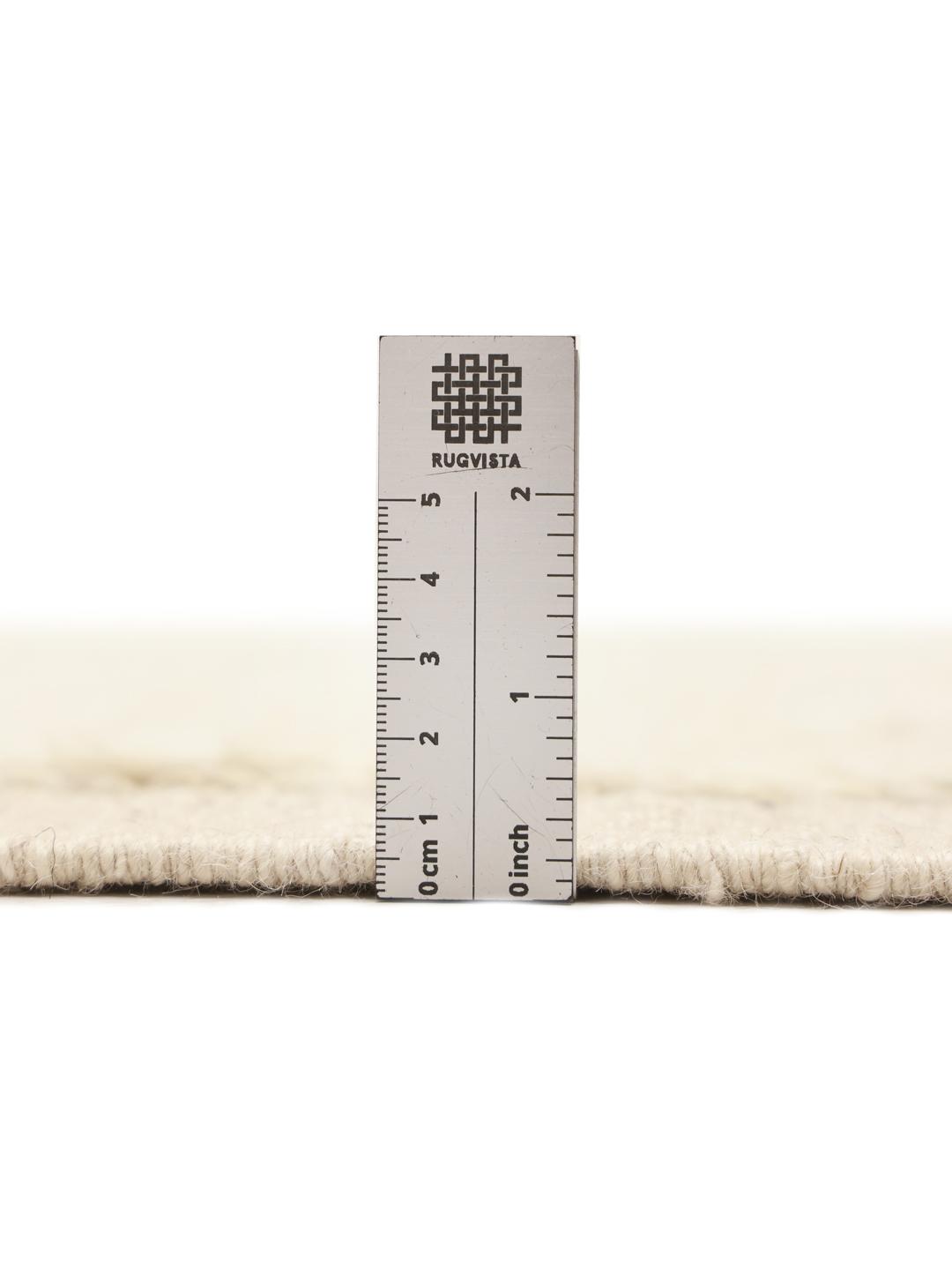
The term hand-knotted refers to the traditional method of tying individual strands of wool onto a foundation. This requires a high level of skill, as each knot is secured by hand to form the pile. This construction is highly valued because it creates a robust, long-lasting surface that is far more durable than machine-made alternatives, making these pieces ideal for homes that prioritise both beauty and utility.
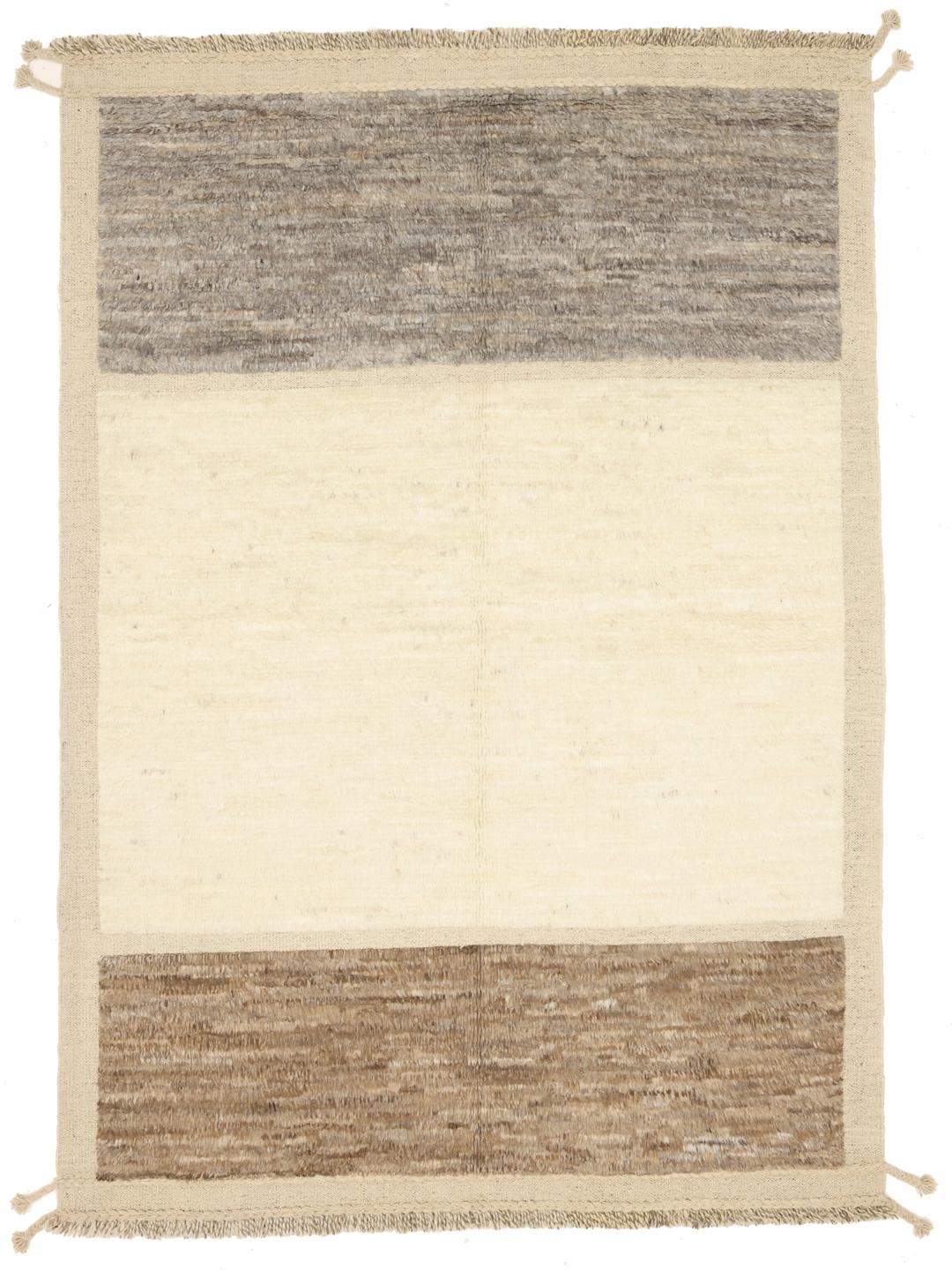
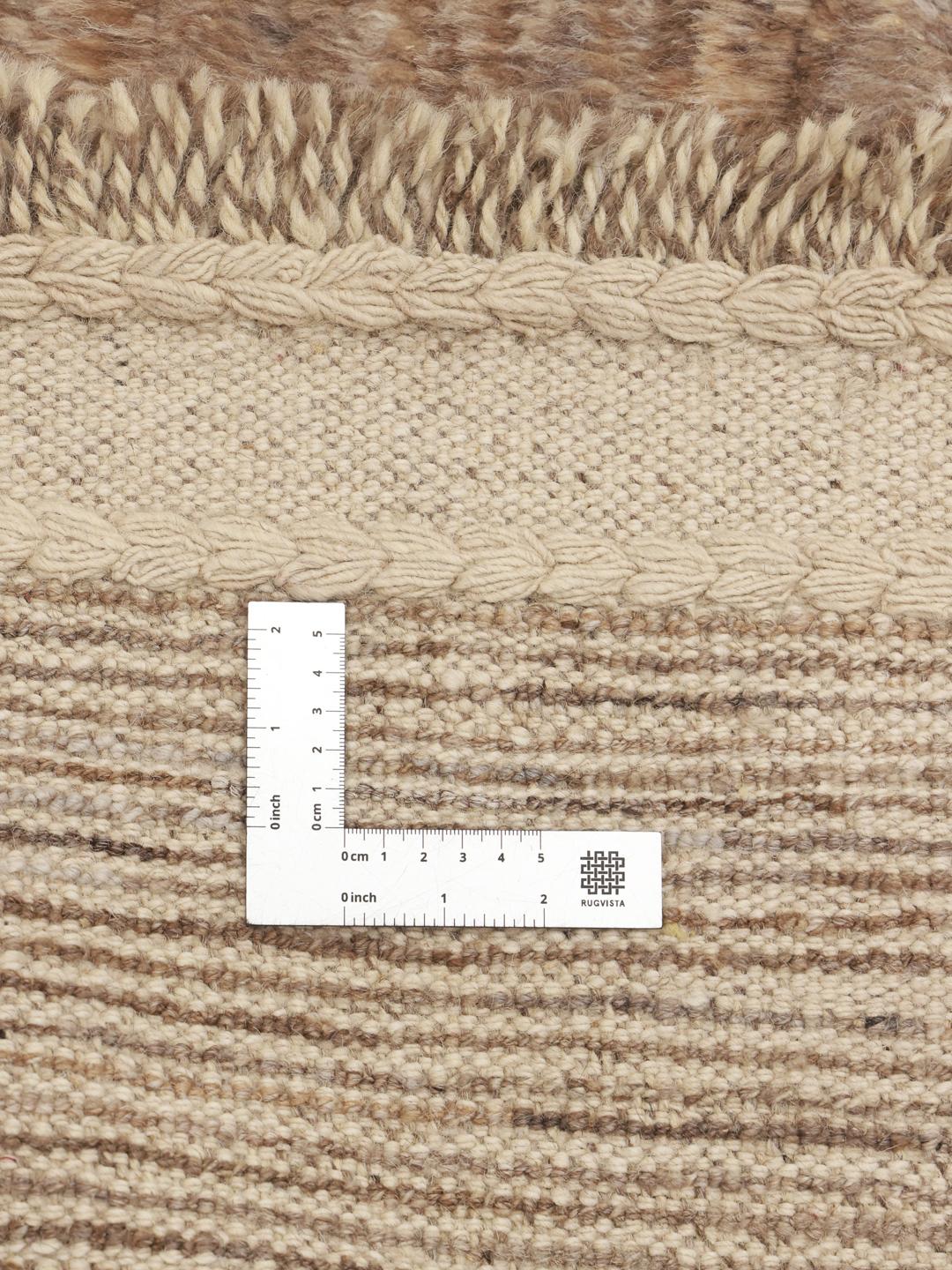
Visually, the Berber tradition is known for its restrained use of colour and focus on geometric simplicity. While traditional versions often feature diamond shapes or subtle motifs, this particular piece highlights the beauty of colour blocking. By utilising organic, undyed tones, the rug emphasises the texture of the wool, creating a look that feels both classic and contemporary.
Collectors and design enthusiasts value these rugs for their authenticity and the human story behind them. Owning such a piece is an investment in a craft that prioritises patience and skill over speed. It represents a connection to a long-standing tradition of weaving, offering a sense of history and cultural weight that brings character and warmth to any modern home.