The Berber rugs of the Middle Atlas mountains are among the most revered textiles in the world, rooted in the nomadic traditions of the indigenous people of Morocco. These rugs were historically woven not just as floor coverings, but as essential tools for survival, providing warmth and insulation in the harsh, high-altitude climates of the Atlas region. Every rug tells a story of the environment in which it was created.
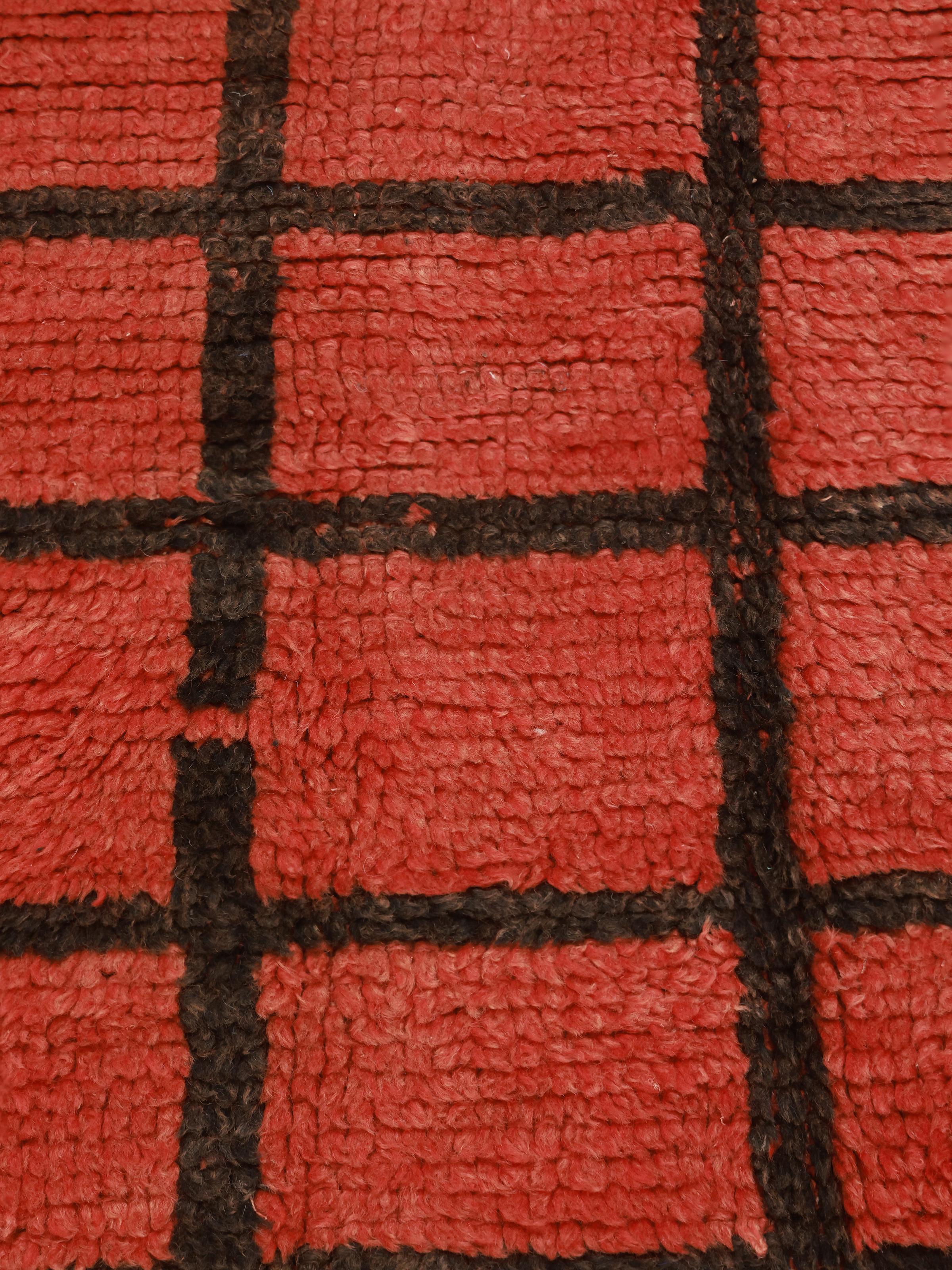
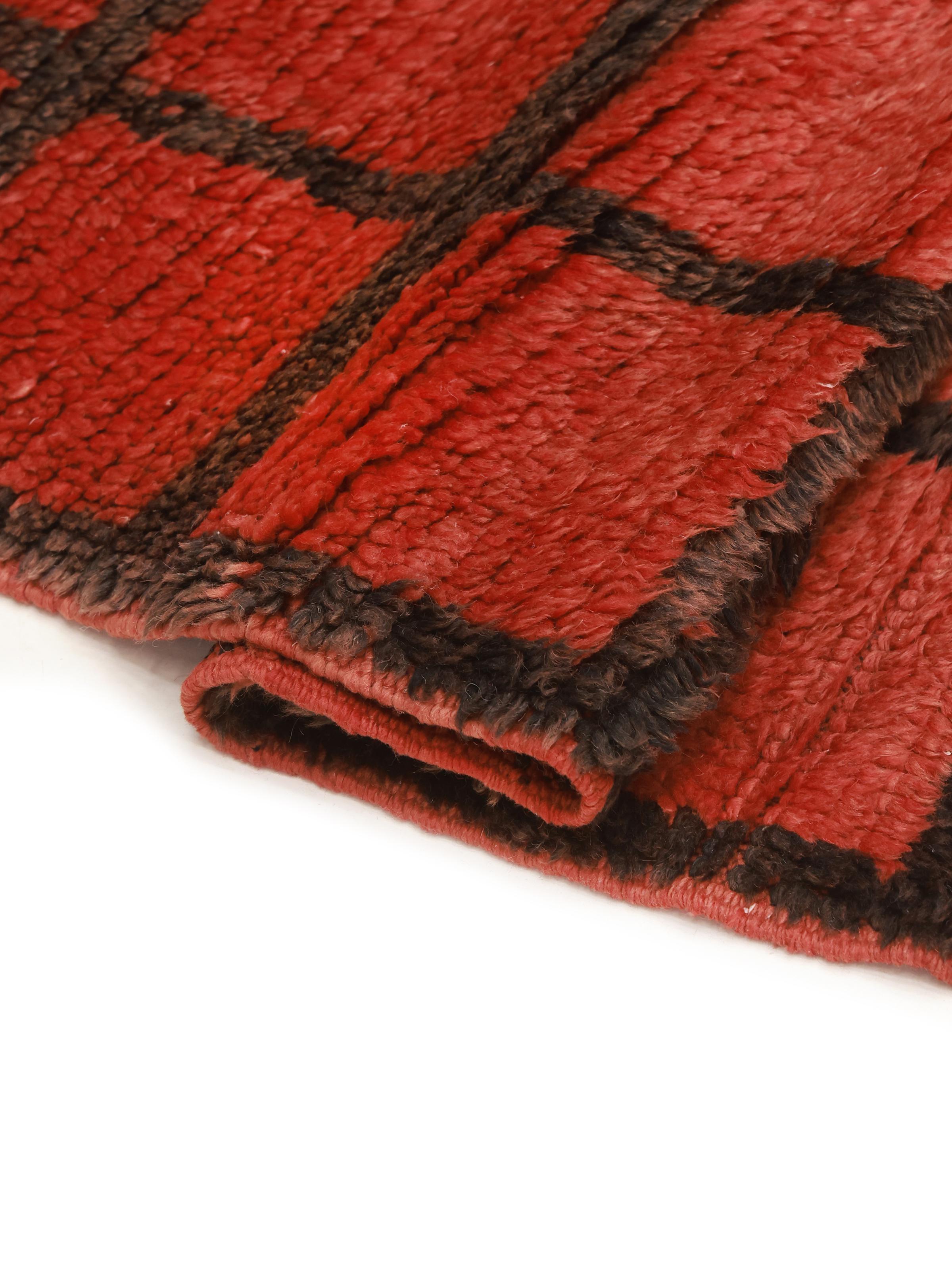
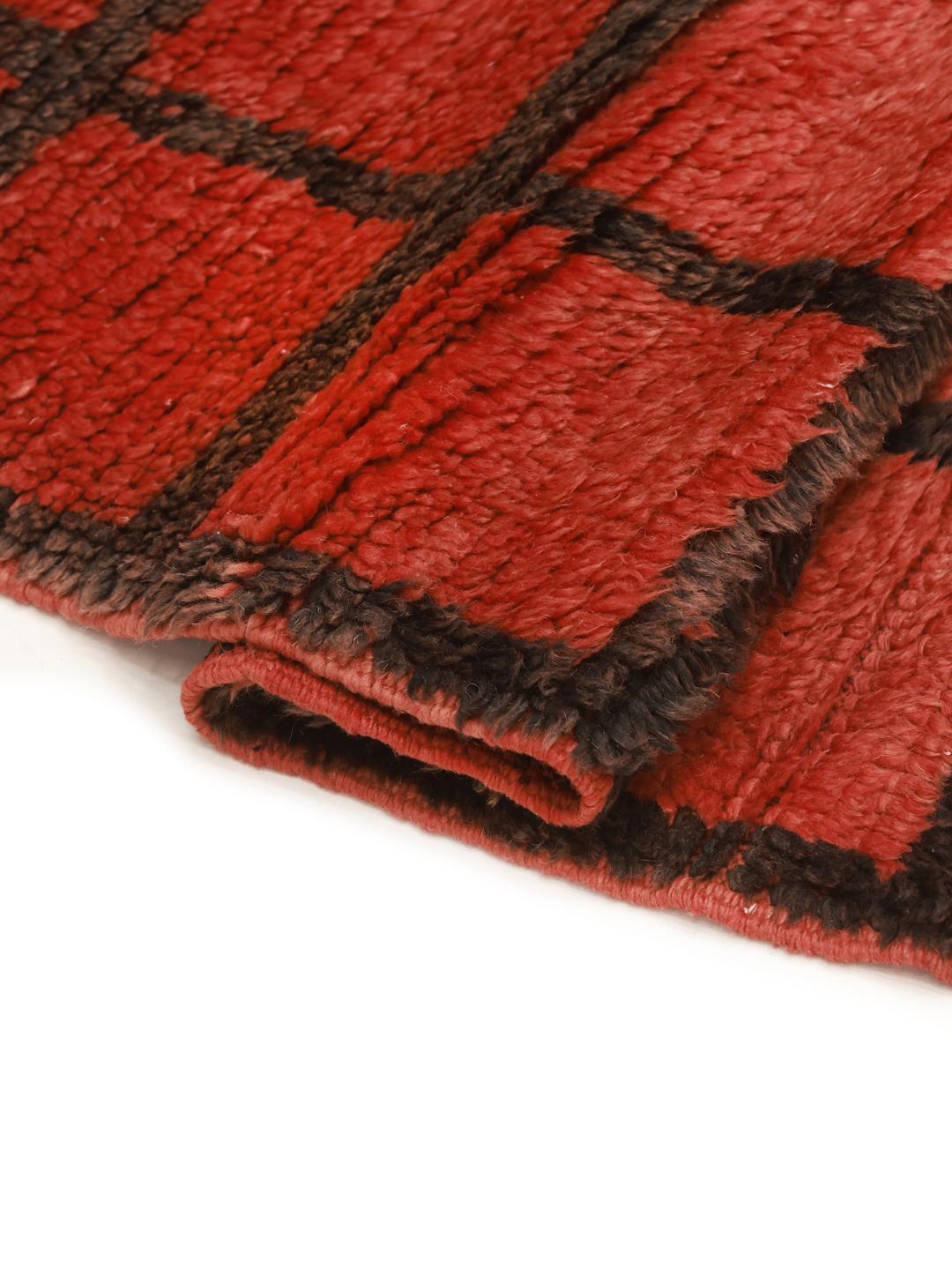
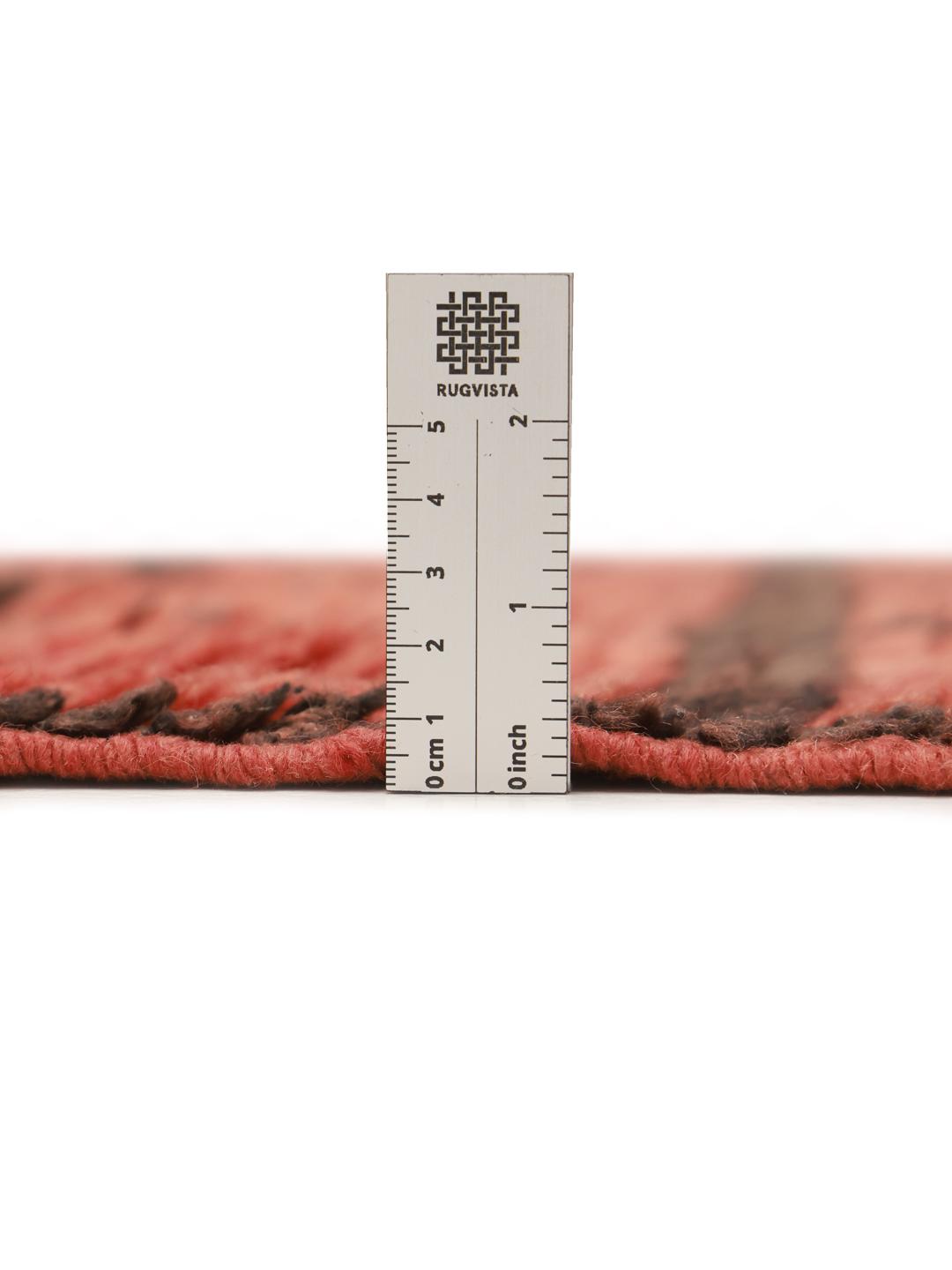
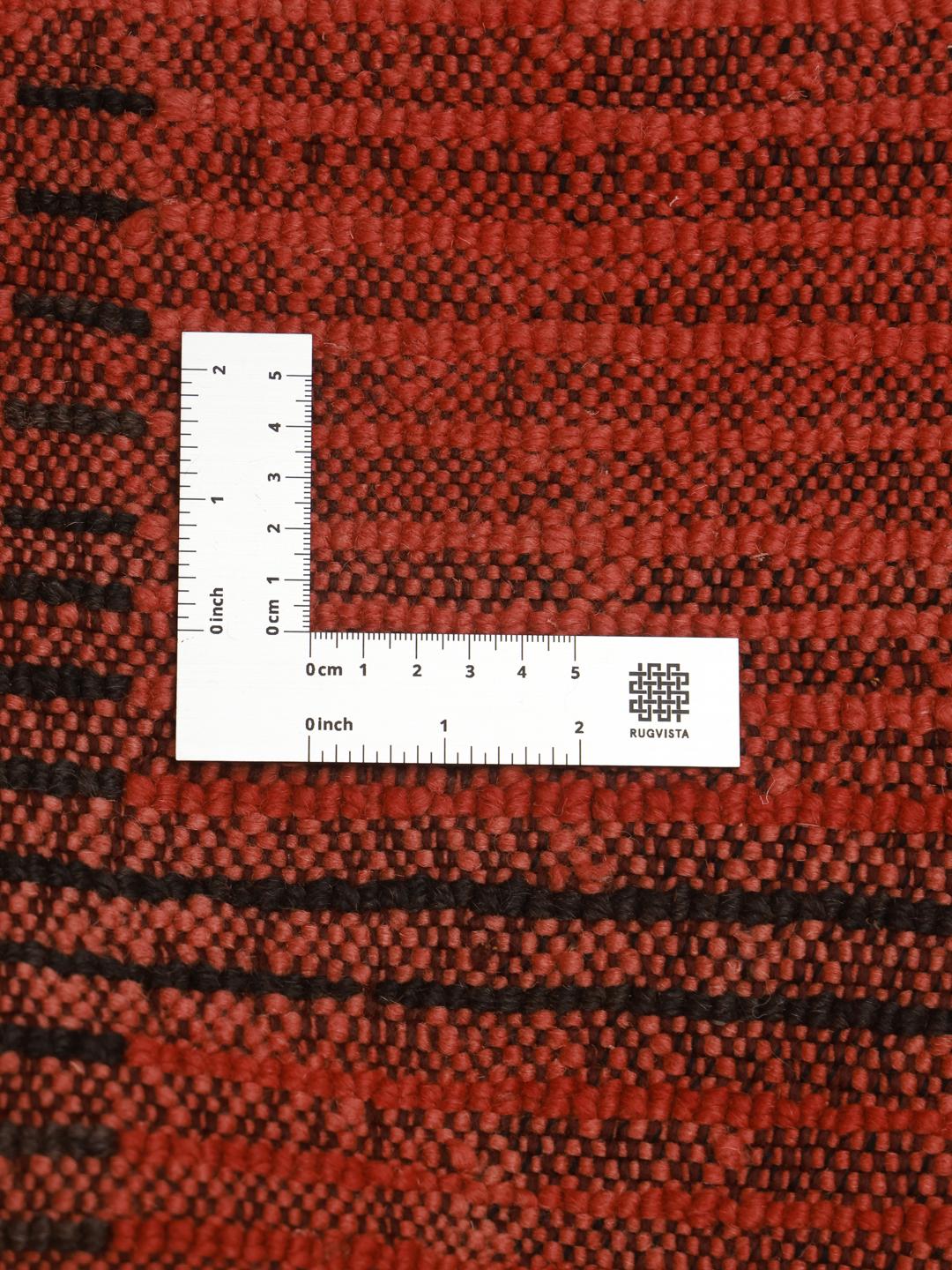
The term 'Berber' refers to the diverse ethnic groups of North Africa, and their weaving techniques are characterised by a focus on functional beauty. These rugs are traditionally woven on vertical looms, where the process is often a communal and meditative act. The thickness of the wool and the specific knotting techniques used ensure that the final piece is both flexible and incredibly resilient, traits that have kept this craft alive for centuries.
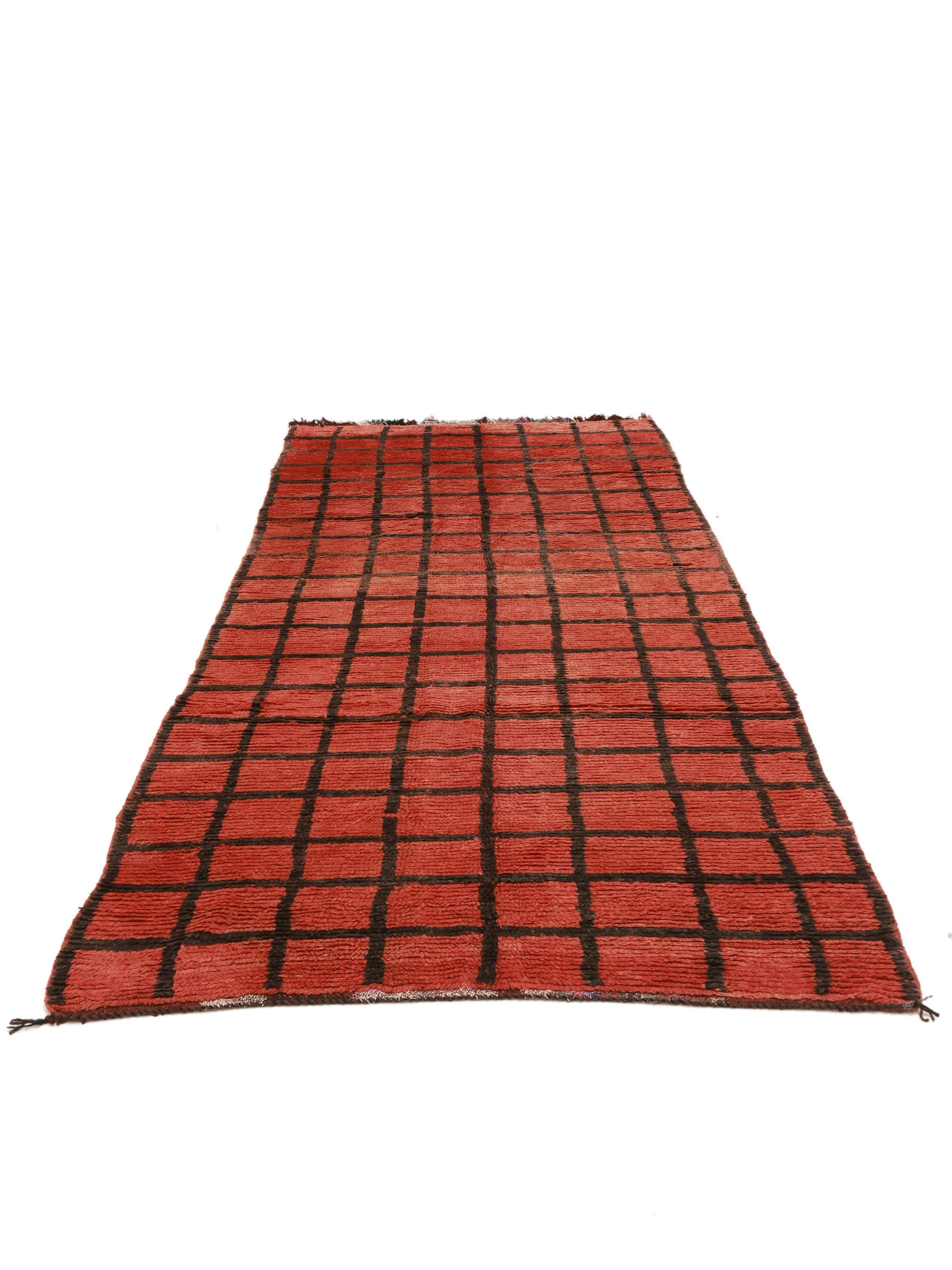
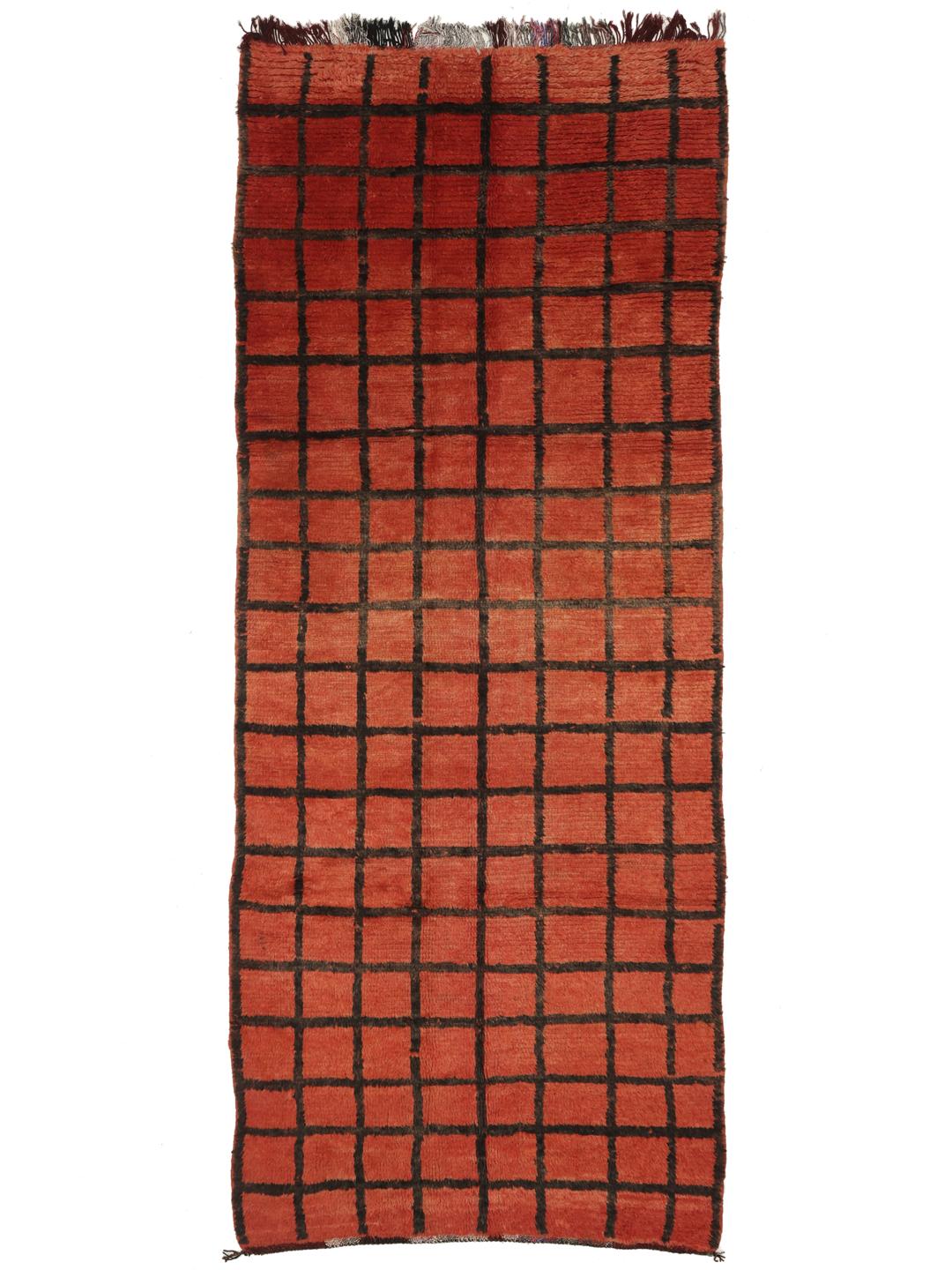
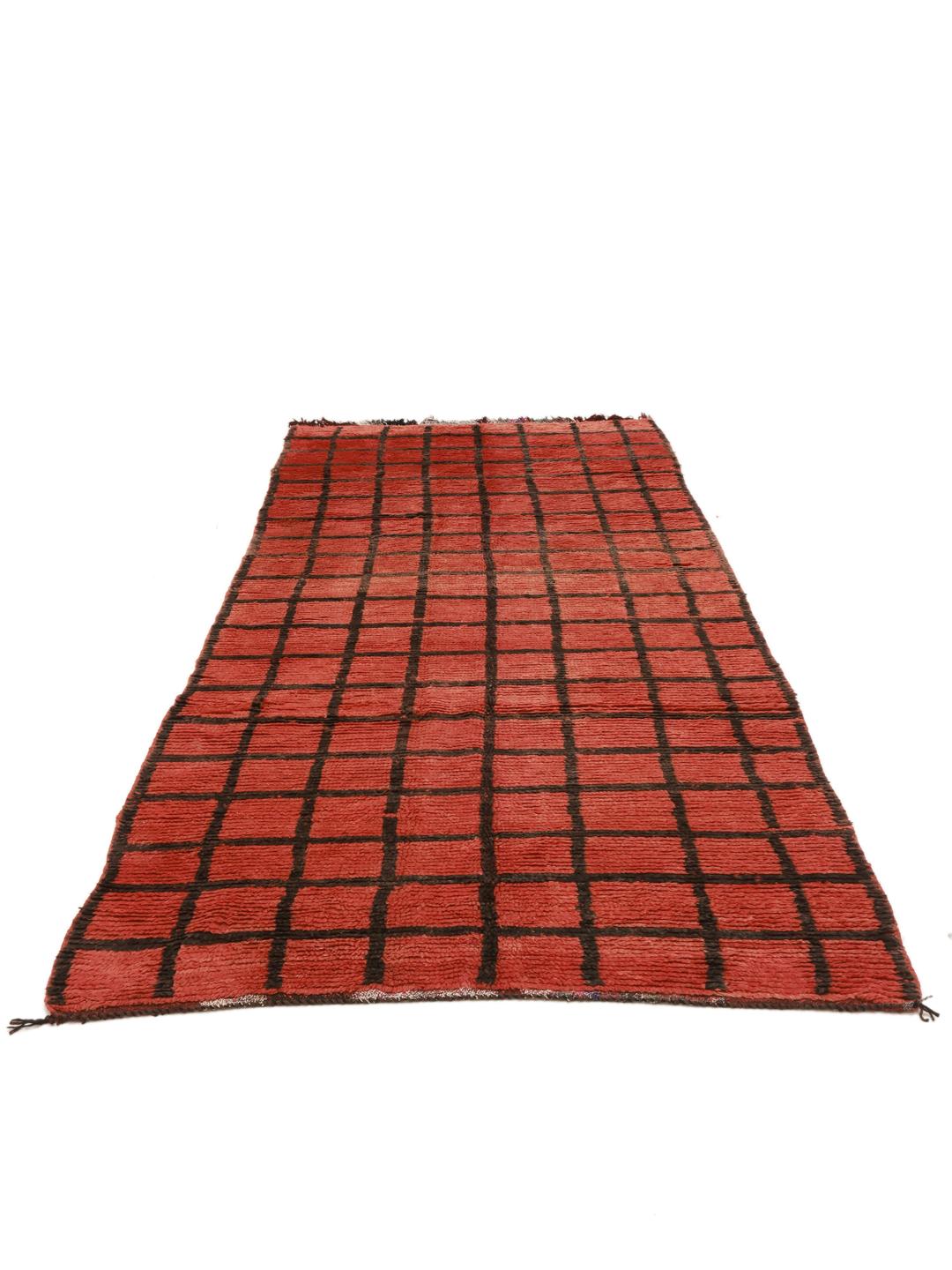
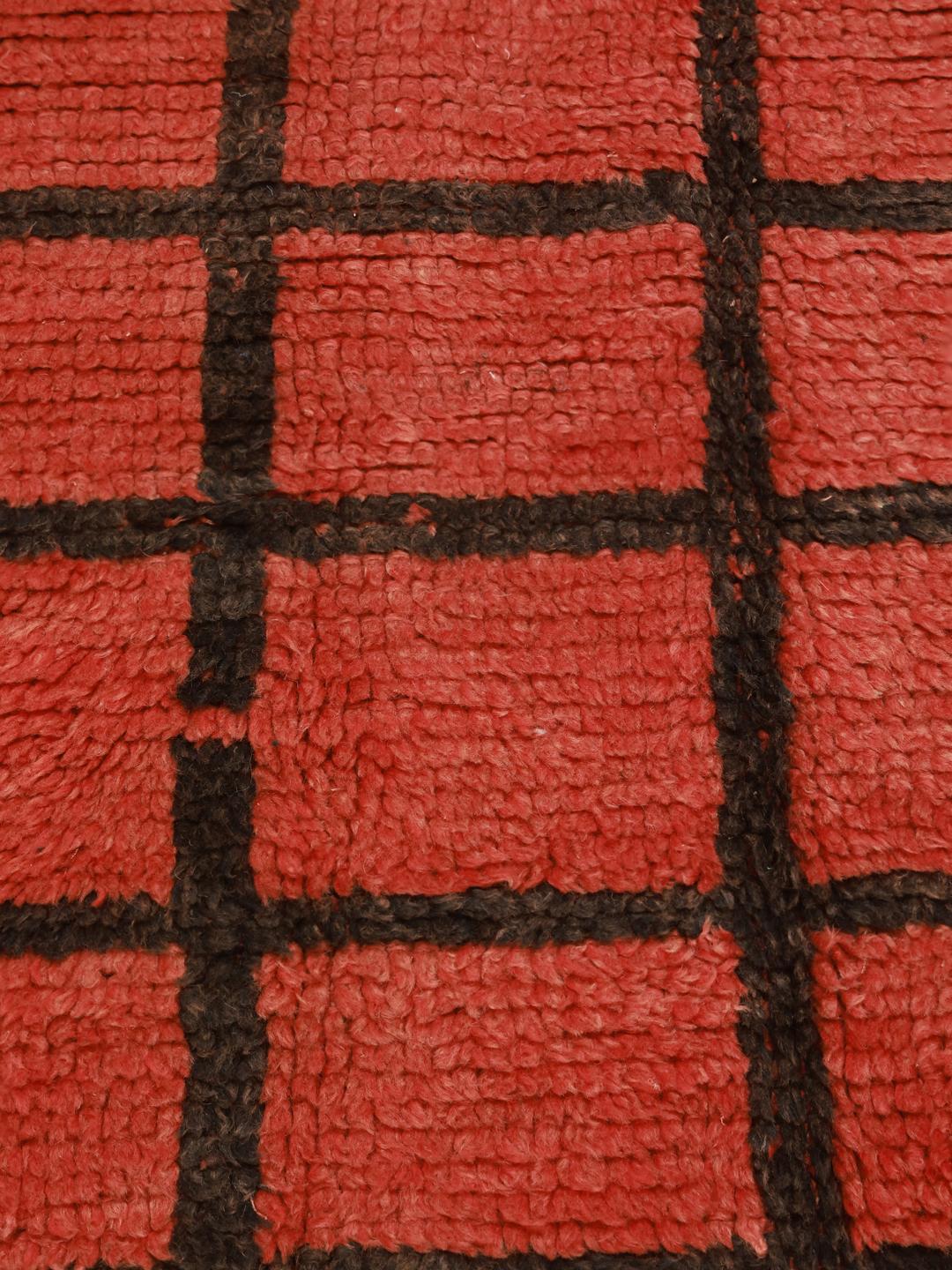
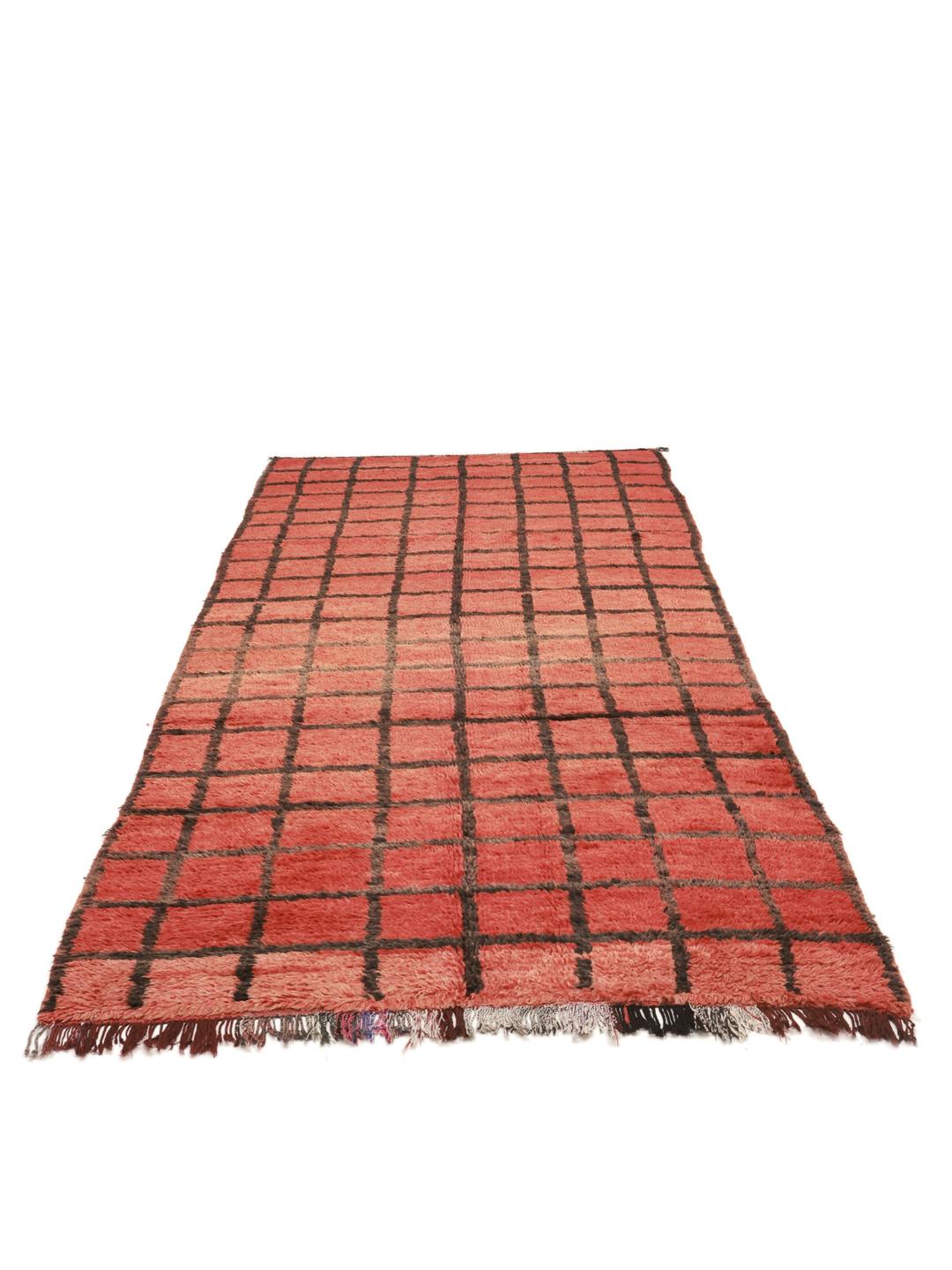
Signature design elements in this region often involve a play between the natural, undyed wool and bold, geometric motifs. While many Beni Ourain rugs are known for their ivory backgrounds and dark, abstract lines, this specific runner showcases a bolder, more intentional grid pattern. This geometric rigour creates a striking contrast against the earthy red field, a colour choice that often reflects the natural dyes available to the weavers in their specific locale.
Collecting a vintage Moroccan rug is an investment in cultural history. These pieces are valued for their authenticity and the way they bridge the gap between ancient tribal art and modern interior design. By bringing one into your home, you are preserving a piece of heritage and celebrating the skill of the artisans who have turned wool into a lasting legacy.