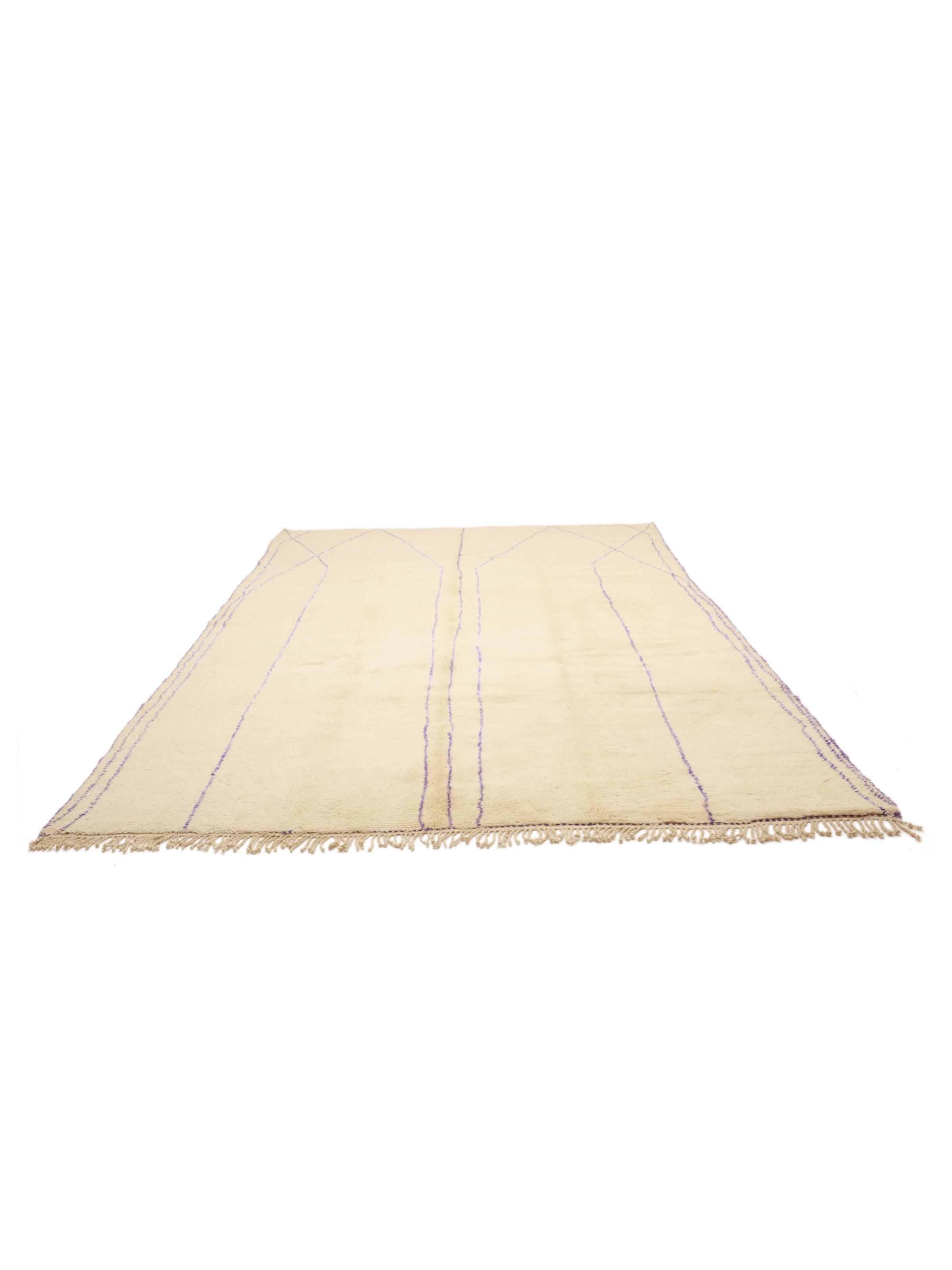
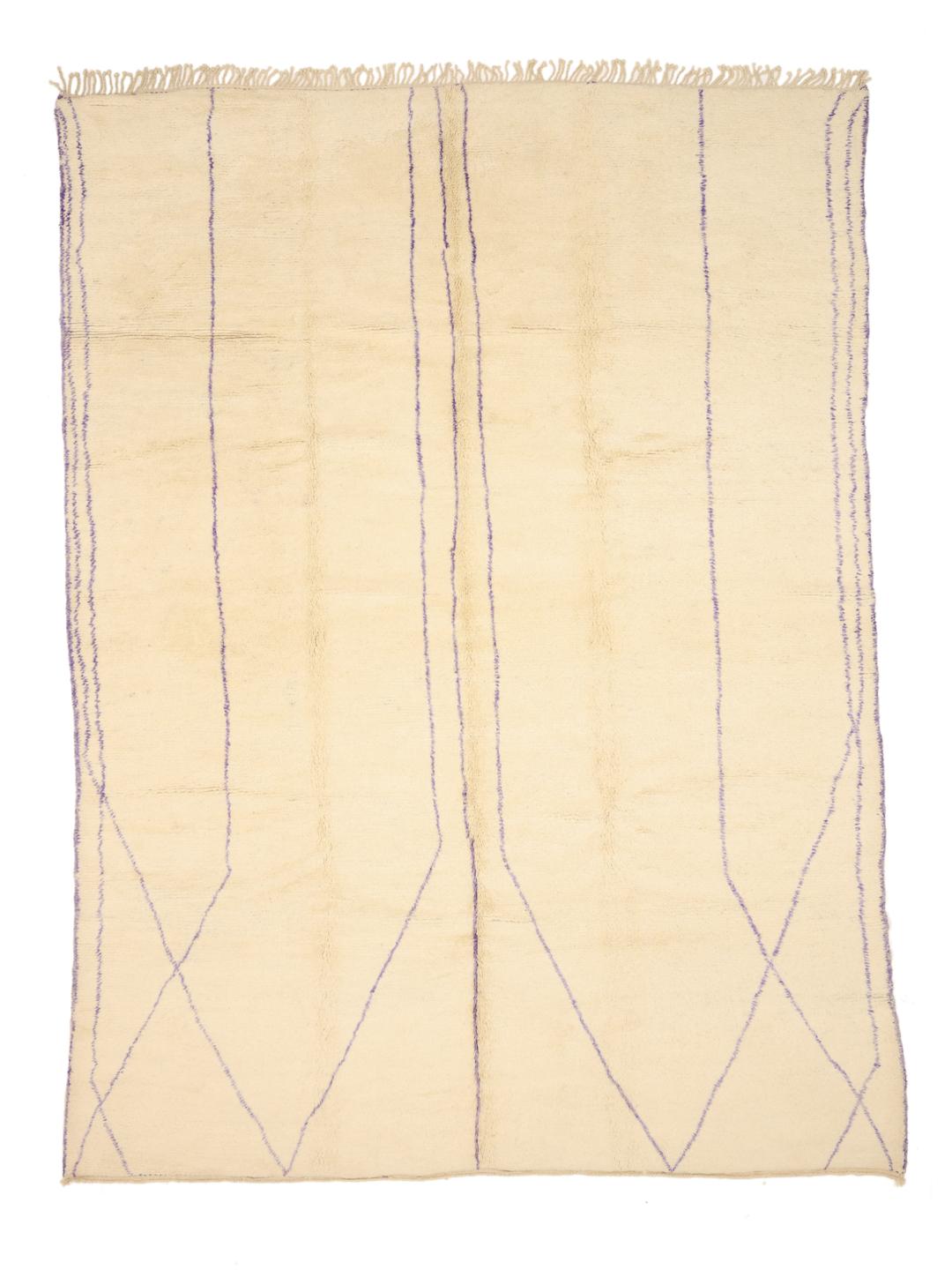
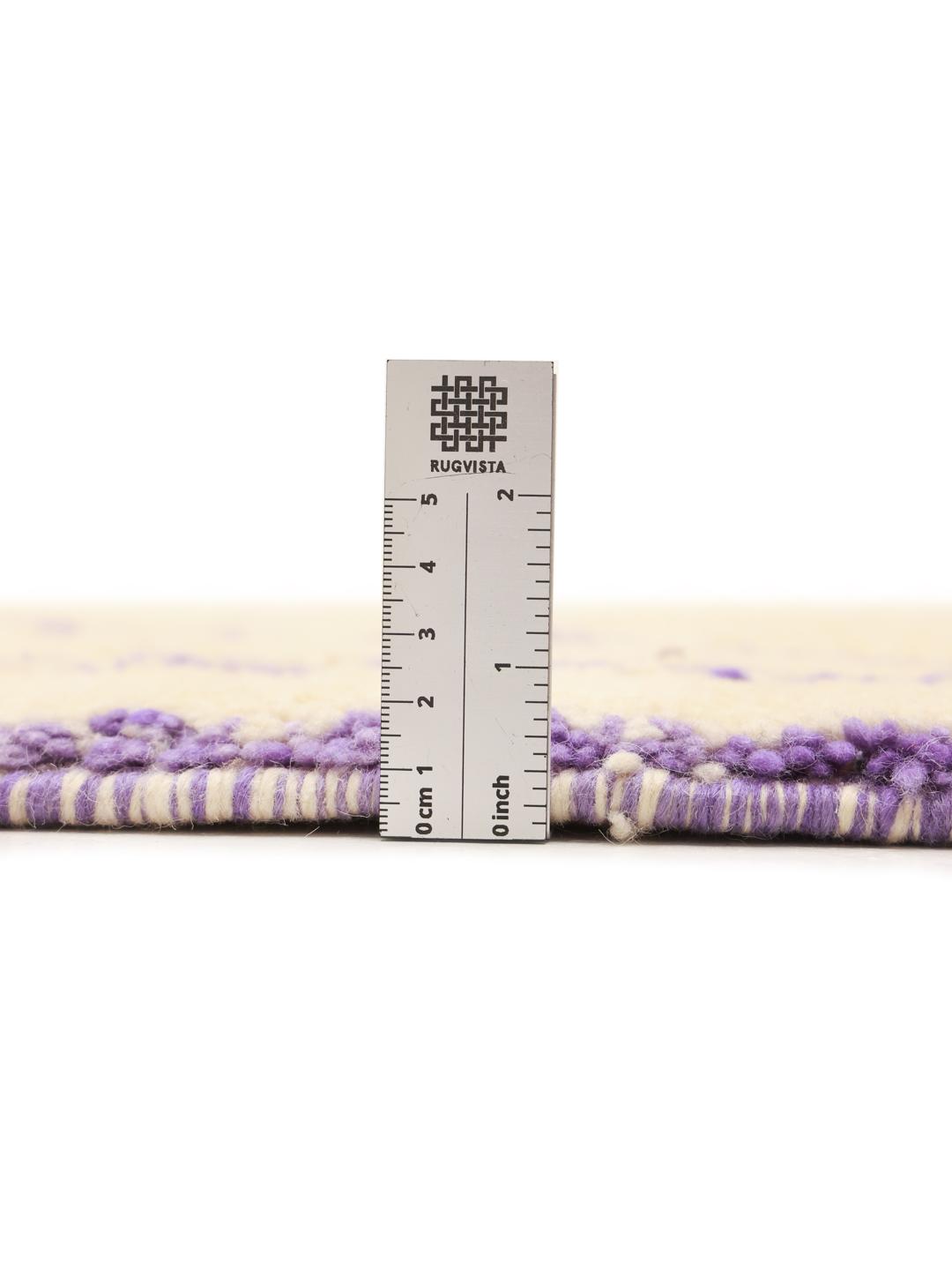
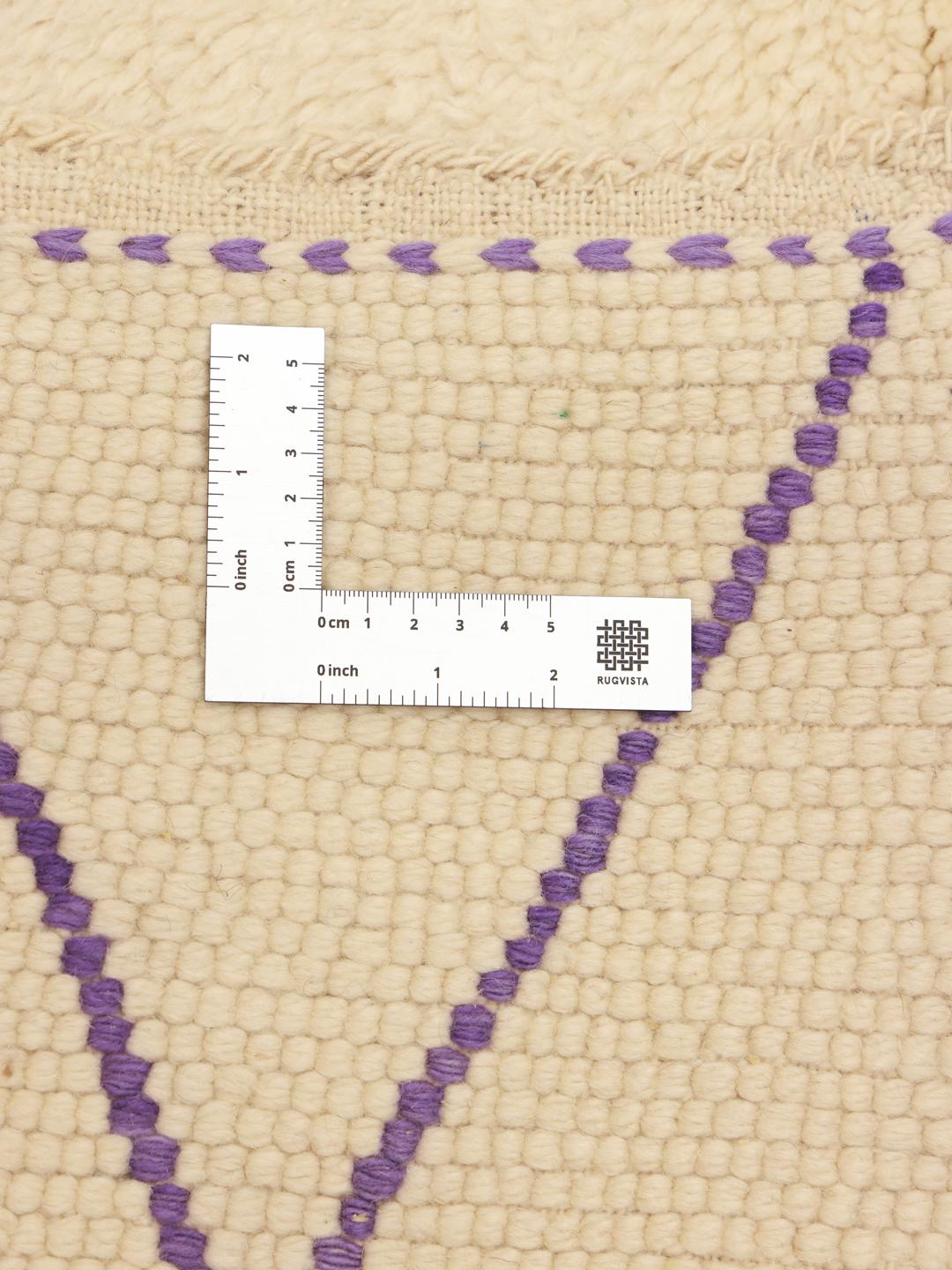
The Berber rugs of Morocco are deeply rooted in the traditions of the indigenous people of the Atlas Mountains. These rugs have been crafted for centuries, not merely as floor coverings, but as essential household items designed to provide warmth and protection against the harsh, cold mountain winters. Each region within the Atlas Mountains has developed its own distinct style, yet they all share a common thread of cultural significance and utilitarian purpose.
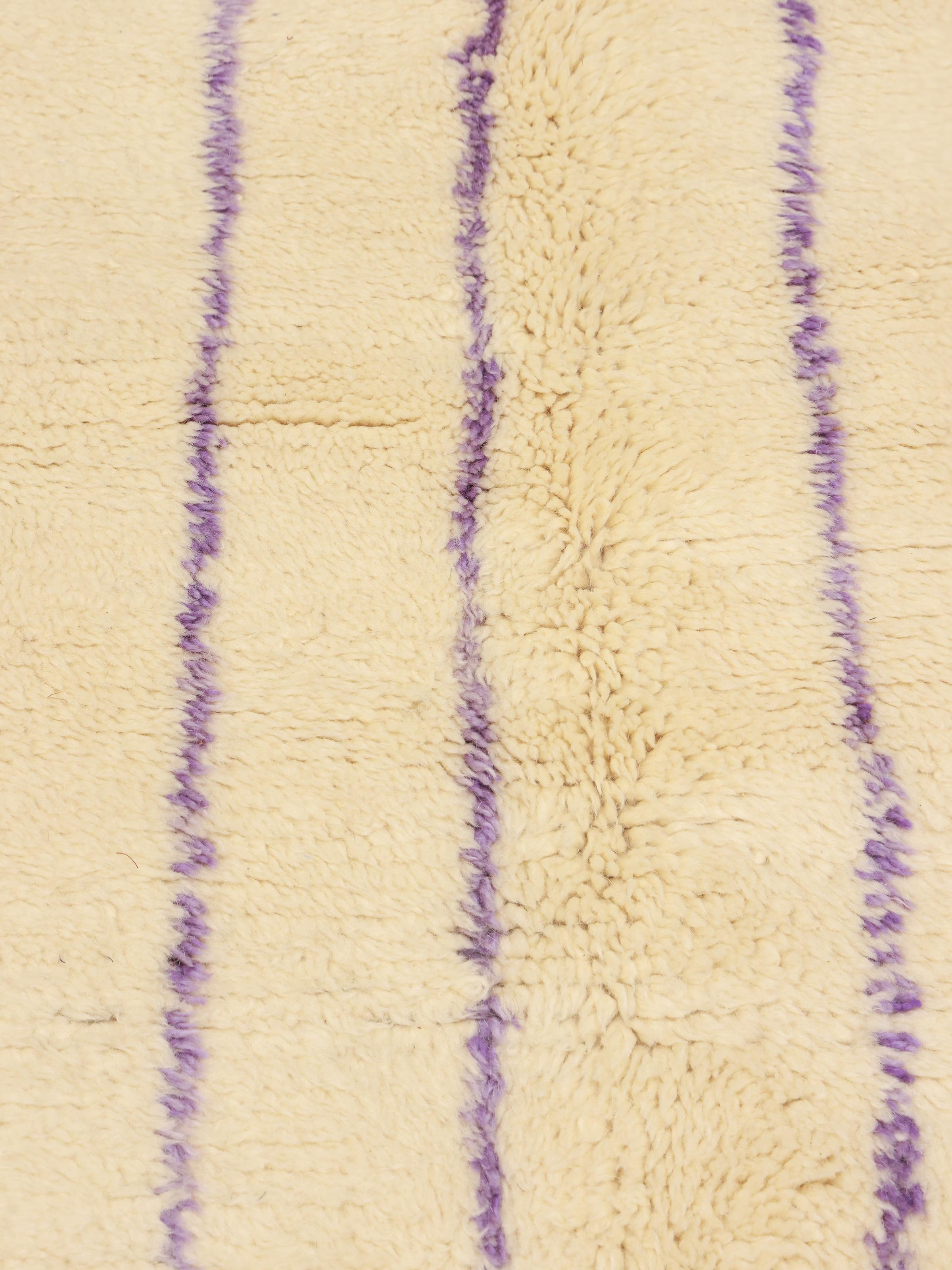
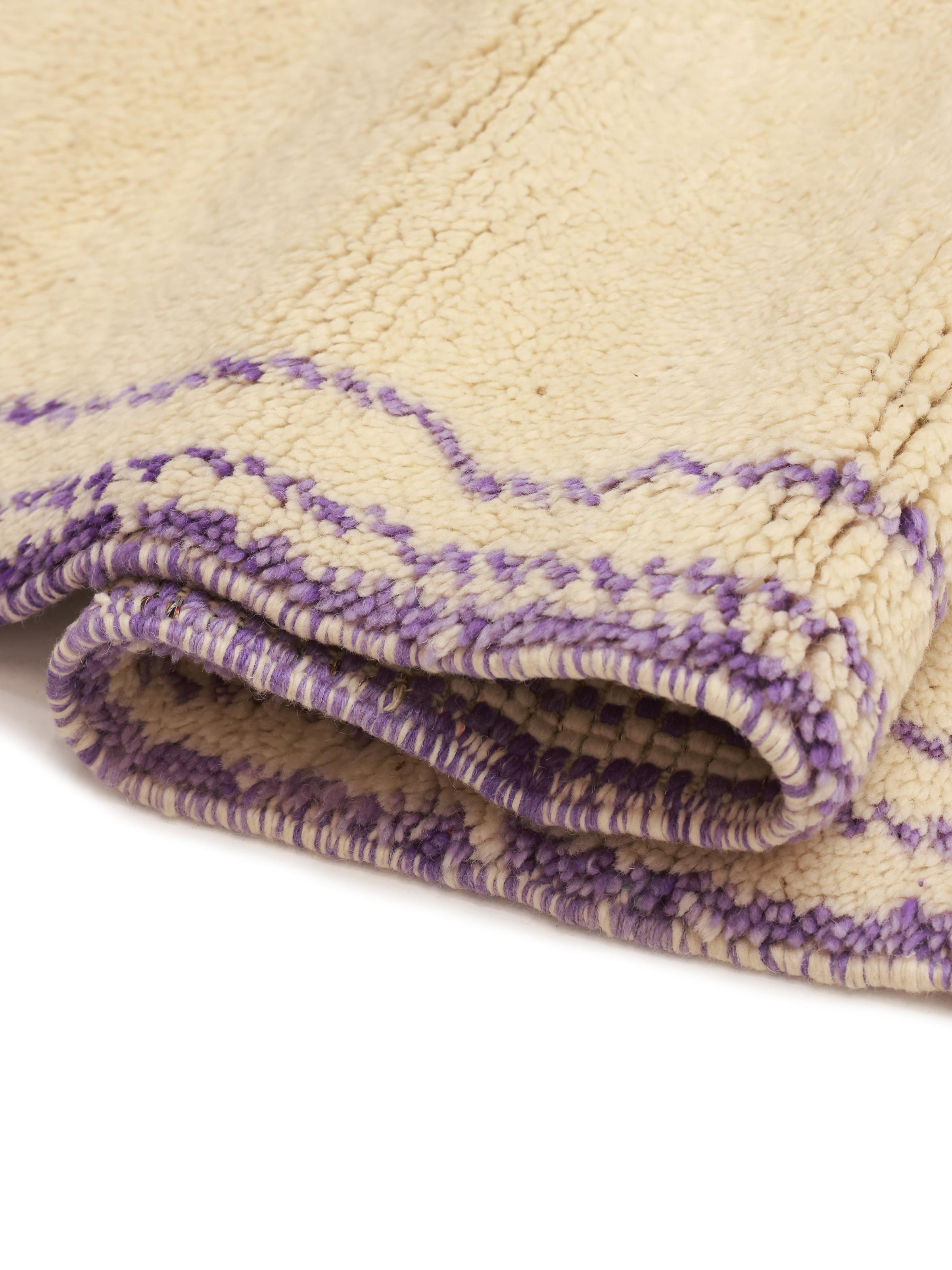
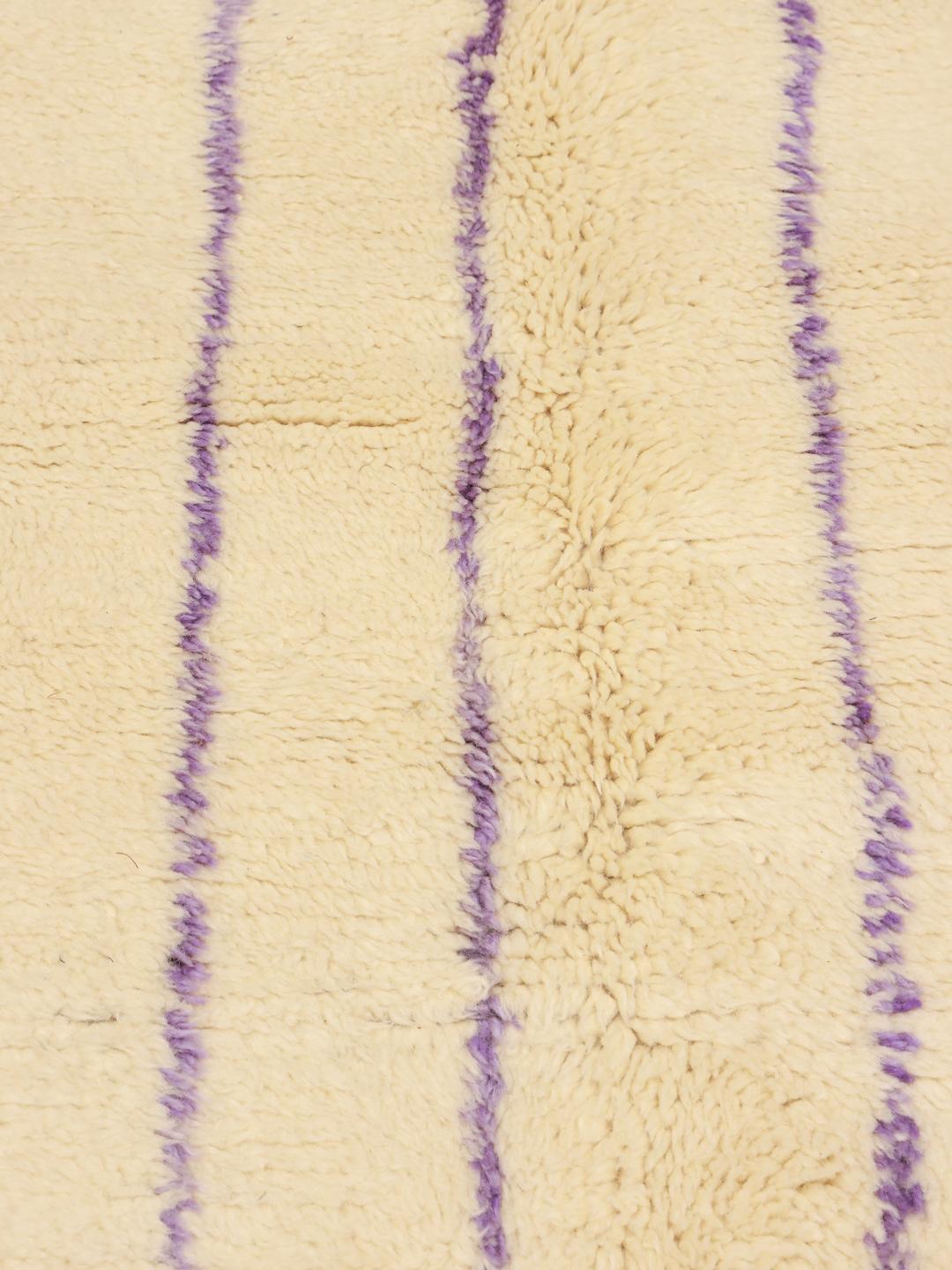
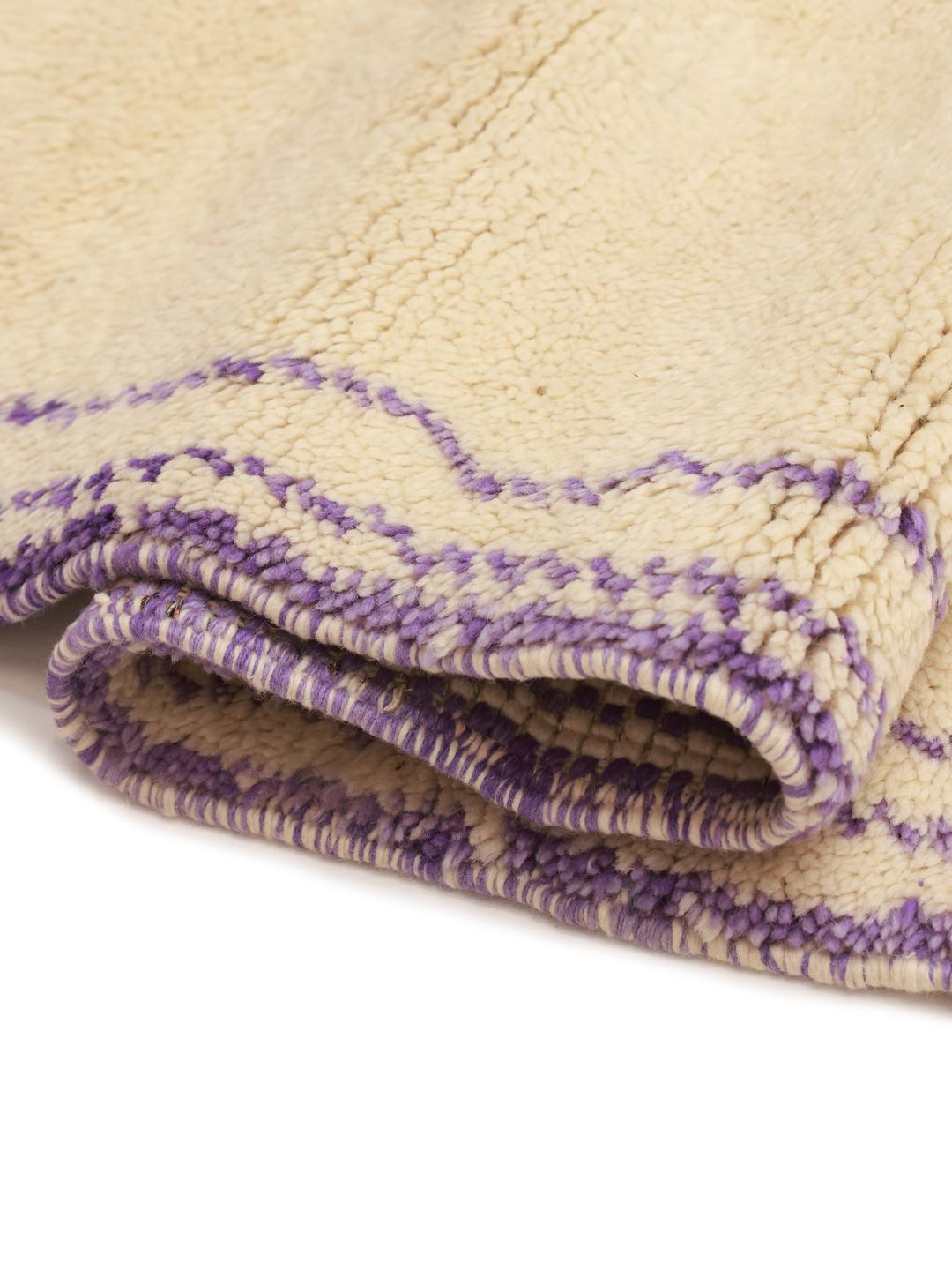
The term 'Beni Ourain' refers to a specific group of tribes known for their high-quality wool and distinct design aesthetic. These rugs are traditionally woven using a thick, soft wool that is prized for its longevity and natural lustre. The construction techniques are focused on durability, resulting in a dense pile that feels luxurious to the touch while being remarkably resilient in everyday settings.
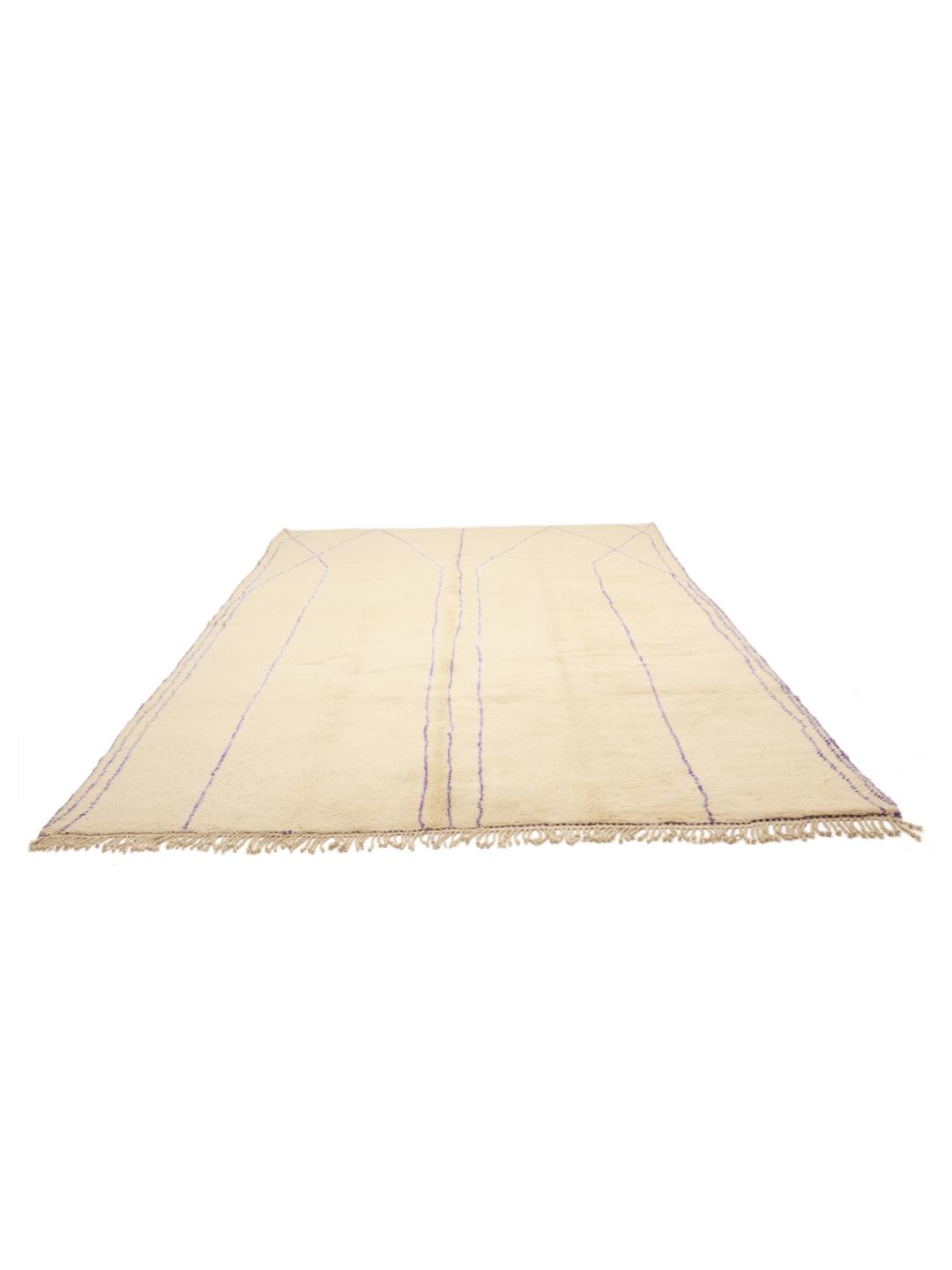
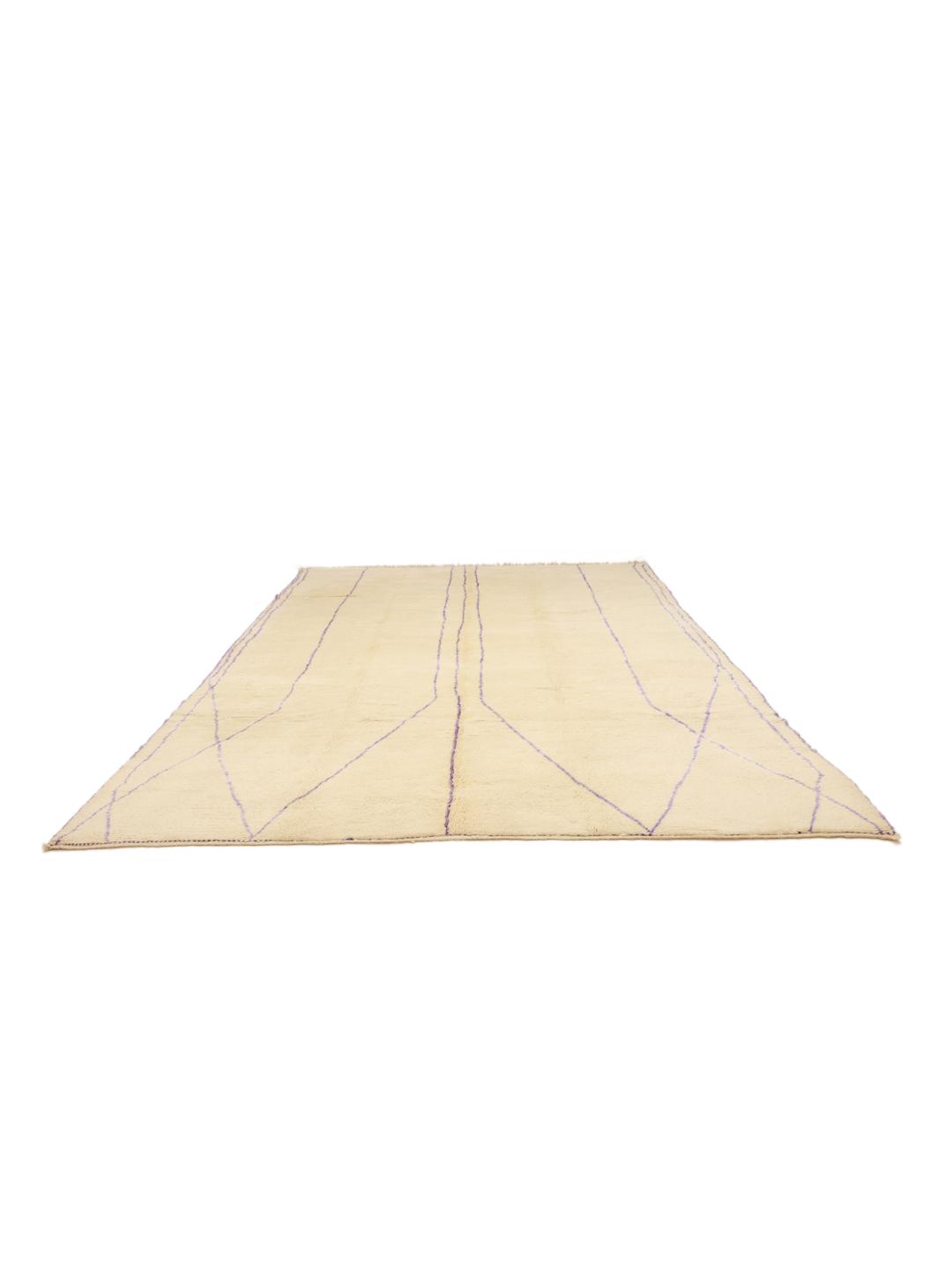
Visually, these rugs are defined by their minimalist approach, often featuring geometric motifs or simple lines on a neutral, undyed wool background. While many associate these rugs with monochromatic designs, the use of subtle colour, as seen in this piece, adds a layer of sophistication and depth. These designs were historically influenced by the weaver's personal experiences, surroundings, and traditional tribal symbols, making every rug a narrative of its maker's life.
Collecting a Berber rug is an investment in cultural heritage and human skill. Because these rugs are handmade by individuals rather than machines, they carry the spirit and history of the artisan in every knot. Owning one means participating in a legacy that spans generations, preserving a craft that is as relevant and appreciated today as it was centuries ago.