Berber rugs originate from the indigenous tribes of the Middle Atlas mountains in Morocco, where they have been crafted for centuries. These rugs were traditionally created not just as decorative items, but as essential, multi-functional tools for nomadic life, serving as bedding, blankets, and floor coverings to provide warmth in the harsh mountain winters. The designs and techniques have been passed down through generations, maintaining a deep cultural connection to the landscapes and tribal identities of the region.
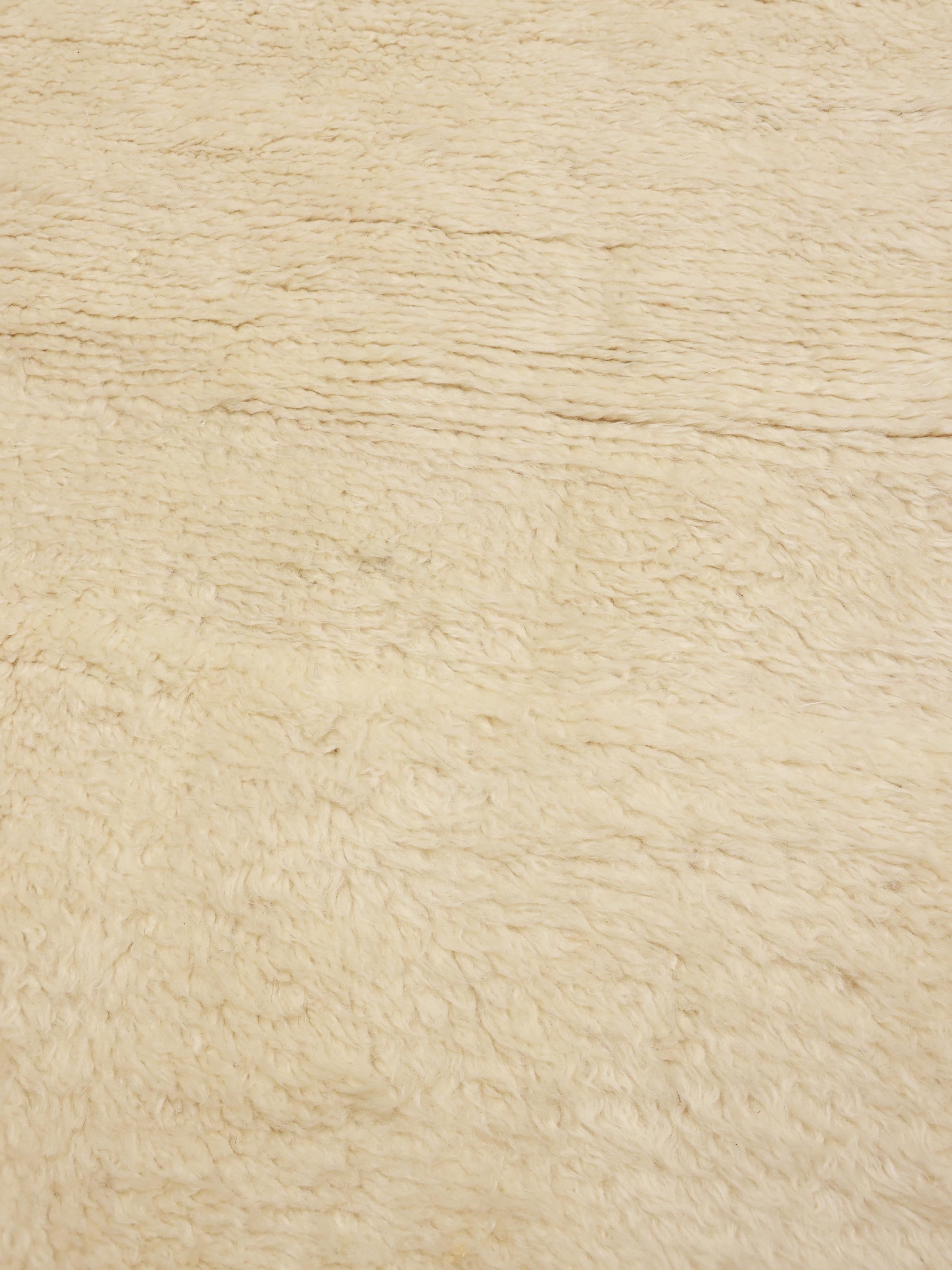
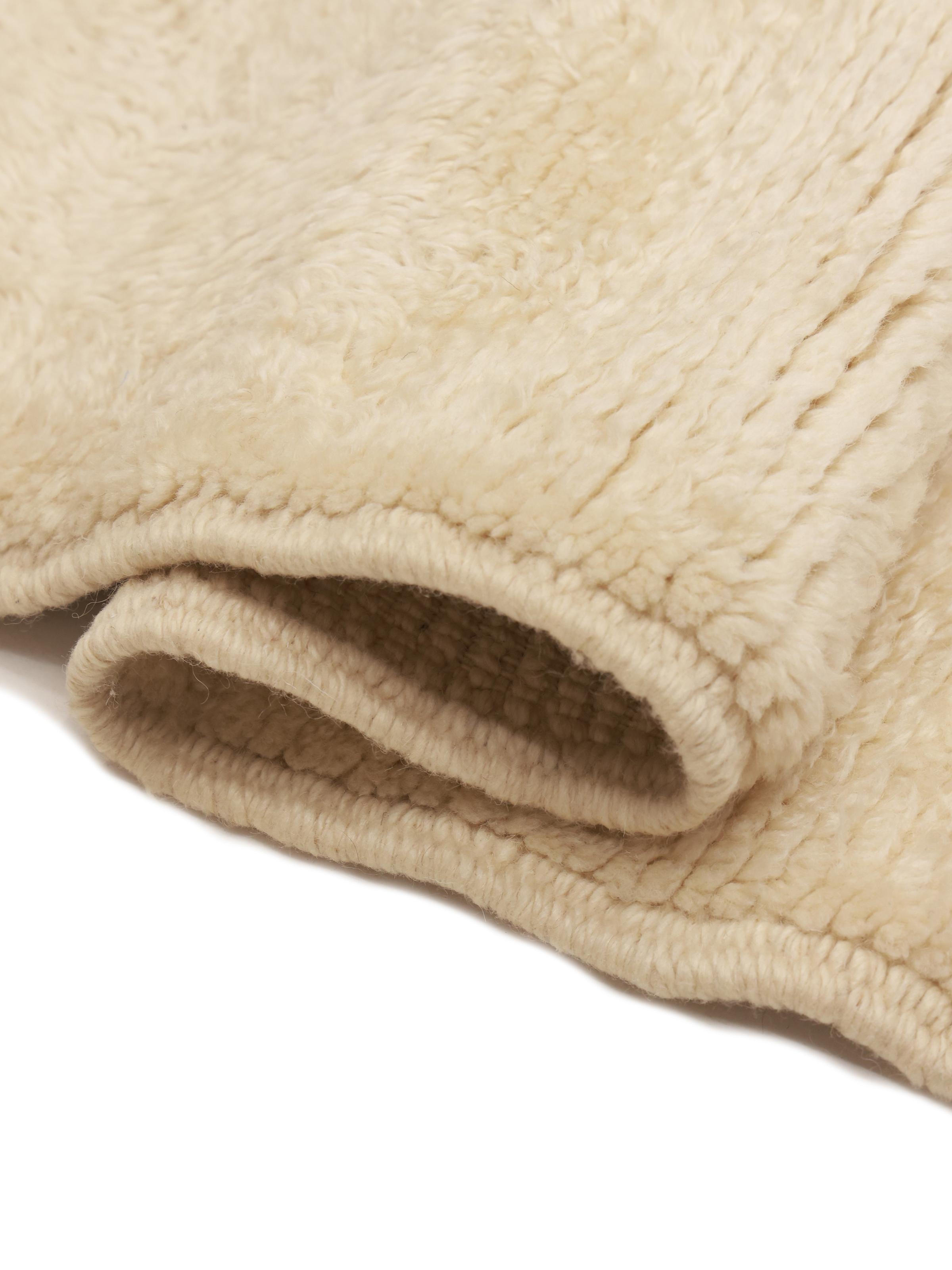
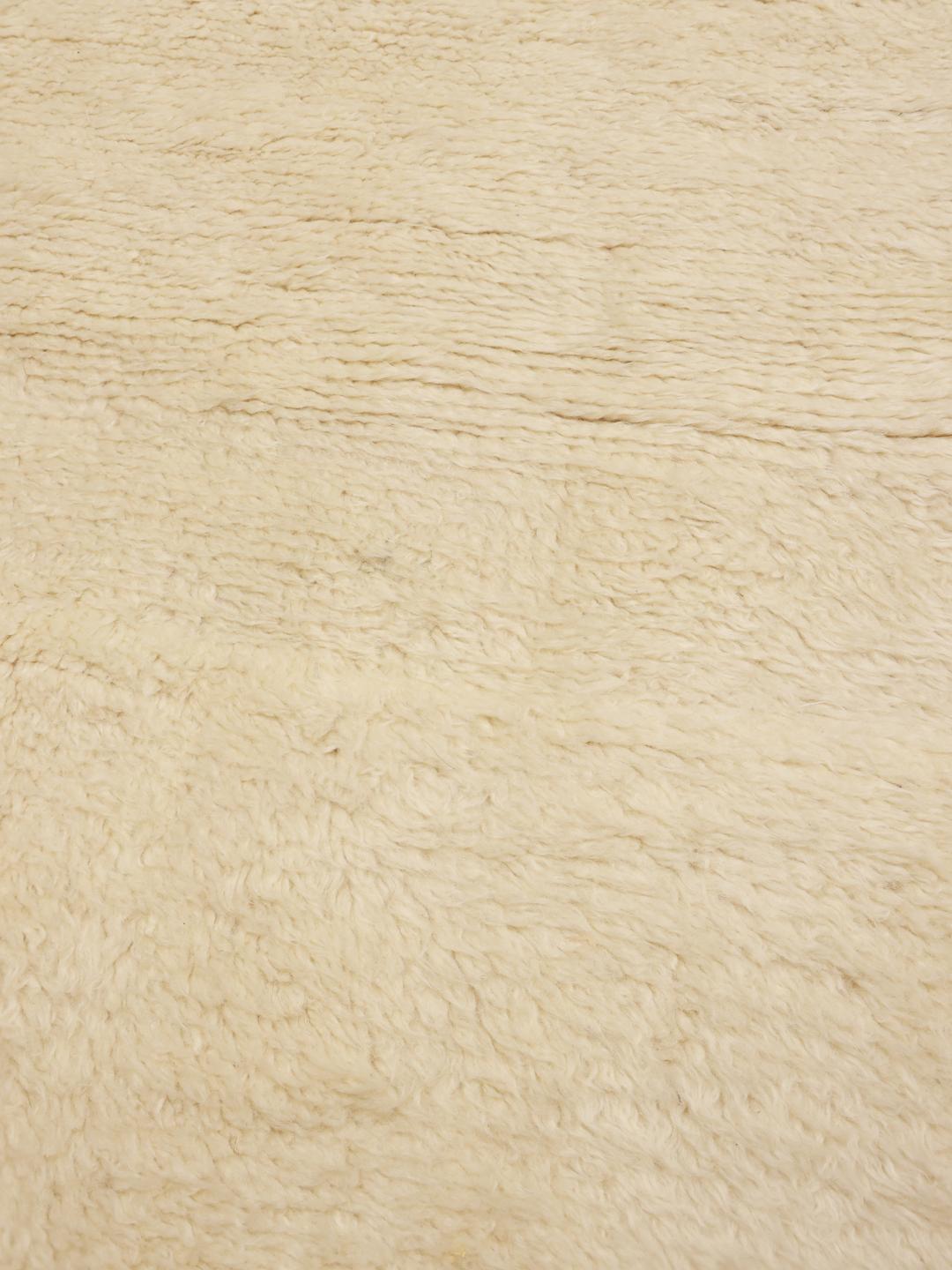
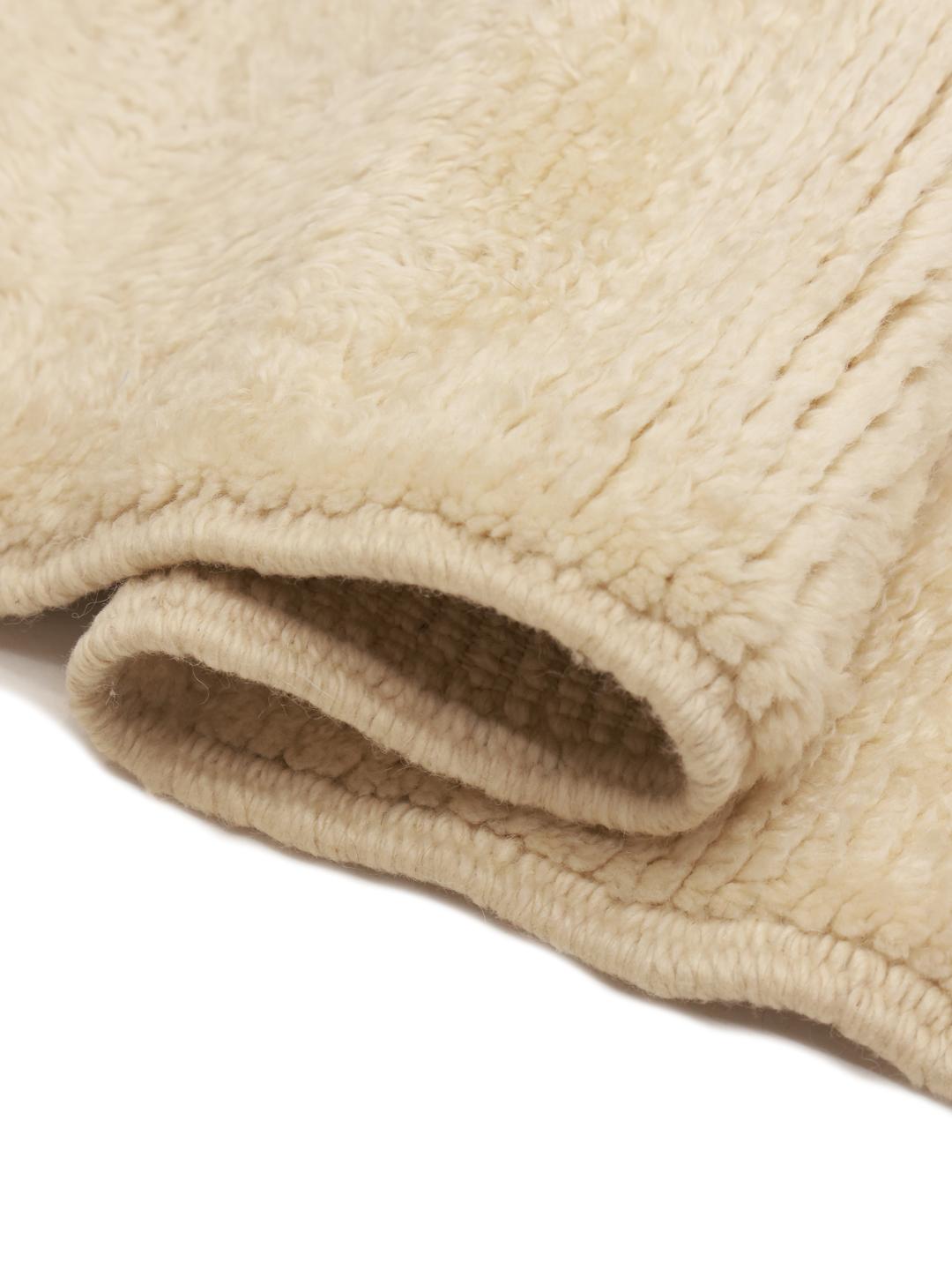
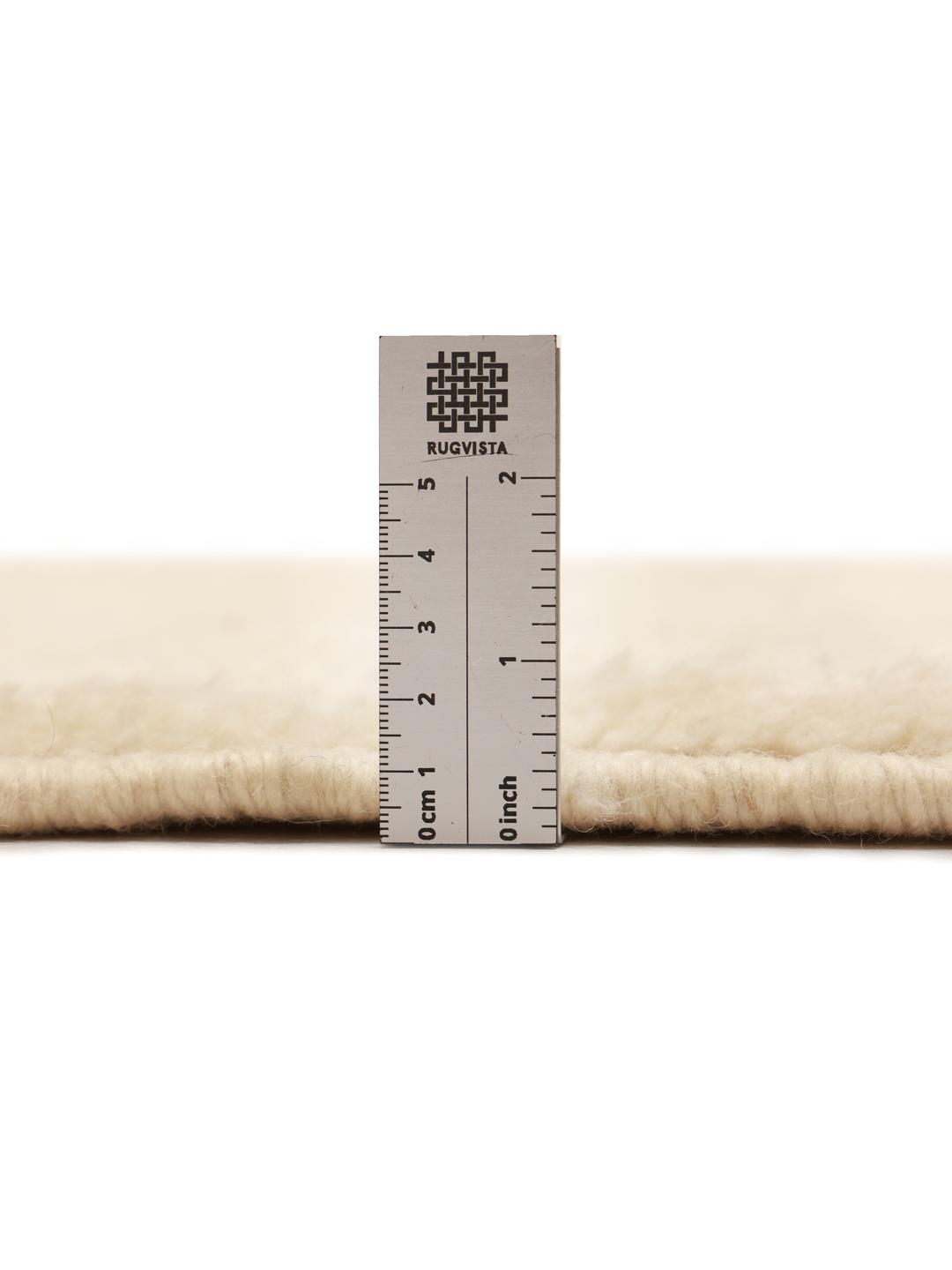
The craftsmanship behind these rugs is defined by their unique construction. Often woven using high-quality wool, these pieces are known for their thick, luxurious pile. The term hand-knotted refers to the laborious process of tying individual strands of wool onto a foundation, resulting in a dense and durable textile. This construction is highly valued because it creates a robust, long-lasting surface that feels soft and substantial underfoot, distinguishing these rugs from thinner, machine-made alternatives.
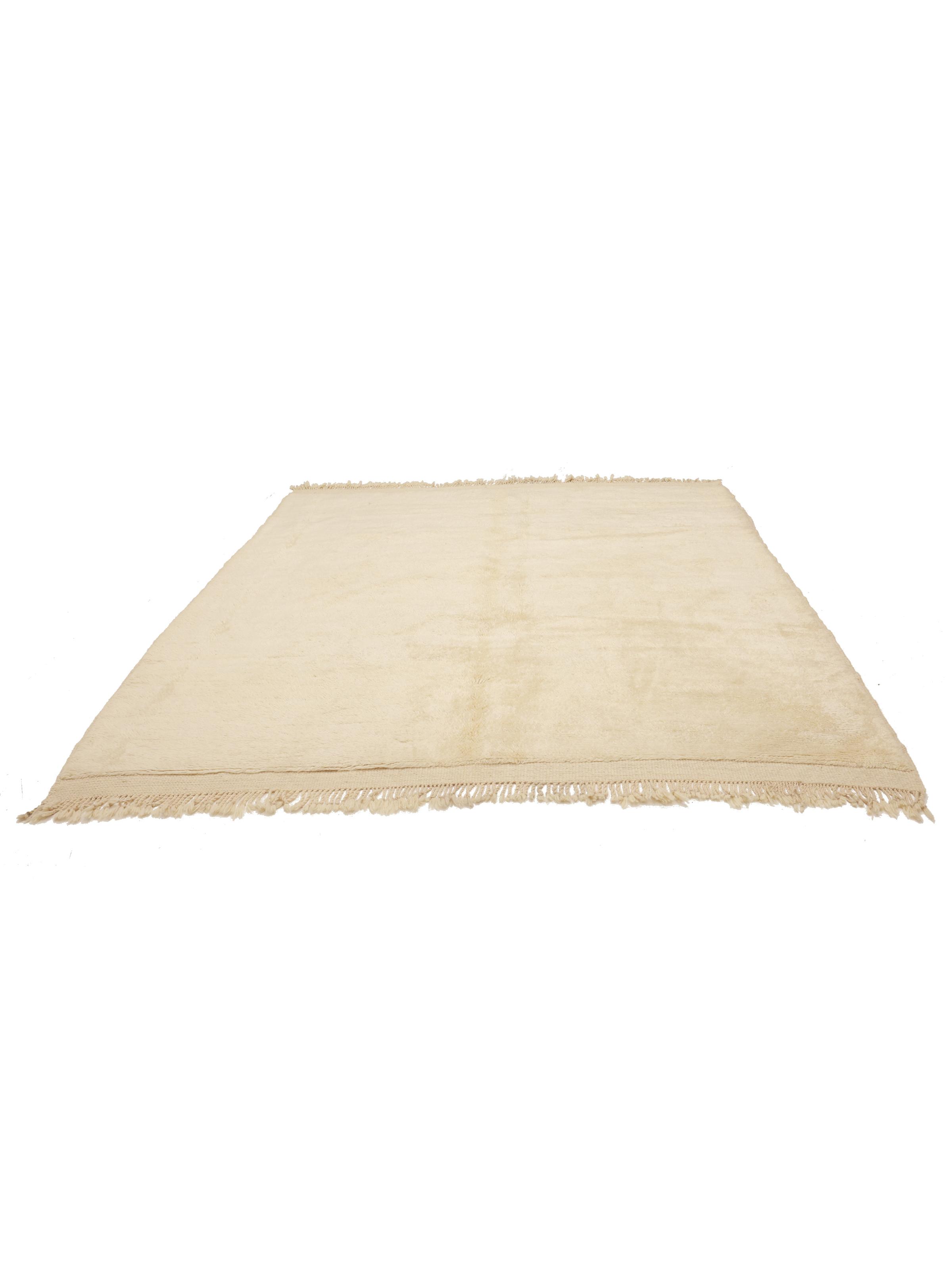
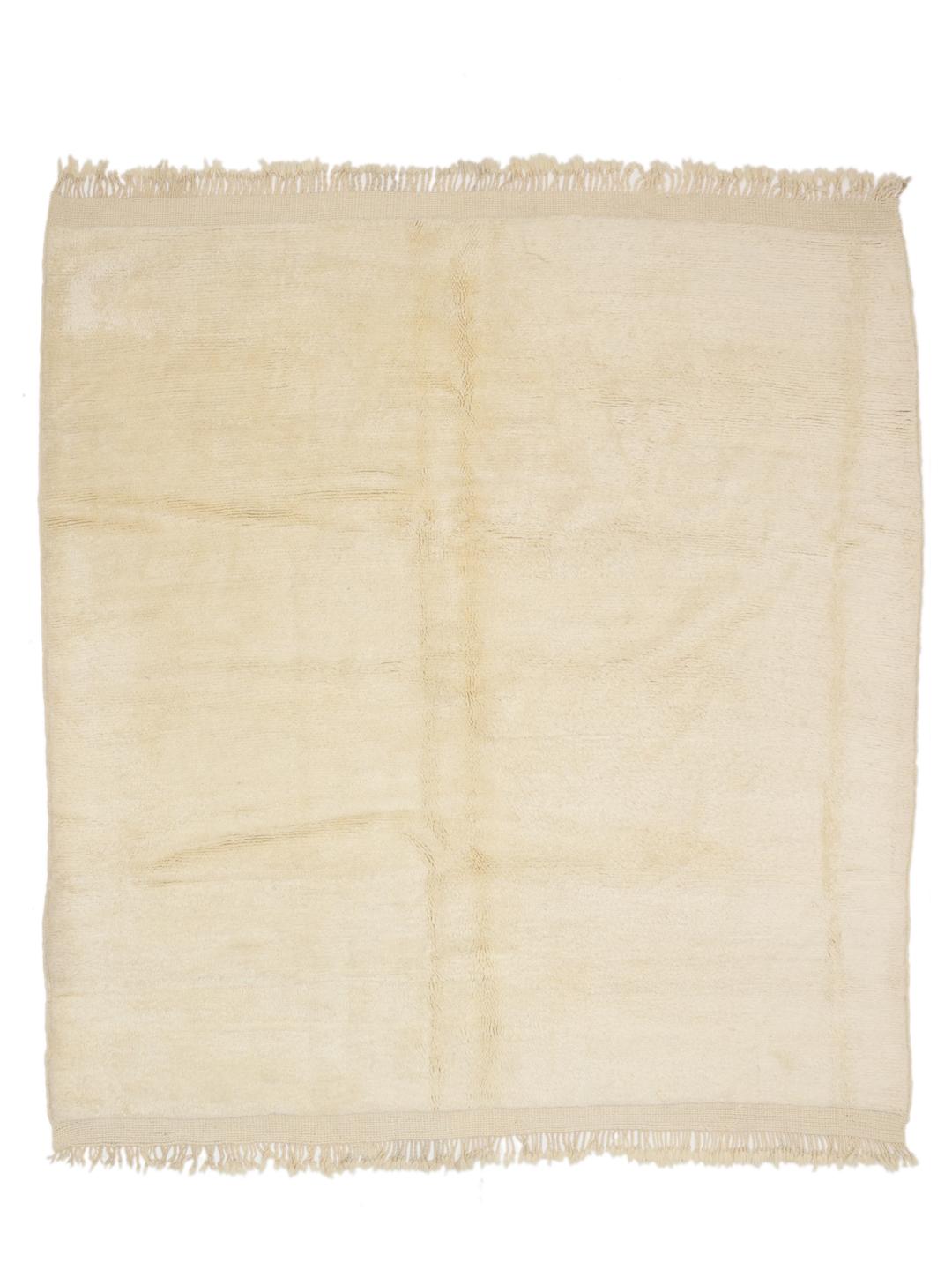
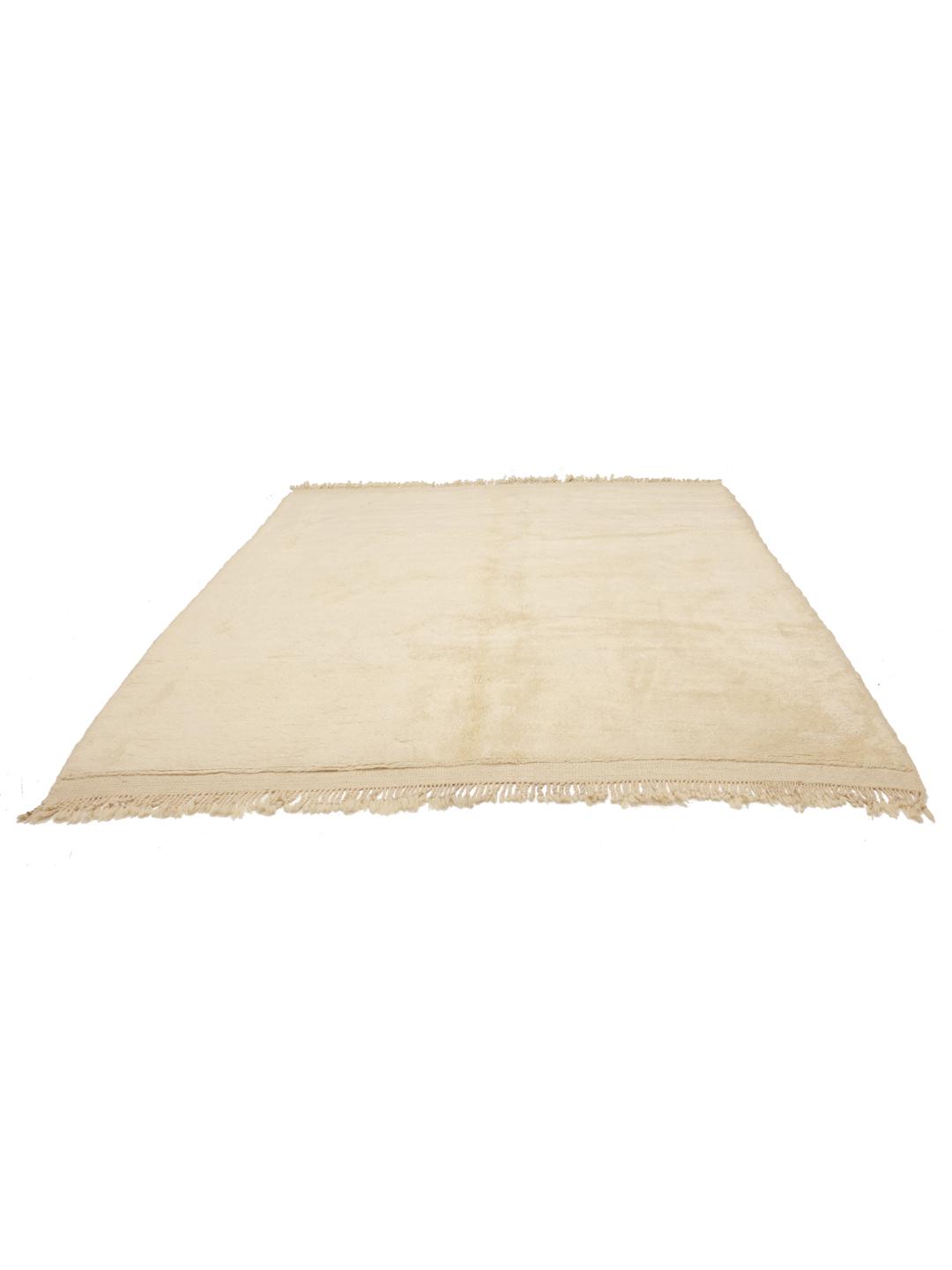
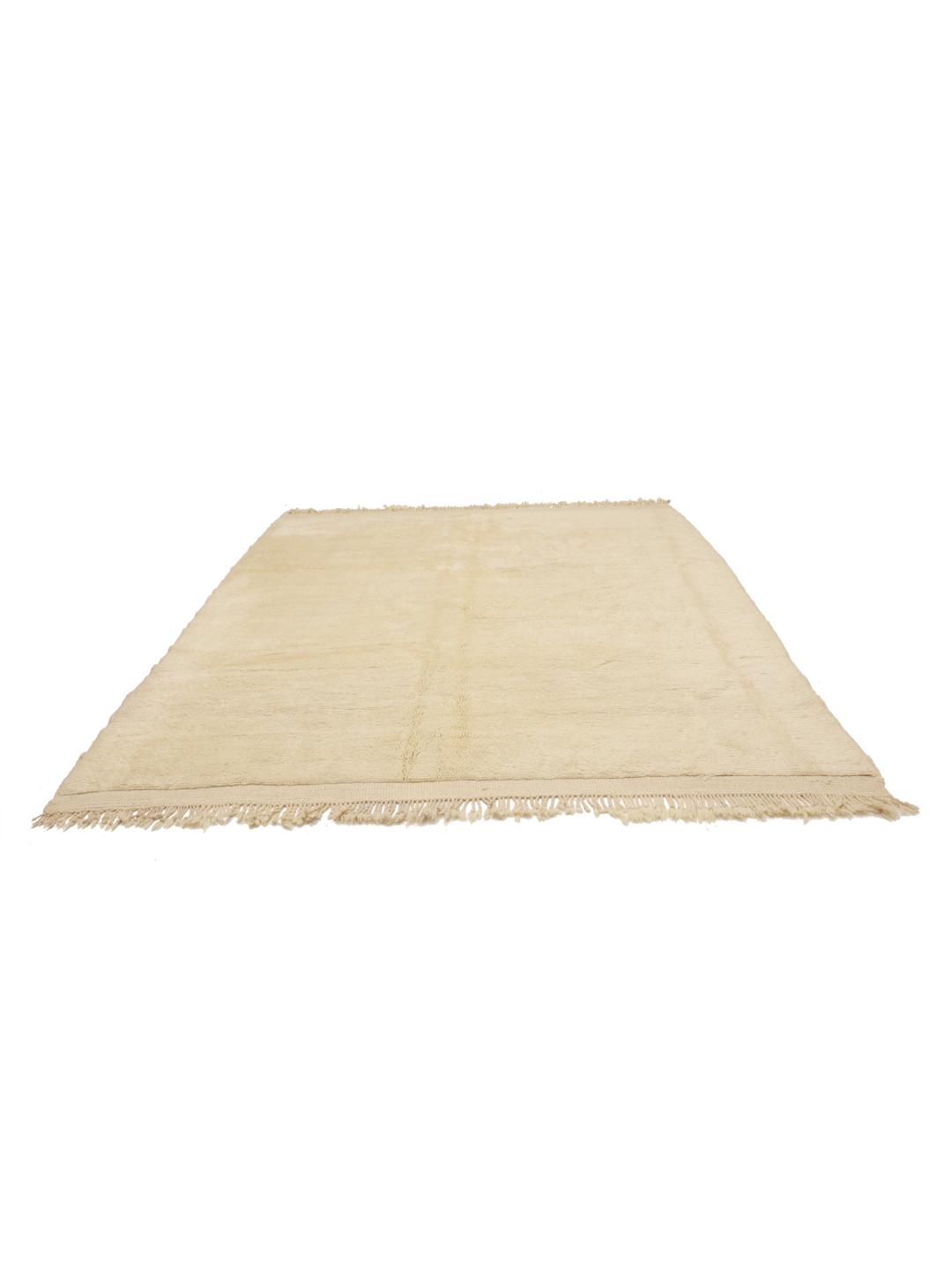
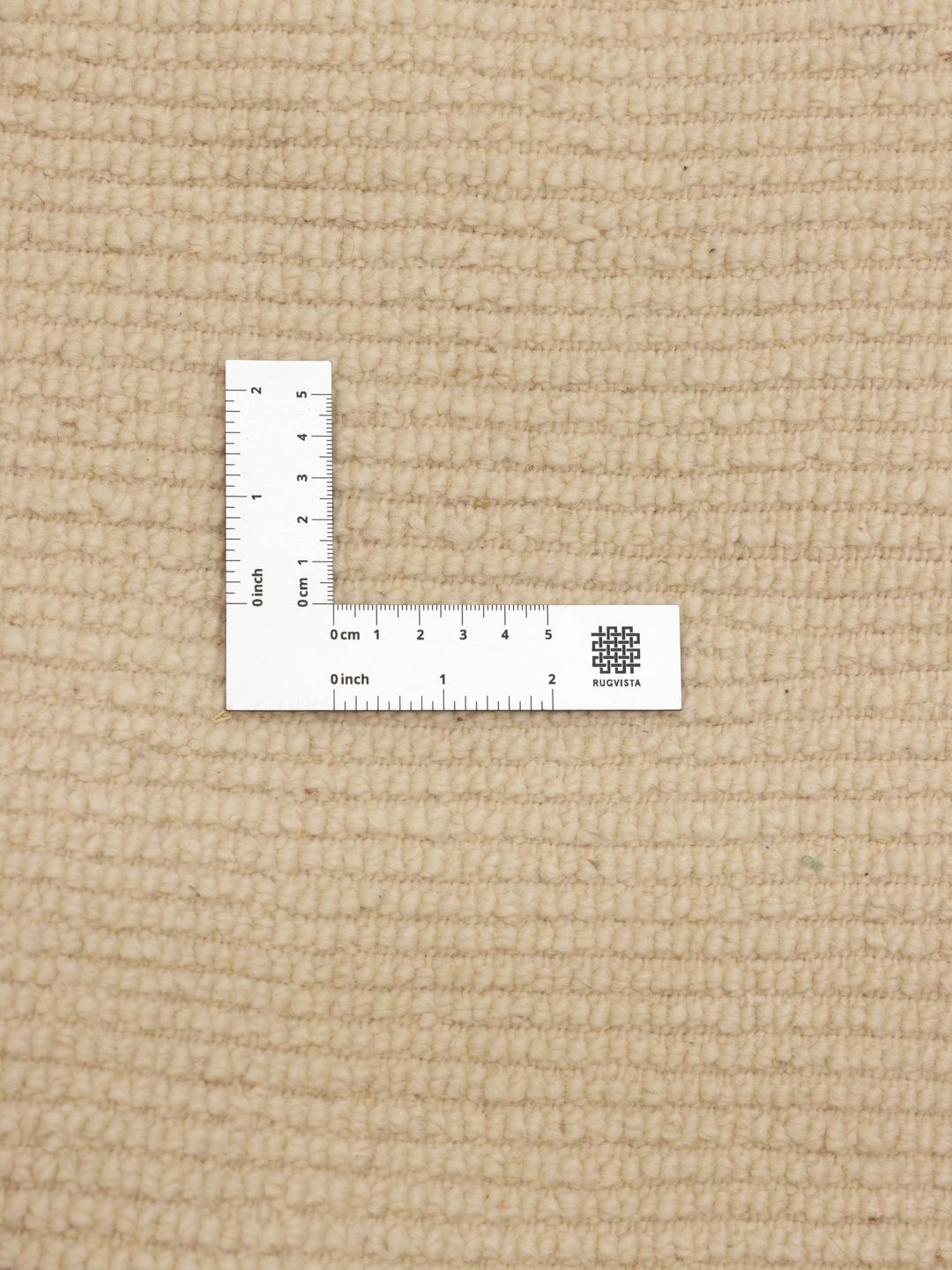
Signature design elements of the Beni Ourain style often feature a minimalist approach, characterised by natural, un-dyed wool tones. While some rugs incorporate geometric motifs or dark lines, the most classic examples celebrate the simplicity of the raw material. This specific rug embodies that tradition, focusing on the beauty of its natural, neutral colour and the texture of the wool, making it a timeless choice that feels both ancient and contemporary in its aesthetic.
Owning a Berber rug is an investment in cultural heritage and artisan skill. Because they are created by hand, each piece holds the unique energy and history of the person who wove it. Collectors value these rugs for their authenticity, their connection to ancient traditions, and their ability to bring a sense of history and human warmth into a modern home. Acquiring this rug means preserving a piece of Moroccan craft history while enjoying a functional, beautiful object for years to come.