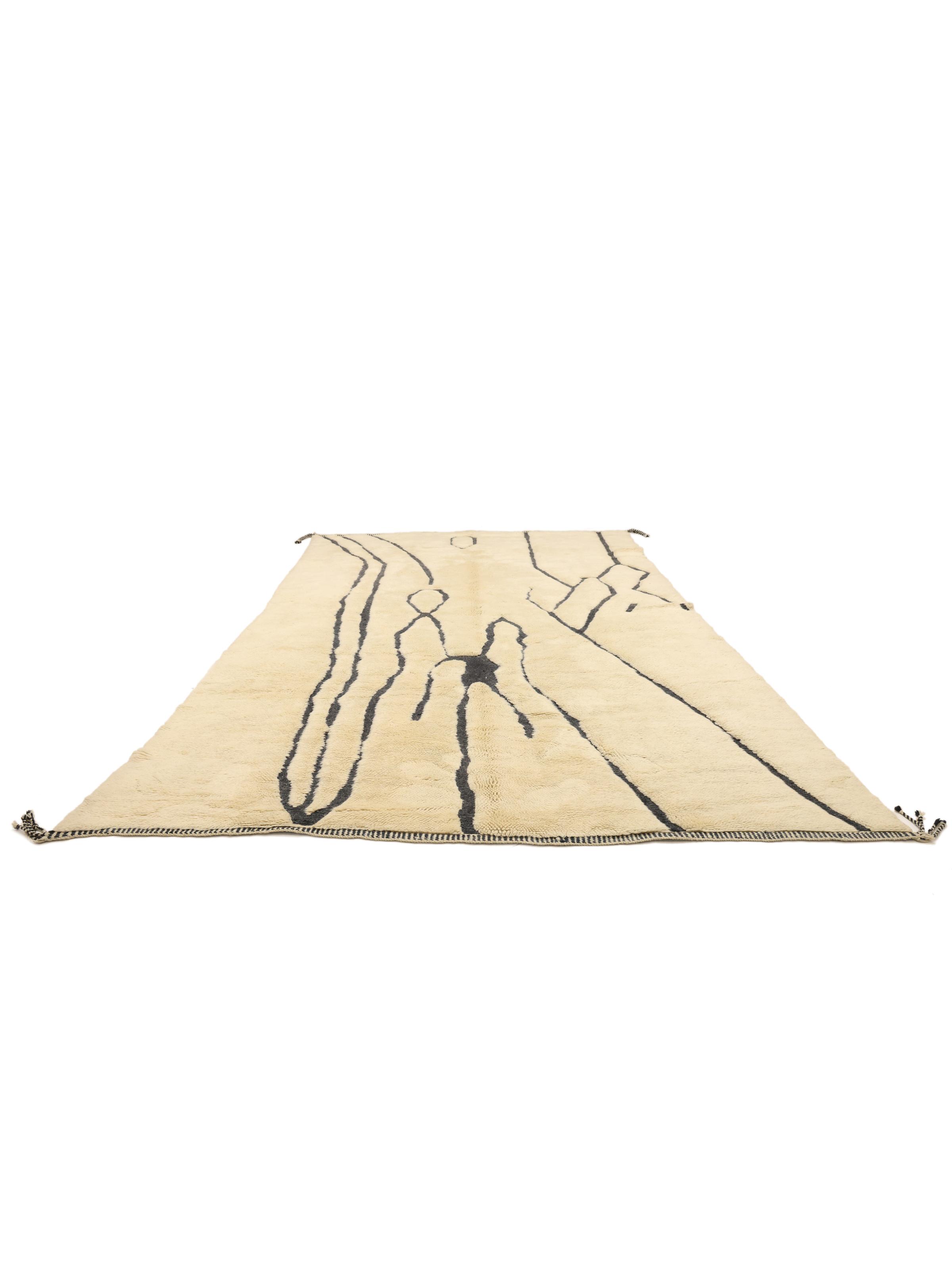
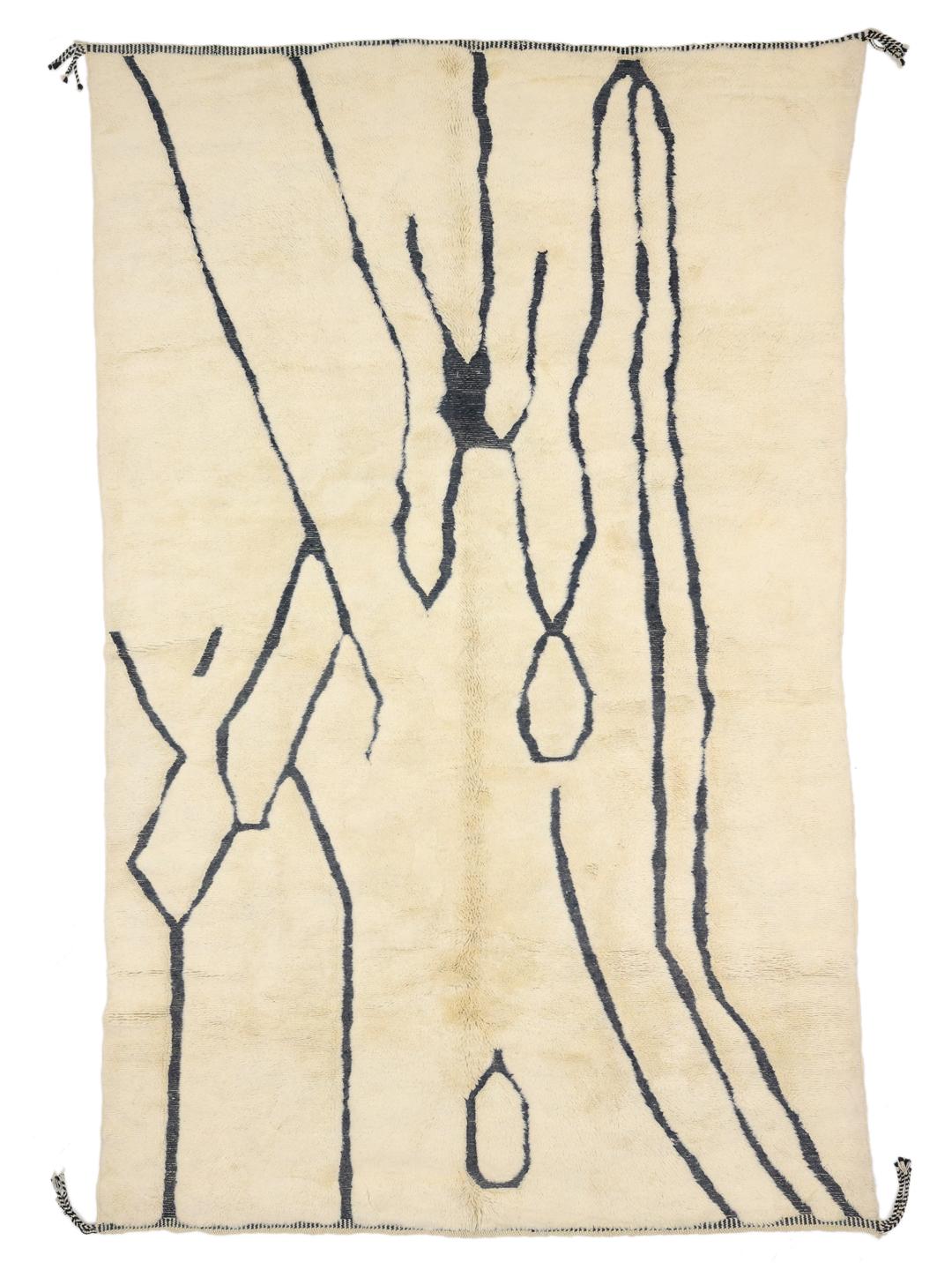
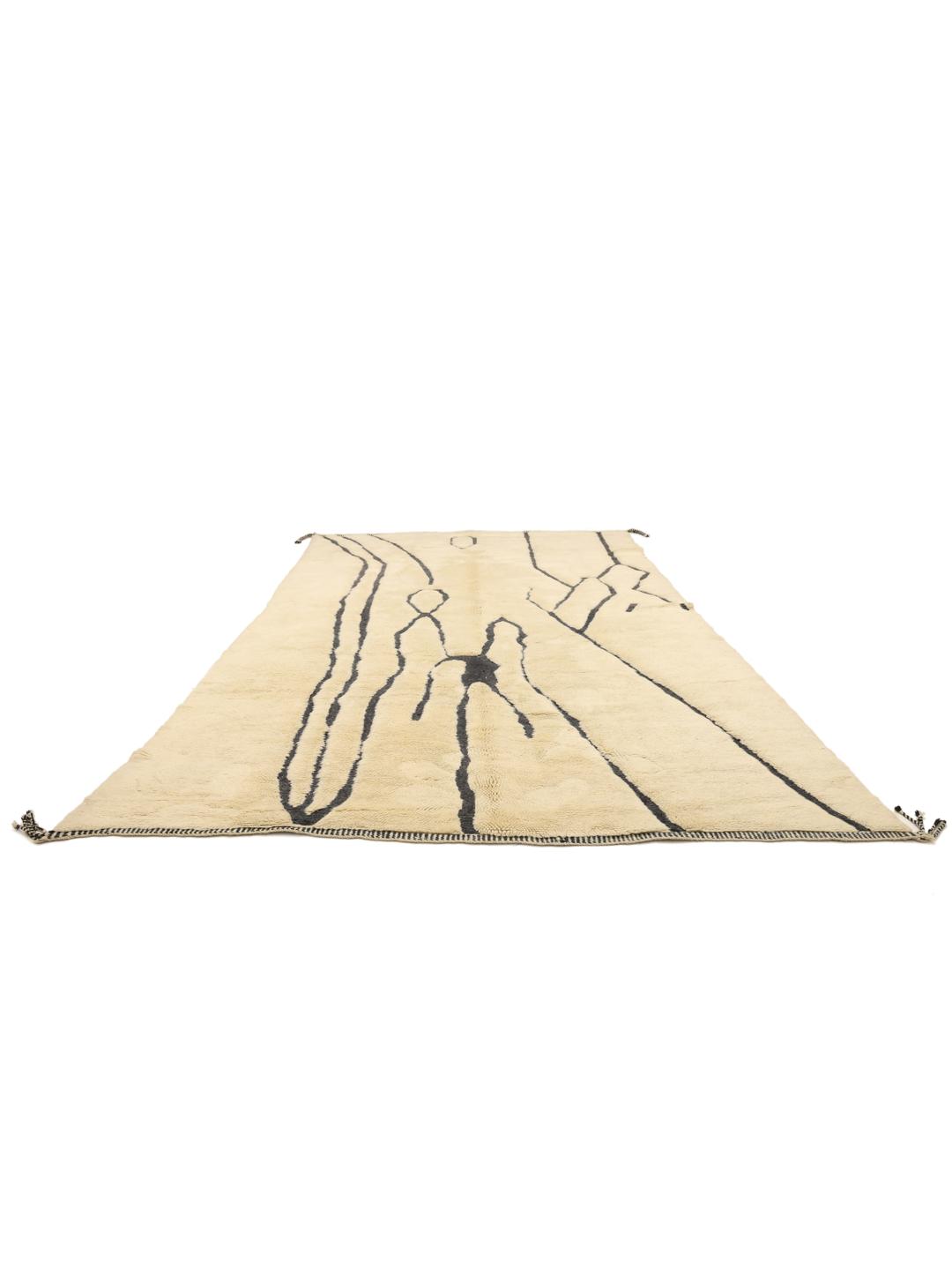
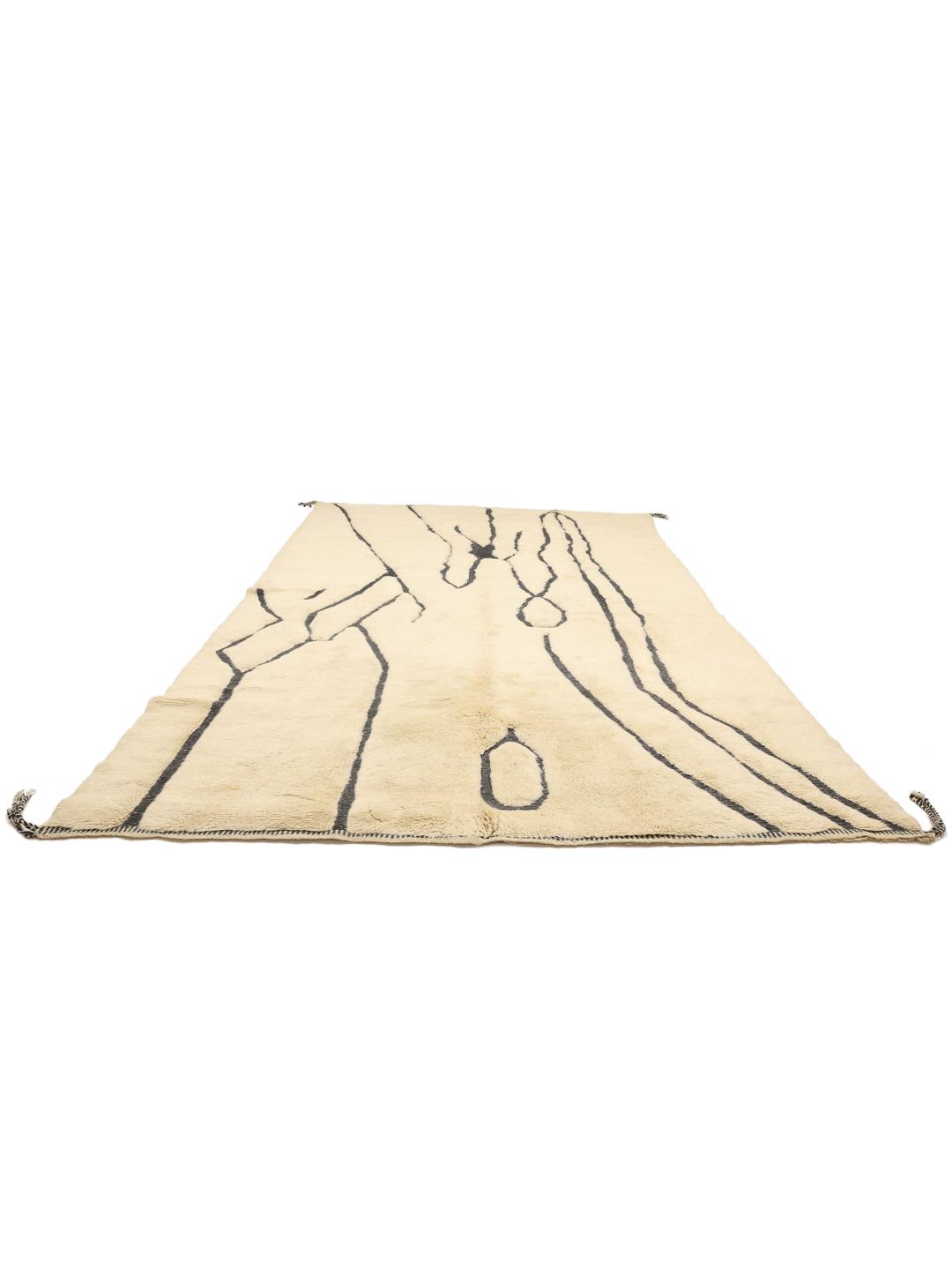
The Berber Beni Ourain tradition originates from the high Middle Atlas mountains in Morocco, where the indigenous Berber tribes have woven rugs for centuries. These rugs were traditionally created not just as floor coverings, but as essential items for warmth and comfort in the harsh, cold mountain climate. The nomadic and semi-nomadic lifestyle of these tribes heavily influenced the development of their weaving techniques.
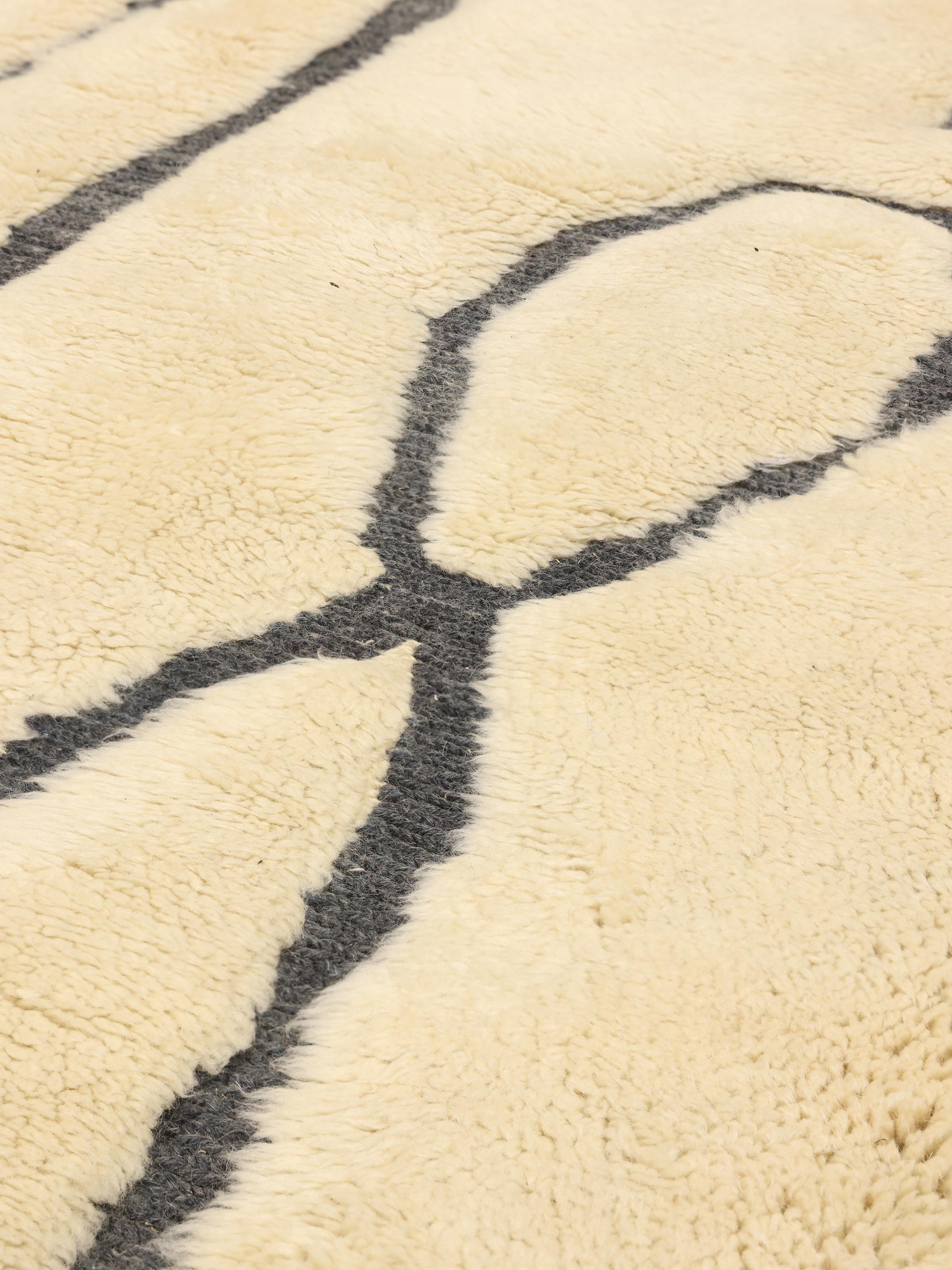
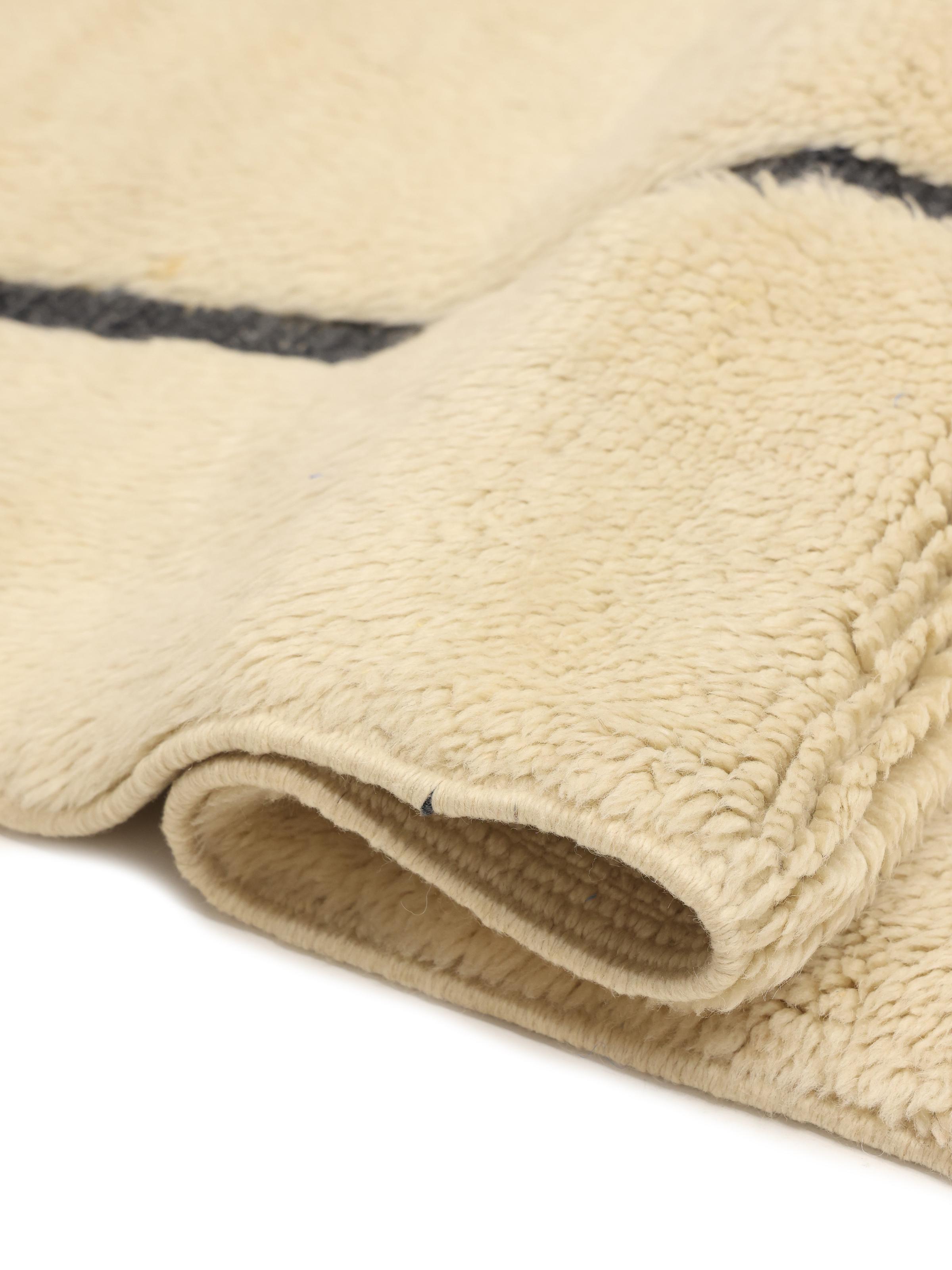
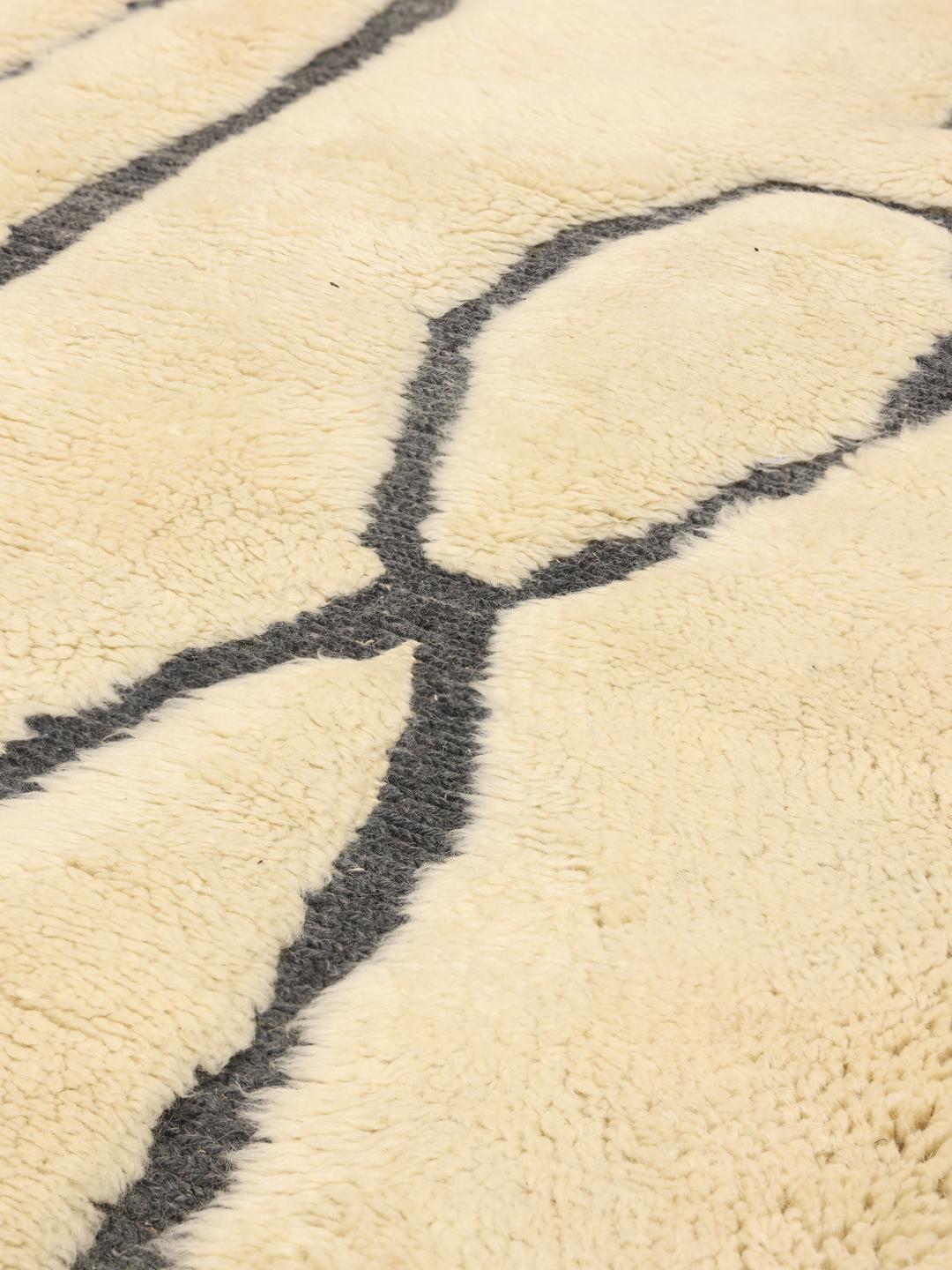
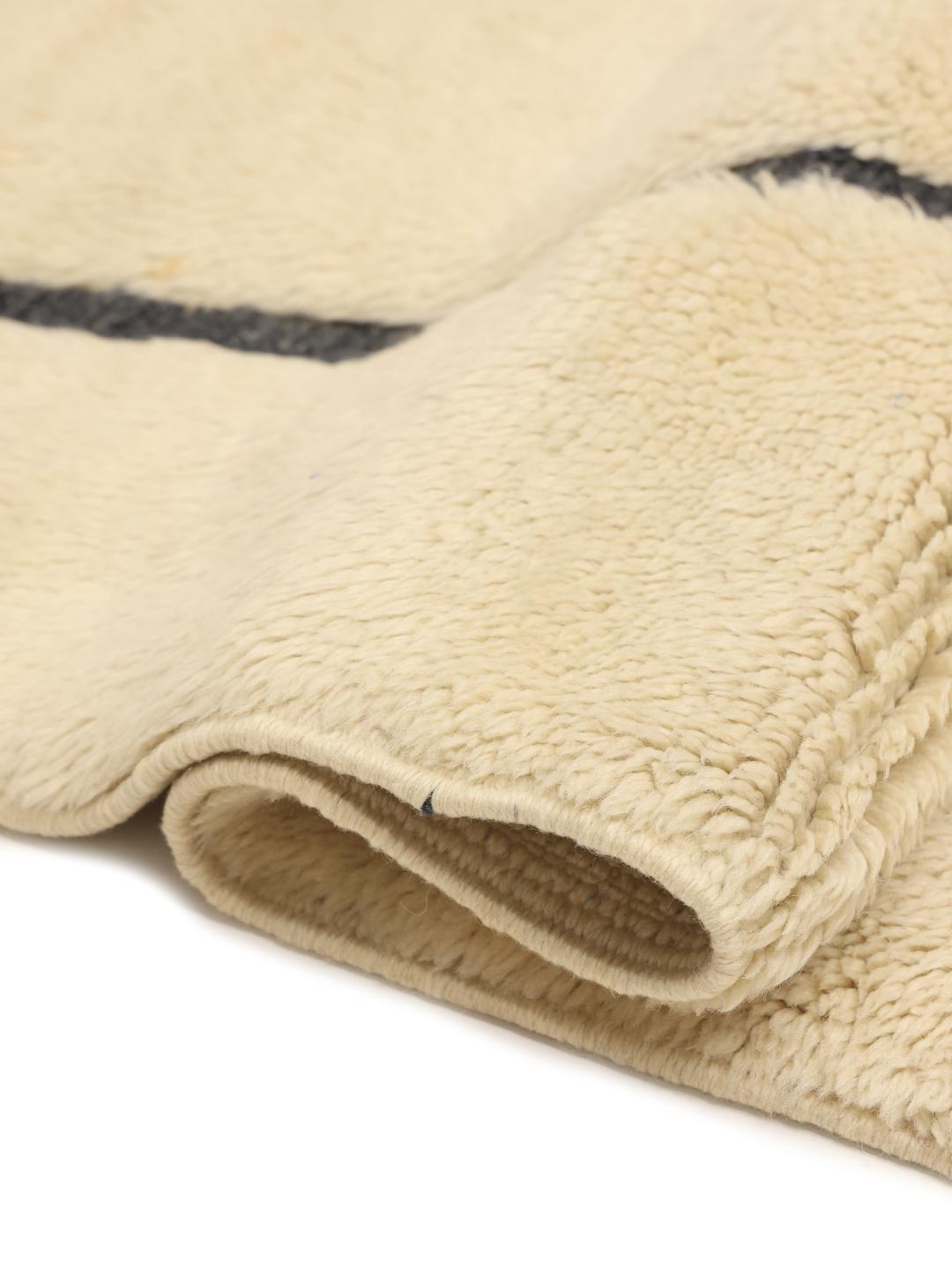
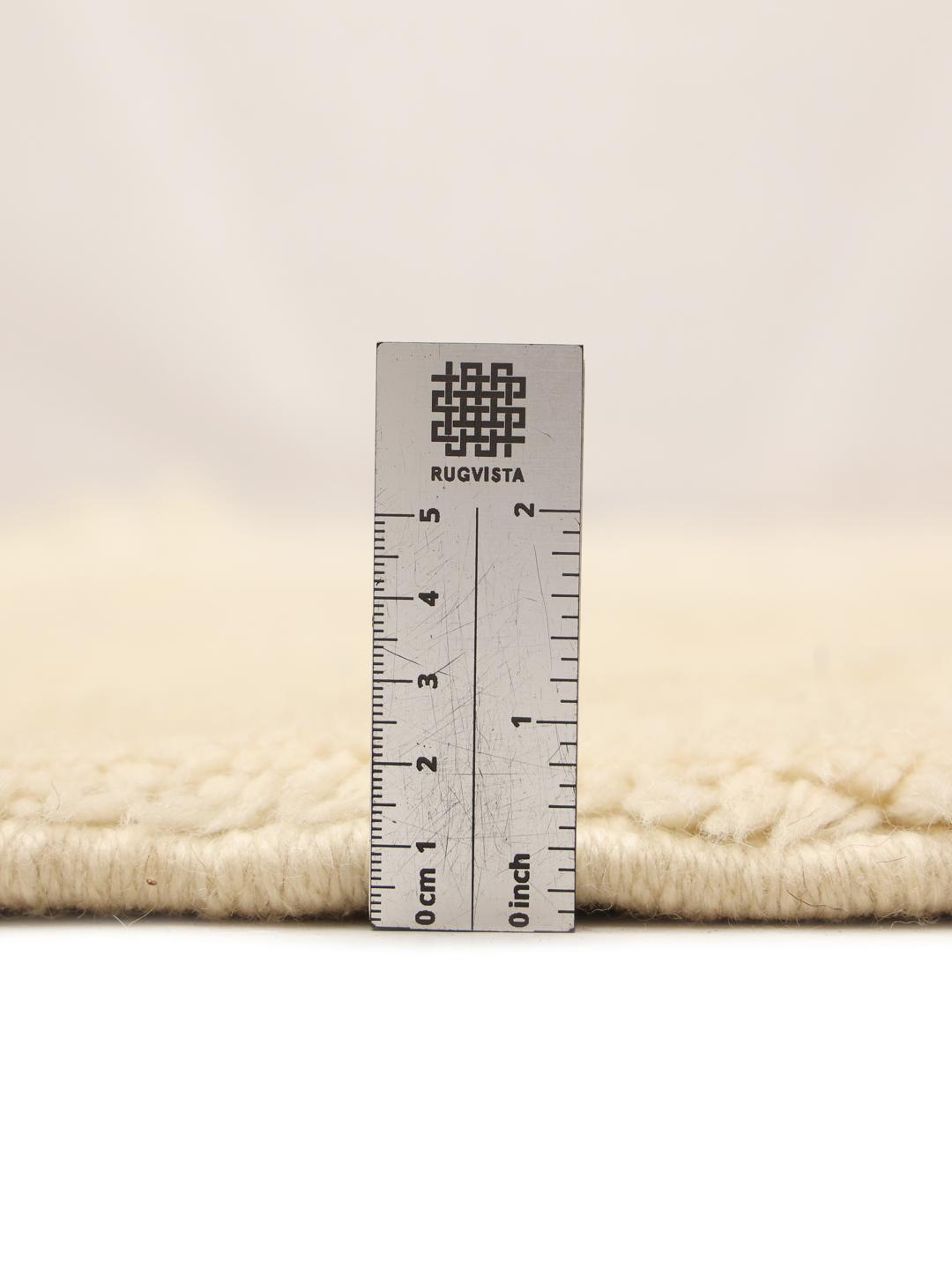
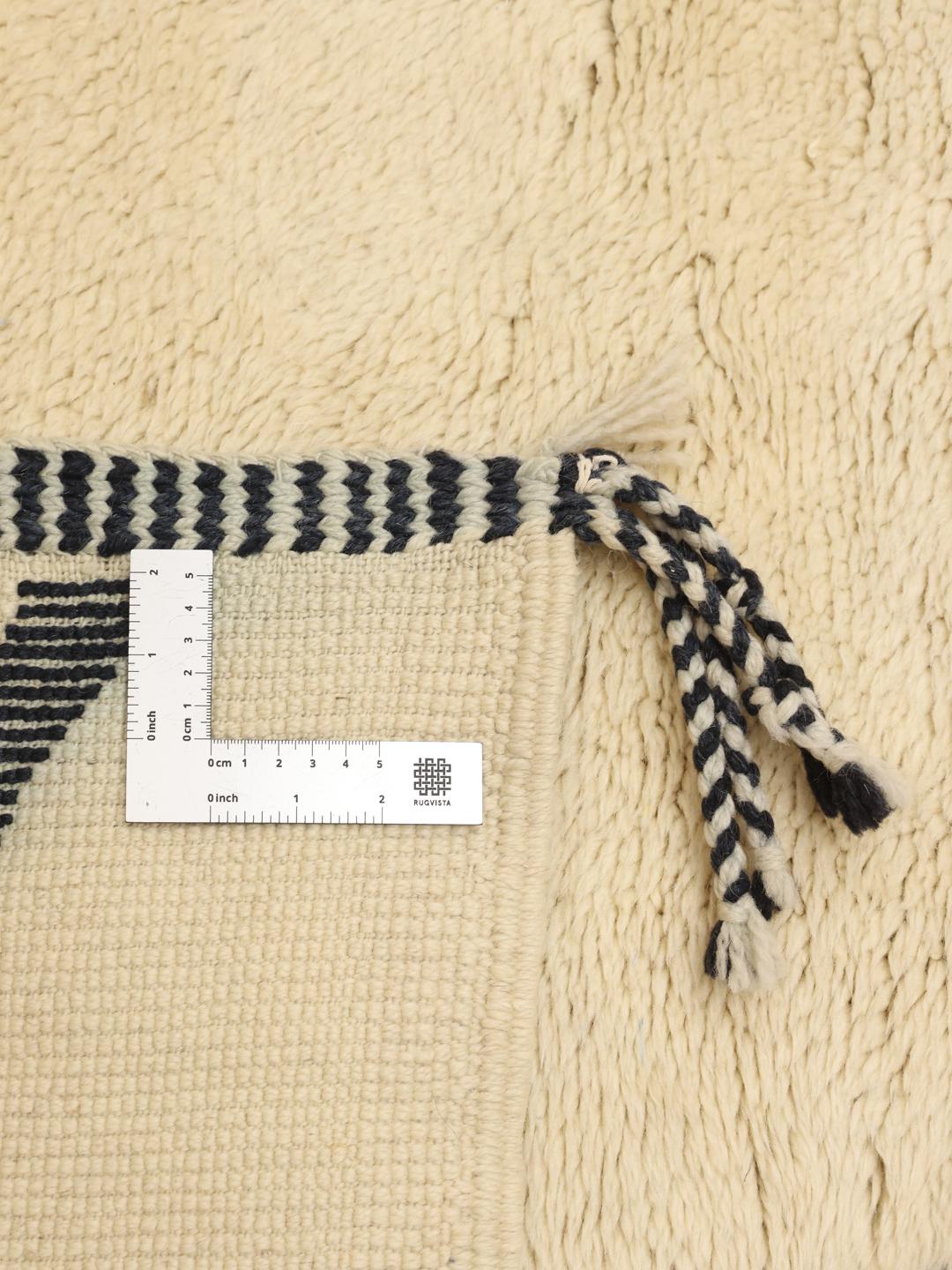
The term Beni Ourain refers to a confederation of tribes whose weaving style is characterised by a specific approach to wool selection and knotting. The wool used is exceptionally soft and often left in its natural, undyed state, which contributes to the characteristic creamy, ivory tones of the field. The focus on quality materials ensures a resilient and long-lasting pile that feels incredibly soft underfoot.
Visually, these rugs are renowned for their minimalist, abstract, and often geometric patterns. Traditionally, these designs were not mere decoration but served as a form of storytelling, with motifs often representing elements of daily life, fertility, or protection from the evil eye. The stark contrast between the natural wool background and the dark, often charcoal-coloured patterns creates a clean, modern look that has made them highly sought after by designers worldwide.
Owning a piece from this tradition is an act of preserving cultural heritage. These rugs are highly valued by collectors for their raw authenticity and the human story woven into every strand. Each rug represents a deep connection to ancestral skills, and by acquiring one, you are bringing a piece of history and genuine craftsmanship into your living space, ensuring that these ancient traditions continue to be honoured and enjoyed.