Berber rugs originate from the indigenous tribes of the Atlas Mountains in Morocco, where they have been woven for centuries. These rugs are deeply rooted in the cultural identity of the Berber people, serving both functional and symbolic purposes within their homes. The traditions surrounding their creation have been passed down through generations, maintaining a connection to the rugged landscape and ancient history of the region.
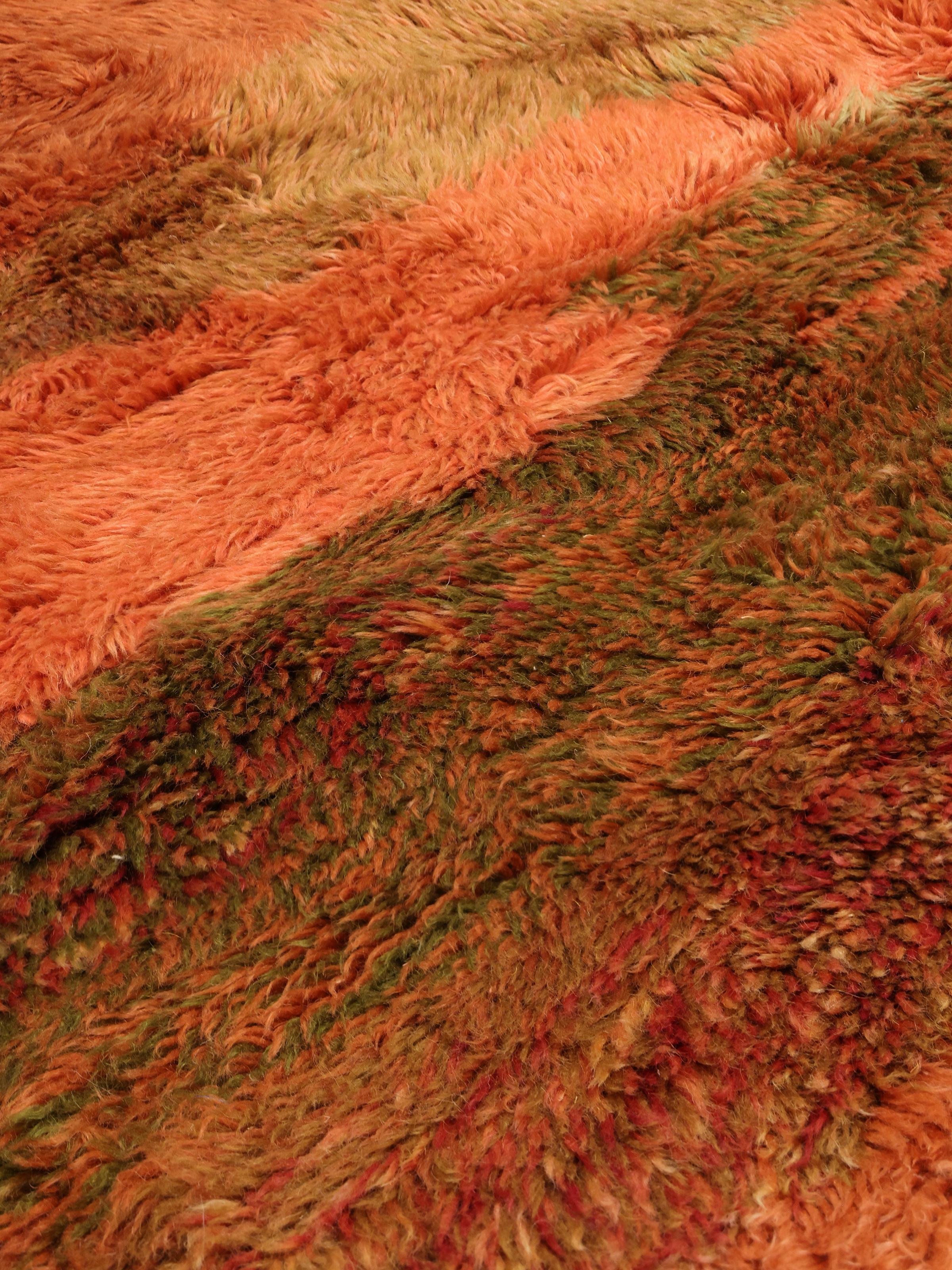
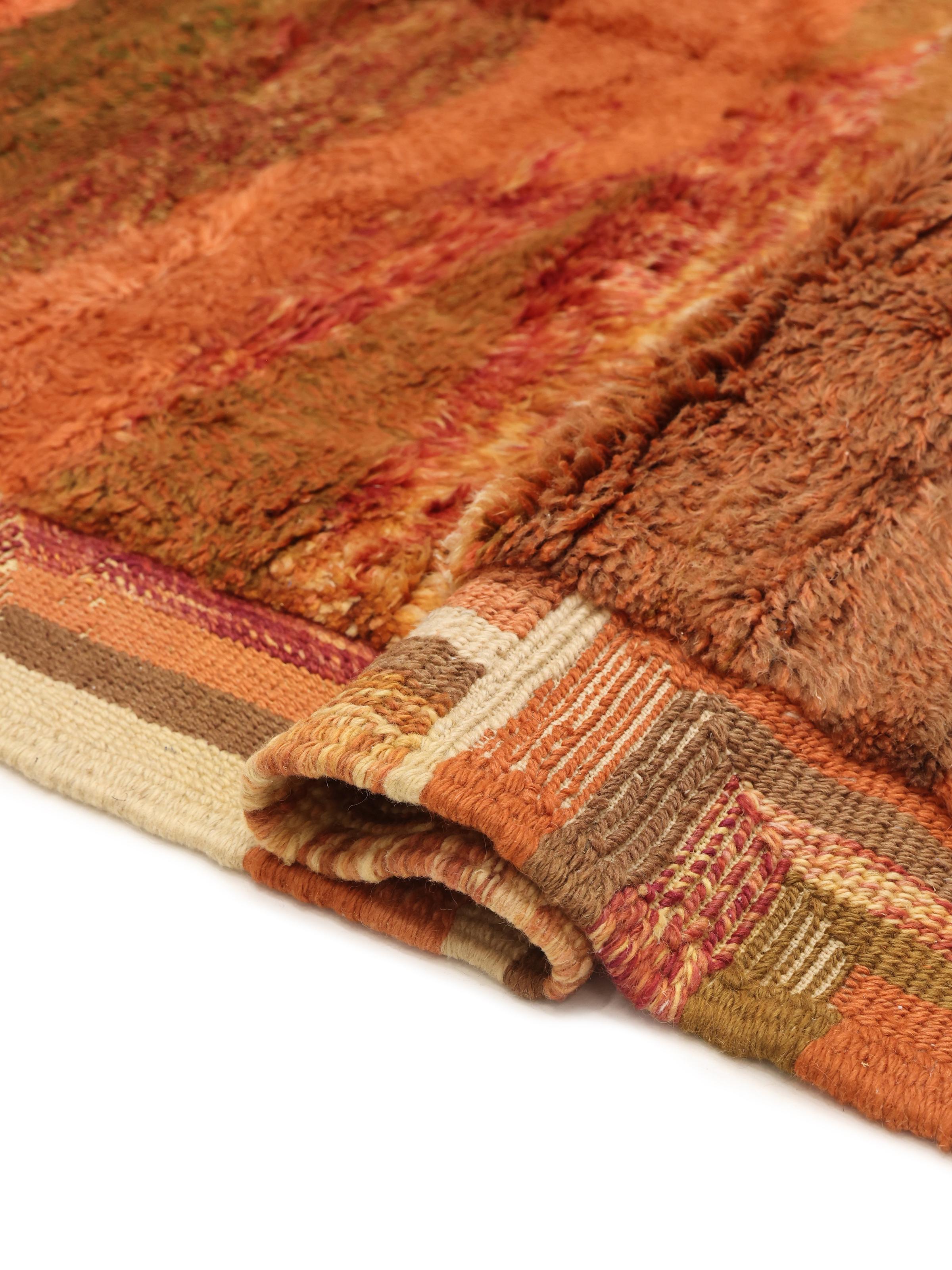
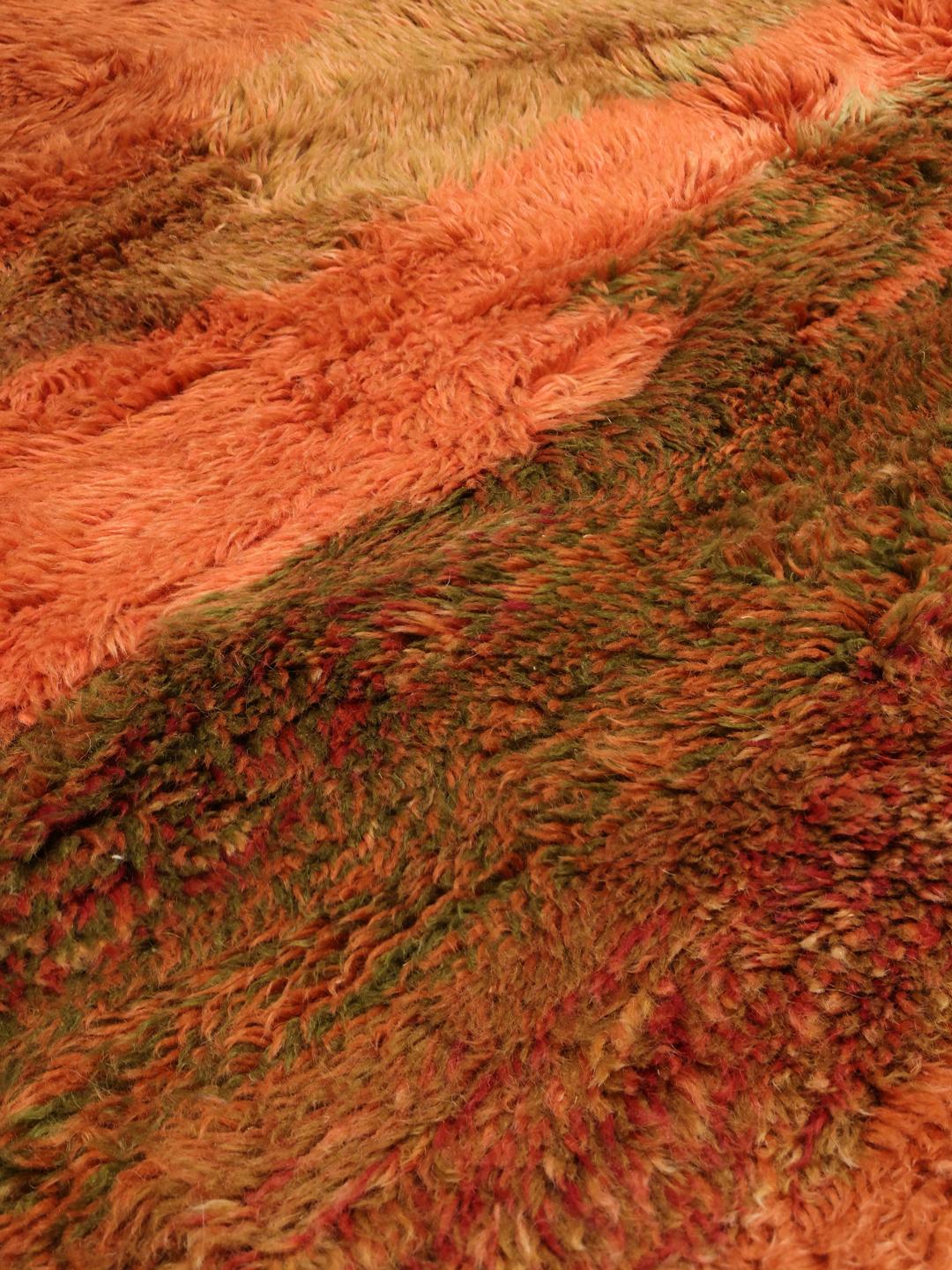
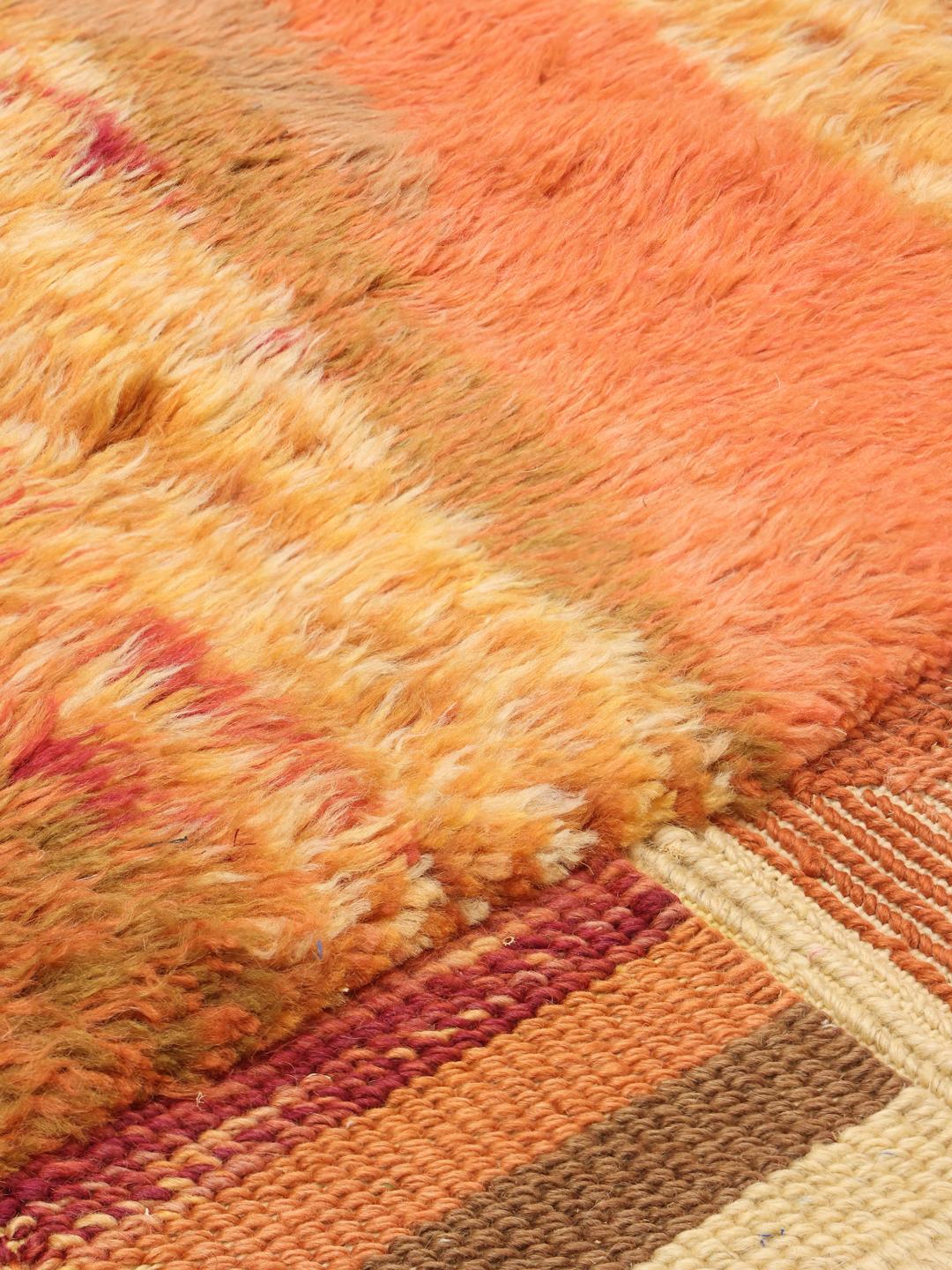
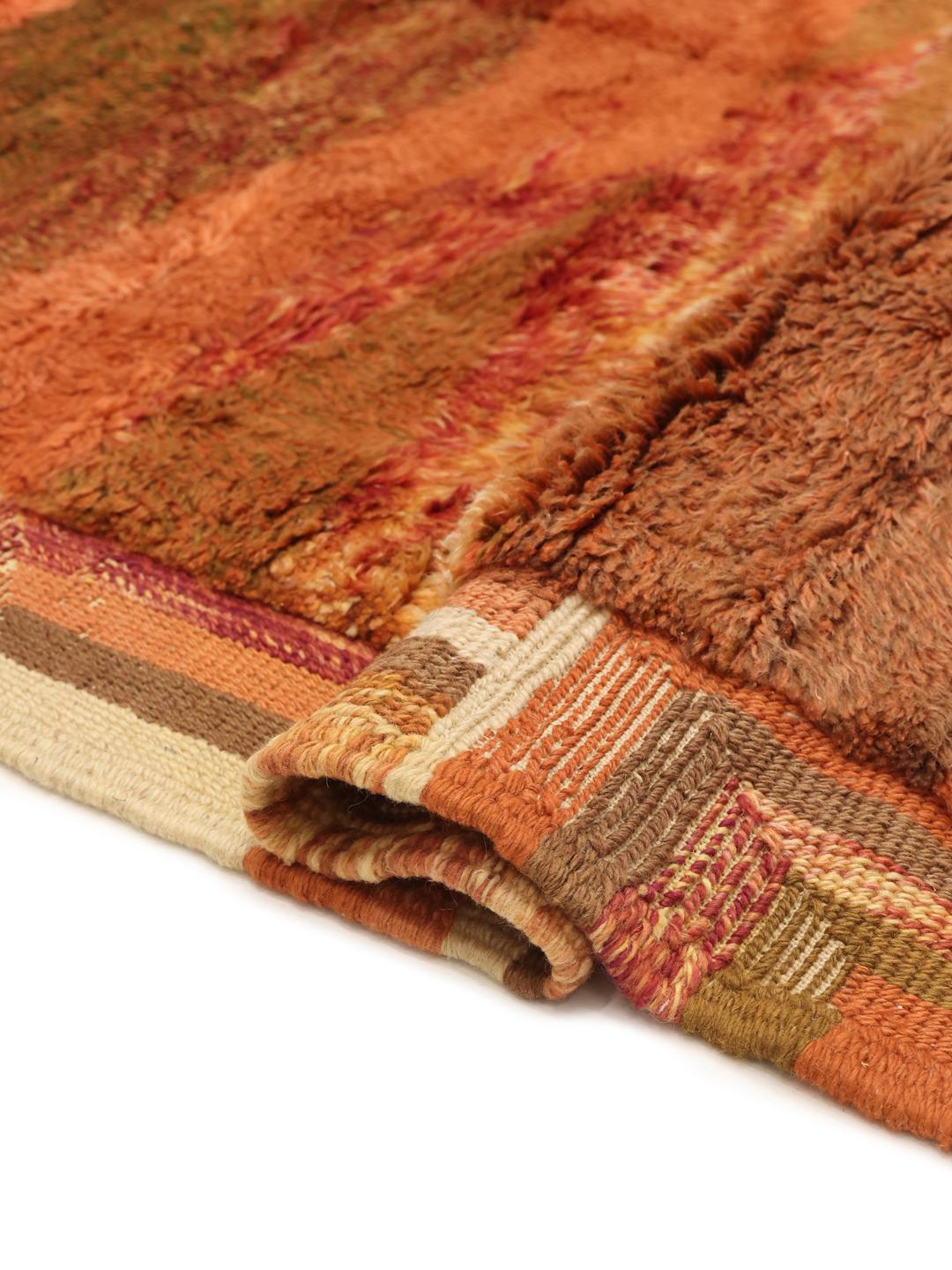
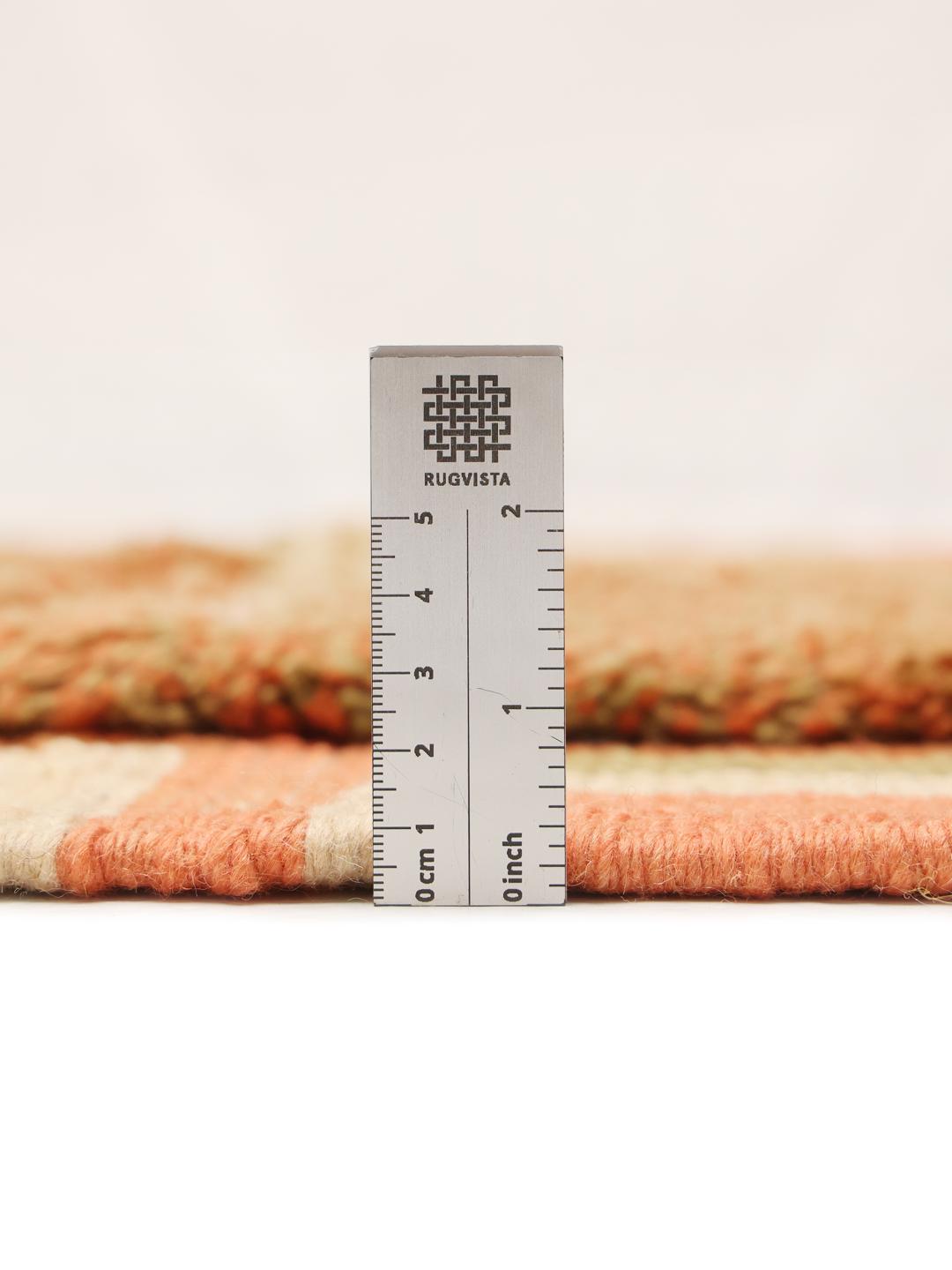
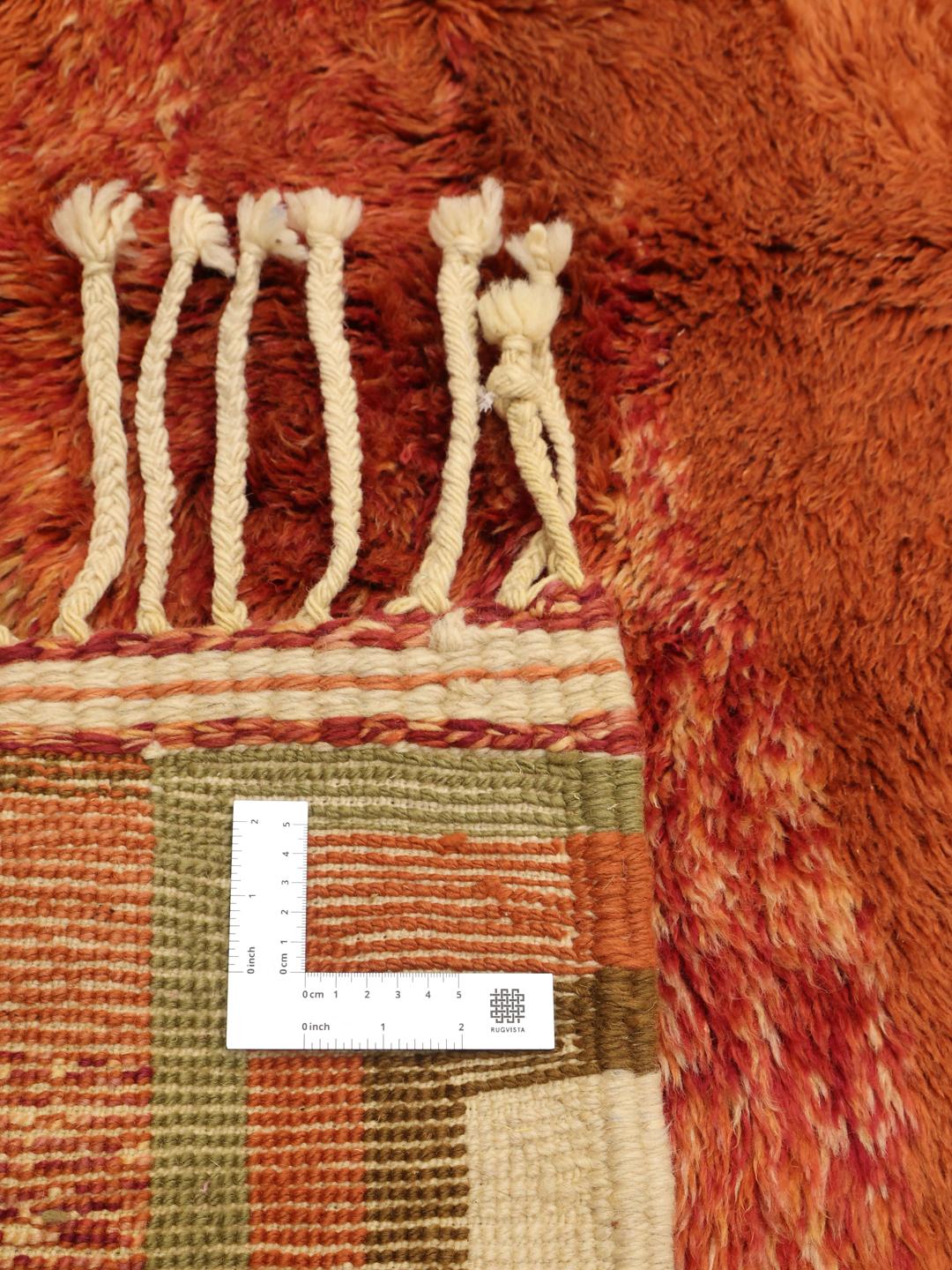
The term Beni Ourain refers specifically to the tribes of the Middle Atlas, whose weaving style is characterised by a high-quality, thick Wool pile. This specific construction technique is designed to provide warmth during the harsh, cold winters of the mountain climate. The Wool is selected for its softness and durability, ensuring that the finished rug is both a practical insulator and a comfortable surface for daily life.
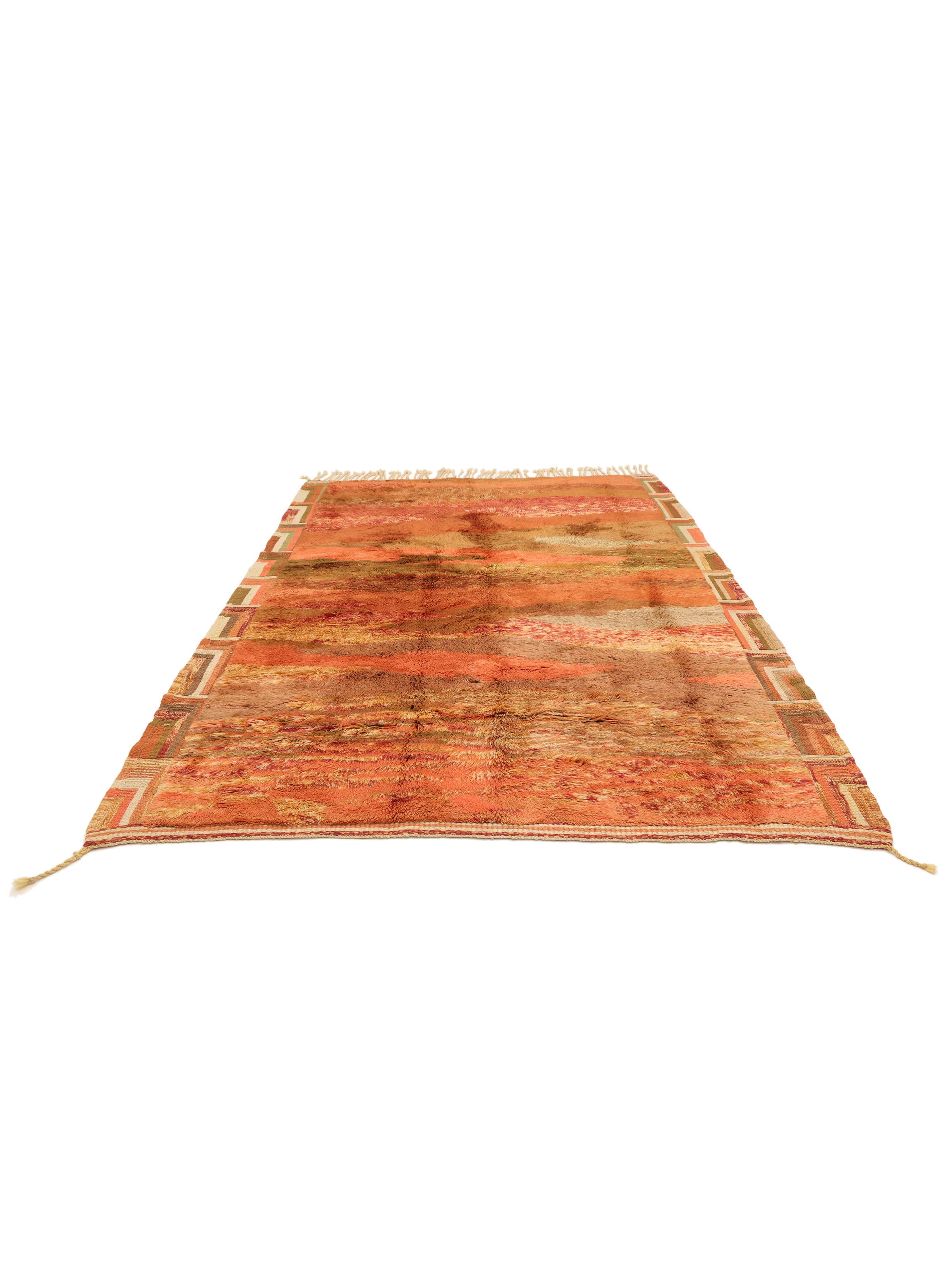
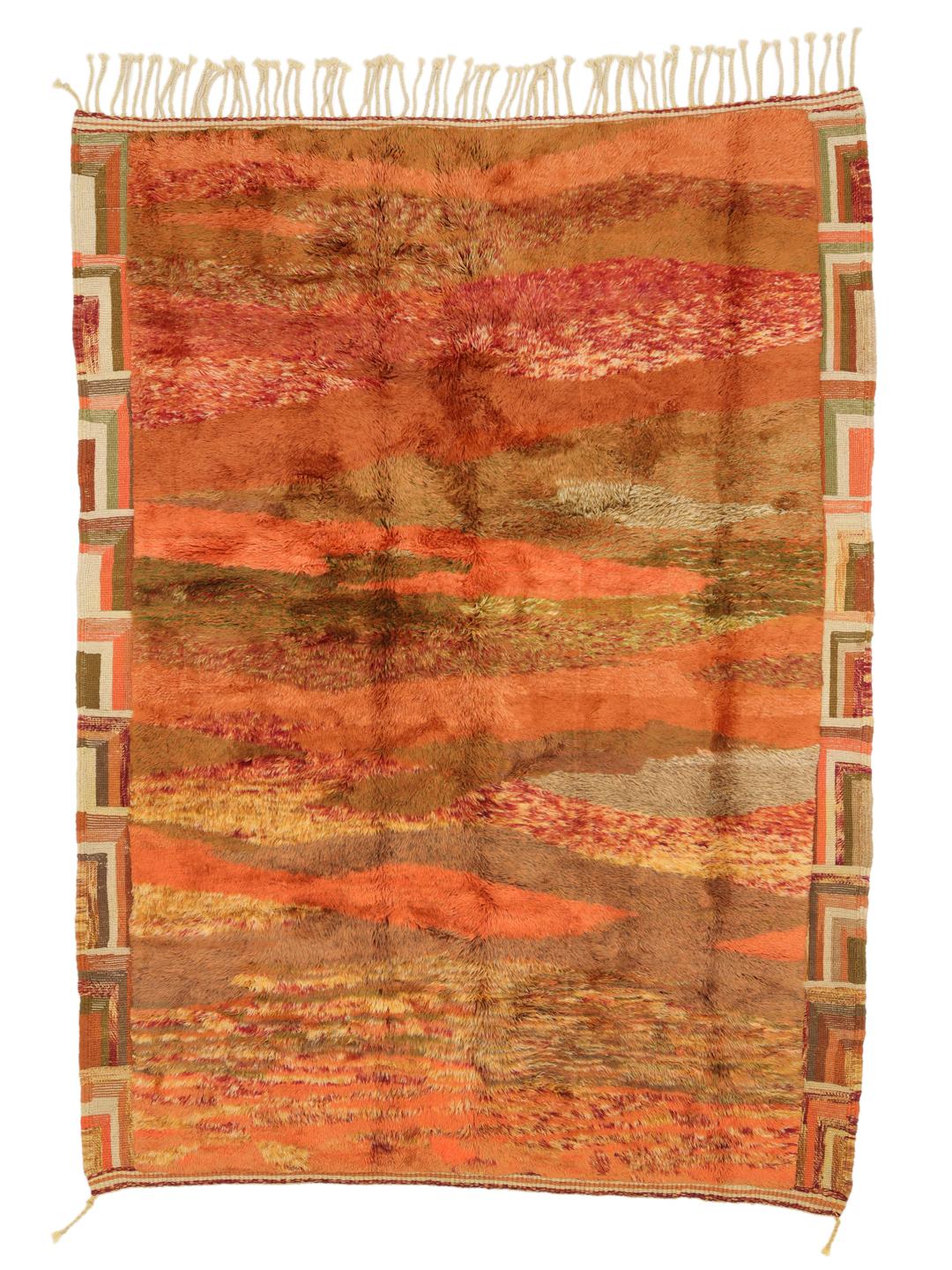
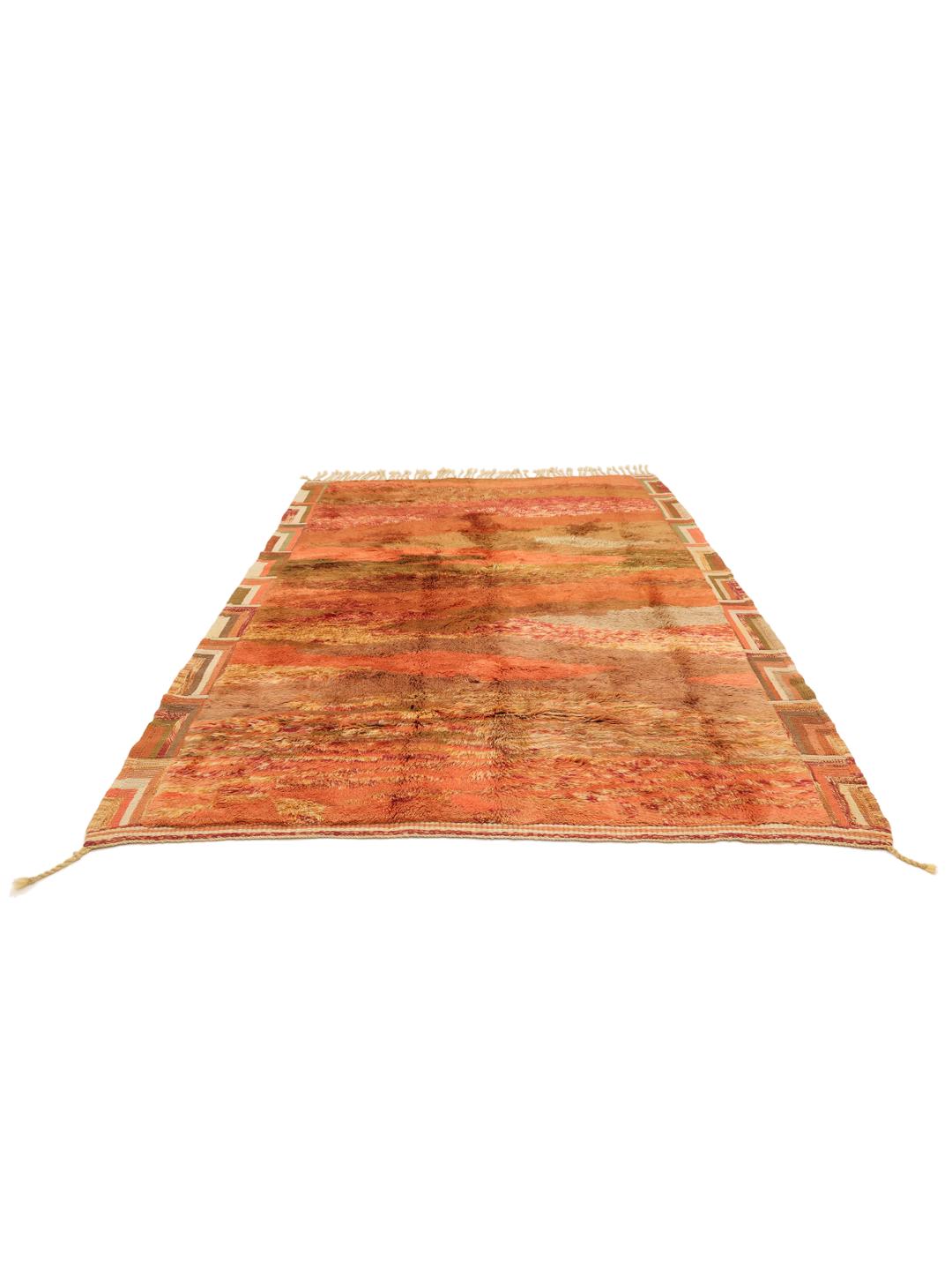
Visually, these rugs are known for their distinct aesthetic, often featuring geometric motifs that carry deep cultural significance. While many traditional examples favour a minimalist palette, the use of vibrant, earthy tones in this particular piece highlights the versatility and artistic evolution of the tradition. The border designs often act as a frame for the central field, reflecting the creativity and individual expression of the weaver.
Collecting these rugs is an investment in cultural heritage and skilled artistry. They are highly valued not only for their beauty but for the authentic, human effort embedded in every knot. Owning a piece from this tradition means connecting with a living art form that continues to thrive, offering a sense of history and warmth that is increasingly rare in the modern world.